Fota House Frameyard glasshouses
Fota Island, near Cobh (County Cork)
No freely licensed photo of this greenhouse yet. Do you have one? Suggest it for this page →
Sources checked October 2026
- Style
- Victorian walled kitchen-garden glasshouses, with pit houses and bothies
- Status
- Open to the public; the Victorian working garden follows a seasonal calendar, guided tours by booking
In the walled garden of Fota House, on Fota Island (Cork harbour), the Frameyard brings together glasshouses, pit houses and bothies that supplied the house with fruit and vegetables. After the estate was sold out of the family in the mid-1970s, the whole range was left to decay. The Irish Heritage Trust, which has looked after Fota since 2007-2008, had the glasshouses reviewed in 2008 and completed their restoration in 2011; the associated volunteering project won a Europa Nostra award in 2015. Volunteers and staff now grow plants and produce there.
Affiliate links — booking through Verrière helps fund our research, at no extra cost to you.
History
Fota is an island in Cork harbour, east of the city. According to the estate's official website, its gardens were laid out by James Hugh Smith-Barry in the first half of the 19th century; the head gardener's house, built in the mid-1800s, stands in the north-eastern corner of the Victorian working garden. This walled garden, the Frameyard, was the engine of the estate: it supplied the house with fruit and vegetables. The page about the head gardener's house names among the head gardeners William Osborne, who arrived in the 1860s, William Beswick, in post around 1901-1915, and Thomas Leggett, from 1943 to 1963; it adds that the head gardener oversaw the glasshouse heating and grew exotic fruit and vegetables under glass for special occasions.
Decline followed the sale of the estate out of the family in the mid-1970s. The Frameyard, a series of glasshouses and bothies, lay neglected for nearly forty years according to the European Heritage Awards file. The Irish Heritage Trust took Fota on in 2007 (2008 in the European file); it asked John J. O'Connell Architects (JOC) to review the glasshouses in 2008, and the restoration was completed in November 2011. Wikipedia mentions the reopening of the working garden and several greenhouses after the state took over the estate in 1996, whereas the Trust describes dilapidated glasshouses on its arrival: the accounts do not agree. In 2015 the volunteering project built around the Frameyard received the European Union Prize for Cultural Heritage / Europa Nostra Award.
Architecture and engineering
The Frameyard occupies the walled garden of Fota House, behind the mansion. The official website describes an orchard, pit houses and working glasshouses, while the European Heritage Awards file speaks of a series of glasshouses and associated bothies.
The Trust asked JOC to review them in 2008. The restoration strategy aimed to conserve all the Victorian elements so as to recover the original unity and legibility of the glasshouses; the works finished in November 2011. Heating was part of the garden's equipment: the page on the head gardener's house says he oversaw the maintenance of the heating system. Beyond the glasshouses themselves, the garden includes an orchard, and the head gardener's house, built in the mid-19th century, stands at the edge of the kitchen-garden wall.
Plant collections
In Victorian times the Frameyard produced fruit and vegetables for the house, and the page on the head gardener's house says that exotic fruit and vegetables were grown under glass for special occasions. Today staff and volunteers propagate plants and grow flowers, fruit and vegetables, used on site and sold to the public; the profits are reinvested in the expansion of the Frameyard and in other garden restoration projects. Some beds in the working garden are planted with pollinator-friendly wildflowers, and the heritage orchard and kitchen garden were revived with help from Apple Inc. employees.
Visiting
The Victorian working garden is part of Fota House, Arboretum & Gardens, a property of the Irish Heritage Trust. According to the official website for 2026, it is open from mid-March to September, with shorter hours at weekends, and closed at weekends from October to March; guided tours of the Victorian garden must be booked in advance. The rest of the estate is worth a detour: the 11-acre arboretum, open all year, an Italianate sunken garden, an orangery and a rose collection. Discover Ireland suggests allowing one to two hours for the gardens and places Fota Wildlife Park within a short walk; a café is on site, and the gardens are open all year according to the same page.
51.89° N, 8.30° W
Greenhouses nearby
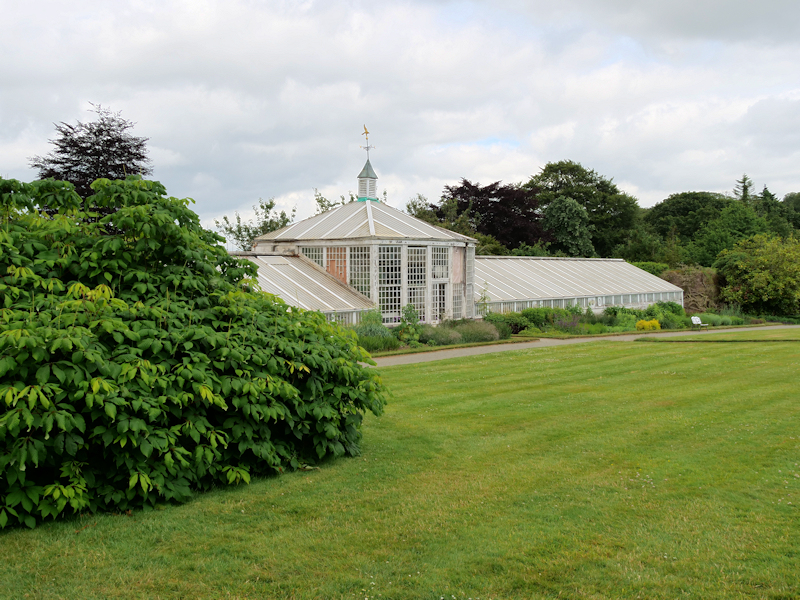
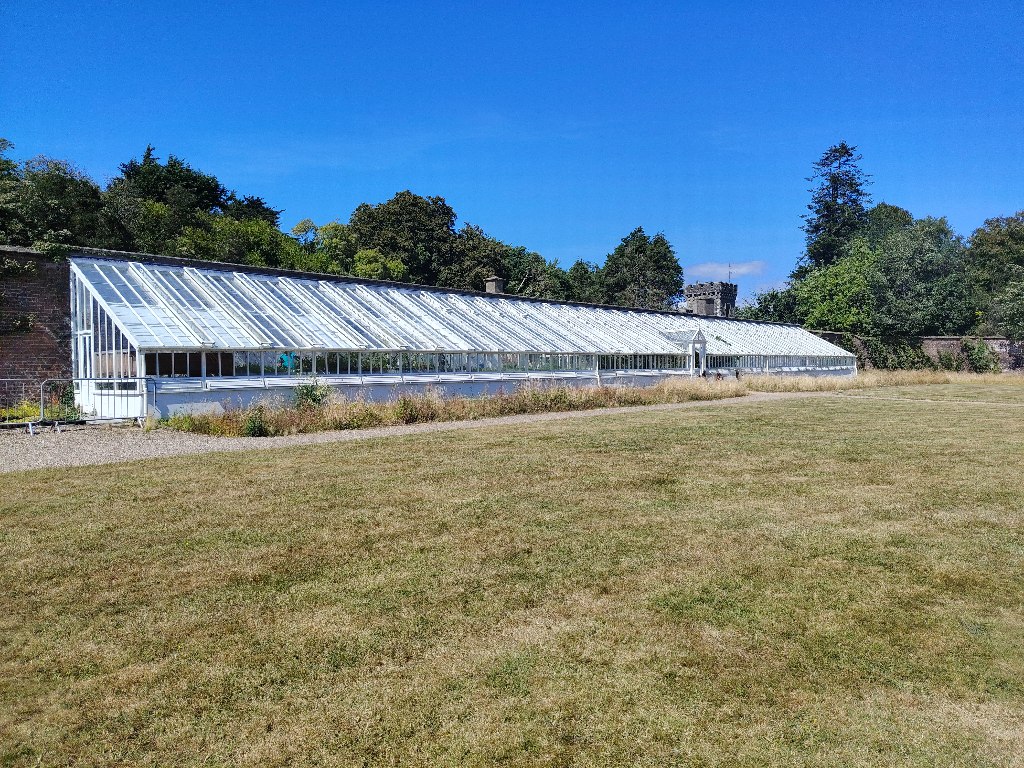
More greenhouses — Ireland
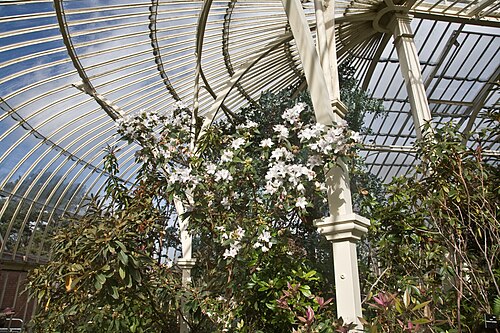
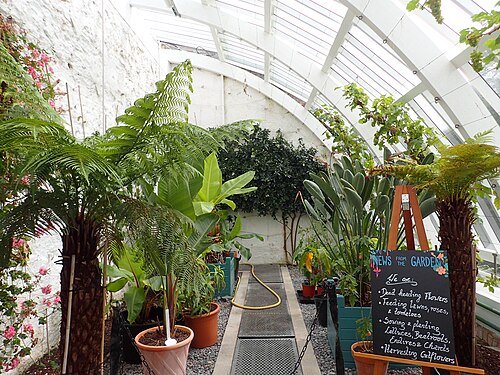
Do you have a good photo of this greenhouse? Suggest it for this page →
Sources (8)
- fotahouse.com/victorian-working-garden/
- fotahouse.com/opening-hours-prices/
- fotahouse.com/fota-gardens/
- europeanheritageawards.eu/winners/fota-walled-garden/
- europeanheritageawards-archive.eu/laureates-1978-2022/detail/heritage-without-walls-the-fo
- joc-architects.ie/projects/fota-c19th-glasshouses-restoration
- irishlandmark.com/properties/head-gardeners-house-at-fota/
- en.wikipedia.org/wiki/Fota_House
Affiliate links — booking through Verrière helps fund our research, at no extra cost to you.