Konya Tropikal Kelebek Bahçesi
Selçuklu, Konya

Sources checked September 2026
- Year
- 2015
- Architect
- Arup
- Style
- Contemporary butterfly-shaped building with a fully glazed roof
- Dimensions
- 7,600 m² in total, including 3,500 m² of circulation; free-flight hall of 1,200 to 2,000 m²
- Status
- Open to the public
Opened on 4 July 2015 in the Butterflies Valley park in Selçuklu, the Konya Tropical Butterfly Garden is described as Turkey's first butterfly sanctuary. The engineering group Arup provided the technical design for this butterfly-shaped, glass-roofed building, which totals 7,600 m². The free-flight hall, kept at around 26°C and 80 to 85 per cent humidity, holds about sixty butterfly species and 195 plant species according to the official website. The building won an award at the 2018 Sign of the City Awards.
Affiliate links — booking through Verrière helps fund our research, at no extra cost to you.
History
The Konya Tropical Butterfly Garden (Konya Tropikal Kelebek Bahçesi) is run by the municipality of Selçuklu, one of Konya's central districts. It opened on 4 July 2015 in the Butterflies Valley park (Kelebekler Vadisi) and is described as Turkey's first butterfly garden.
The project was developed with a specialist butterfly house consultancy, Butterfly House Consultancy, for which the engineering group Arup provided technical architectural design, multidisciplinary engineering and facade consultancy. In 2018 the building won Best Architectural Design in the public buildings category of the Sign of the City Awards.
It quickly found an audience. Attendance ran at around 350,000 visitors a year and had passed 1.5 million by early November 2018; in August 2021 the Hürriyet Daily News reported nearly two million visitors since opening, with an annual average of 400,000 to 500,000.
The garden has also turned to environmental education: in June 2022 it launched a school vegetable garden and insect house project in four schools, and it runs a programme called Gezen Doğa-Çok Yaşa Kelebek with village schools.
Architecture and engineering
The building takes the silhouette of a butterfly. It combines a double-curved lattice steel shell with reinforced concrete shear walls at ground level, designed for a seismic region. The glazed roof covers about 2,100 m² and is screened from the summer sun by shading elements inspired by butterfly wings. The complex totals 7,600 m², including some 3,500 m² of visitor circulation; the free-flight hall measures 1,600 m² according to the Hürriyet Daily News and 2,000 m² according to the garden's official website.
The main challenge was Konya's climate, dry in summer, cold in winter and low in humidity. Arup chose evaporative cooling as the primary means of climate control, targeting about 26°C and 85 per cent humidity, with warm air blown along the inner facade to prevent condensation in winter. Temperatures quoted in the press range from 26 to 30°C.
Plant collections
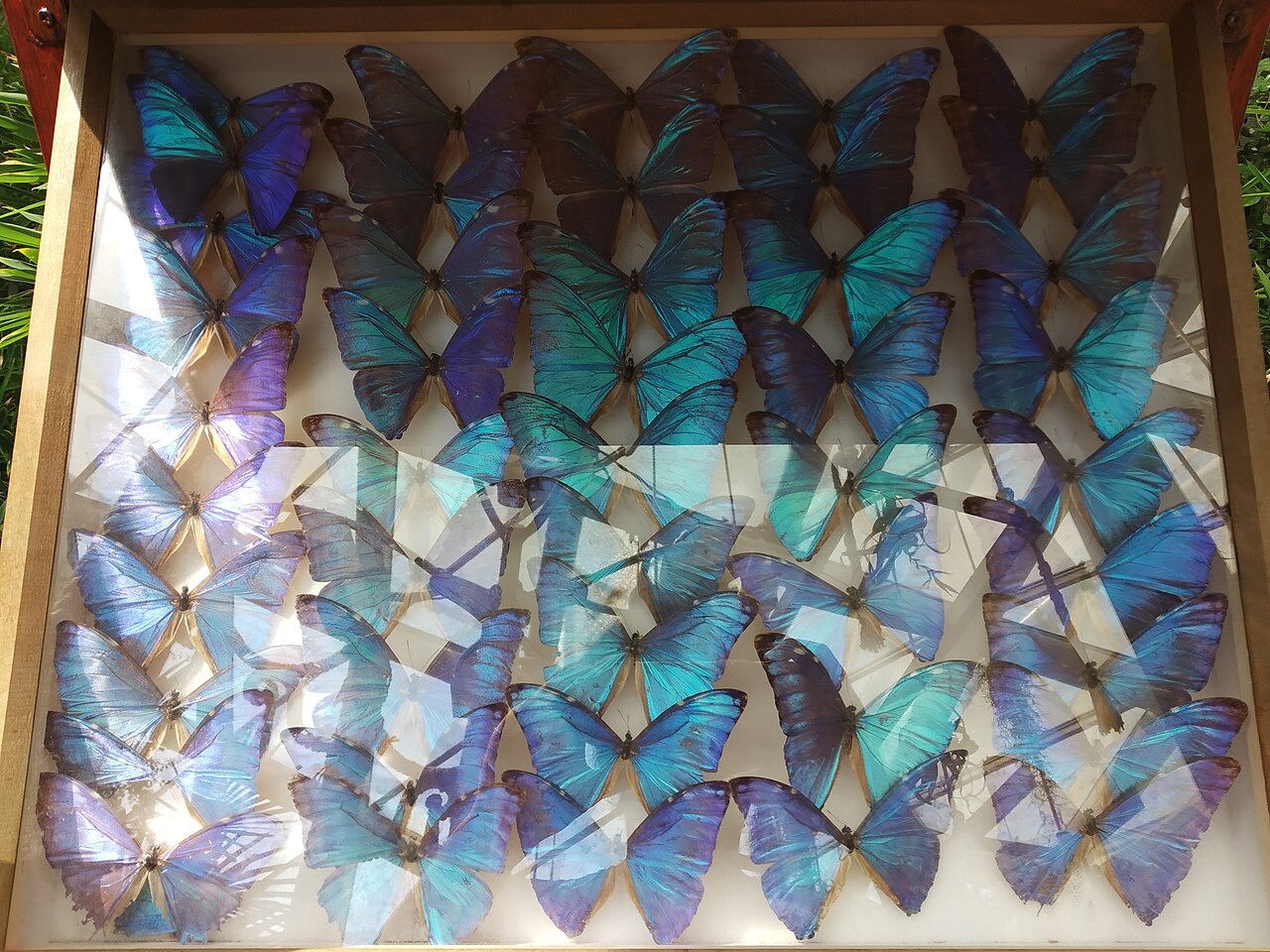
Arup refers to more than 5,000 butterflies of over 15 species; in 2016 the press cited 14 species, the Hürriyet Daily News about sixty in 2021, sourced notably from the Philippines, Kenya and Costa Rica, and the official website now gives 60. Visitors can follow the entire life cycle, from caterpillar to pupa to adult. Species shown have included the Atlas moth (Attacus atlas), whose wingspan can reach 26 centimetres.
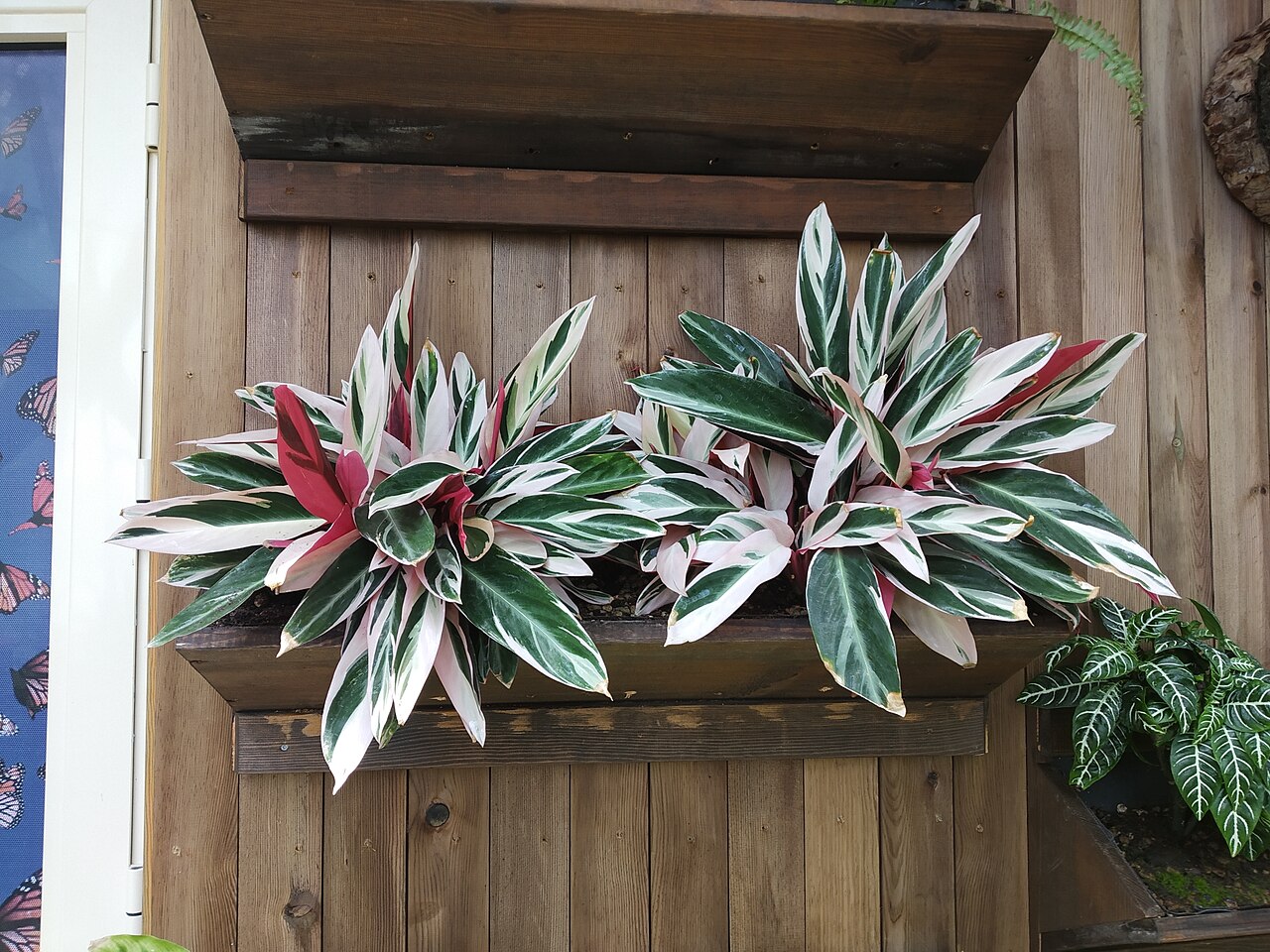
The planting amounts to some 20,000 tropical plants, belonging, according to the official website, to 195 species; the butterflies can be watched flying around their own nectar plants. The butterflies feed on plates of seasonal fruit. The site also includes a butterfly museum, an insect museum and a nature education classroom.
Visiting
The garden lies in Butterflies Valley park (Kelebekler Vadisi), one of the largest urban parks in Selçuklu district, north of central Konya, next to the Selçuklu Flower Garden and the Adventure Tower; city bus line 47 serves it. A visit moves through the large tropical flight hall, where butterflies fly freely around visitors, and on to the butterfly and insect museum rooms. The humid warmth of the flight hall contrasts sharply with the continental climate of central Anatolia, especially in winter. The site is popular with photographers and school groups, and schools can book their visits online.
37.95° N, 32.46° E
Greenhouses nearby
Do you have a good photo of this greenhouse? Suggest it for this page →
Affiliate links — booking through Verrière helps fund our research, at no extra cost to you.