Jardin d'Essai du Hamma
Algiers

Sources checked September 2026
- Year
- Founded in 1832
- Style
- Colonial-era acclimatization greenhouses
- Dimensions
- More than 1,200 plant species
- Status
- Open to the public
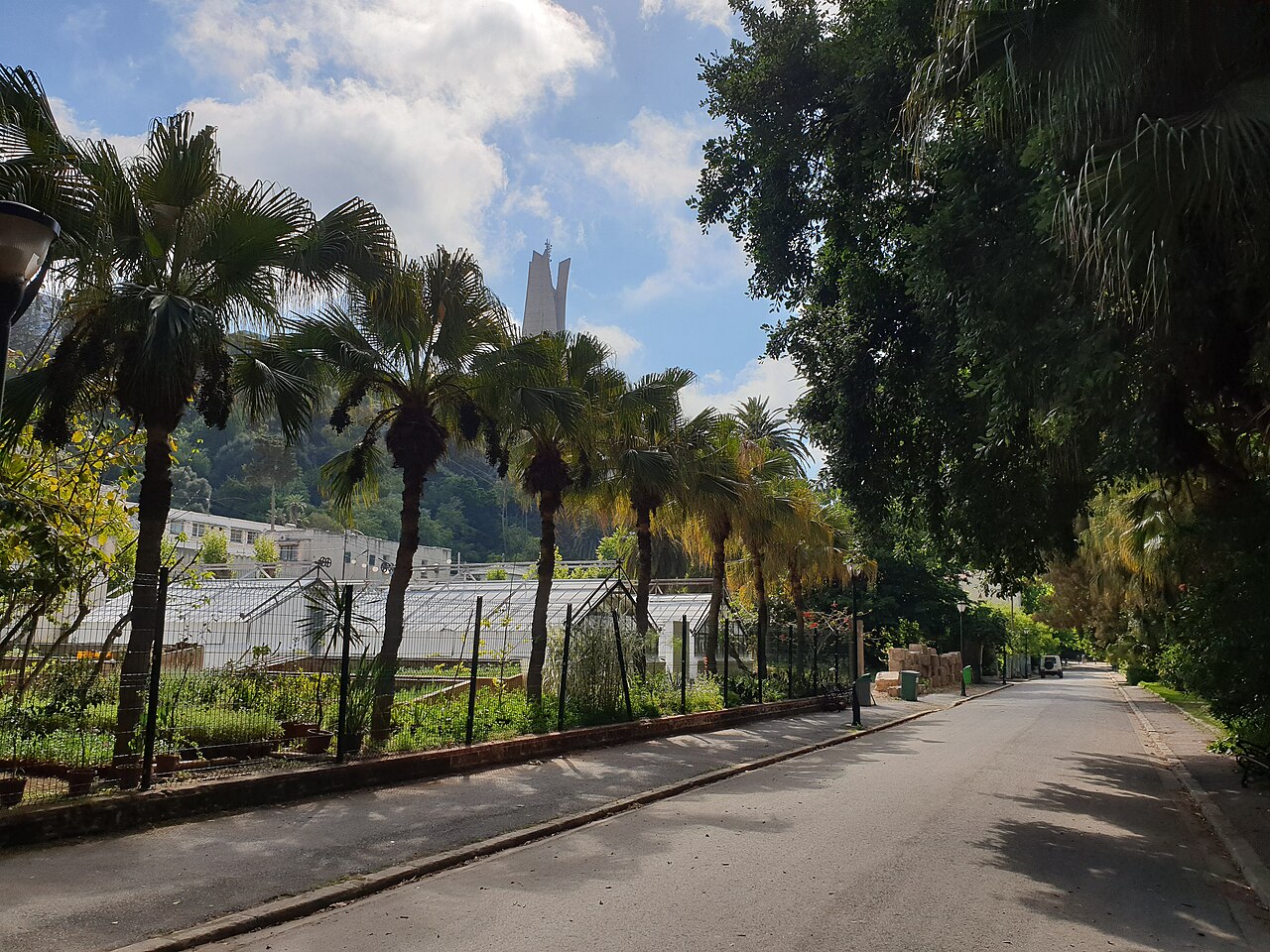
Founded in 1832 on drained marshland in the wake of the French colonization, the Jardin d'Essai was created to acclimatize and propagate plant species from around the world. Napoleon III visited its greenhouses in 1865; in 1932, they even served as a filming location for 'Tarzan the Ape Man.' Damaged by bombing during the Second World War and later restored, they reopened in 1947 and still house more than 1,200 species today, within a listed garden that was closed from 2001 to 2009 for restoration.
Affiliate links — booking through Verrière helps fund our research, at no extra cost to you.
History
The Jardin d'Essai was founded in 1832, two years after the French capture of Algiers. At the suggestion of the civil intendant Pierre Genty de Bussy, General Antoine Avisard had a first plot of 5 hectares laid out on drained marshland at the foot of the Colline des Arcades, in the Hamma district. In 1837 the purchase of a further 18 hectares turned it into the government's Central Nursery.
Under Auguste Hardy, director from 1842 to 1867, the garden became a vast acclimatisation laboratory where plants from around the world were put to the test; by 1867 Hardy counted some 8,214 species and varieties in cultivation. The great avenues date from this period: araucarias (1844), palms (1845), giant bamboos and dragon trees (1847), and later the large ficus (1863). Napoleon III visited the garden in 1865. At the end of 1867 management passed to the Société générale algérienne, and Auguste Rivière ran the site until 1913, enlarging it to about 70 hectares.
The zoo, founded in 1900 by Dr Joseph d'Ange and remodelled in 1930, was then considered the finest in North Africa; in 1932 part of Tarzan the Ape Man, starring Johnny Weissmuller, was filmed there. Occupied by the Allies in 1942, the garden suffered in the bombing of 1943. Closed for works from 2001 to 2009, it reopened in May 2009 and has since housed the offices of Algeria's National Institute for Agronomic Research. In 2011 it welcomed 1.5 million visitors.
Architecture and engineering
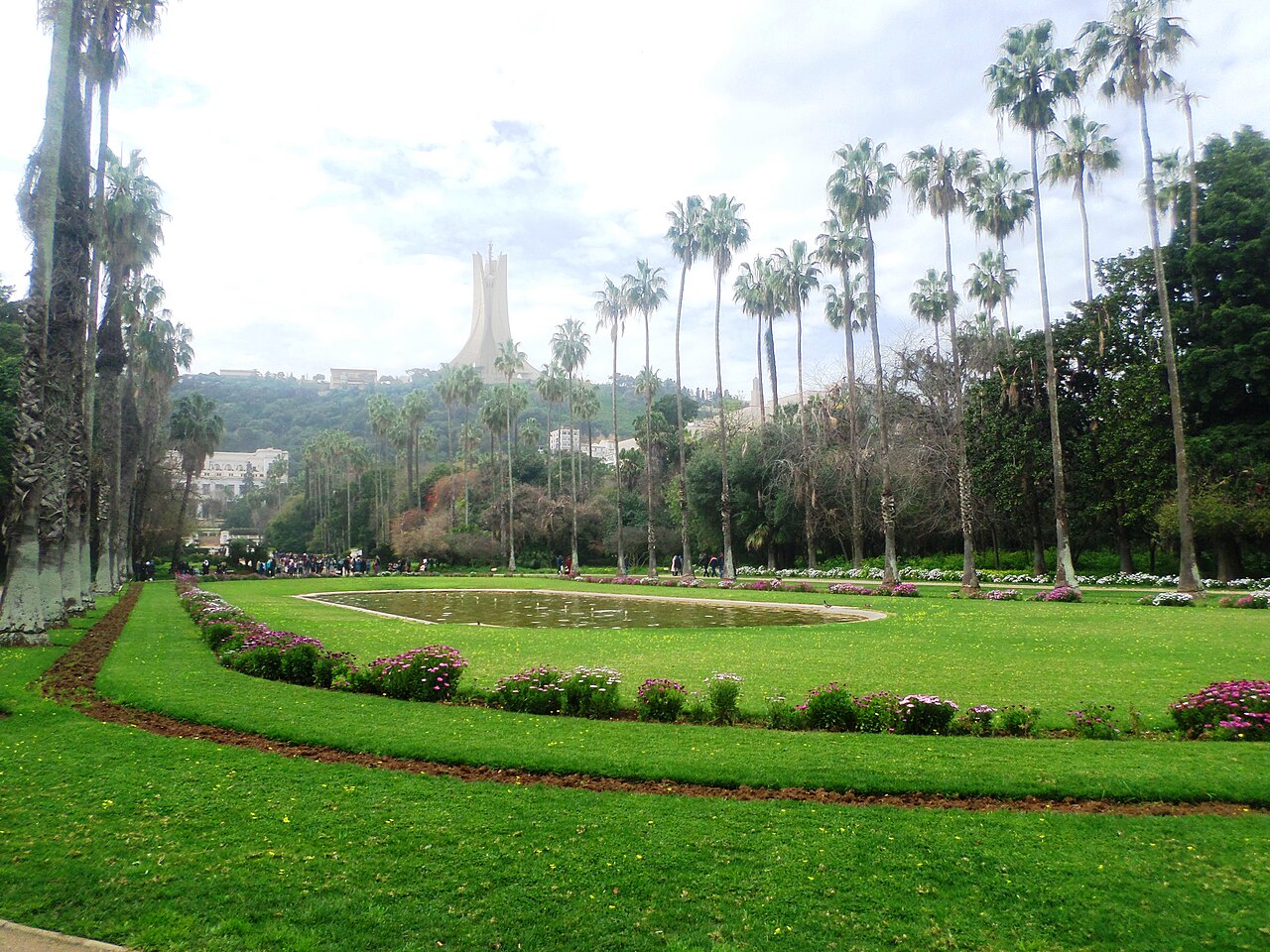
The garden now covers 58 hectares, of which 38 are garden proper and 20 arboretum, between Rue Hassiba Ben Bouali to the north and Rue Mohamed Belouizdad to the south. Its layout sets two distinct landscape traditions side by side.
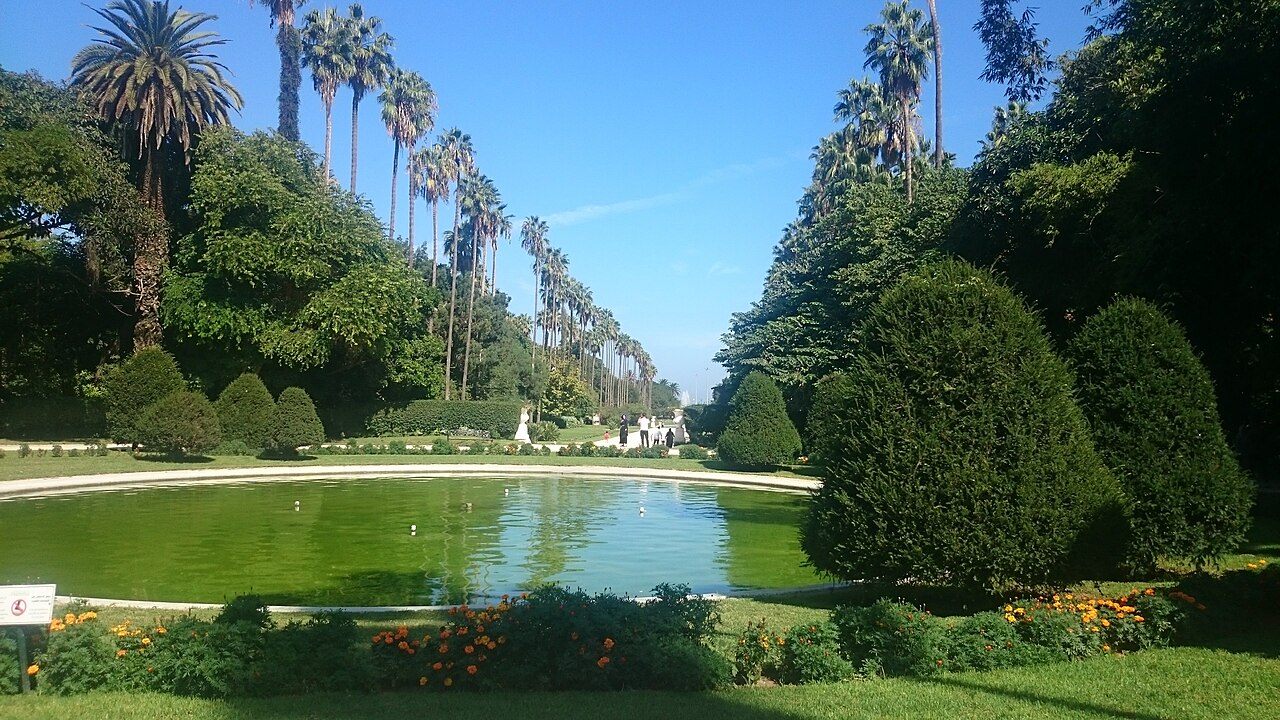
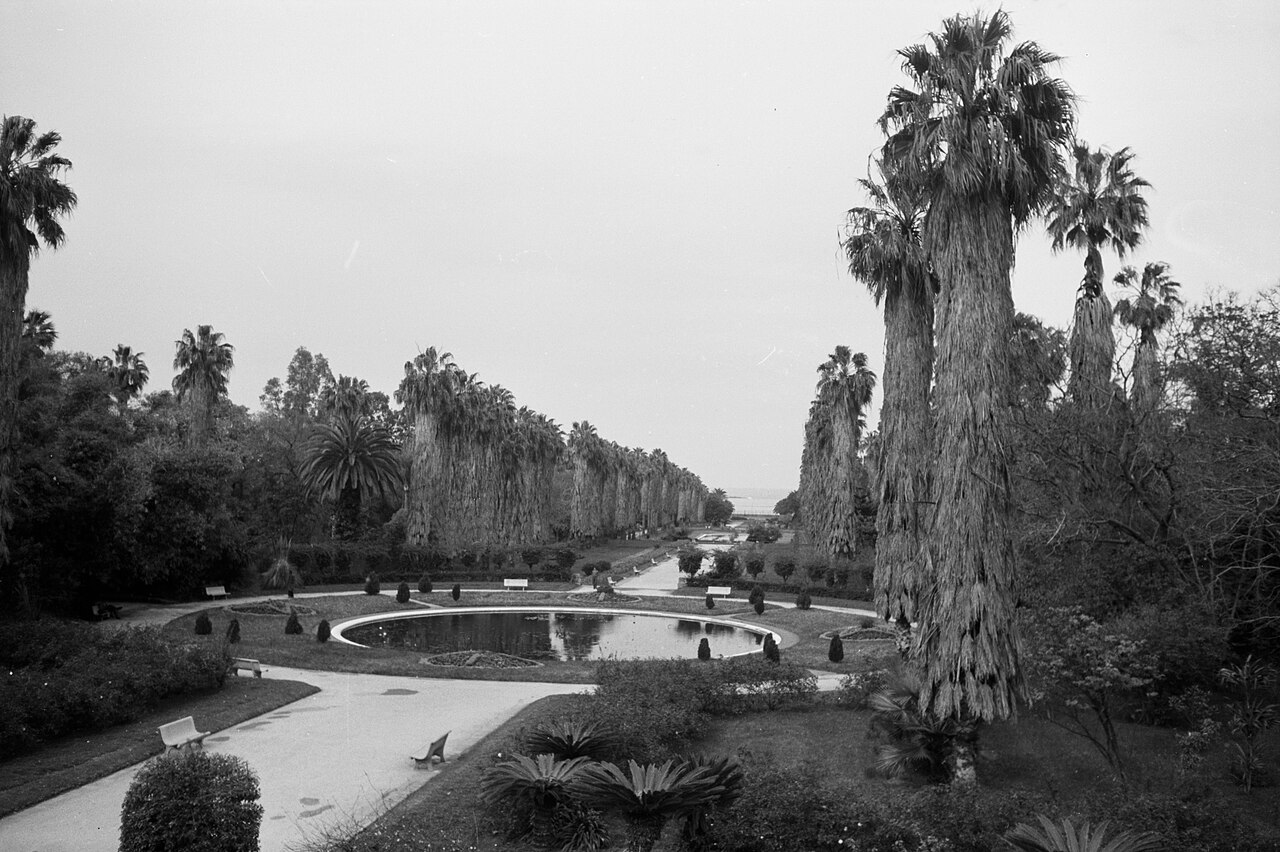
The French garden, designed by the architects Régnier and Guion from a scheme presented in 1914, unfolds a 500-metre vista over 7 hectares in five successive tiers, from the National Museum of Fine Arts down to Rue Hassiba Ben Bouali; its western side is lined with washingtonia palms. The freer English garden is encircled by the curving Allée des Cocos and arranged around a small lake with aquatic plants. The garden's main lake and its outer boulevard date from 1860.
The acclimatisation greenhouses belong to this ensemble.
Plant collections
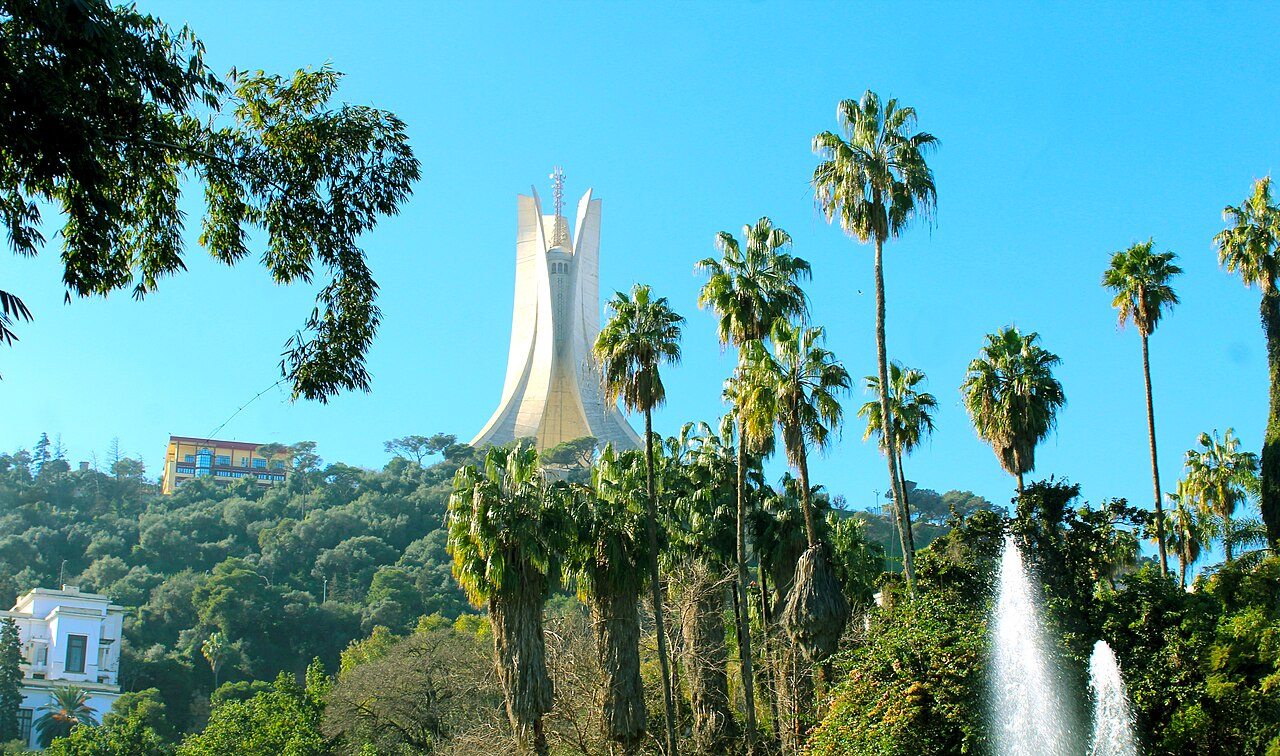
The garden holds more than 1,200 plant species today. Its historic avenues are its signature: araucarias, palms, giant bamboos, dragon trees and ficus planted between 1844 and 1863, joined by the washingtonias of the French garden and the palms of the circular Allée des Cocos. The English garden also shows aquatic plants around its lake.
The zoo, present since 1900, long kept waterbirds, monkeys, lions and panthers. One of its best-known residents was Hector the condor, brought from the Andes by Dr d'Ange, who died in 2010 at more than 70 years old. The site also once had a Japanese garden, which no longer exists.
Visiting
The Jardin d'Essai lies below the National Museum of Fine Arts and the Maqam Echahid axis in the Hamma district, and a metro station bears its name. The vista of the French garden, descending towards Rue Hassiba Ben Bouali, is the most striking walk; allow half a day to take in the historic avenues, the English garden and the zoo as well.
A visit extends naturally to the Museum of Fine Arts, which overlooks the garden, and up to Maqam Echahid, the Martyrs' Memorial, on the heights above.
36.75° N, 3.10° E
Do you have a good photo of this greenhouse? Suggest it for this page →
Affiliate links — booking through Verrière helps fund our research, at no extra cost to you.