Invernadero Faustino Miranda (UNAM Botanical Garden)
Mexico City, Ciudad Universitaria (Coyoacán)
Entry updated on October 1, 2026
- Year
- 1959
- Style
- Hemispherical iron dome
- Dimensions
- 835 m²
- Status
- Guided visits (press: by appointment)
Built in 1959, the year the UNAM Institute of Biology's Jardín Botánico was founded, the Invernadero Faustino Miranda covers 835 m² under a hemispherical iron dome in the faculties area of Ciudad Universitaria. It is named for the garden's founder and first director. It recreates a Mexican humid tropical forest, with about 121 species in 42 families: ferns, orchids, aroids and epiphytic cacti. The garden has a second greenhouse, the Invernadero Manuel Ruiz Oronóz (1966, 800 m²), at the end of the arboretum in the Pedregal section.
Affiliate links — booking through Verrière helps fund our research, at no extra cost to you.
History
1 min
The Jardín Botánico of the Institute of Biology at the National Autonomous University of Mexico (UNAM) was founded in 1959 by the botanists Faustino Miranda and Manuel Ruiz Oronóz, with the support of Efrén del Pozo, then the university's Secretary General. The greenhouse that bears Miranda's name, after the garden's founder and first director, was designed and built the same year. The sources consulted name no architect or engineer.
The garden is now organised in two distinct parts. One is the outdoor garden, laid out on the Pedregal, an old lava flow from the Xitle volcano, on the south-west side of the campus behind the México 68 Olympic Stadium. The other is the Invernadero Faustino Miranda, in the faculties area near the Faculty of Chemistry and IIMAS. A second glasshouse, the Invernadero Manuel Ruiz Oronóz, was inaugurated in 1966 at the end of the arboretum to present a sample of the diversity of a tropical forest. It is treated here as an associated glasshouse, since it stands in the other part of the campus, with the outdoor garden.
Architecture and engineering
1 min
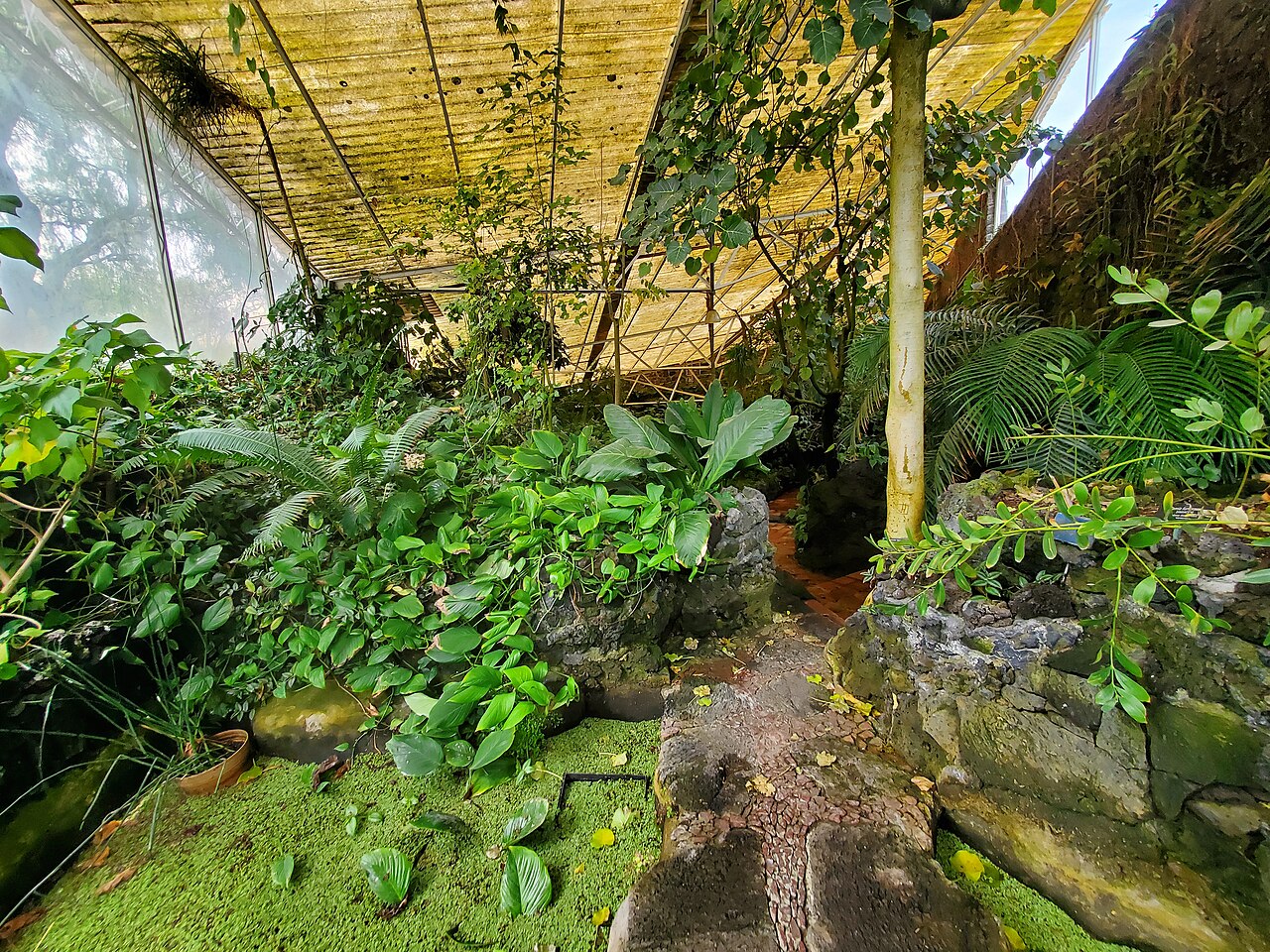
The Invernadero Faustino Miranda is described by the Institute of Biology as a structure with a hemispherical iron dome, covering 835 m². According to the press and several popular-guide sites, it was built in a natural hollow of volcanic rock left by the Xitle eruption, which is why it is sometimes presented as standing in an extinct crater; the dark volcanic stone around it contrasts with the vegetation inside. Small caves, hanging orchids and a water-lily pond are part of the interior.
The indoor climate is warm and humid, with a uniform temperature and high humidity, to sustain humid tropical forest species. The neighbouring Manuel Ruiz Oronóz greenhouse, built in 1966, covers 800 m² and reaches up to 8 metres in height, which allows tall plants to be grown. The sources consulted give no detailed structure or materials for this second glasshouse.
Plant collections
1 min
According to the Institute of Biology, the Invernadero Faustino Miranda gathers Mexican humid tropical forest plants, about 121 species in 42 botanical families, chiefly ferns, orchids, aroids and epiphytic cacti. The press adds that the species come notably from Chiapas, Veracruz and Oaxaca, and mentions cacao, coffee, banana, vanilla, bromeliads, giant ferns, water lilies and a ceiba, a tree sacred to the Maya.
The Invernadero Manuel Ruiz Oronóz holds about 79 species from 29 families of Mexican humid forest, including monsteras, strangler figs (matapalos), cycads and orchids. According to the Institute of Biology's page, both glasshouses are in the care of the same curator, María de los Ángeles Aida Téllez Velasco. From its first collecting trips, the garden stressed rare or endemic species of the country's tropical and arid zones.
Visiting
1 min
The Invernadero Faustino Miranda stands on the Ciudad Universitaria campus in Coyoacán, in the faculties area and away from the outdoor garden on the Pedregal, so moving between the two means crossing the campus. The press reports that access is through guided visits arranged by appointment, so it is best to check with the garden before travelling.
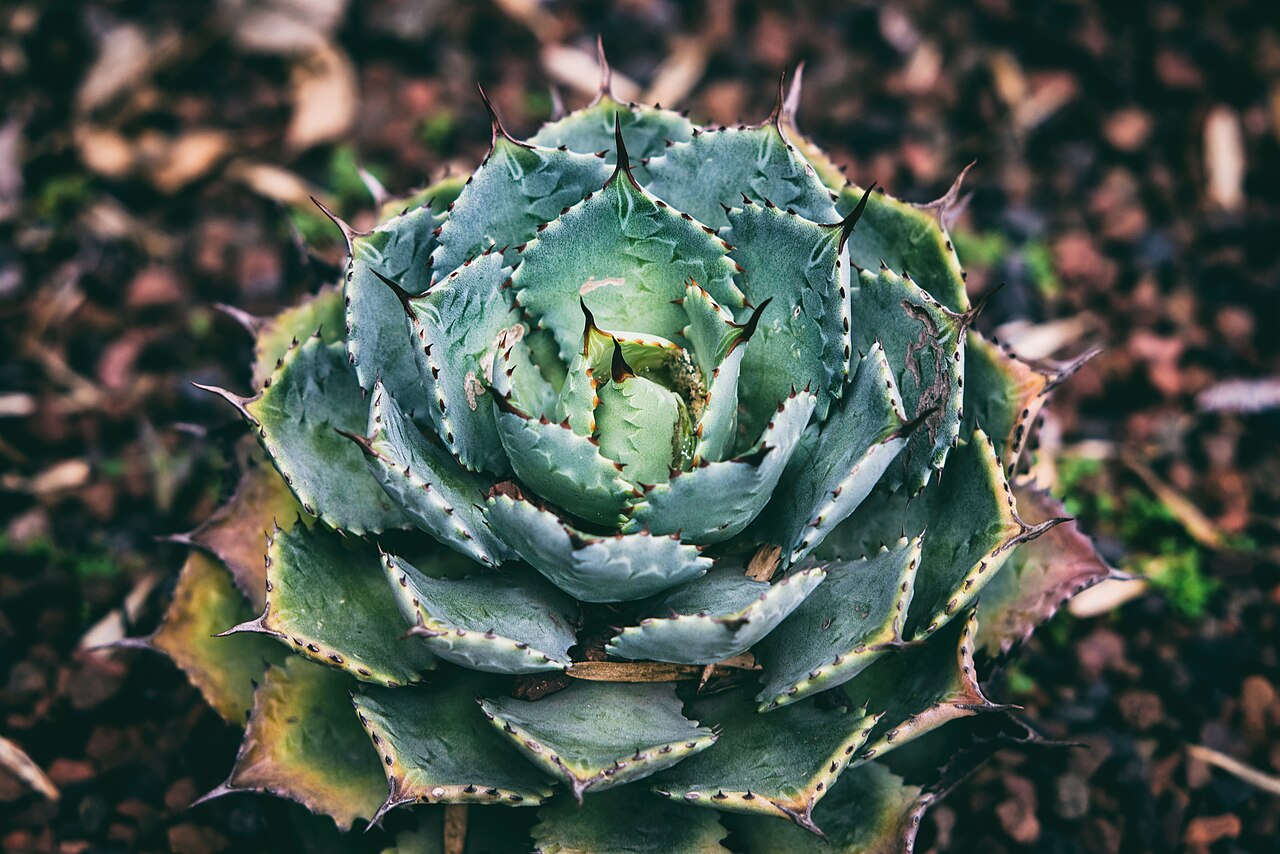
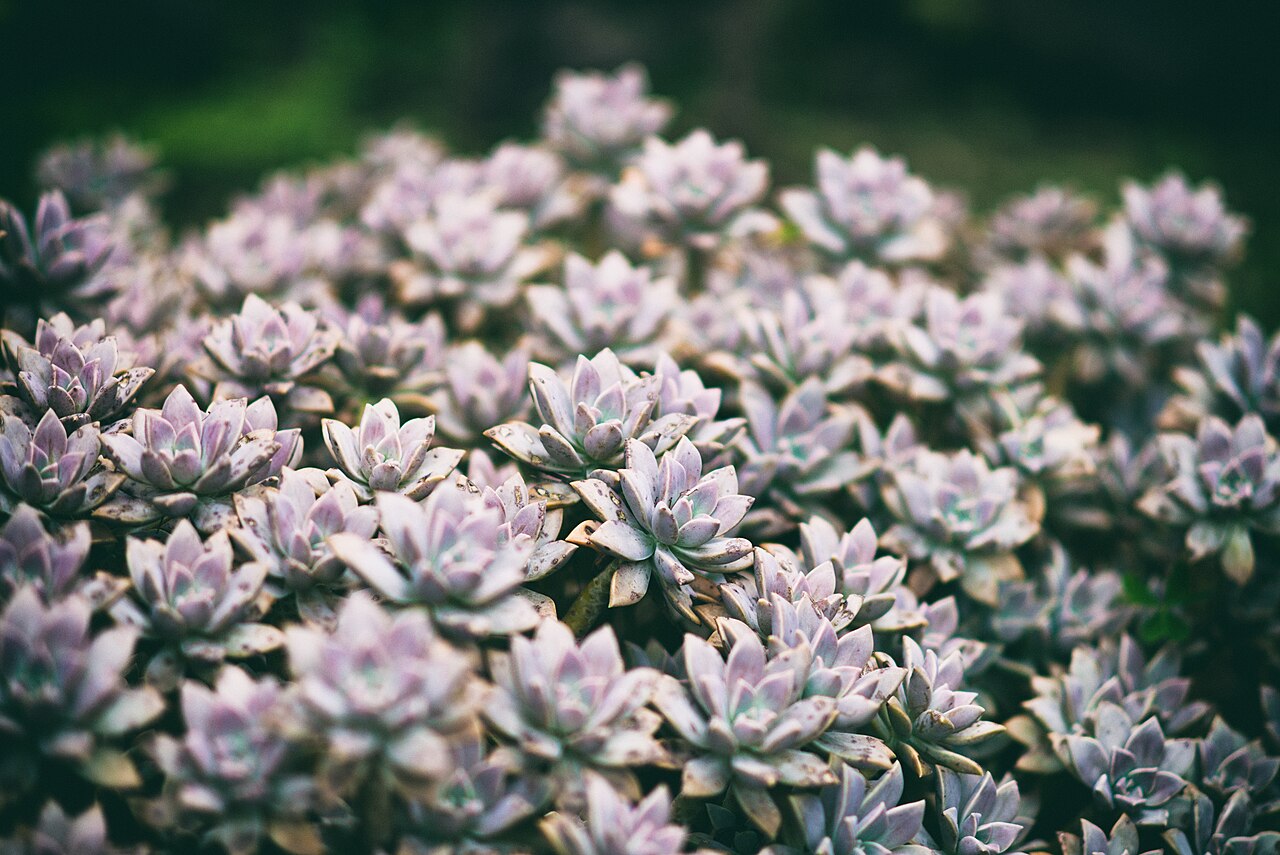
A visit lasts as long as a walk through the humid atmosphere of the recreated tropical forest, with its caves and pond. It combines naturally with the outdoor Pedregal garden, devoted to cacti, agaves and orchids, and with the Invernadero Manuel Ruiz Oronóz at the end of the arboretum.
19.33° N, 99.18° W
Greenhouses nearby
Do you have a good photo of this greenhouse? Suggest it for this page →