Tropical Pavilion of Plzeň Zoo (Tropický pavilon)
Plzeň (Lochotín), Plzeň Region
No freely licensed photo of this greenhouse yet. Do you have one? Suggest it for this page →
Sources checked October 2026
- Year
- 1950s; renovated 2016-2018
- Style
- 1950s zoo pavilion, renovated part in the form of a glass-roofed glasshouse
- Status
- Open to the public, inside the zoo
The tropical pavilion of Plzeň Zoo, one of the oldest buildings in the park, dates from the 1950s; its first exhibits go back to 1962-1964. Its renovated part, inaugurated in November 2018 after two stages of works and 16 million crowns, takes the form of a glasshouse: under a glass roof on a metal frame, tropical plants surround the "Filipíny" exhibit, where butterflies fly freely and where Philippine crocodiles, water turtles, monitor lizards and a mangrove habitat are kept. The pavilion also houses the Talarak and Kingdom of Venom exhibits, as well as giant tortoises.
Affiliate links — booking through Verrière helps fund our research, at no extra cost to you.
History
Plzeň Zoo was founded in 1926 in the Doudlevce district; in 1963 an anthrax infection made it move to the Lochotín site, where it later merged with the botanical garden. The tropical pavilion there dates from the 1950s; its first exhibits were installed between 1962 and 1964. Czech Wikipedia counts it among the oldest buildings in the zoo and notes that it is also called "pavilion Z", because of its shape. A space once occupied by Komodo dragons was altered in 1997, and the Kingdom of Venom exhibit opened in the pavilion in 2015.
The part that now holds the "Filipíny" exhibit was redone in two stages. The first, two years before the opening, demolished the old rooms and raised a shell for 4 million crowns, VAT included. The second, at 12 million, completed and fitted out the whole: ventilation, special water filtration, glazed terrariums, interior decoration. The city of Plzeň, which funded the work, gave the total cost, 16 million crowns, in a press release dated 5 November 2018 about that day's inauguration. The Philippines took the place of the former alligator, later tortoise, pool beside the snack bar and the space left by the Komodo dragons. Two female Philippine crocodiles, hatched in 2013 at the Krokodýlí zoo in Protivín, were lent to it.
In December 2025 the zoo's management announced a Seychelles glasshouse beside the main entrance, to be dominated by an exhibit of giant tortoises, of which three pairs live in the tropical pavilion: another building, not built at that date.
Architecture and engineering
The nickname "pavilion Z" comes, according to Czech Wikipedia, from the shape of the building. Its part renovated in 2018 is described by Kudy z nudy as having "the form of a glasshouse", and the city's press release speaks of a "skleník" full of tropical plants. In the photograph that accompanies the Kudy z nudy article, the roof is made of glass panels on a lattice metal frame; ventilation ducts, a painted forest backdrop, rockwork and a packed-earth path under the plants can also be seen.
The glazed terrariums, the ventilation and the special water filtration installed in the second stage serve the animals: the glasshouse is also zoo equipment, with a brackish-water mangrove habitat for amphibious fish. OpenStreetMap traces the glazed building with a footprint of about 750 m². The central part houses the Talarak and Kingdom of Venom exhibits; the pavilion also includes quarters for chimpanzees, tortoises and lemurs, and a restaurant.
Plant collections
The zoo presents the pavilion as a varied collection of tropical plants and animals; the city writes that the glasshouse is full of tropical plants, and the photograph in the Kudy z nudy article shows orchids with pink flowers growing on a trunk, among ferns.
The Filipíny exhibit brings together free-flying tropical butterflies, mostly from the Philippines, the Philippine crocodile, water turtles, agamas, geckos, monitor lizards, snakes, rhinoceros beetles and a mangrove habitat where amphibious fish live. Talarak, tied to the Talarak rescue centre on Negros that the zoo has long supported, shows hornbills, pigeons, parrots and the Philippine porcupine. Kingdom of Venom presents the most venomous snakes and frogs in the world in terrariums that recreate their habitat. Elsewhere in the pavilion live giant tortoises, chimpanzees, South American tamarins and armadillos.
Visiting
The pavilion stands in the Lochotín zoo, the second oldest in the Czech Republic. A restaurant, "Zobání u zoborožce", is part of the pavilion, and the glazed Philippines part rises near the snack bar, in place of former pools. The terrariums, the butterflies and the mangrove are seen inside the pavilion.
Combine it with the succulent glasshouse (Sukulentní skleník), open to the public, which gathers more than 1,000 taxa of Old World semi-desert plants, mostly from Madagascar, and with other pavilions of the zoo, such as Amazonia for the small monkeys. The Seychelles glasshouse announced in December 2025 near the main entrance, with an opening hoped for at the end of 2026 (progress not checked), is not part of this pavilion.
49.76° N, 13.36° E
Greenhouses nearby
More greenhouses — Czech Republic
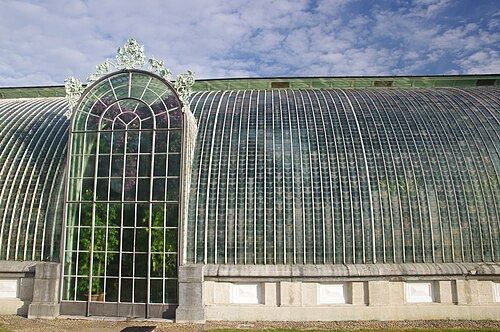
Do you have a good photo of this greenhouse? Suggest it for this page →
Sources (5)
- zooplzen.cz/expozice/zoologicke-a-botanicke-expozice/tropicky-pavilon/
- kudyznudy.cz/aktuality/plzenska-zoo-otevrela-novou-expozici-filipin-s-tro
- plzen.eu/o-meste/aktuality/aktuality-z-mesta/zoo-ma-nove-lakadlo-expozici-filipiny-s-tropi
- cs.wikipedia.org/wiki/Zoologická_a_botanická_zahrada_města_Plzně
- plzensky.denik.cz/zpravy-region/plzen-zoo-zahrada-zelvy-tropicky-priroda-sklenik/
Affiliate links — booking through Verrière helps fund our research, at no extra cost to you.