Palm House
Adelaide Botanic Garden, Adelaide

Sources checked September 2026
- Year
- 1877
- Architect
- Gustav Runge
- Style
- Victorian, suspended glazing in iron and glass
- Status
- Open to the public (seasonal closures and occasional restoration work)
Imported piece by piece from Bremen in 1875 and then assembled in Adelaide, this greenhouse is considered the only surviving example of this German model of suspended-glass-wall greenhouse, a feat of engineering for its time. Closed in 1986 because of corrosion in its glazing bars, it underwent major federally funded restoration in the 1990s, followed by a new round of work in 2018 to address rising damp. It now houses a collection of rare and endangered plants from Madagascar, which in fact thrive in the warm, dry atmosphere that protects the historic structure. In 2024, a glass sculpture by Dale Chihuly, "Glacier Ice and Lapis Chandelier", was permanently installed there thanks to a philanthropic gift. The Palm House remains one of the architectural jewels of the Adelaide Botanic Garden, alongside the already-listed Bicentennial Conservatory.
Affiliate links — booking through Verrière helps fund our research, at no extra cost to you.
History
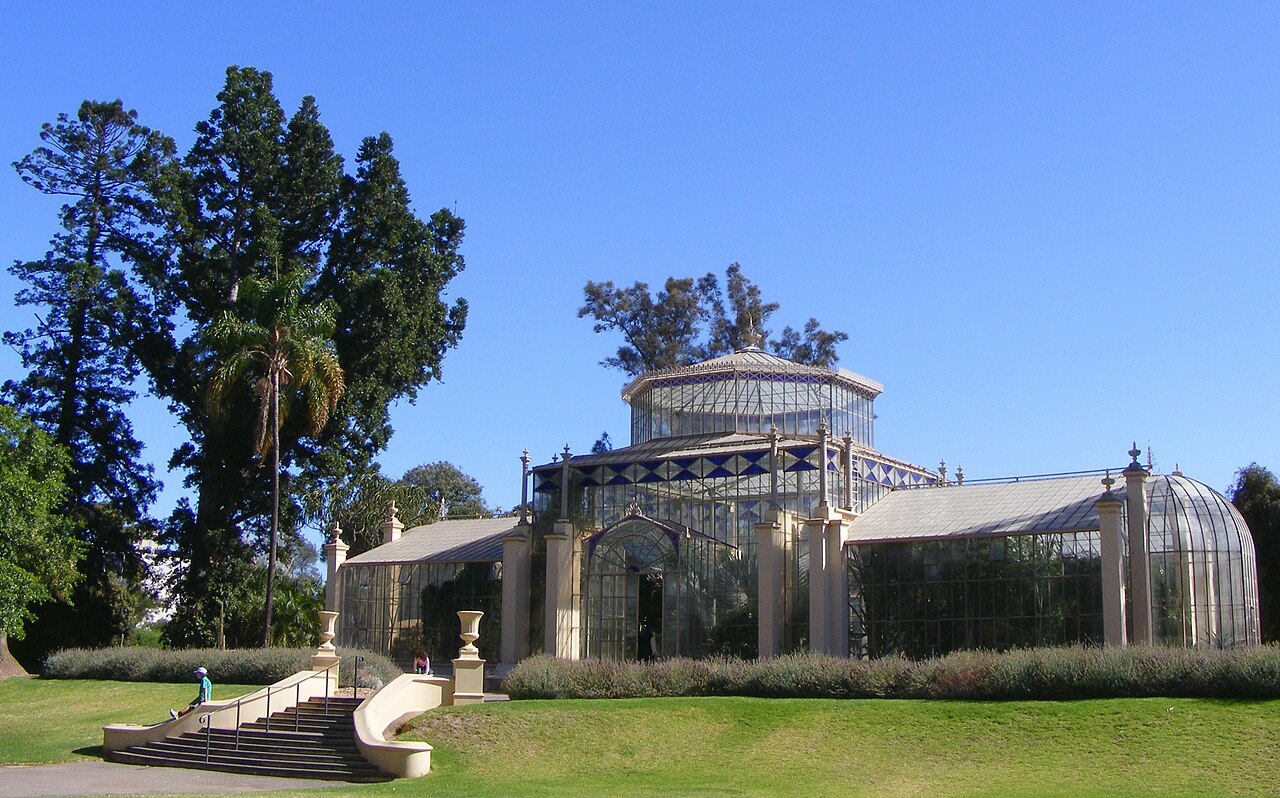
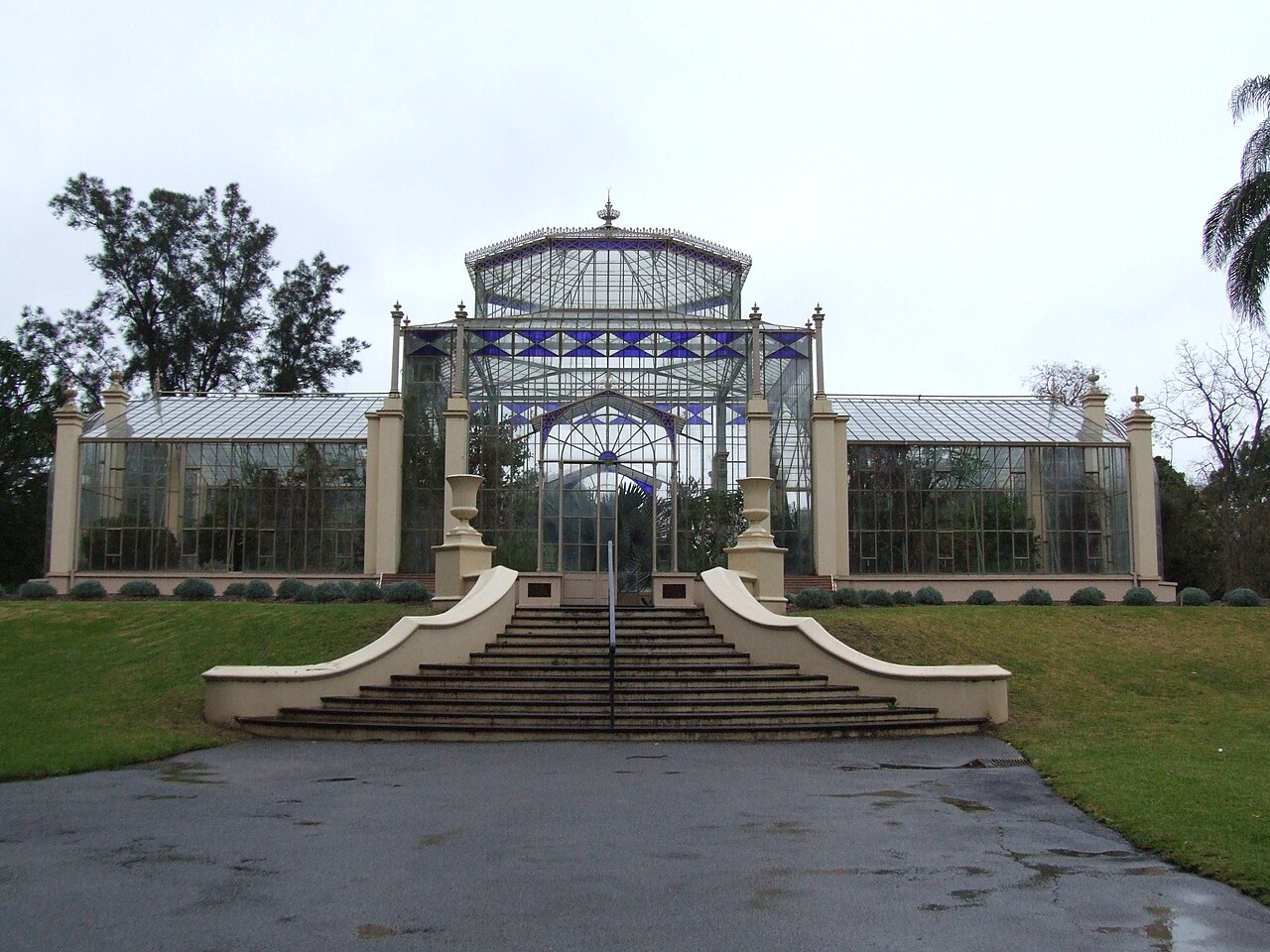
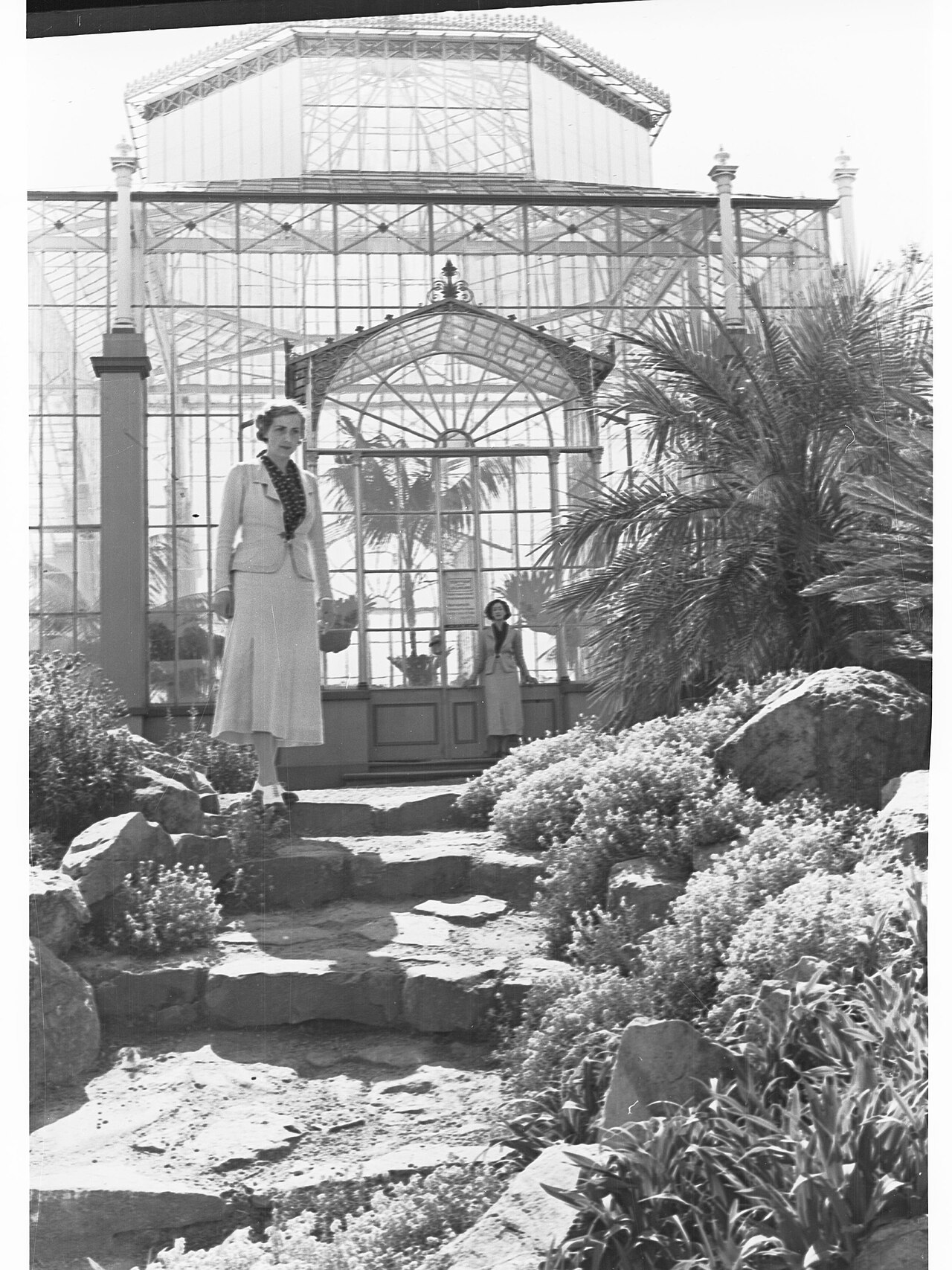
The Palm House, also known as the Tropical House, was designed by the German architect Gustav Runge (1822–1900) and imported from Bremen in 1875 as a prefabricated structure, to be re-erected in the Adelaide Botanic Garden, which had opened in 1857. It opened in 1877. It is regarded as the second-oldest glasshouse in Australia and the only German-made glasshouse of its period still standing anywhere, the others having been destroyed during the Second World War.
The iron eventually suffered. In 1986 corrosion of the glazing bars forced its closure on safety grounds. A 1991 conservation study recommended full restoration, which was carried out in 1995 with public fundraising and a federal government contribution. Further work in 2018 dealt with salt damp, corrosion and plant management, and the building reopened after an eight-month closure. In 2024 a glass work by Dale Chihuly was installed there permanently.
Architecture and engineering
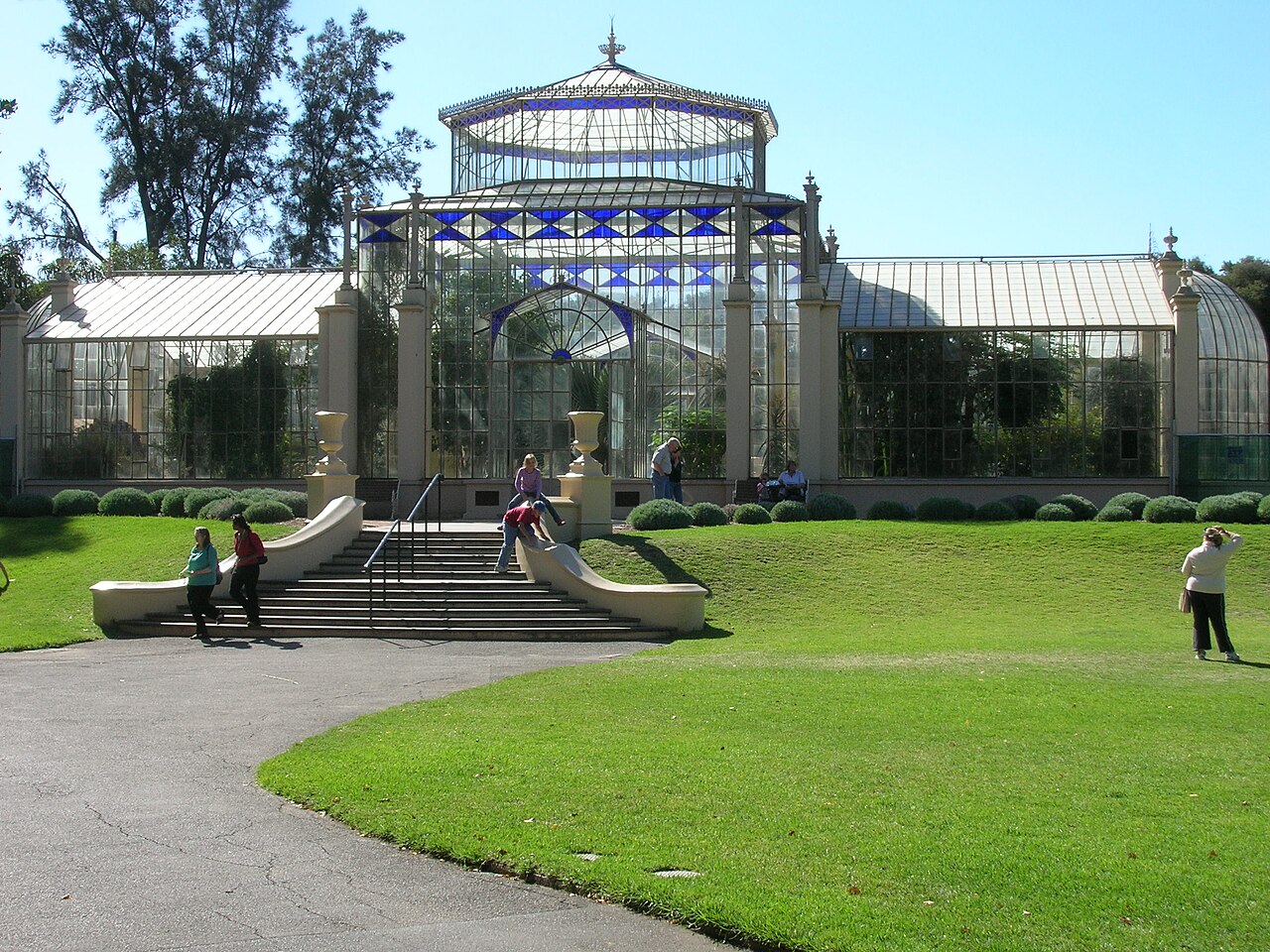
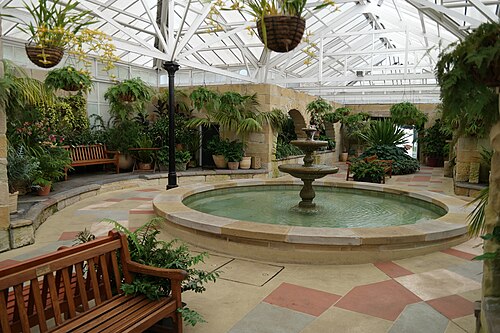
The Palm House is a Victorian iron-and-glass glasshouse whose engineering was considered highly sophisticated in its day and set a benchmark in glasshouse design. Its distinctive feature is its hanging glass walls, a principle the Botanic Gardens compare to the curtain walls of modern city buildings.
It was the vulnerability of those iron glazing bars that led to the 1986 closure and subsequent restoration. The building is heritage-listed and stands to the west of the garden's main lake.
Plant collections
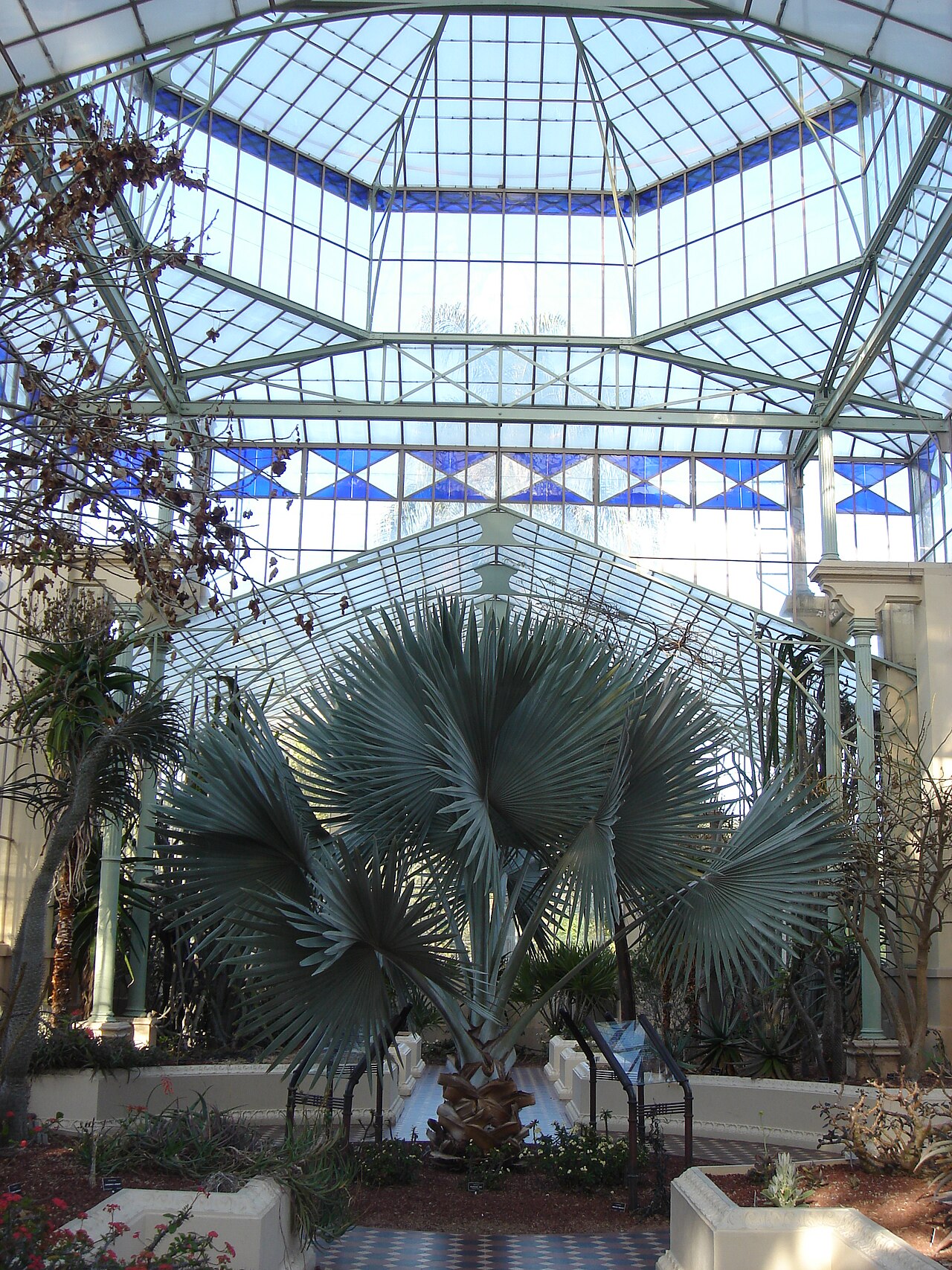
Built for tropical flora, the glasshouse changed its role in the early 1990s: because corrosion ruled out the high humidity tropical plants need, it has since housed a collection of arid-zone plants from Madagascar. The choice makes botanical as well as heritage sense. Around 150 million years ago Madagascar and Australia were both part of the supercontinent Gondwana, and their ancient floras remain related.
Many of the plants on display are at risk or endangered in the wild. The warm, dry atmosphere suits them while also protecting the historic structure. Since 2024, Dale Chihuly's Glacier Ice and Lapis Chandelier (2024), donated by Dr Pamela Wall OAM, has hung permanently beneath the glass.
Visiting
The Palm House stands west of the main lake in the Adelaide Botanic Garden. It is small enough to see quickly, but is best taken together with the Bicentennial Conservatory, the garden's great glasshouse of 1988–89, and the Amazon Waterlily Pavilion, whose pond dates from 1868: between them the three buildings span more than a century of glasshouse architecture.
The dialogue between the Chihuly chandelier and the nineteenth-century frame is one of the pleasures of the visit, especially on a sunny day when light pours through the glass.
34.92° S, 138.61° E
Greenhouses nearby
More greenhouses — Australia
Do you have a good photo of this greenhouse? Suggest it for this page →
Affiliate links — booking through Verrière helps fund our research, at no extra cost to you.