Estufa Fria
Lisbon

Sources checked September 2026
- Year
- 1933
- Architect
- Raul Carapinha; remodelled by Francisco Keil do Amaral (1949)
- Style
- Wooden latticework, with neither glass nor heating
- Dimensions
- 1.5 hectares, including 8,100 m² of cold greenhouse
- Status
- Open to the public
Set up in 1933 in a disused basalt quarry after a spring was discovered there, the Estufa Fria replaces glass with adjustable wooden slats that filter the light and shelter the plants without any heating or air conditioning. Expanded in 1975 with two additional greenhouses, it closed in 2009 for structural reasons before reopening in 2011. Azaleas, camellias, and succulents thrive there today at the heart of Edward VII Park.
Affiliate links — booking through Verrière helps fund our research, at no extra cost to you.
History
The Estufa Fria occupies a former basalt quarry in the north-western corner of what is now Eduardo VII Park. Quarrying stopped around the turn of the twentieth century, when a freshwater spring made extraction impossible. A municipal gardener, remembered only as "Senhor Manuel", began using the pit to shelter delicate plants destined for the planting of Avenida da Liberdade, out of the reach of the north winds; a first installation is dated to 1912, but the First World War halted the scheme and the vegetation took hold in the hollow on its own.
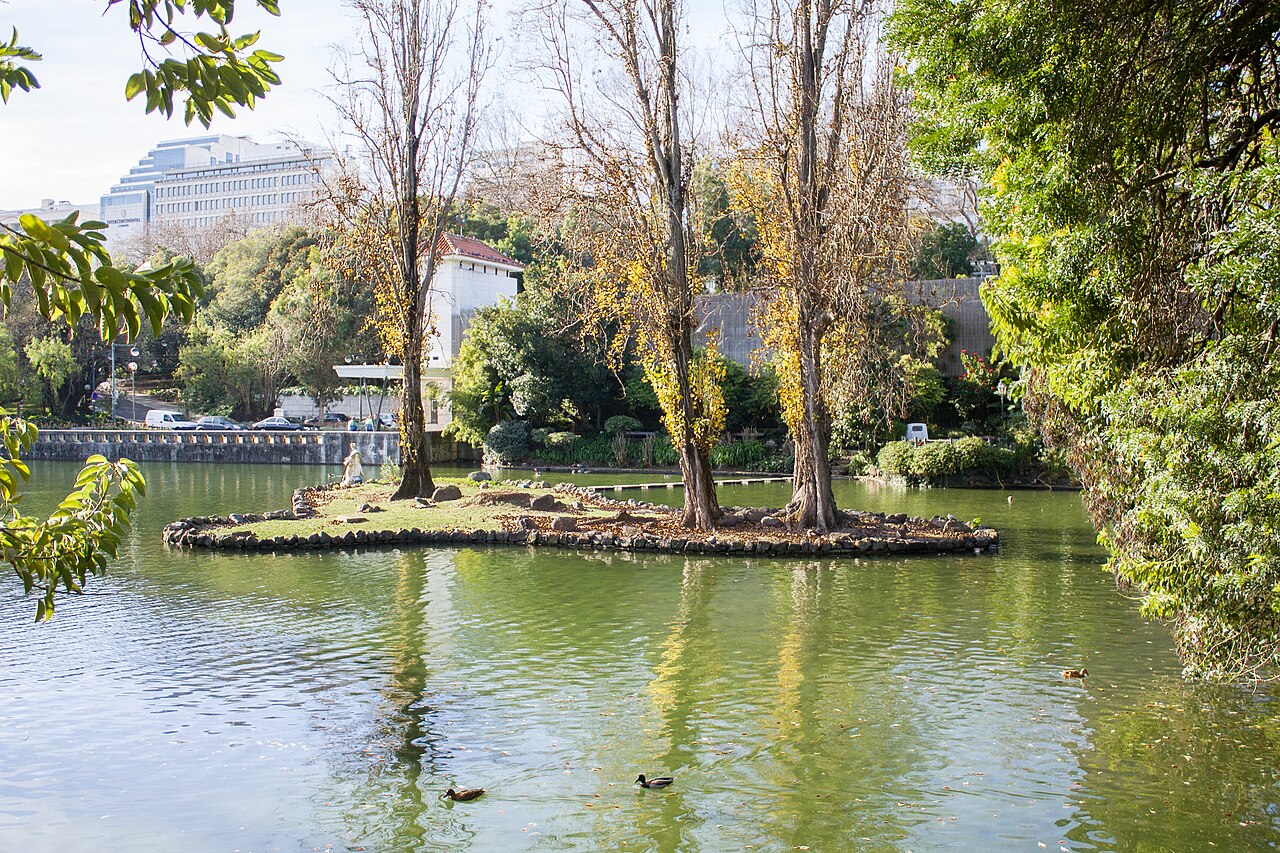
In 1926 the architect and painter Raul Carapinha proposed turning the site into a covered garden. Completed around 1930, the Estufa Fria was officially inaugurated in 1933. In the 1940s, as part of the redesign of the park, Francisco Keil do Amaral, working with Alberto J. Pessoa and Hernâni Gandra, remodelled the entrance, created the large lake and built the Nave, a large hall that served for a time as the municipal theatre; the Portuguese heritage inventory dates this work to 1949. In 1975, on the initiative of the engineer Pulido Garcia, two glazed houses, the Estufa Quente and the Estufa Doce, opened to the public.
Closed in 2009 because its metal structure had deteriorated, the Estufa Fria reopened in April 2011 after two years of works.
Architecture and engineering
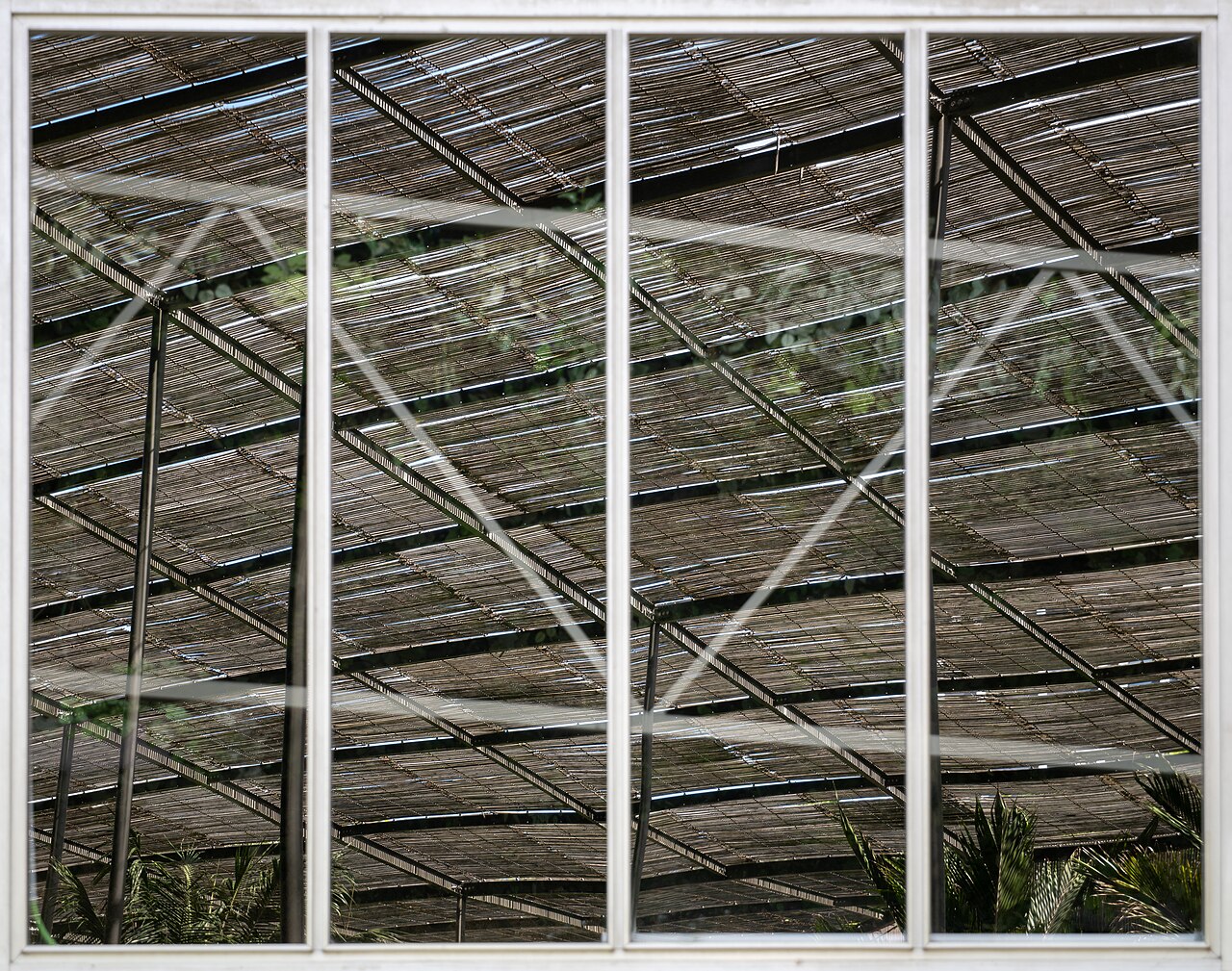
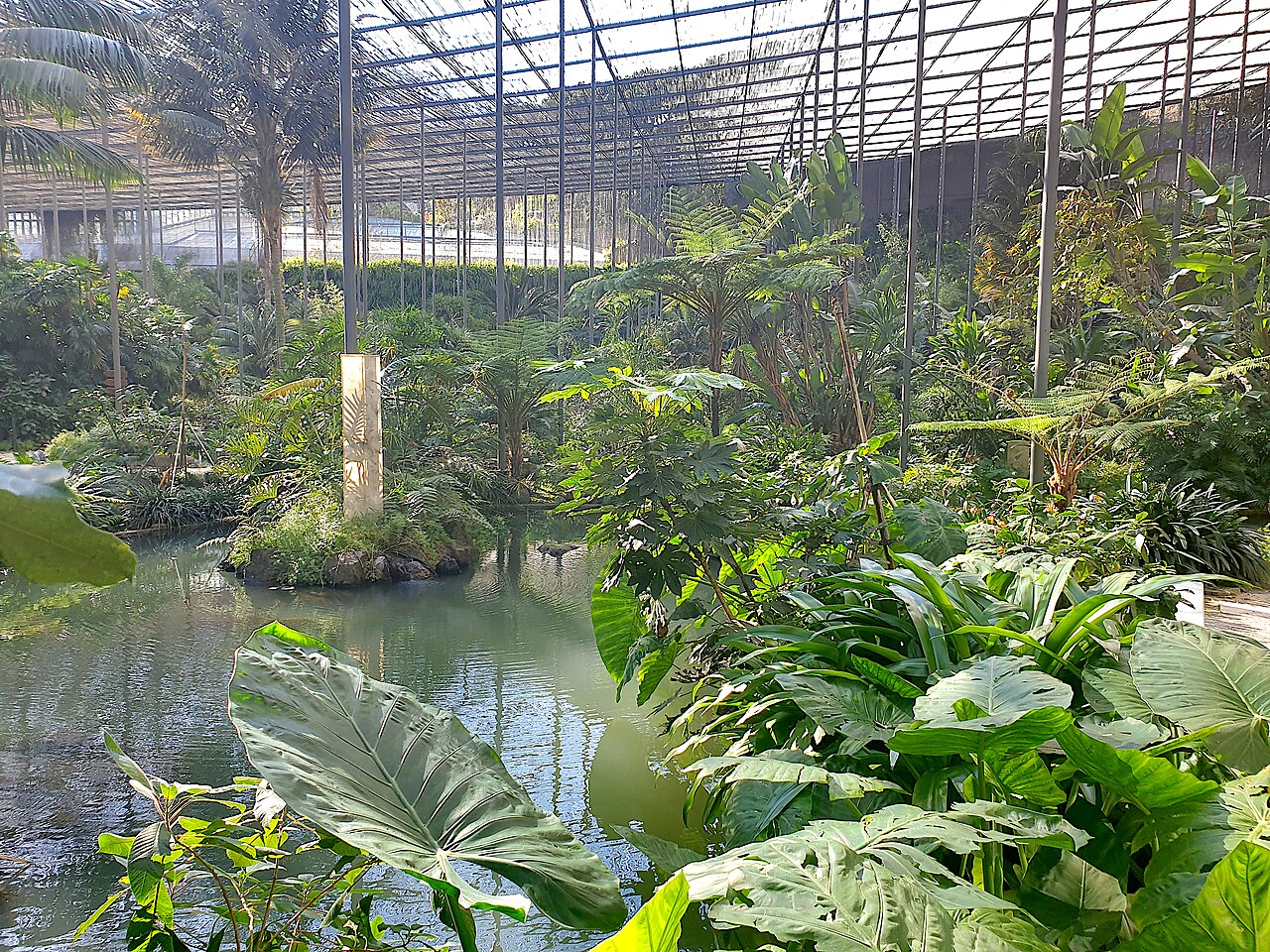
The defining idea of the Estufa Fria is to do without glass. The large cold house is roofed with a ripado, a lattice of wooden slats laid over a metal frame, which screens direct sun and evens out temperature swings. Unheated, it relies on the microclimate of the quarry, sheltered from the wind and watered by the spring, which feeds streams, cascades and pools. Paths wind between rock faces, niches and water; the heritage inventory describes a promenade along the great lake and three plant houses, with limestone, green glazed brick, wood and rammed earth among the materials used.
In the rehabilitation completed in 2011, led by the practices Falcão de Campos and Appleton Domingos, the deteriorated early twentieth-century steel frame was dismantled and replaced by a sturdier and markedly taller structure, giving the large plants more headroom, with irrigation and lighting networks routed inside the columns. The two 1975 houses, by contrast, are glazed: the hot and humid Estufa Quente and the smaller, dry Estufa Doce.
Plant collections
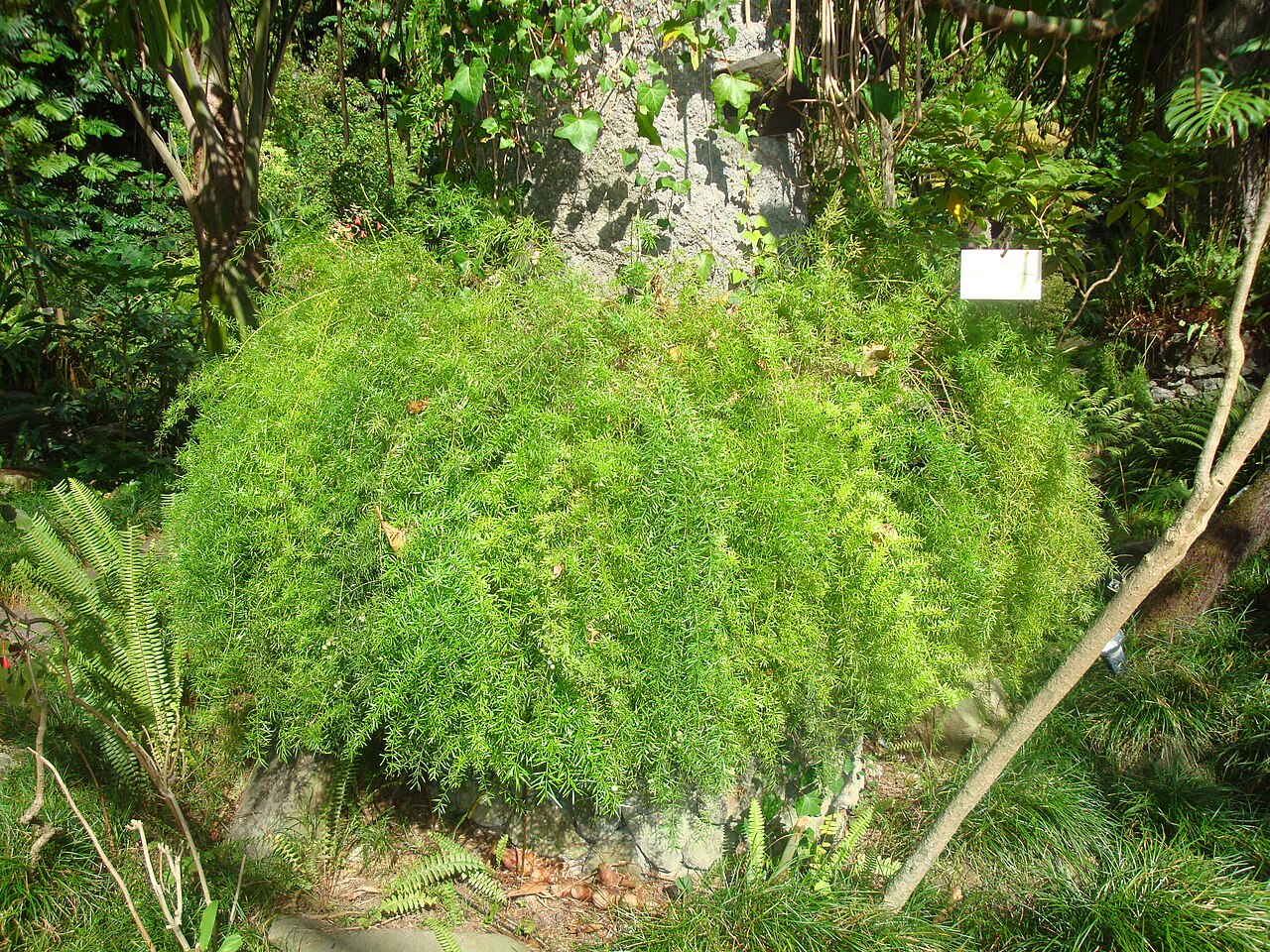
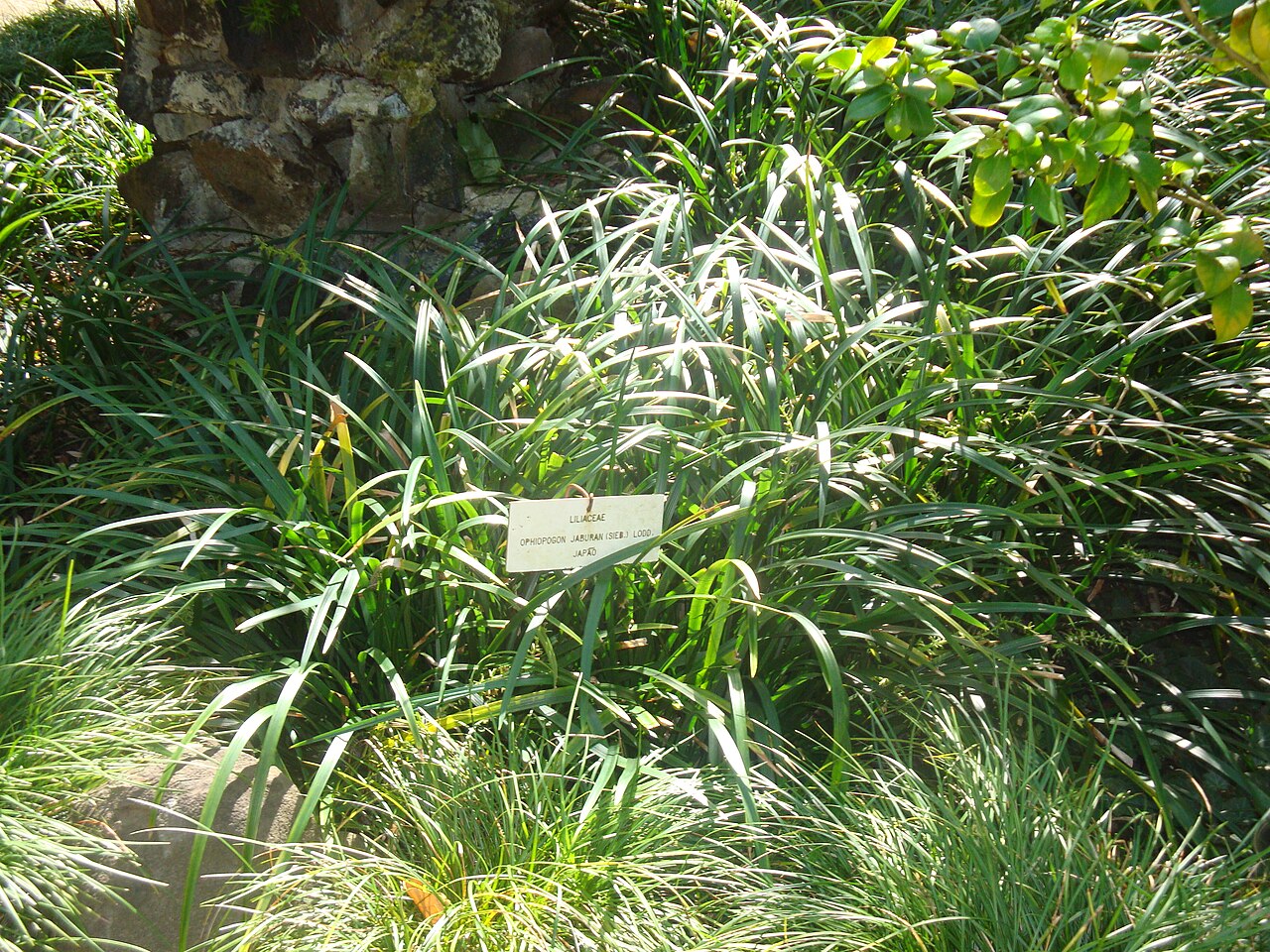
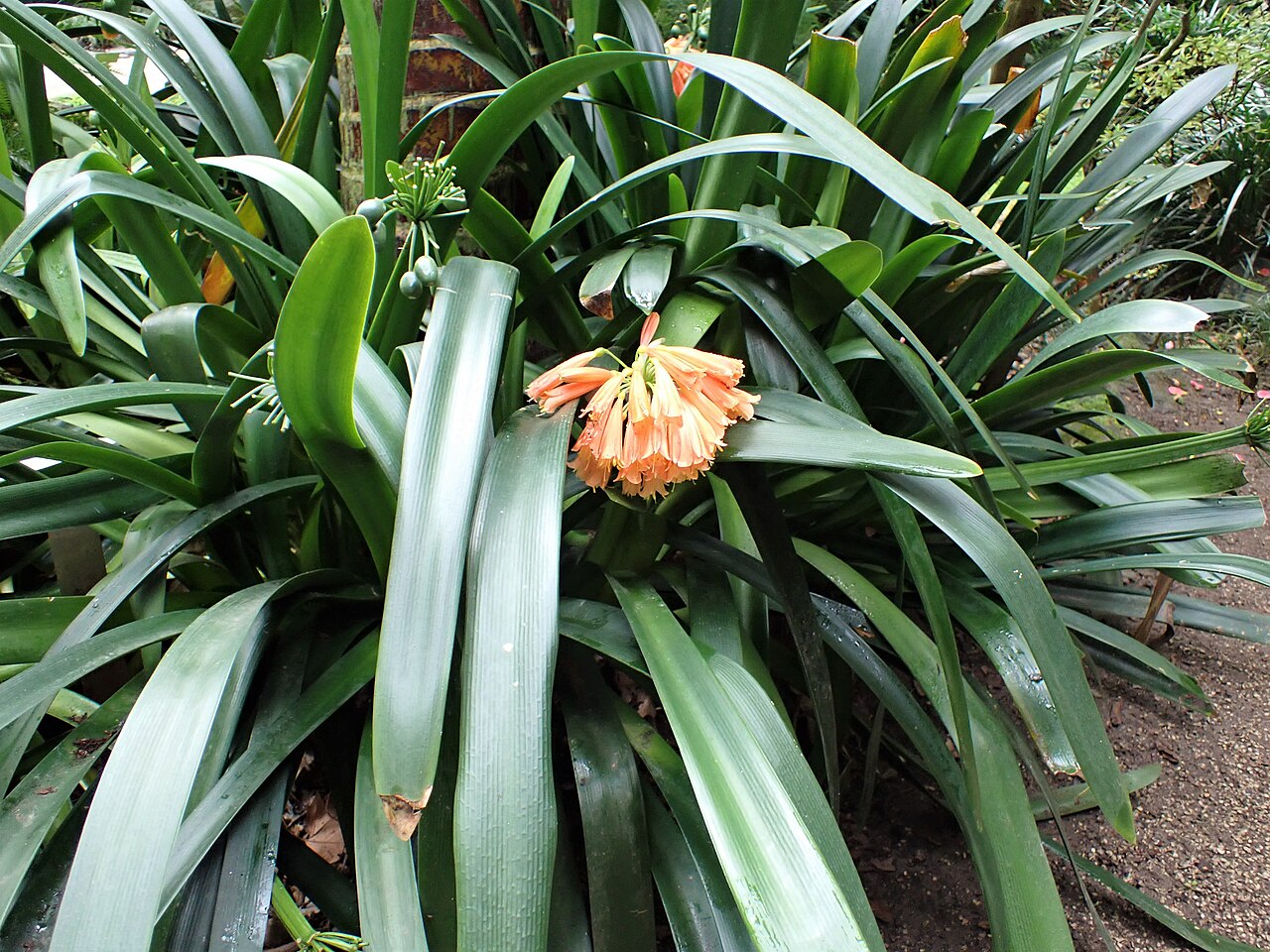
The cold house holds more than three hundred species from places including China, Australia, Mexico, Peru, Brazil and the Caribbean. Tree ferns (Dicksonia antarctica, Cibotium glaucum), azaleas, camellias, tea plants, Monstera and Strelitzia nicolai form a dense understorey around the pools, home to fish, turtles and frogs, while peacocks, ducks and other birds roam the garden.
The Estufa Quente shelters tropical and economic plants such as coffee, mango, Abyssinian banana (Ensete ventricosum), sugar cane, philodendrons and Tillandsia. The Estufa Doce is given over to cacti and succulents, among them golden barrel cactus (Echinocactus grusonii), euphorbias and aloes. Sculptures, including work by Leopoldo de Almeida, are set along the paths.
Visiting
The Estufa Fria lies in the north-western corner of Eduardo VII Park. Visitors come in through the entrance remodelled by Keil do Amaral, marked by its tower, and descend into the quarry to follow a shaded circuit through the cold house and then the two glazed houses. Under the slats, the shade and the moisture from the spring keep the air noticeably cooler than the city outside. The Nave regularly hosts exhibitions and cultural events, and a visit pairs naturally with a walk through the rest of Eduardo VII Park.
38.73° N, 9.16° W
Greenhouses nearby
More greenhouses — Portugal
All greenhouses — Portugal →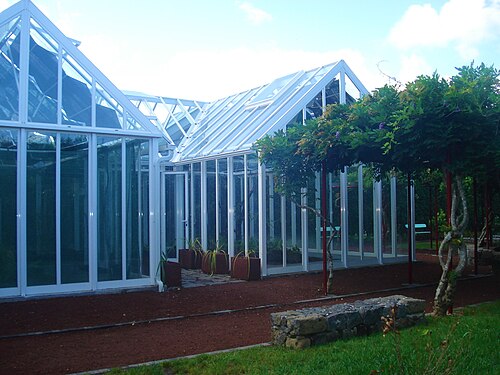
Do you have a good photo of this greenhouse? Suggest it for this page →
Sources (8)
- estufafria.lisboa.pt/fileadmin/estufa_fria/aprender/maleta_pedagogica/5Ano/MaletaPedagogic
- monumentos.gov.pt/Site/APP_PagesUser/SIPA.aspx?id=5110
- e-cultura.pt/patrimonio_item/11817
- a2p.pt/en/projeto/estufa-fria/
- portaldojardim.com/pdj/2009/10/09/estufa-fria-lisboa/
- beckyinportugal.com/2017/05/01/history-estufa-fria-lisboa/
- publico.pt/2011/03/11/local/noticia/estufa-fria-reabre-em-abril-apos-dois-anos-de-encerram
- wikidata.org/wiki/Q8843624
Affiliate links — booking through Verrière helps fund our research, at no extra cost to you.