Botania, Joensuu Botanical Garden (Taidepuutarha Botania)
Joensuu, North Karelia
Entry updated on October 5, 2026
- Year
- 1985
- Architect
- Not documented
- Style
- University botanic-garden glasshouses
- Dimensions
- ≈570 m² under glass in 1985 (five glasshouses)
- Status
- Open to the public (privately owned since 2018)
Founded in 1955 as the botanical garden of the University of Joensuu, Botania moved in 1985 to Linnunlahti, where five glasshouses with a combined 570 m² recreated tropical and desert conditions. The university withdrew in 2012 and volunteers kept the garden going until early 2018, when light artist Kari Kola and two partners bought it. Now run as an "art garden", it combines a large glasshouse, a desert house, two aquariums and, in summer, a tropical butterfly garden, while autumn is given over to light art and the Visual Festival.
Affiliate links — booking through Verrière helps fund our research, at no extra cost to you.
History
1 min
The University of Joensuu founded its botanical garden in 1955. In 1985 the garden left its first site for Linnunlahti, about 2.4 kilometres from the town's market square, where it still stands. It then had five glasshouses covering 570 m² in all and some 1,000 species. Its purpose was scientific: it supported research and teaching in biology and forestry as well as public education about biodiversity, and it exchanged plants and seeds with around 900 gardens in 113 countries.
In 2012 the university, by then the University of Eastern Finland, decided to give Botania up. The friends' association, Botanian ystävät ry, took over the upkeep of the site and the care of the plants with volunteers, but had no money for investment: only essential repairs were carried out, and by early 2018 worn-out facilities and financial difficulties threatened the garden with closure.
On 4 January 2018 the public broadcaster Yle reported that a preliminary agreement had been signed: light artist Kari Kola, who had illuminated the Saana fell, was buying the garden with Teemu Purmonen and Markku Pesonen. Kola became its sole owner later that year. Run by the company Joensuun Botania Oy and renamed Taidepuutarha Botania, "Art Garden Botania", the site has since described itself as the only botanical garden in Europe operating without public funding.
Architecture and engineering
1 min
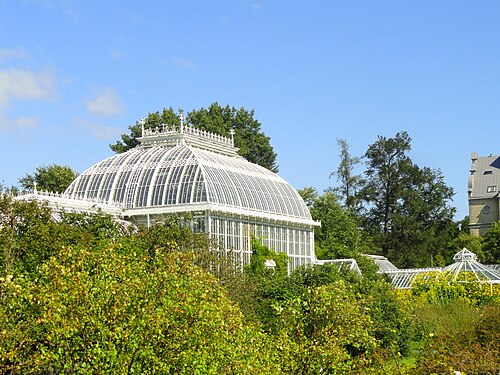
The Linnunlahti glasshouses were built for a research and teaching garden. In 1985 their five units covered 570 m² in total and were divided between tropical and desert conditions. Today the visit is organised around a large main glasshouse, a desert house devoted to cacti and a tropical house that becomes the butterfly garden in summer; two aquariums complete the complex. The sources consulted name no architect and give no construction details.
When the garden changed hands, years without investment had left the buildings in a state that put its future at risk. In 2018 the new owners announced an expansion of at least 40 per cent in area, with seasonal settings and weather effects recreated indoors (waterfalls, rain, clouds), suspension bridges, a restaurant and event spaces, all to be carried out in stages over five to ten years. The garden's stated aim is now to triple the scale of its indoor gardens within twelve years and to create large natural features outdoors.
Plant collections
1 min
The collections were built up through exchange: almost all the plants were raised from seed received from other botanical gardens, research centres and seed banks, and the garden already held about 1,000 species in 1985. The large glasshouse now gathers a wide range of exotic species, while the desert house is given over to cacti.
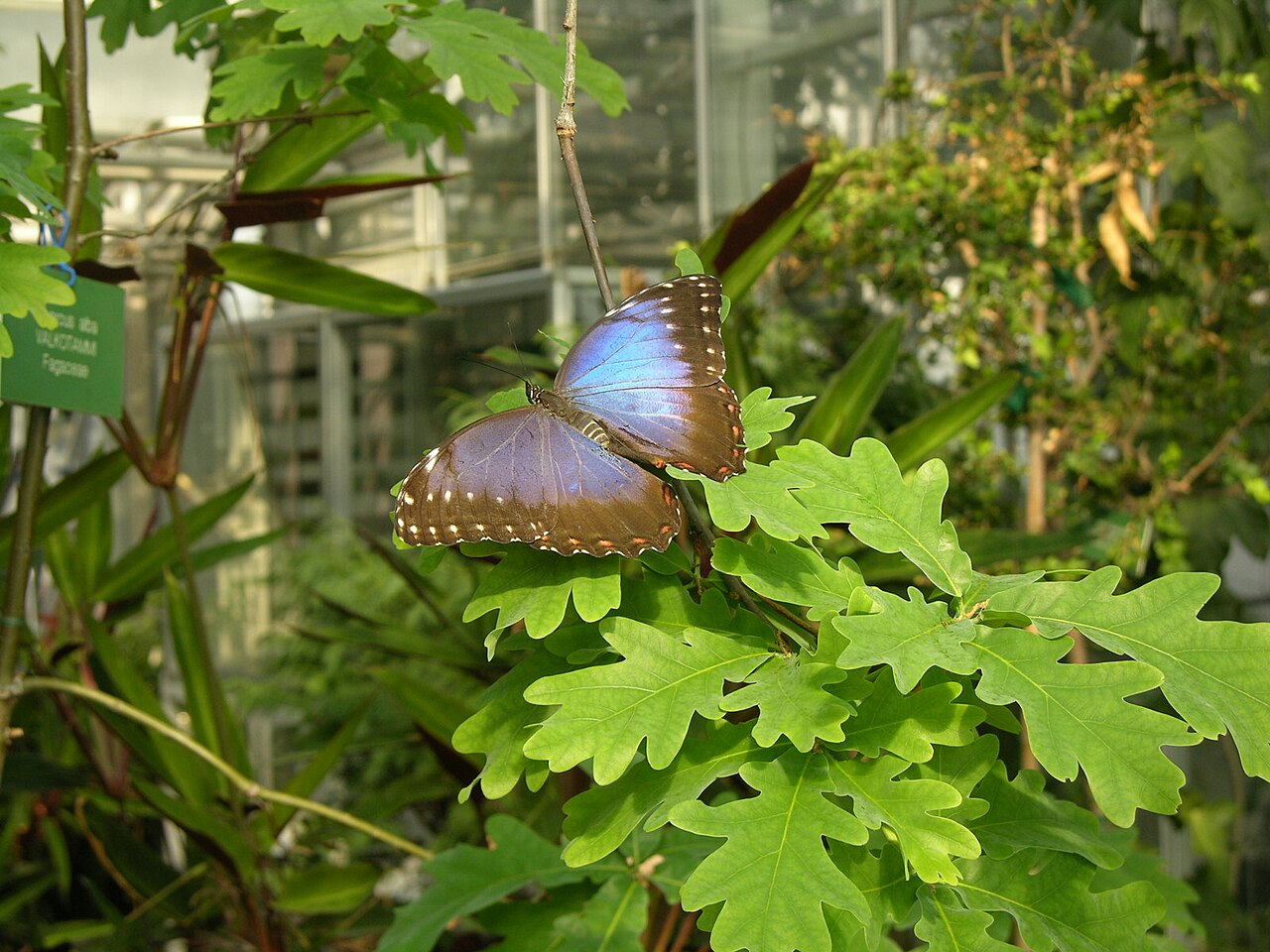
During the summer season the tropical house hosts a butterfly garden that Botania describes as the northernmost in the world. Visitors see adults in flight as well as caterpillars and pupae, in numbers that vary with the season, the time of day and the weather. Two aquariums of ornamental fish and a talking parrot named Juuso are among the other residents.
Outside, a 4.5-hectare garden holds hundreds of species, flowering perennials, streams and Finland's largest maze built of natural stone.
Visiting
1 min
Botania lies at Linnunlahti, about 2.4 kilometres from Joensuu's market square, next to a municipal arboretum of more than 70 hectares that extends the walk. Its programme follows the seasons: butterflies and the outdoor garden in summer; in autumn the darkened garden becomes a stage for works of light, leading up to the Visual Festival that closes the season; in winter the Winter Garden shows snow and ice sculptures. Allow one to two hours for the glasshouses, the aquariums and the maze.
62.60° N, 29.72° E
Greenhouses nearby
More greenhouses — Finland
All greenhouses — Finland →
Do you have a good photo of this greenhouse? Suggest it for this page →