Greenhouses of La Concepción Botanical-Historical Garden (invernaderos antiguos and estufa caliente)
Málaga, Andalusia
Entry updated on October 5, 2026
- Year
- Second half of the 19th century
- Style
- 19th-century iron acclimatisation greenhouses; modern tropical glasshouse
- Status
- Open to the public (municipal botanical garden)
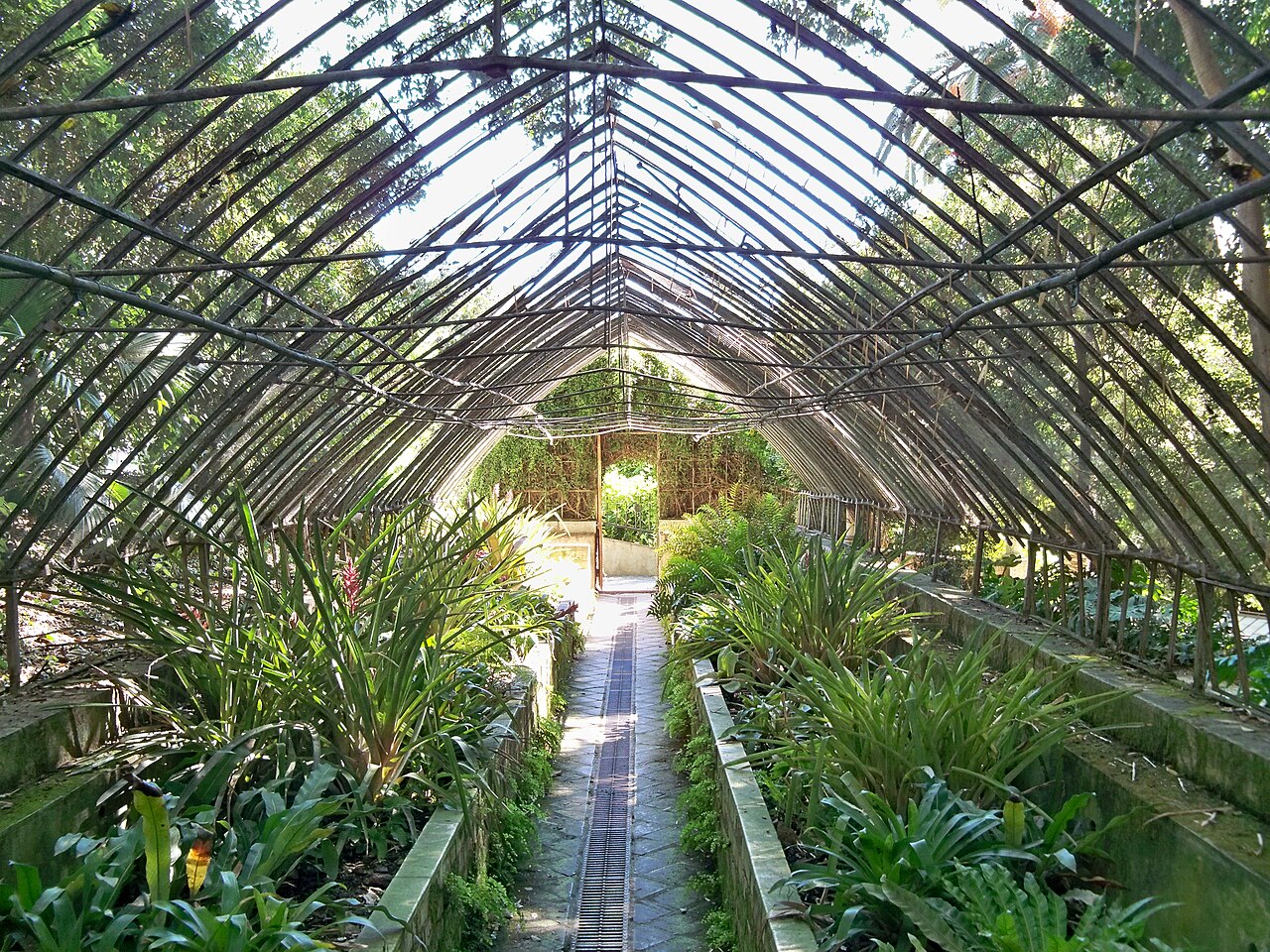
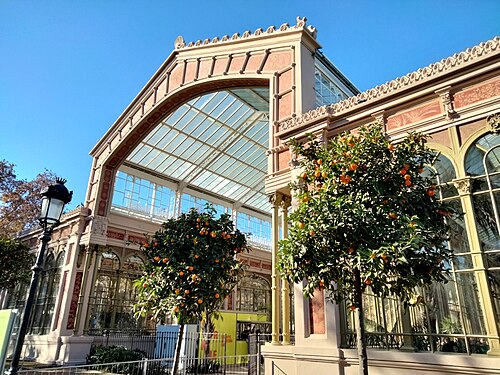
Laid out from around 1855 north of Málaga by Jorge Loring Oyarzábal and Amalia Heredia Livermore, with the help of the French gardener Jacinto Chamoussent, La Concepción keeps two iron structures from the second half of the 19th century: one heated by a boiler, the other by the sun alone, in which warm-climate species were acclimatised step by step. Bought by the city in 1990 and opened to the public in 1994, the garden has since added a tropical glasshouse at its entrance, kept between 20 and 28 °C and home to 175 species, among them bromeliads, orchids and carnivorous plants.
Affiliate links — booking through Verrière helps fund our research, at no extra cost to you.
History
1 min
La Concepción took shape around 1855 on several farming estates along the Guadalmedina, north of Málaga. Its creators, Jorge Loring Oyarzábal and Amalia Heredia Livermore, Marquises of Casa Loring, belonged to the city's upper bourgeoisie: he was an influential businessman and a member of the Cortes, she a cultured woman with a passion for plants, books and archaeology. The French gardener Jacinto Chamoussent selected and acclimatised exotic plants for them, and the two iron greenhouses built on the estate in the second half of the 19th century likewise served to acclimatise warm-climate species. In 1859 the couple also built a small Doric temple, the Museo Loringiano, to house their archaeological finds, among them the Lex Flavia Malacitana.
After the Loring-Heredia fortune collapsed, the estate was sold in 1911 to the Echevarría family of Bilbao, who added to its trees and palms. The garden was declared a historic-artistic garden in 1943 and is now listed as a Bien de Interés Cultural. When Horacio Echevarrieta, who had been running it, died in 1963, a long period of neglect began.
The City of Málaga bought it in 1990, for a sum the municipal website puts at 3.6 million euros, and opened it to the public in 1994 after four years of work. Themed gardens have since been added around the historic core; the tropical glasshouse at the entrance, the 'estufa caliente', is one of these post-1990 additions.
Architecture and engineering
1 min
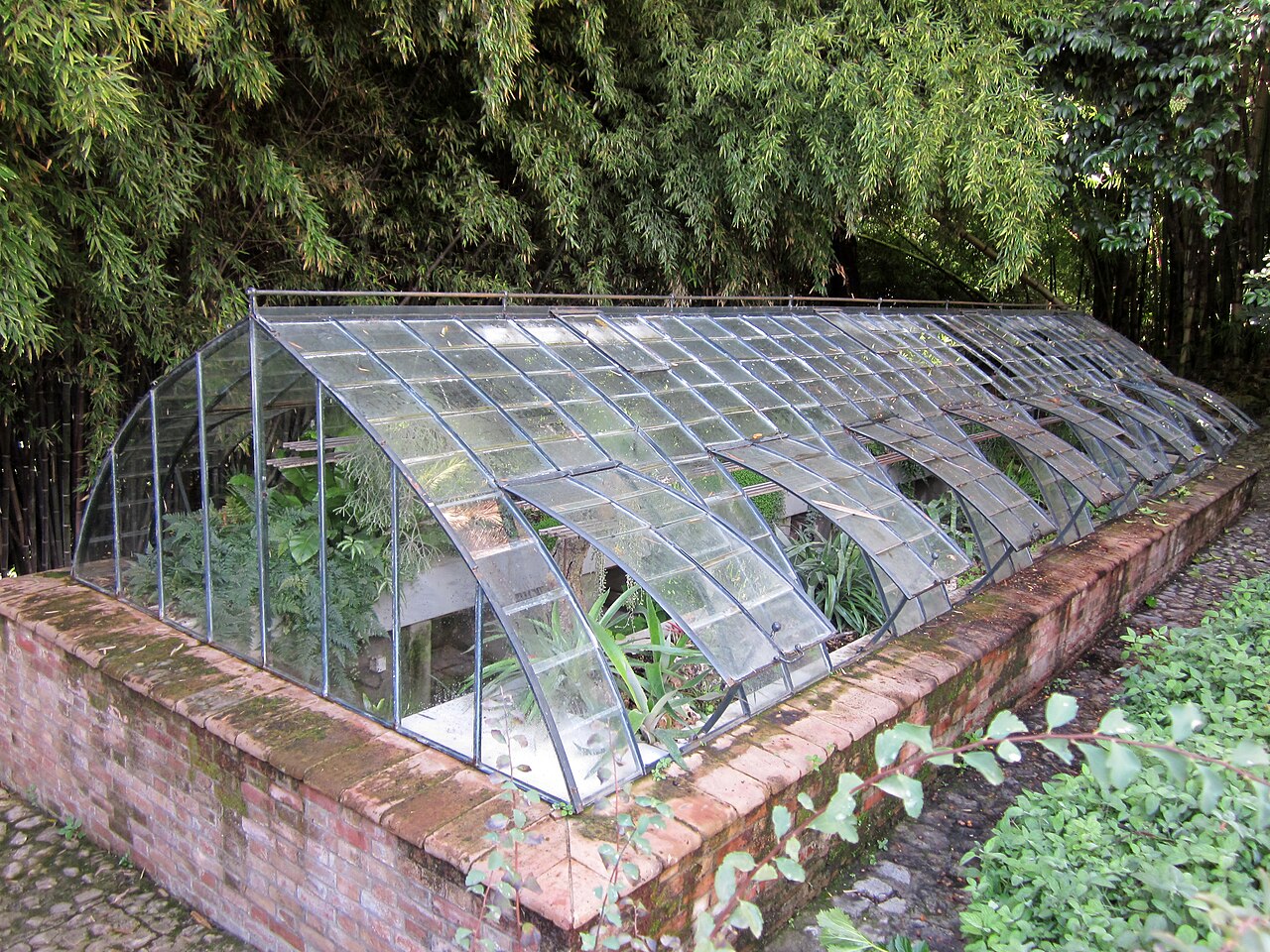
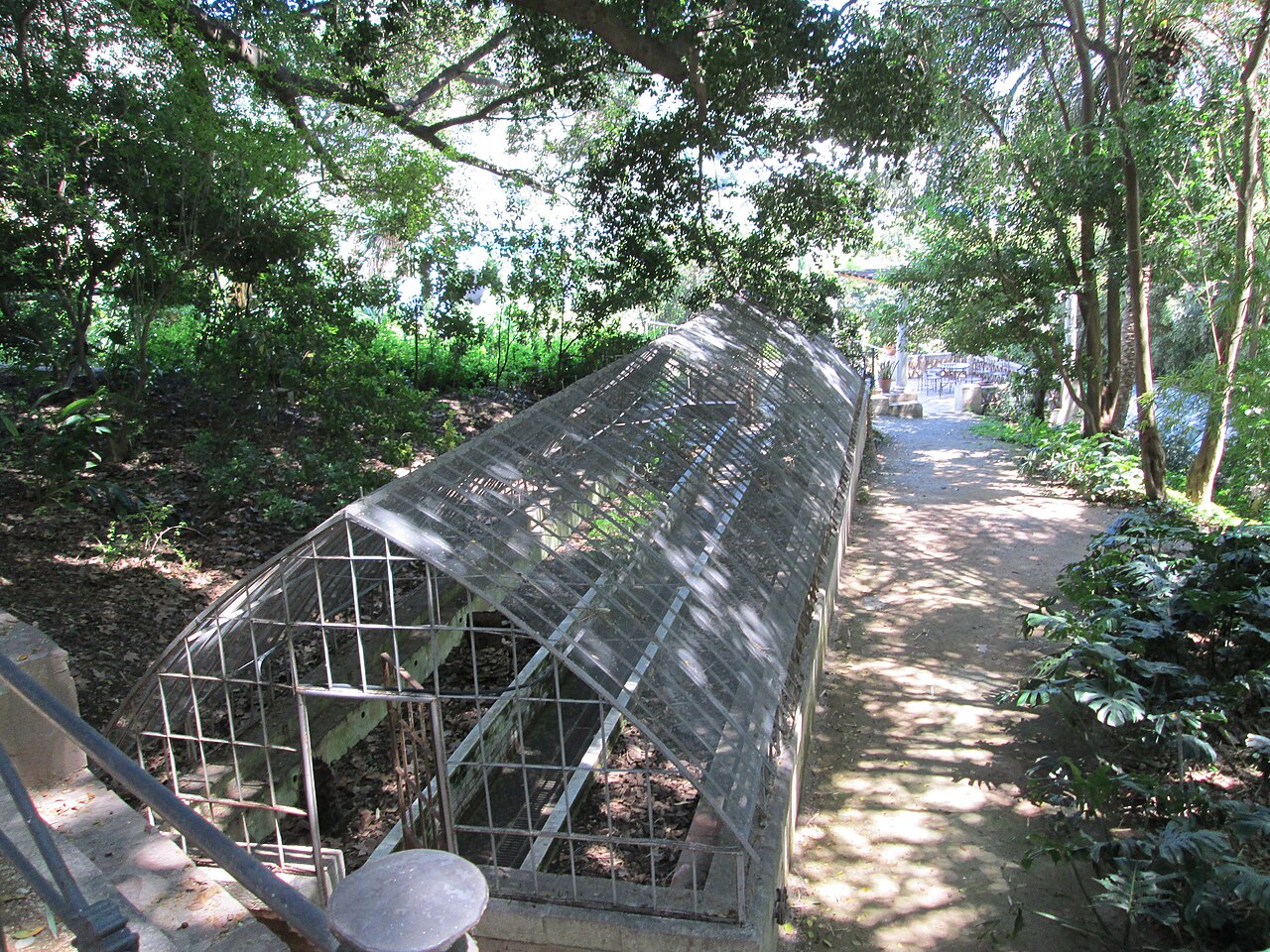
The two old greenhouses are iron structures that the municipal website dates to the second half of the 19th century. Together they formed a two-stage acclimatisation system. In the larger one, a boiler fed pipes running around the planted area, and warm-climate species were raised there first. They were then moved to the second, unheated and warmed only by the sun, where they grew used to the local climate before being planted outdoors. Wikipedia lists them among the buildings put up on the estate in the 19th century, alongside the casa-palacio, a large arbour, a viewpoint and the Museo Loringiano; none of the sources consulted names a builder or gives their dimensions.
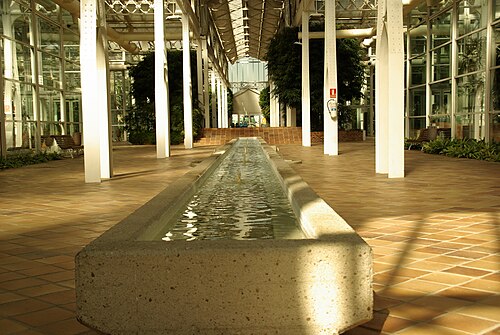
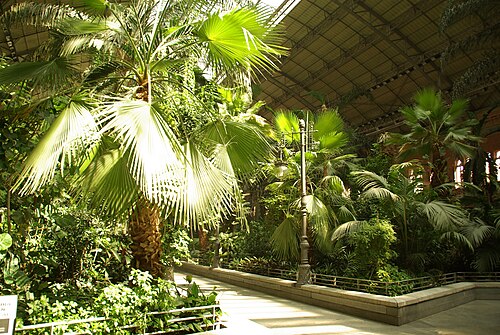
The modern glasshouse, known as the 'estufa caliente', stands at the garden entrance, and the municipal website describes it as the house of insectivorous plants, bromeliads and orchids. It recreates tropical forest conditions, with the temperature held between 20 and 28 °C and humidity between 70 and 80 per cent, a setting suited to epiphytes, plants that draw their moisture from the air.
Plant collections
1 min
The estufa caliente holds 175 species. Bromeliads are represented by several Tillandsia, including T. harrisii and T. usneoides; among the orchids, Wikipedia singles out a Vanda and vanilla (Vanilla planifolia). The carnivorous plants are arranged to show the five ways in which plants have adapted to this form of feeding.
Around the old greenhouses, the historic garden gathers the estate's most monumental specimens: huge figs, century-old palms, cedars and cycads. The municipal website counts more than 3,000 species and ranks the palm collection among the best in Europe; the palm 'world map', conceived in 1997, brings together seventy-five species planted according to their continent of origin, adding to the twenty-three of the historic garden. There is also a succulent garden opened in 2009, a rock garden of Mediterranean-climate flora created in 2012, bamboos and aquatic plants.
Visiting
1 min
The garden lies in the Ciudad Jardín district, at the northern edge of Málaga. The tropical glasshouse greets visitors at the entrance; the old greenhouses come later, in the historic garden, among ponds, cascades, pergolas and viewpoints. Allow at least two hours to add the themed gardens and, higher up, the forest route and the viewpoints route through the Mediterranean woodland.
Late March and early April are a particularly good time: the twelve wisterias planted around 1857 then cover the iron arbour in flower for about a fortnight. The garden's website keeps a page on what is currently in bloom. From the paths there are views of the San Telmo aqueduct, a major eighteenth-century waterworks.
36.76° N, 4.43° W
Greenhouses nearby
More greenhouses — Spain
Do you have a good photo of this greenhouse? Suggest it for this page →