Greenhouses of the Orto e Museo Botanico, University of Pisa
Pisa, Tuscany

Sources checked October 2026
- Year
- Re-presented 2017-2018
- Style
- Group of four greenhouses at the centre of a university botanical garden
- Dimensions
- Tropical house about 150 m², succulent house about 200 m²
- Status
- Open with the garden (the neighbouring Botanical Museum is temporarily closed after the 4 August 2026 earthquake, per the official website)
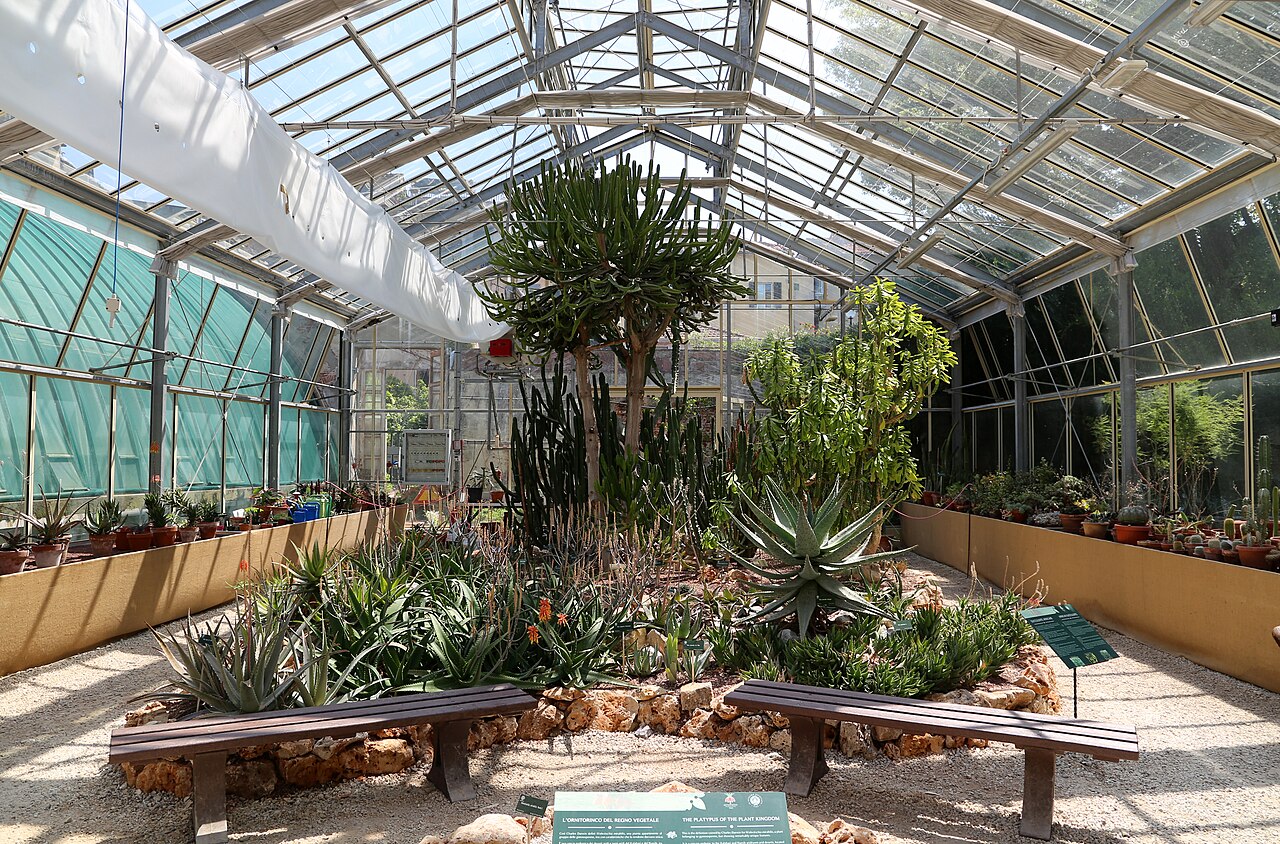
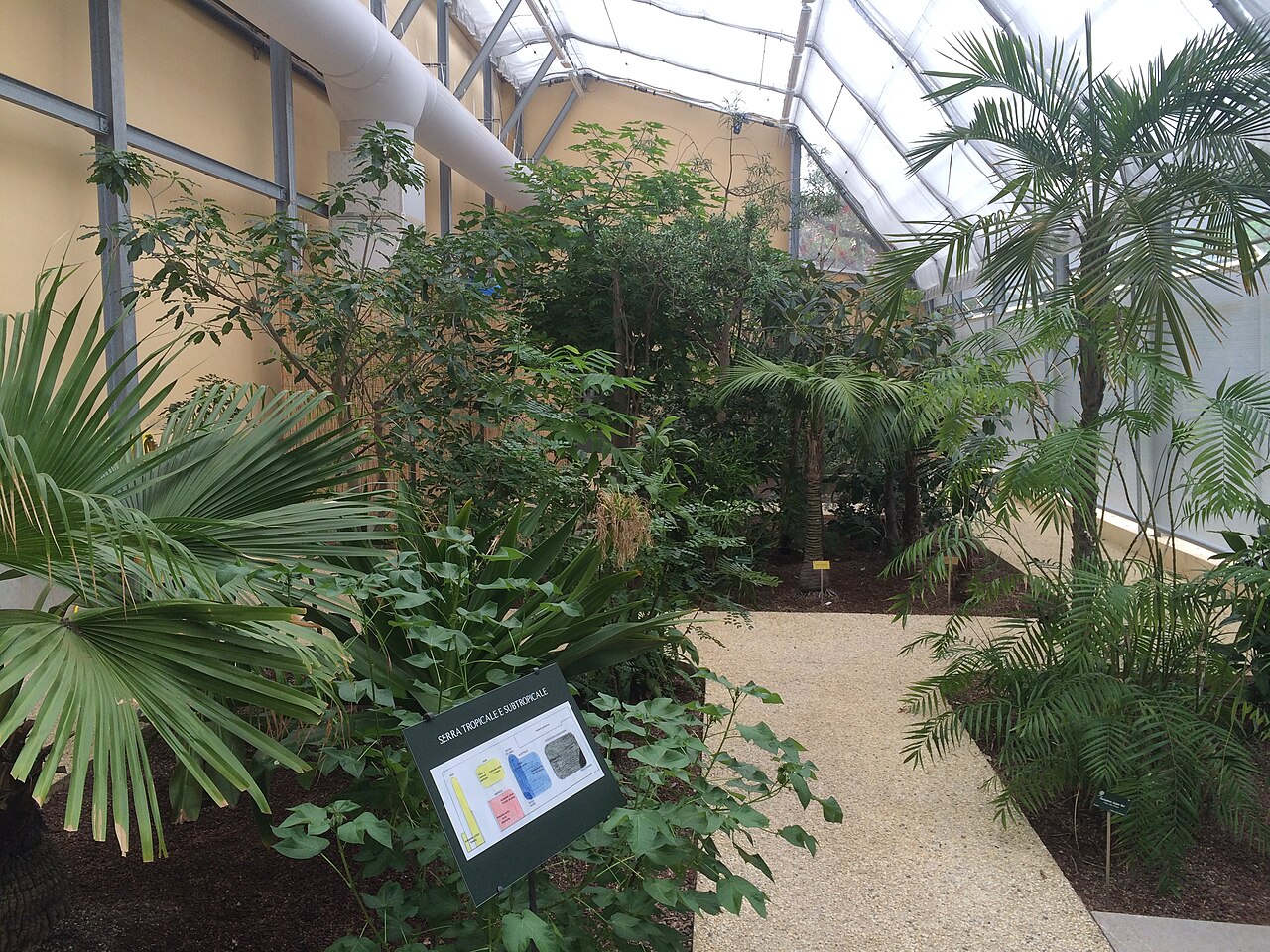
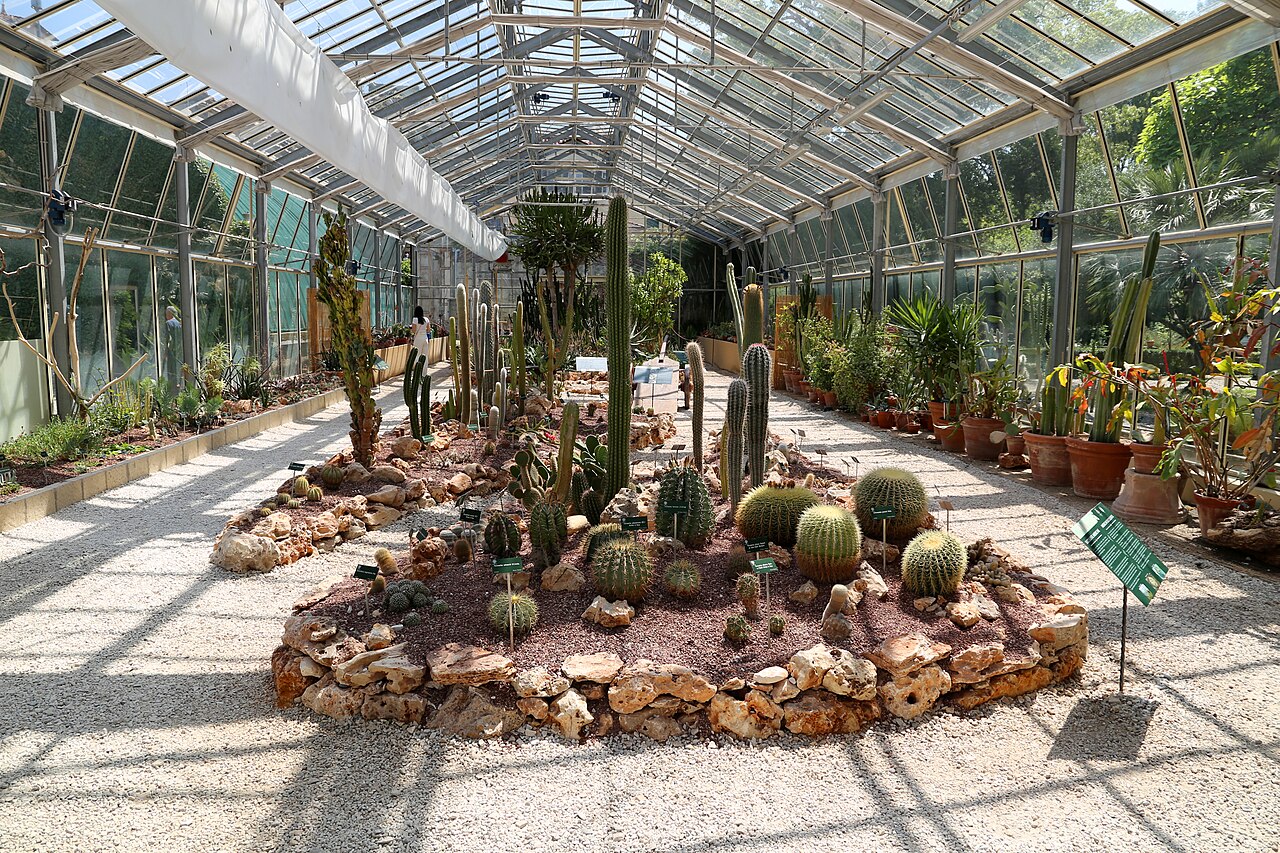
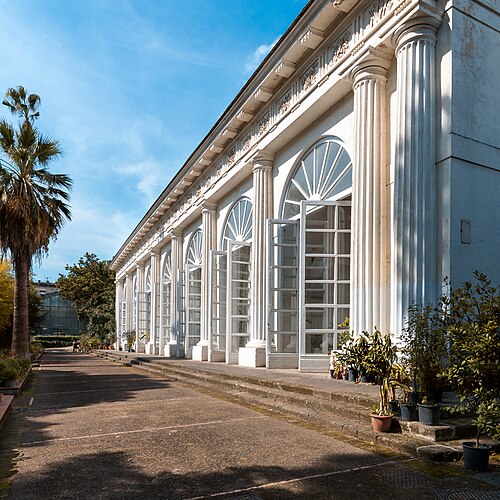
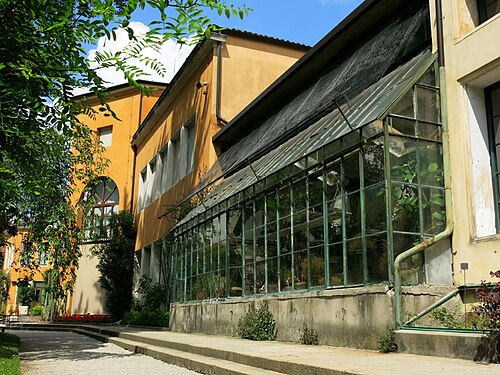
At the centre of the University of Pisa's botanical garden, founded in 1543, four greenhouses stand together: the tropical house, the succulent house, the Victoria house and the banana house, the oldest in the garden. The tropical house (about 150 m²), whose fabric was renovated in 2012-2014, received a new layout of 150 species, inaugurated on 23 March 2018; the succulent house (about 200 m²) had been re-presented in September 2017. In early 2023 their glazing was fitted with a grid of adhesive dots against bird collisions.
Affiliate links — booking through Verrière helps fund our research, at no extra cost to you.
History
The botanical garden of the University of Pisa was founded in 1543 at the request of the physician and botanist Luca Ghini, summoned by Cosimo I de' Medici; the university presents it as the oldest university botanical garden in the world. First laid out near the Arno, it moved in 1563 and again in 1591, settling near Piazza dei Miracoli, where it now covers about two hectares. The greenhouses form one of its seven sectors, in the central part.
The garden's website says only that the banana house is the oldest; the English edition of Wikipedia mentions, without naming it, one of Italy's earliest iron-framed hothouses among the garden's features. The documented works are recent. A sign at the "epiphyte house", visible in a 2019 photograph on Wikimedia Commons, announces a project to recover and upgrade the garden's buildings and greenhouses, co-financed by the European Regional Development Fund (Tuscan programme 2007-2013). The fabric of the tropical house was renovated during the three years 2012-2014, after which a new layout was designed and inaugurated on 23 March 2018. The succulent house had received its own on 15 September 2017; the Victoria and banana houses followed on 5 October 2018. On 27 January 2023 the two largest houses, the tropical and the succulent, were given "polka-dot" glazing to protect birds.
Architecture and engineering
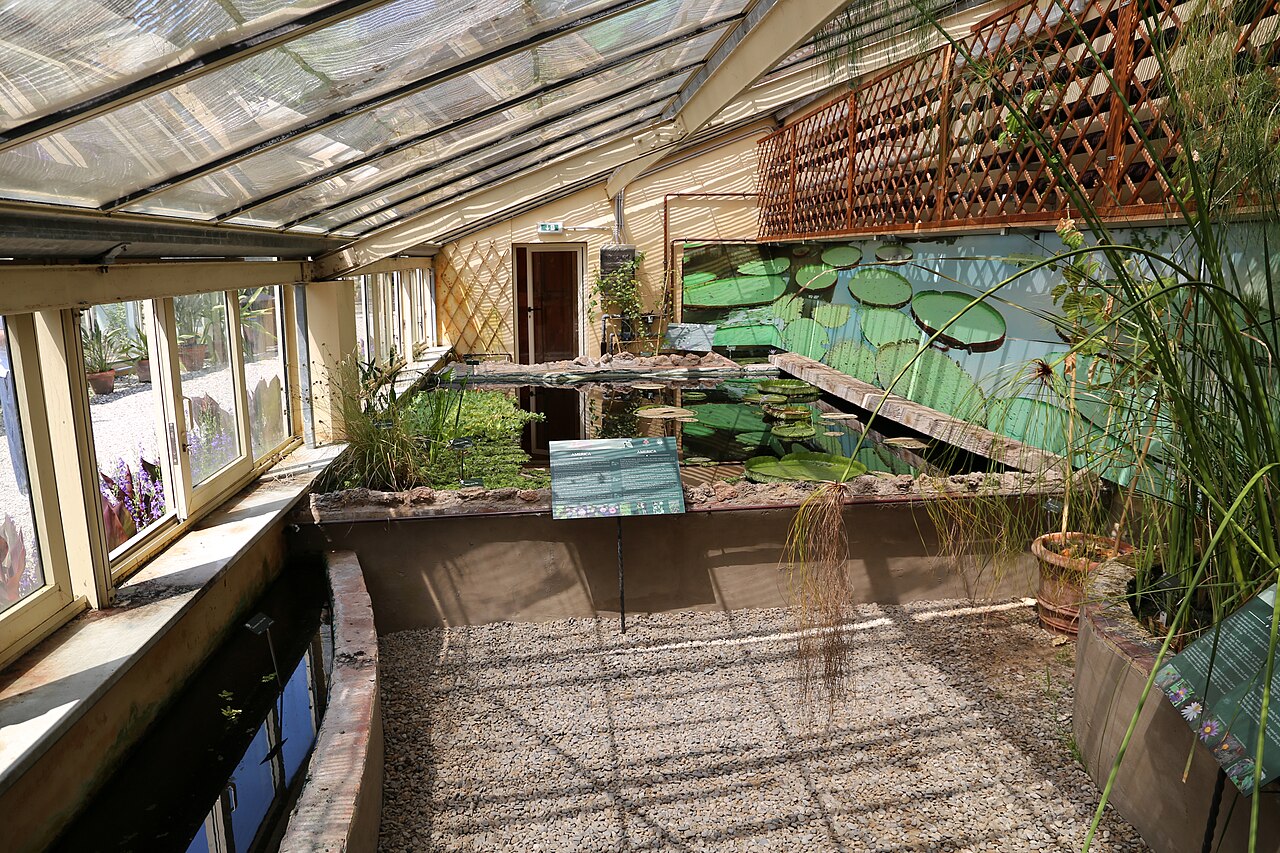
Only two areas are published, in an interview with the garden's director in the journal Arbor in 2018: about 150 m² for the tropical house and about 200 m² for the succulent house; the Victoria house is described there as small. The four buildings stand together in the central part of the garden, the sector known as the Greenhouses; their positions match the greenhouse polygons in OpenStreetMap, cross-checked against geotagged photographs on Wikimedia Commons.
The glazing is the best-documented point. On 27 January 2023 the university announced that the succulent and tropical houses had new dotted glass: a regular grid of adhesive discs covers the whole glazed surface to reduce bird collisions, since about fifty species use the garden through the year. Designed with the university's buildings department, the scheme was chosen after tests showing that dot grids protect better than raptor silhouettes stuck on the glass. Inside the tropical house, a pergola was built for a climbing plant.
Plant collections
The tropical house gathers about 150 species of shrubs and trees from the intertropical regions, arranged geographically: each bed represents a continent, with forest and savanna habitats. Near the entrance a small area is devoted to tropical epiphytes, including orchids. Rare or threatened plants include Cycas circinalis and Cycas taiwaniana, native respectively to southern India and southern China; other species, familiar as houseplants, reach their natural habit here, among them Chamaedorea elegans, Ficus benjamina and Howea forsteriana, found only on Lord Howe Island. The climber Aristolochia gigantea flowers on the house's pergola.
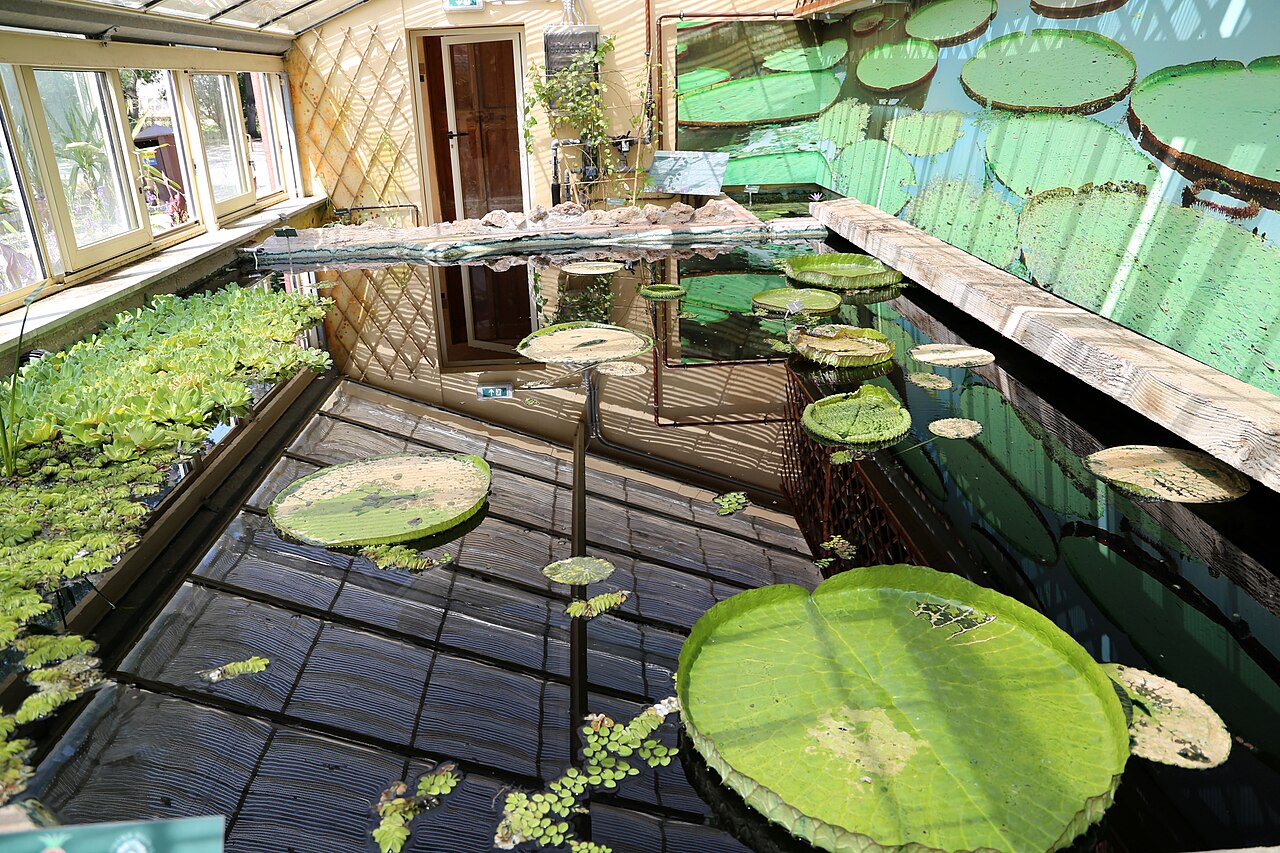
The succulent house holds about 200 species from desert and semi-desert regions and keeps young Welwitschia mirabilis in a dedicated bed. The Victoria house grows Victoria cruziana, the giant South American water lily, with other tropical aquatic plants; the banana house gathers tropical food plants, arranged by region of origin.
Visiting
The greenhouses occupy the central part of the garden, next to the Piazzale Arcangeli, where many palms grow, including two Jubaea chilensis planted in 1890. The garden's director recommends spring while noting that there are fine views in every season. The garden, about two hectares, is close to Piazza dei Miracoli, and the Leaning Tower can be glimpsed from several spots.
On the third Saturday of each month a guided visit of the plant collections starts at 15:00 by reservation (17 October, 21 November and 19 December 2026). The adjoining Botanical Museum has been temporarily closed since the earthquake of 4 August 2026; the garden itself remains open, with a few closures between May and September for treatments against the red palm weevil.
43.72° N, 10.40° E
Greenhouses nearby
More greenhouses — Italy
Do you have a good photo of this greenhouse? Suggest it for this page →
Sources (8)
- ortomuseobot.sma.unipi.it/2023/01/orto-botanico-le-serre-maggiori-cambiano-look-per-tutela
- ortomuseobot.sma.unipi.it/collezioni/
- ortomuseobot.sma.unipi.it/settori/
- ortomuseobot.sma.unipi.it/wp-content/uploads/2018/08/Arbor-n.-2-2018-41-48.pdf
- pisatoday.it/cronaca/serra-tropicale-orto-botanico-pisa.html
- ortomuseobot.sma.unipi.it/orari/
- ortomuseobot.sma.unipi.it/2026/10/sabato-botanico-autunno/
- it.wikipedia.org/wiki/Orto_botanico_di_Pisa
Affiliate links — booking through Verrière helps fund our research, at no extra cost to you.