Mosaic Tile Museum Tajimi (多治見市モザイクタイルミュージアム)
Tajimi, Gifu Prefecture
Sources checked November 2026
- Year
- 2016
- Architect
- Terunobu Fujimori
- Type
- Municipal mosaic tile museum
- Access
- Open to the public, closed on Mondays (official website, November 2026)
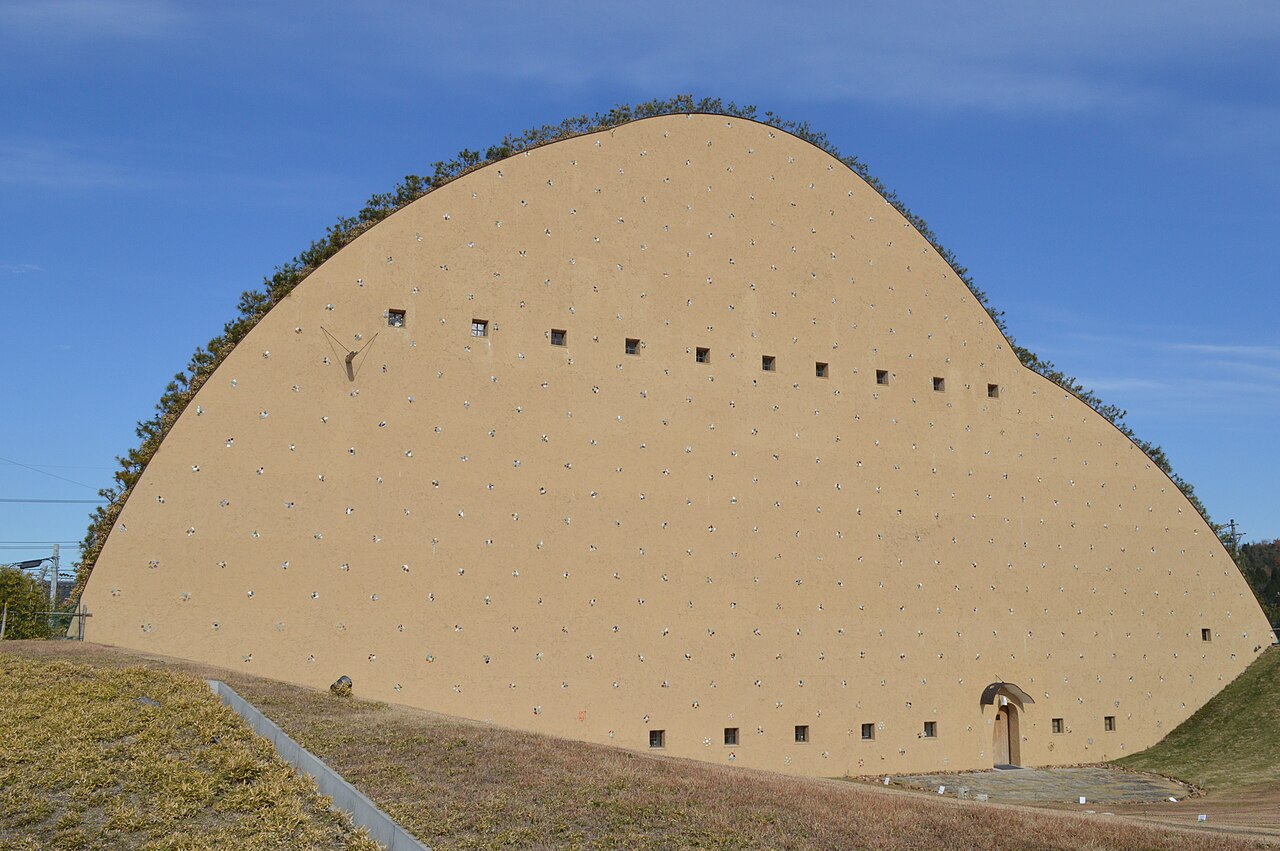
Opened in June 2016 in Kasahara-chō, Tajimi, this municipal museum occupies the plot where the old town hall once stood. Terunobu Fujimori designed it with the A·K + Ace joint venture: a reinforced-concrete building of four storeys above ground, with earth walls set with broken tiles and tableware, inspired by the pit where the earth for tiles is dug. It holds a collection of more than 10,000 items.
Affiliate links — booking through Verrière helps fund our research, at no extra cost to you.
History
The museum occupies the plot of Kasahara-chō's old town hall, in a district of Tajimi where glazed porcelain mosaic tiles are made. It opened in June 2016. It began with a collection: local volunteers gathered tiles from buildings being demolished and samples from factories that were closing, and the holdings now number more than 10,000 items.
The design is credited to Terunobu Fujimori and the A·K + Ace joint venture of design firms (エイ・ケイ+エース設計共同体). Fujimori has been the museum's honorary director since 2020.
Architecture
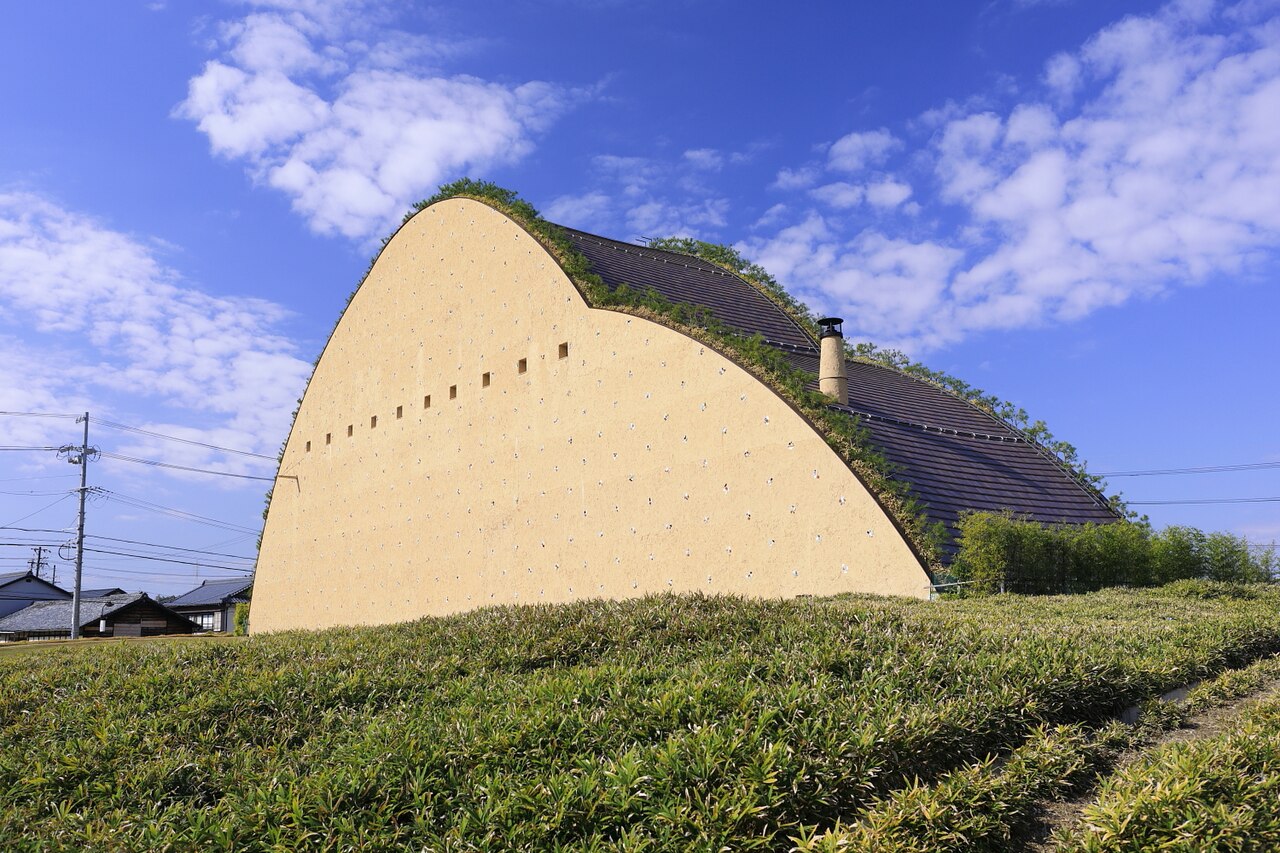
The museum takes its cue from the pit where the earth for tiles is dug: a sloping, bowl-shaped ground from which earth walls rise. Asked what the most fundamental material of a building is, Fujimori answers “earth”, and tiles too are a building material made of fired earth.
The building is a public reinforced-concrete structure of four storeys above ground. Its flat walls are of earth, with broken porcelain tiles and shards of tableware set into them as accents.
The dimly lit grand staircase climbs to the top floor. When the door opens, a room covered in white tiles from floor to ceiling stretches out; on plinths and along the walls are mosaic tile pictures, decorated tiles from public baths, washbasins and bathtubs. Fujimori directed this display.
A public toilet block that predates the museum was reworked at his suggestion: its roof and walls are faced with tiles, and local residents took part in laying the wall tiles.
Use today
The city of Tajimi established the museum and entrusts its management to a foundation. The collection of more than 10,000 items includes everyday objects fitted with mosaic tiles, such as bathtubs, as well as sample boards and manufacturing machines.
The second floor retraces the making and history of Tajimi's mosaic tile: a timeline of the industry, Shōwa-era samples, a video, and a gallery for themed exhibitions. The first floor, managed directly by the foundation, is devoted to promoting the industry: tiles now on the market are shown there in scenes of daily life designed by interior designers, and they can be ordered at the concierge counter. On the ground floor are a workshop for making objects with mosaic tiles and a shop.
Visiting
The museum is open from 9 a.m. to 5 p.m., with last entry half an hour before closing. It is closed on Mondays (when a Monday is a public holiday, the closure moves to the next weekday) and from 28 December to 4 January.
Reception is on the ground floor, and visitors must check in there even to see only the ground floor and first floor. The rooms on the second and third floors charge admission, free up to and including high-school students on presentation of a student card. The intended route climbs the grand staircase to the top floor and comes back down by lift. A guided commentary is requested in advance (about 40 minutes on average).
Photos
35.30° N, 137.16° E
Greenhouses nearby
Architecture nearby
By the same architect
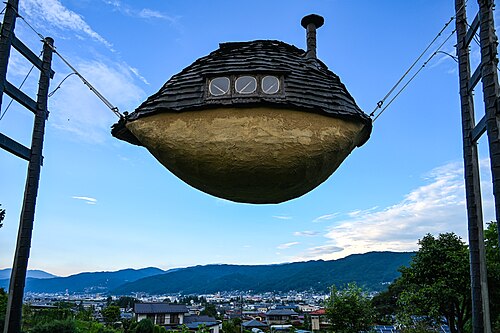
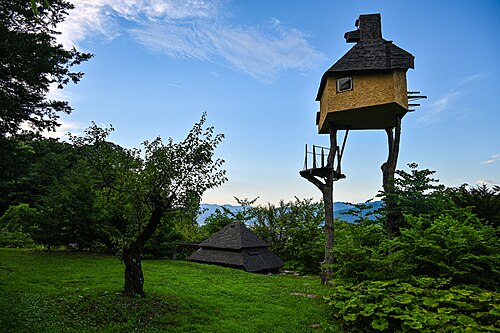
Sources (9)
- mosaictile-museum.jp/
- mosaictile-museum.jp/english/
- mosaictile-museum.jp/guidance/
- mosaictile-museum.jp/collection/
- mosaictile-museum.jp/aboutus/
- mosaictile-museum.jp/event/202606/
- data.shinkenchiku.online/articles/SK_2017_01_120-0
- data.shinkenchiku.online/en/projects/articles/SK_2017_01_120-0
- kankou-gifu.jp/spot/5256/
Affiliate links — booking through Verrière helps fund our research, at no extra cost to you.