University of Dundee Botanic Garden Glasshouses
Riverside Drive, Dundee, Scotland
No freely licensed photo of this greenhouse yet. Do you have one? Suggest it for this page →
Sources checked October 2026
- Style
- Glasshouse with tropical, temperate and arid compartments on the south-facing slope of a university garden
- Status
- Open to the public; in June 2026 the university proposed to stop running the garden, which is funded until the end of July 2027 while alternatives are explored
On the banks of the Tay, the University of Dundee Botanic Garden, opened in 1971 on 9.5 hectares, holds a substantial glasshouse with compartments: one tropical, with rainforest plants, citrus, coffee and a pond of giant water lilies, the other temperate, leading to an arid zone of cacti and succulents. It also shelters the herb garden and Mediterranean plants on the slope. In June 2026 the university proposed to stop running the garden; it remains open, funded until the end of July 2027 while other solutions are sought.
Affiliate links — booking through Verrière helps fund our research, at no extra cost to you.
History
Patrick Geddes, Professor of Botany at Dundee from 1888 to 1919, used glasshouses and plots scattered around the university for teaching and longed for a proper botanic garden. The Dundee Advertiser of 14 September 1906 set out his plan for a substantial public garden at the west end of Magdalen Green, but the “generous citizens” he called for never came forward.
The present garden dates from after the University of Dundee became independent in 1967. A 1966 memorandum signed Ingram argued for a university botanic garden; the first Principal, James Drever, approved the project, and the garden opened in October 1971 (some press reports say 1970). The first curator, Edward Kemp (1971–1980), set up with Dr Hugh Ingram a central area of native plants arranged by habitat, surrounded by geographical zones. The historical survey published in 2023 also mentions a substantial glasshouse with temperate and tropical compartments, without dating it.
Les Bissett, curator from 1980 to 1998, created an education programme, a visitor centre (1984) and a collection plan; Alasdair Hood (1998–2018) developed the evolution garden and conservation collections. The Friends of the garden, founded in 1982, ran a campaign in 2007 and 2008 against plans to close it.
In June 2026 the university, which must save £20 million a year, proposed to cease running the garden. On 25 August 2026 it announced, according to the BBC, that the garden would be funded until the end of July 2027 so that the community and stakeholders could develop alternative proposals.
Architecture and engineering
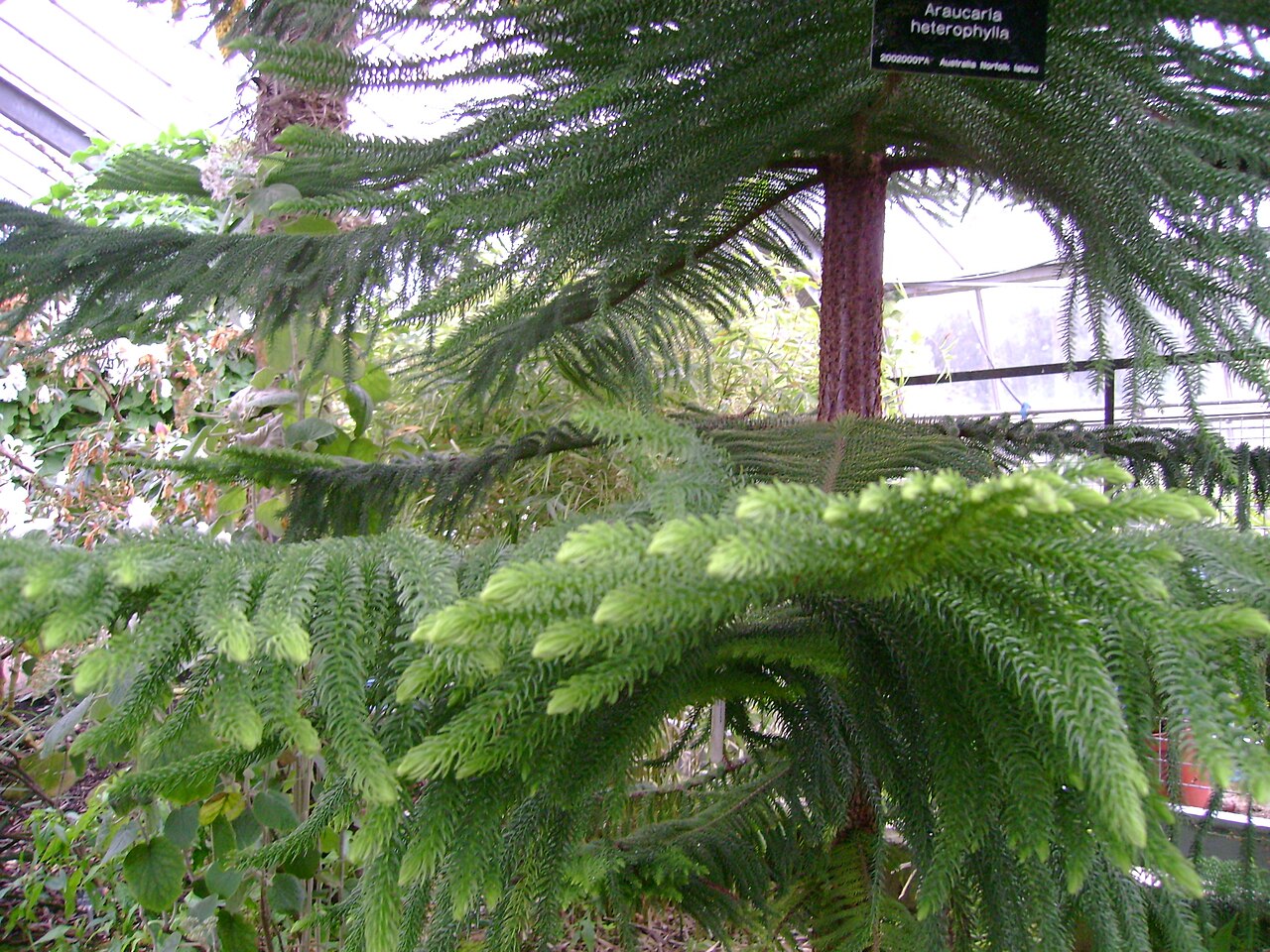
According to the official page on areas to visit, one glasshouse shows tropical rainforest, with citrus, coffee and a pond of giant water lilies, and the other leads from a temperate zone (bananas, insectivorous plants) to an arid zone of cacti and other succulents. The 2023 historical survey speaks of a substantial glasshouse with temperate and tropical compartments, the training programme HBGTP of one large glasshouse combining tropical, temperate and arid collections, and a 2011 blog of two glasshouses, one tropical and one desert. OpenStreetMap traces only one polygon, named “Glasshouses”.
The glasshouse stands on the south-facing slope of the garden. According to the official page, it shelters the herb garden and the Mediterranean plants lying to its north, which gain a milder microclimate as a result.
Plant collections
In the tropical part, the official page names rainforest plants, citrus fruit, coffee and a pond of giant water lilies; a 2011 blog adds tea, oranges and bananas. A January 2025 article from Discover Scottish Gardens notes that in winter coffee and citrus plants flower there, with bougainvillea and stephanotis. The other compartment shows bananas, insectivorous plants, then cacti and succulents; the historical survey mentions many economic plants from around the world and a good collection of desert plants from America and Africa. A guided tour of the glasshouse in October 2025 was devoted to the cultural uses of its species, from food and medicine to folklore.
Outdoors, the garden has an area of native Scottish plants in eight habitats, from coast to upland, collections from Asia, including a large rhododendron collection according to HBGTP, Australasia, the Americas, South Africa and the Mediterranean, and an evolution garden based on the APG III classification.
Visiting
According to the official page read in October 2026, the garden is open every day and receives more than 80,000 visitors a year. Beyond the glasshouse, Discover Scottish Gardens points to the sculpture garden, the Good Grief Garden, presented as the world's first garden dedicated to victims of the pandemic, and the Green Room Gallery, a low-energy building opening onto the Tay that hosts exhibitions. An older listing mentions guided tours, led by the curator or an education officer, of about an hour and a half. With the garden's future under discussion until the end of July 2027, it is worth checking its status before travelling. It lies on Riverside Drive, near Dundee airport, on the outskirts of the city centre.
56.46° N, 3.02° W
Greenhouses nearby
More greenhouses — United Kingdom
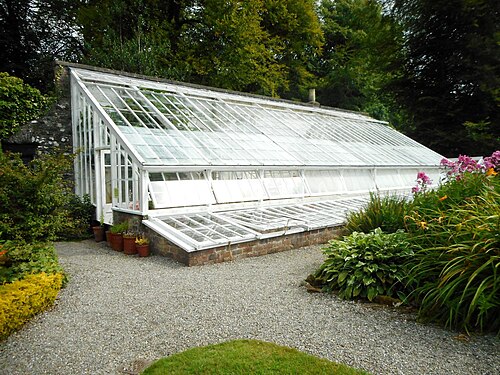
Do you have a good photo of this greenhouse? Suggest it for this page →
Sources (8)
- dundee.ac.uk/botanic
- dundee.ac.uk/botanic/areas
- discovery.dundee.ac.uk/files/100054052/2023_CG_p090_University_of_Dundee_gardens_1_.pdf
- en.wikipedia.org/wiki/University_of_Dundee_Botanic_Garden
- hbgtp.org.uk/?gardens=university-of-dundee-botanic-garden
- discoverscottishgardens.org/garden-of-the-season-university-of-dundee-botanic-garden/
- bbc.co.uk/news/articles/c98052l7y9po
- heraldscotland.com/news/26410117.dundee-botanic-garden-closure-latest-it-cant-end/
Affiliate links — booking through Verrière helps fund our research, at no extra cost to you.