Forsgate Conservatory
Hong Kong

Sources checked September 2026
- Year
- 1991
- Style
- Modern three-part conservatory (display house, arid house, humid house)
- Dimensions
- 1,400 m²
- Status
- Open to the public, free admission, temporary botanical exhibitions
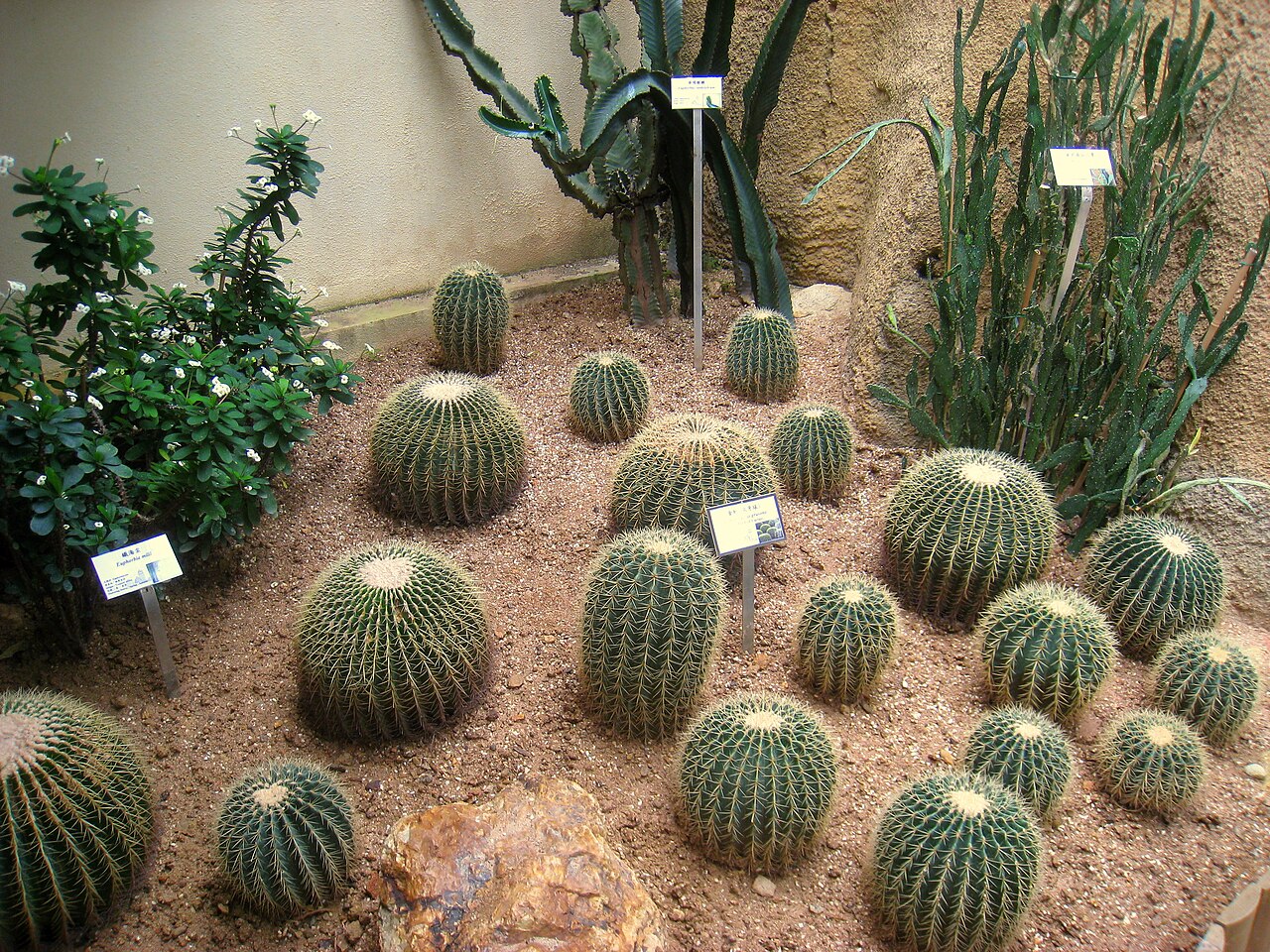
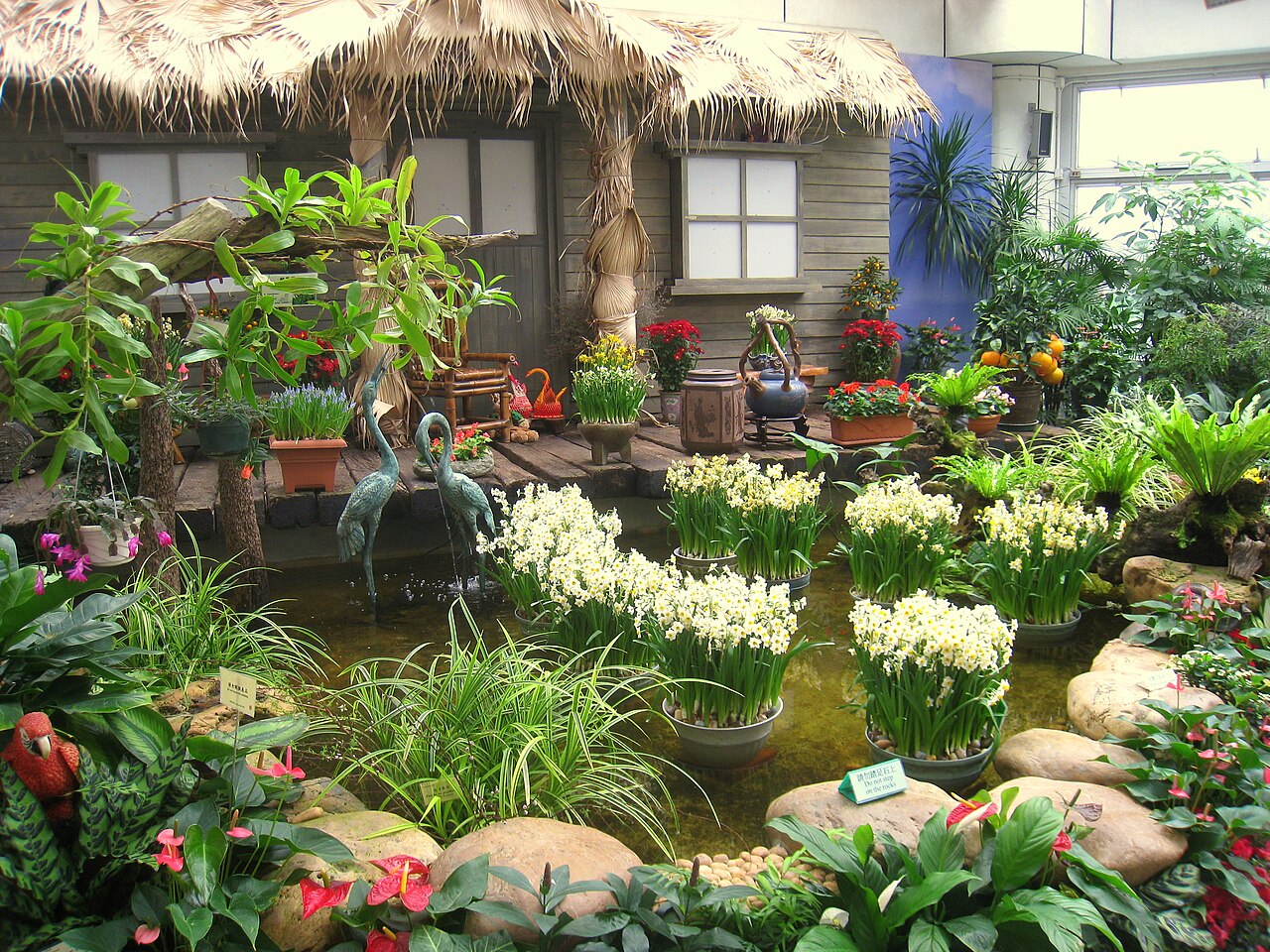
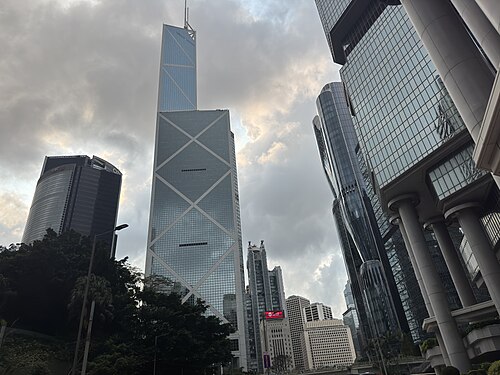
Set at the heart of Hong Kong Park, on the former site of the Victoria Barracks, the Forsgate Conservatory opened with the park in 1991, right in the city's financial center. Across 1,400 m², it organizes three distinct climate spaces: the Display Plant House for seasonal themed exhibitions, the Dry Plant House for cacti and succulents kept at 33°C, and the Humid Plant House, which recreates the tropical undergrowth of South Africa, Southeast Asia, and the Americas. Every year, more than thirty temporary floral displays succeed one another there, from orchids to begonias. Its position, hemmed in among the towers of Central, makes it one of the most singular urban glasshouses in Asia.
Affiliate links — booking through Verrière helps fund our research, at no extra cost to you.
History
The Forsgate Conservatory belongs to Hong Kong Park, laid out on part of the former Victoria Barracks, one of the earliest British military compounds in the colony, whose buildings went up between the 1840s and 1910. In 1979 the government set aside the upper, mid-levels portion of the site above Central for a public park. The project was a joint undertaking by the former Urban Council, dissolved in 1999, and the Royal Hong Kong Jockey Club, and cost HK$398 million.
The park was officially opened on 23 May 1991 by the Governor, Sir David Wilson. The conservatory and the Edward Youde Aviary are its two principal facilities, set on the hillside near the park's Vantage Point. Several garrison buildings survive around them: Flagstaff House, built in 1844–46 and regarded as the oldest surviving Western-style building in Hong Kong, now houses the Museum of Tea Ware, and Rawlinson House, Wavell House and Cassels Block have also found new uses. The conservatory is run today by the Leisure and Cultural Services Department.
Architecture and engineering
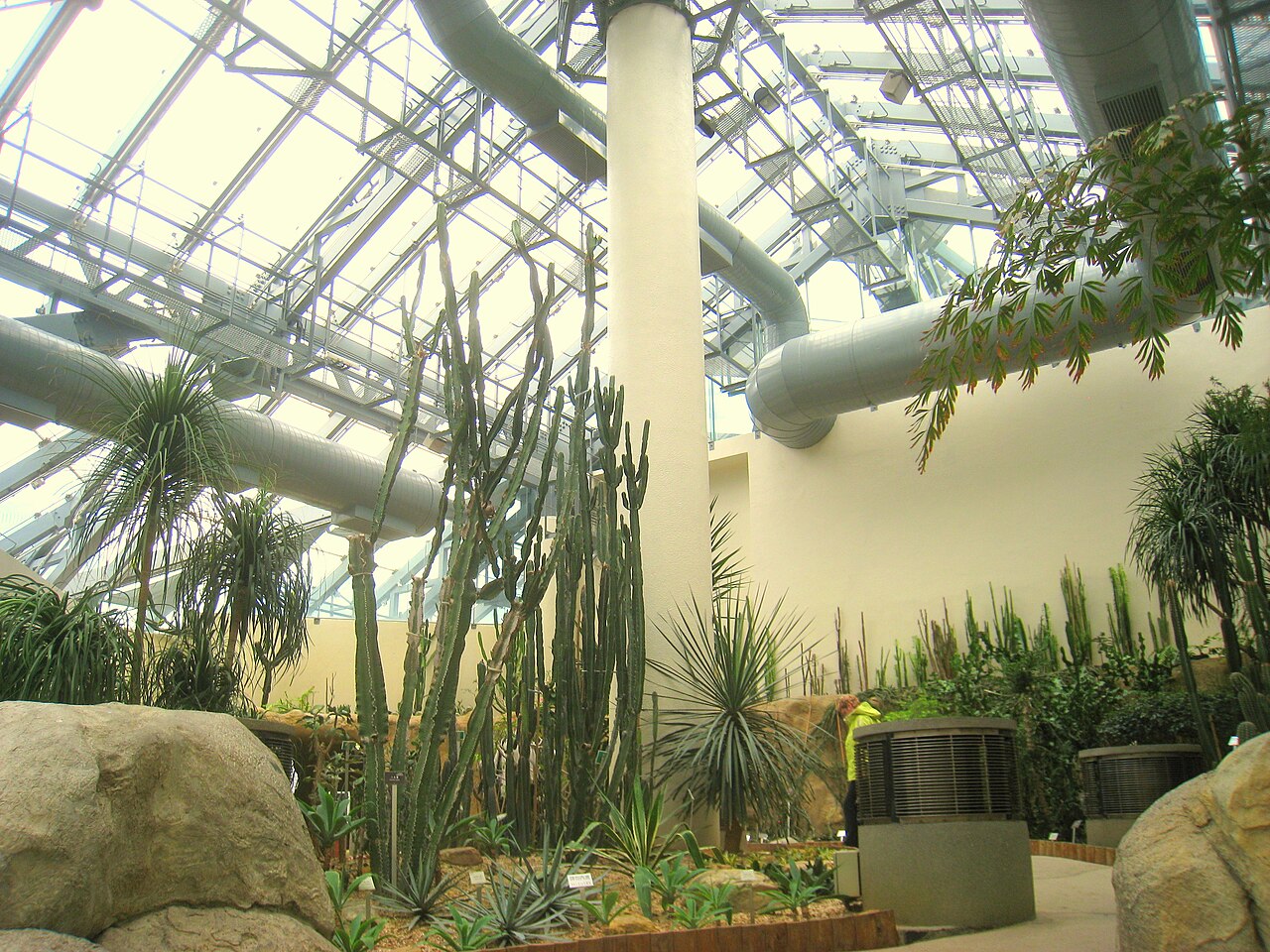
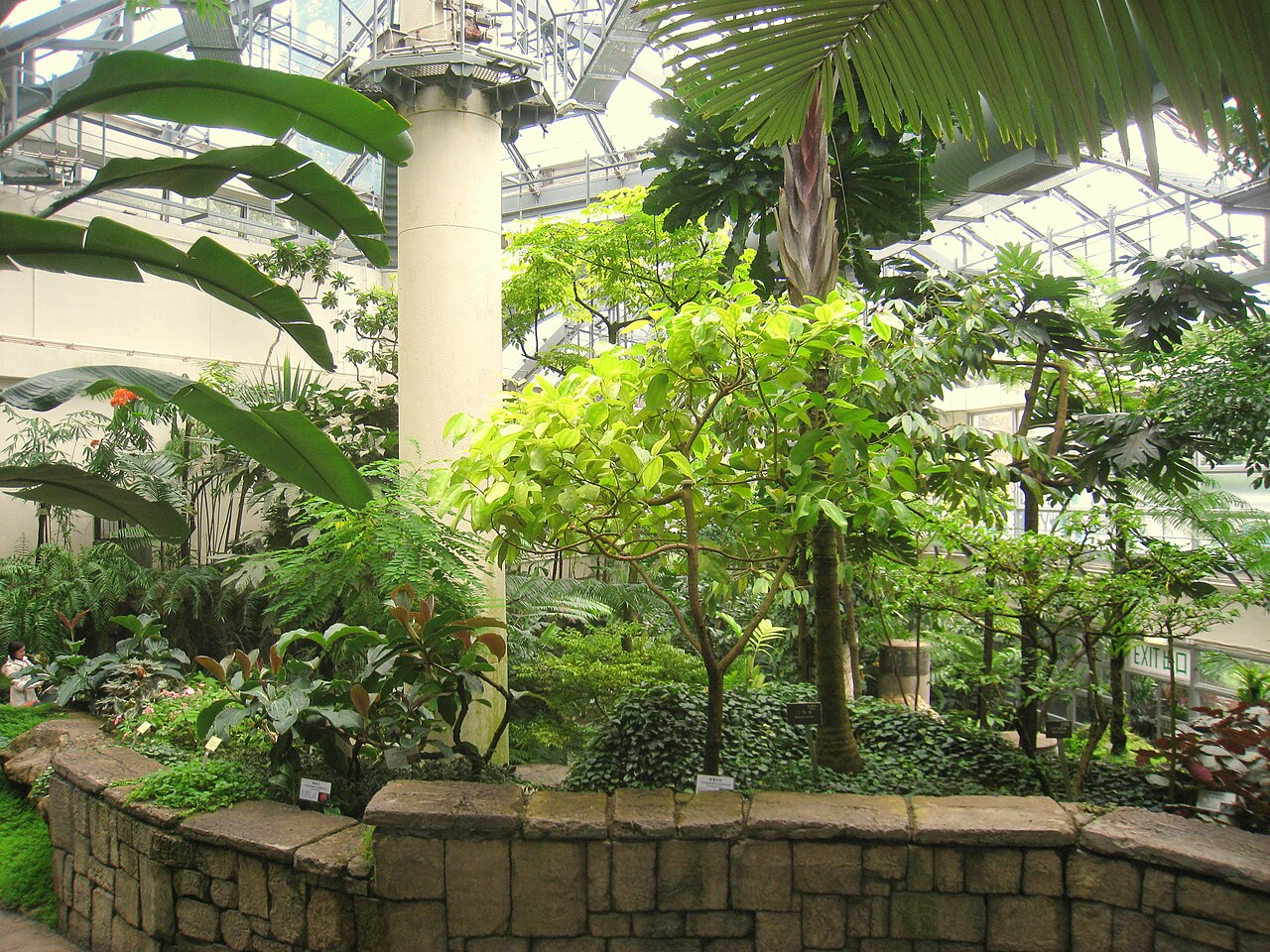
Covering 1,400 m², the conservatory consists of three glazed houses, each dedicated to a different environment. Adjustable climate-control equipment allows very different conditions to be reproduced a few metres apart, in a city with a humid subtropical climate.
The Display Plant House, used for rotating exhibitions, is the most flexible of the three. The Dry Plant House, for plants of arid regions, can reach 33 °C at 60 per cent relative humidity; its interior uses artificial rockwork and small canyons to suggest desert terrain. The Humid Plant House is kept between 23 and 33 °C all year round, and an automatic fogging system produces a layer of drifting vapour beneath the glass that cools the air and sustains the humidity needed by tropical understorey plants.
Plant collections
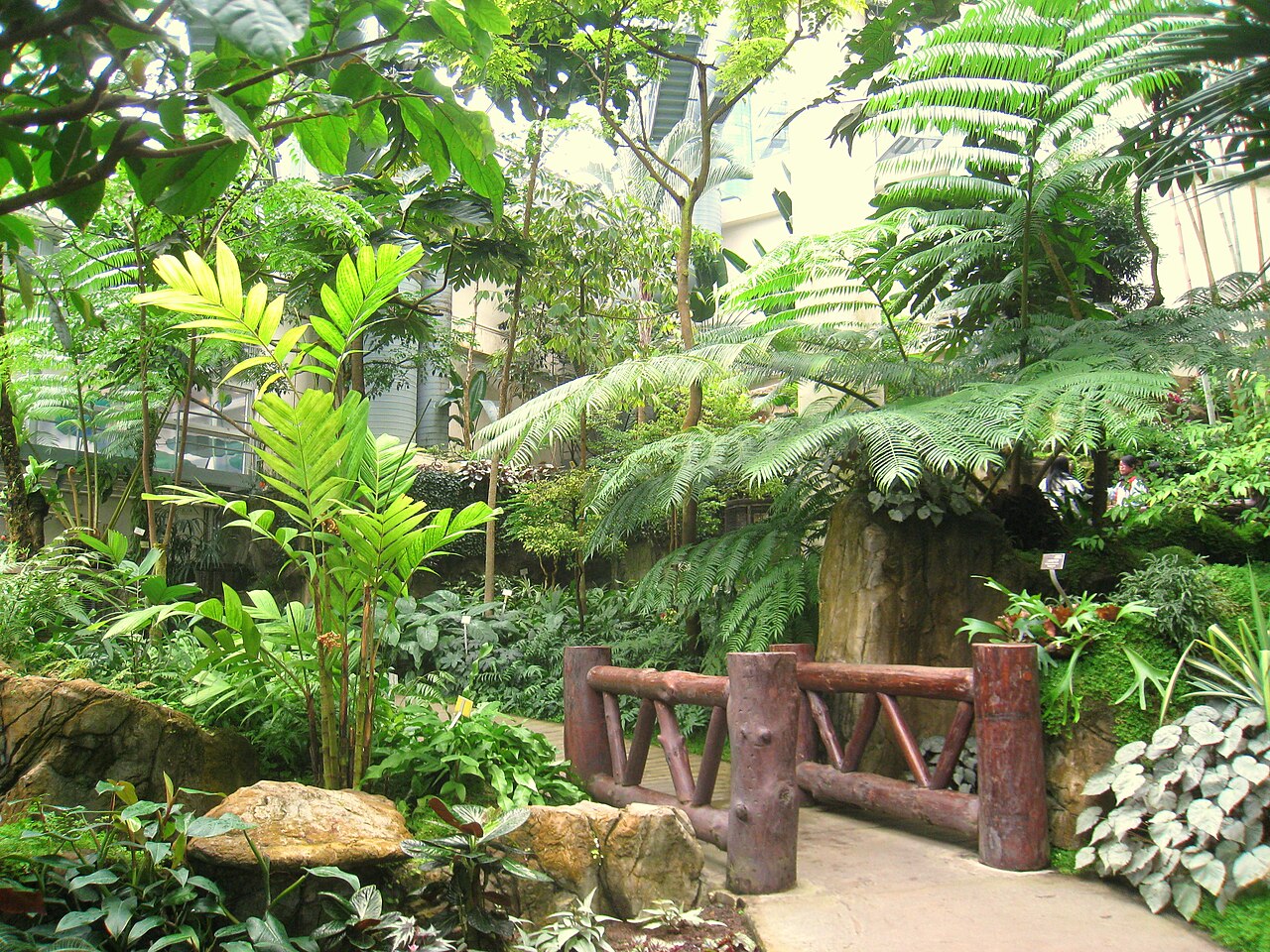
Over the course of the year the Display Plant House shows more than thirty groups of plants in rotation, among them orchids, begonias, anthuriums, amorphophallus, bromeliads, herbs, and aquatic and bulbous plants.
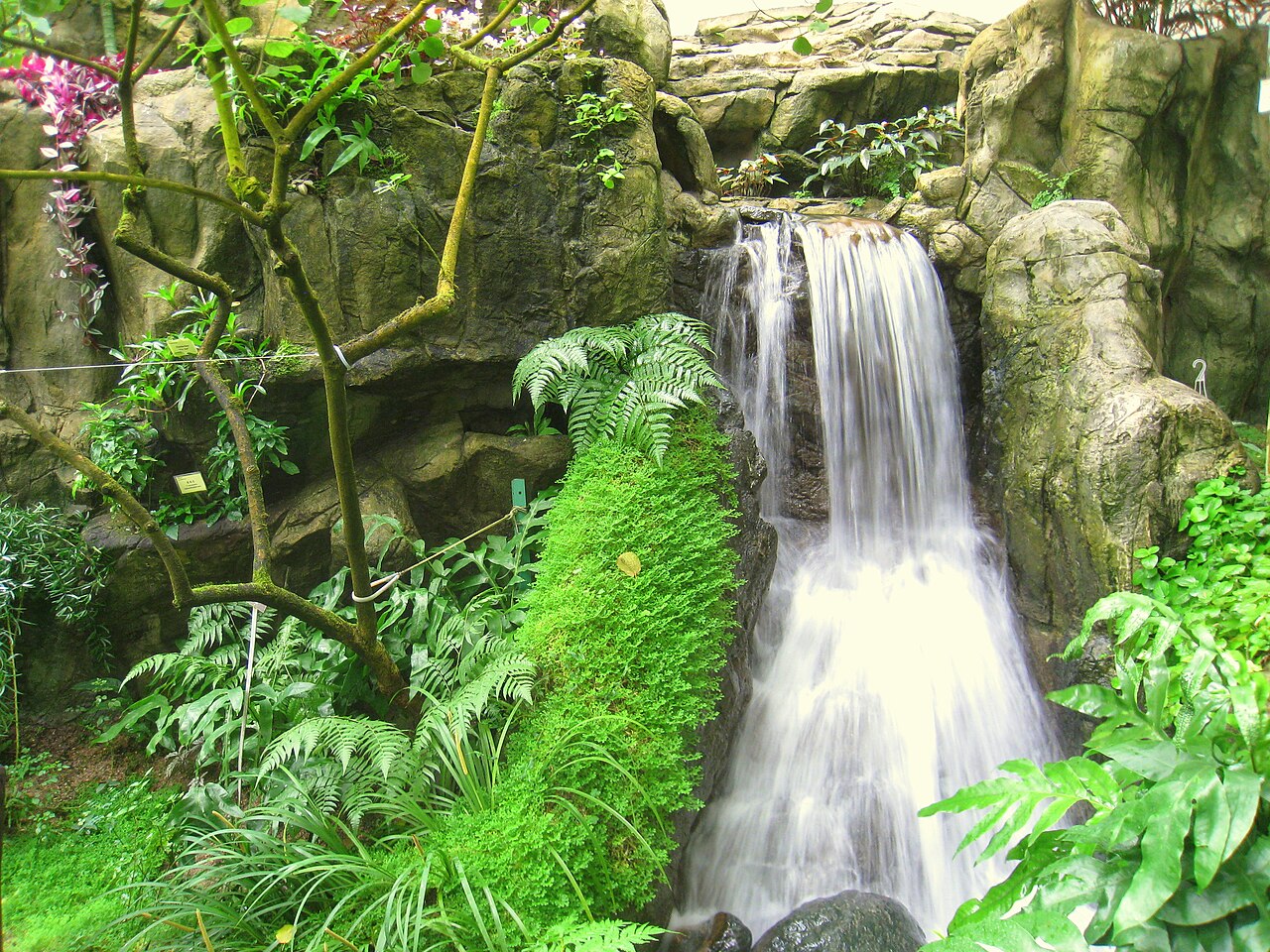
The Dry Plant House gathers cacti, succulents and other species from dry regions. The Humid Plant House brings together ferns, palms, bromeliads, carnivorous plants and jungle foliage plants from South Africa, Southeast Asia and the Americas. It also displays useful tropical plants such as the rubber tree, coffee, cacao, breadfruit and vanilla, which can be seen in flower and in fruit.
Visiting
The conservatory sits in the upper part of Hong Kong Park, a few minutes' walk from the towers of Central and Admiralty; the park's outdoor areas are free to enter. The three houses can be seen in about half an hour, longer when a themed show fills the Display Plant House. Educational programmes and guided tours can be arranged in advance.
A visit combines easily with the neighbouring Edward Youde Aviary, the Flagstaff House Museum of Tea Ware, and the park's artificial lake and Tai Chi Garden.
22.28° N, 114.16° E
Greenhouses nearby
Architecture nearby
Do you have a good photo of this greenhouse? Suggest it for this page →
Affiliate links — booking through Verrière helps fund our research, at no extra cost to you.