Kakegawa Kachoen Great Greenhouse (掛川花鳥園)
Kakegawa, Shizuoka Prefecture

Entry updated on October 5, 2026
- Year
- 2003
- Architect
- Unknown
- Style
- Large climate-controlled display greenhouse in a 'flowers and birds' park
- Dimensions
- About 7,000 m²
- Status
- Open to the public
Opened on 20 September 2003, a short walk from Kakegawa station, this 'flowers and birds' park was created by the horticulturist Mototeru Kamo, who had already founded Matsue Vogel Park. At its heart is a large greenhouse of about 7,000 m², designed so that the visit works in any weather: flowering impatiens hang from the ceiling and a pool holds around a hundred varieties of tropical water lily. About 600 birds of roughly a hundred species, from owls to a shoebill, are shown at very close quarters.
Affiliate links — booking through Verrière helps fund our research, at no extra cost to you.
History
1 min
The park's story begins with the horticulturist Mototeru Kamo, born in 1930. In 1957 he broke off his studies at Rikkyo University to take over the family business and opened an iris garden at his home in Kakegawa, the Kamo Hanashobu-en, later renamed Kamoso Kachoen, where he concentrated on growing begonias, fuchsias and coleus. That experience produced a formula pairing large flower-filled greenhouses with birds the public can approach: Fuji Kachoen opened in 1990, Matsue Vogel Park in 2001, Kakegawa Kachoen on 20 September 2003, then Kobe in 2006 and Changzhou, in China, in 2010.
In 2013 the running of the Kakegawa park passed to a local business, and it is now operated by the Kakegawa Kachoen company. Since 2016 its residents have included a shoebill named Futaba. The park marked its twentieth anniversary in September 2023, while Fuji Kachoen, the first park of the series, closed in 2025.
Architecture and engineering
1 min
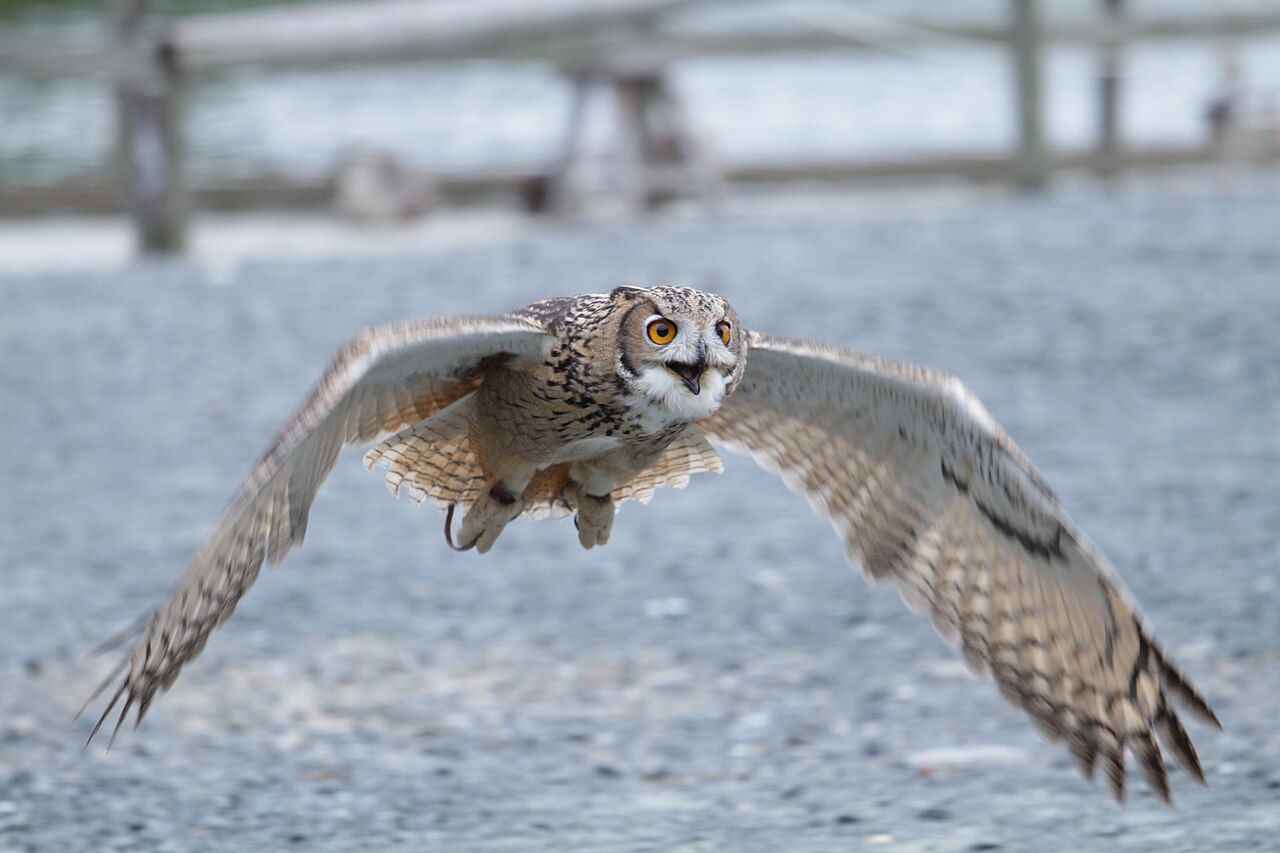
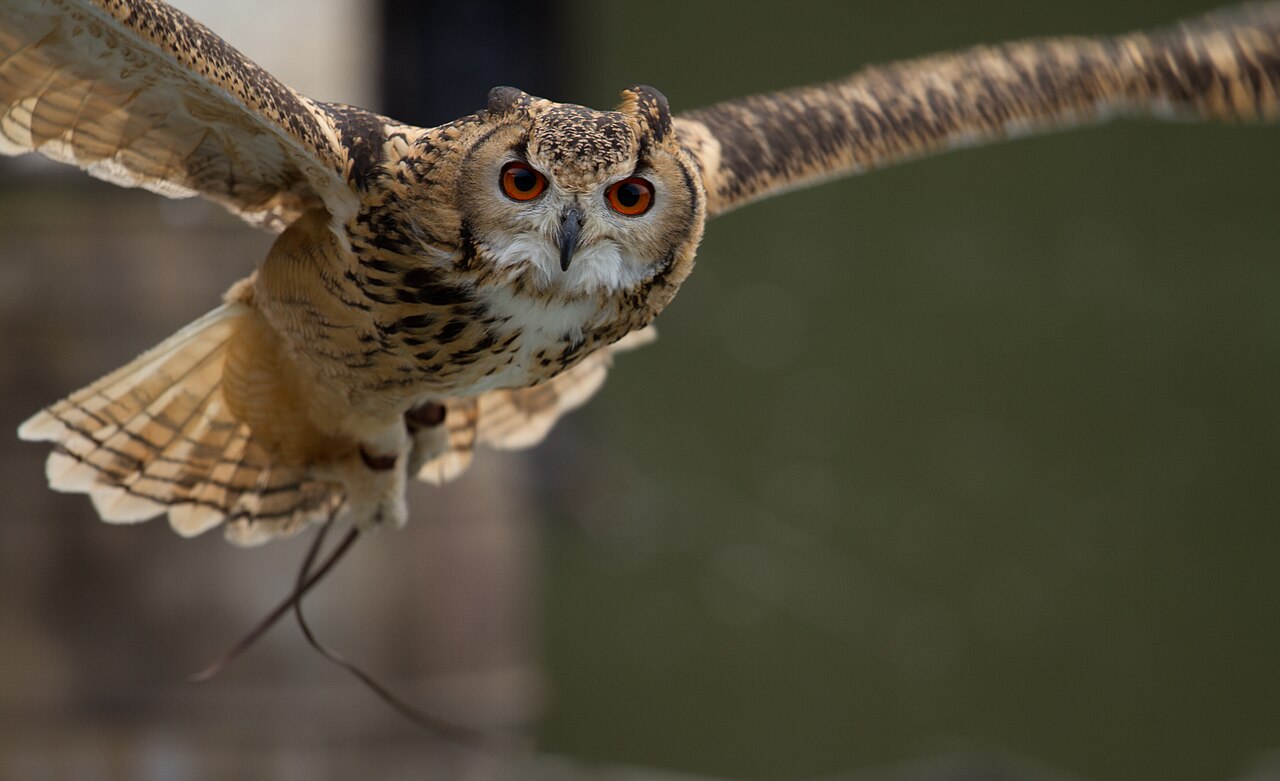
The park was conceived as an all-weather attraction: most of the visit takes place inside a large climate-controlled greenhouse of about 7,000 m², which Japanese Wikipedia ranks among the biggest of its kind in the country. The route is level and step-free, suitable for wheelchairs and pushchairs, and the birds are shown at very close quarters: visitors can feed them by hand or pose with an owl on their arm.
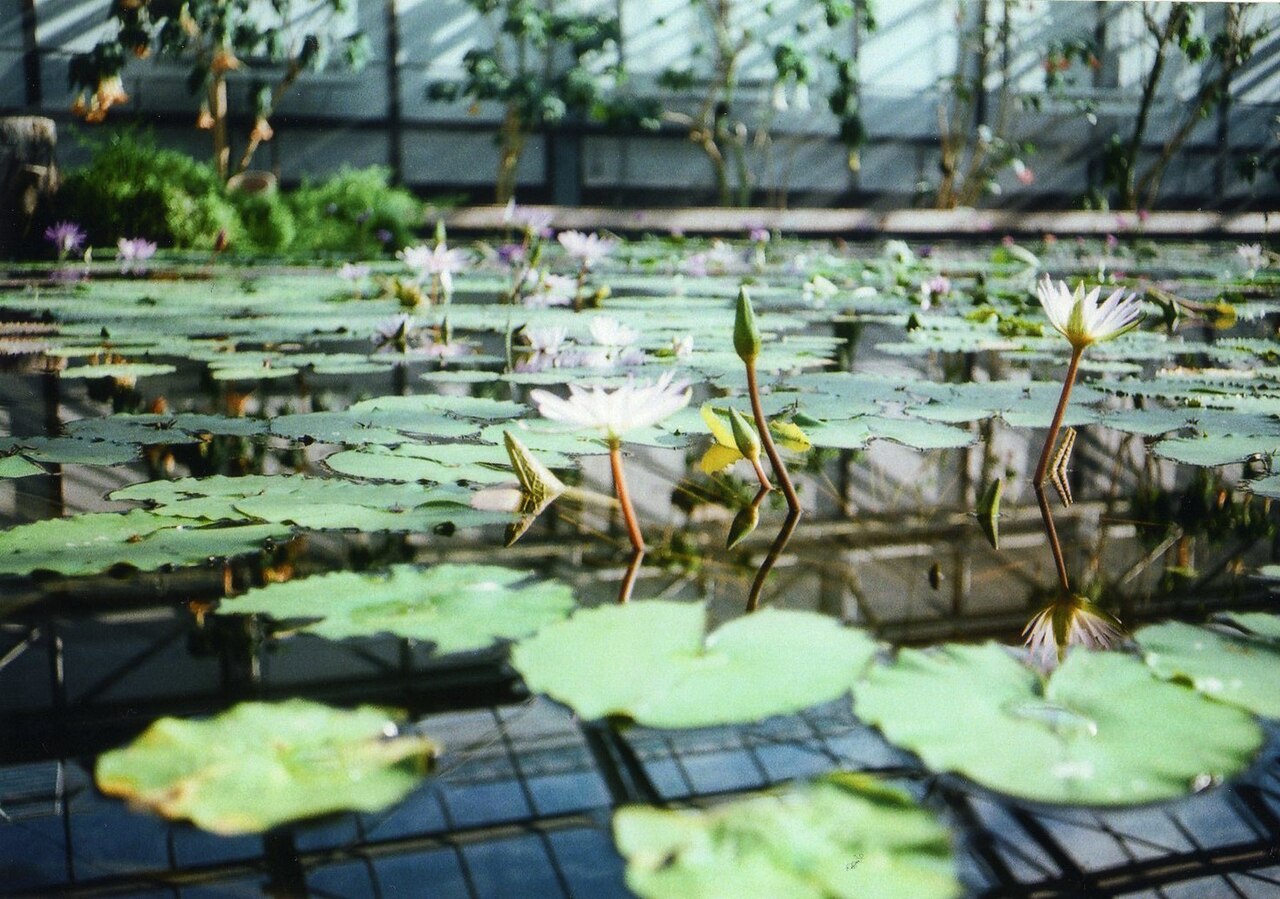
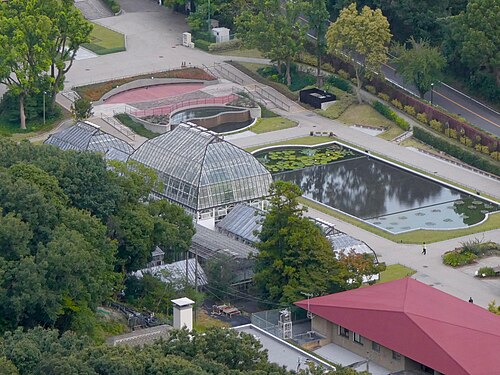
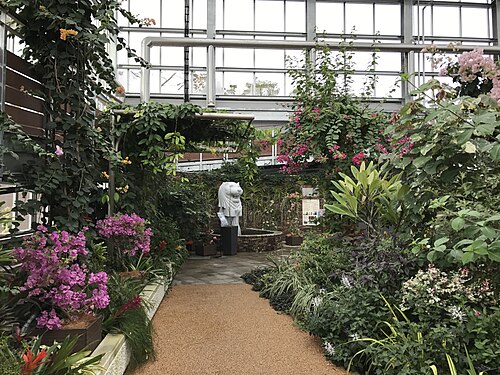
The interior layout serves this double purpose. Baskets of impatiens hanging from the roof form a canopy of flowers above the paths, while a large pool is set aside for tropical water lilies. Around the greenhouse the site includes a swan pond, an emu paddock, a so-called forest bird house and an open-air arena for the flying displays. None of the sources consulted names the architect or the builder of the greenhouse.
Plant collections
1 min
The planting reflects the flowers the Kamo family had grown since the 1950s: begonias, impatiens and fuchsias bloom in the greenhouse all year round. The tropical water lily pool holds about 100 varieties and 600 plants, a collection Japanese Wikipedia counts among the largest in Japan, joined by the giant oonibasu water lily and by brugmansias.
The birds, about 600 individuals of around a hundred species, make up the other half of the programme: barn owls, eagle owls and other owls, golden pheasants, toucans, emus, pelicans, penguins and the shoebill Futaba. The flying displays feature owls and Harris's hawks and, according to Casa BRUTUS, a secretary bird known for its powerful kicks.
Visiting
1 min
The park lies about 800 m from the south exit of Kakegawa station, served by JR and the Tenryu Hamanako Railway, roughly ten minutes on foot. Because almost the whole route is under cover, it works as well on rainy days as in the colder months. Three bird shows are held every day, and regular activities alternate with special events. Those drawn to irises and begonias can round off the day at Kamoso Kachoen, the Kamo family's original garden, also in Kakegawa.
34.76° N, 138.01° E
Greenhouses nearby
More greenhouses — Japan
Do you have a good photo of this greenhouse? Suggest it for this page →