Palmehuset
Tøyen Botanical Garden, Oslo

Sources checked September 2026
- Year
- 1868
- Style
- Victorian iron-and-glass greenhouse
- Dimensions
- One of the oldest greenhouses still in use in Norway
- Status
- Currently closed to the public (plant thefts reported)
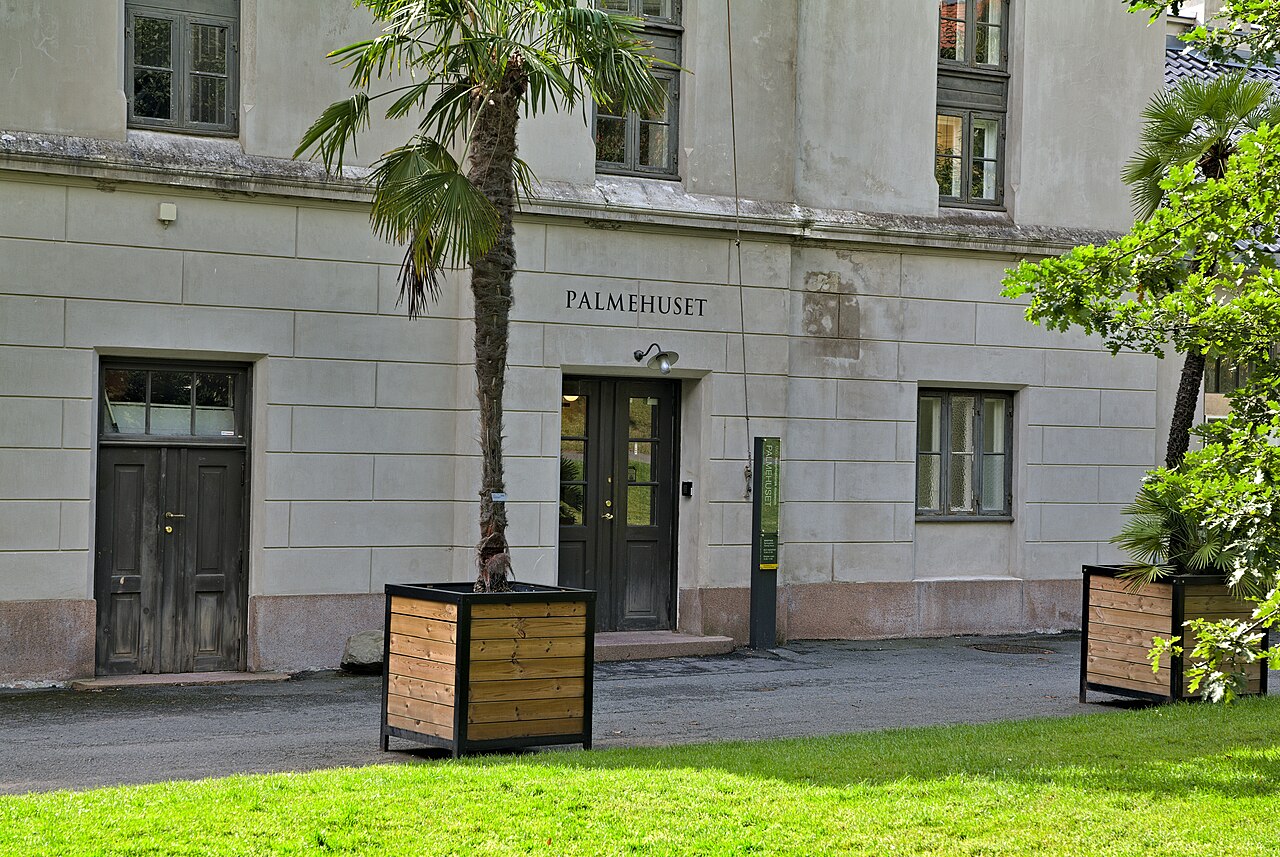
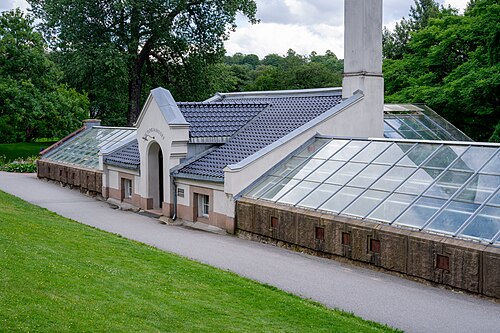
Opened in 1868, the Palmehuset at Oslo's Tøyen Botanical Garden ranks among the oldest greenhouses still in use in Norway. A Canary Island palm, grown from seeds brought back in 1815 by Christen Smith, the garden's first director, grew there until it touched the ceiling before dying in the winter of 2000, forcing modifications to the roof structure over the decades. The greenhouse is now divided into three climate zones, but remains temporarily closed to the public following reported plant thefts.
History
The botanical garden at Tøyen was founded in 1814 on the Tøyen estate, which King Frederik VI had granted in 1812 to the newly established university in Christiania. Its first director, the botanist Christen Smith (1775–1816), took part in an expedition to the Canary Islands in 1815 and brought back seeds of the Canary Island date palm. One of the palms raised from them would become the garden's great treasure for almost two centuries.
The Palm House was completed in 1868; the state register of heritage buildings tentatively attributes it to the architect Th. Schultz. The growth of the great palm repeatedly forced changes to the building, and in 1973 the roof was raised once more to make room for it. The tree eventually pressed against the glass and died in 2000.
The building was partly restored in 1998, and its facades and roof were rehabilitated in 2009; it reopened in August that year together with the neighbouring Victoria House of 1876. Listed in the highest protection class for state-owned heritage buildings, it is one of the garden's two historic glasshouses. In August 2026, after further plant thefts that the university reported to the police, the Tøyen glasshouses were closed to the public until further notice.
Architecture and engineering
The Palm House combines two structural systems. The northern range, facing the city, stands on load-bearing outer walls, and its rendered facade is a neoclassical reworking of the Empire style. To the south, the glasshouse proper is carried on cast-iron columns and beams, and the composition is dominated by a central palm pavilion rising through three storeys.
Even that height was not always enough: the raising of the roof in 1973 shows how the building was adapted to keep pace with Christen Smith's date palm. The campaigns of 1998 and 2009 concentrated on the facades and roofing while preserving the original character.
Inside, the house is divided into several climates — tropical to subtropical, Mediterranean and desert — along with a room devoted to plant evolution.
Plant collections
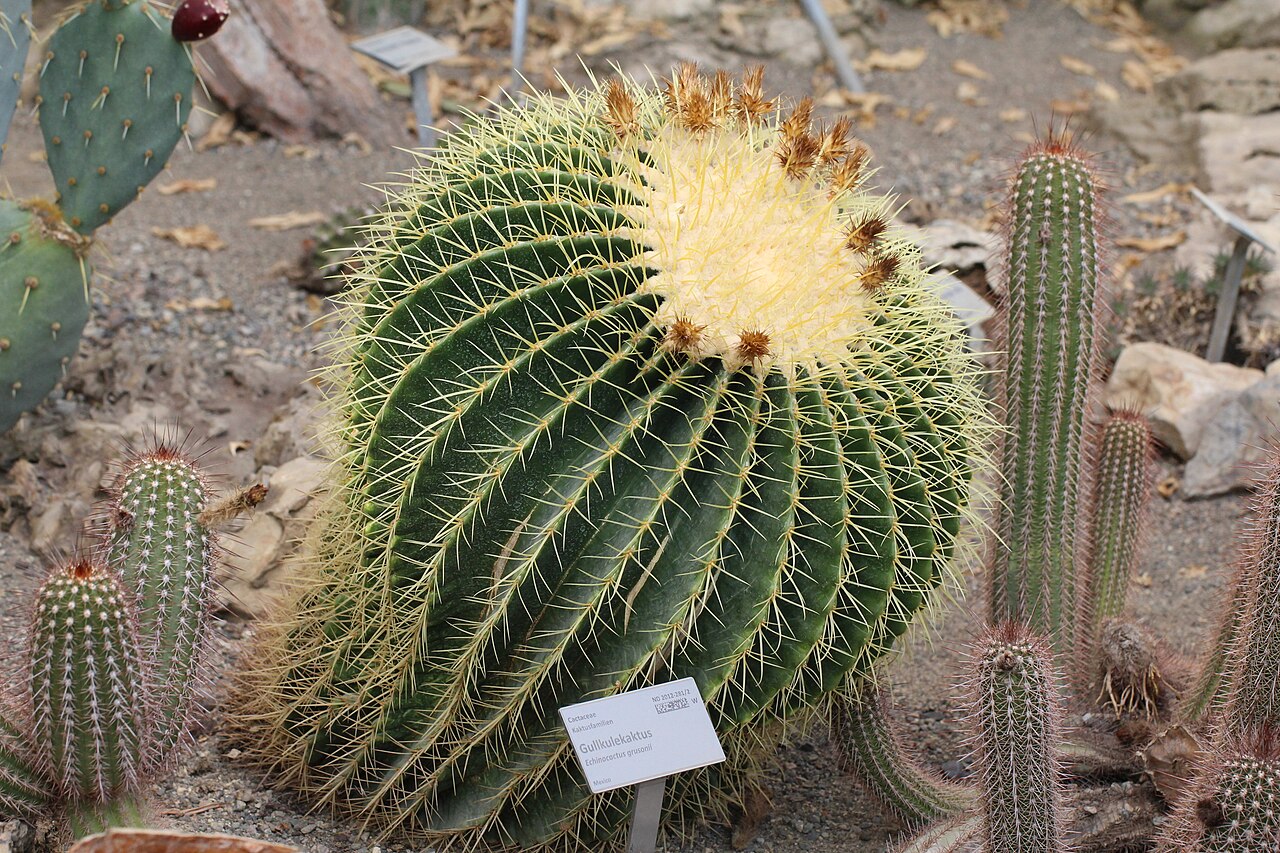
The house displays plants from warm regions around the world, arranged by climate. The desert room gathers succulents whose water-storing tissues show how plants cope with arid conditions. The Mediterranean room brings together species from regions of dry summers and mild winters on several continents.
The evolution room traces the history of land plants, from liverworts, among the first plants to colonise dry land, to flowering plants; among its exhibits is Wolffia arrhiza, which bears the smallest flowers known. The great Canary Island date palm of 1815, which died in 2000, remains the emblem of the house in the garden's memory.
Visiting
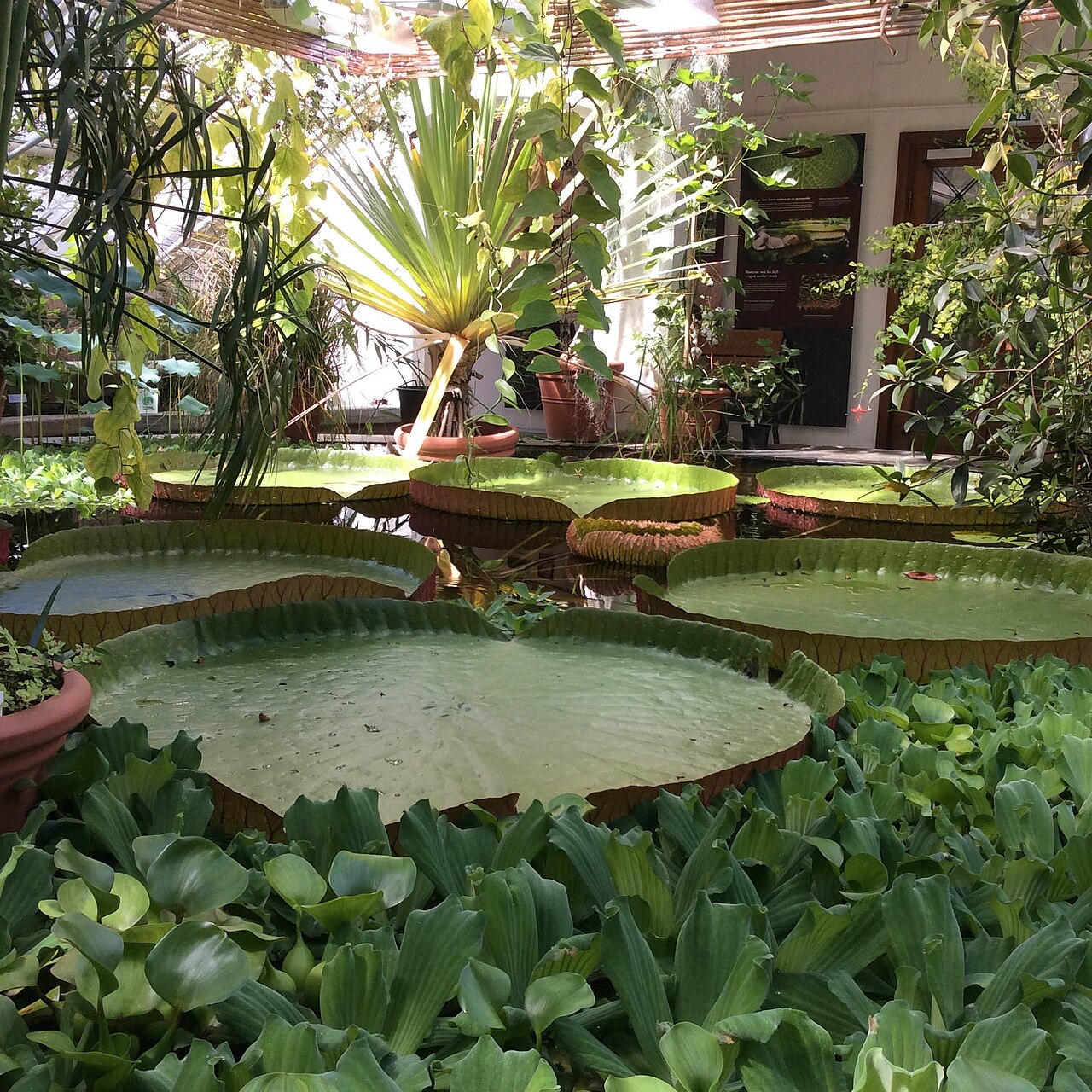
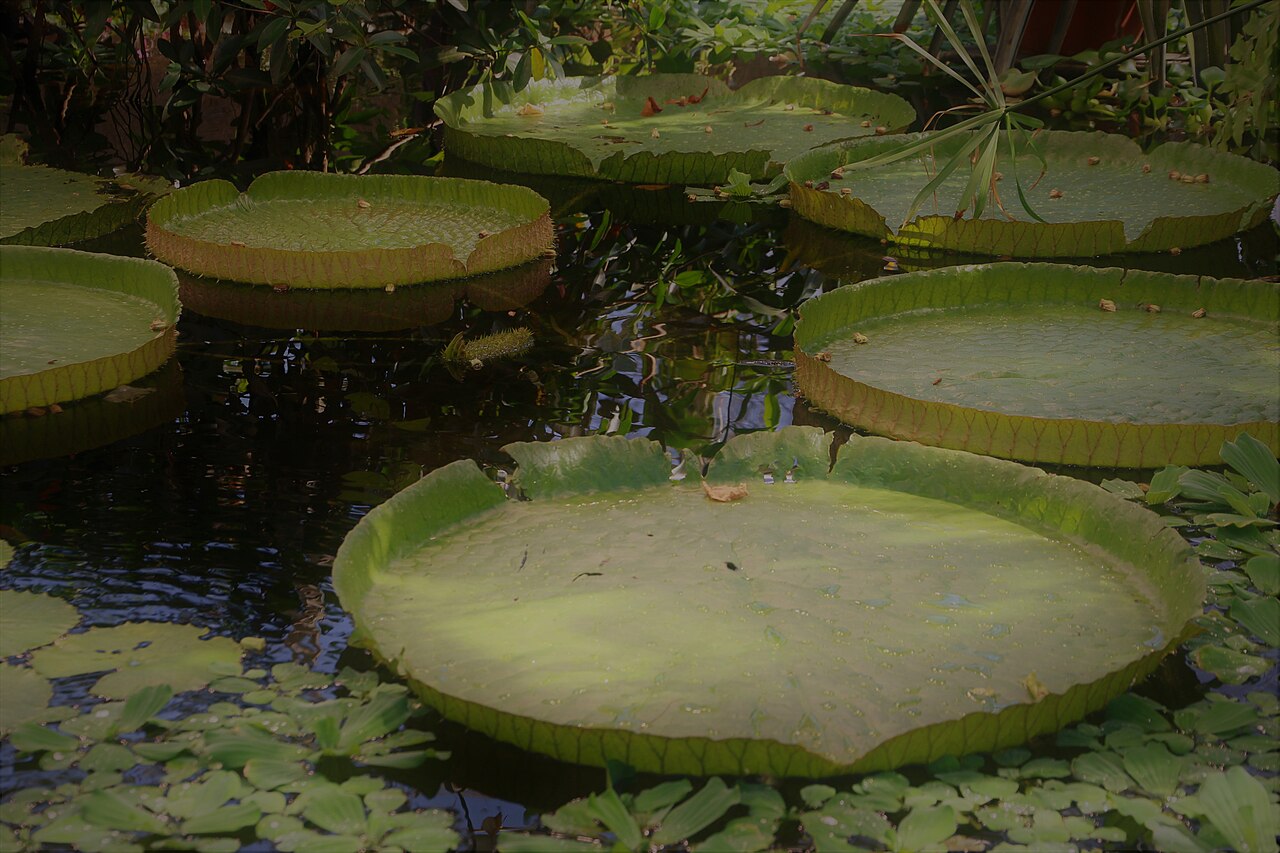
The Palm House stands in the botanical garden at Tøyen, east of central Oslo, close to the Natural History Museum to which the garden belongs. The Victoria House, home to the giant Amazonian water lily and other tropical plants, is a short walk away.
With the glasshouses closed to the public since August 2026, it is wise to check with the museum whether they have reopened before planning a visit. The outdoor garden, with its arboretum and themed sections, is worth a walk in any season and combines easily with the museum's galleries.
59.92° N, 10.77° E
Greenhouses nearby
Architecture nearby
More greenhouses — Norway
All greenhouses — Norway →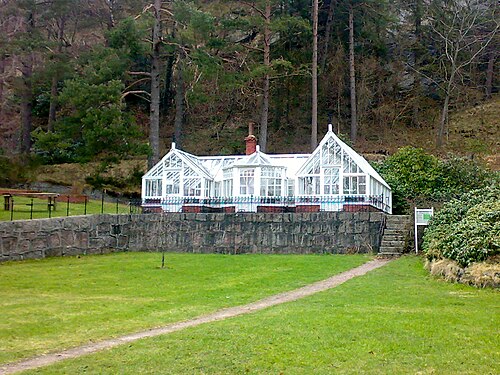
Do you have a good photo of this greenhouse? Suggest it for this page →
Sources (9)
- nhm.uio.no/botanisk-hage/avdelinger/palmehuset/
- regjeringen.no/contentassets/134e6009f0b64f74bbe1647d4b7e005b/99335703_uio_toeyen.pdf
- snl.no/kanaridaddelpalme
- magasin.oslo.kommune.no/byplan/botanisk-hage-helarsoase-pa-toyen
- en.wikipedia.org/wiki/University_Botanical_Garden_(Oslo)
- theoslobook.no/2016/06/04/botanical-garden-oslo-2/
- uniforum.uio.no/nyheter/2026/08/stenger-veksthusene-etter-nok-et-tyveri.html
- uniforum.uio.no/nyheter/2009/08/gjenapning-av-veksthusene.html
- openstreetmap.org/way/33208853