Yokohama Museum of Art (横浜美術館)
Yokohama, Kanagawa Prefecture
Sources checked November 2026
- Year
- 1989
- Architect
- Kenzō Tange
- Type
- Art museum
- Access
- Open to the public (official website, November 2026)
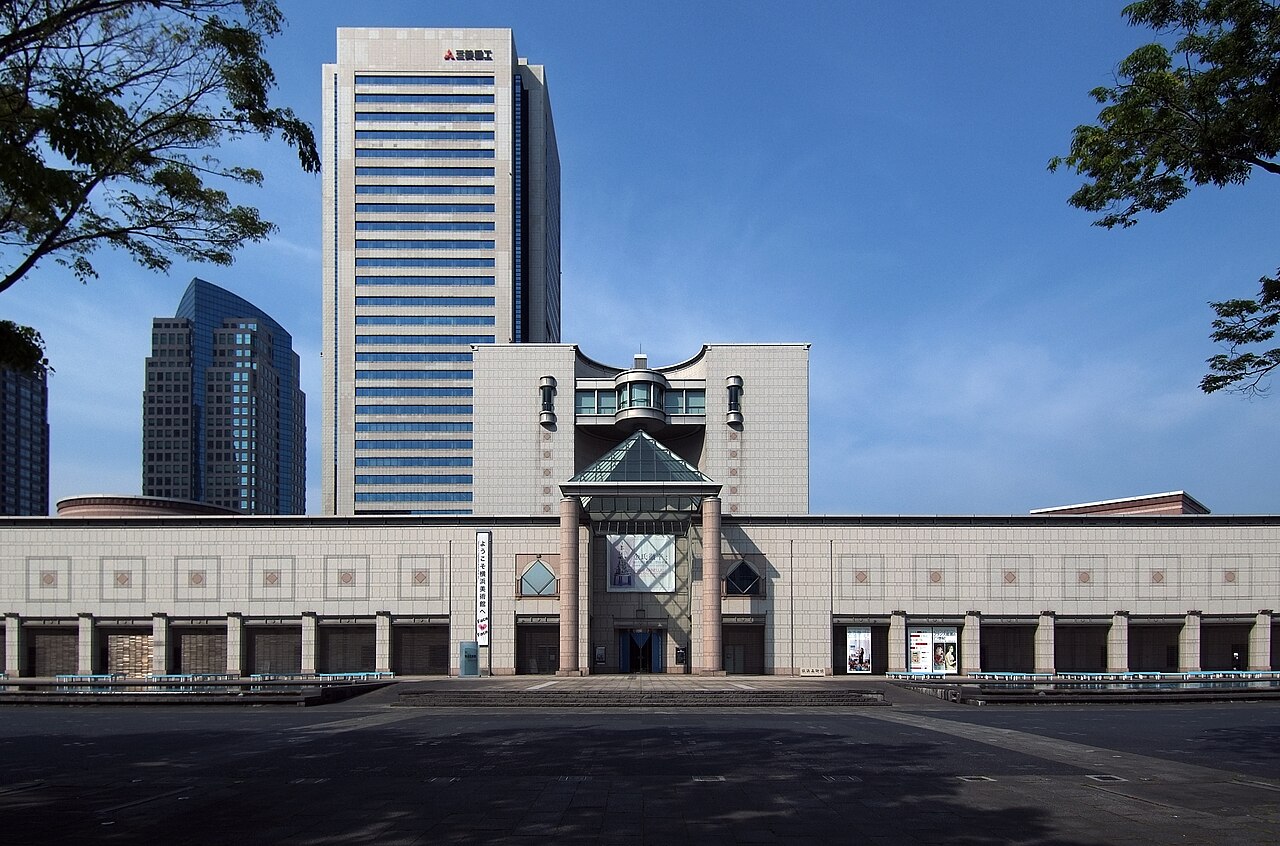
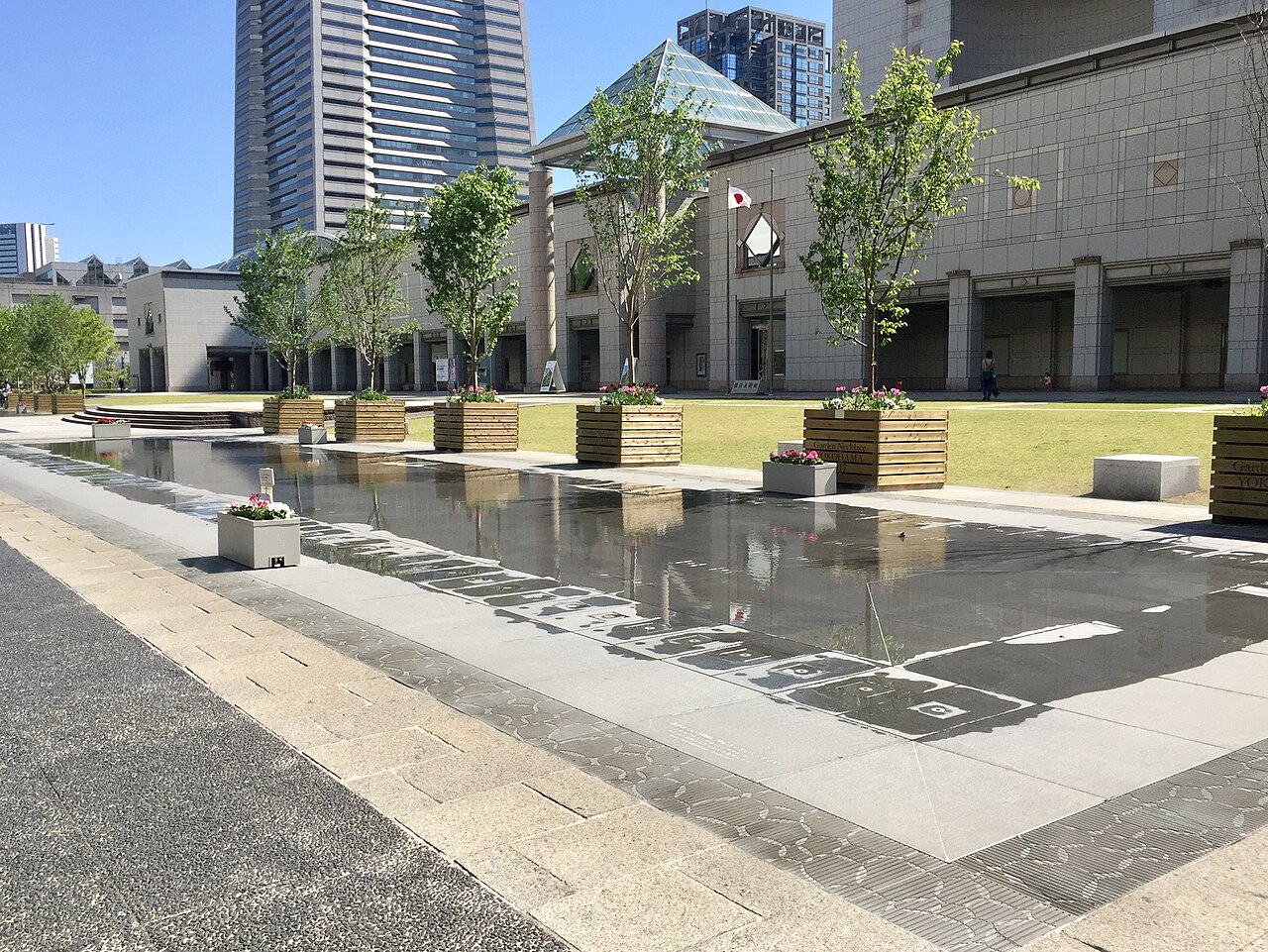
Designed by Kenzō Tange for the Minato Mirai 21 district, this museum opened in November 1989 after serving as a pavilion of the YES '89 exposition. Its symmetrical stone facade, 180 m wide, is crowned at the centre by an eight-storey half-cylinder tower. The Grand Gallery, a granite atrium, is covered by a glazed ceiling with openable louvers.
Affiliate links — booking through Verrière helps fund our research, at no extra cost to you.
History
The museum was built in Minato Mirai 21, a planned city laid out on a former shipyard, as the symbolic cultural facility at the centre of the district. A committee for the basic concept of a municipal art museum was formed on 26 October 1981; on 20 April 1983 the study of the museum was entrusted to Kenzō Tange's firm, which went on to design the building.
The building was completed on 31 March 1988 and, in September, the city council adopted the name "Yokohama Museum of Art". It first opened on 25 March 1989 as a pavilion of the Yokohama Exotic Showcase (YES '89), with an inaugural exhibition; it officially opened to the public on 3 November 1989. In 2011 the Yokohama Triennale made it, for the first time, one of its main venues.
On 1 March 2021 the museum closed for its first major renovation. The works were completed in November 2023; it reopened on 15 March 2024, with the opening of the 8th Yokohama Triennale, and in full on 8 February 2025.
Architecture
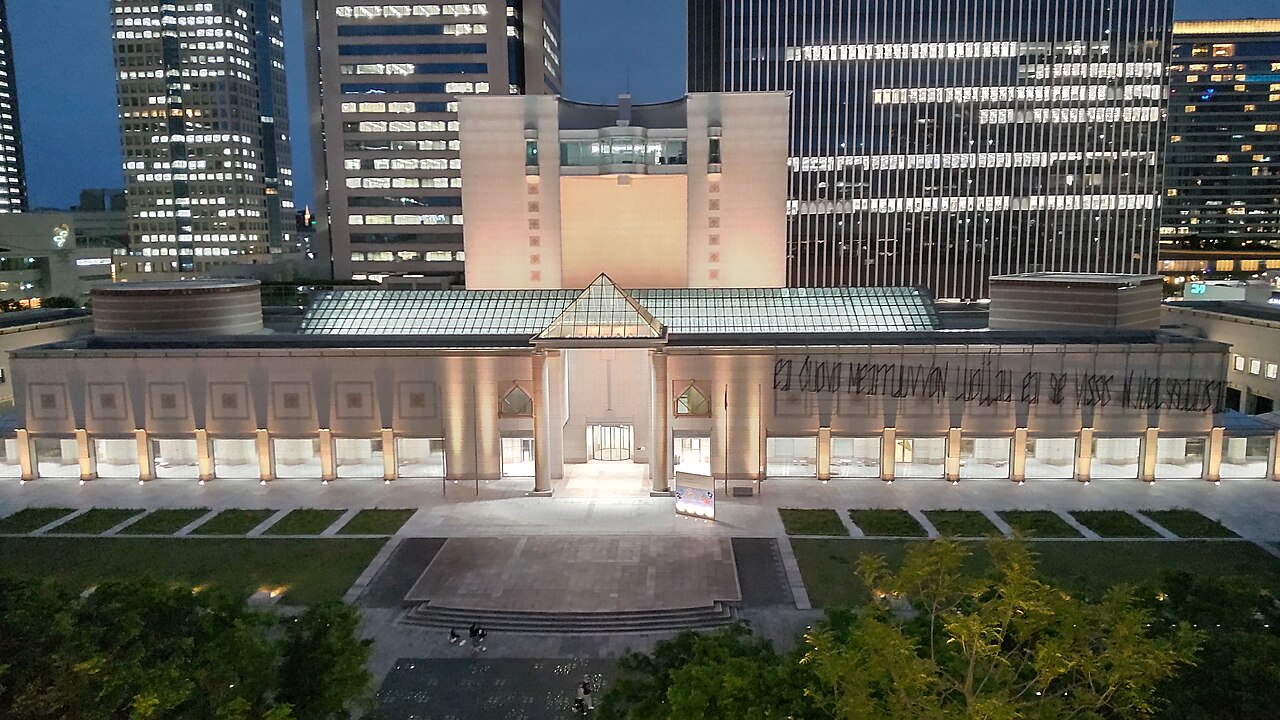
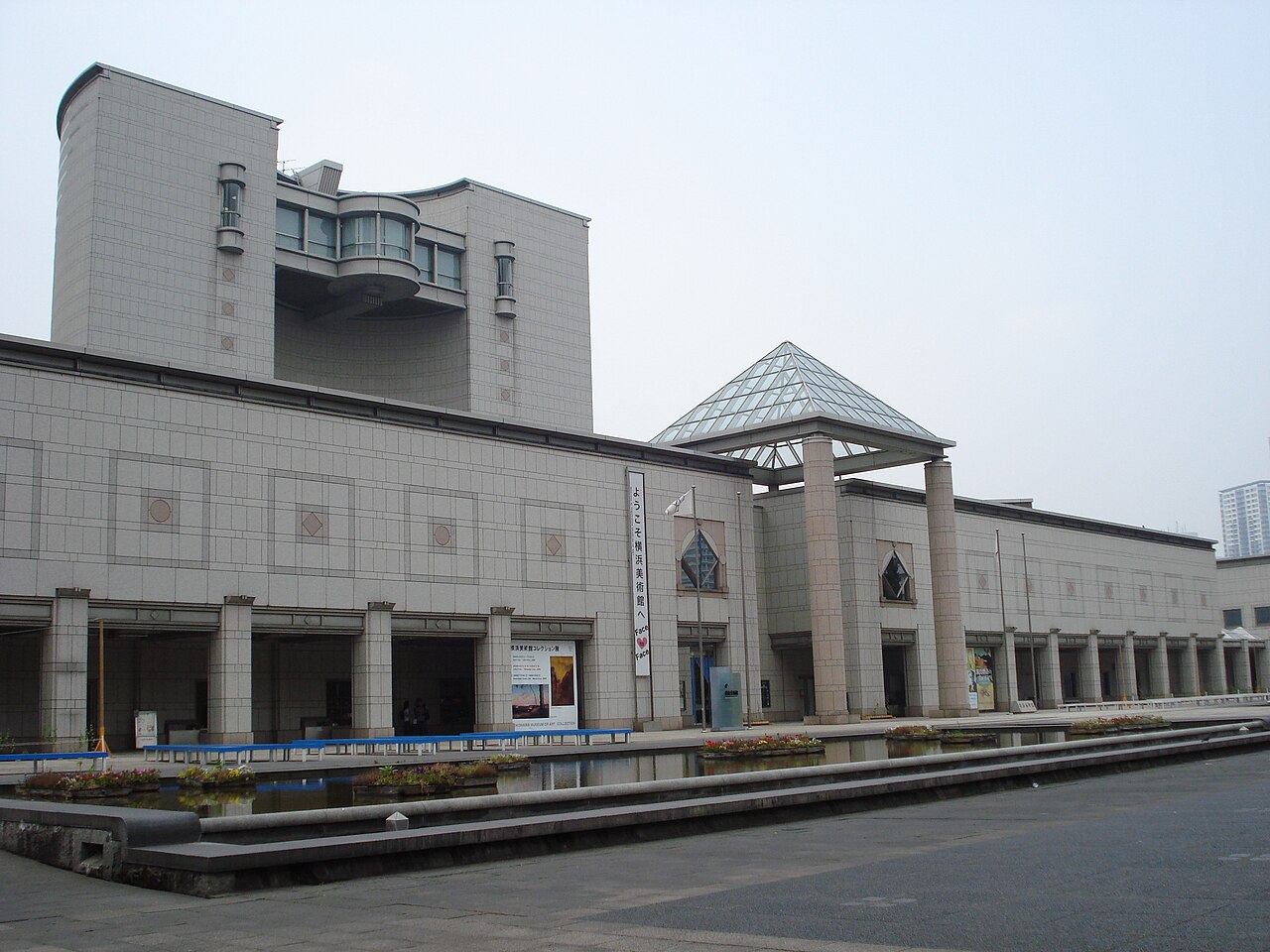
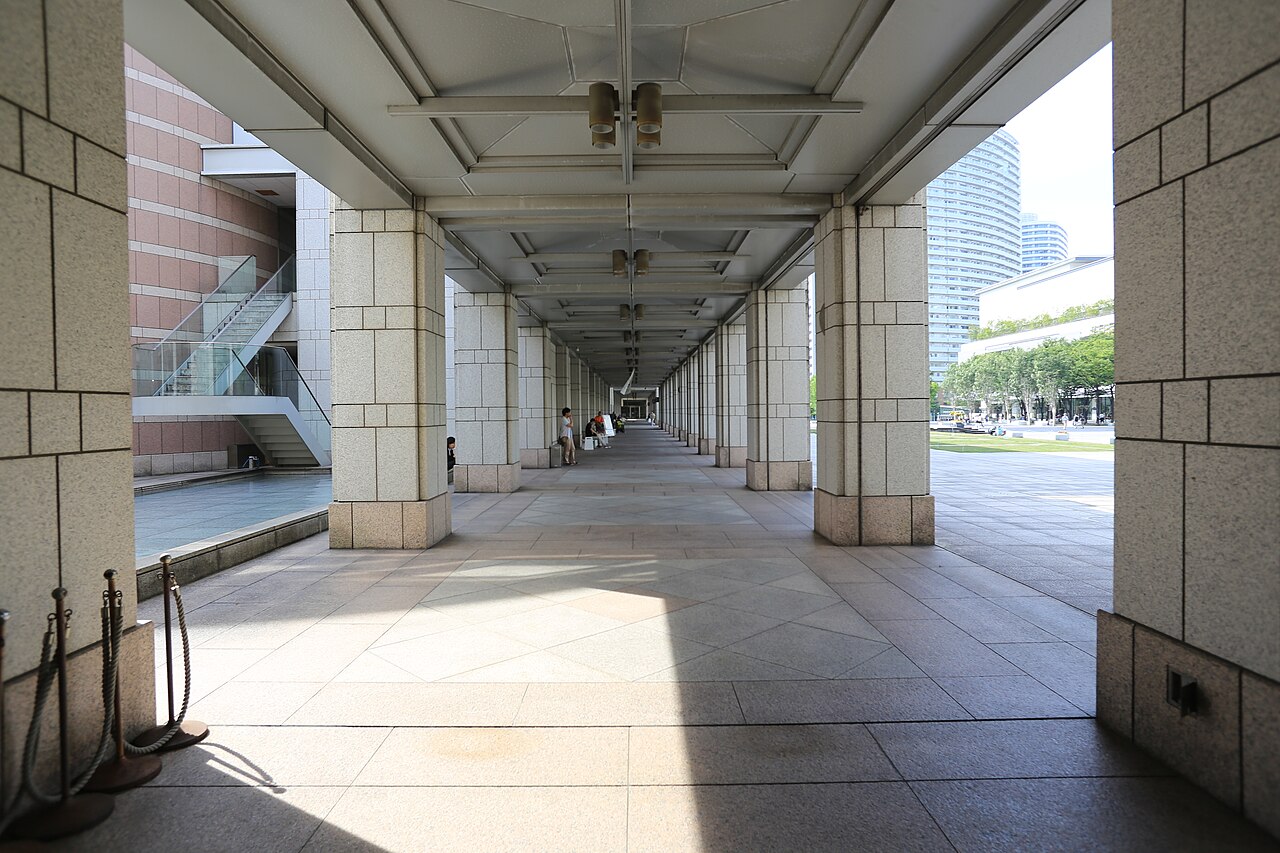
Facing the park, the symmetrical stone facade, 180 m wide, is lined by a 165 m portico: a semi-outdoor space that leads from outside to inside and links the side wings to the central body. At the centre rises an eight-storey half-cylinder tower; the exhibition rooms spread through the low part; seen from the front, the right-hand wing holds the studios and the left-hand wing the art library. This symmetrical layout embodies the museum's three ideas: to see, to create, to learn. The structure is steel-framed reinforced concrete, and the exterior walls are of flamed granite.
On the exterior wall, circles and squares alternate as false windows. On the plan of the exhibition level, a circular room and a square room are placed symmetrically, and the same motifs recur in the Grand Gallery and its large staircases.
One enters from the park side into the Grand Gallery, a vast atrium largely clad in granite: about 16 m high at its tallest, about 63 m wide and about 16 m deep. Its glazed ceiling, fitted with openable louvers, lets in natural light, and the changing seasons and daylight can be felt within. On either side, stepped spaces rise towards the exhibition rooms.
Tange wanted a museum that was also a place of exchange between residents and of cultural activity, not only a place to look at works. The seven galleries of the upper level are arranged along a corridor around the void of the Grand Gallery, and one walks along this corridor to go from one to the next. At the entrance level are two more galleries, among them Gallery 9, created during the major renovation: a glass-walled room that can be seen into from outside, from the Art Plaza.
Use today
The museum shows modern and contemporary art since the opening of the port of Yokohama, in collection exhibitions as well as temporary ones. It also houses workshops for children up to 12 and for people aged 12 and over, an art library, a 240-seat lecture hall, a cafe and a shop. The Grand Gallery also serves as an indoor plaza for the city's residents.
Visiting
The museum is generally open from 10 am to 6 pm, with last admission 30 minutes before closing; it is closed on Thursdays and over the year-end and New Year holidays. Days and hours may vary with the exhibition. Galleries 8 and 9, in the "Jiyu Area" centred on the Grand Gallery, are free to enter; the art library is free and open to everyone.
Minatomirai Station (Minatomirai Line) is a 3-minute walk away; from Sakuragicho Station (JR and municipal subway), allow 10 minutes on foot, using the moving walkway.
Photos
35.46° N, 139.63° E
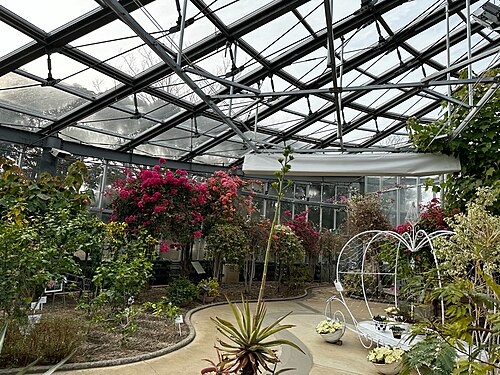
Greenhouses nearby
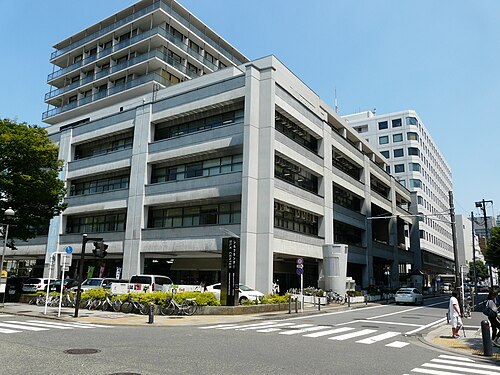
Architecture nearby
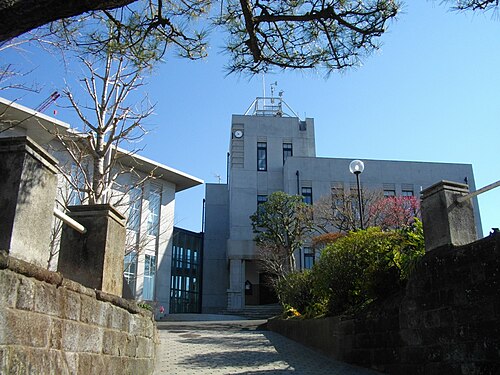
By the same architect
Sources (10)
- yokohama.art.museum/about/overview/
- yokohama.art.museum/eng/about/overview/
- yokohama.art.museum/about/overview/architecture/
- yokohama.art.museum/about/overview/history/
- yokohama.art.museum/eng/about/overview/history/
- yokohama.art.museum/visit/info/
- yokohama.art.museum/eng/visit/info/
- yokohama.art.museum/visit/access/
- yokohama.art.museum/eng/visit/access/
- tangeweb.com/works/works_no-81/
Affiliate links — booking through Verrière helps fund our research, at no extra cost to you.