Succulent Greenhouse (Succulentenkas), Botanische Tuin Zuidas
Amsterdam-Zuid (Zuidas), North Holland
No freely licensed photo of this greenhouse yet. Do you have one? Suggest it for this page →
Sources checked October 2026
- Year
- 1968 (garden founded in 1967)
- Architect
- C.P. Broerse (garden); greenhouses: unknown
- Style
- 1960s university botanical-garden glasshouses
- Dimensions
- About 1,000 m² of glasshouses in all (English Wikipedia)
- Status
- Open to the public, free entry
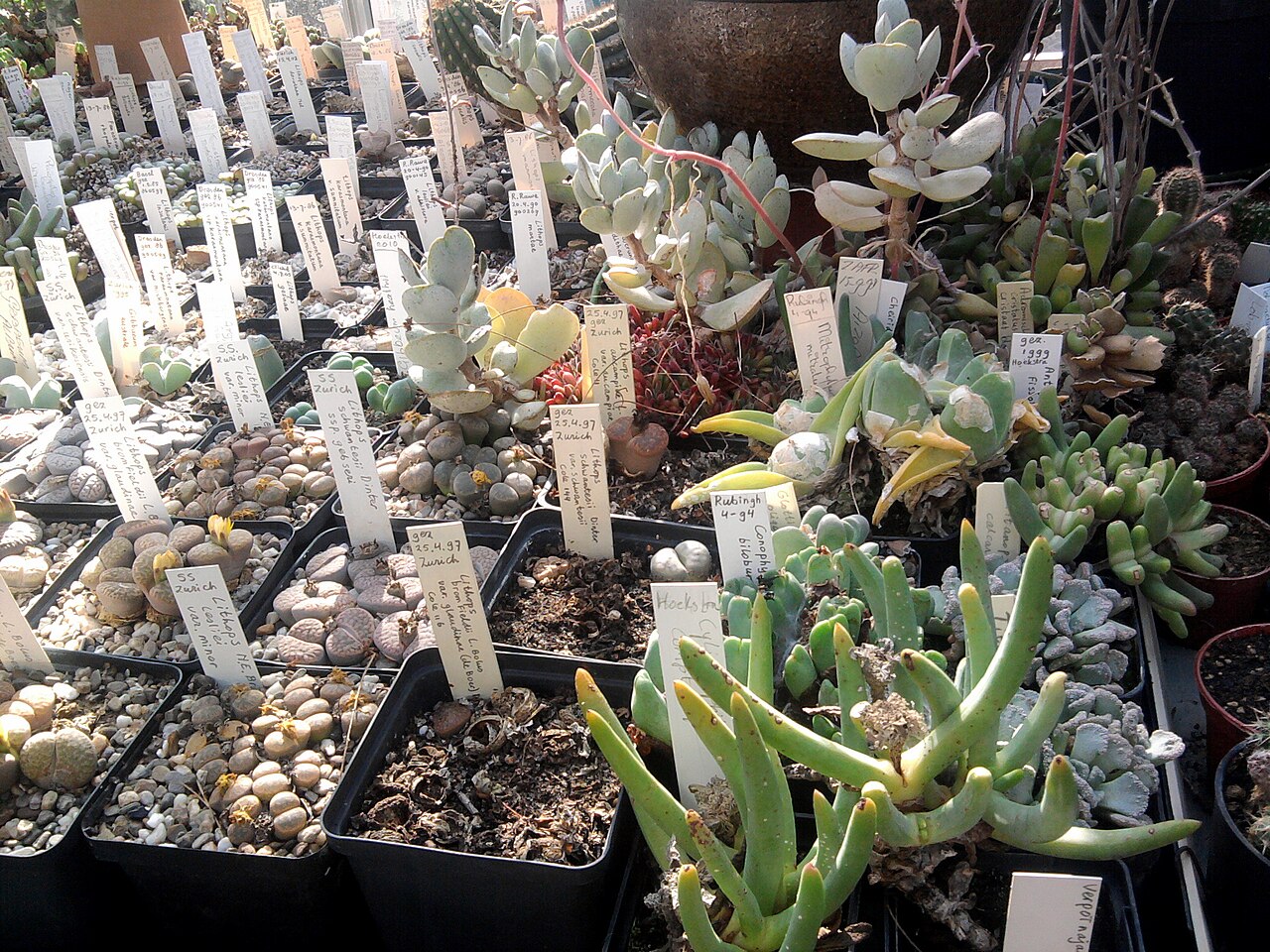
Behind the Vrije Universiteit medical centre, a short walk from the towers of the Zuidas, this one-hectare garden was laid out in 1967 by the VU as a systematic garden to a design by C.P. Broerse. Its greenhouse complex, whose buildings date from 1968 according to the building register, holds the most extensive cactus and succulent collection in the Netherlands, more than 30,000 plants listed in the National Plant Collection. Threatened by the hospital's expansion in 2009, saved in 2010, renovated after a 2014 agreement and renamed in 2016, the garden is free to visit; its former tropical greenhouse has become a winter garden.
Affiliate links — booking through Verrière helps fund our research, at no extra cost to you.
History
The garden began in 1967 as the Hortus Botanicus of the Vrije Universiteit, created for teaching and research in the faculty of biology. Its design was entrusted to C.P. Broerse, the Amstelveen parks manager known for his 'heemparken', who laid it out as a systematic garden with one bed per plant family; the idea was abandoned over the years in favour of borders and paths. The Dutch building register, as carried into OpenStreetMap, dates the two surviving greenhouse buildings to 1968. The bonsai collection came from the Floriade shows of 1972 and 1982 held in the Amstelpark, and rare plants arrived through collectors' bequests or from Schiphol airport, when protected specimens were seized there. Since 1988 the garden has had no teaching role, but the university still owns and funds it; the Chinese penjing garden was laid out in 1999.
In 2009 the university hospital's expansion plans called for the garden's removal, which raised public protest; in 2010 the VU announced that it would stay, and the hospital resolved to build around it, with the garden becoming an inner courtyard open to patients. In 2014 an agreement between the Zuid district, the VU/VUmc foundation and the volunteers' foundation launched the renewal of the site. In 2016 a thorough renovation removed part of the greenhouses to make way for public green space; a new entrance gate by Ruud-Jan Kokke was installed on 7 April 2016 on Van der Boechorststraat, and in August 2016 the garden took the name Botanische Tuin Zuidas, after the neighbouring business district.
Architecture and engineering
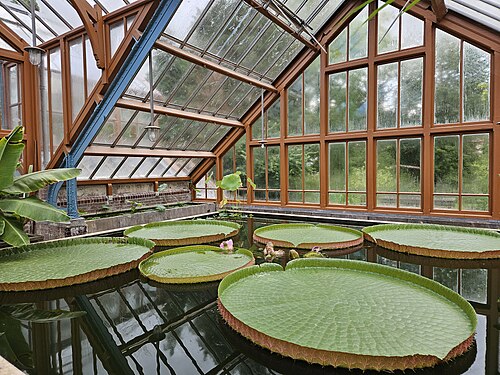
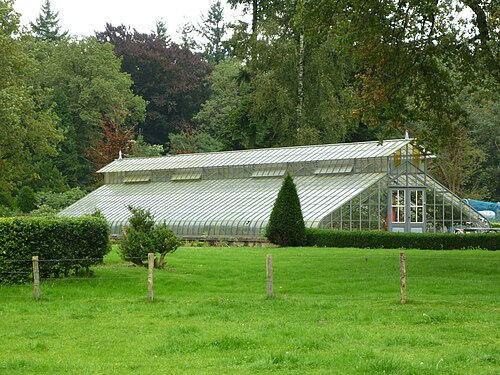
The greenhouse complex is that of a 1960s university garden, without monumental pretension: the English Wikipedia puts the glazed area at about 1,000 m² within one hectare of garden, and the building register, via OpenStreetMap, identifies two greenhouse buildings of 1968 run by the VU, one about thirty metres by fifteen, the other narrower, about thirty metres by seven, side by side on the western side of the grounds. The 2016 renovation demolished part of the greenhouses to open up public green space. Two volumes remain, with distinct uses. The succulent greenhouse keeps the cactus and succulent collection, which the official site sums up by announcing the country's largest cactus collection inside the greenhouse. The former tropical greenhouse has been converted into the 'Wintertuin', a winter garden hired out for meetings, lectures, receptions and weddings; its capacity changes with the seasons, 60 seated in summer and 40 in winter, 120 standing in summer and 80 in winter, because from late October to April the tub plants are brought inside, sheltered from rain and cold, before returning to the garden from May to late October. The greenhouses are wheelchair accessible and, like the garden, entirely smoke-free.
Plant collections
The cactus and succulent collection is the heart of the greenhouse: the Dutch Wikipedia puts it at more than 30,000 plants and calls it the most extensive in the Netherlands; it is listed in the National Plant Collection. The whole garden holds, according to its website, some 8,000 species and hybrids on one hectare; the Dutch Wikipedia spoke of more than 6,000 species in 2016 and the English one gives 10,000, figures the sources do not reconcile. The English Wikipedia also mentions carnivorous plants and orchids under glass. Around the greenhouses, from May to late October, a collection of tub plants the garden considers unique is set out, returning to the winter garden for the cold months. Outside there follow a fern garden, a 'stinzen' garden of naturalised bulbs, an aster garden, the Chinese penjing garden of 1999, the bonsai from the Floriades of 1972 and 1982, and notable trees, shrubs and bamboos.
Visiting
The garden hides behind the VU medical centre at 8 Van der Boechorststraat, between the hospital and the campus, a few minutes from the towers and railway station of the Zuidas; it receives about 25,000 visitors a year and entry is free. The main paths suit wheelchairs, photography is allowed in the garden and greenhouses, and dogs stay outside. Allow half an hour for the cactus greenhouse, an hour with the garden; the warm season, from May to October, adds the tub plants set out around the greenhouses. Glasshouse enthusiasts can go on to the Palm House and the Three-Climate Greenhouse of the Hortus Botanicus Amsterdam in the Plantage district, about 5 km away.
52.33° N, 4.86° E
Greenhouses nearby
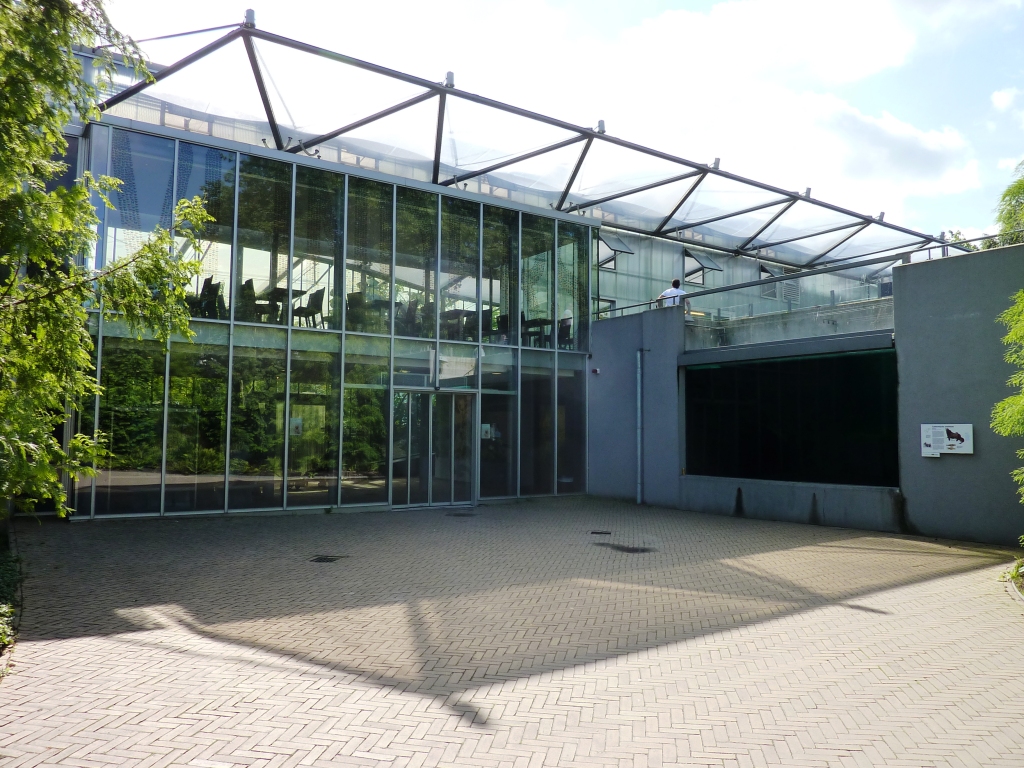
More greenhouses — Netherlands
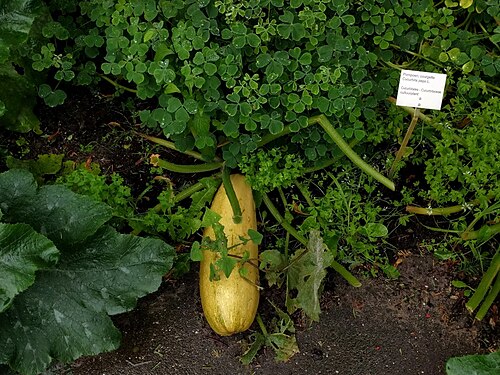
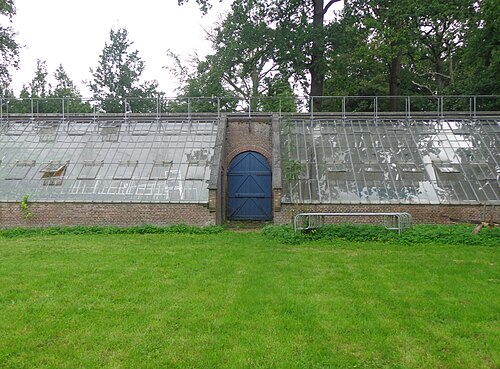
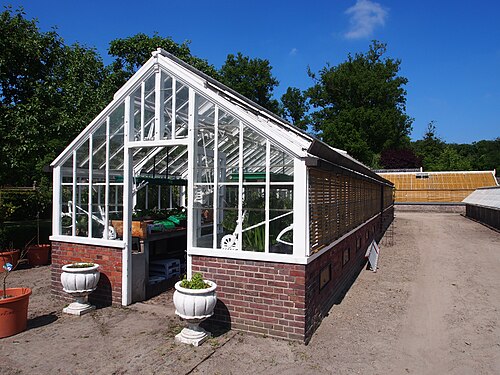
Do you have a good photo of this greenhouse? Suggest it for this page →
Sources (8)
- botanischetuinzuidas.nl/
- botanischetuinzuidas.nl/over-de-tuin/
- botanischetuinzuidas.nl/verhuur/
- nl.wikipedia.org/wiki/Hortus_Botanicus_Vrije_Universiteit_Amsterdam
- en.wikipedia.org/wiki/Hortus_Botanicus_Vrije_Universiteit_Amsterdam
- wikidata.org/wiki/Q2610973
- openstreetmap.org/way/277380267
- commons.wikimedia.org/wiki/Category:Botanische_tuin_Zuidas
Affiliate links — booking through Verrière helps fund our research, at no extra cost to you.