Burgers' Desert (Royal Burgers' Zoo)
Arnhem, Gelderland
Entry updated on October 5, 2026
- Year
- 1994
- Style
- Covered hall roofed with three-layer Hostaflon ET air cushions
- Dimensions
- 7,500 m²
- Status
- Open to the public; partly renovated and reopened on 9 July 2026
Opened in 1994 at Royal Burgers' Zoo in Arnhem, six years after the Bush rainforest, Burgers' Desert recreates the Sonoran and Mojave deserts of the south-western United States and northern Mexico over 7,500 m². Its roof is made of air cushions formed from three layers of Hostaflon ET, a film made by Hoechst that lets through 95 % of the light. Agaves, yuccas, opuntias and saguaros several metres tall grow alongside rattlesnakes, Gila monsters, bobcats and peccaries. Part of the hall was remodelled and reopened on 9 July 2026 with a new route.
Affiliate links — booking through Verrière helps fund our research, at no extra cost to you.
History
1 min
Royal Burgers' Zoo traces its origins to 1913, when Johan Burgers opened his pheasantry, Buitenlust, to the public at 's-Heerenberg. In 1923 he was given the use of a large site in Arnhem, where the park settled. The zoo later made its name with 'ecodisplays': very large halls bringing together the animals and plants of a single landscape, most of them covered and open all year round.
After the Bush, a 1.5-hectare tropical rainforest opened in 1988, Burgers' Desert followed in 1994, recreating an American rock desert modelled on the Sonoran and Mojave deserts. Burgers' Ocean, a marine aquarium holding 8 million litres, came next in 2000. To mark its centenary in 2013, the park was granted the right to call itself 'Koninklijk' (Royal).
After several months of work on part of the hall, the Desert reopened on Thursday 9 July 2026 with a number of brand-new enclosures, a new route and a new main entrance. The zoo, which welcomed 1,074,594 visitors in 2024, describes the hall as the largest covered rock desert in the world.
Architecture and engineering
1 min
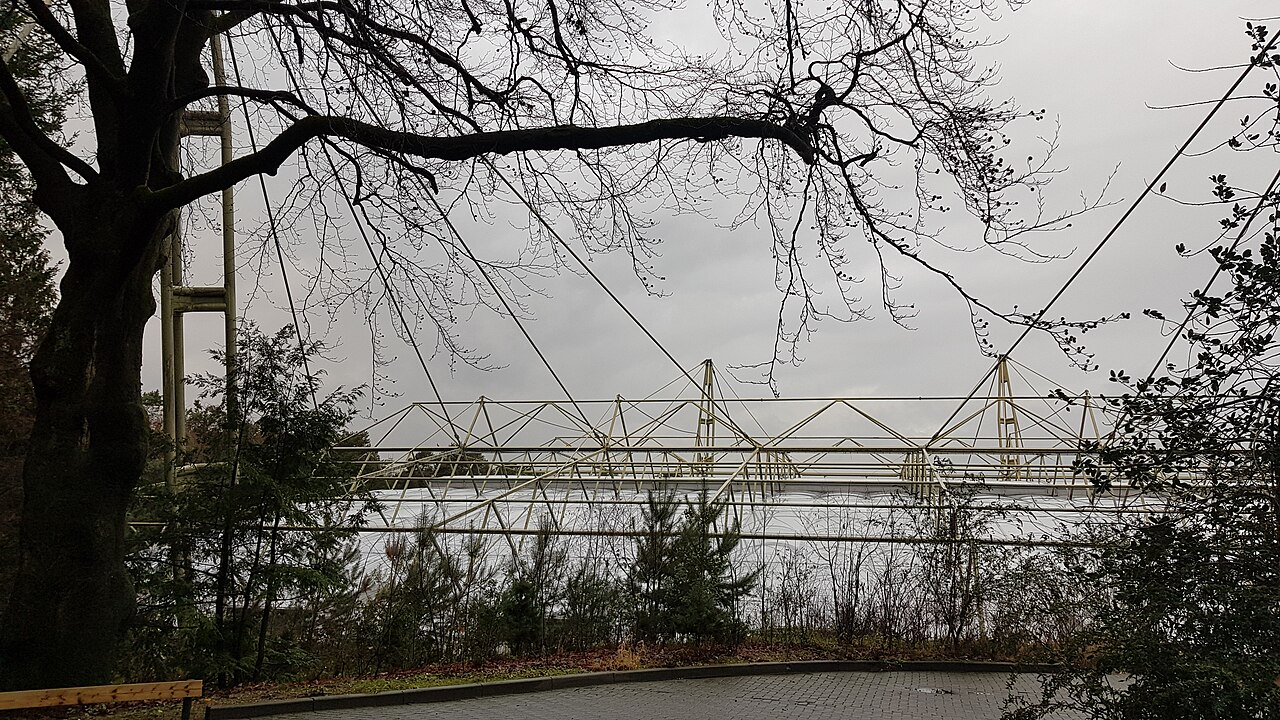
Burgers' Desert occupies a covered hall of 7,500 m², or 0.75 hectare. Like those of the Bush and the Mangrove, its roof is made of air cushions formed from three layers of Hostaflon ET, a film produced by the German company Hoechst. The material lets through 95 % of the light, insulates very well and has fire-retardant properties.
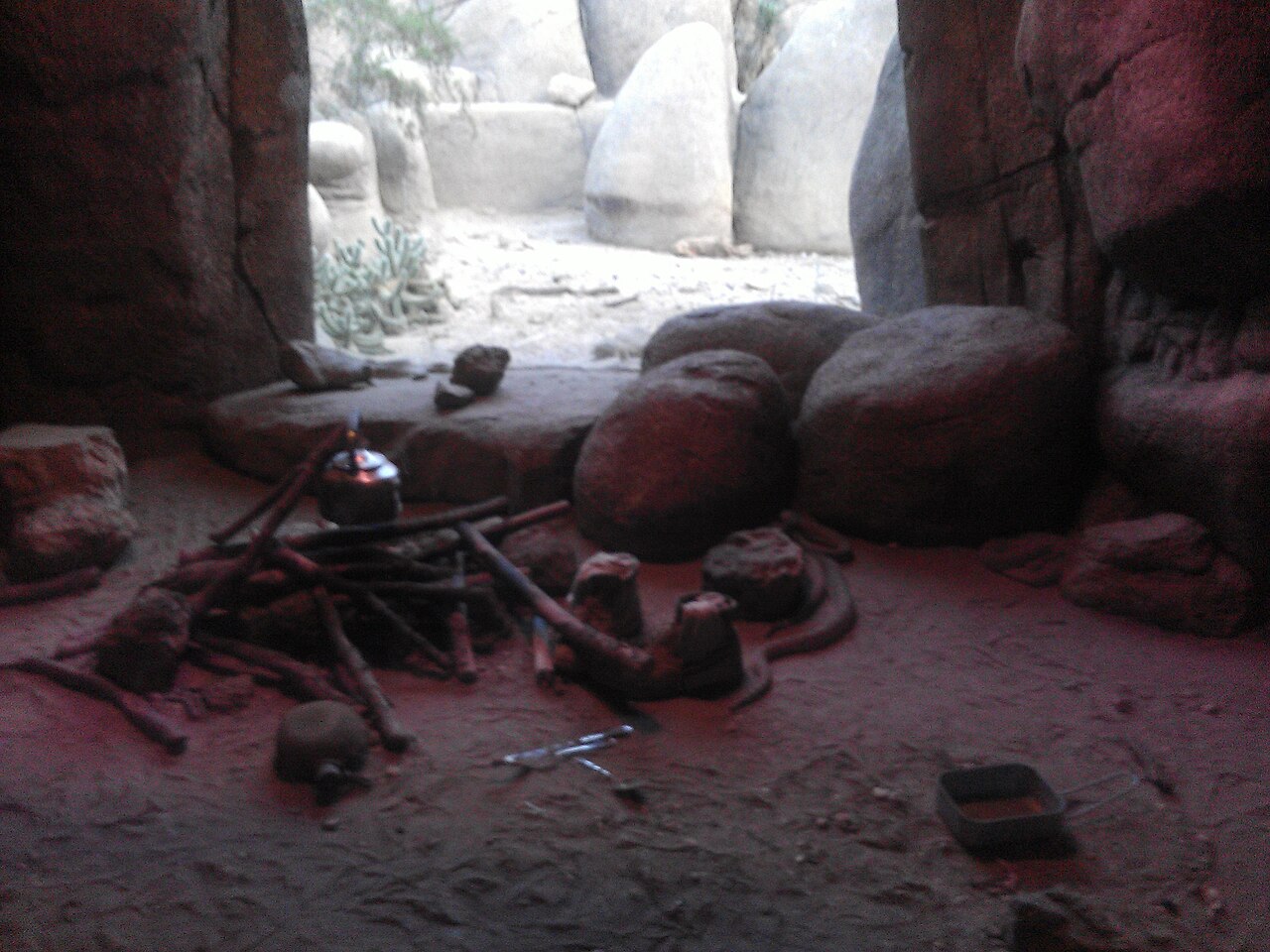
Beneath this roof the landscape is entirely built: rock formations, a system of caves and an oasis create the relief of a rocky desert. A mine tunnel links the hall to the neighbouring Bush, so that visitors pass from one ecosystem to the other without going outside.
The renovation completed in 2026 reshaped part of the interior, adding several new enclosures, a new route and a new main entrance, together with an 'open-top' enclosure shared by several reptile species. The sources consulted do not name the designers of the hall or give its height.
Plant collections
1 min
The hall evokes the Sonoran and Mojave deserts, which stretch from the south-western United States into northern Mexico. Their characteristic flora forms a distinctive botanical collection here: agaves, yuccas, opuntias and saguaros several metres tall, among many cacti.
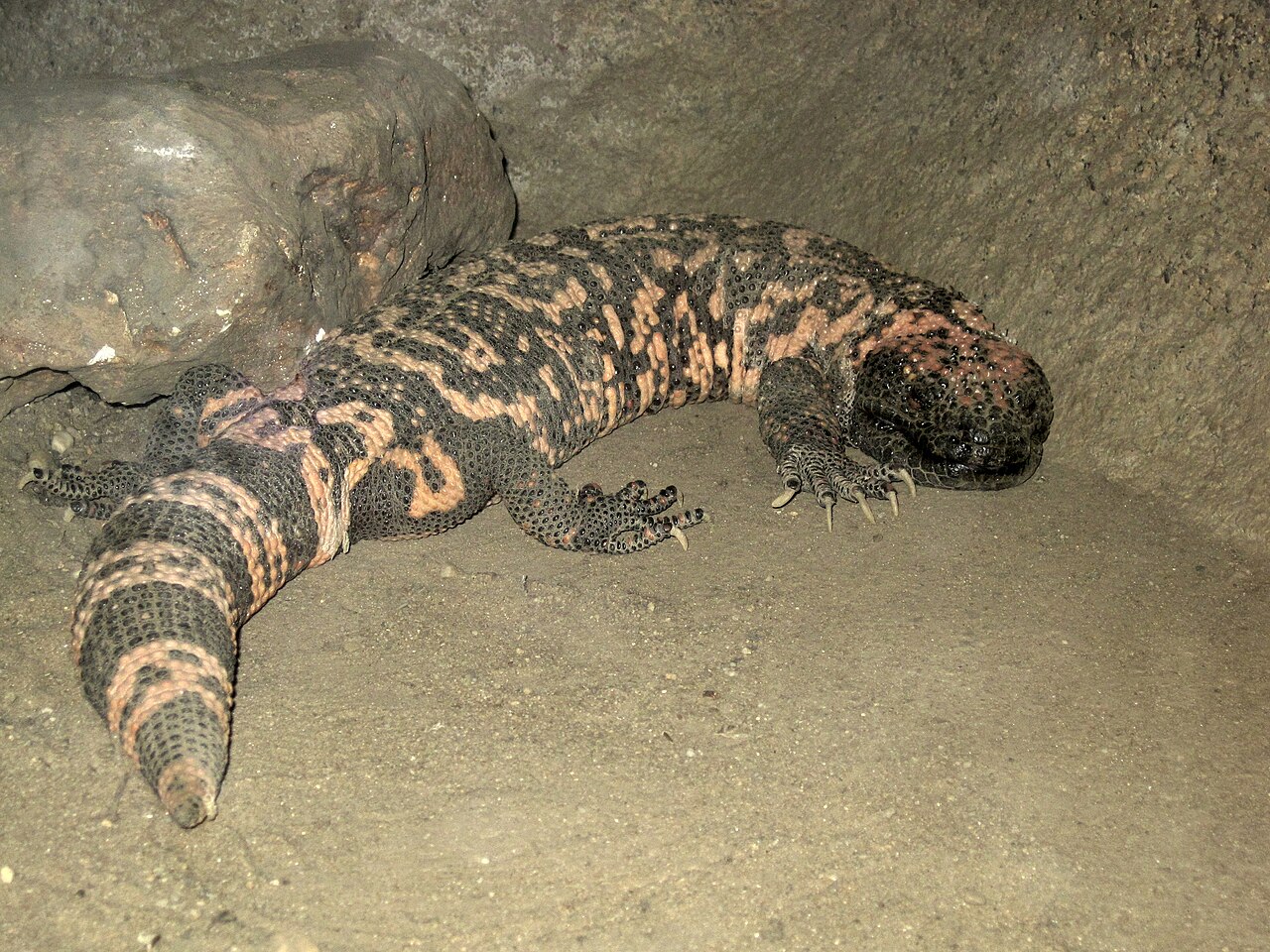
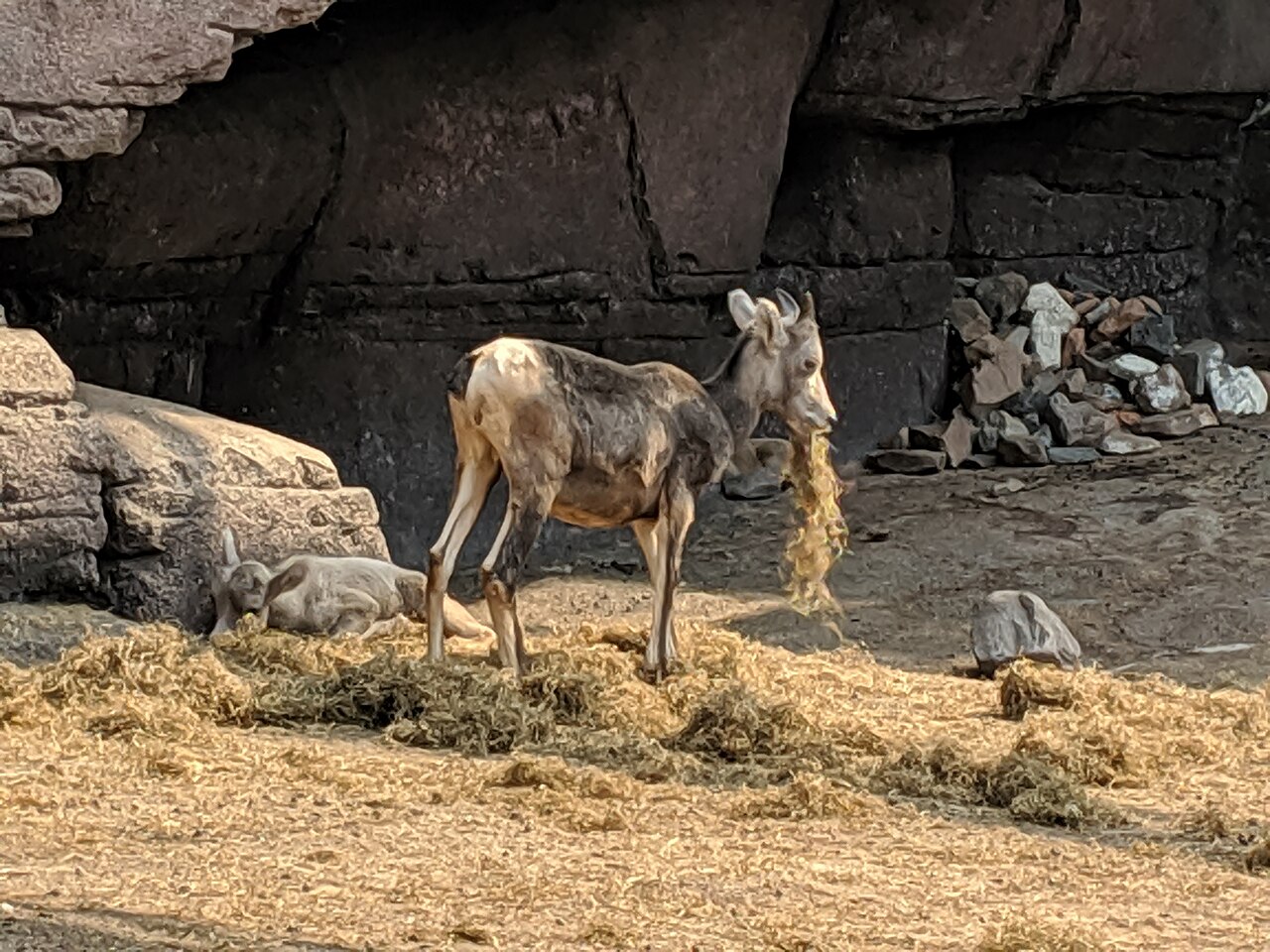
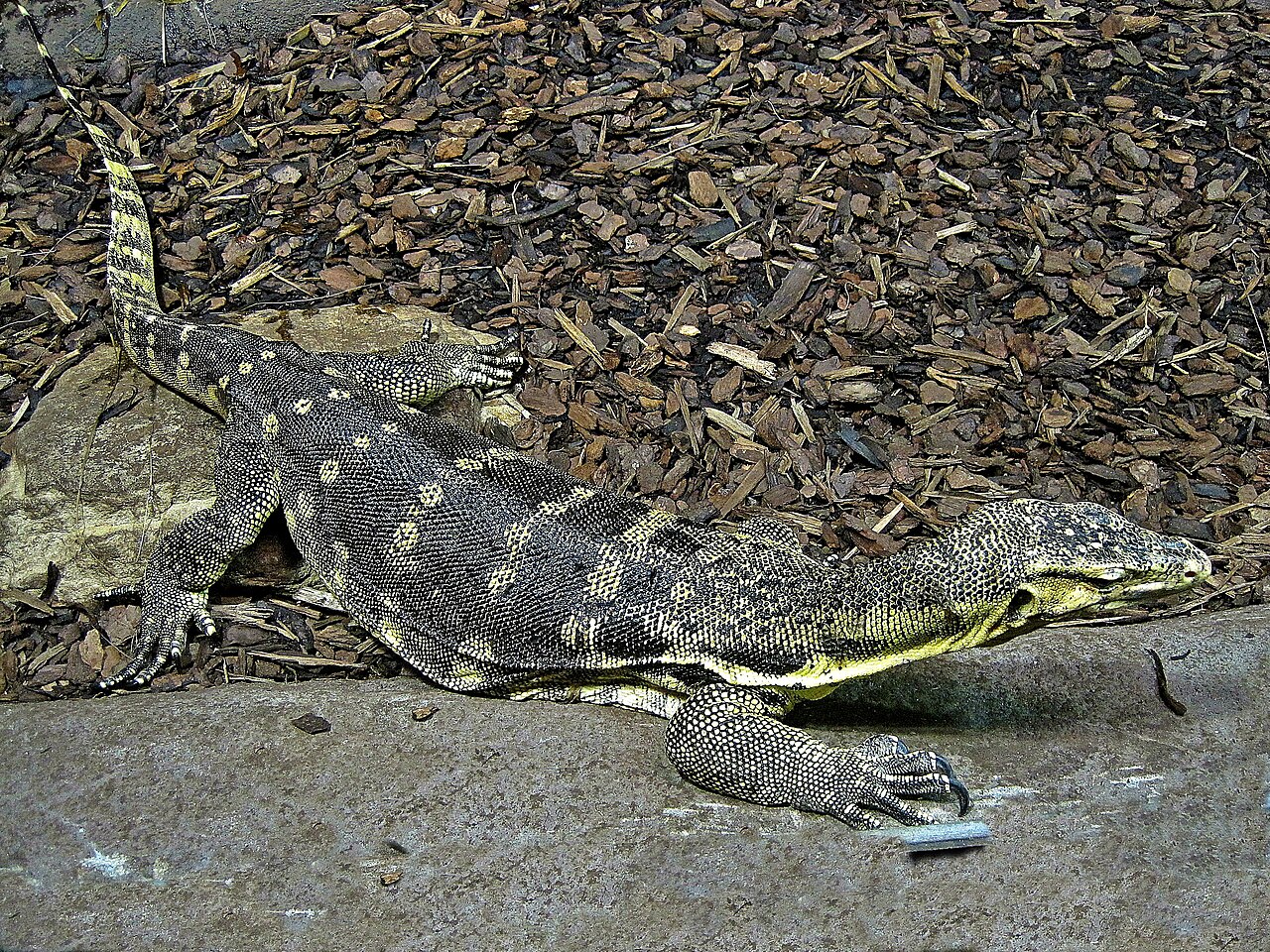
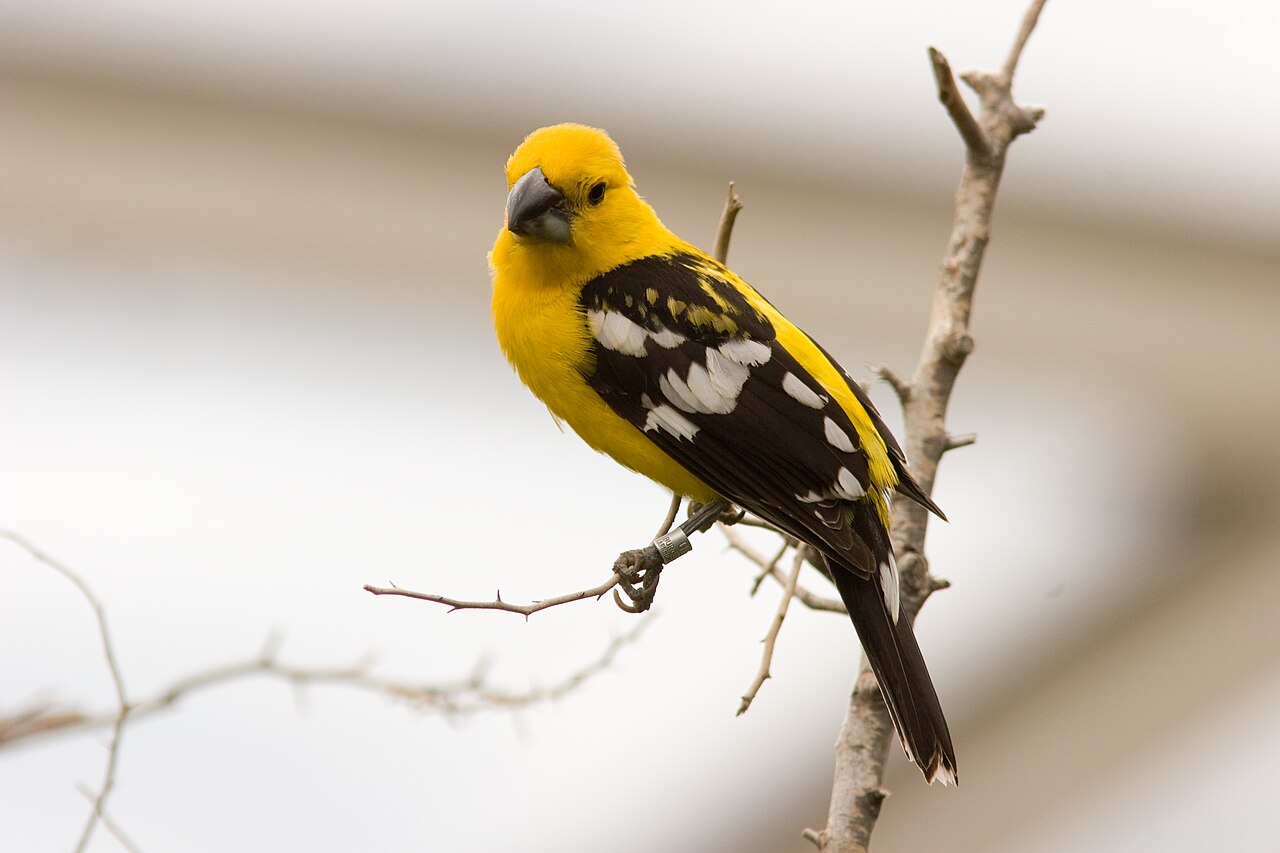
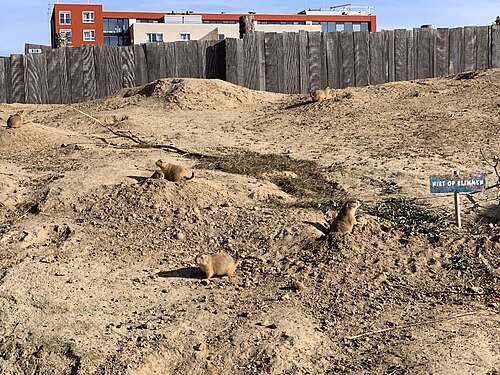
The fauna brings together reptiles, mammals and birds of these deserts: diamondback rattlesnakes, Gila monsters, bobcats, prairie dogs and collared peccaries, along with roadrunners, cardinals and doves. The 2026 renovation introduced a species new to the zoo, the gopher tortoise, and the new open-top enclosure brings several reptile species together.
Visiting
1 min
Burgers' Desert stands within Royal Burgers' Zoo, a 45-hectare park at Antoon van Hooffplein 1 in Arnhem. The mine tunnel linking it to the Bush makes it easy to combine desert and rainforest in a single walk, and the Burgers' Ocean aquarium completes the series of large covered displays. Half an hour to an hour is enough for the Desert itself, but a full visit to the zoo takes the whole day. Being covered, the hall can be visited in any weather, and the passage from desert to neighbouring rainforest is one of the highlights of the visit.
52.01° N, 5.90° E
Greenhouses nearby
More greenhouses — Netherlands
Do you have a good photo of this greenhouse? Suggest it for this page →