Burgers' Bush
Burgers' Zoo, Arnhem

Sources checked September 2026
- Year
- 1988
- Style
- Fully enclosed tropical rainforest, metal and glass structure
- Dimensions
- 1.5 hectares (about 15,000 m²) of tropical rainforest under glass
- Status
- Open to the public
Opened on June 1, 1988, Burgers' Bush marked a turning point in zoo design by recreating, under an immense glass roof, 1.5 hectares of fully enclosed tropical rainforest that visitors could walk through. Never before had such a complete tropical ecosystem been recreated indoors at this scale: dozens of animal species roam in semi-freedom among hundreds of plant species, along trails winding beneath the canopy. Burgers' Bush's success inspired many zoos around the world to build their own enclosed biomes. Burgers' Zoo's complex has since grown to include other greenhouse ecosystems, such as Burgers' Desert (1994), Burgers' Ocean (2000) with its coral reef, and Burgers' Mangrove (2017). More than thirty years after it opened, Burgers' Bush remains an international benchmark for tropical immersion.
Affiliate links — booking through Verrière helps fund our research, at no extra cost to you.
Practical info
- Tickets
- Zoo day ticket (the Bush is one of the park's ecodisplays): adult €30 online, €31 at the box office; child aged 4-9 €27.50 online, €28.50 at the box office; free for ages 0-3. Prices listed in October 2026.
- Opening hours
- Open every day of the year, public holidays included: 9am-5pm from 25 October 2026 to 28 March 2027 (winter hours).
- Getting there
- Antoon van Hooffplein 1, 6816 SH Arnhem. Bus line 3 from Arnhem station, departing every 15 minutes, stops in front of the park. Large car park next to the main entrance: parking ticket €10.
Frequently asked questions
Is the Bush part of the zoo?
Yes: it is one of Burgers' Zoo's ecodisplays, within the park grounds. The adult day ticket costs €31 at the box office, €30 online.
Do I need to book?
You need a valid ticket: bought online for a date (€1 discount) or at the box office; annual pass holders do not need to book.
Is the Bush accessible to strollers and wheelchairs?
Yes, along the main paths, which are wider and paved. The winding trails, with stepping stones across streams, are for more adventurous visitors.
When did the Bush open?
On 1 June 1988. It recreates 1.5 hectares of fully enclosed tropical rainforest; the zoo counts about a thousand tree and plant species in it.
History
The idea of a covered tropical rainforest took shape as early as the late 1960s in the mind of Antoon van Hooff, director of Arnhem's Burgers' Zoo, who wanted a convincing environment free of interior pillars that might break the visitor's sense of immersion. The project only became technically achievable in the early 1980s, once plastic materials suited to air-cushion roof construction became available.
Burgers' Bush opened on 1 June 1988, inaugurated to an African drum roll by Pieter van Vollenhoven, a member of the Dutch royal family. The concept marked a break with convention in the zoo world: instead of viewing animals in enclosures, visitors sought them out, with relative freedom, within dense tropical vegetation that already numbered several hundred species. The response was immediate — the zoo's visitor numbers doubled within a year — and the idea spread to zoos worldwide.
The building's engineering earned it the Dutch Steel Prize in 1988 and the European Steel Prize in 1989. Thirty years after opening, in 2018, Burgers' Bush was still being presented by the zoo as a founding project of its identity.
Architecture and engineering
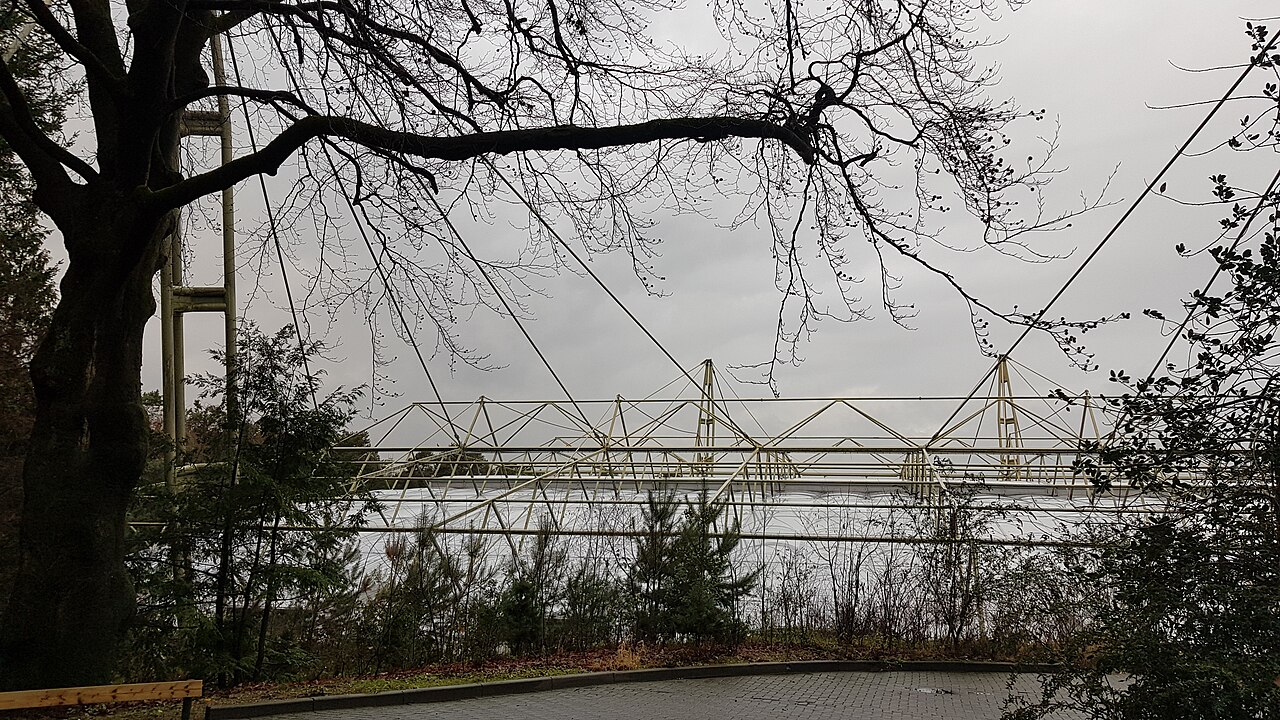
The challenge was to roof nearly a hectare and a half without a single interior column, a condition considered essential to preserving the illusion of a real forest. The solution relied on hundreds of air-cushion roof elements, a then-recent technique that allowed wide spans to be covered with a lightweight structure — novel enough to be recognised with two consecutive steel-industry prizes.
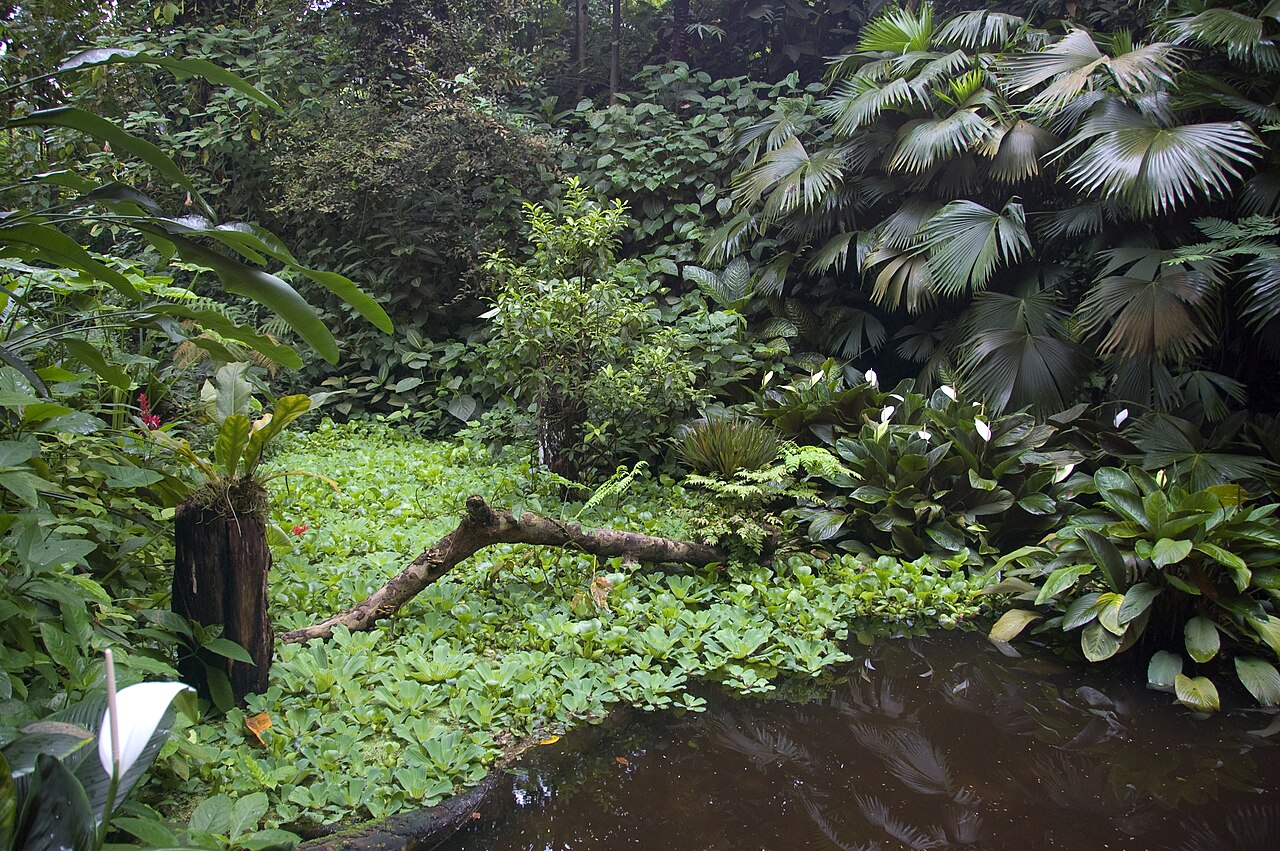
Inside, a tropical climate is maintained continuously between 20 and 24°C, with humidity of 70 to 100%; every night, roughly 80,000 litres of water are sprayed into the air — three to four times the Netherlands' average annual rainfall — and a waterfall helps regulate temperature and humidity throughout the hall.
Plant collections
Planted young in 1988, the tropical trees have since grown as tall as twenty metres, reproducing at building scale the successional stages of a real rainforest, from pioneer vegetation to primary canopy. The greenhouse today holds around 1,500 plant species, including bromeliads and figs; upkeep requires pruning about 25,000 kilograms of plant matter a year, which is redistributed as food for the site's herbivores.
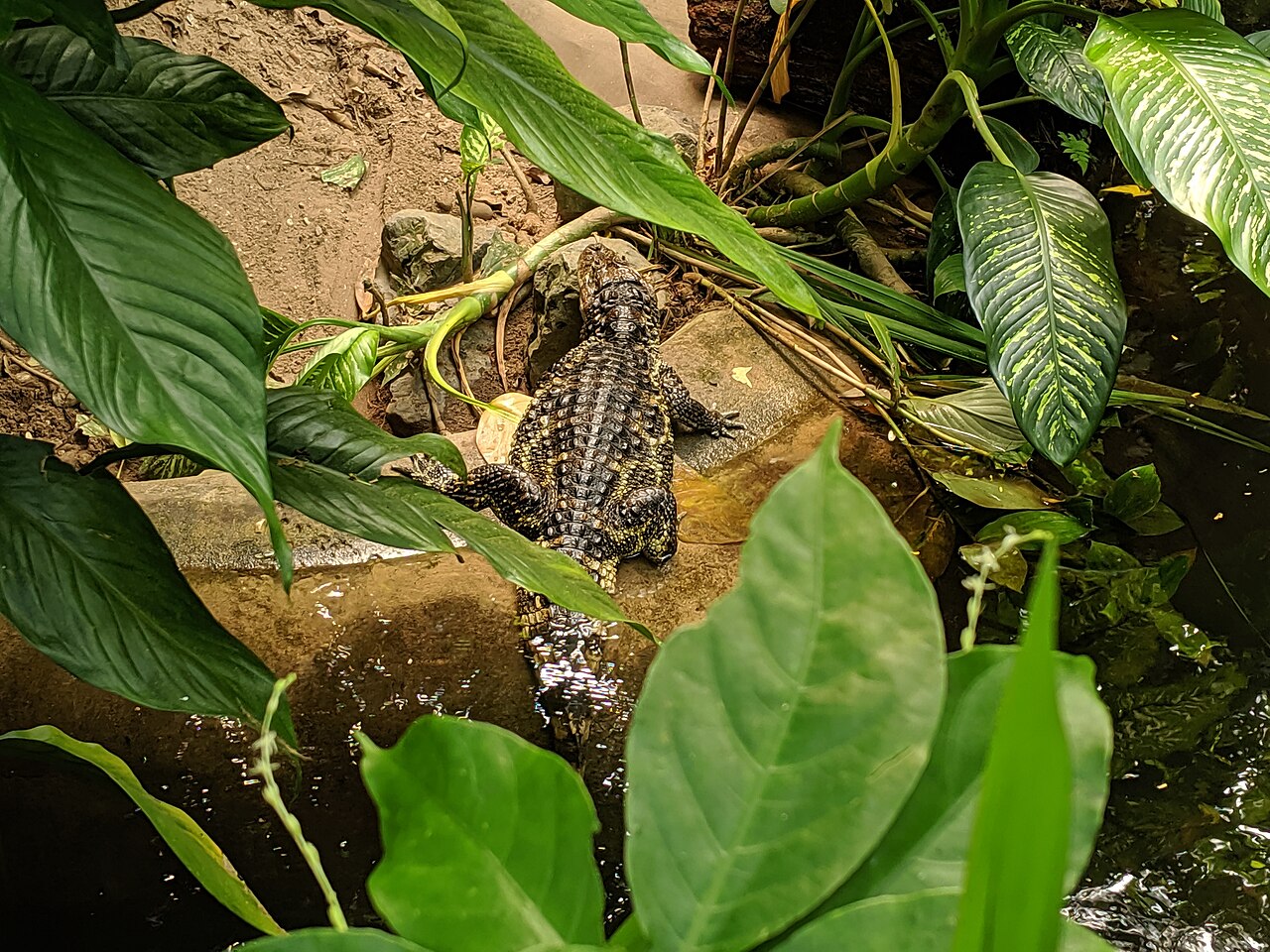
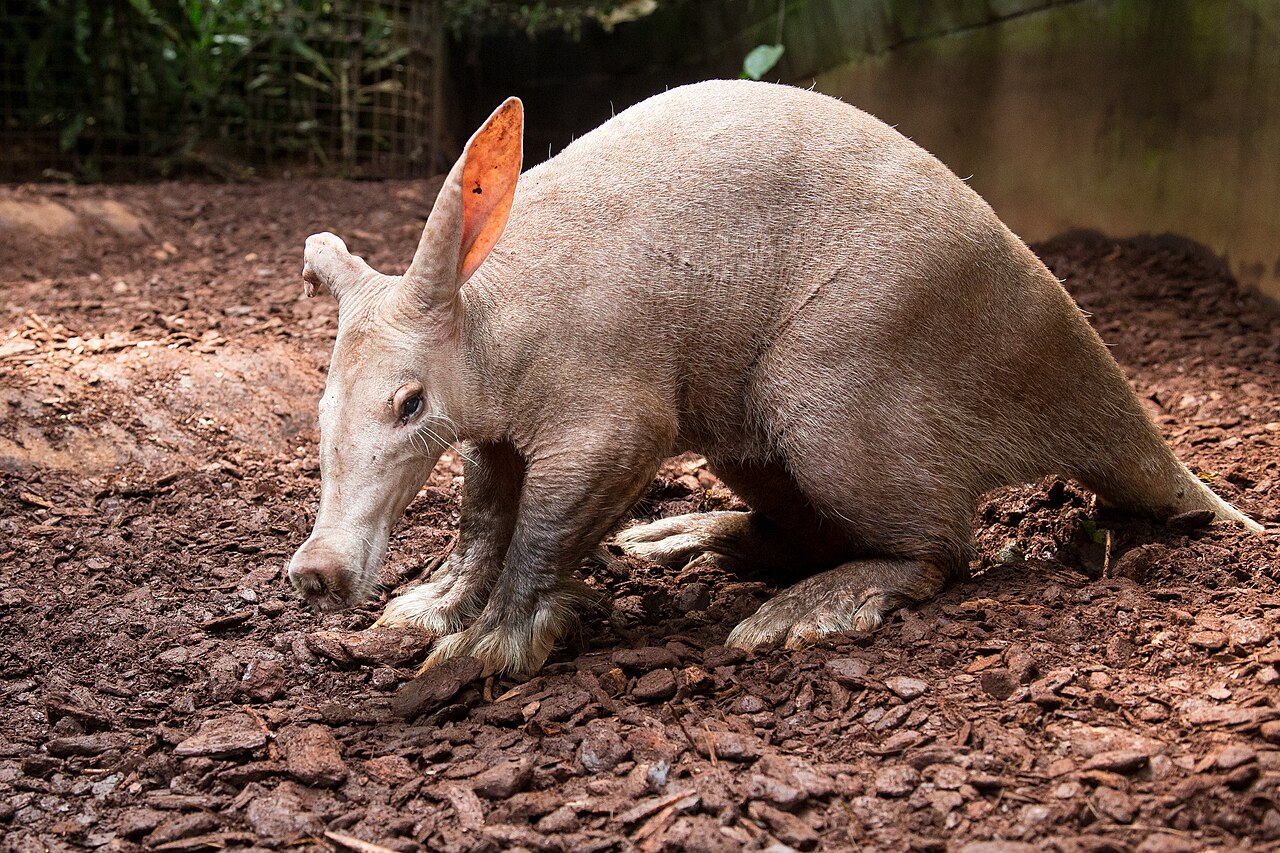
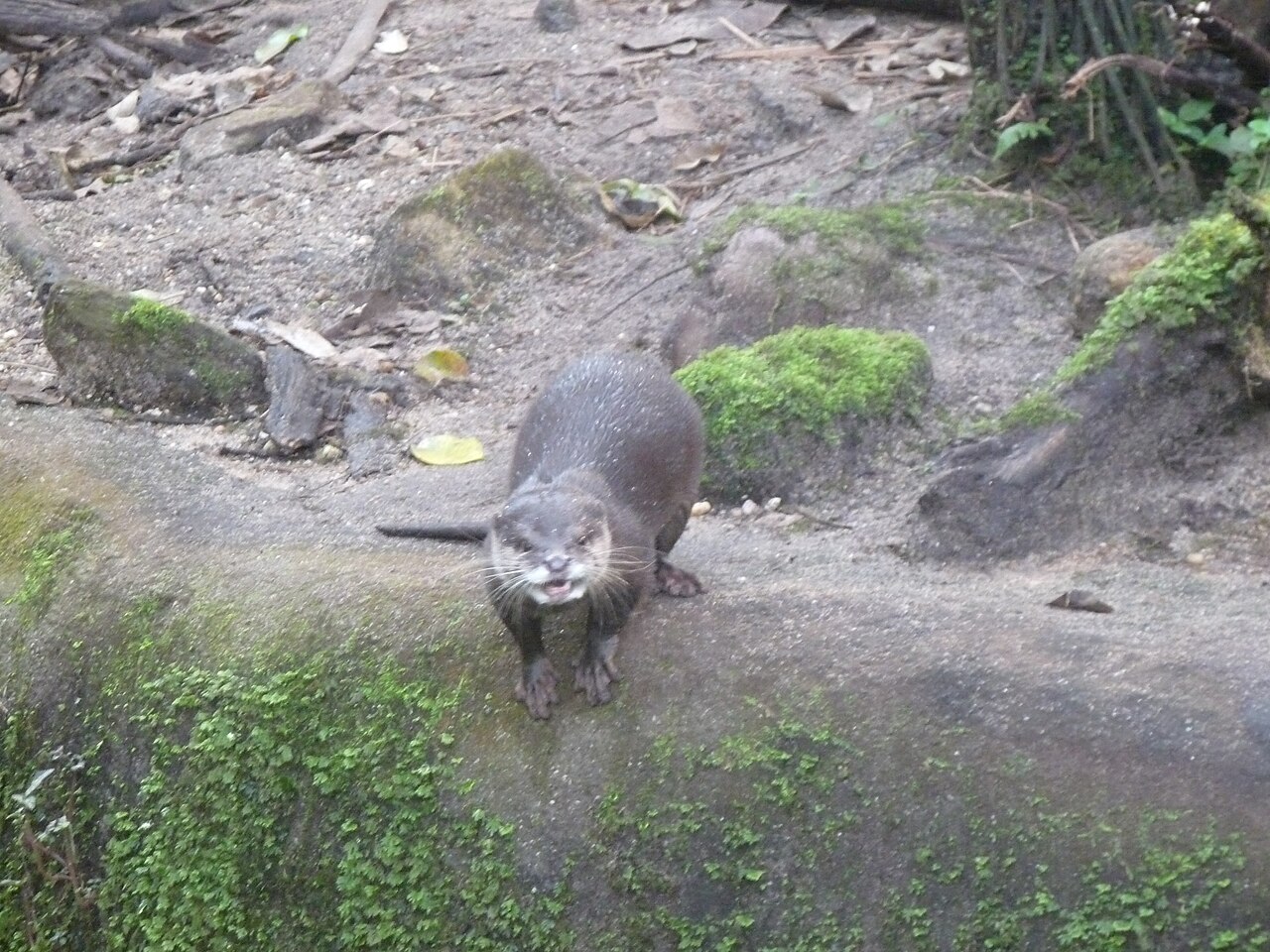
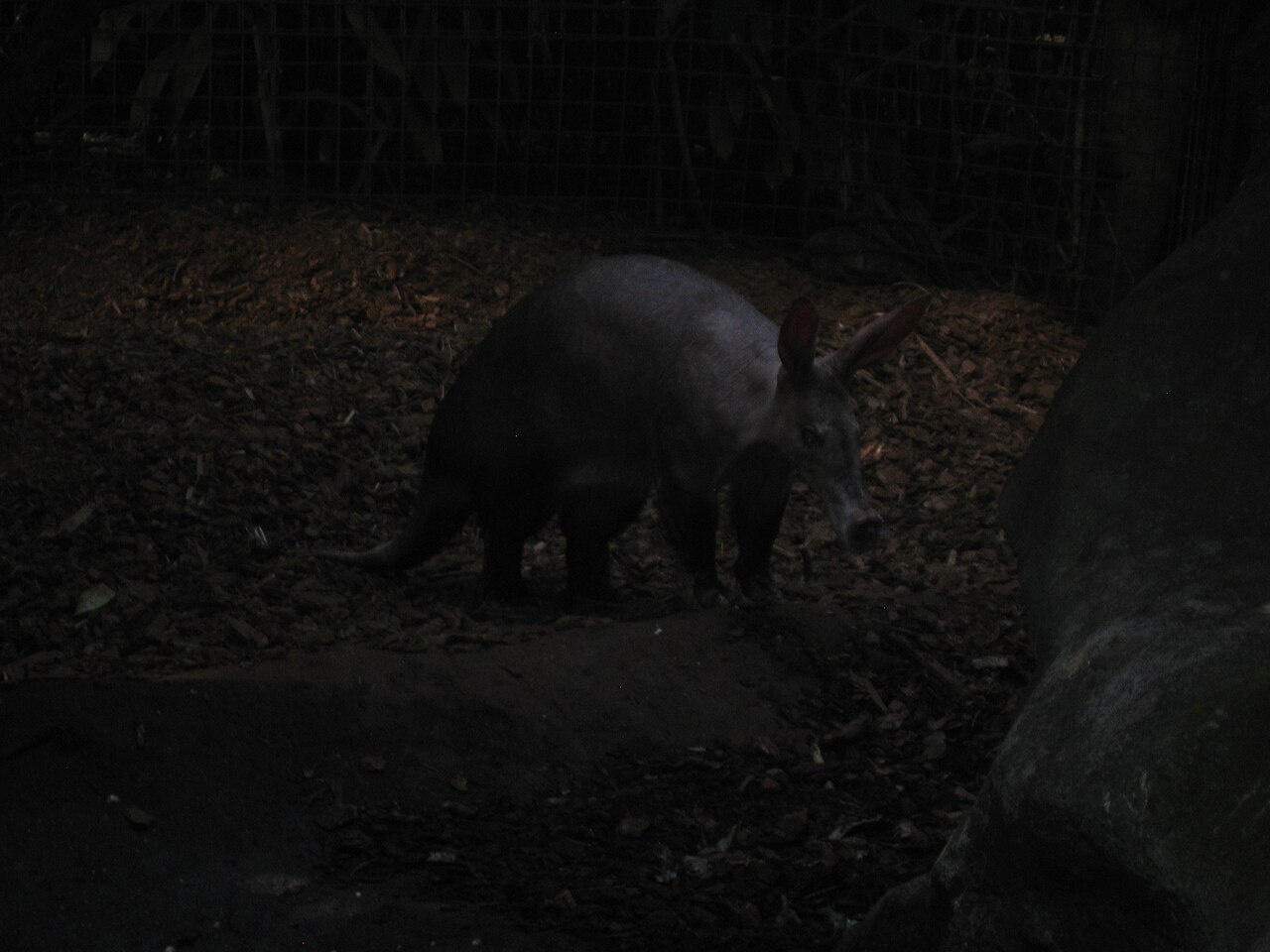
The animal population is just as varied: freshwater rays and catfish, tilapia, anoles, basilisks, iguanas, turtles and caimans, nocturnal whistling frogs, fruit bats and Seba's short-tailed bats, small-clawed otters, aardvarks, and more than thirty bird species living free. Several endangered species breed successfully here, contributing to European zoo-coordinated conservation breeding programmes.
Visiting
Two kinds of route coexist: a wide, paved main path, accessible to wheelchairs and strollers, running past the larger animals' habitats, and narrower, winding adventure trails where visitors cross streams on stepping stones in search of more elusive species.
The humid heat, dense foliage, sounds and smells add up to a full sensory immersion that sets Burgers' Bush apart from a conventional botanical glasshouse — visitors come here as much for the wildlife as for the plants.
52.01° N, 5.90° E
Greenhouses nearby
Architecture nearby
More greenhouses — Netherlands
Do you have a good photo of this greenhouse? Suggest it for this page →
Affiliate links — booking through Verrière helps fund our research, at no extra cost to you.