Vacherot & Lecoufle orchid greenhouses
Boissy-Saint-Léger, Val-de-Marne

Sources checked October 2026
- Year
- 1886 (company); 1900 (older growing greenhouses)
- Style
- Glazed "cathedral" greenhouse (sales house) and older timber-framed growing greenhouses
- Dimensions
- Sales greenhouse about 600 m²
- Status
- Sales greenhouse free to enter all year; growing greenhouses during open days and booked guided visits
In Boissy-Saint-Léger (Val-de-Marne), the house of Vacherot & Lecoufle has grown orchids since 1886; according to Wikipedia it is one of the oldest orchid nurseries still operating. It refined their cloning in the 1960s. A glazed 600 m² "cathedral" greenhouse, which holds the shop, welcomes the public free of charge all year. Next to it, older growing greenhouses, some from 1900 with timber structures, shelter the collections, including two national collections, Cattleya and Paphiopedilum. They open only during open days and booked guided visits.
Affiliate links — booking through Verrière helps fund our research, at no extra cost to you.
History
In 1886 Henri Vacherot, a gardener who specialised in carnations, founded a horticultural business on the La Tuilerie site in Boissy-Saint-Léger. Accounts differ on how his passion for orchids began: Wikipedia cites a first plant given by the Duchess of Galliera, while the local press reports a collector who entrusted him with his plants to save them from a flood. He set up a specialised greenhouse and eventually grew nothing but orchids. In 1913 he went into partnership with his son-in-law Maurice-Étienne Lecoufle, a top graduate of the Versailles horticultural school, who died in September 1914; his widow, his children and the Vacherot family kept the business going.
From 1920 hybrids were raised in test tubes. During the Second World War the firm, declared a business of national interest, was granted a minimum fuel allowance to heat its greenhouses. In the 1960s the house perfected orchid cloning by meristem culture: the first cloned plants went on sale in 1964, which earned Boissy the nickname "capital of the orchid". The centenary was celebrated in 1986; about ten years later the laboratory closed and the company concentrated on creating new varieties. Its Cattleya and Paphiopedilum collections became national collections in 2000.
As for the buildings, the current management speaks of timber-framed greenhouses dating from 1900 and of a large greenhouse that, according to a 2024 article, replaced four smaller ones some twenty years earlier. The same press source places the site in the territory of Limeil-Brévannes, with a postal address in Boissy-Saint-Léger. The fifth generation of the family has run the business since 2017.
Architecture and engineering
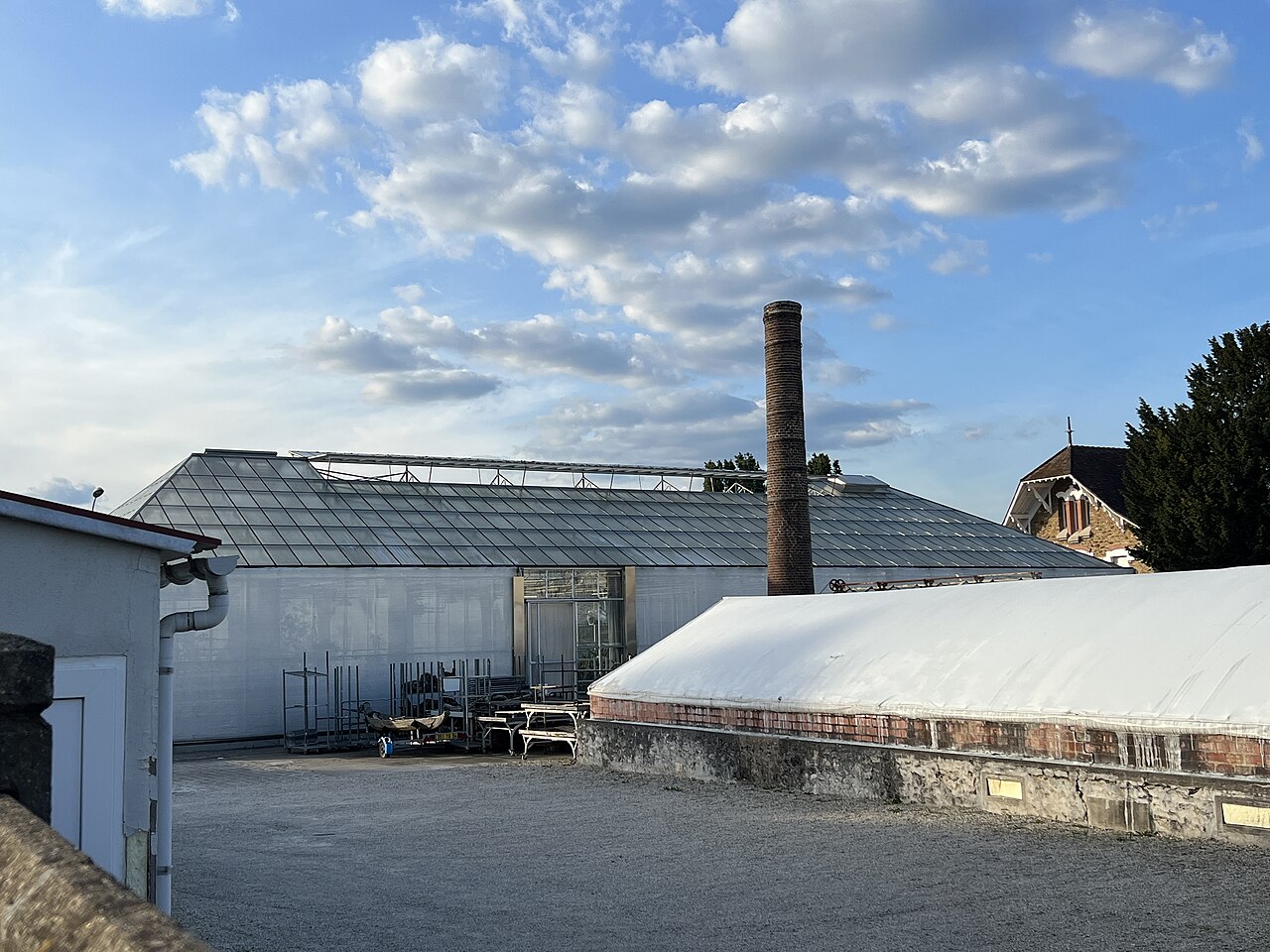
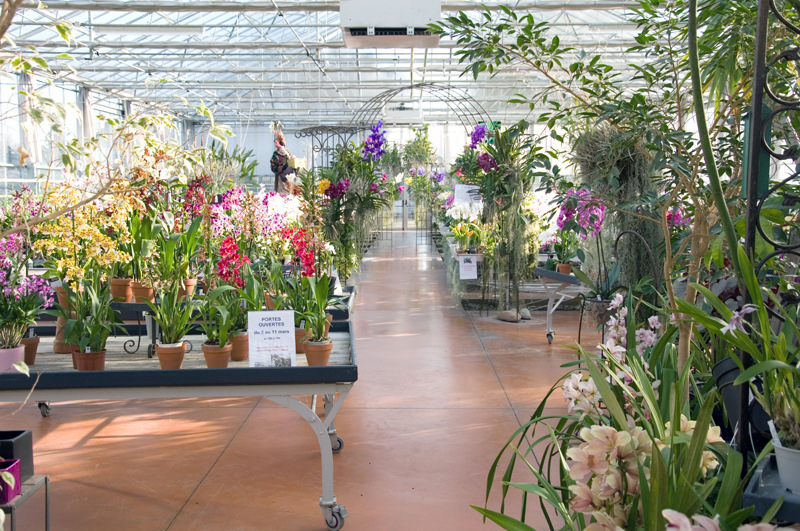
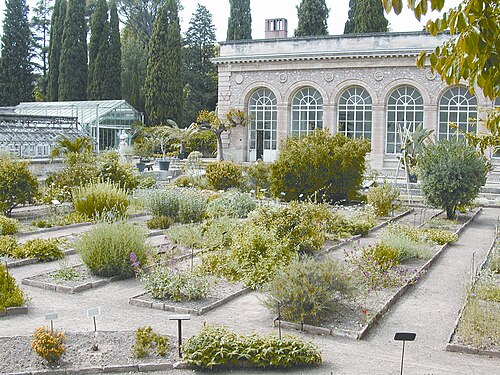
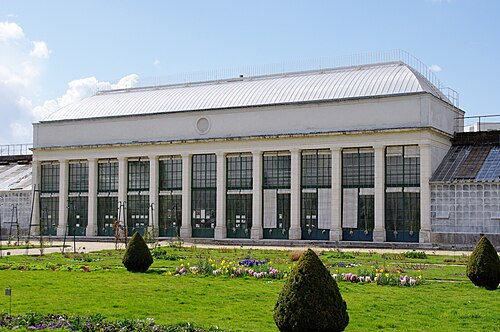
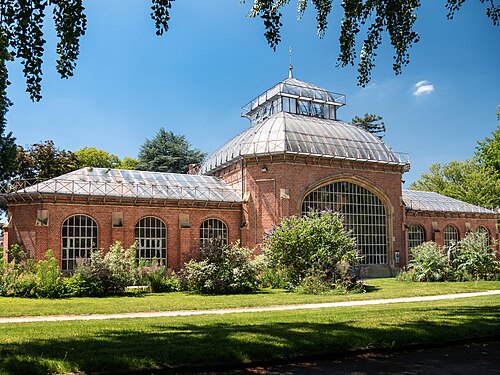
Two generations of greenhouses stand side by side. The sales house, known as the "cathedral greenhouse", measures 600 m² according to the company. Free photographs on Wikimedia Commons show a large glazed volume with translucent walls and roof, sheltering wide aisles lined with display tables; it is accessible to visitors with reduced mobility.
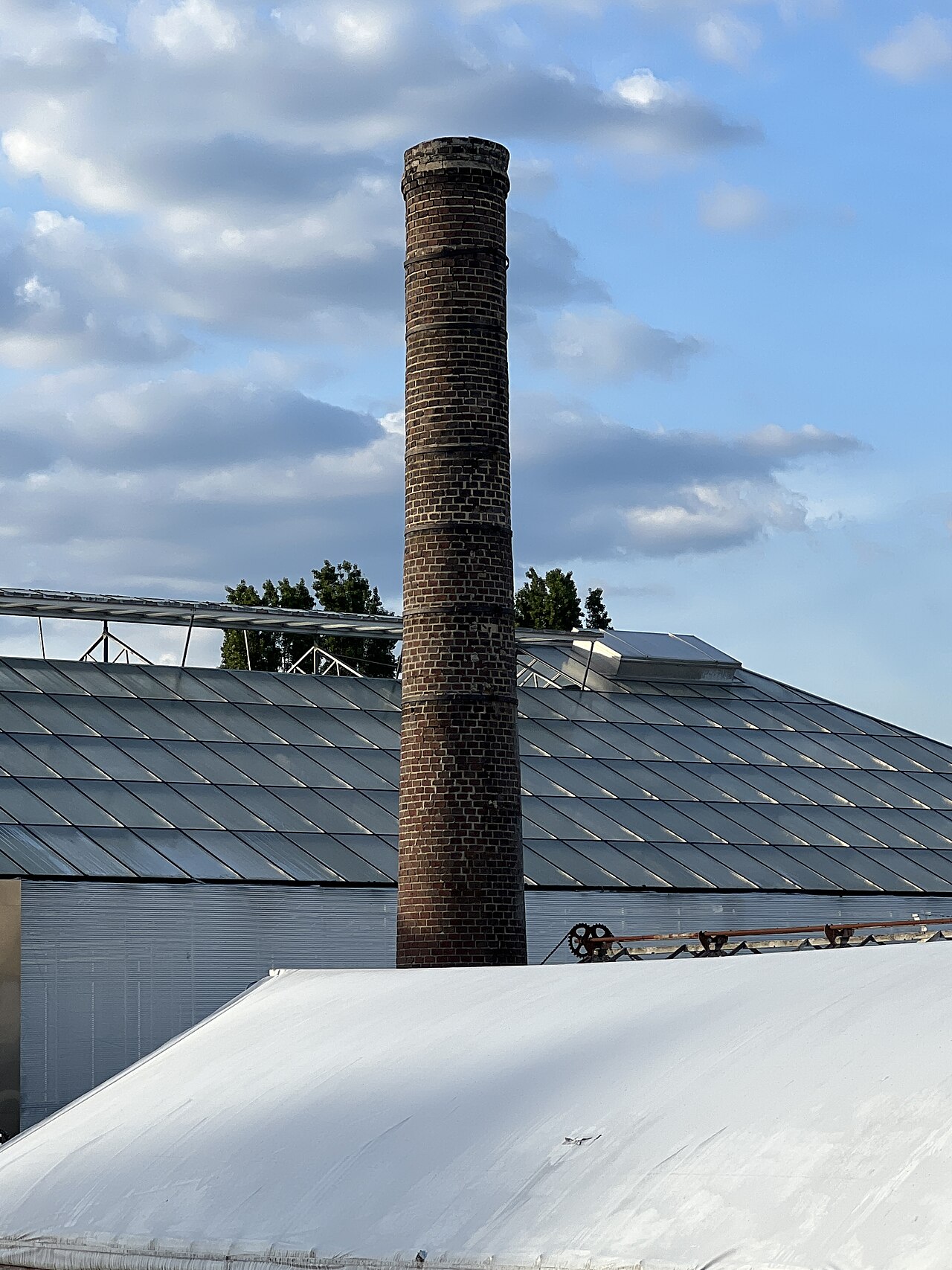
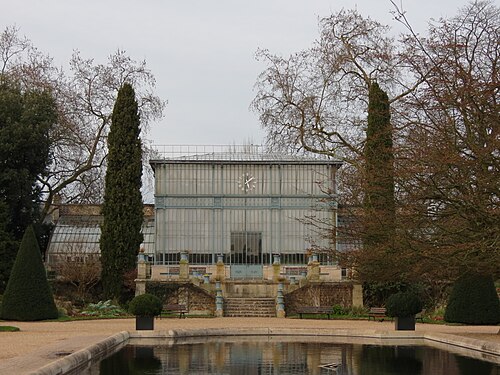
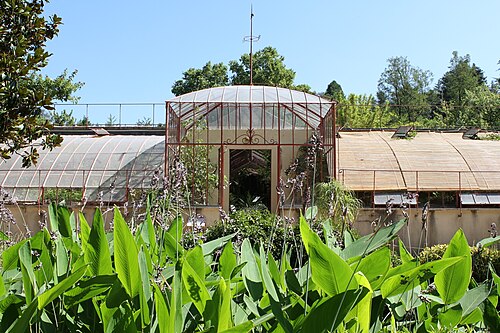
The growing and collection greenhouses are older and are presented by the company as a century old. Its management describes timber structures of a kind no longer built, hard to maintain and hard to modernise. Their aisles are too narrow for wheelchairs. In the free photographs one can make out glazed roofs, brick plinths and a tall brick chimney.
These greenhouses are not heated all year, but a minimum temperature is held in winter, which makes energy a major challenge; the team is trying a slight lowering of temperatures. A visit passes through three greenhouses with different temperatures and humidity, some warmer and more humid than others, suited to the origins of the plants.
Plant collections
According to Val-de-Marne Tourisme the house keeps more than 5,000 mother plants, and its plants range from a few weeks to 80 years old. A 2019 leaflet gives 29,000 plants including nearly 2,000 species and 6,000 mother plants, while a 2024 article speaks of 5,000 species. The mother plants of Cattleya (400 varieties and species) and Paphiopedilum (500) have been ranked as national collections by the Conservatoire des collections végétales spécialisées since 2000. The growing greenhouses take visitors from the Andes to the Amazon forests, from Africa to South-East Asia and Australia. The sales greenhouse offers Phalaenopsis, Dendrobium, Cattleya, Cymbidium and botanical orchids, in flower or not, all year round. The company's stands have won many medals; in 2017 it took the gold medal and Best in Show at the Hampton Court Palace Flower Show for the third year running.
Visiting
The sales greenhouse is free to enter all year, during shop hours; it also has a repotting bench and cultivation advice, and workshops are held there regularly. The growing greenhouses open only during the spring and autumn open days, two or three times a year, and for booked guided visits for groups of 15 to 25 people, Tuesday to Friday; Val-de-Marne Tourisme and ExploreParis have also offered visits for individuals. Allow an hour and a half. The RER A (terminus Boissy-Saint-Léger) is about ten minutes' walk away; Val-de-Marne Tourisme also points to the Château de Grosbois and the Musée du Trot. Plants are sold on site.
48.74° N, 2.51° E
Greenhouses nearby
More greenhouses — France
Do you have a good photo of this greenhouse? Suggest it for this page →
Sources (8)
- lorchidee.fr/content/61-notre-espace-boutique
- lorchidee.fr/content/25-nos-serres-centenaires
- lorchidee.fr/content/14-visites-de-groupe
- tourisme-valdemarne.com/patrimoine-culturel/serres-dorchidees-vacherot-et-lecoufle-a-boiss
- tourisme-valdemarne.com/on-a-teste-pour-vous-la-visite-des-serres-dorchidees-vacherot-leco
- fr.wikipedia.org/wiki/Vacherot_et_Lecoufle
- citoyens.com/2024/serres-vacherot-lecoufle-a-boissy-saint-leger-lart-des-orchidees-depuis-
- commons.wikimedia.org/wiki/Category:Serres_des_Orchid%C3%A9es_(Limeil-Br%C3%A9vannes)
Affiliate links — booking through Verrière helps fund our research, at no extra cost to you.