Vinterhaven, the Winter Garden of the Ny Carlsberg Glyptotek
Copenhagen, Capital Region
Entry updated on October 3, 2026
- Year
- 1906
- Architect
- Vilhelm Dahlerup
- Style
- Iron-and-glass domed winter garden
- Status
- Open to the public (inside the museum)
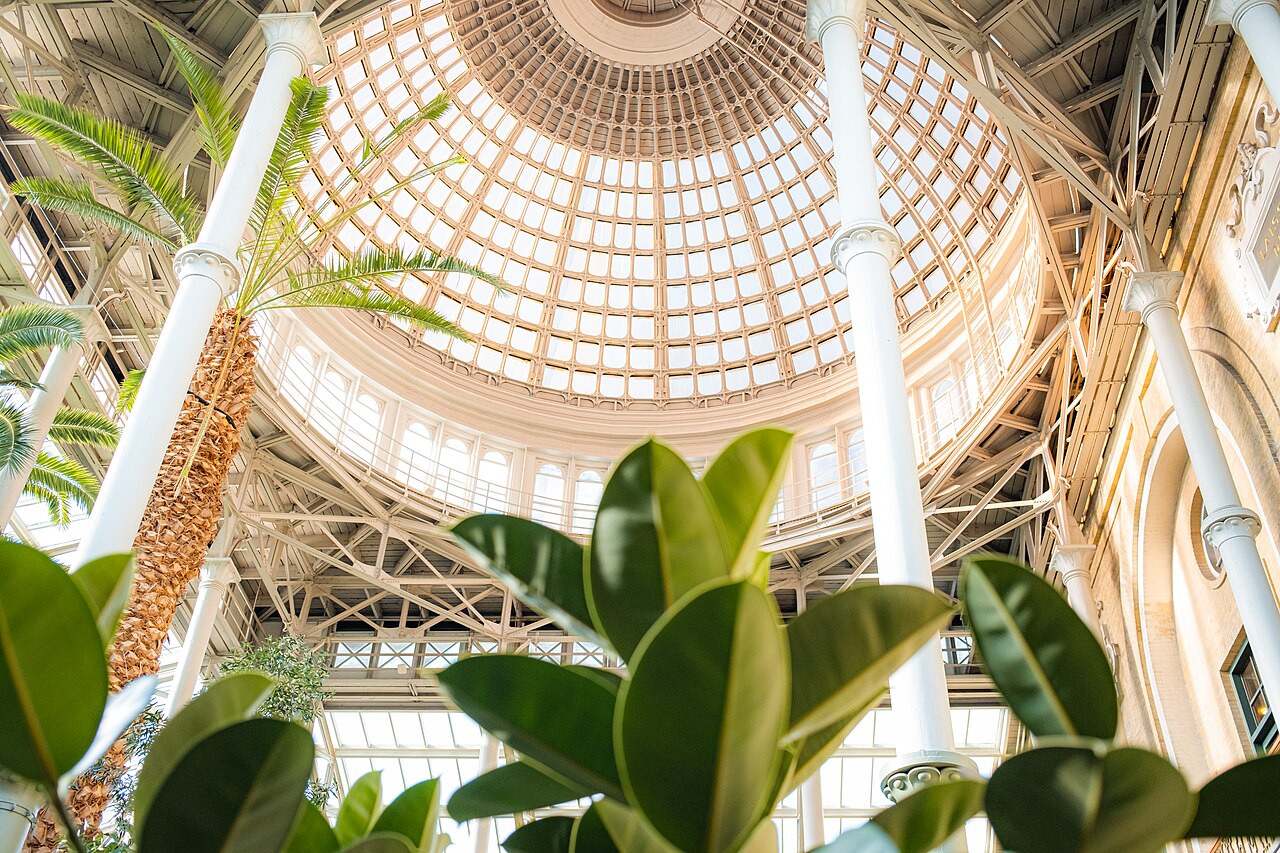
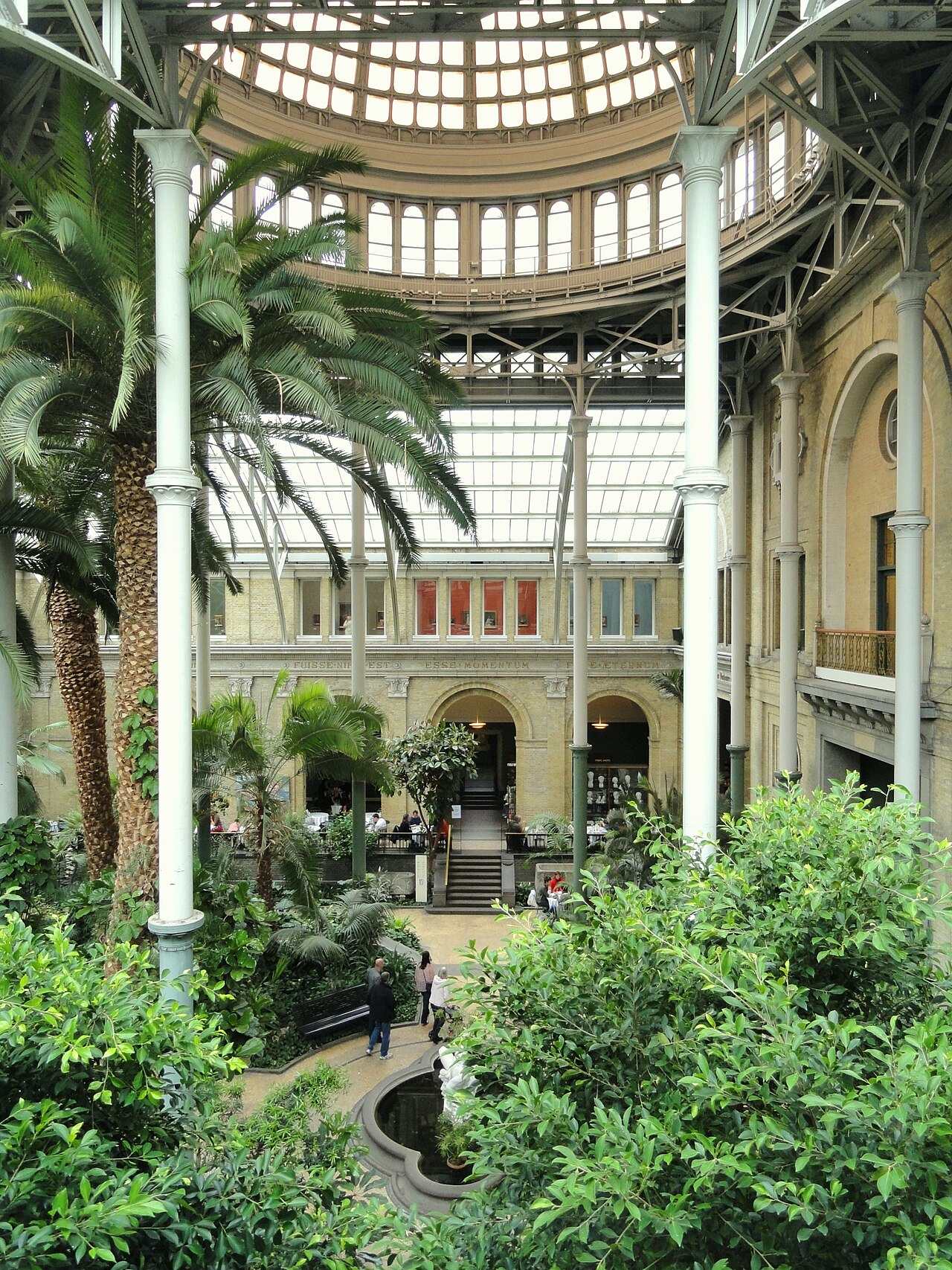
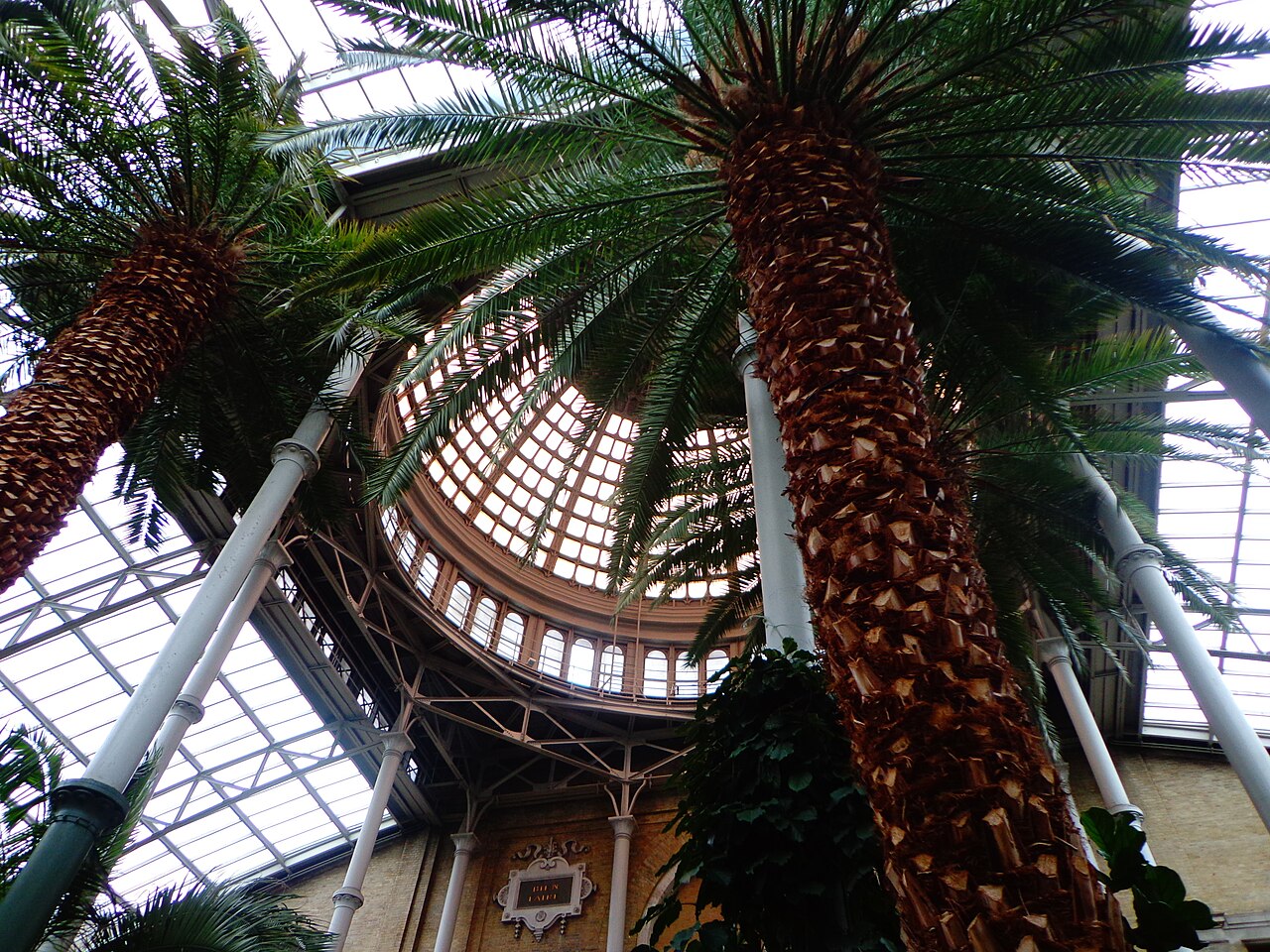
The heart and emblem of the museum founded by the brewer Carl Jacobsen, the Ny Carlsberg Glyptotek's winter garden was inaugurated on 27 June 1906, the same day as Hack Kampmann's extension, to which it forms the link. Designed by Vilhelm Dahlerup, architect of the first building opened in 1897, it is roofed by an iron-and-glass dome instead of the stone dome first planned. Its tall Canary Island date palms came from the winter garden of Laura Jacobsen, the founder's mother, in Valby, and Kai Nielsen's sculpture Vandmoderen stands among them.
Affiliate links — booking through Verrière helps fund our research, at no extra cost to you.
History
1 min
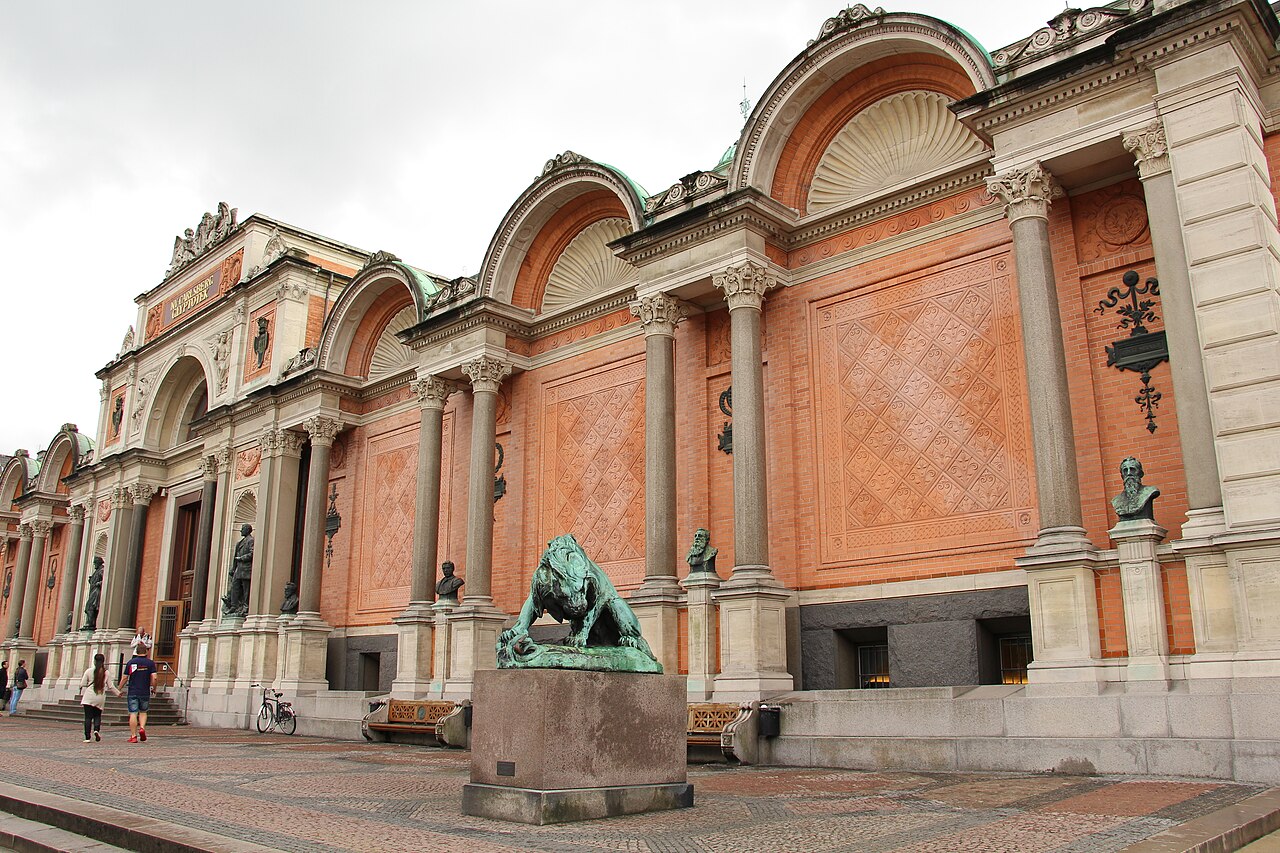
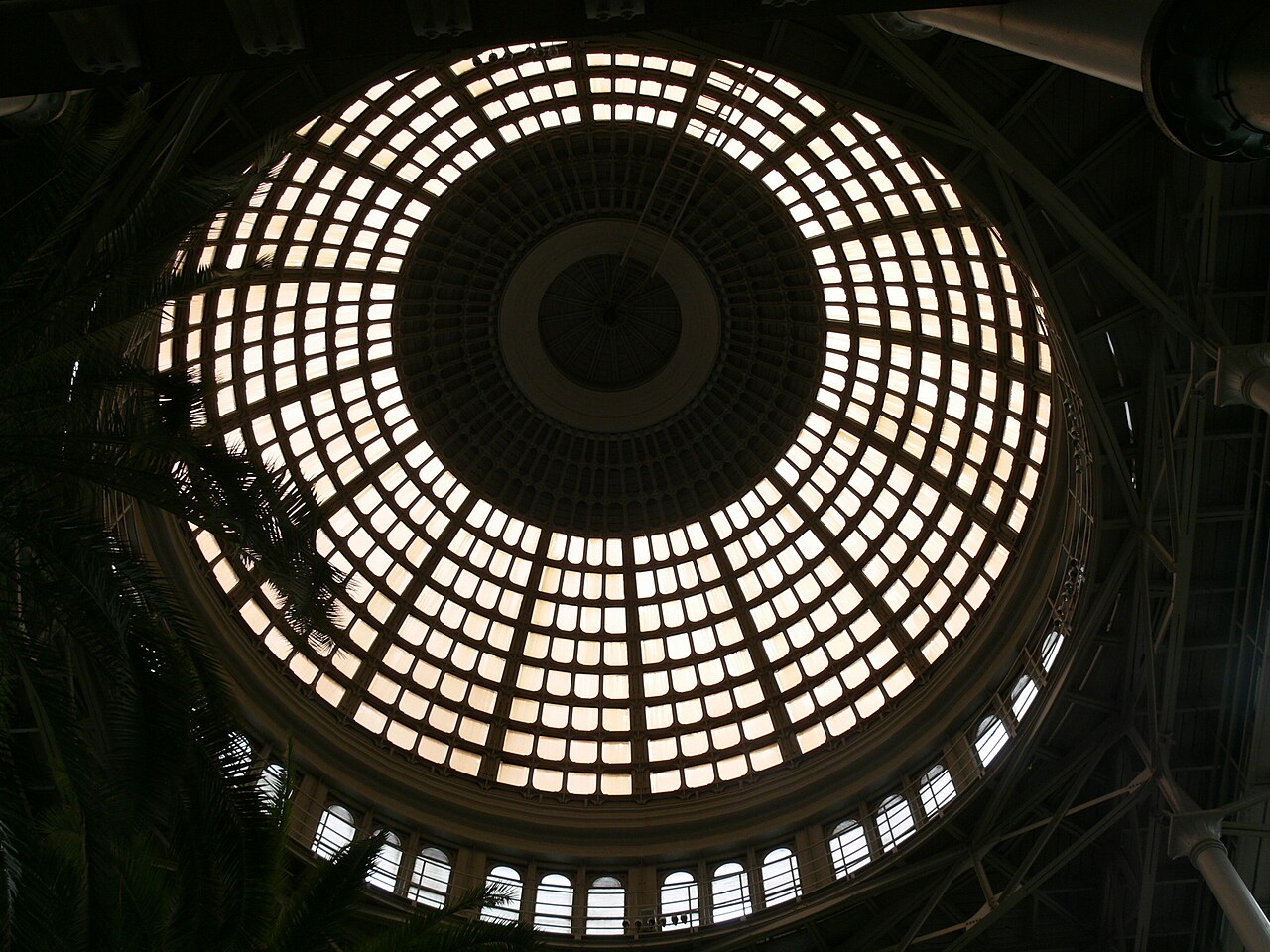
The Ny Carlsberg Glyptotek was founded by the brewer Carl Jacobsen and his wife Ottilia. Its first building, designed by the architect Vilhelm Dahlerup, was inaugurated on 1 May 1897 on Dantes Plads. A dome already featured in the original plans, but its construction was postponed; when it was finally built, it was no longer of stone, as first intended, but of iron and glass.
The covered winter garden, also designed by Dahlerup, was inaugurated on 27 June 1906, the same day as the new building by Hack Kampmann, who had won the architectural competition for the museum's extension. In his opening speech Carl Jacobsen described the garden as a sensuous way into art: greenery in the depth of winter would draw people in, and the museum was not meant to be an ordinary institution but an oasis for the city's residents.
The museum kept growing. A building by Henning Larsen, with modern climate-controlled galleries, was inaugurated on 27 June 1996. In 2004 the Carlsberg Foundation and the New Carlsberg Foundation granted 100 million kroner for a major renovation programme, Projekt 2006, completed for the centenary of Kampmann's building.
Architecture and engineering
1 min
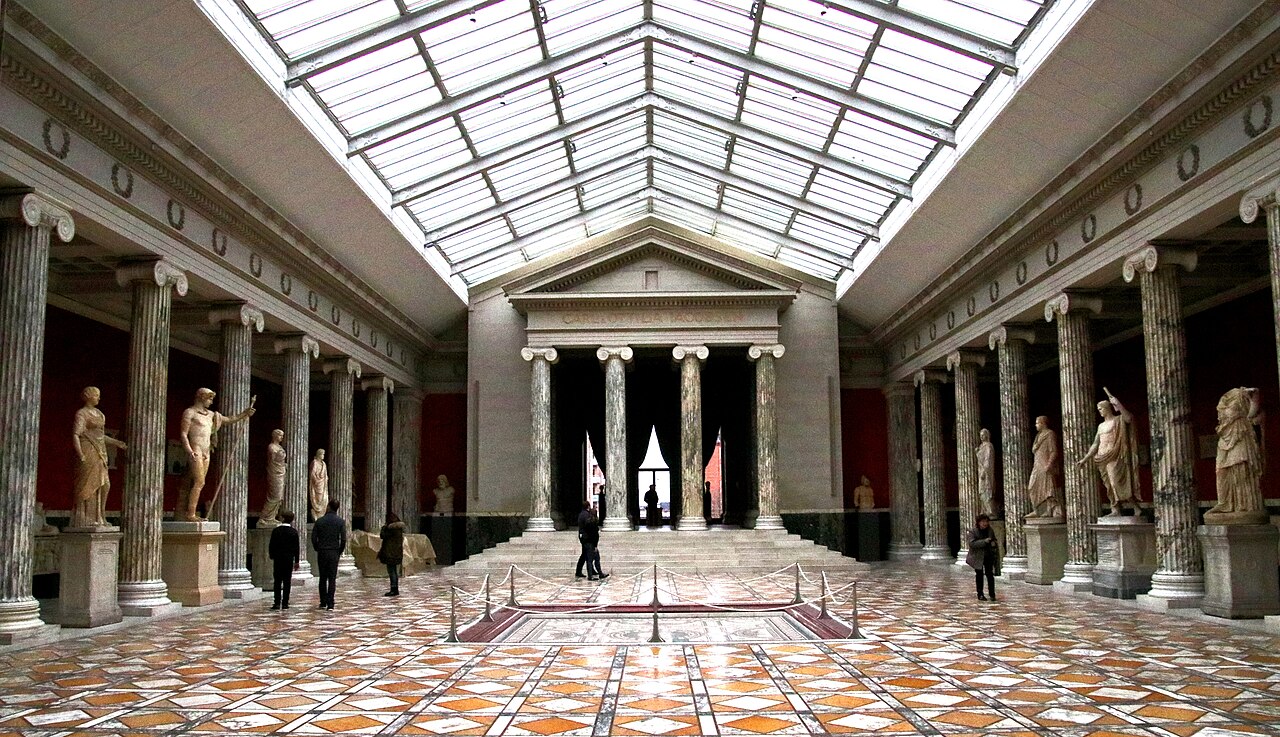
Dahlerup's building is a three-winged, horseshoe-shaped complex in red brick under roofs of glass and copper. The winter garden occupies its centre and forms the link to Hack Kampmann's extension, so that it serves both as a covered courtyard and as a passage between the two parts of the museum.
Its dome, first conceived in stone, was executed in iron and glass in the spirit of the greenhouses and exhibition pavilions that multiplied in the late nineteenth century as industrial foundries expanded. The honey-coloured glass of the dome gives the space a warm, almost southern light. Beneath it, palms and sculpture make a resting place where visitors can pause during their visit and see works of art in a setting unusual for a museum.
Plant collections
1 min
The planting of the winter garden is dominated by tall Canary Island date palms (Phoenix canariensis). According to the museum, these palms came from the winter garden that Laura Jacobsen, Carl Jacobsen's mother, kept in Valby, which ties the planting to the founders' family history.
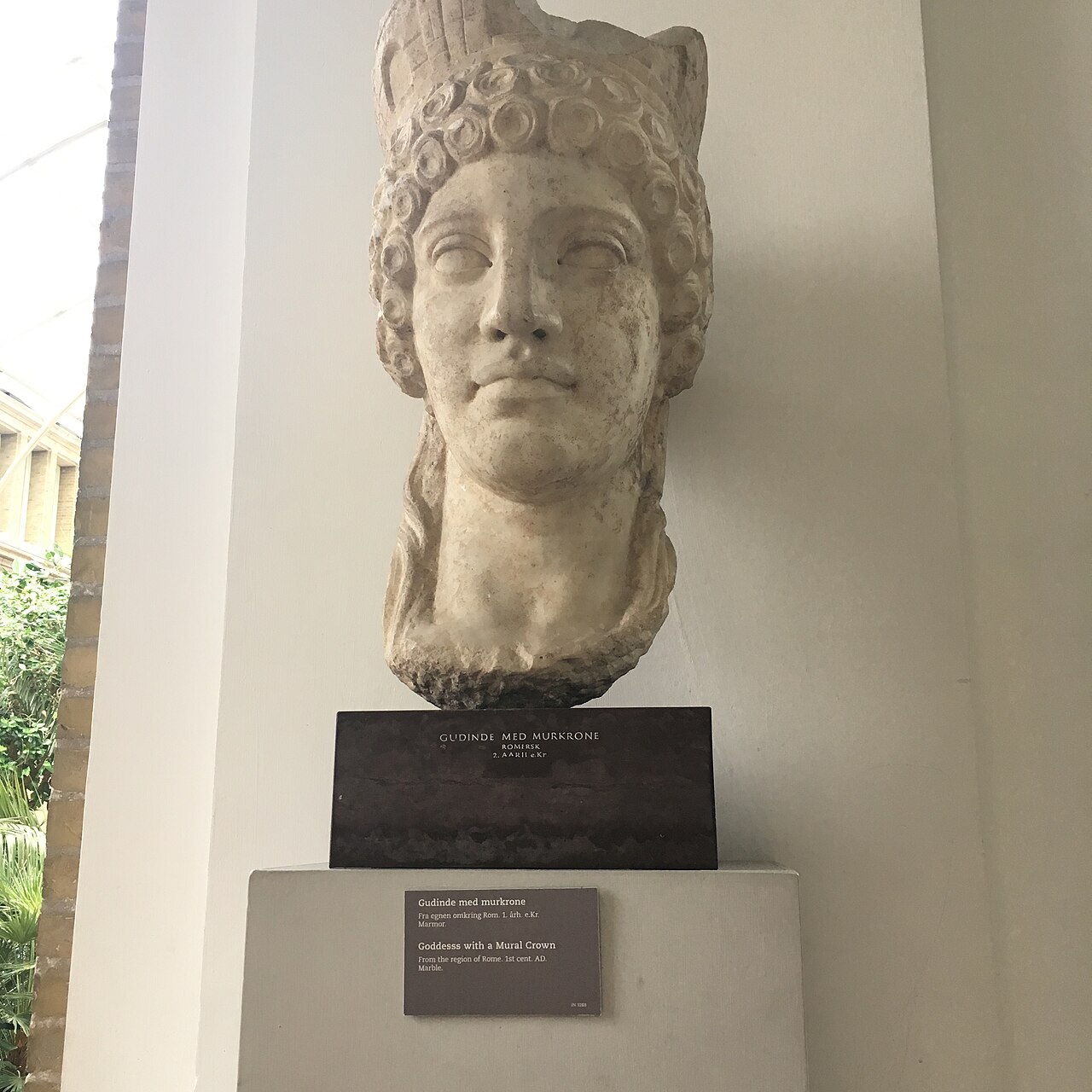
Among the palms the museum displays sculpture, including Vandmoderen (The Water Mother) by Kai Nielsen. The winter garden thus acts as a green vestibule to the Glyptotek's collections: Egyptian antiquities and Greek and Roman sculpture in Kampmann's building, as well as French and Danish sculpture from 1800 to 1920.
Visiting
1 min
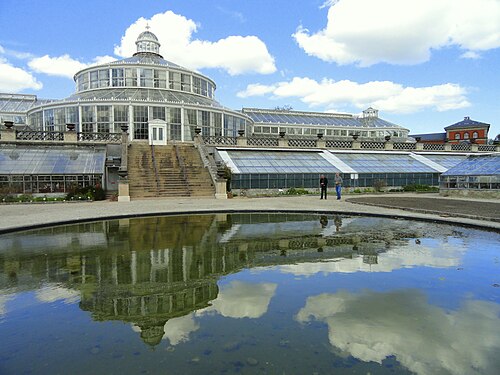
The Glyptotek stands at Dantes Plads 7 in central Copenhagen (København V). The winter garden lies at the heart of the museum and links Dahlerup's galleries with Kampmann's, making it a natural pause halfway through a visit. Half an hour is enough to walk round it and study the dome, but the collections deserve several hours. Winter is when the contrast with the city outside is strongest, which is what Carl Jacobsen intended. The Palm House of the university's Botanical Garden lies about 1.5 km to the north.
55.67° N, 12.57° E
Greenhouses nearby
Do you have a good photo of this greenhouse? Suggest it for this page →