Tsaritsyno Orangeries
Moscow
Entry updated on October 3, 2026
- Year
- 2007–2008 (reconstruction)
- Style
- Rebuilt orangeries of an 18th-century imperial estate
- Dimensions
- Three buildings
- Status
- Open to the public (Grape Orangery temporarily closed for works)
The Tsaritsyno orangeries in southern Moscow continue a tradition that began in the 1740s on the estate of the Cantemir princes, then called Chernaya Gryaz. Expanded after Catherine II bought the estate in 1775, they numbered eight stone buildings in the early 19th century before declining after 1858. Rebuilt in 2007–2008 from surviving drawings and descriptions, they reopened in 2011 with plants chosen from old inventories: palms, citrus, pineapples, vines, figs and pomegranates.
Affiliate links — booking through Verrière helps fund our research, at no extra cost to you.
History
1 min
In the 1740s the Chernaya Gryaz estate, owned by the Cantemir princes, had three gardens and a wooden orangery where gardeners grew roses, vines, figs, pomegranates, pears and aloes. Catherine II bought the estate in 1775 and sent two court gardeners there. In 1778 the architect Bazhenov proposed a temporary orangery, as the trees were multiplying with nowhere to keep them. By the mid-1780s the collection had reached ten thousand orangery trees, managed by the German botanist Johann Rack, who trained apprentices and received 20 per cent of the revenue from the sale of the harvests.
In the early 19th century Pyotr Valuev, head of the Kremlin Construction Expedition, reorganised the estate's horticulture: the old buildings were repaired, new ones were added, and eight stone orangeries operated under his direction. By the early 1840s the sale of fruit and berries brought in an average of 5,000 roubles a year.
By 1858 upkeep cost more than the sales earned. The merchant Davydov leased the complex from 1858 to 1883, with the right to demolish its buildings. Only the Grape Orangery survived, becoming a starch factory, then a dacha and, after 1917, communal flats, until it was a ruin by the 1990s. The orangeries were rebuilt in 2007–2008 from surviving drawings and descriptions, and three exhibitions opened to the public in 2011.
Architecture and engineering
1 min
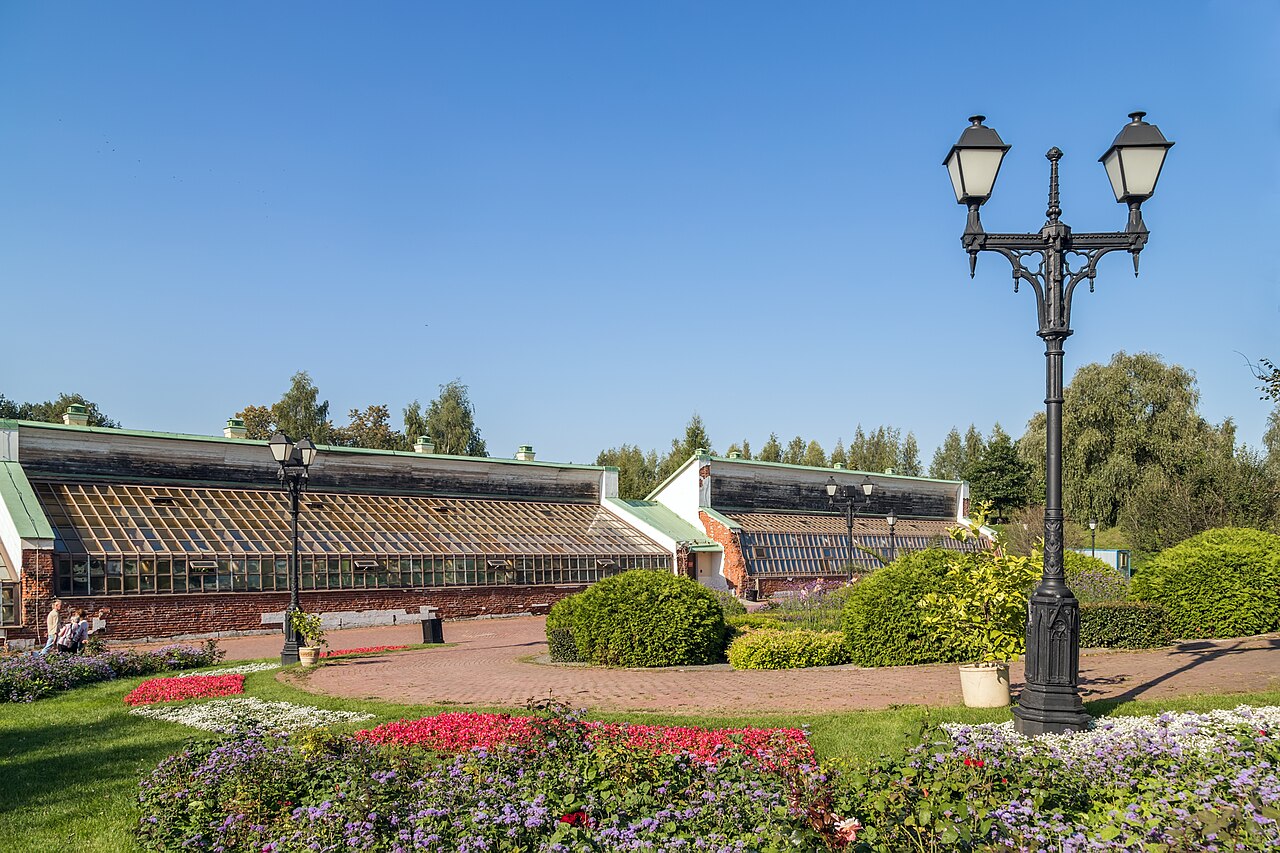
By the 1790s the Tsaritsyno orangery already formed a group of three ranges linked by passages, together with ground sheds and hotbeds. In the early 19th century Valuev had the old ranges repaired and new ones built, until there were eight stone orangeries. Most of them were dismantled before the 1880s.
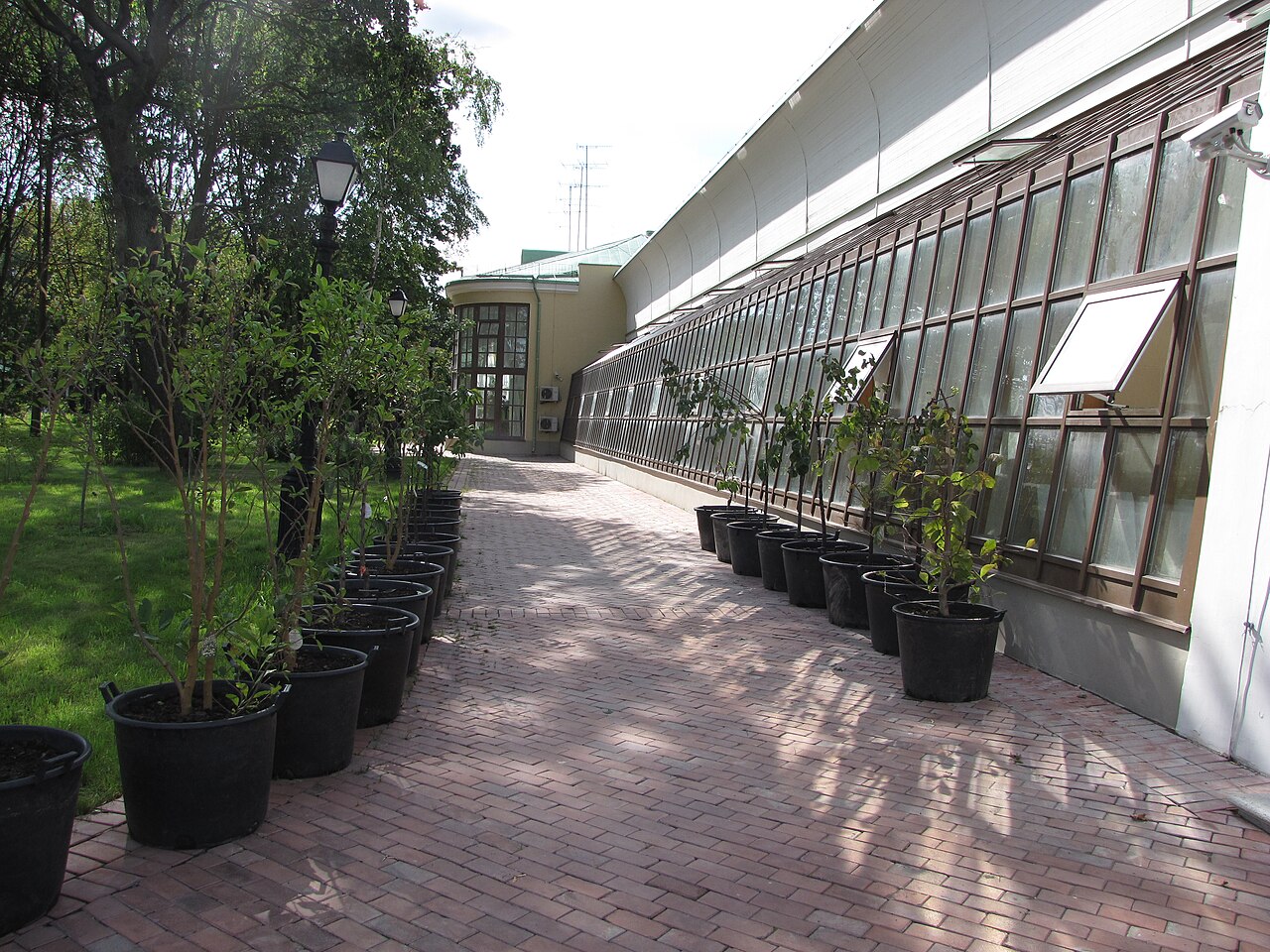
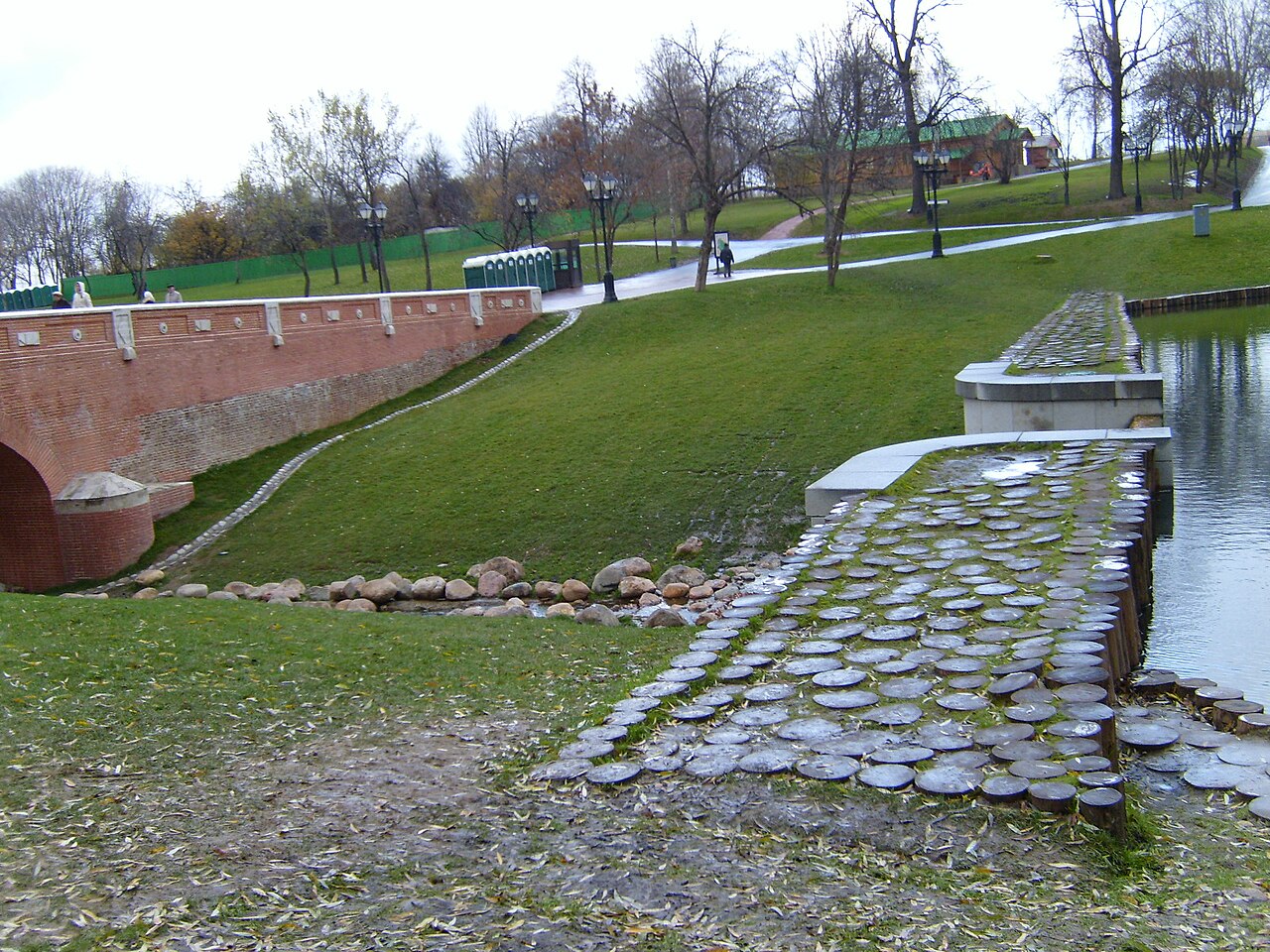
The present complex, recreated in 2007–2008 from the original drawings and descriptions, lies beyond the park's Great Ravine. It comprises the First and Second Orangery Ranges and the Grape Orangery. The latter, the only one to have come through the 20th century, was rebuilt in 2008 partly on its original foundations: it is a white-stone building topped by a wooden upper storey. The area also keeps the place names of the old horticultural estate, with the Orangery Pond and the Orangery Bridge, the latter restored during the major campaign of works of 2005–2007.
Plant collections
1 min
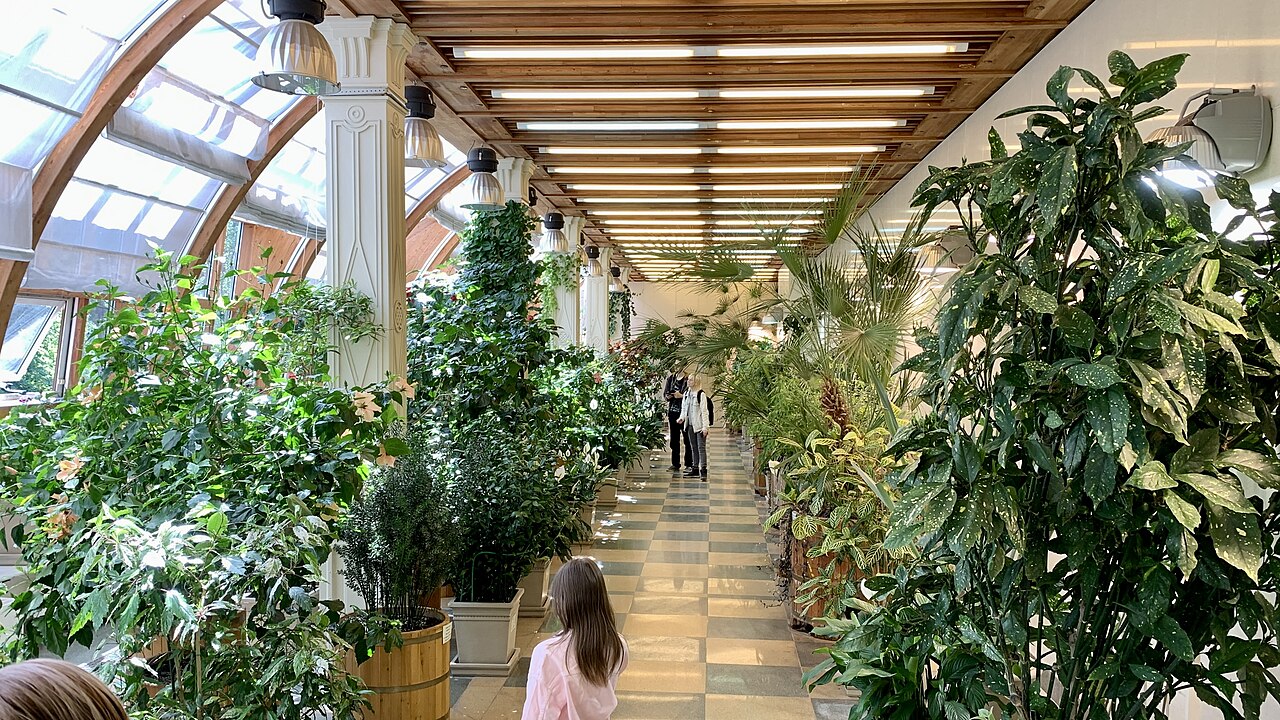
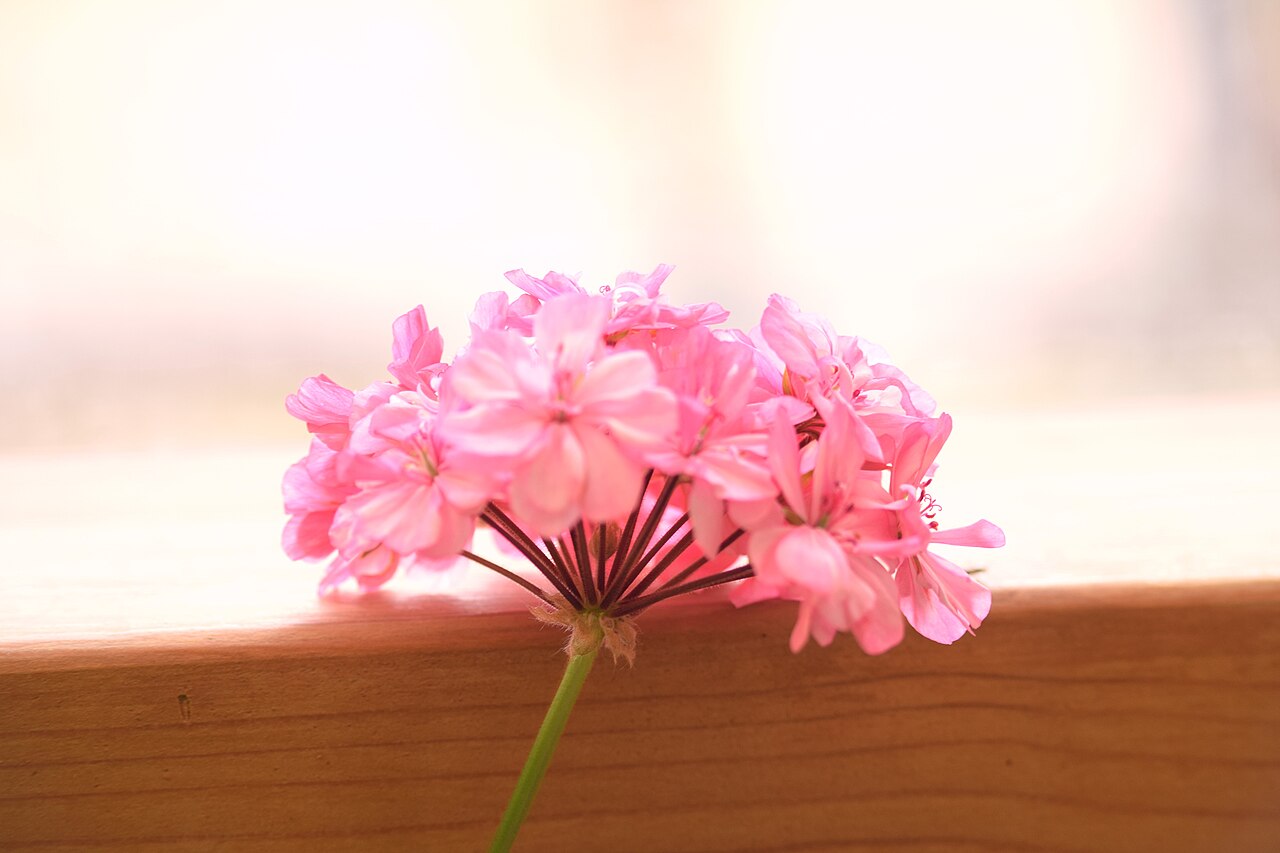
The plants were selected from the surviving inventories of the old establishment, so as to show species grown at Tsaritsyno since the mid-18th century. The First Range, titled 'The Empress's Winter Garden', is dominated by palms, with rhododendrons, fuchsias, araucarias, ivies, hibiscus, passion flowers and geraniums. The Second Range, 'Land of Aromas and Flavours', brings together orange trees, rosemary, pineapples, bananas, peppers and bitter gourd (Momordica charantia), all crops of 18th- and 19th-century orangeries. The Grape Orangery houses the exhibition 'From Subtropics to Desert': vines, pomegranates, figs, citrus, agaves, aloes, gasterias, cacti and other succulents. The grapes once grown here were sold and delivered to the imperial tables in Moscow and St Petersburg.
Visiting
1 min
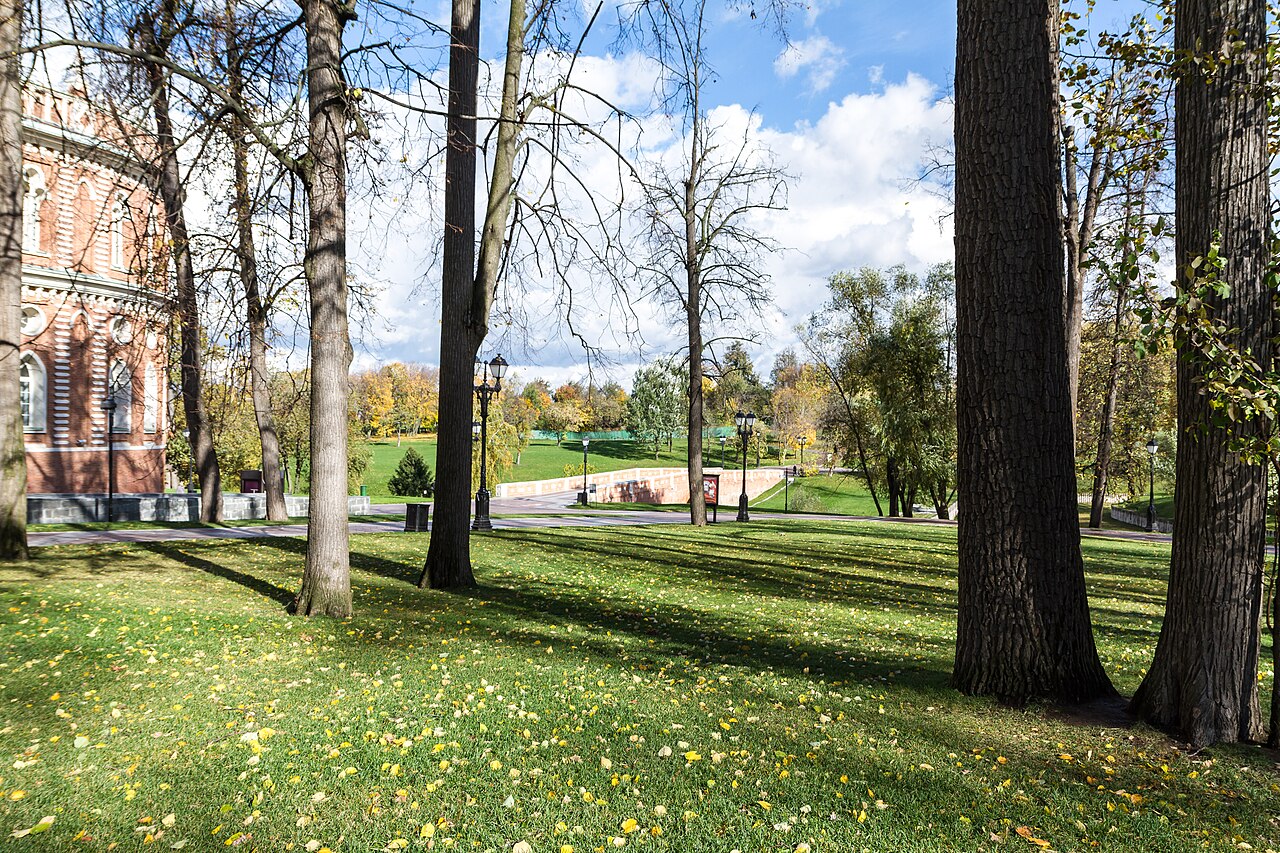
The orangeries stand in the park of the Tsaritsyno Museum-Reserve, on Dolskaya Street, beyond the Great Ravine and near the Orangery Pond. The museum describes them as the only part of its ensemble still used for the purpose it served two centuries ago, and runs guided tours, workshops and educational programmes there. According to its website, the Grape Orangery is temporarily closed for works. A visit combines easily with the Grand Palace, the pavilions and the ponds of the park, restored during the reconstruction of the ensemble in 2005–2007.
55.62° N, 37.69° E
Greenhouses nearby

More greenhouses — Russia
Do you have a good photo of this greenhouse? Suggest it for this page →