Phipps Conservatory
Pittsburgh

Sources checked September 2026
- Year
- 1893
- Architect
- Lord & Burnham
- Style
- Victorian glass and steel
- Dimensions
- 9 rooms originally, 14 today
- Status
- Open to the public
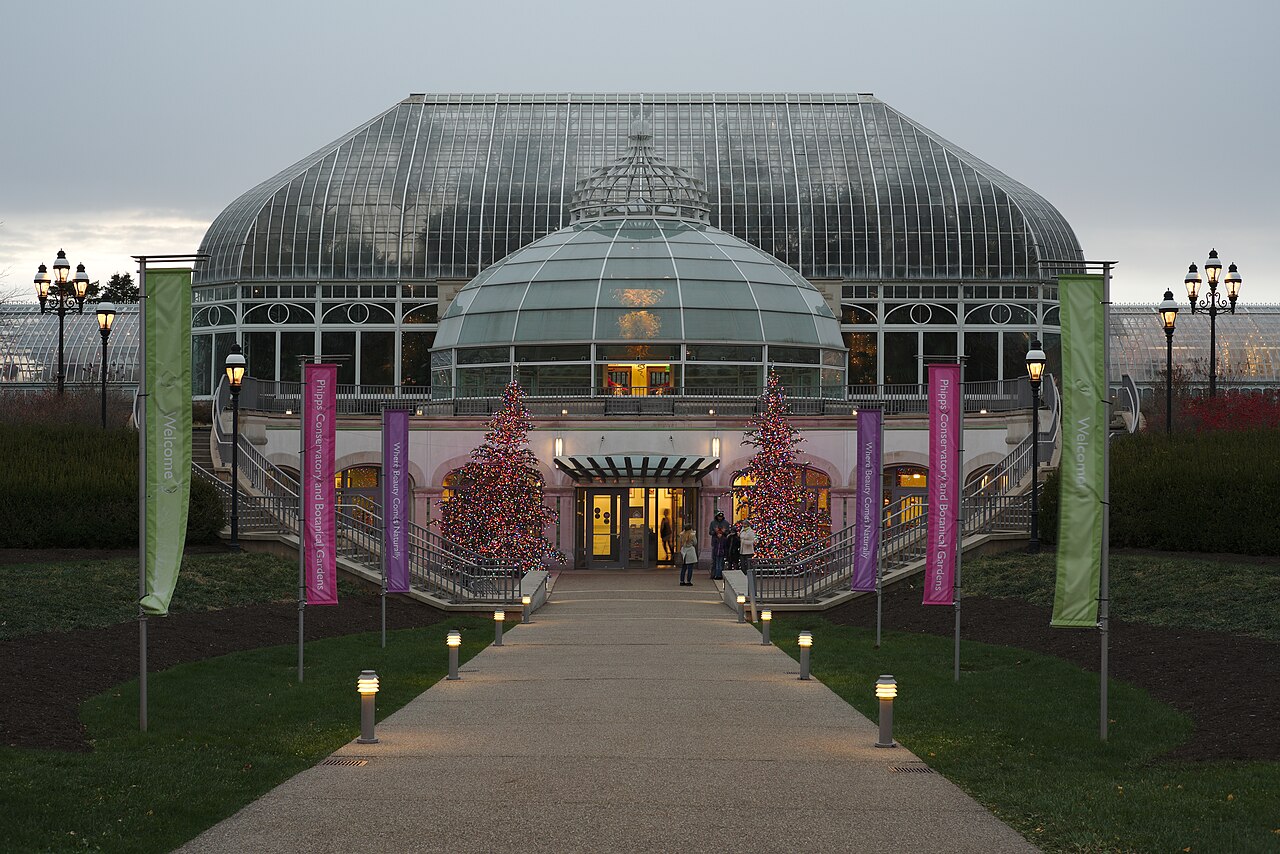
Given to the city of Pittsburgh by steel and real-estate magnate Henry Phipps Jr., the conservatory opened to the public on December 7, 1893, with plants salvaged from the Chicago World's Fair. Placed under private nonprofit management in 1993, it has since expanded to fourteen rooms, including a tropical forest room completed in 2006 and a Center for Sustainable Landscapes opened in 2012, firmly committed to green architecture.
Affiliate links — booking through Verrière helps fund our research, at no extra cost to you.
Practical info
- Tickets
- Admission (official site, Oct 2026): adult $22.95, senior (62+) $20.95, student (19+) $19.95, child 2-18 $13.95; free for children under 2 and members. Timed online tickets recommended, not required.
- Opening hours
- Monday-Thursday and weekends: 9:30am-5pm; Friday: 9:30am-10pm. Last entry to the Conservatory is 30 minutes before closing. Some rooms or the garden occasionally close for private events (visitor notices online).
- Getting there
- One Schenley Park, Oakland neighborhood, Pittsburgh; GPS address: 700 Frank Curto Drive. Free parking on the center island of Schenley Drive, accessible spaces near the entrance; street parking on Schenley Drive is free after 6pm Monday to Saturday and all day on Sundays. Phipps encourages biking and bus travel (see its Climate Conscious Commuting page).
Frequently asked questions
Do I need to book?
No, drop-ins are welcome, but timed online tickets are strongly recommended because slots fill up at peak times. All sales are final.
When is it quietest?
Mondays and Tuesdays are the least crowded days, and the Conservatory is usually quietest between 3 and 5pm. Allow about 90 minutes for a self-guided visit.
Is it wheelchair accessible?
Yes, except the Stove Room in the west wing; manual wheelchairs are lent free at admissions. Backpacks and large bags are prohibited; lockers are in the Welcome Center.
History
The conservatory was given to the City of Pittsburgh in 1893 by the steel industrialist Henry Phipps Jr. (1839–1930). Designed by Lord & Burnham for a fee of $100,000 and set in Schenley Park, the glasshouse was begun a year earlier and completed in August 1893 with nine display rooms. It opened to the public on December 7, 1893, stocked with plants from Chicago's World's Columbian Exposition.
It grew quickly. The South Conservatory, originally the Economic Room, was built in 1896–1897; Phipps funded Botany Hall, a teaching building, in 1901; and the Desert Room opened in 1902 as the Cacti House. A gift of 800 rare orchids arrived in 1931, and a second aquatic pool and the Broderie Room followed in 1939. The conservatory was added to the National Register of Historic Places on November 13, 1976.
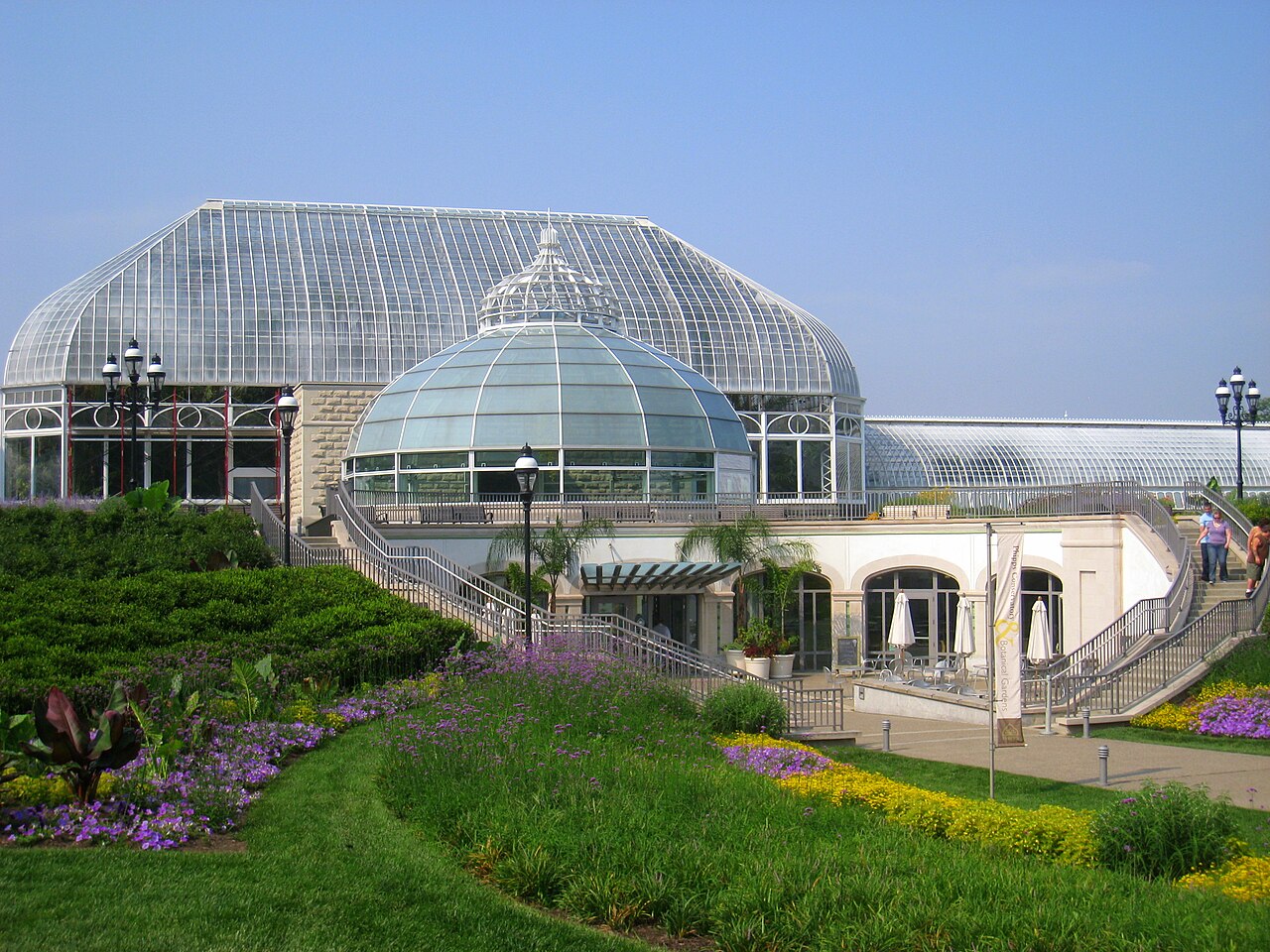
In 1993 management passed from the city to a private nonprofit, with the city keeping ownership. An expansion programme announced in 2003 produced a Welcome Center under a neo-Victorian dome (2005), production greenhouses and the Tropical Forest Conservatory (2006), and the Center for Sustainable Landscapes, which opened in December 2012. The Nature Lab (2015) and the Exhibit Staging Center (2018) added two more net-zero energy buildings.
Architecture and engineering
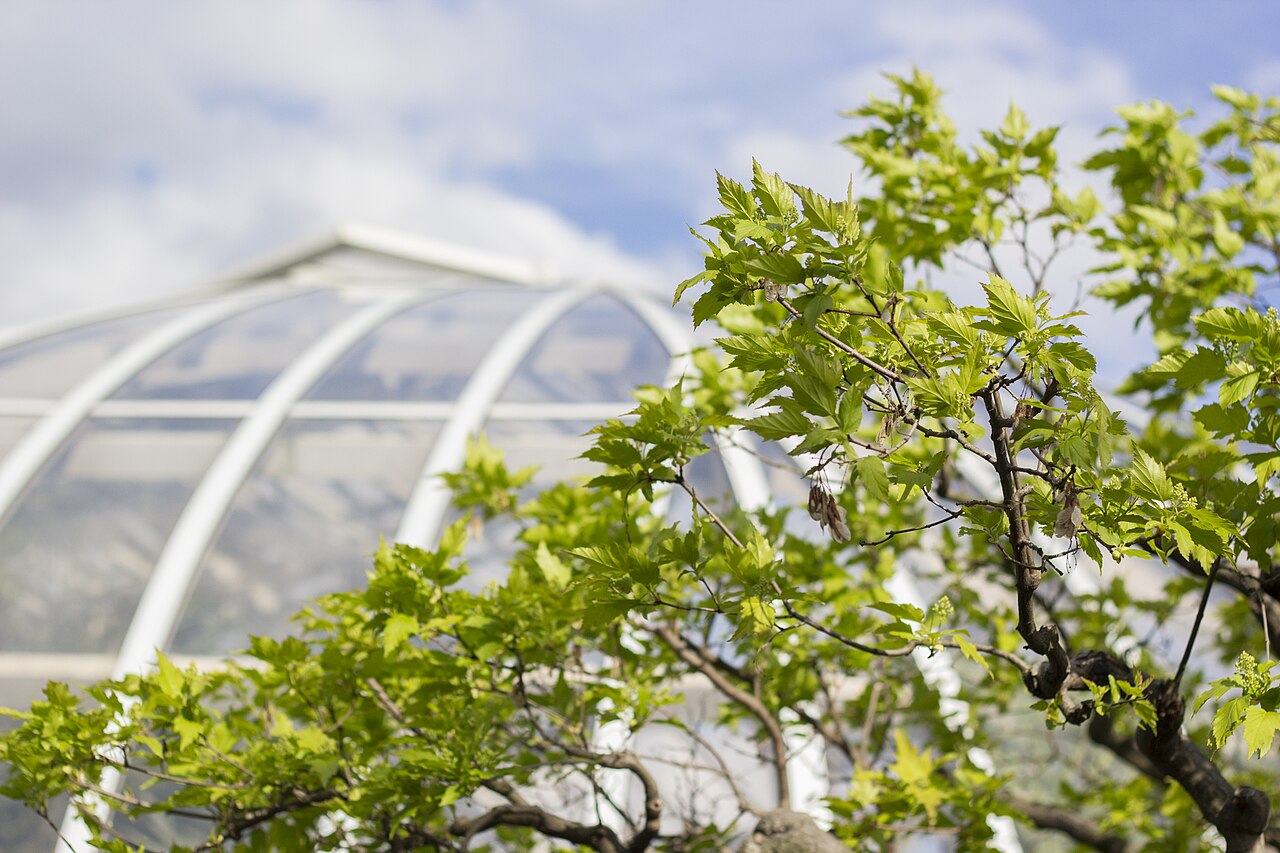
The historic glasshouse is a fine example of Victorian greenhouse design, admired for its intricate glass and metalwork. Visitors enter through the Palm Court, a Victorian-inspired room, from which the building unfolds in successive wings: the Victoria Room in the east wing, set around a large central pool, links the Broderie Room, the East Room and the Sunken Garden. The conservatory now has fourteen rooms.
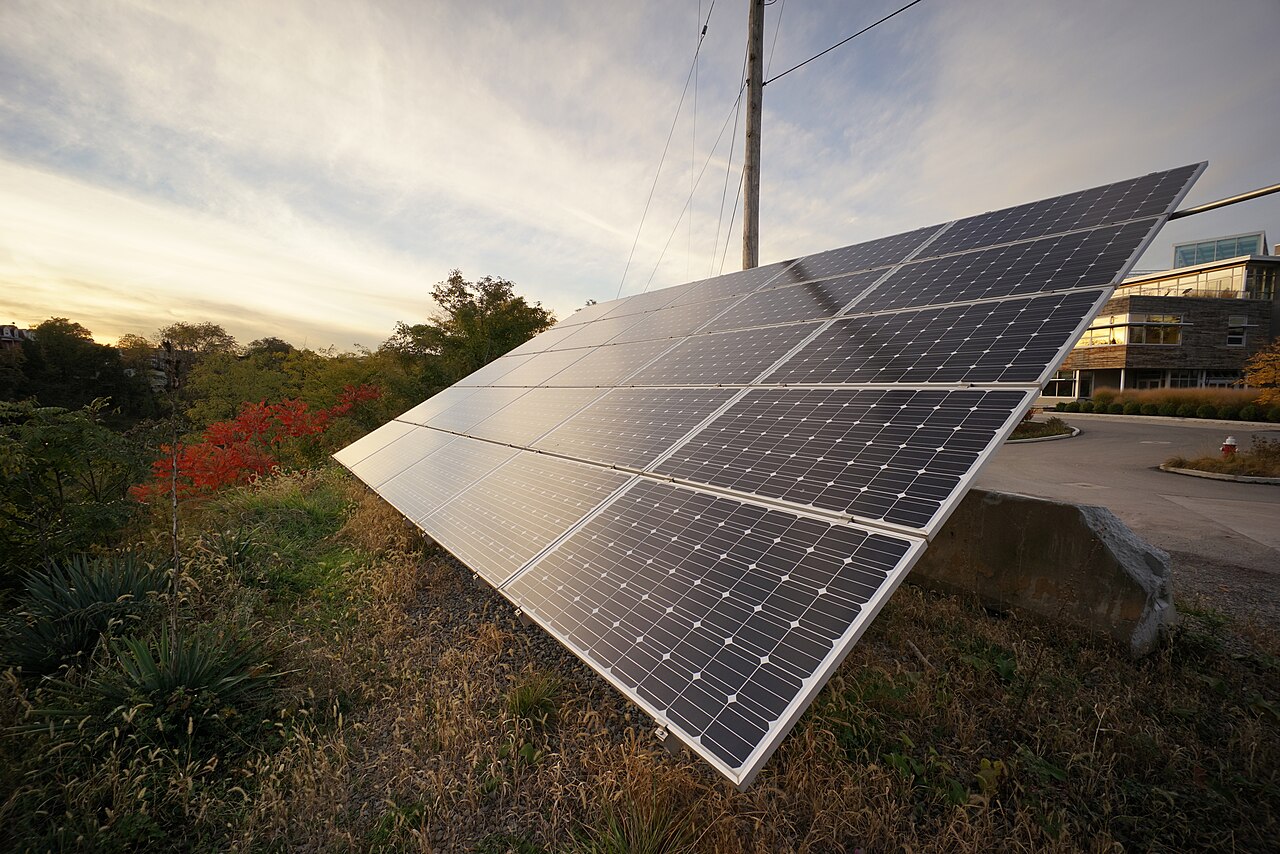
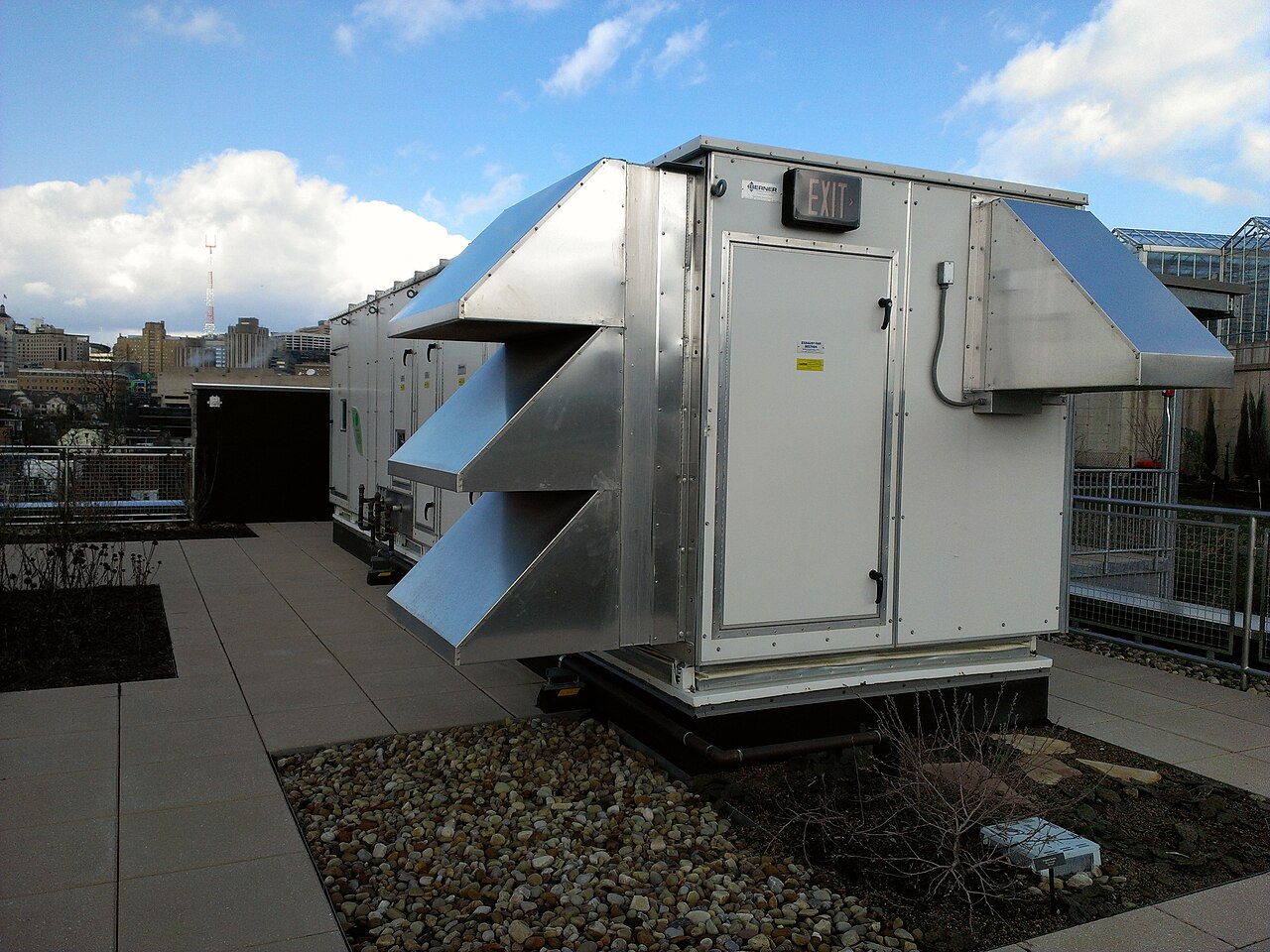
The twenty-first-century additions turned Phipps into a testing ground for sustainable building. The 2005 Welcome Center is described as the first LEED-certified visitor centre in a public garden, and the production greenhouses earned LEED Platinum. The 2006 Tropical Forest Conservatory was designed for very low energy use. The Center for Sustainable Landscapes generates all its own energy, treats and reuses the water it captures, and holds Living Building Challenge, LEED Platinum, WELL and SITES certifications, among others.
Plant collections
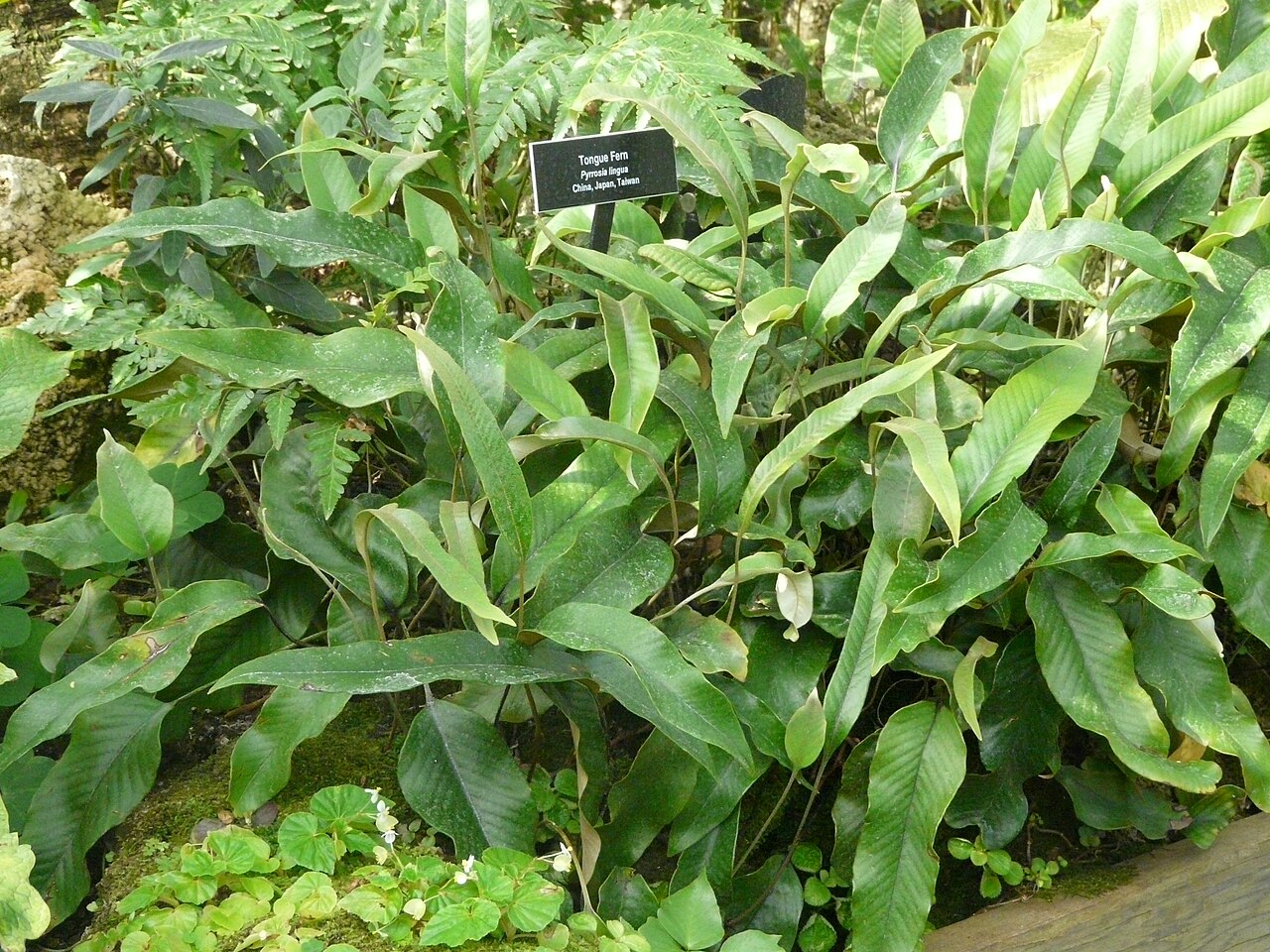
The historic rooms combine palms in the Palm Court (triangle palm, açaí, flame thrower palm), tropical ferns and gymnosperms in the Fern Room, orchids on show year-round in the Orchid Room, desert plants such as saguaro, Joshua tree and palo verde, and tropical fruit and spice plants. The Barbara Tisherman Slipper Orchid Collection is accredited by the Plant Collections Network. A bonsai collection, both tropical and hardy, and endangered cycads round out the holdings.
The Tropical Forest Conservatory changes region roughly every three years: Thailand (2006), Peru (2009), India (2012), Congo (2015), Cuba (2018), Hawaii (2022) and Panama (2025). The South Conservatory hosts the seasonal flower shows and, since 1999, a garden railroad in autumn and winter. Dale Chihuly glass pieces, acquired after a 2007 exhibition, remain on display throughout the rooms.
Visiting
Phipps occupies part of Schenley Park, one of Pittsburgh's large city parks. A visit starts in the Welcome Center under its neo-Victorian dome, passes through the Palm Court and follows the historic rooms before reaching the Tropical Forest and the outdoor gardens. Seasonal flower shows in the South Conservatory change the scenery several times a year, with the garden railroad taking over in autumn and winter. The Center for Sustainable Landscapes, planted with species native to the region, is a worthwhile addition for anyone interested in ecological architecture.
40.44° N, 79.95° W
Greenhouses nearby
Architecture nearby
More greenhouses — United States
Do you have a good photo of this greenhouse? Suggest it for this page →
Sources (5)
- phipps.conservatory.org/visit-and-explore/explore/explore-our-history/
- phipps.conservatory.org/visit-and-explore/explore/plant-collections/
- phipps.conservatory.org/green-innovation/at-phipps/green-evolution-timeline/
- en.wikipedia.org/wiki/Phipps_Conservatory_and_Botanical_Gardens
- de.wikipedia.org/wiki/Phipps_Conservatory_and_Botanical_Gardens
Affiliate links — booking through Verrière helps fund our research, at no extra cost to you.