Howard Peters Rawlings Conservatory
Baltimore, Maryland

Sources checked September 2026
- Year
- 1888
- Architect
- George A. Frederick
- Style
- Victorian
- Dimensions
- 5 greenhouses (Palm House, Orchid Room, Mediterranean House, Tropical House, Desert House) on a 0.6-hectare site
- Status
- In operation
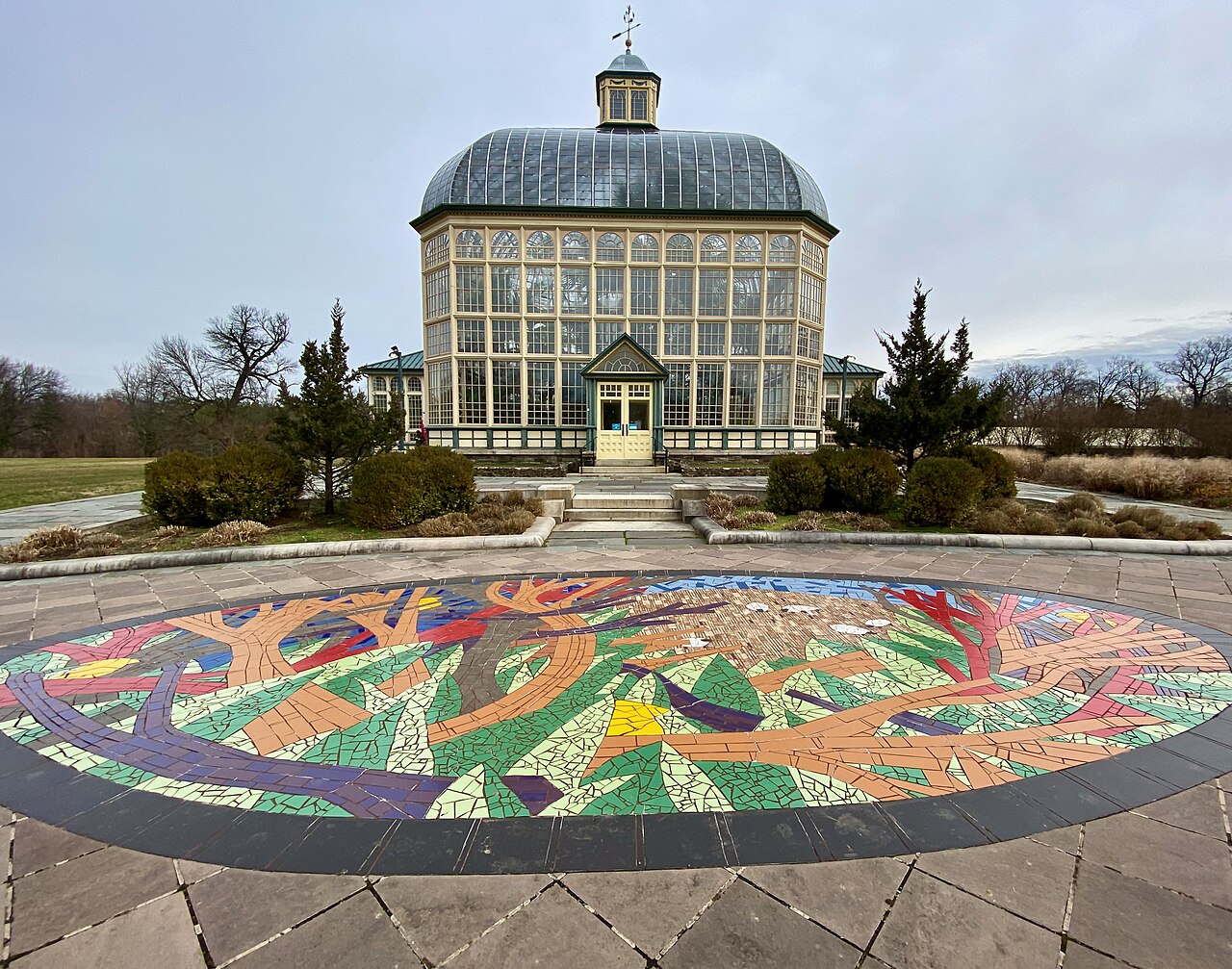
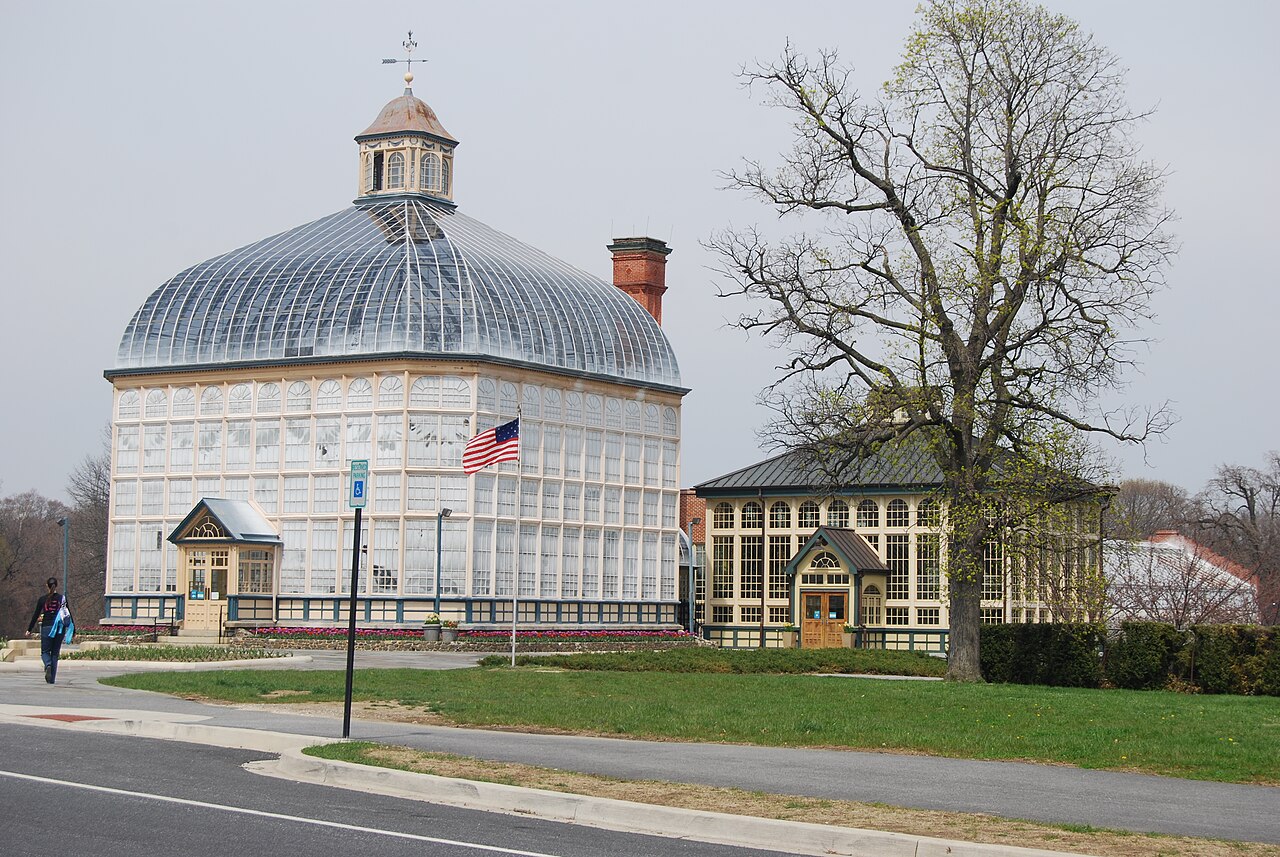
Opened to the public on August 26, 1888, in Druid Hill Park, this greenhouse was designed by George A. Frederick, the architect of Baltimore's City Hall. It ranks as the second-oldest public glass conservatory still standing in the United States, preceded only by a handful of earlier examples. Its complex comprises five distinct spaces: the original Palm House, an Orchid Room, a Mediterranean House, a Tropical House and a Desert House. Renamed in honor of state senator Howard Peters Rawlings, it is listed on the National Register of Historic Places and designated a Baltimore city landmark.
Affiliate links — booking through Verrière helps fund our research, at no extra cost to you.
History
The idea of a botanical conservatory in Druid Hill Park dates back to 1874, when Baltimore's park commissioners set aside ground for one. The plan lapsed and was revived in 1885. As part of the preparations, committee member Abbott Kenny travelled to Kew Gardens outside London, whose glasshouses served as the model. The design went to George A. Frederick, the city's park architect, and the building was put up by Baltimore workmen.
Known at first as the Druid Hill Conservatory, it opened on August 26, 1888, with some three hundred people attending. The original core consisted of the Palm House and the Orchid Room.
Production greenhouses were added over the years. In 2002 the conservatory closed for a major renovation, during which those growing houses were rebuilt as three display houses: the Mediterranean House, the Tropical House and the Desert House. It reopened on September 24, 2004, and shortly afterwards was renamed by law the Howard Peters Rawlings Conservatory & Botanic Gardens, in honour of Howard "Pete" Rawlings, former chairman of the Appropriations Committee of the Maryland House of Delegates. The conservatory describes itself as the second-oldest iron-framed glass building still in use in the United States.
Architecture and engineering
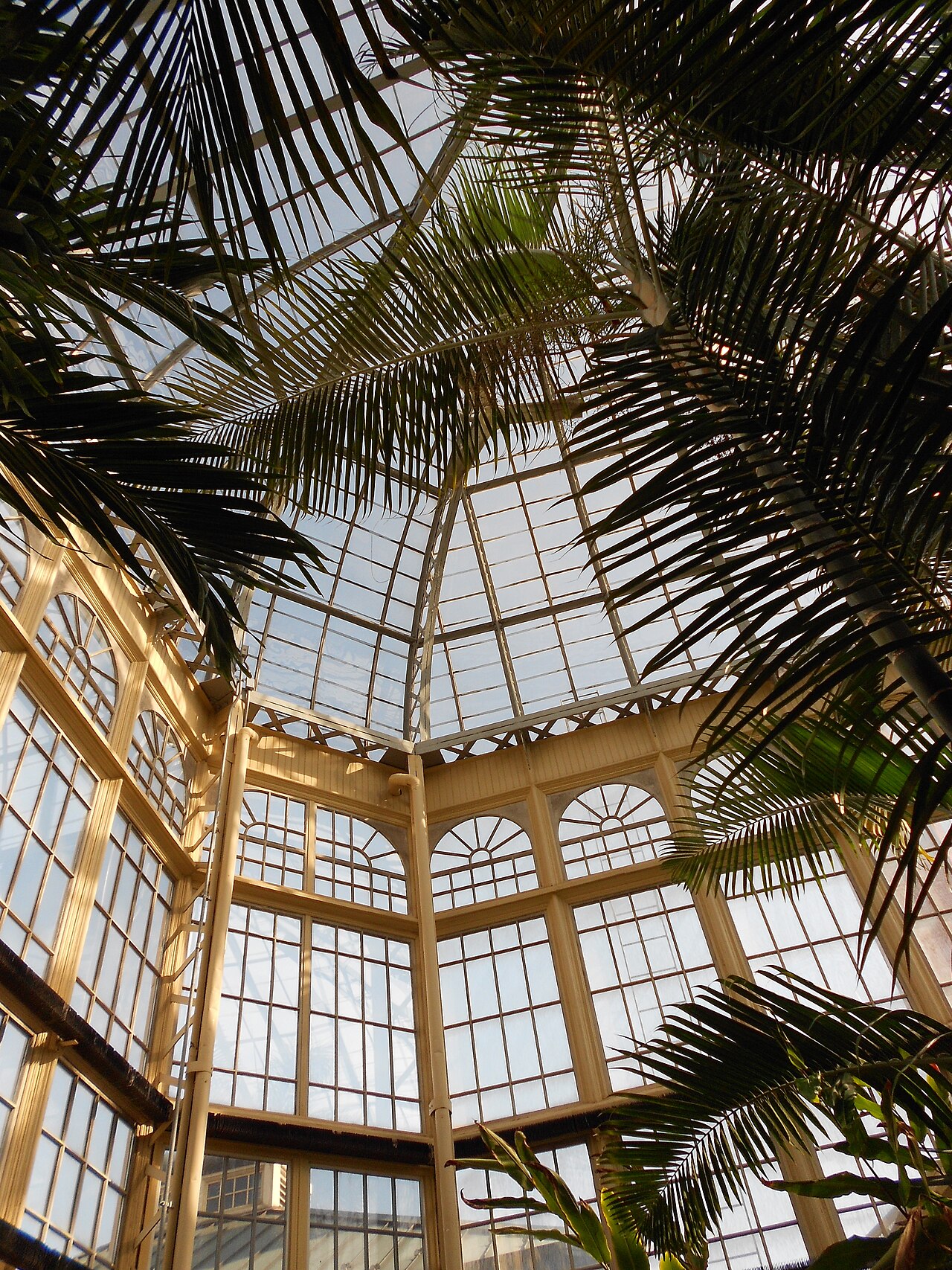
The 1888 building combines an iron and timber frame with large expanses of glass, following the British Victorian glasshouse tradition for which Kew was the reference. The Palm House, a glazed hall, forms the centrepiece, with the Orchid Room attached to it.
The three houses created in the 2002–2004 renovation on the site of the old growing houses each reproduce a distinct climate: Mediterranean, humid tropical and desert. Altogether the complex offers five environments under glass, laid out with walkways and benches.
Outside, a garden of about half an acre (0.2 hectare) is planted with beds of perennials and annuals, and two display pavilions complete the site, doubling as venues for receptions.
Plant collections
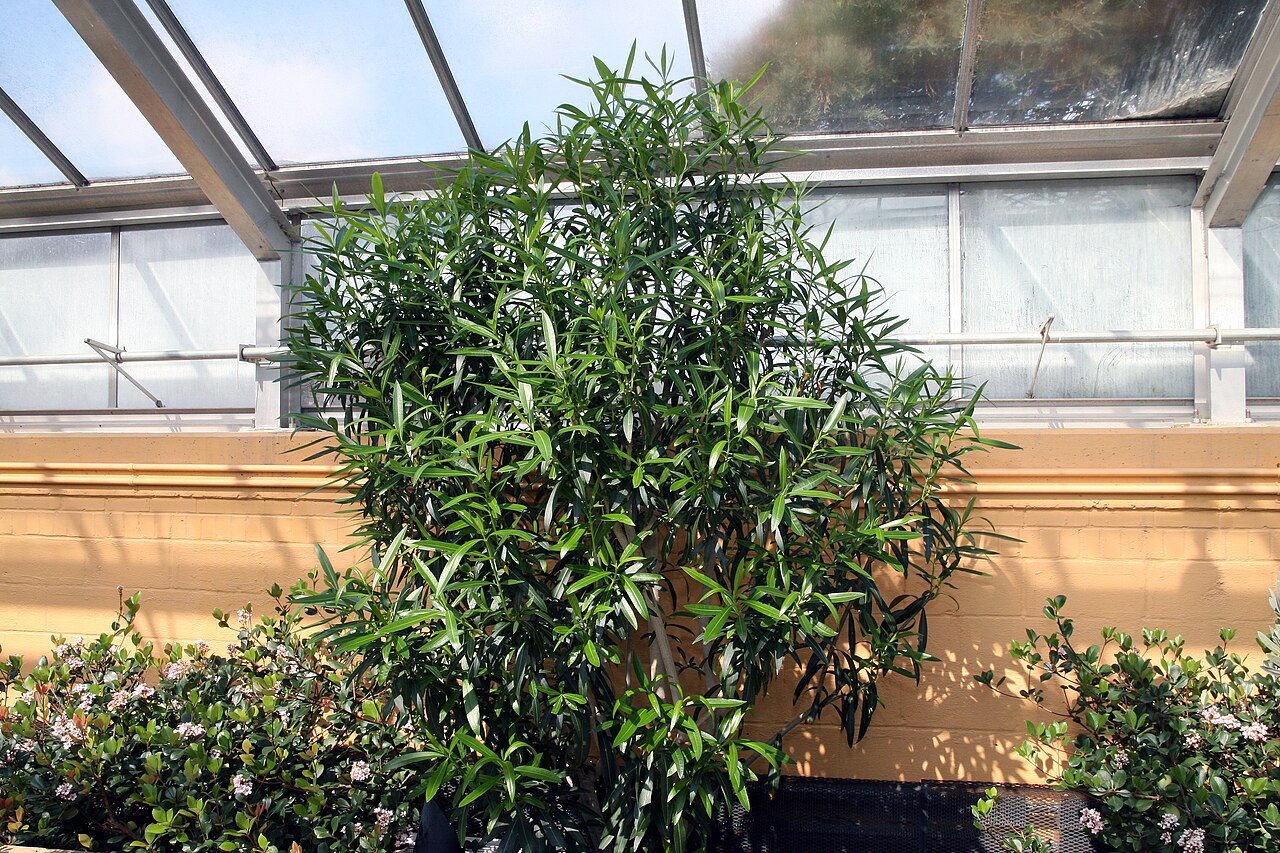
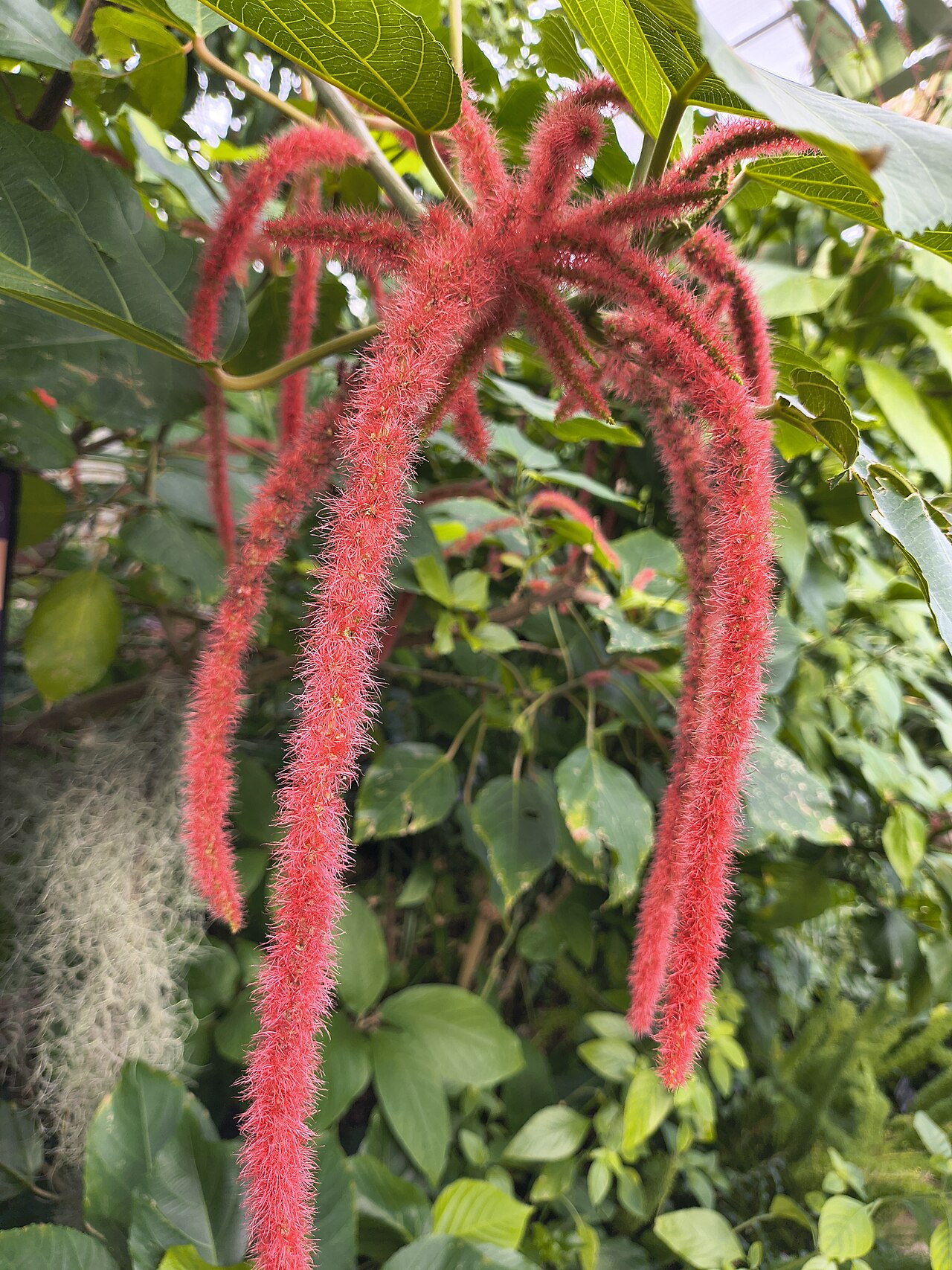
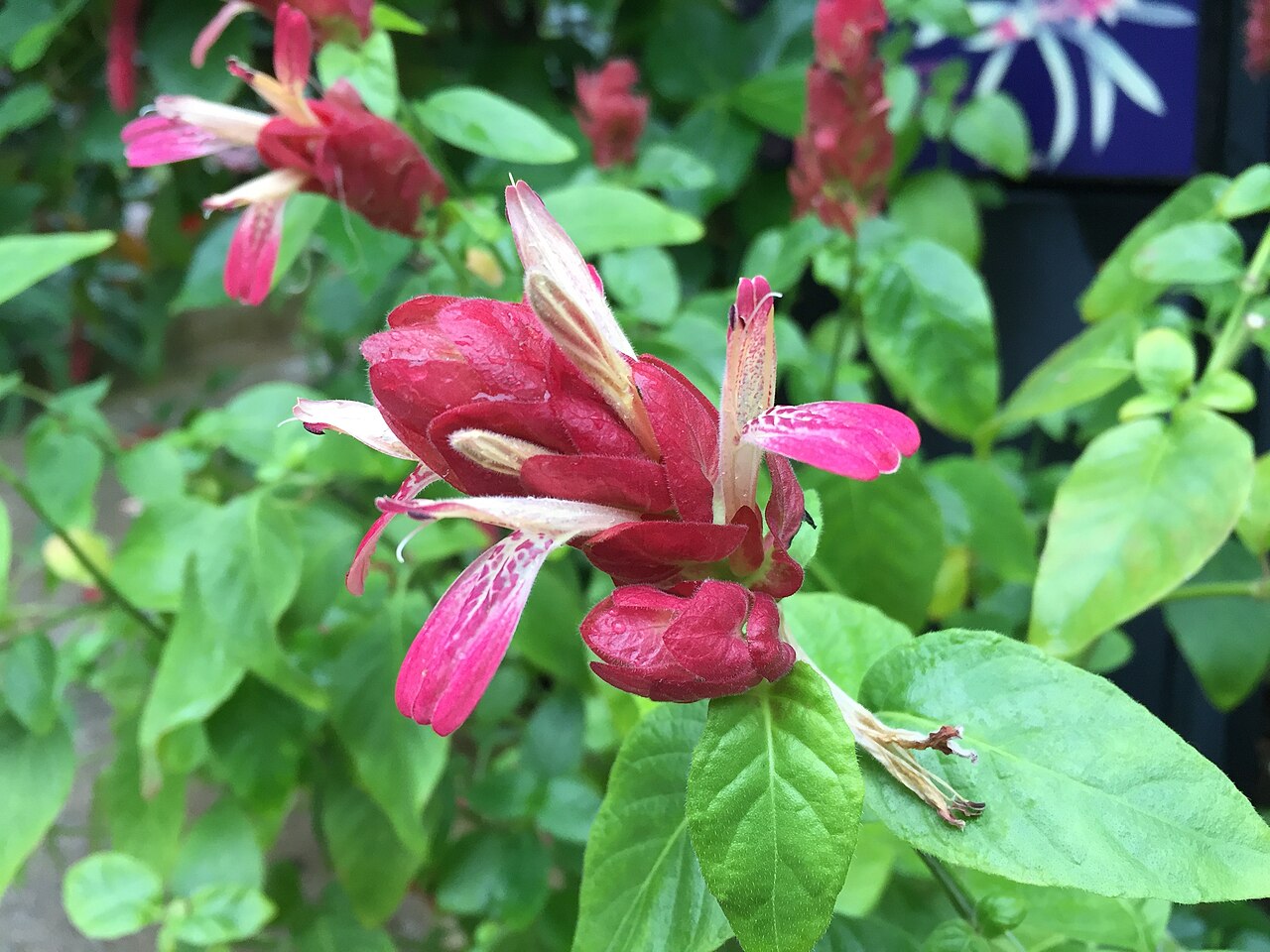
The Palm House holds palms and tropical plants, and in summer pineapples fruit there. The Orchid Room shows orchids year-round, such as Phalaenopsis in spring and Myrmecophila tibicinis in summer. The Desert House gathers cacti and succulents, including the desert rose (Adenium obesum) and Sansevieria hallii, with cactus flowering at its peak in the warmer months. The Mediterranean House and the Tropical House round out the sequence with plants of dry-summer climates and humid forests.
Two seasonal displays mark the calendar: tulips, hyacinths, daffodils and grape hyacinths in spring, and poinsettias over the holidays.
Visiting
The conservatory sits in Druid Hill Park, one of Baltimore's great historic parks, which is also home to the Maryland Zoo, opened in 1876, and to Druid Lake, a reservoir created in 1863. An hour or so covers the glasshouses, plus the outdoor garden in the warmer months.
The spring bulb display and the holiday poinsettias are the most colourful times to come. From June to September the Druid Hill Farmers' Market runs nearby, with free weekly programming including concerts. A historical marker next to the glasshouse recalls the 1948 protest against segregation on the park's tennis courts.
39.32° N, 76.65° W
Greenhouses nearby
Architecture nearby
More greenhouses — United States
Do you have a good photo of this greenhouse? Suggest it for this page →
Affiliate links — booking through Verrière helps fund our research, at no extra cost to you.