Staklenik of the Jevremovac Botanical Garden
Belgrade

Sources checked October 2026
- Year
- 1892
- Style
- Victorian style, central dome flanked by two wings
- Dimensions
- About 1,000 tropical, subtropical, and Mediterranean species
- Status
- Open to the public
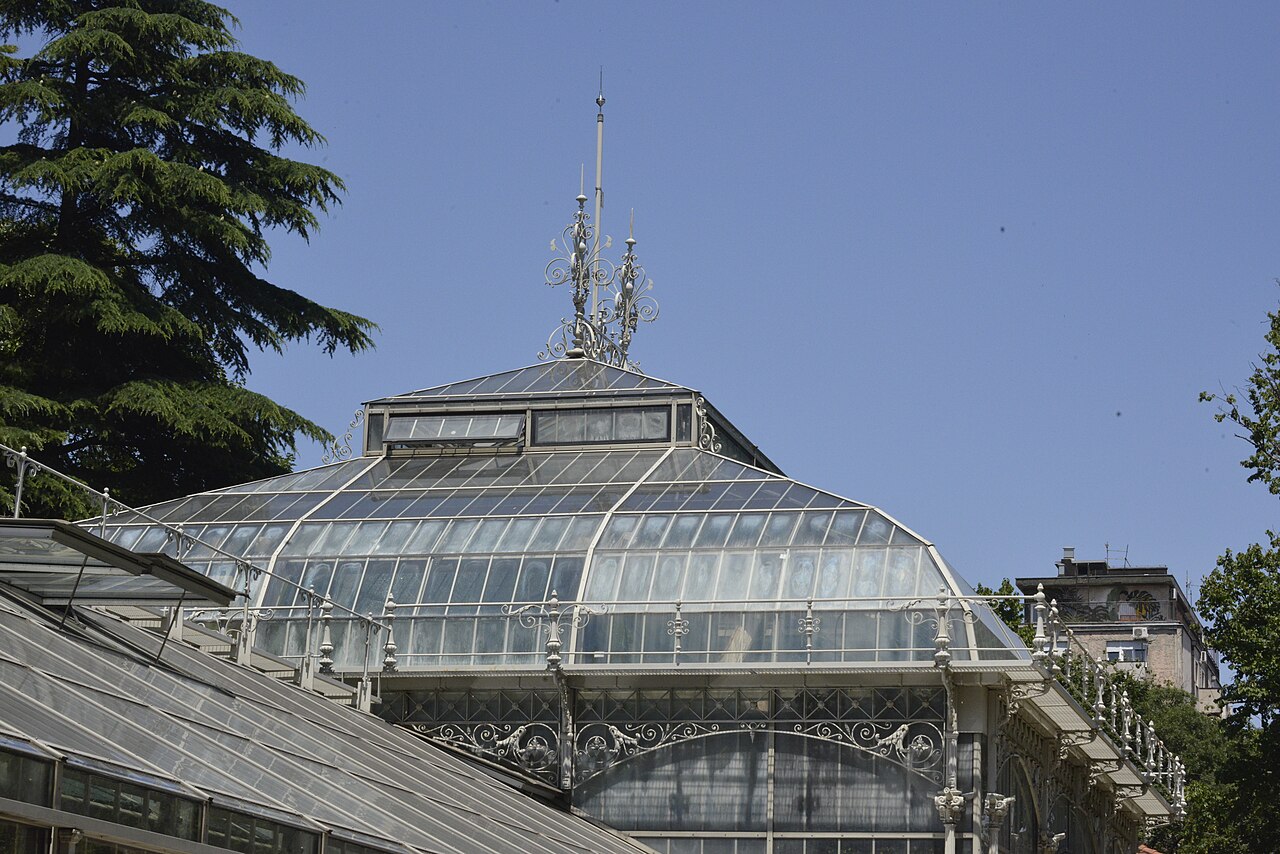
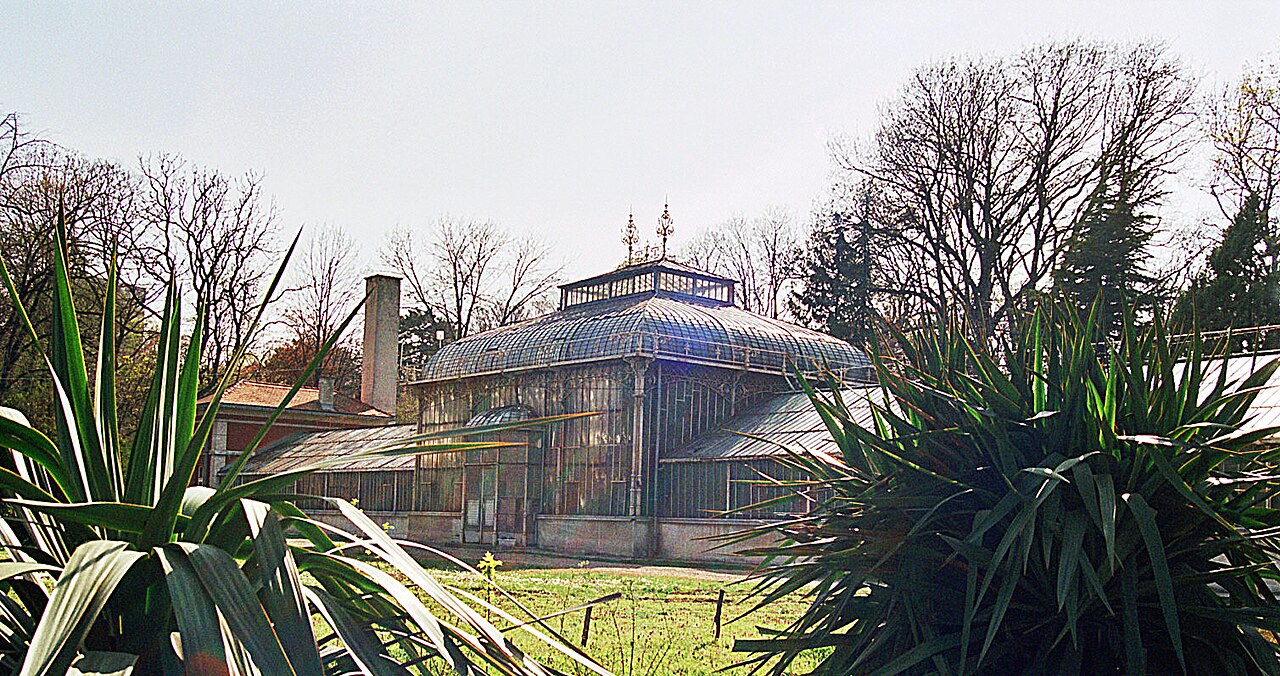
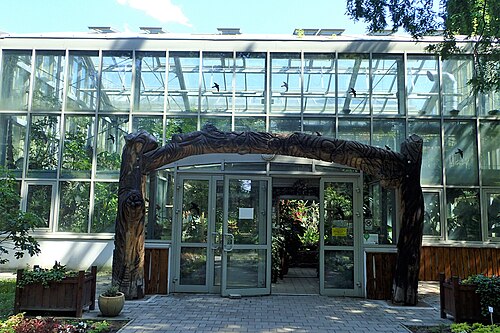
The Jevremovac Botanical Garden, laid out from 1889 in the very center of Belgrade, on land given by King Milan Obrenović, received its emblematic greenhouse in 1892. Built in Victorian style with a central dome flanked by two symmetrical wings, it today houses nearly a thousand tropical, subtropical, and Mediterranean species. Fully restored in 2014, it has since been recognized as part of the Serbian capital's cultural heritage.
Affiliate links — booking through Verrière helps fund our research, at no extra cost to you.
History
Serbia's first botanical garden was founded in 1874 by the Ministry of Education, on the proposal of the physician and botanist Josif Pančić, on the Danube bank at Dorćol. The floods of 1888 and 1889 wiped out its collections. On 15 August 1889 King Milan Obrenović gave the Great School of Belgrade an estate of about five hectares, a former orchard inherited from his grandfather, on condition that it be named Jevremovac in memory of Jevrem Obrenović.
By 1892 the garden had a large glasshouse bought from a Dresden firm, recorded in Serbian sources as Mozentin, shipped in parts and reassembled on site in about six months. At the time it was one of the largest glasshouses in this part of Europe. It was rebuilt once in 1970 but later deteriorated: in June 2005 part of the structure collapsed and a wall had to be propped up.
Protected as an architectural monument, the glasshouse was completely dismantled and rebuilt between 2012 and 2014. The work was funded with €1.4 million from the EU's IPA pre-accession programme, which also paid for renovating the small propagation house. The renewed garden was formally reopened in early October 2014, on the 2nd or 3rd. The whole of Jevremovac has also been protected as a natural monument since a decision of the Serbian Parliament in 1995.
Architecture and engineering
The glasshouse covers about 500 square metres. Its symmetrical plan pairs a central domed pavilion with two side wings, in a style sources describe as Victorian with Secession touches. The iron frame and glazing were made in Dresden and shipped to Belgrade for assembly.
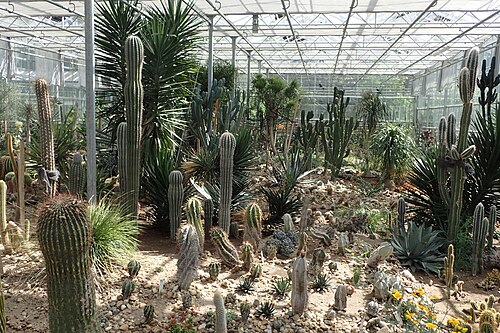
The two wings provide different conditions, one given over to tropical plants and the other to Mediterranean species, cacti and succulents, while the central section holds a varied mix. The 2012–2014 reconstruction kept the building's appearance while adding modern climate-control systems, as the restoration plan had proposed as early as 2006. The garden's boundary walls are protected alongside the glasshouse.
Plant collections
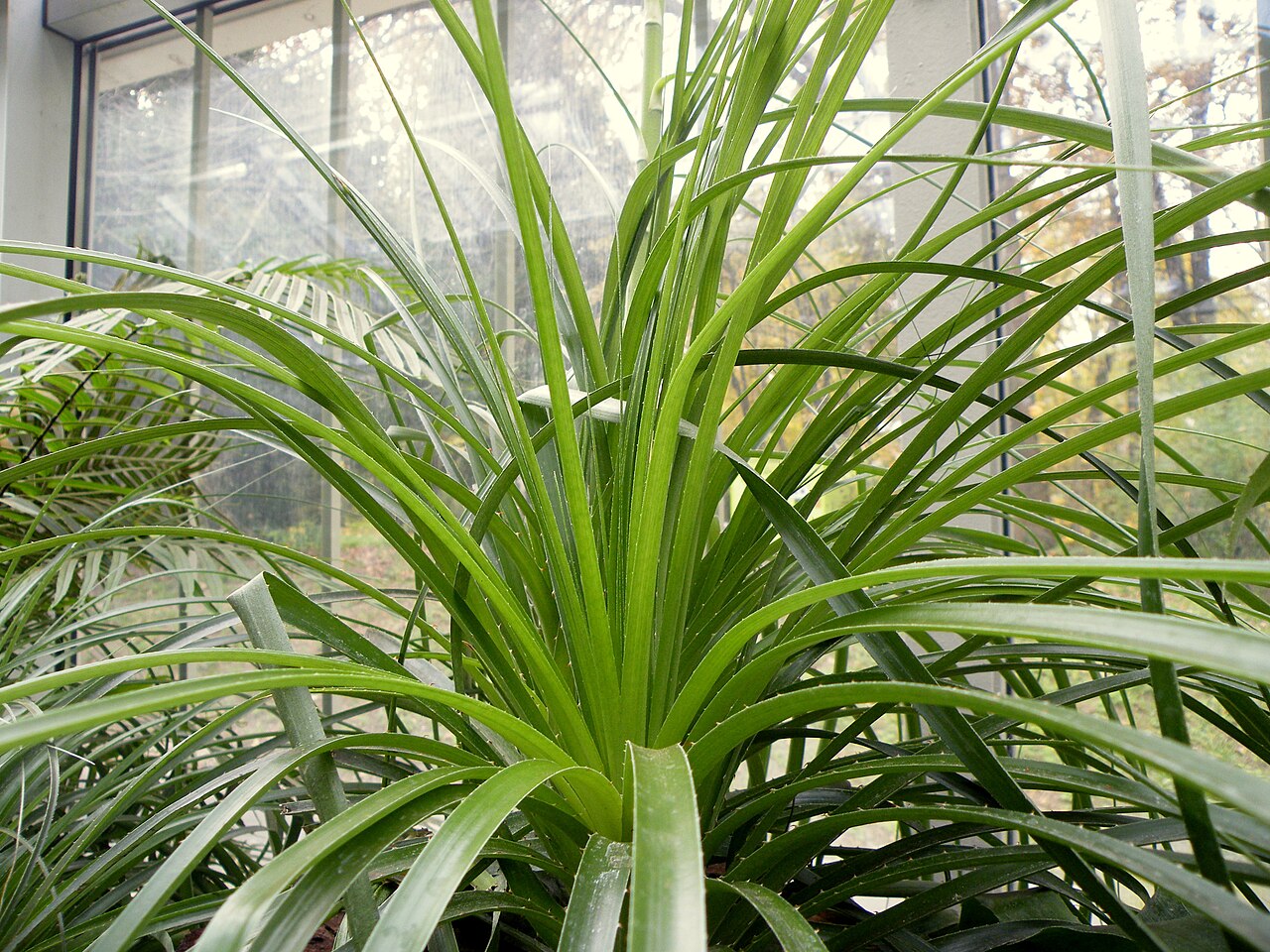
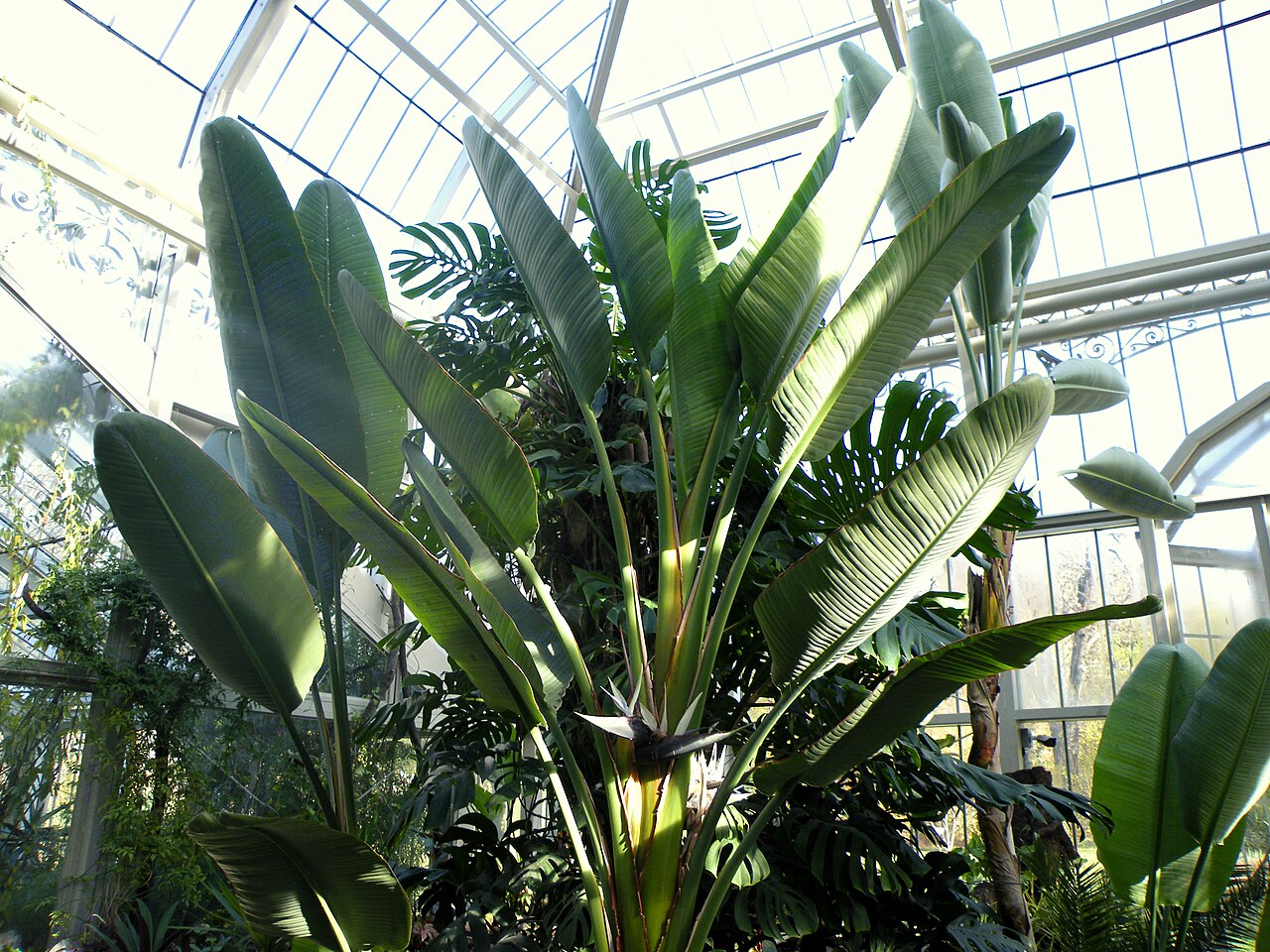
The glasshouse holds between 800 and just over 1,000 species, or about 1,100 according to the account given for the garden's 150th anniversary in 2024. It includes tropical and subtropical plants, Mediterranean species and a substantial collection of cacti and succulents, estimated at around 400 varieties.
The outdoor garden holds between 1,000 and more than 2,000 species on nearly five hectares. Its notable trees include a Macedonian oak (Quercus trojana) about 150 years old, listed as a natural monument. At the 2014 reopening, officials planted a Serbian spruce (Picea omorika), the endemic tree discovered by the garden's founder, Pančić.
Visiting
Jevremovac is a green enclave in central Belgrade, in the Palilula municipality, and also serves as the teaching and research garden of the Faculty of Biology, which keeps Pančić's herbarium there. The glasshouse sits at the heart of the route and takes about half an hour to see. The walk can continue to the Japanese garden, opened in 2004 around a spring-fed lily pond, and to the Pollinators' Oasis created in 2023 with the Smithsonian Institution. Spring and early summer are the best seasons for the outdoor garden.
44.82° N, 20.47° E
Greenhouses nearby
Architecture nearby
Do you have a good photo of this greenhouse? Suggest it for this page →
Sources (7)
- starigrad.org.rs/bastina/botanicka-basta/?script=lat
- naukakrozprice.rs/kako-je-podignut-jevremovac/
- danas.rs/vesti/beograd/svecano-otvorena-botanicka-basta-jevremovac/
- politika.rs/sr/clanak/16150/Стакленик-под-заштитом
- n1info.rs/vesti/znate-li-gde-se-prvo-nalazila-botanicka-basta-u-beogradu-150-godina-jevrem
- en.wikipedia.org/wiki/Jevremovac
- openstreetmap.org/way/150468563
Affiliate links — booking through Verrière helps fund our research, at no extra cost to you.