Siberian Botanical Garden Orangeries, Tomsk State University
Tomsk
Entry updated on October 3, 2026
- Year
- 1971–1973; 1985–1988
- Style
- Soviet-era metal-framed glasshouse complex
- Dimensions
- Central orangery 31 m high; 18 climate sections
- Status
- Open to the public
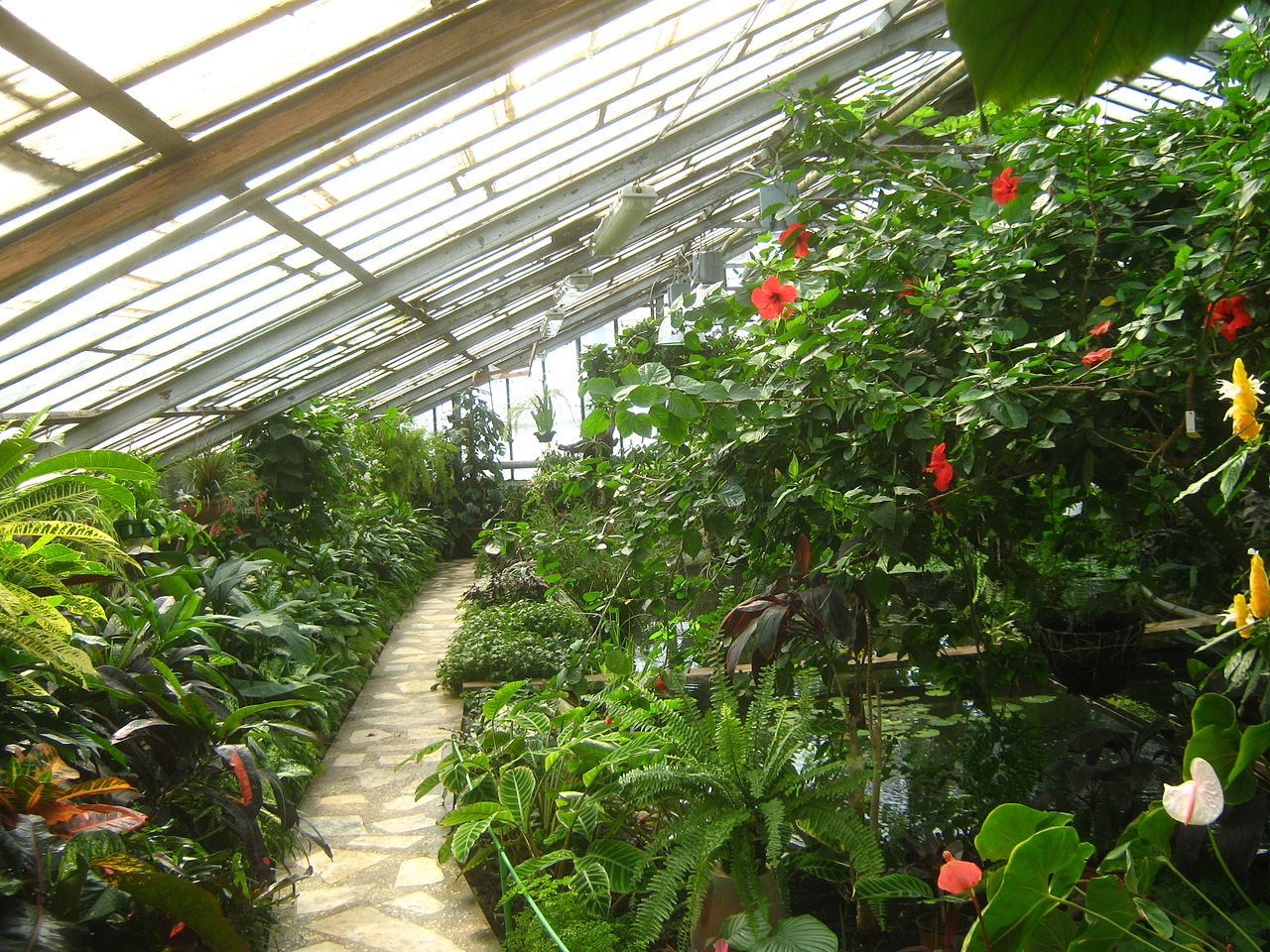
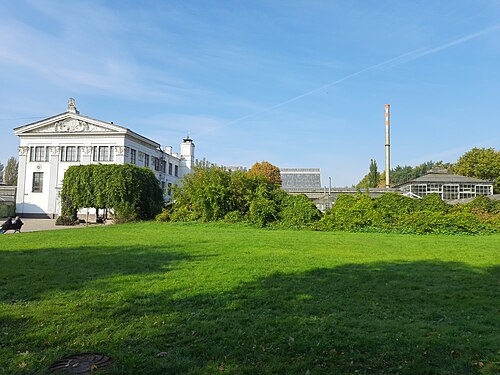
Laid out from 1880 for Tomsk University, the Siberian Botanical Garden is described as the first botanical garden in Asian Russia. Its first orangeries, designed by the architect Pavel Naranovich, were built in 1884–1885, and the botanist Porfiry Krylov installed some 700 pots of plants in them in 1885. The present complex, built between 1971 and 1988, has 18 climate sections and rises to 31 metres. About 4,000 tropical and subtropical taxa grow there, including an araucaria and a Howea palm more than a century old.
Affiliate links — booking through Verrière helps fund our research, at no extra cost to you.
History
1 min
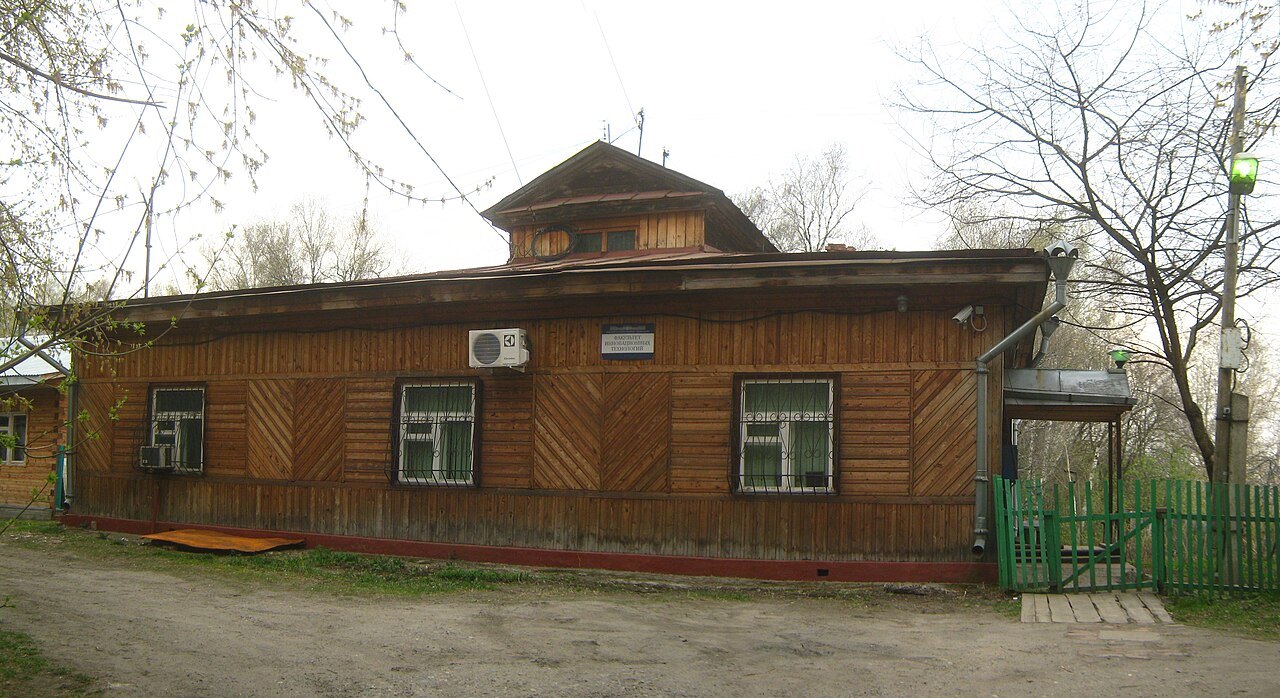
In 1875 the administration of Western Siberia ordered a site to be chosen for the future Siberian university in Tomsk. In summer 1880 V. M. Florinsky and the gardener M. A. Shestakov laid out the garden, and the orangeries were built in 1884–1885 to designs by the architect Pavel Naranovich. The botanist Porfiry Krylov arrived on 12 May 1885 with 60 species and about 700 pots of orangery plants; five specimens from that consignment are still alive. By 1888 the garden had a 473 m² orangery, 4 metres high and divided into three sections, one tropical and two subtropical, as well as a 93 m² gabled glasshouse.
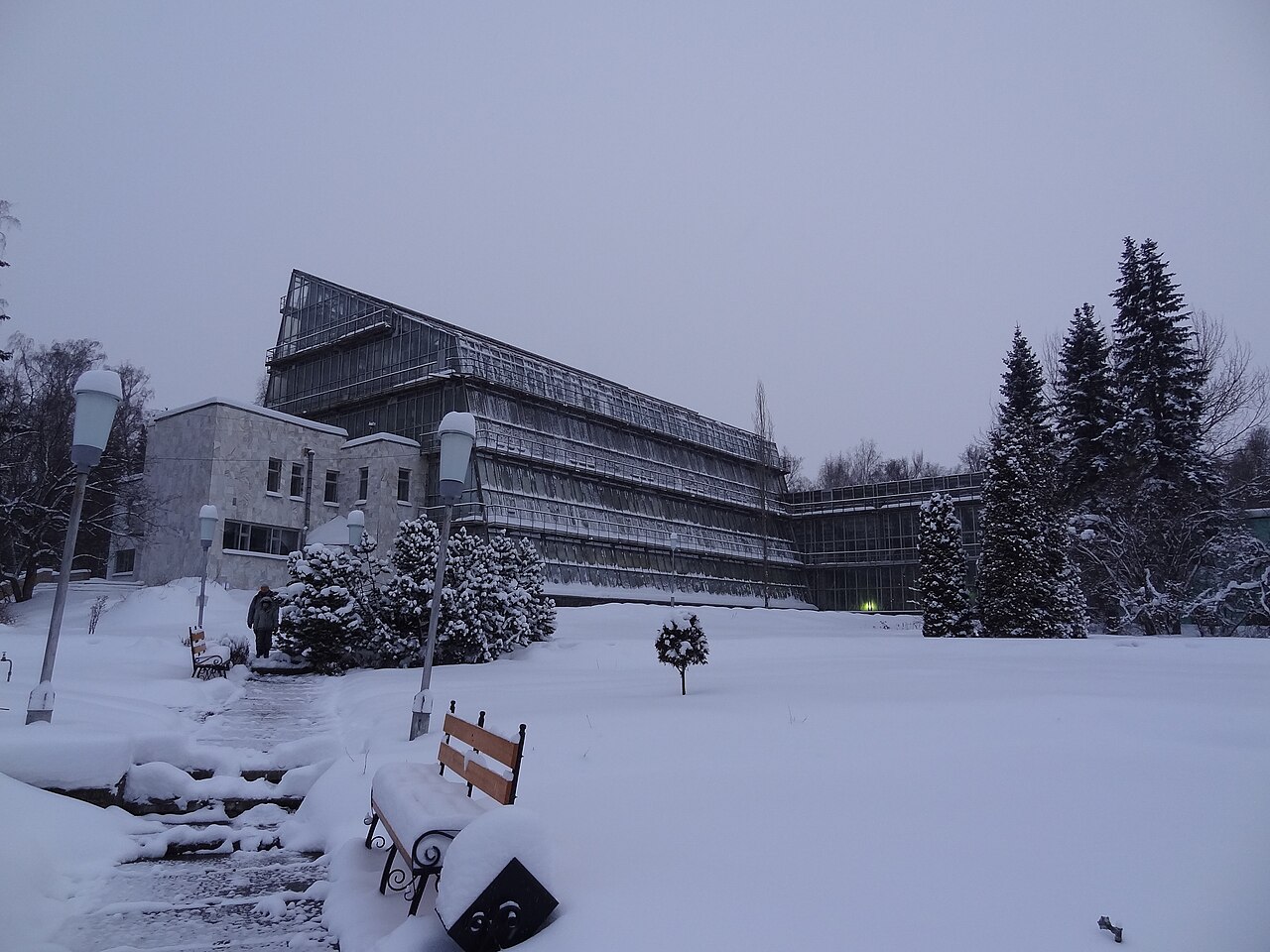
The Soviet period renewed the buildings: a tropical orangery built entirely on a metal structure went up in 1971–1973, followed in 1985–1988 by a subtropical complex with spaces 31 metres high. By 1980 the garden's collections already numbered 2,767 species, forms and cultivars and more than 10,000 specimens of tropical and subtropical plants. In 2004 the garden was designated a specially protected natural area of regional importance. It is now described as the first botanical garden in the Asian part of Russia.
Architecture and engineering
1 min
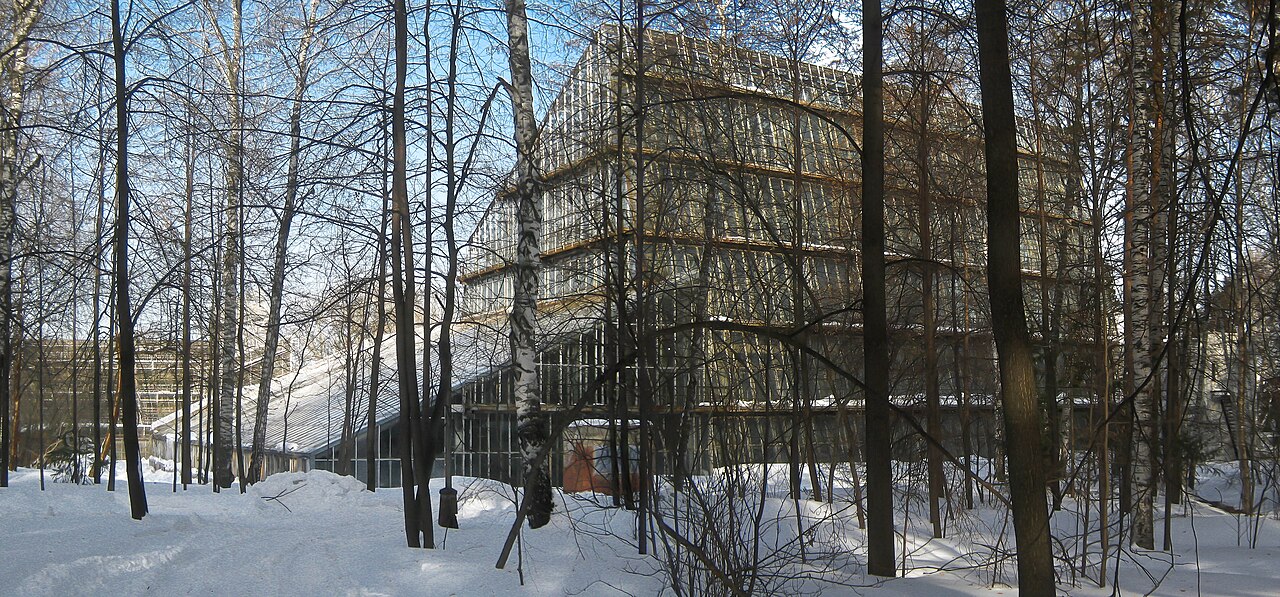
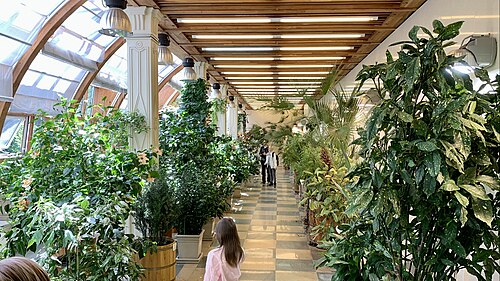
The present complex brings together several orangeries and glasshouses divided into 18 sections with distinct microclimates. The 1971–1973 tropical orangery rests on an all-metal frame; Wikipedia gives its height as 15 metres, while a 2020 local press article speaks of more than 20 metres.
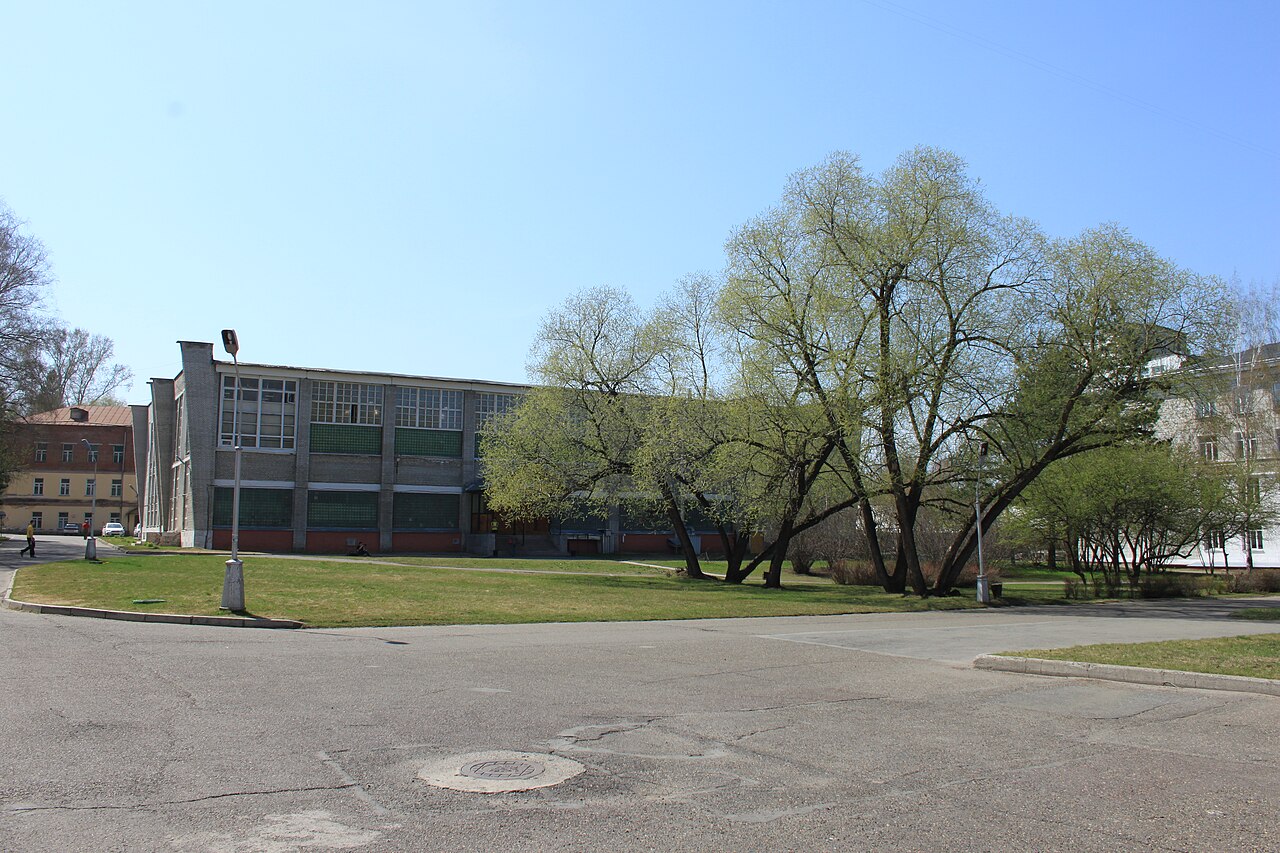
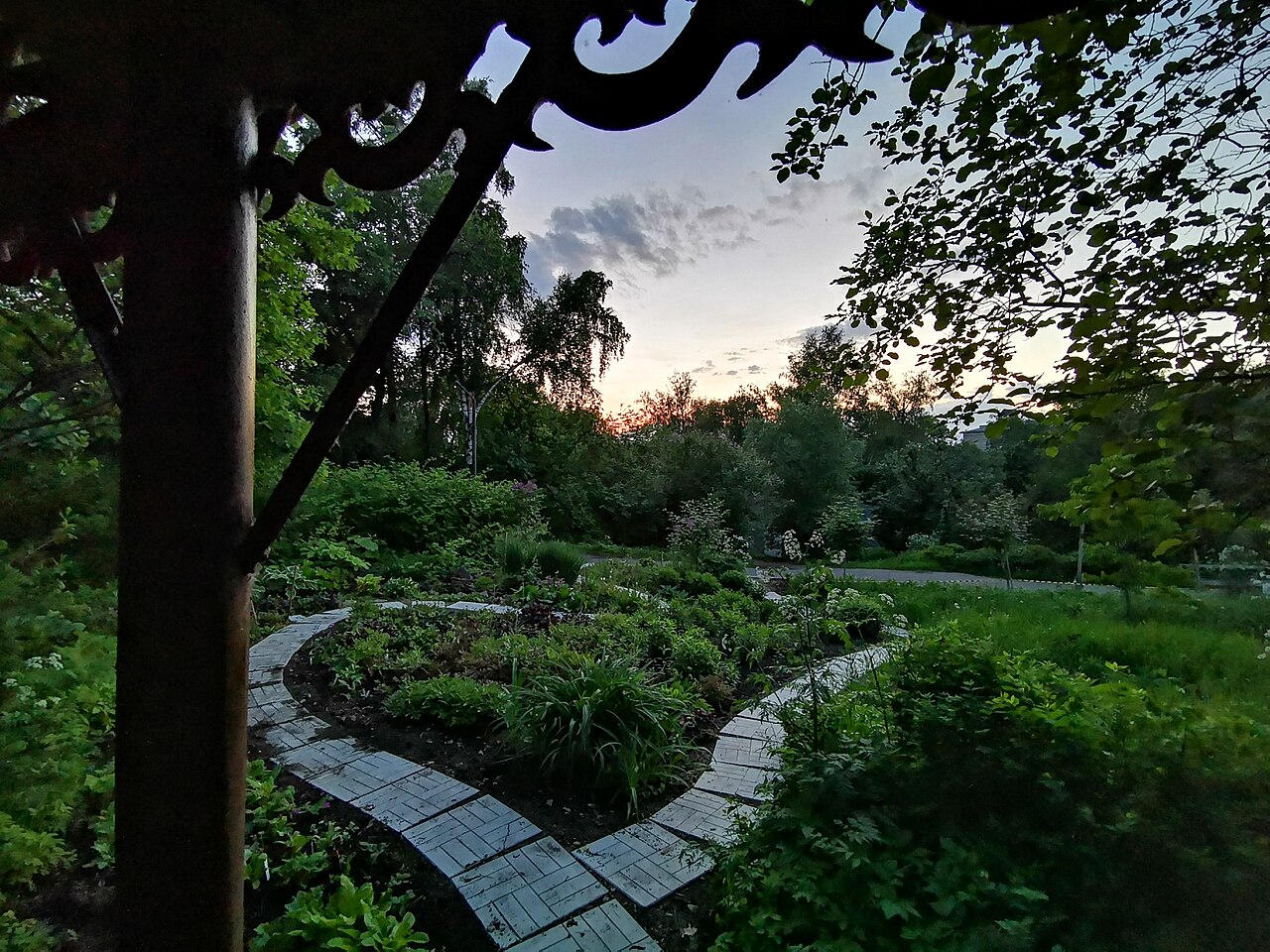
The 1985–1988 subtropical complex includes the central orangery, 31 metres high, designed for the large trees of the cool subtropics; Wikipedia ranks it among the tallest orangeries in the world. Plants reach unusual sizes here for a glasshouse: around 1980 a banana plant already stood 10 metres tall and the Araucaria bidwillii 14 metres. The complex stands in the protected part of the garden, a 10-hectare park within the institution's 126.5 hectares, next to the university's main building. The scale of change is clear when these halls are set against the first orangery of 1888, which was only 4 metres high.
Plant collections
1 min
The garden holds about 8,000 species, forms and cultivars, some 4,000 of them tropical and subtropical plants grown in the orangeries; a 2020 article puts the figure under glass at more than 4,500 species and varieties. The oldest specimens, 130 to 135 years old according to Wikipedia, date from Krylov's time: an Araucaria bidwillii, a Howea forsteriana palm from Lord Howe Island and a Southeast Asian climbing fig, Ficus sagittata. Another palm, more than 80 years old, exceeds 20 metres and is still growing. The orchid collection is described as the largest in Siberia, and the azaleas flower from February to April.
Visiting
1 min
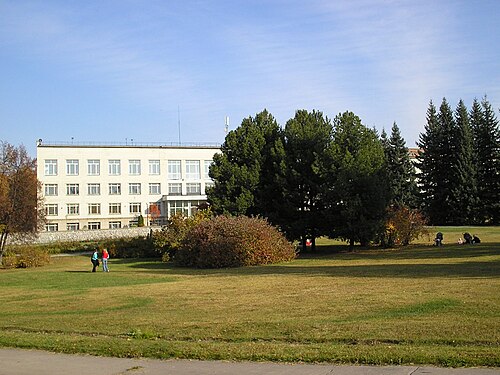
The garden lies in central Tomsk along Lenin Avenue, and its orangeries stand next to the main building of Tomsk State University. They receive about 25,000 visitors a year, mostly on organised tours; in 2020 the garden reopened them at weekends for paid self-guided visits. The azalea season, from February to April, is a good time to come. A visit can be extended into the protected 10-hectare park around the glasshouses and the rest of the university campus.
56.47° N, 84.95° E
Greenhouses nearby
More greenhouses — Russia
Do you have a good photo of this greenhouse? Suggest it for this page →