Victoriahuset (Victoria Greenhouse)
Bergianska trädgården, Stockholm

Sources checked September 2026
- Year
- 1899–1900
- Architect
- Ivan Örtendahl
- Style
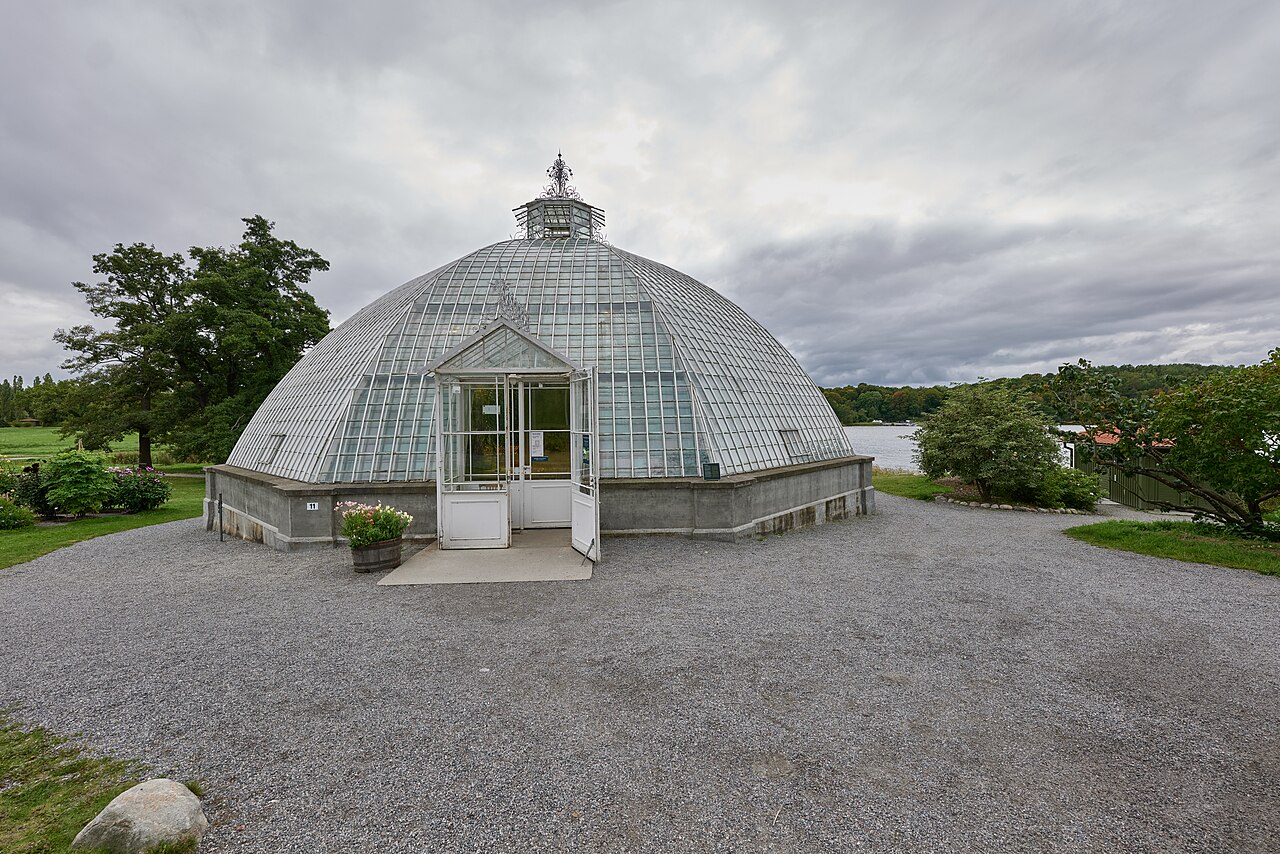
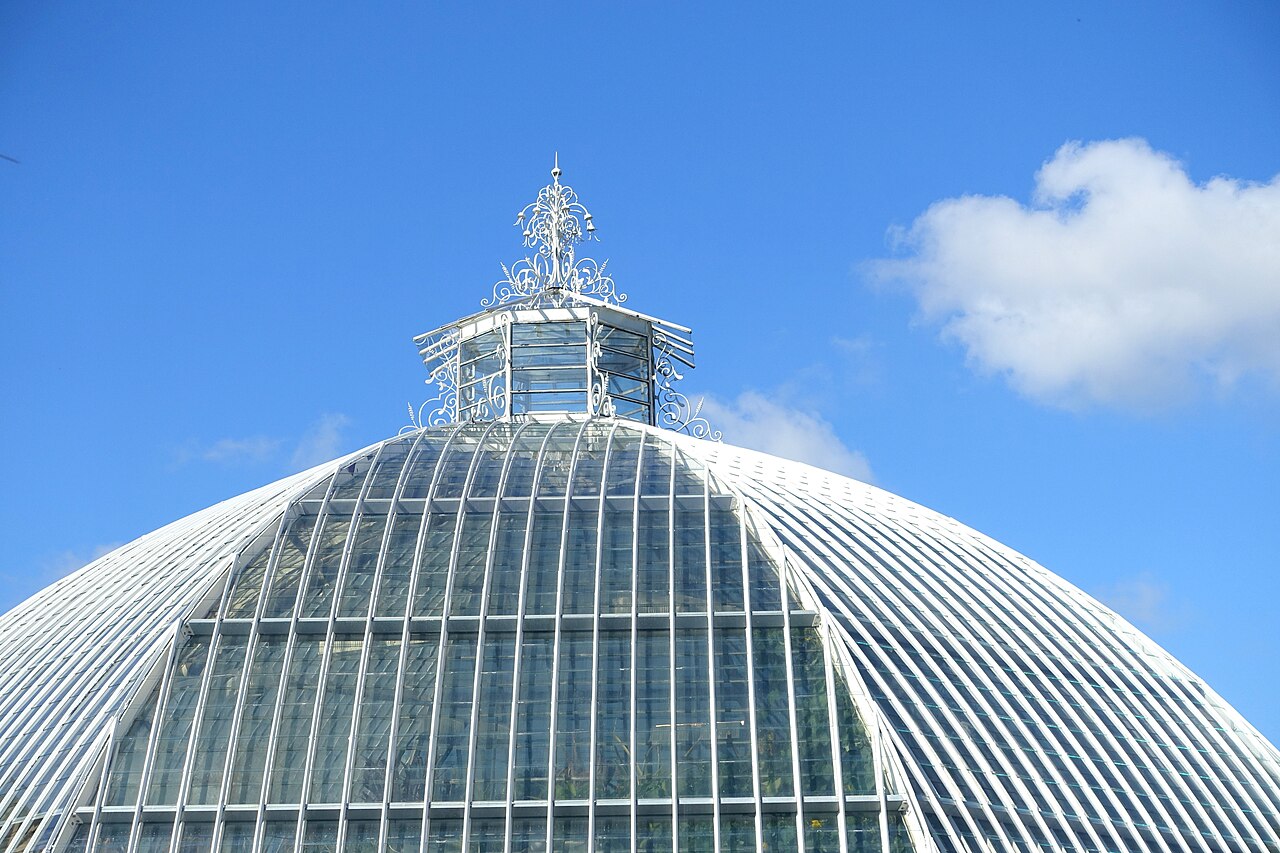
- Cast-iron and glass domed pavilion with an Art Nouveau roof lantern
- Status
- Open to the public from May to September
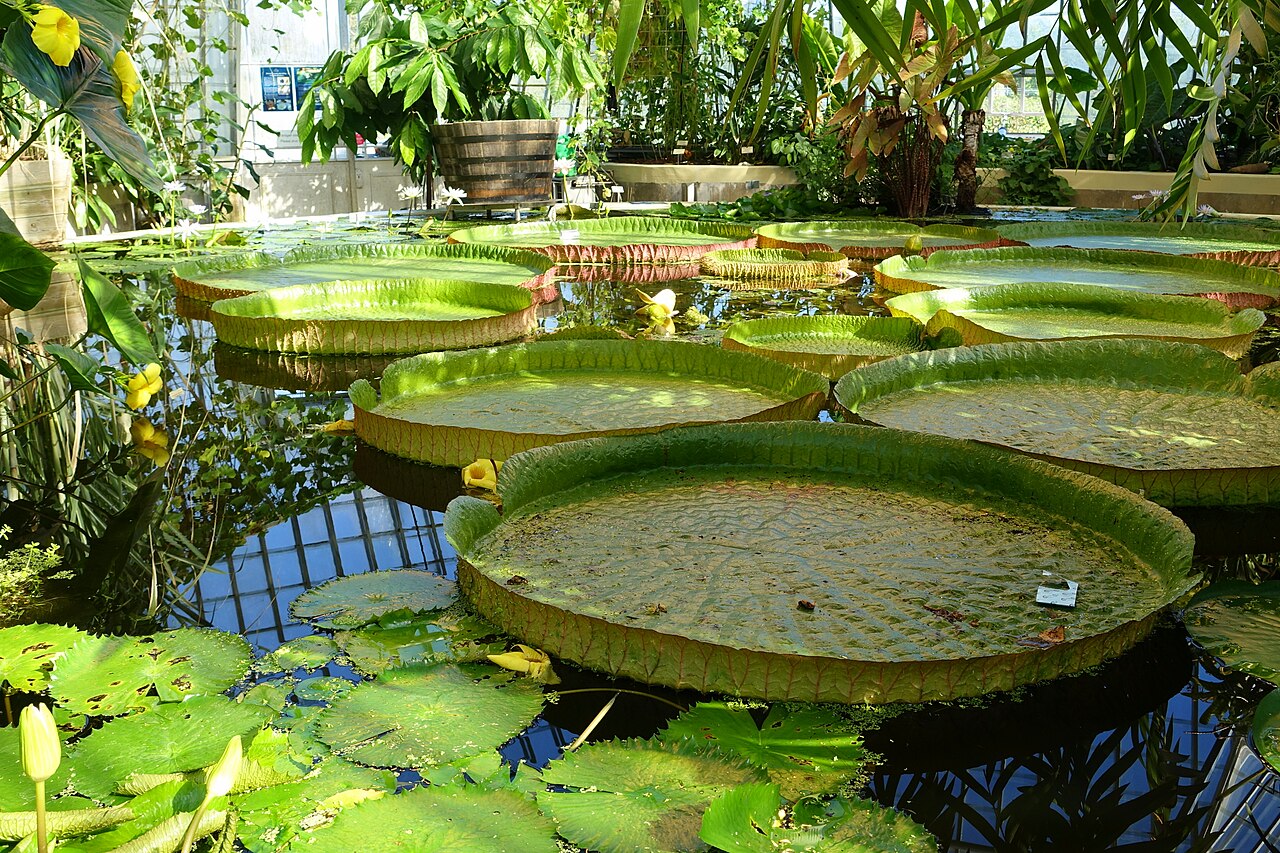
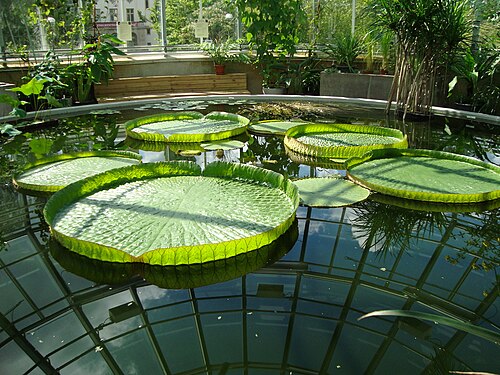
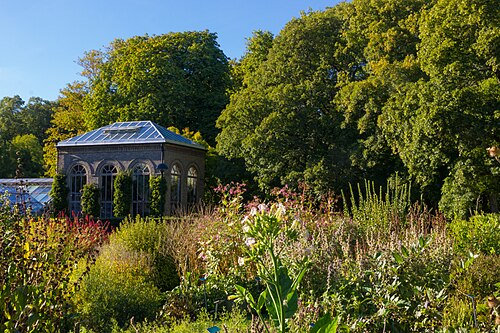
Approved by the Royal Swedish Academy of Sciences in 1899 and finished in 1900, the Victoriahuset is a small cast-iron and glass domed house built under the direction of Professor Veit Wittrock to plans by Ivan Örtendahl. Designed for aquatic plants, it gathers around a large warm pool the giant water lily Victoria cruziana and a 'Longwood' hybrid with leaves up to 2.5 m across, together with lotus, papyrus and mangroves. Restored in the 1980s, it forms part of the state-listed Bergius Botanic Garden and opens only in summer.
Affiliate links — booking through Verrière helps fund our research, at no extra cost to you.
History
The Bergius Botanic Garden began as an estate near Stockholm called Bergielund, bought in 1759 by the brothers Bengt and Peter Jonas Bergius. The garden left that site for Frescati, on the shore of Brunnsviken, in 1885, the new grounds being handed over on 1 November that year. The Professor Bergianus at the time was the botanist Veit Wittrock, who was charged with planning the new garden together with the gardener and who laid out cultivation terraces, several ponds and grottoes.
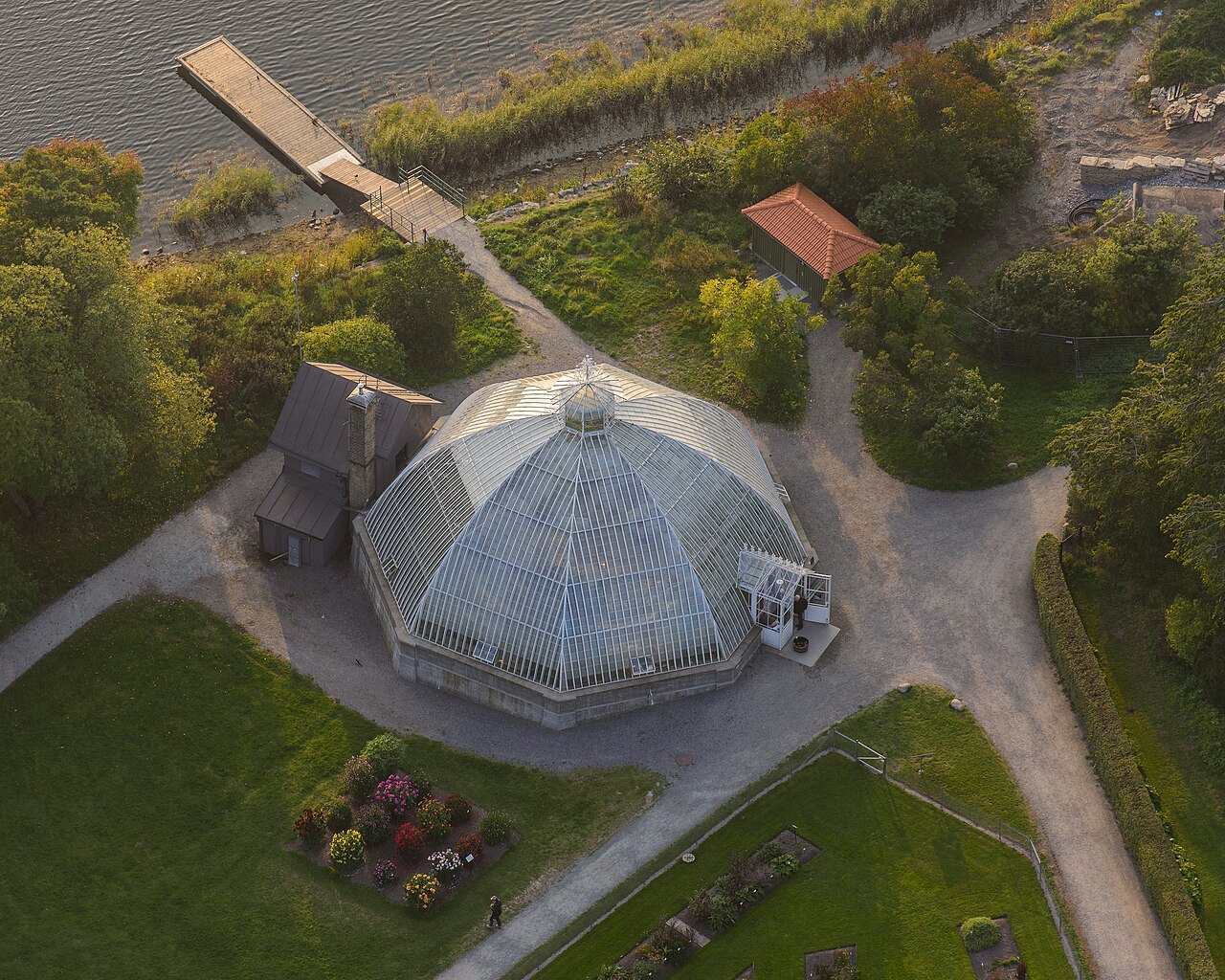
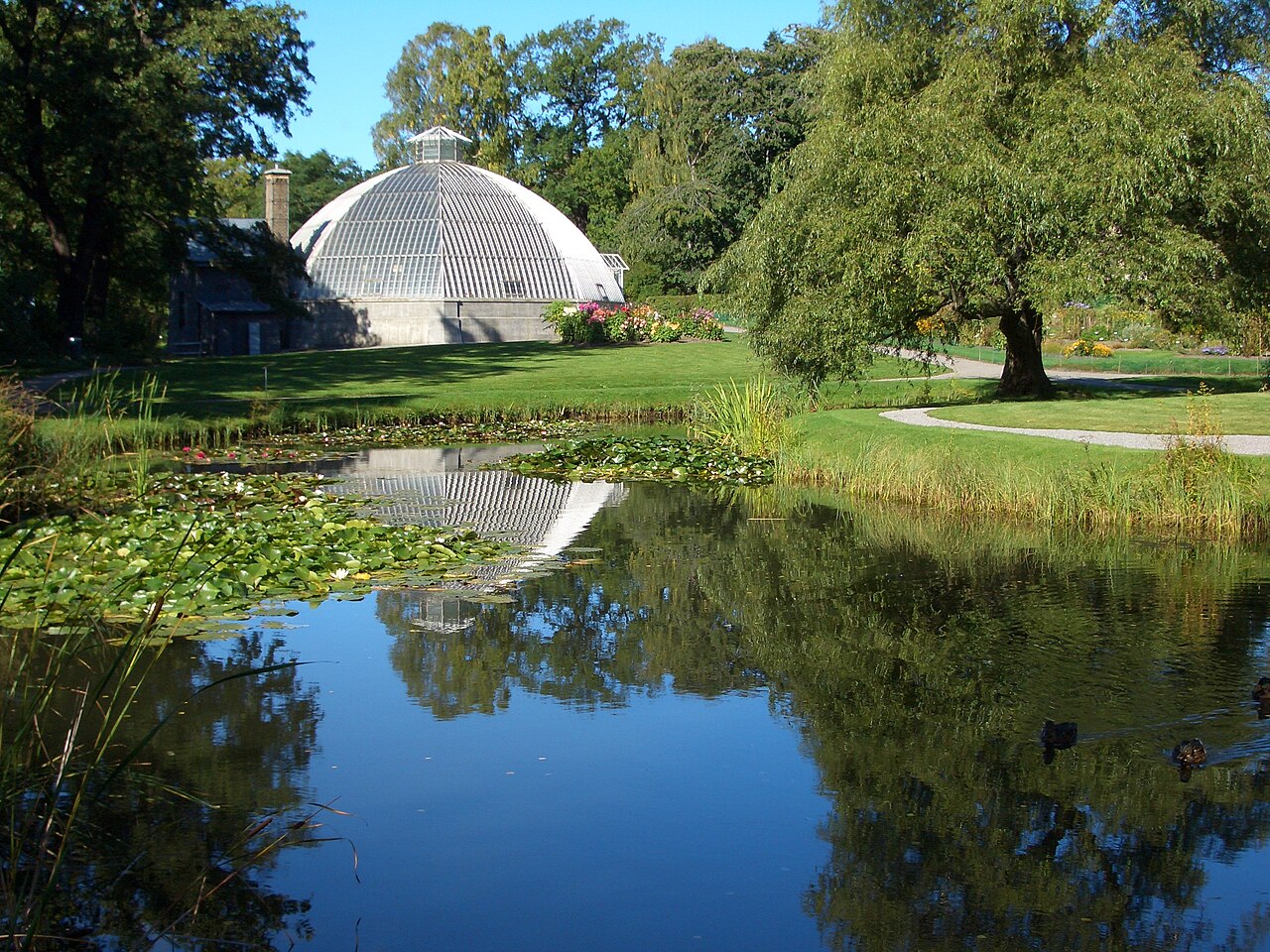
The Victoriahuset was created under his direction as a house chiefly for aquatic plants. The Royal Swedish Academy of Sciences approved the proposal in 1899 and the building was completed in 1900 to plans by Ivan Örtendahl, then the academic head gardener of Uppsala University. It was first meant to stand on a small peninsula in the neighbouring pond, but poor ground conditions led to it being built north-west of the pond instead.
In 1984 the National Board of Public Building, today the National Property Board (Statens fastighetsverk), carried out an extensive restoration. The house is part of the garden's designation as a state listed monument (statligt byggnadsminne), and Stockholm University describes it as unique and of high conservation value. The university is now responsible for it, as it is for the outdoor collections and the tropical sections of the Edvard Anderson glasshouse.
Architecture and engineering
The Victoriahuset is a small pavilion built entirely of glass and iron, with a cast-iron dome. It is adorned at the top with a wrought-iron roof lantern in the Jugendstil (Art Nouveau) manner. The building stands in the western part of the garden near Brunnsviken, north-west of the pond that was originally meant to hold it.
The interior is arranged around a large central pool in which the giant water lilies float. The air is warm and humid, and the dense planting around the water gives the space the feel of a rainforest. Smaller side pools hold useful tropical plants.
The dome was restored in the 1980s.
Plant collections
The house was designed for the giant Victoria water lily, a South American plant discovered early in the nineteenth century and named after Queen Victoria. The genus has two species, Victoria amazonica and Victoria cruziana. In Wittrock's day the star attraction was already Victoria, then called Victoria regia, together with Victoria cruziana; today the house grows the southern species, V. cruziana, and the hybrid V. amazonica × cruziana 'Longwood'.
According to the garden, the leaves reach 2.5 metres across and can carry up to 100 kg if the weight is evenly spread. The flowers, almost 40 cm wide, open only at night: white on the first evening, when they attract the beetles that pollinate them, they turn pink the following night before closing.
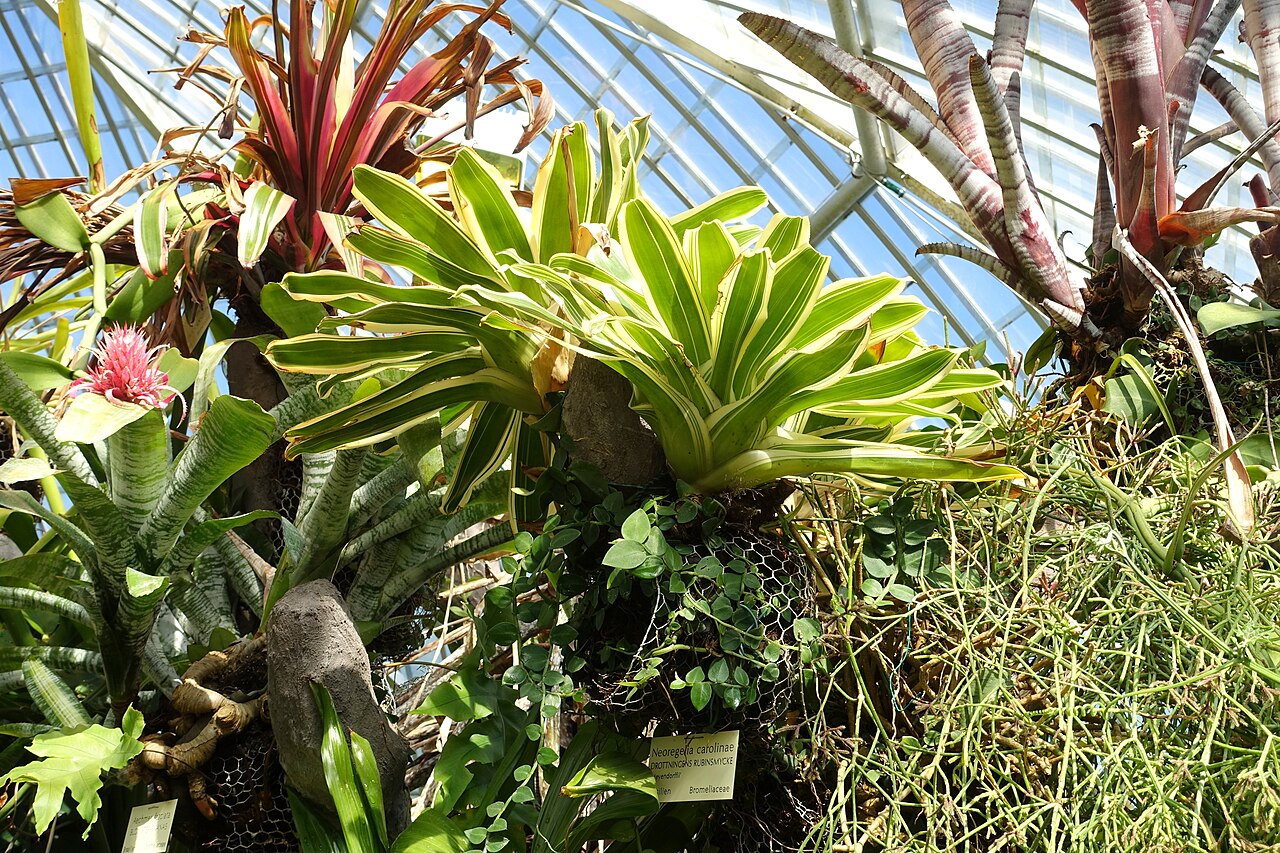
Around the main pool grow Indian lotus, papyrus and mangroves. The side pools show tropical food plants such as sugar cane, rice, several starch crops and cucumbers.
Visiting
The Victoriahuset stands in the western part of the Bergius Botanic Garden at Frescati, on the shore of Brunnsviken. It opens only from May to September, whereas the large Edvard Anderson glasshouse can be visited all year, and the outdoor garden is free to enter. Universitetet station, on the red metro line and the Roslagsbanan railway, and bus routes 50 and 540 serve the area.
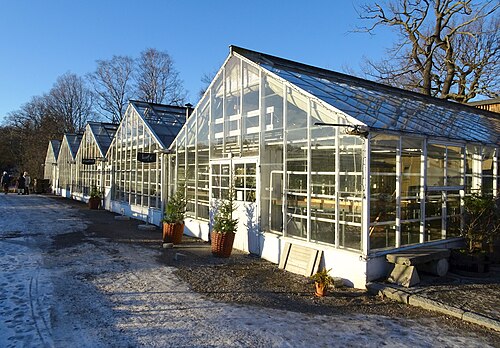
The dome takes little time to see and pairs well with the Edvard Anderson glasshouse, the Japanese pond laid out in 1991 for the bicentenary of the Bergius foundation, and the old orangery, now a restaurant and café with temporary exhibitions. The garden also runs guided tours and other activities through the season.
59.37° N, 18.04° E
Greenhouses nearby
More greenhouses — Sweden
Do you have a good photo of this greenhouse? Suggest it for this page →
Sources (8)
- su.se/enheter/bergianska-tradgarden/i-tradgard-och-vaxthus/victoriahuset
- su.se/enheter/bergianska-tradgarden/om-bergianska-tradgarden/om-oss/bergianska-tradgarden-
- su.se/enheter/bergianska-tradgarden/besok-oss/besoksinformation
- sfv.se/vara-fastigheter/sverige/stockholms-lan/mark-och-park/bergianska-tradgarden
- sv.wikipedia.org/wiki/Victoriav%C3%A4xthuset
- sv.wikipedia.org/wiki/Bergianska_tr%C3%A4dg%C3%A5rden
- wikidata.org/wiki/Q10715040
- openstreetmap.org/way/5879271
Affiliate links — booking through Verrière helps fund our research, at no extra cost to you.