Palazzo Abatellis (Regional Gallery of Sicily)
Palermo
Sources checked November 2026
- Year
- 1953-1954
- Architect
- Carlo Scarpa
- Type
- Museum fit-out in a fifteenth-century palace
- Access
- Open to the public, closed on Mondays (official website, November 2026)
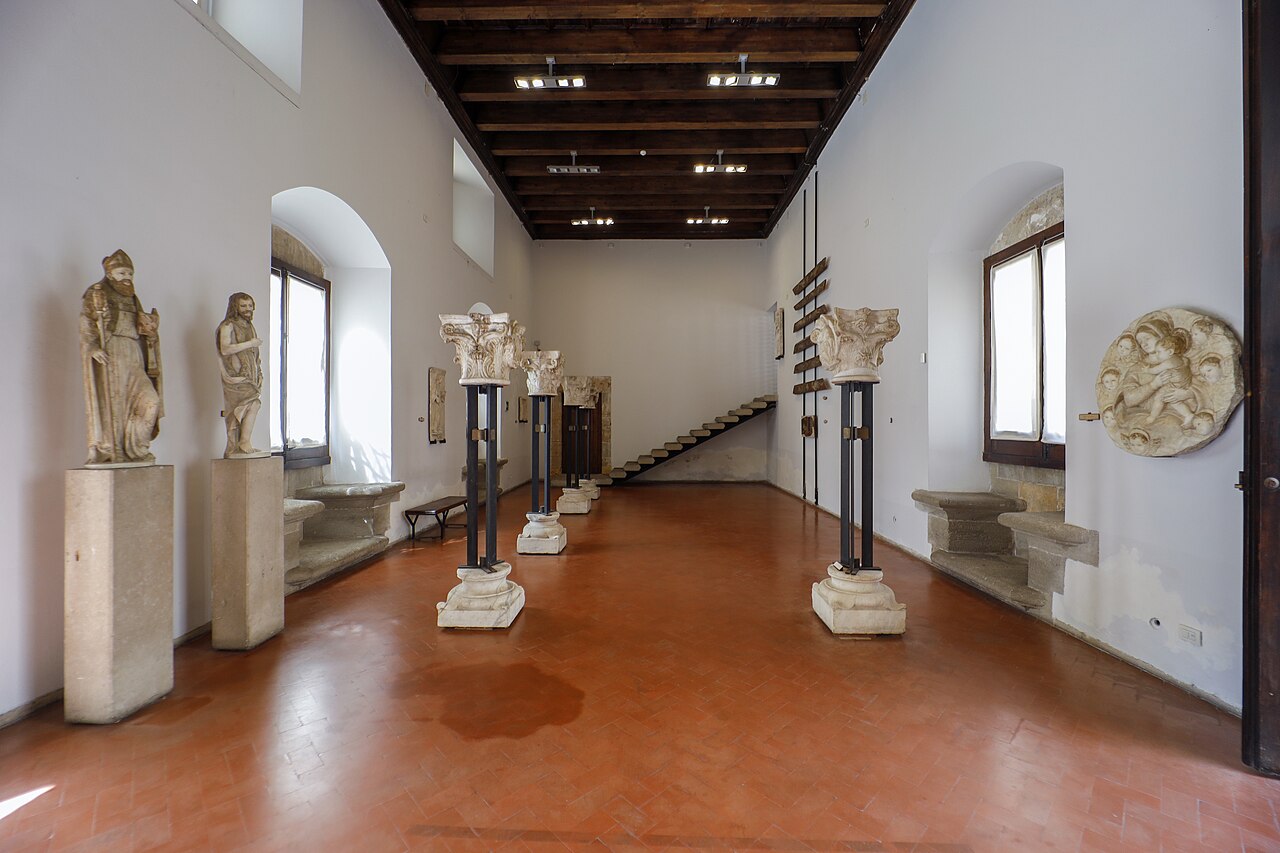
The Gothic-Catalan palace built between 1490 and 1495 for Francesco Abatellis has housed the Regional Gallery of Sicily since 1954. Carlo Scarpa designed its museum fit-out in 1953-1954, after the Soprintendenza had rebuilt the damage of 1943. He set the light, the rhythm of the rooms and the arrangement of the works, from the Triumph of Death to Antonello da Messina's Annunziata.
Affiliate links — booking through Verrière helps fund our research, at no extra cost to you.
History
The palace was built between 1490 and 1495 for Francesco Abatellis, the kingdom's grand portulan, to a design by Matteo Carnilivari. When Abatellis's second wife died in 1526, it passed to the Dominican nuns and became an enclosed convent; a church dedicated to the Madonna della Pietà was built against the palace in the 1530s.
The bombing raids of 1943 damaged it, most seriously on 16 and 17 April: the two-storey loggia collapsed entirely, together with part of the crenellated tower to the right of the main façade. The Soprintendenza ai Monumenti for western Sicily consolidated and rebuilt it between 1943 and 1953, under the superintendent Mario Guiotto and then Armando Dillon. It reassembled the loggia partly from pieces recovered from the rubble, and removed plasters, seventeenth- and eighteenth-century windows and balconies to recover the medieval image the palace was meant to have had at the end of the fifteenth century.
Giorgio Vigni, superintendent of the galleries and works of art of Sicily, entrusted Carlo Scarpa with the project for the National Gallery of Sicily; the success of the exhibition on Antonello da Messina that Scarpa had staged in Messina in 1953 with Roberto Calandra motivated that choice. The project was carried out in 1953-1954 under Vigni's direction, and the gallery was inaugurated on 23 June 1954. It became regional in 1977; in 1962 Scarpa's fit-out received the IN-ARCH plaque.
Architecture
Carnilivari's palace is marked by its cut-stone façade between two crenellated towers, the large three-light windows of the main floor, its portal and the double loggia along one side of the courtyard, reassembled after its collapse in 1943. The convent church, built against the palace, forms a space running north to south, made of two volumes, roughly double the length of the first room and far higher.
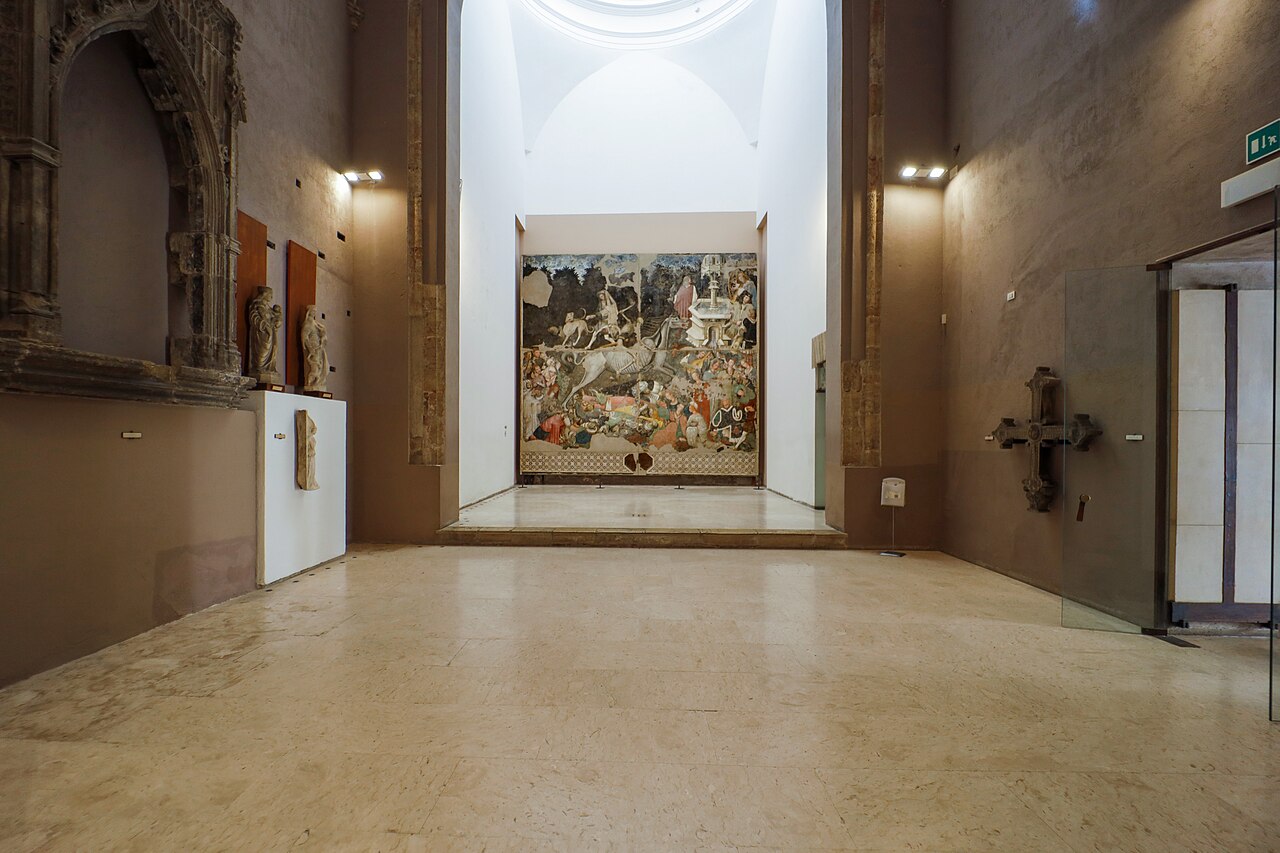
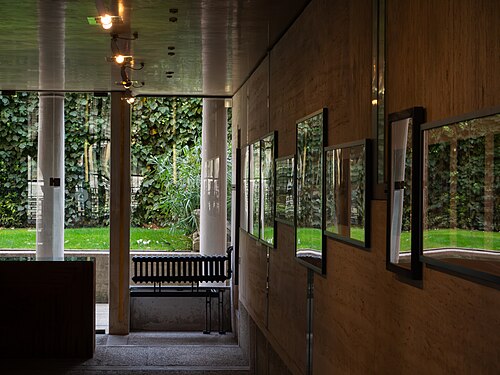
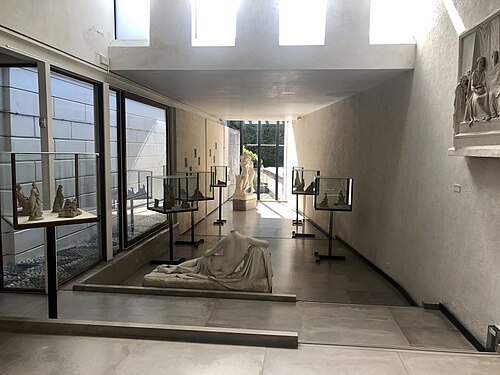
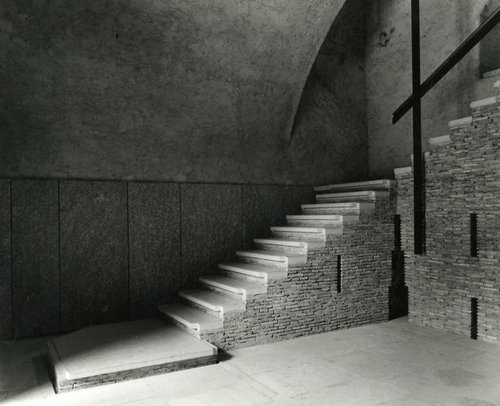
Scarpa started from the image of the fifteenth-century palace that the Soprintendenza's restoration had just brought back. He gave the ground floor to sculpture and the upper floor to painting, and set aside for the Triumph of Death, a mid-fifteenth-century fresco detached in 1944 from the courtyard of Palazzo Sclafani, the former chancel of the church, entered from the first room. His task, as he put it, was to turn the palace into a real museum, to open the passages the route needed and to correct the "crudeness" of the restoration: "the architecture itself, in a certain sense, had to be an object of display".
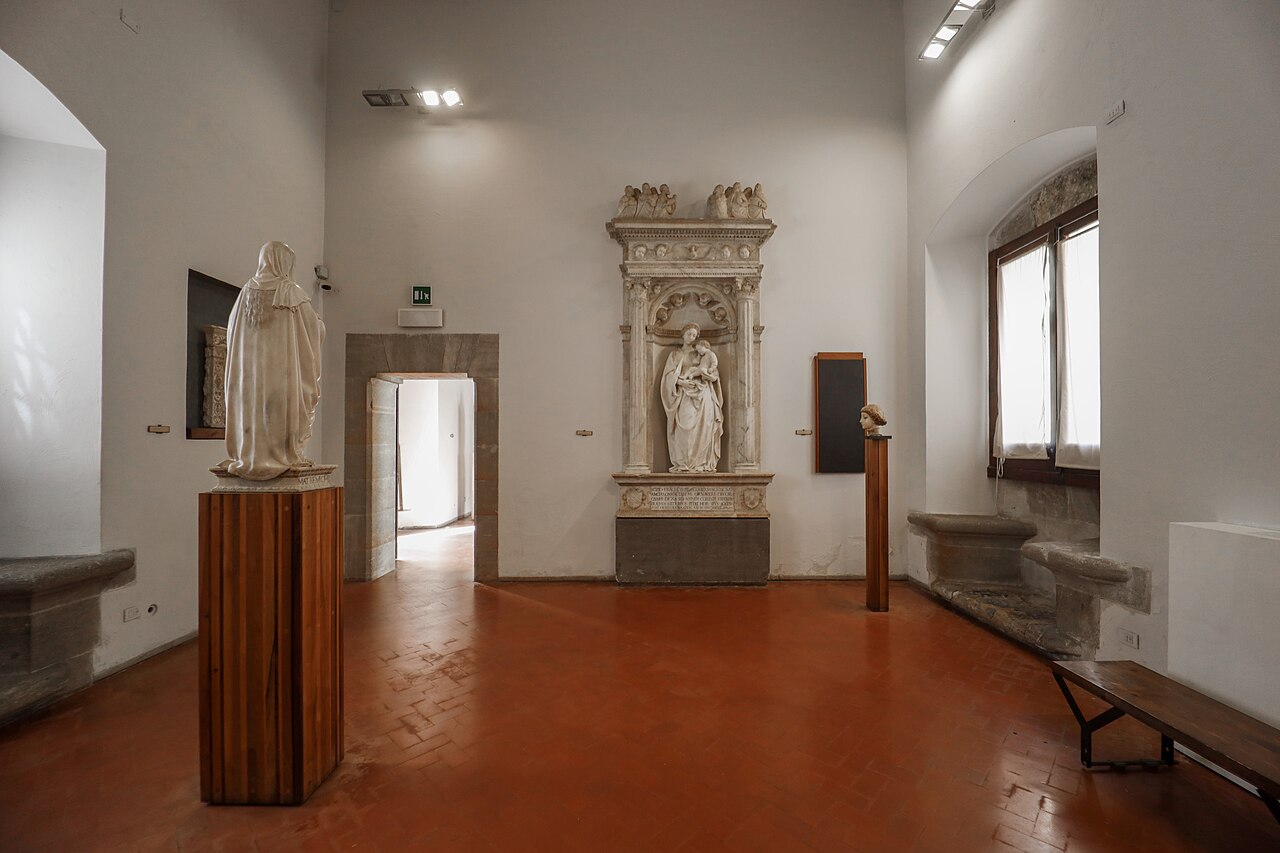
The route plays on the compression and expansion of the rooms, which the light heightens: diffuse and from above in the large volumes, in beams in the small ones. In the chancel Scarpa cut into the back wall to give depth behind the fresco, and placed beneath the pierced vault a velarium, framed by spherical pendentives, that spreads its light over the painting. He set the bust of Eleanor of Aragon against a green ground and staged Antonello da Messina's Annunziata, first glimpsed within a passe-partout before it appears in full at the entrance to its room, under indirect north light. For the Room of the Crosses he had planned Murano glass globes by Venini, which were never fitted. New lighting has since altered part of the scheme, putting diffuse light in some places where beams had been planned.
Use today
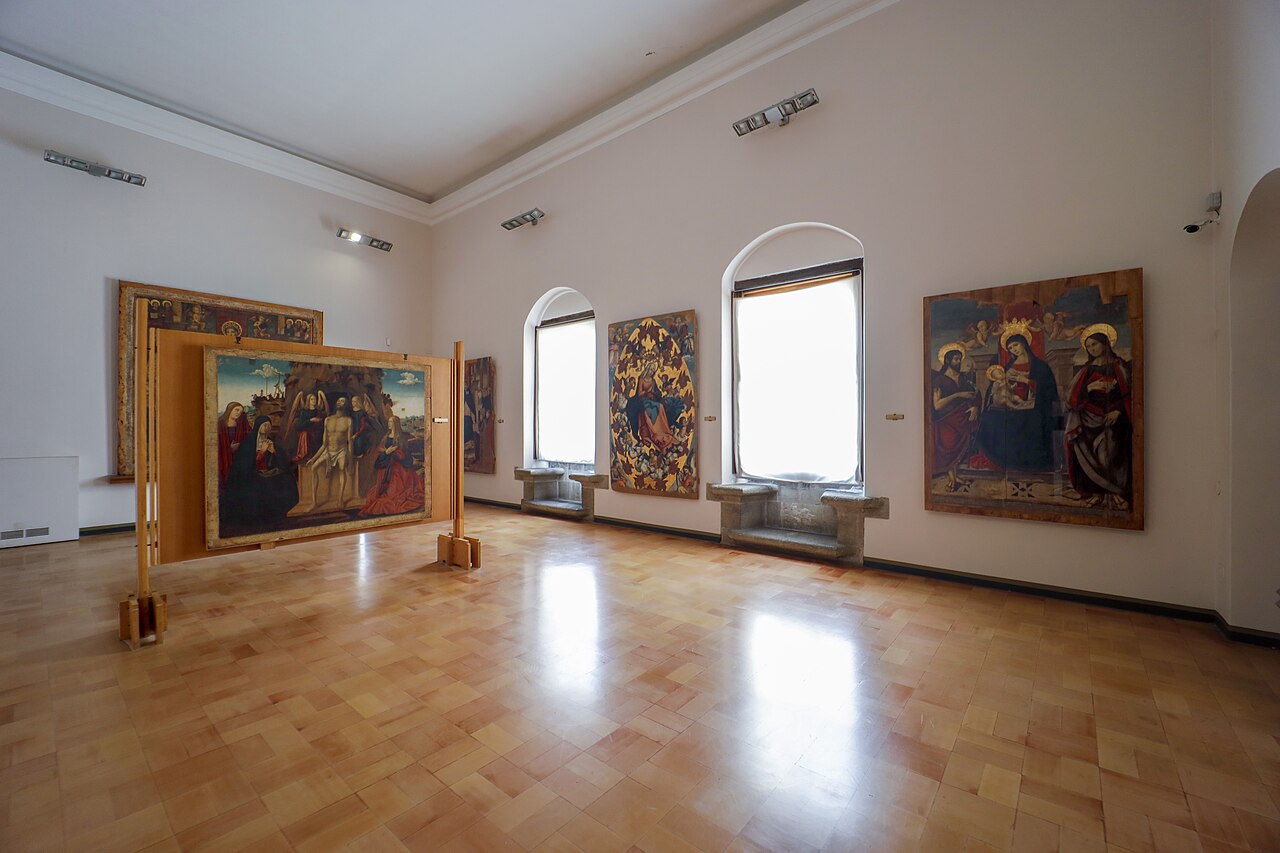
The Regional Gallery of Sicily occupies the palace. In the fifteenth-century wing, the works trace the development of art in Sicily from the Middle Ages to the sixteenth century and its dialogue with foreign influences, from Islamic artistic culture to Italian Gothic, from the Renaissance to the painting of the North and the West. Among the best-known works are the Triumph of Death, the marble bust of Eleanor of Aragon by Francesco Laurana, Antonello da Messina's Annunziata and Jan Gossaert's Malvagna Triptych. The eighteenth-century wing of the former convent, opened to the public in 2009, shows sixteenth- and seventeenth-century paintings.
Visiting
The museum is open Tuesday to Sunday and closed on Mondays. The entrance is at 4 via Alloro, in Palermo.
Photos
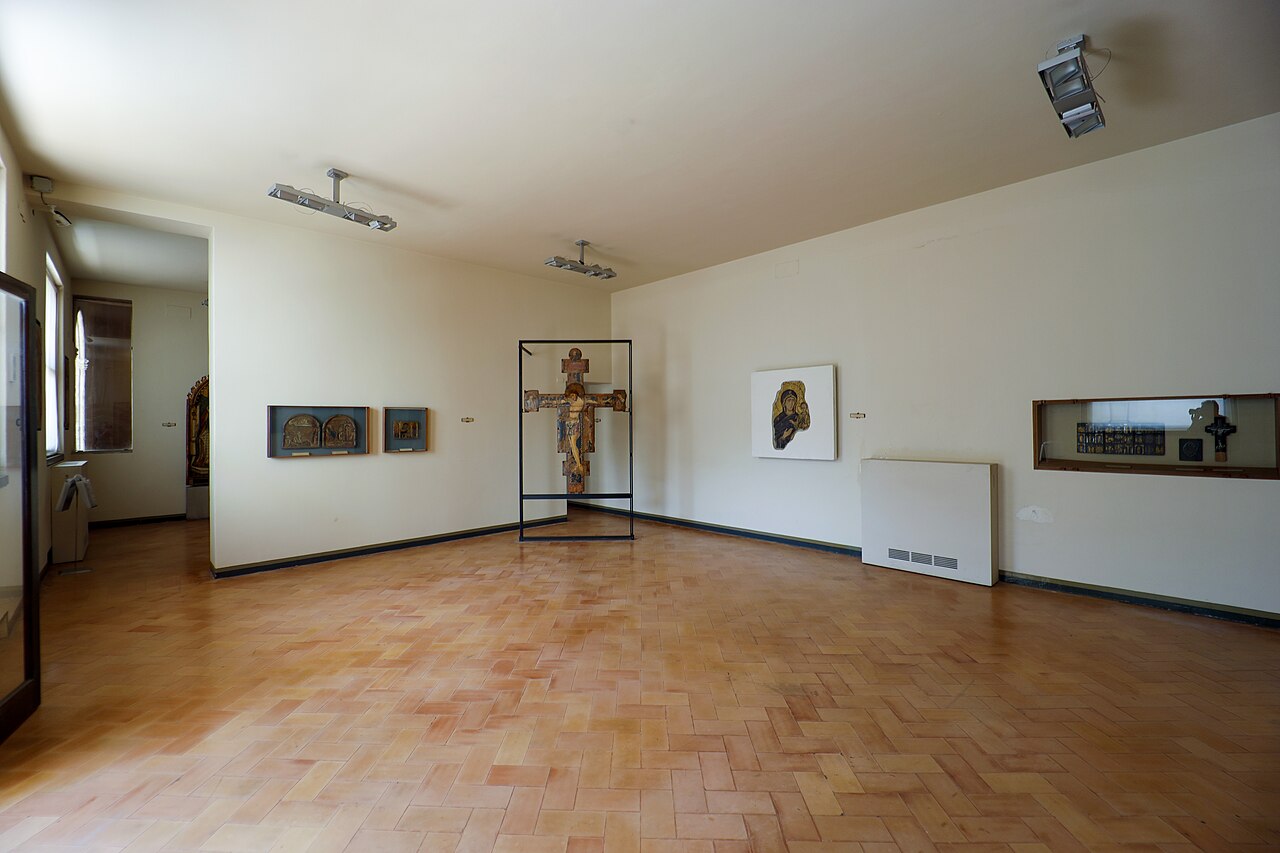
38.12° N, 13.37° E
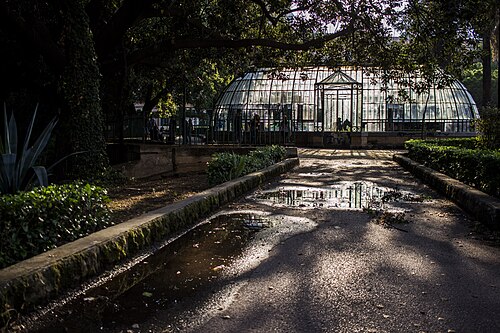
Greenhouses nearby
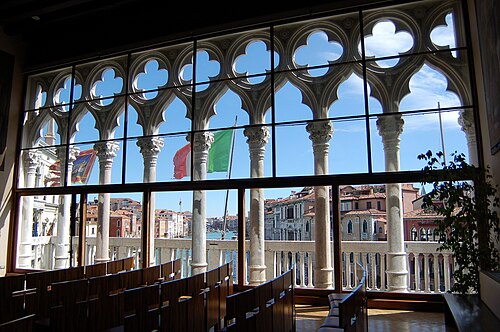
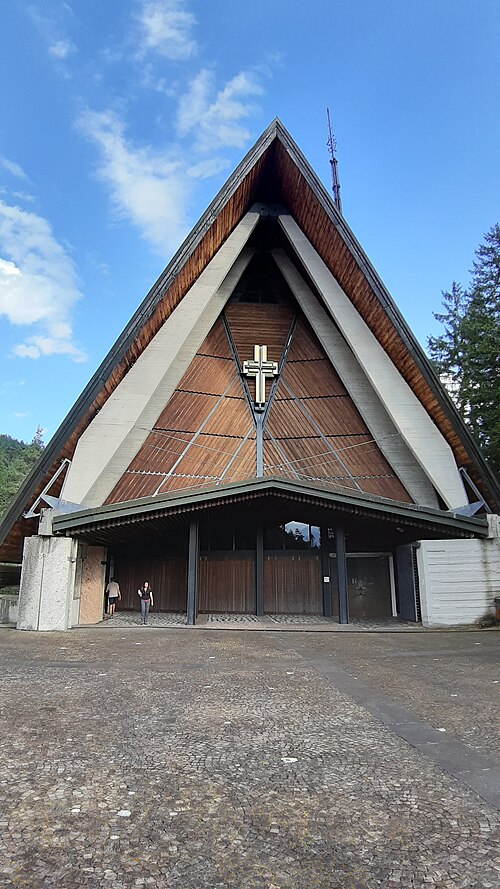
By the same architect
Sources (10)
- parchiarcheologici.regione.sicilia.it/musei/abatellis/il-museo/
- parchiarcheologici.regione.sicilia.it/musei/abatellis/en/il-museo/
- parchiarcheologici.regione.sicilia.it/musei/abatellis/orari/
- parchiarcheologici.regione.sicilia.it/musei/abatellis/en/orari/
- parchiarcheologici.regione.sicilia.it/musei/abatellis/dove-siamo/
- and-architettura.it/index.php/and/article/download/351/345
- and-architettura.it/index.php/and/article/view/351
- edizionicaracol.it/wordpress/wp-content/uploads/2024/09/Barone.pdf
- treccani.it/enciclopedia/carlo-scarpa_%28Dizionario-Biografico%29/
- italia.it/it/sicilia/palermo/luoghi-della-cultura/palazzo-abatellis
Affiliate links — booking through Verrière helps fund our research, at no extra cost to you.