The Vinery, Arley Hall (kitchen garden forcing house)
Arley Hall & Gardens, Aston by Budworth, near Northwich, Cheshire, England

Sources checked October 2026
- Year
- 1872-1873 according to the garden; c. 1850 according to the listing
- Style
- Lean-to vinery: brick wall, glass and timber roof, iron columns
- Dimensions
- Four sections
- Status
- Seen in the kitchen garden with garden admission (open daily in 2026-2027); access to the interior to be checked
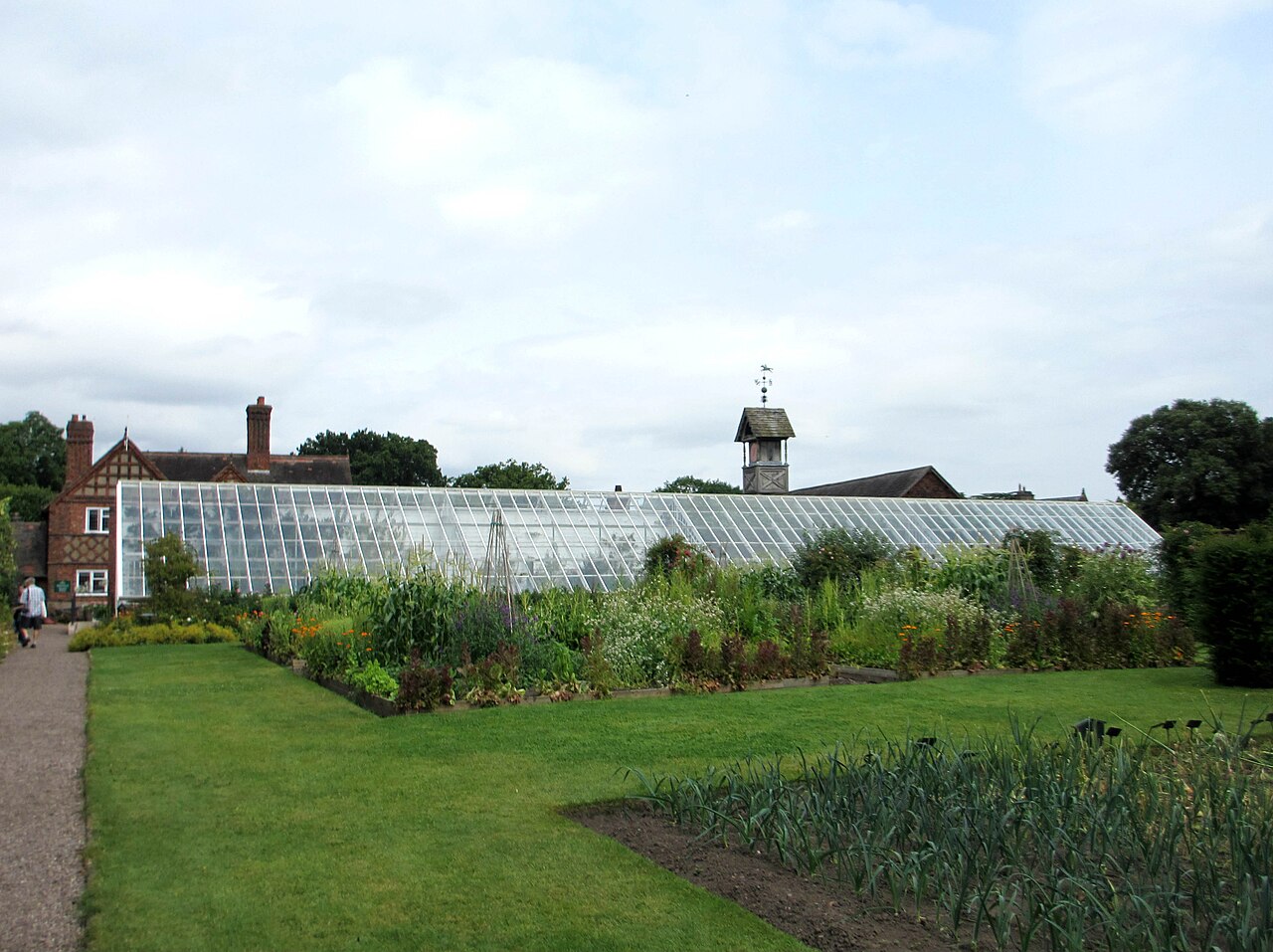
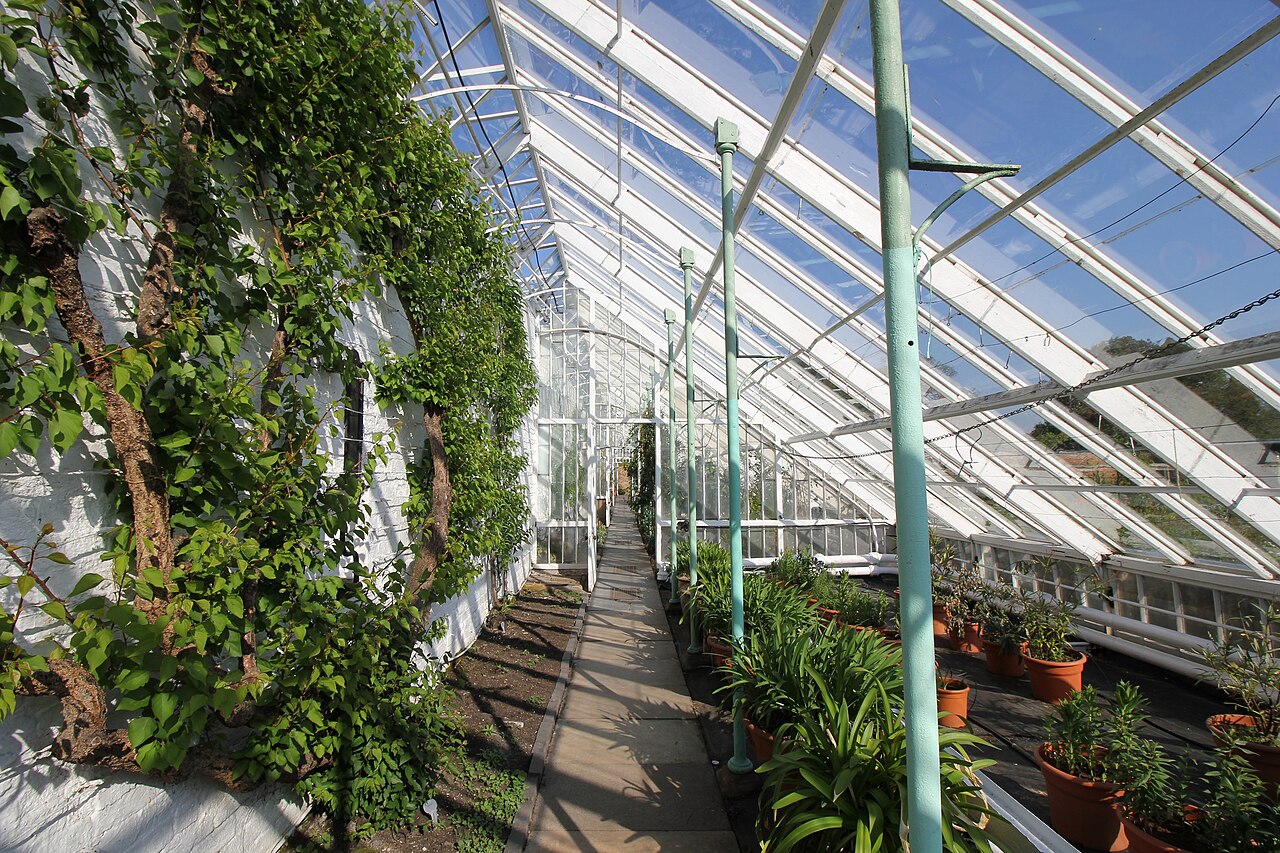
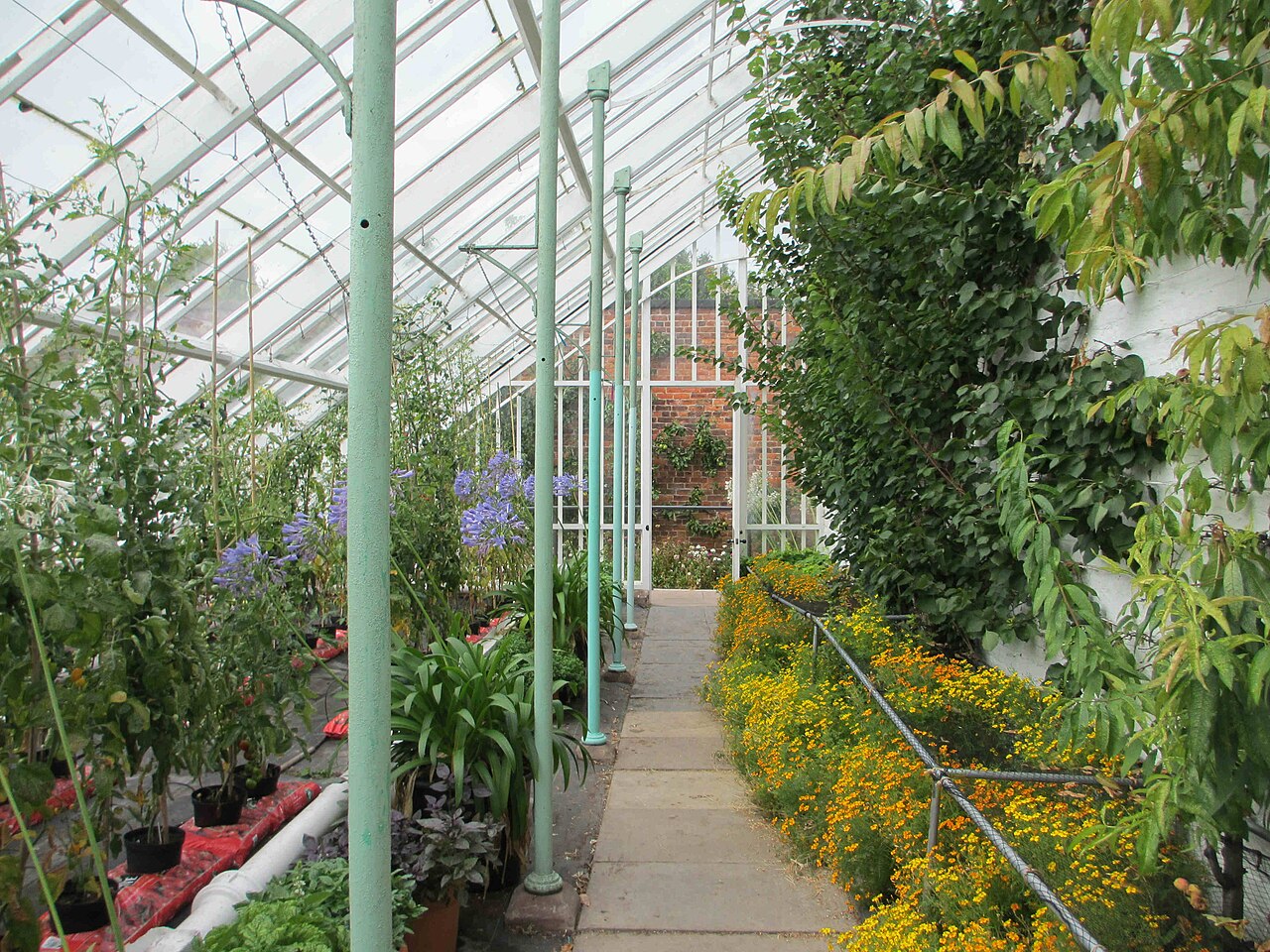
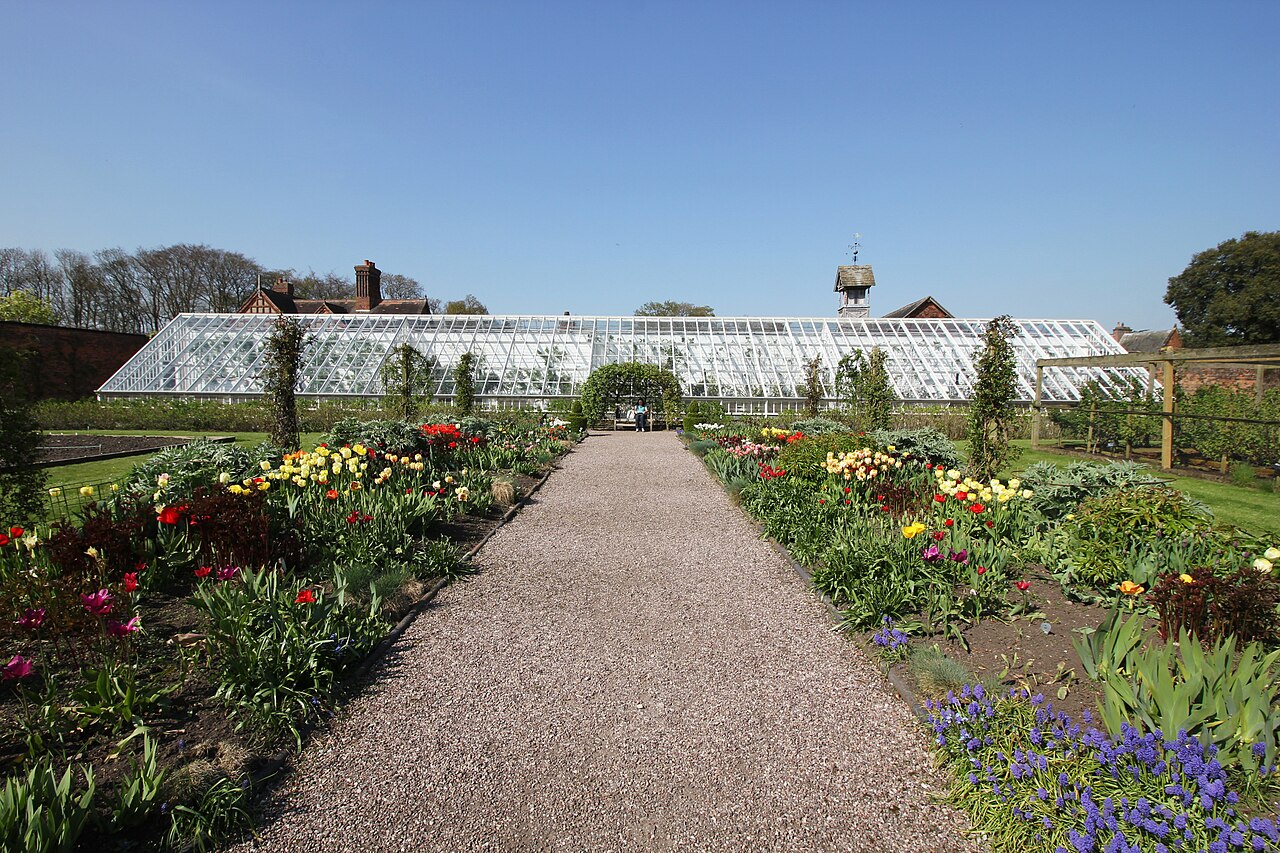
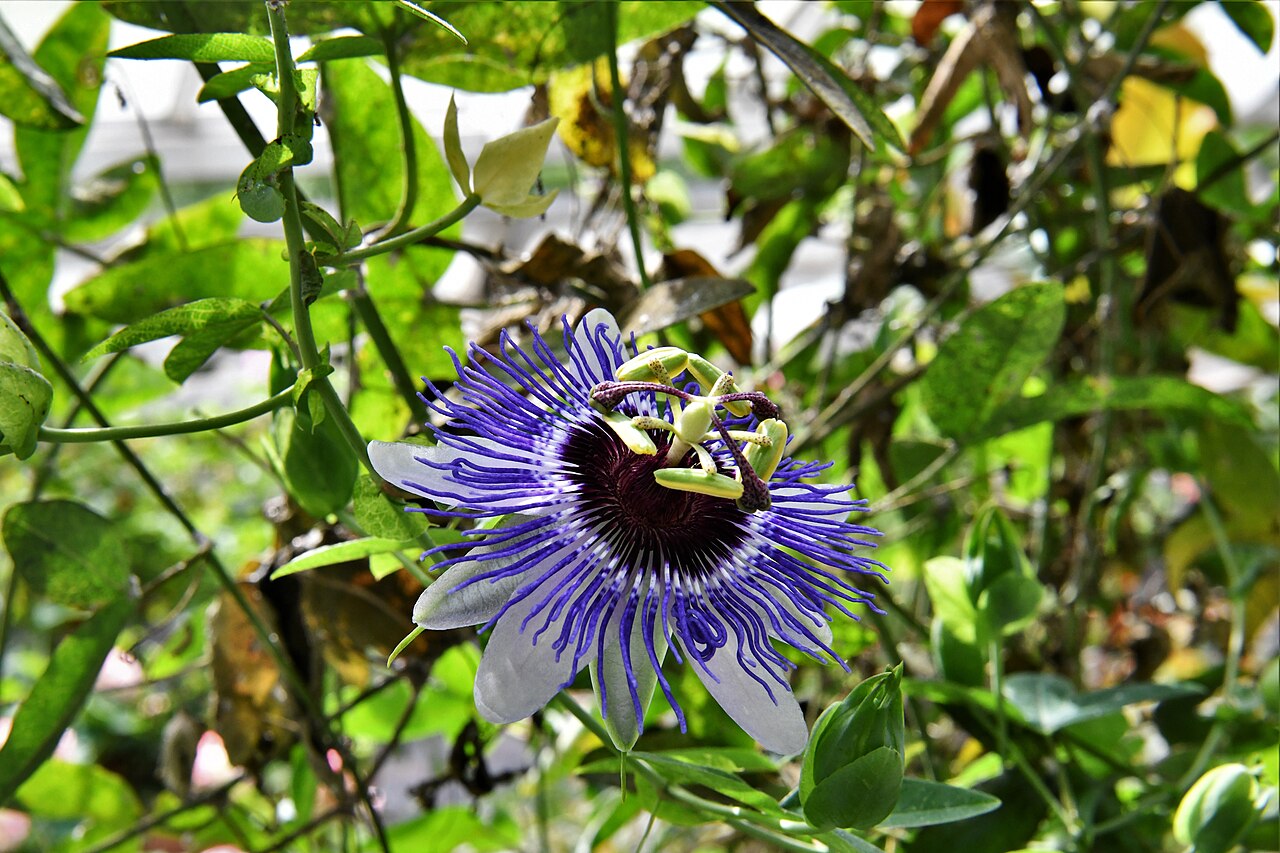
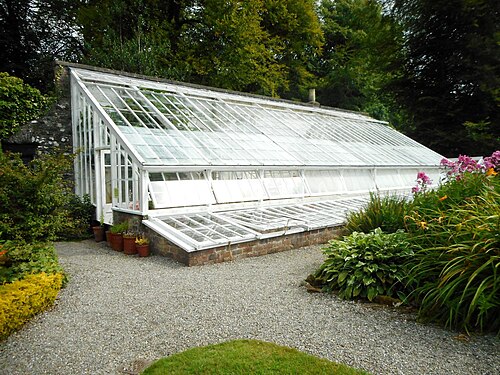
In the kitchen garden of Arley Hall in Cheshire, the Vinery is a long lean-to glasshouse set against a brick wall and listed Grade II since 1984 as the "Forcing Wall and Green House in Eastern Walled Garden". The garden dates it to 1872-1873, while the listing text suggests about 1850; the sources do not settle the point. Divided into four sections, it holds fig trees, passion flowers in summer, an ornamental ginger lily in August and tender rhododendrons in early spring, while the end section grows tomatoes for the estate cafe. It is part of the garden circuit.
Affiliate links — booking through Verrière helps fund our research, at no extra cost to you.
History
The Arley estate has been held by the Warburton family since the end of the 12th century. Wikipedia credits Sir Peter Warburton, 4th Baronet, with pleasure grounds, a walled kitchen garden and a landscape park in the 18th century. The Vinery is attached to the north wall of the present kitchen garden.
The garden's own website and Wikipedia place the construction of the Vinery in 1872-1873 and say the fig trees inside were probably planted shortly afterwards. The Historic England listing, which has protected a "forcing wall and green house" in the eastern walled garden since 3 September 1984, describes a forcing house of about 1850, with front glazing replaced in the late 19th or the 20th century.
Wikipedia, drawing on an estate guidebook published in 1999, adds that the roof was originally curved and was replaced in 1921 by the present straight one. During the Second World War and for some years afterwards the gardens were used to feed the house, and they opened to the public in 1960. According to Wikipedia, the Walled Garden was redesigned in 1960, and the glasshouse still earns its keep: its end section supplies tomatoes to the estate cafe.
Architecture and engineering
The listing text describes a forcing house of red brick laid in English garden wall bond, under a lean-to roof of glass and timber. The plan is a long hall running east to west: the glazing faces south, while the boiler house and other outbuildings abut the north side. Those outbuildings kept two-light mullioned windows with ovolo-moulded brick surrounds. Inside, the listing records glass dividing walls and iron columns.
The glass of the south front was replaced in the late 19th or the 20th century, according to the listing, and the original curved roof gave way in 1921 to a straight one, according to Wikipedia. The garden counts four sections; the listing mentions glass partitions without giving their number.
Plant collections
The fig trees are the oldest plants in the Vinery: the garden says they were probably planted shortly after it was built. The four sections share the work. The end one is always given over to tomatoes for the estate's Gardeners Kitchen Cafe; the other three are decorative.
The garden points out three highlights through the year: passion flowers, which bloom all summer, an ornamental ginger lily in August and, in early spring, tender rhododendrons, meaning plants that do not tolerate frost well. A visitor's account published in 2017 describes, among the figs and vines, Sollya heterophylla, an Australian climber with nodding blue bells twining round an upright, Iochroma australe from South America, and passion flowers.
Visiting
The Vinery stands in the kitchen garden, next to the walled garden with its pond. Admission covers eight acres of formal gardens and seven acres of woodland garden (the Grove and the Woodland Walk), together with the cafe and the chapel. The official website lists the glasshouse among the things to look out for; a 2017 visitor describes going through it.
Passion flowers are at their best in summer and the ginger lily in August. The double herbaceous border, the best-known feature of the estate and thought to be the first planted in England, is a natural continuation of the walk, as is the cruck barn that the garden believes to be as old as the house of 1469. The same visitor notes that the estate map suggests several hours to see the whole garden.
53.32° N, 2.49° W
Greenhouses nearby
More greenhouses — United Kingdom
Do you have a good photo of this greenhouse? Suggest it for this page →
Sources (7)
- arleyhallandgardens.com/visit/the-gardens/
- arleyhallandgardens.com/visit/your-visit/
- historicengland.org.uk/listing/the-list/list-entry/1139507?section=official-list-entry
- en.wikipedia.org/wiki/Arley_Hall
- wikidata.org/wiki/Q67993068
- thegardengateisopen.blog/2017/10/22/arley-hall-generations-of-creativity-and-heavenly-herb
- openstreetmap.org/way/326953684
Affiliate links — booking through Verrière helps fund our research, at no extra cost to you.