Glasshouses, Durham University Botanic Garden
Durham, County Durham (England)
No freely licensed photo of this greenhouse yet. Do you have one? Suggest it for this page →
Sources checked October 2026
- Year
- 1970s
- Style
- 1970s research glasshouses converted into display houses; glass of the tropical house replaced with polycarbonate in 2024
- Status
- Open to the public with the university's botanic garden
On the southern edge of Durham, the university's botanic garden holds a group of glasshouses that dates from the 1970s, when the garden settled on its present site, first as research and propagation houses. Today it contains a Tropical House, where a button sets off artificial rain over bananas, sugarcane, coffee and giant bamboo, and a Cactus House of arid plants from the Americas, Africa and Madagascar, along with scorpions and tarantulas in large tanks. In October 2024 the university announced that the glass of the tropical house and the orchid unit would be replaced with polycarbonate sheeting.
Affiliate links — booking through Verrière helps fund our research, at no extra cost to you.
History
Durham University's botanic garden began in 1925, when the grounds of the science laboratories were laid out as an experimental garden. As buildings multiplied, the university decided in 1969 to move it to a site where it could develop undisturbed. It has stood on Hollingside Lane, on the southern edge of the city, since 1970, then under the Botany Department for teaching and research.
A guidebook issued by that department, which the university dates to the early 1970s, says that work on the new garden began in 1971. It describes "the new glasshouses" as primarily for research, with propagating facilities for raising trees and shrubs for the university's landscaping, and hopes to build further houses later, including a tropical rainforest ecosystem and an Arizona cactus desert. It also judges it inappropriate, at that stage, to encourage visits from the general public.
The glasshouses then changed purpose. According to the university, research moved towards specialised growth rooms and the houses were used less; as visitor numbers climbed, the research sections were converted. The present Conservatory and the Glassroom, an activity space, come from them, while the original plantings survive in the Cactus House and the Tropical House. A visitor centre, opened on 1 July 1988 by the chancellor Margot Fonteyn, answered the 6,000 annual visitors of the time; the garden now receives more than 80,000. In October 2024 the university announced that the glass of the Tropical House and the orchid unit was being replaced with polycarbonate sheeting for safety reasons, the greenhouse staying closed during the work.
Architecture and engineering
The glasshouses form a single complex close to the visitor centre and accessible to wheelchair users, bringing together the Tropical House, the Cactus House, the Conservatory and the Glassroom; the university also mentions an "Orchid unit" without saying whether it is a separate building. The OpenStreetMap outline of the main building is a rectangle of about 35 m by 13 m, some 460 m² on the ground: an indicative measurement. The drawing that illustrates "the new glasshouses" in the 1970s guidebook shows a glazed structure with several adjoining gables, and visitors' photographs on Geograph show a glazed roof.
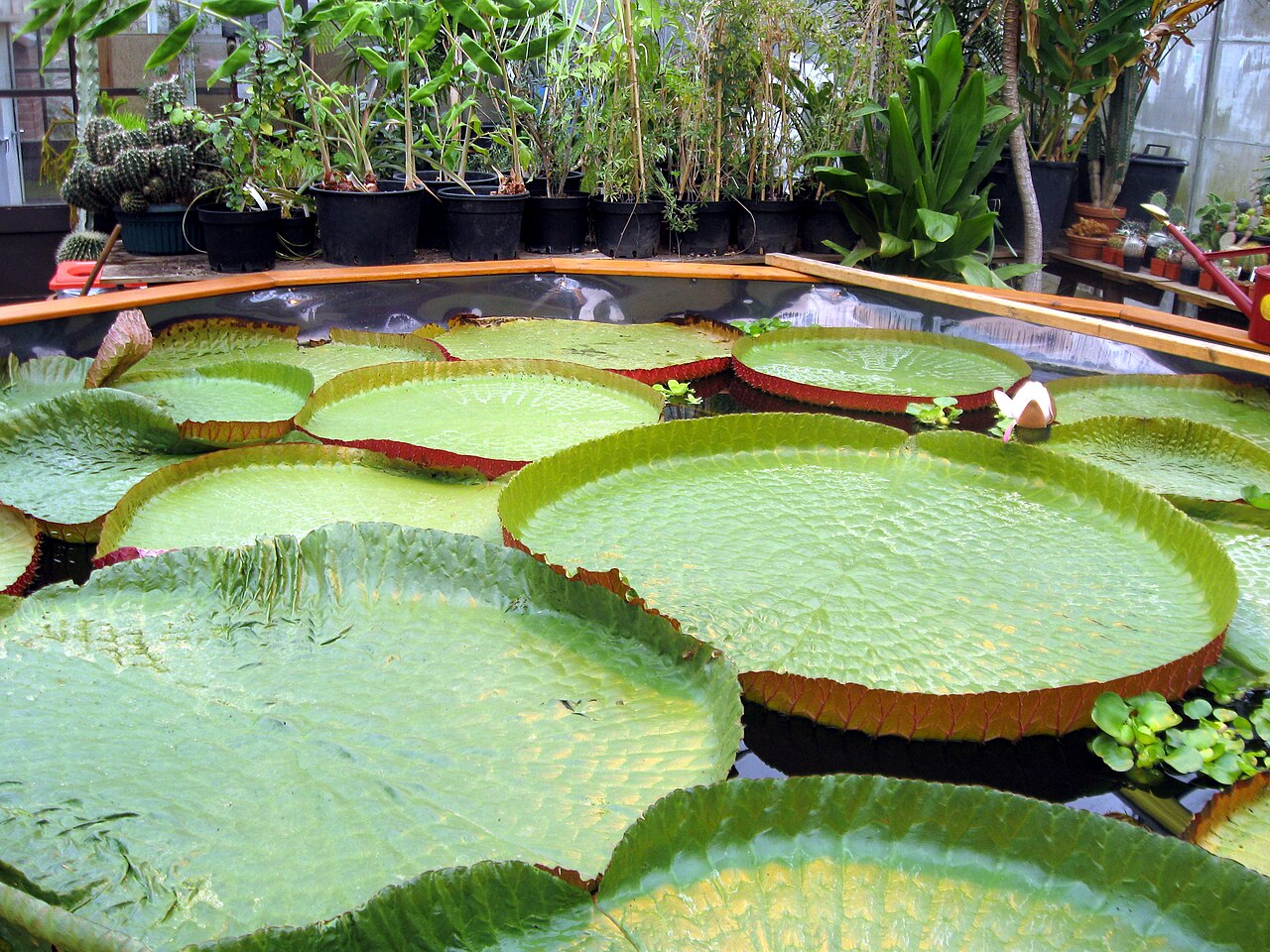
The interior is organised by climate: the Tropical House recreates the warm, humid air of a rainforest, with rain released at the press of a button, and the Cactus House the dry, bright conditions of a desert. A 2022 visit report describes one large building in three zones, arid, tropical and Mediterranean, and another visitor notes that the glasshouses are heated in winter. Large tanks house the insects and arachnids, and a pond of koi carp sits in one of the warm houses.
The university announced in October 2024 the replacement of the glass of the Tropical House and the orchid unit with polycarbonate.
Plant collections
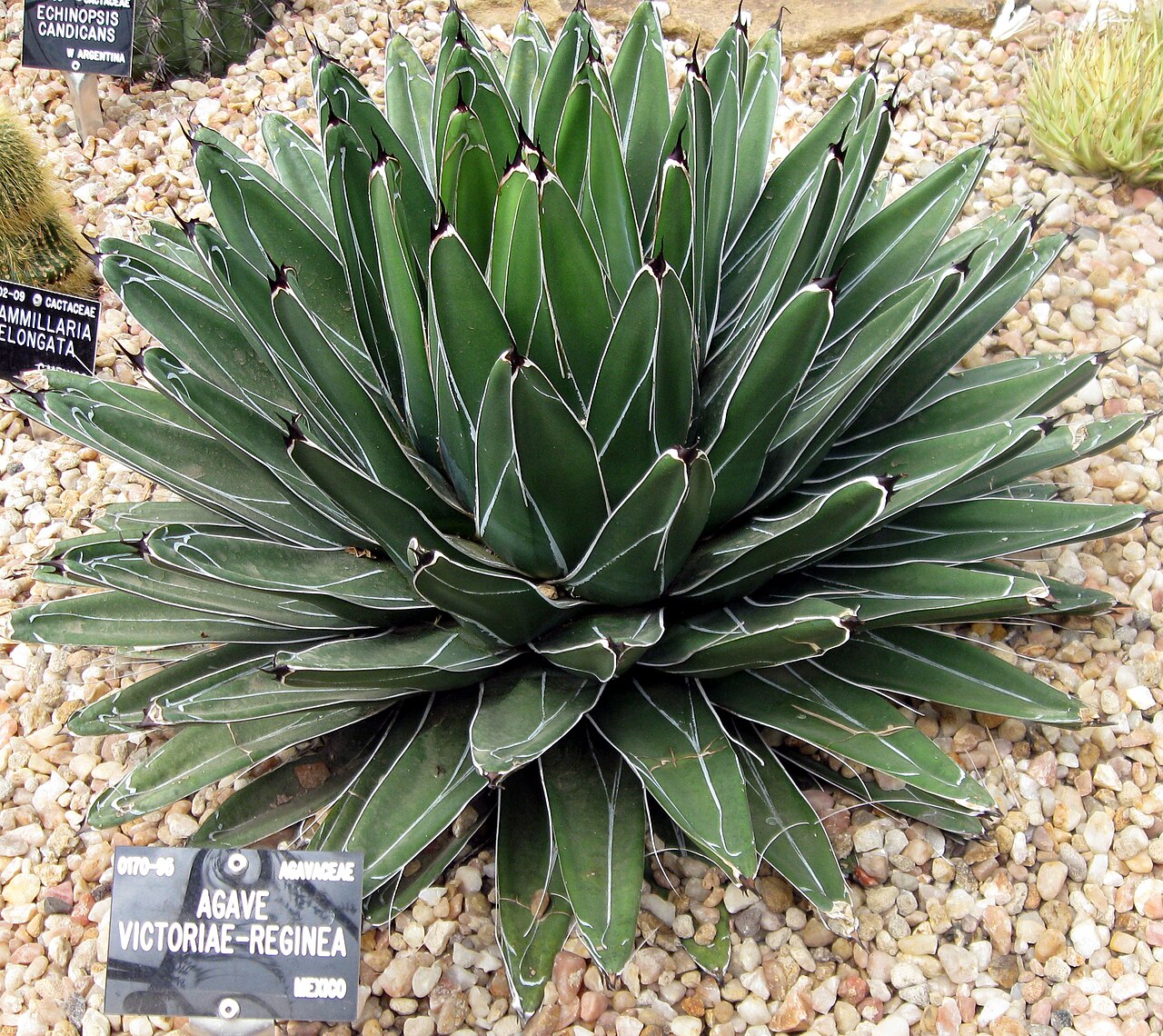
According to the university, the Tropical House shows bananas, sugarcane, coffee, giant bamboo, epiphytic orchids and bromeliads, with climbers such as the "Dutchman's Pipe". The Cactus House holds prickly pears, barrel cacti, aloes, agaves and other succulents from Brazil, Mexico, Bolivia, Peru, Africa and Madagascar.
Visit articles add carnivorous plants, including a pitcher plant and sundews, the sensitive plant and a titan arum that the garden said was nearing its flowering age in 2023, as well as orchids confiscated from smugglers by customs. Another account mentions Spanish moss, a bromeliad, and a fruiting Monstera. The tanks hold tropical beetles and millipedes, desert scorpions and, as the centrepiece, tarantulas, which gardeners bring out at special events. In 2023 the garden planned to plant the glasshouses with food and host plants to attract rare butterflies; the project was then only in its first stages.
Visiting
The glasshouses stand beside the visitor centre, at the start of the circuit: a Forestry Journal visitor followed the numbered map starting with them, and the children's quiz trail begins from the greenhouse lawn. The university says they are accessible to wheelchair users and gives them their own opening times, to be checked before a visit; heated in winter, they make a good refuge on a snowy day.
The suggested route, which avoids steps, takes about an hour. Nearby are the pond of the Prince Bishops' Garden, the Millennium Bug, the Sakura Friendship Garden, at its best in May according to a 2023 article, and the bluebell wood at Houghall, opposite. The Oriental Museum is a ten-minute walk away. Since the closure of Newcastle University's Moorbank gardens in 2014, this is, according to Wikipedia, the only botanic garden in north-east England.
54.76° N, 1.57° W
Greenhouses nearby
More greenhouses — United Kingdom
Do you have a good photo of this greenhouse? Suggest it for this page →
Sources (9)
- durham.ac.uk/things-to-do/venues/botanic-garden/whats-here/glasshouses/
- durham.ac.uk/things-to-do/venues/botanic-garden/whats-here/history-of-the-garden/
- durham.ac.uk/things-to-do/media/things-to-do/botanic-garden/whats-here/history-of-the-gard
- durham.ac.uk/things-to-do/venues/botanic-garden/whats-here/tropical-bugs-and-insects/
- x.com/DUThingsToDo/status/1844727697064214621
- en.wikipedia.org/wiki/Durham_University_Botanic_Garden
- forestryjournal.co.uk/features/forestry-journal-features/24317935.durham-university-explor
- rootsplants.co.uk/blogs/features/durham-botanic-garden
- mandycanudigit.com/2022/05/11/durham-university-botanic-garden-day-trip/
Affiliate links — booking through Verrière helps fund our research, at no extra cost to you.