Orchid House, Institute of Botany
São Paulo

Sources checked September 2026
- Year
- 1928
- Style
- Glasshouses with slatted shade structure (ripado)
- Status
- Open to the public
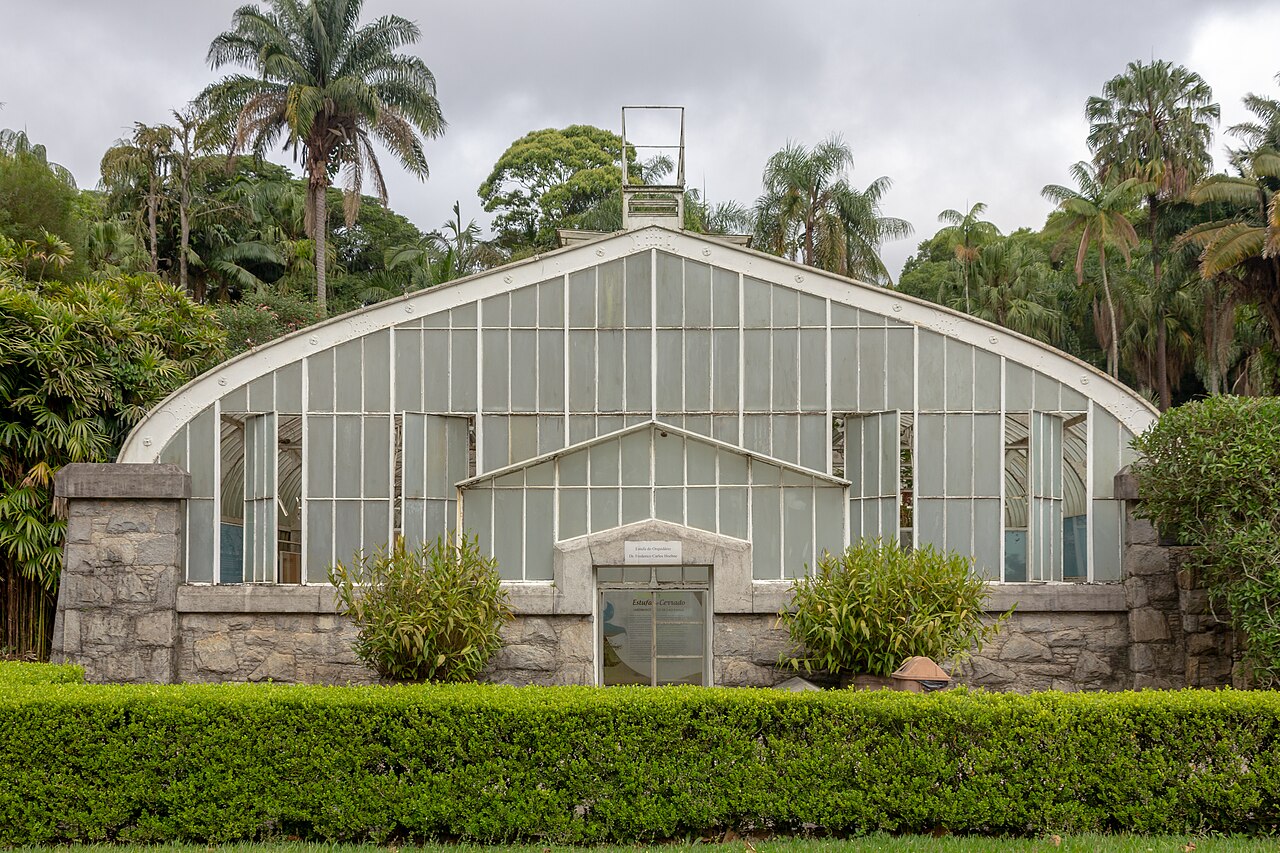
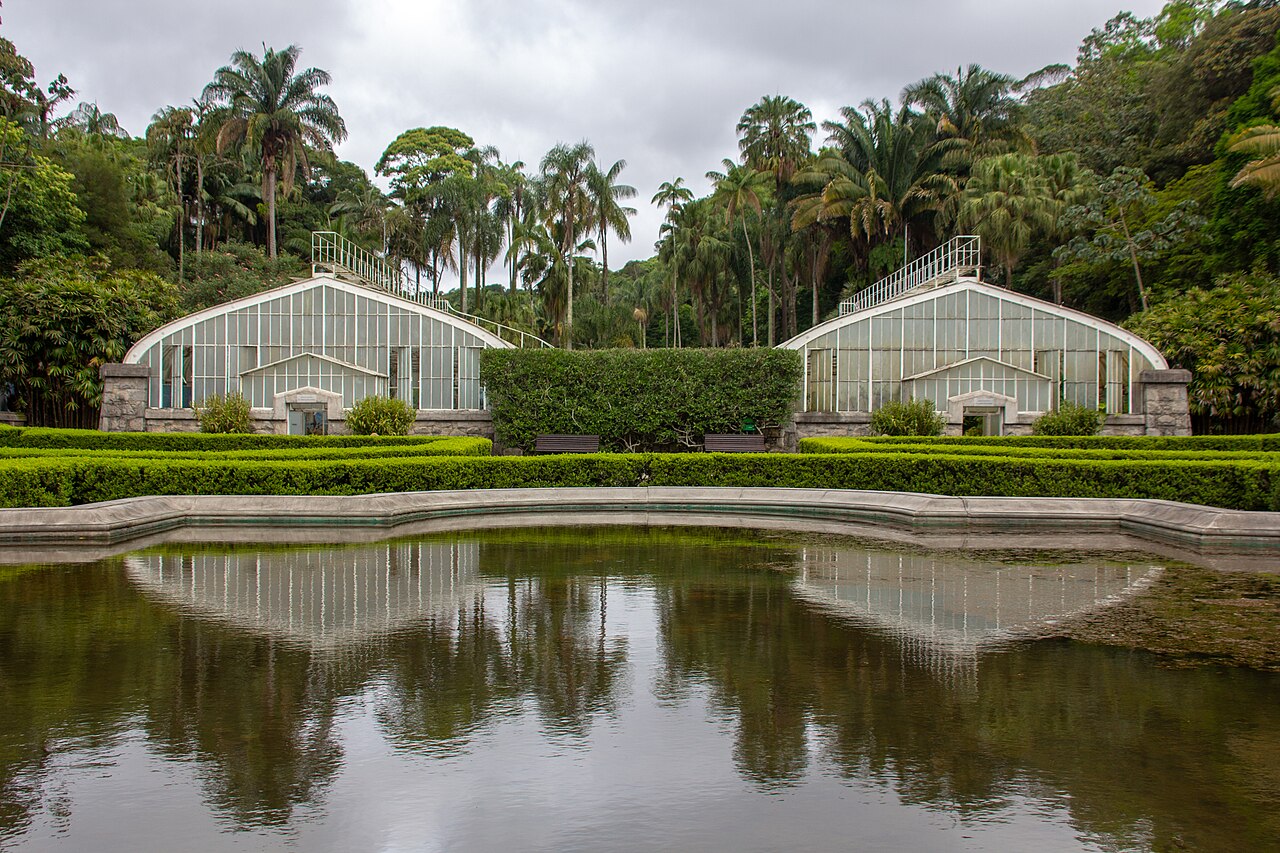
Founded in 1928 by the botanist Frederico Carlos Hoehne in the São Paulo Botanical Garden (Parque da Água Funda), the Orquidário originally paired a ripado — a slatted shade structure — with two glasshouses, an arrangement that went on to influence residential garden architecture across the city. The present scientific collection holds around 18,000 specimens representing 600 to 700 orchid species, mostly native to Brazil and several of them endangered. Two glasshouses stay open to the public year-round, and two orchid shows have been held annually since 1992.
Affiliate links — booking through Verrière helps fund our research, at no extra cost to you.
History
The Orquidário is the founding act of the São Paulo Botanical Garden. In 1928 the naturalist Frederico Carlos Hoehne was invited to carry out a botanical project in the Água Funda area, land previously used for the water supply of the Ipiranga district. There he built a ripado, a slatted shade house, set between two glasshouses, and installed São Paulo's first public orchid collection. The botanical garden officially dates from 9 November 1928; the Institute of Botany, which oversees its scientific work, was created ten years later, in 1938.
Hoehne himself pointed out that the ripado between the glasshouses left its mark on the city's architecture: São Paulo's grand houses began to include small ripados in their gardens, alongside pergolas.
The collection has since become a research tool, with the State Orchidarium working on morphology, physiology, taxonomy, molecular biology and conservation. Two orchid shows have been held every year since 1992. In 2021 the park was placed under a thirty-year concession to the Reserva Paulista consortium; closed during the Covid-19 pandemic, it reopened under private management in 2022.
Architecture and engineering
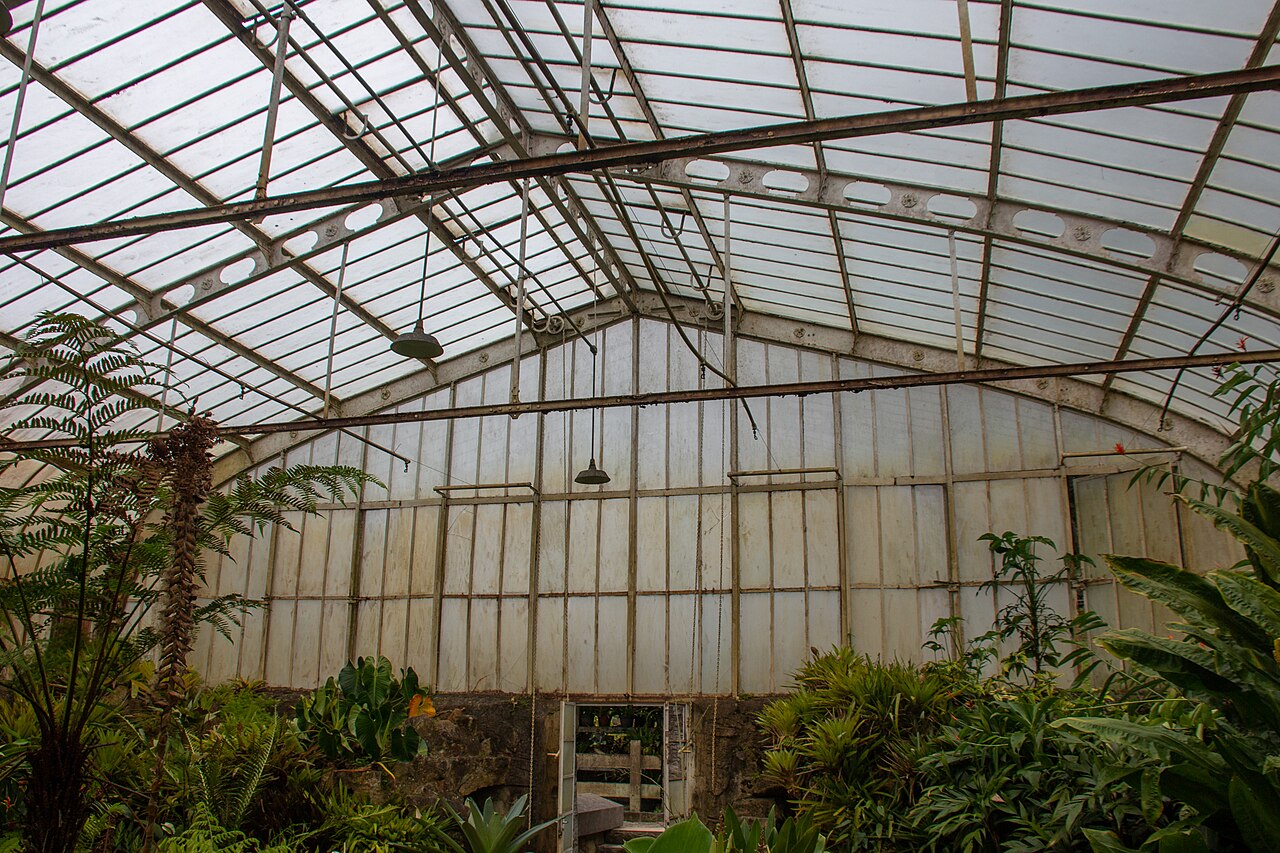
The original arrangement paired two glasshouses with a ripado, a light structure of wooden slats that softens the light and shields plants from direct sun while letting air circulate. It suits the epiphytic orchids of the Atlantic Forest, which are used to the filtered light of the understorey, and its simple construction explains how readily it was copied in private gardens across the city.
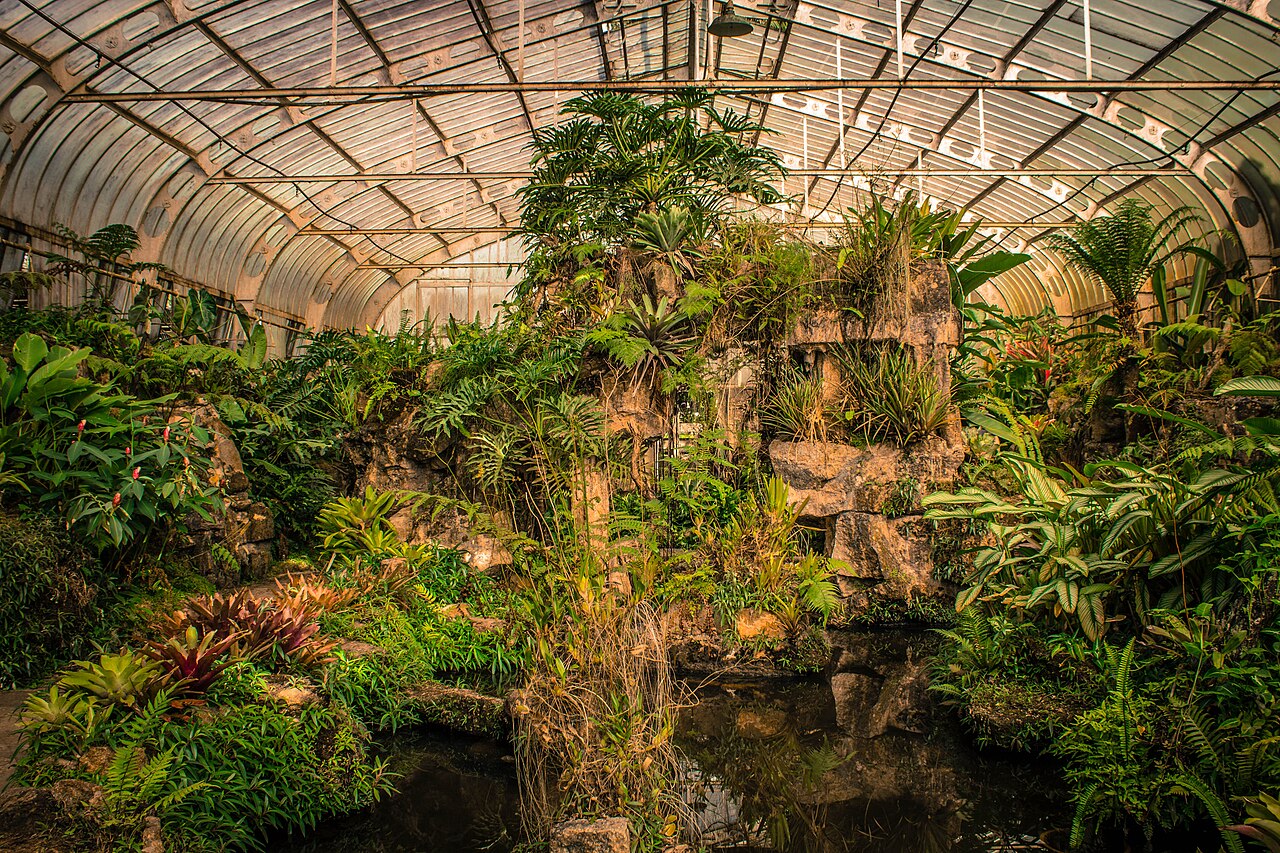
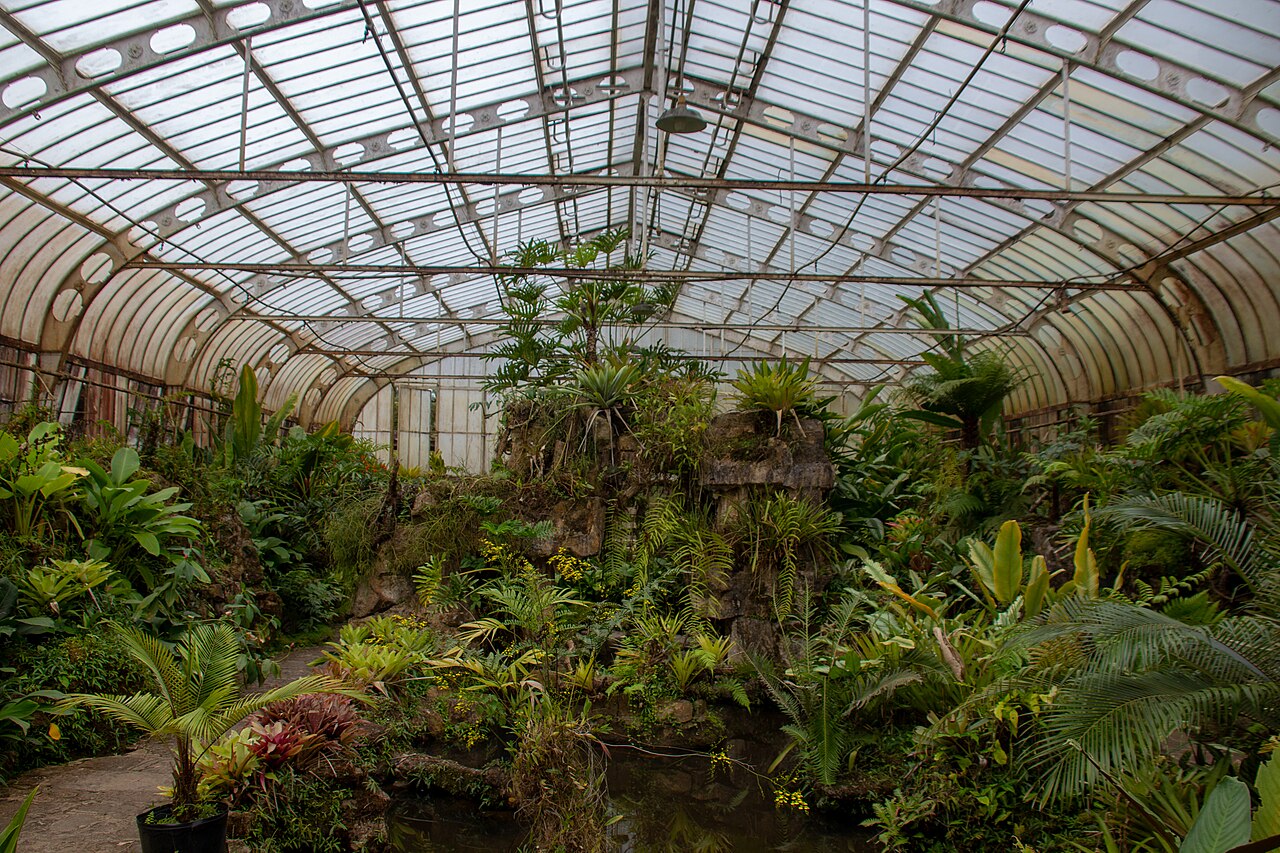
Today the Botanical Garden has two glasshouses regarded as historic landmarks of the site: one shows typical Atlantic Forest plants and the other hosts temporary exhibitions. Within these glasshouses the Orquidário keeps a permanent display of orchids for visitors. Behind the scenes, the institution runs a growing collection, a taxonomy laboratory and an in vitro culture laboratory.
Plant collections
The scientific collection comprises around 18,000 pots representing some 600 to 700 orchid species, mostly native to São Paulo state and to Brazil, many of them threatened with extinction. It supports ex situ conservation, in vitro propagation and research into the systematics of neotropical orchids.
A selection of flowering plants is permanently on show in the public glasshouses, and the two annual exhibitions display a wider share of the collection. Around them, the 360,000 m² garden holds 380 tree species and a varied fauna, including 139 bird species, sloths and howler monkeys.
Visiting
The Orquidário is visited as part of the Botanical Garden, inside the Fontes do Ipiranga State Park in the south of São Paulo; admission to the park is charged. The glasshouses combine well with the Fernando Costa avenue, the water-lily lake, the Linnaeus garden modelled on Uppsala's botanical garden, the Botanical Museum and the trail to the source of the Ipiranga stream. The annual orchid shows are the best time to see the collection in flower.
23.64° S, 46.63° W
Greenhouses nearby
More greenhouses — Brazil
Do you have a good photo of this greenhouse? Suggest it for this page →
Affiliate links — booking through Verrière helps fund our research, at no extra cost to you.