Orchid House, Rio de Janeiro Botanical Garden
Rio de Janeiro

Sources checked September 2026
- Style
- Iron-and-glass house with hanging gardens
- Status
- Open to the public
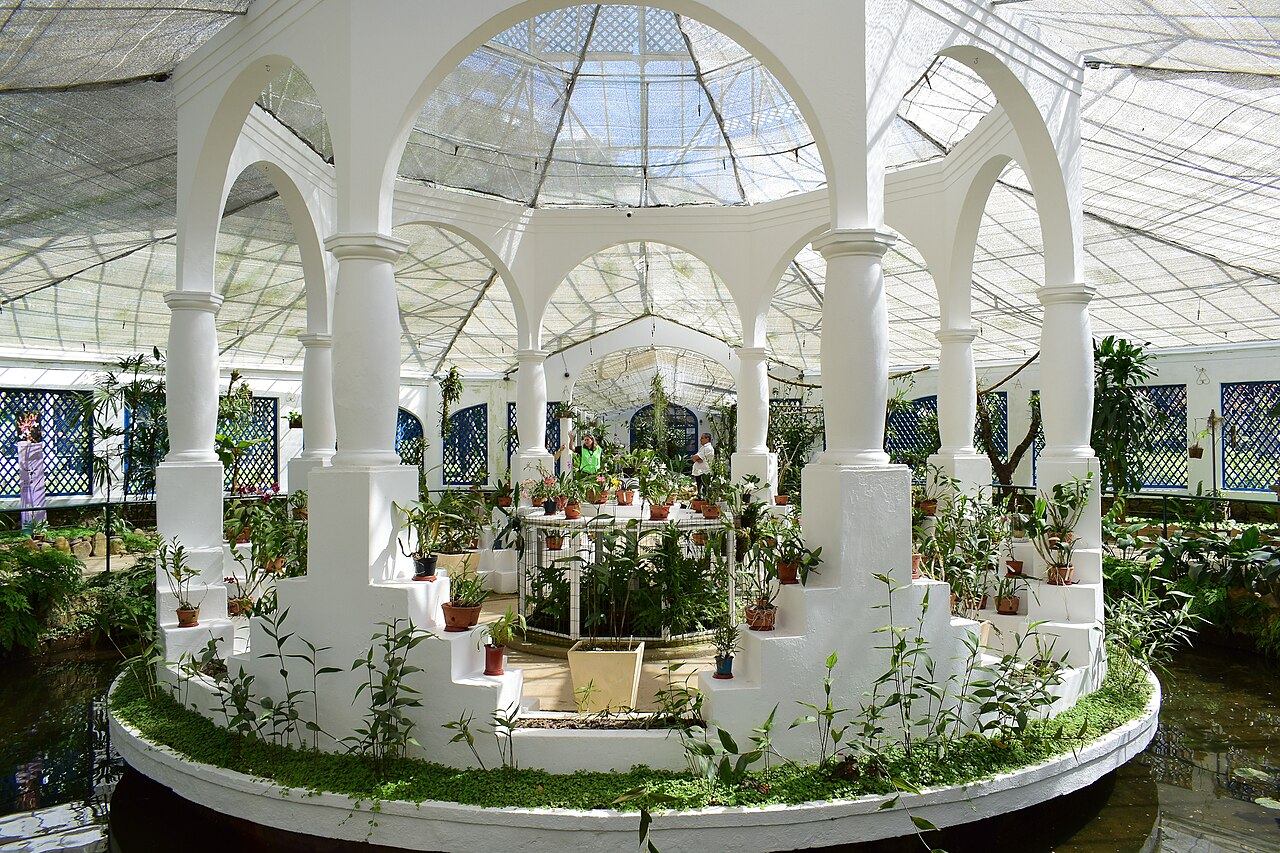
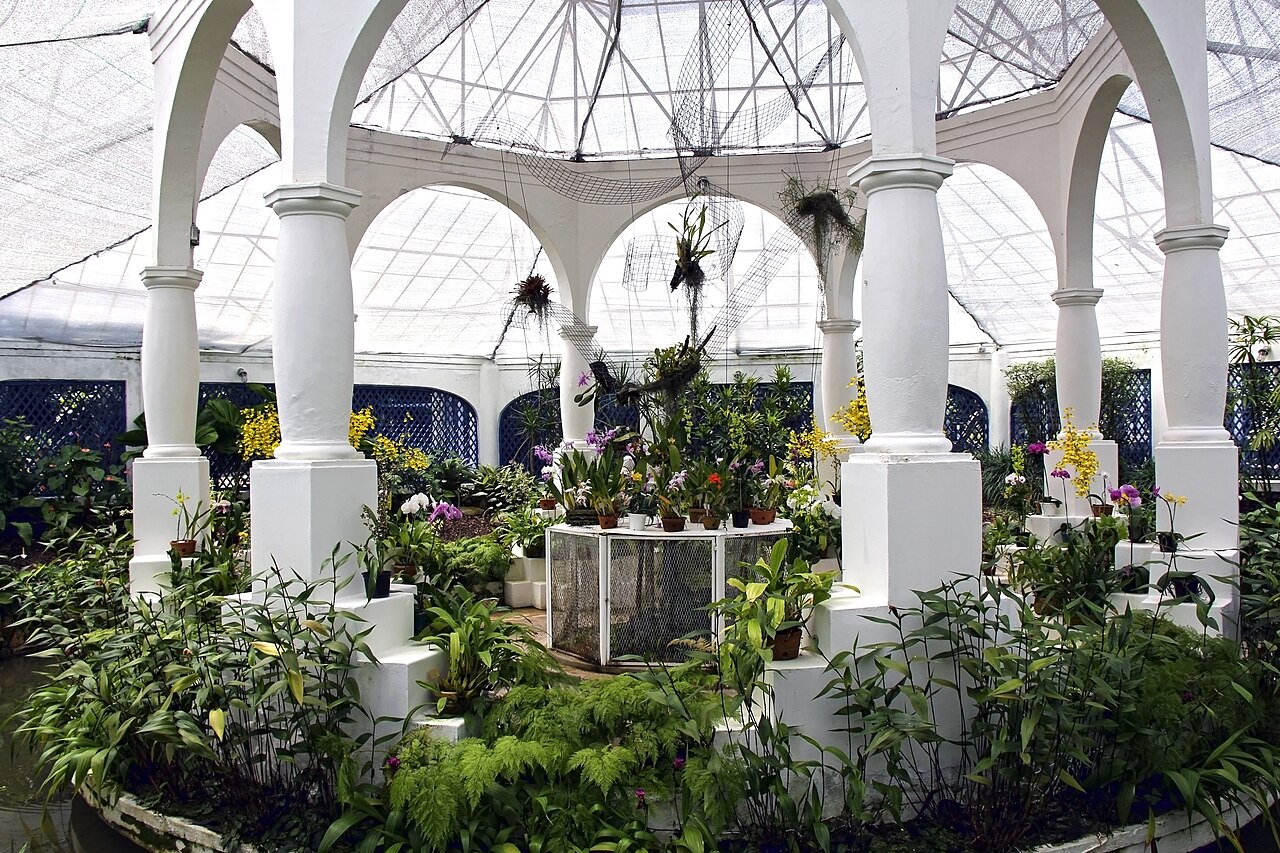
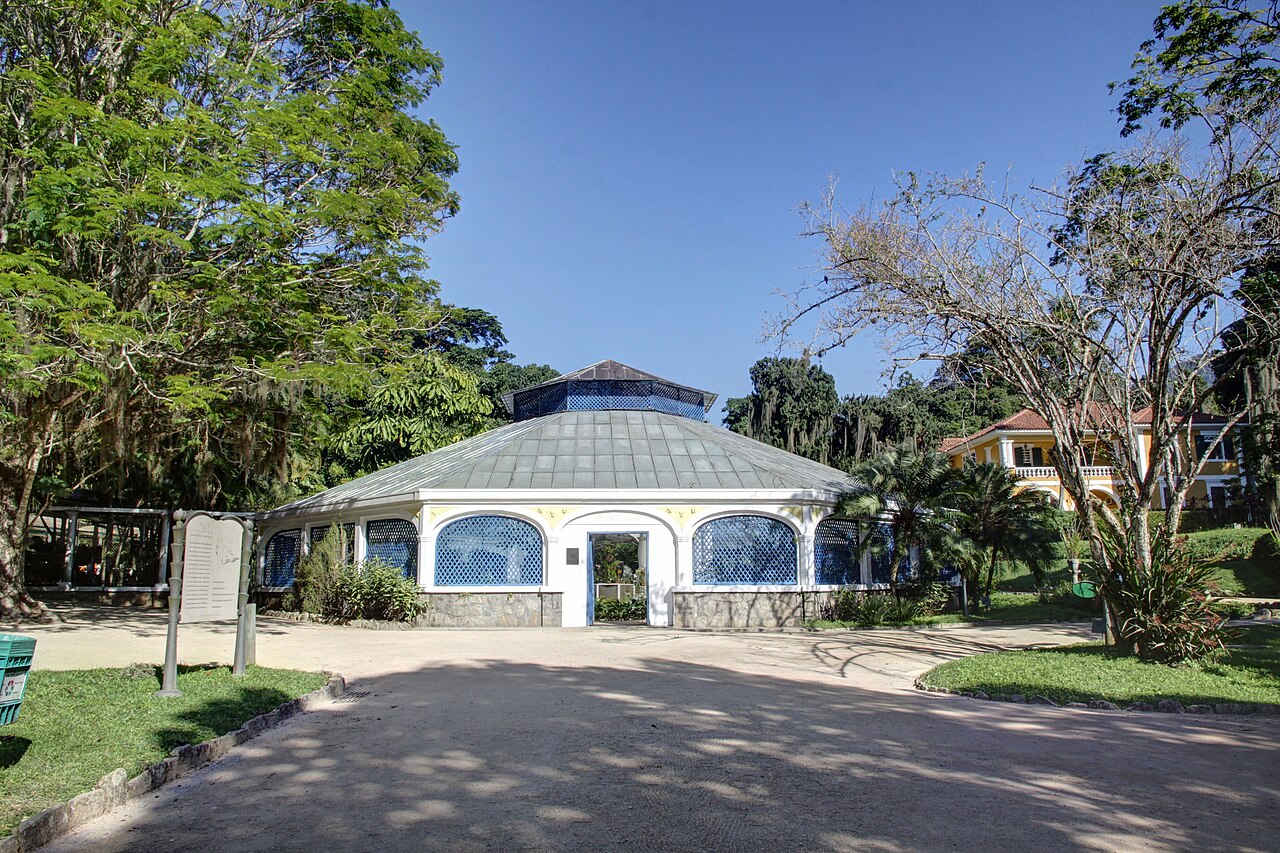
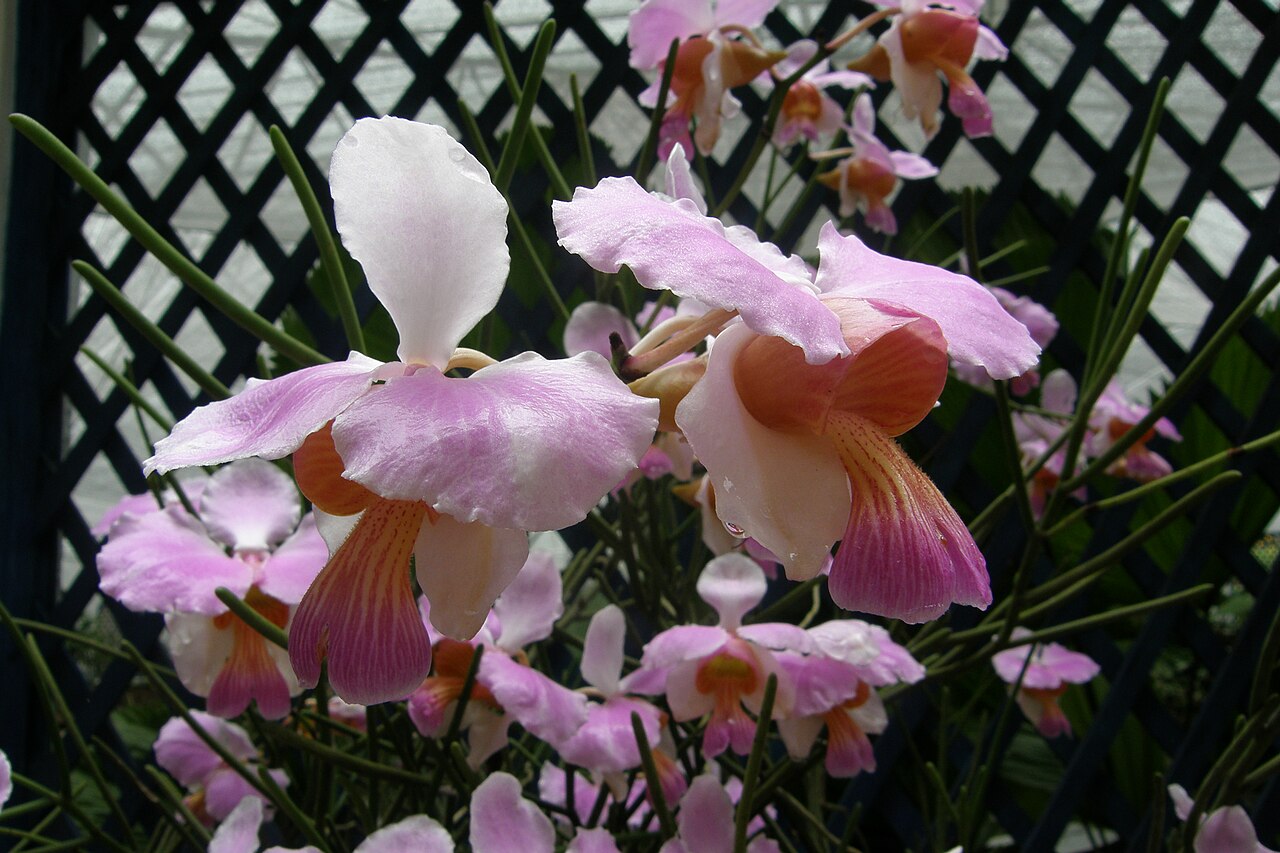
Built of iron and glass in the 1930s within the Rio de Janeiro Botanical Garden, this house reopened to the public on 1 May 2022 after two years of closure and a renovation costing around 300,000 reais. The scientific collection holds more than 7,500 orchids: some 4,000 native specimens (85 genera, around 419 species), 1,262 exotics and 2,261 hybrids. The public glasshouse displays 630 of them, arranged in hanging gardens staggered to flower across the seasons. A sensory garden allows visitors to touch selected plants, and a section devoted to micro-orchids is fitted with magnifying lenses.
Affiliate links — booking through Verrière helps fund our research, at no extra cost to you.
History
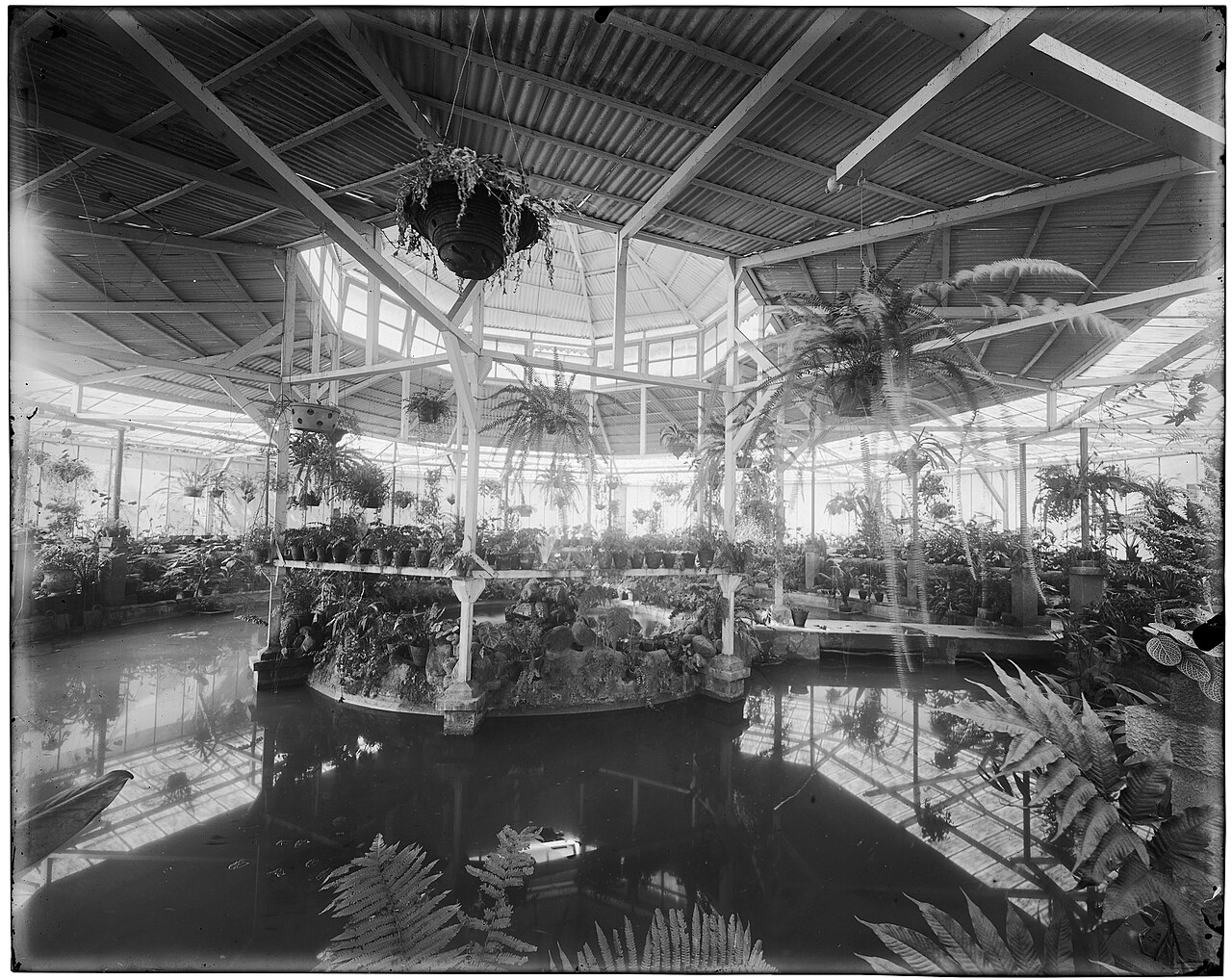
Rio de Janeiro's Botanical Garden was created by a decree of 13 June 1808, when the Prince Regent Dom João ordered the seizure of the Engenho da Lagoa to set up an acclimatisation garden; it was named Real Horto on 11 October that year. The orchid house came much later. It dates from the late nineteenth century, with a remodelling in the 1930s. Further work is recorded in the 1990s.
After two years of closure, the house reopened to the public on 1 May 2022 following a renovation of about 300,000 reais carried out during the pandemic. The institution's president, Ana Lúcia Santoro, described the reopening as a collective achievement of staff, collaborators, partners and members, and announced that the bromeliad house and other glasshouses would be renovated next, after the earlier restoration of the Solar da Imperatriz. The collection is curated by Delfina de Araújo.
Architecture and engineering
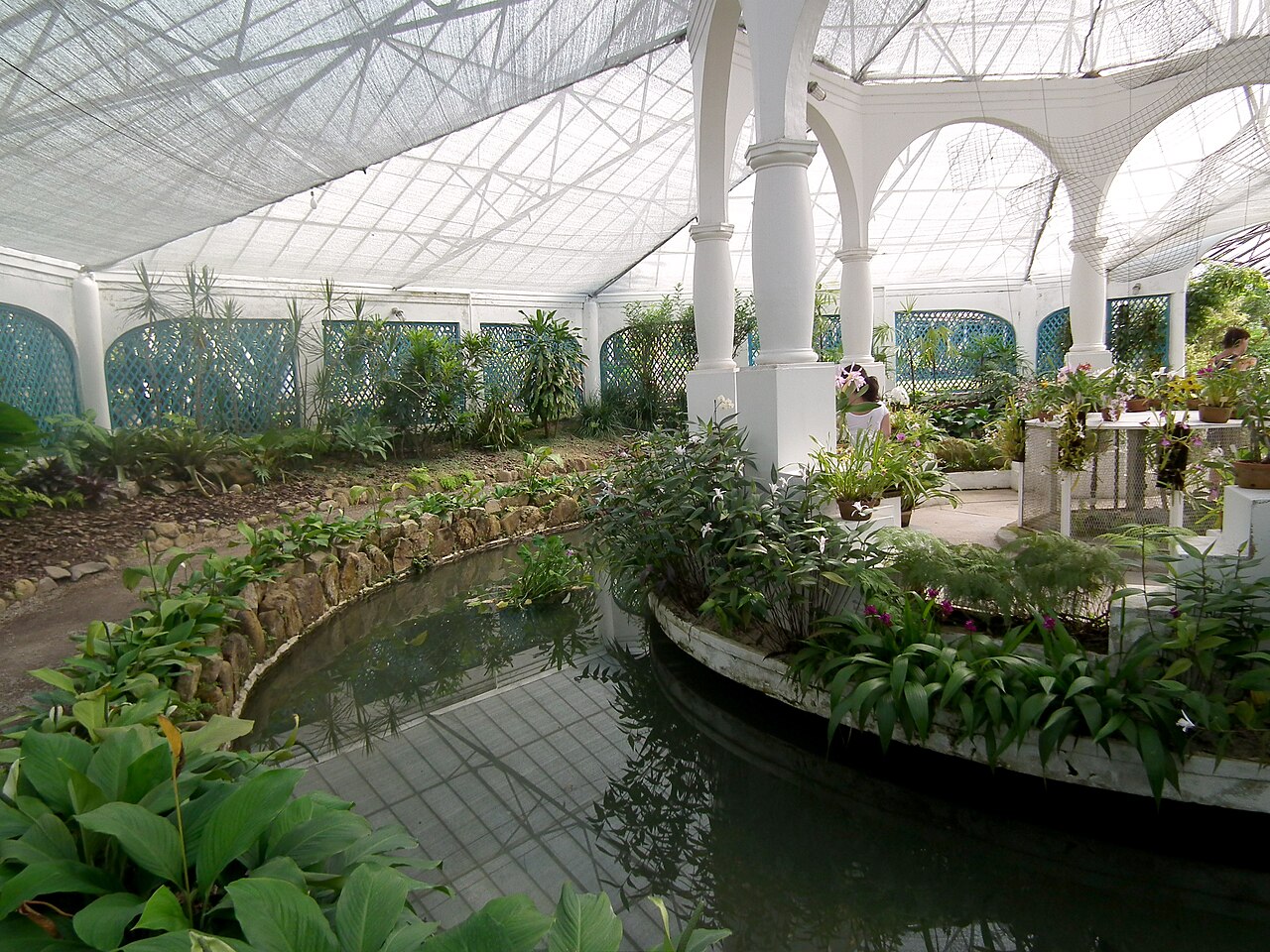
The public house is an iron-and-glass structure fitted out as a series of hanging gardens: orchids are suspended at different heights rather than set out on benches, which lets several hundred plants share a modest volume. Interpretation panels line the route, one station is equipped with a magnifying lens for the smallest flowers, and a sensory garden invites visitors to touch the textures of selected plants.
The glasshouse is only the visible part of a larger complex. The orquidário also includes outdoor areas, growing spaces reserved for research, two closed glasshouses, a quarantine house and a ripado, a slatted shade structure that filters light for shade-loving species.
Plant collections
The scientific collection numbers 7,523 plants. Brazilian native species form its core, with about 4,000 specimens across 85 genera and some 419 species; 1,400 of these were gathered in the field and make up the reference collection. Alongside them are 1,262 exotic orchids and 2,261 hybrids. The curator stresses the emphasis on threatened Brazilian species.
The public house shows 630 plants, arranged so that flowering follows on through the seasons rather than peaking all at once. The micro-orchid section displays blooms from 2 millimetres to 1 centimetre across, best seen through the lens. Descriptions predating the renovation also mention anthuriums, philodendrons and ferns grown among the orchids.
Visiting
The orchid house stands inside the Botanical Garden at the foot of Corcovado; when it reopened in 2022, entry was included in the garden ticket. Because flowering is staggered, something is in bloom in every season, and the micro-orchid section deserves time, since the lens reveals detail the naked eye misses.
The house fits easily into a longer walk through the garden: the 750-metre Avenue of Royal Palms with its 134 trees, the Japanese garden, the sensory garden, and the bromeliad, cactus and carnivorous-plant collections.
22.97° S, 43.22° W
Greenhouses nearby
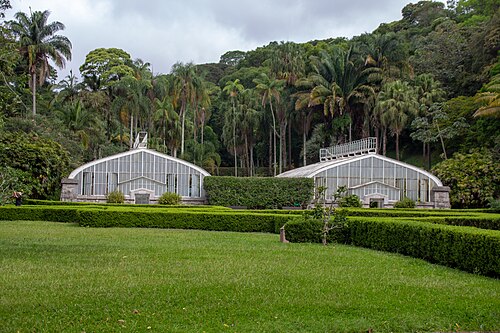
More greenhouses — Brazil
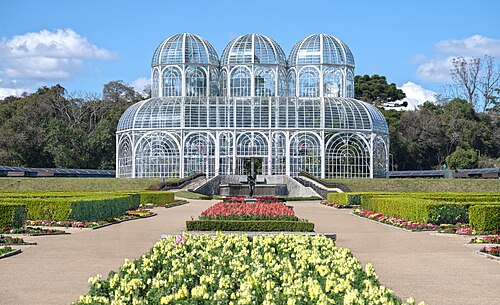
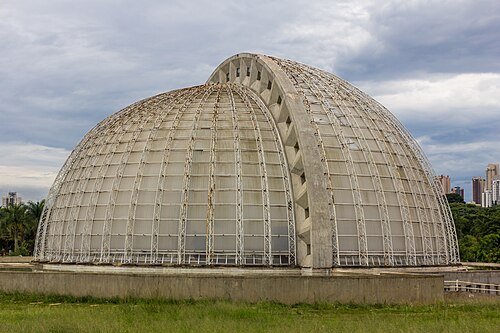
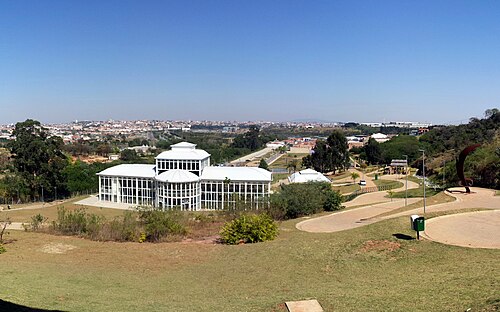
Do you have a good photo of this greenhouse? Suggest it for this page →
Affiliate links — booking through Verrière helps fund our research, at no extra cost to you.