Winter Garden Glasshouse
Dunedin Botanic Garden, Dunedin, Otago

Sources checked September 2026
- Year
- 1907–1908
- Architect
- McKenzie & Moncur Ltd (plans prepared under David Tannock's direction)
- Style
- Heated Edwardian glasshouse
- Dimensions
- Original central house 15.25 × 12.2 m and 9.15 m high, flanked by two wings
- Status
- Open to the public; Category 2 historic place (1986)
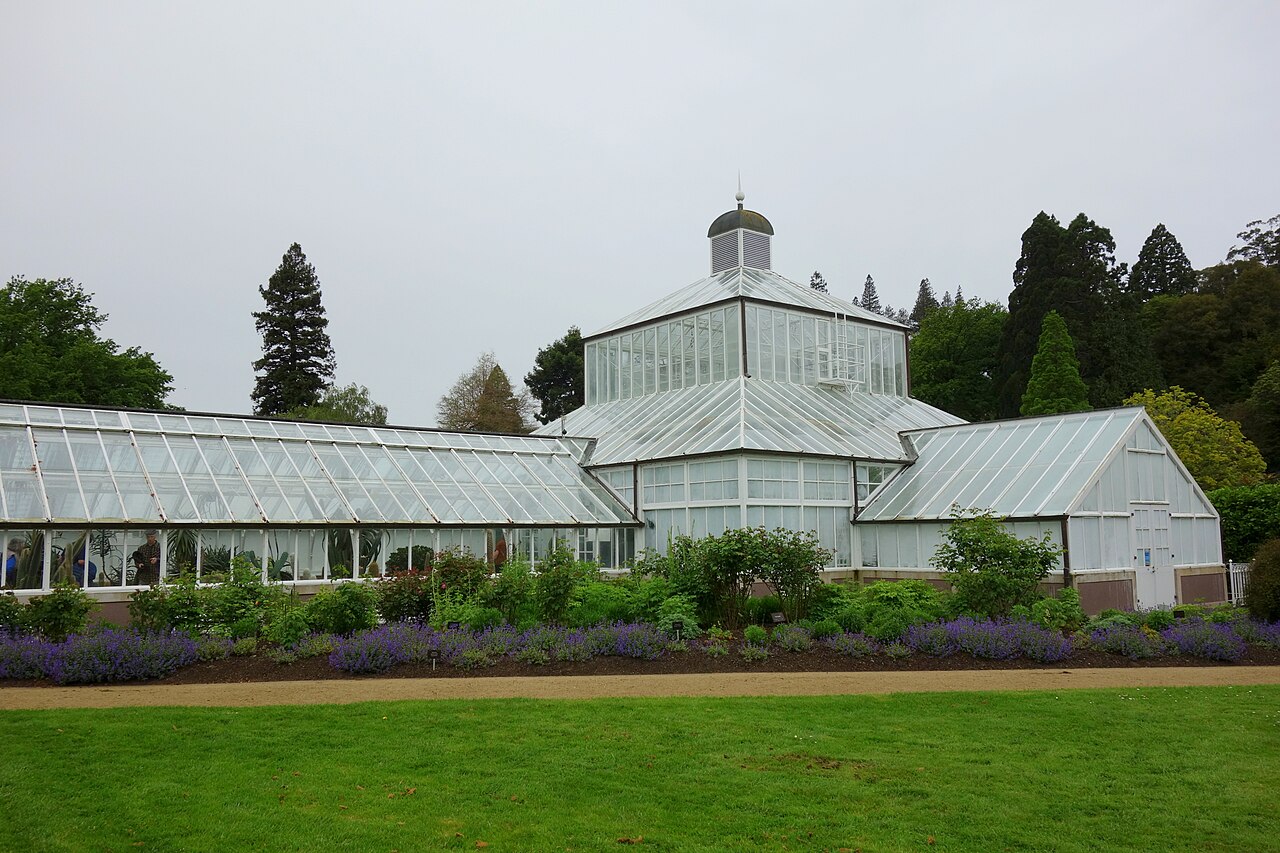
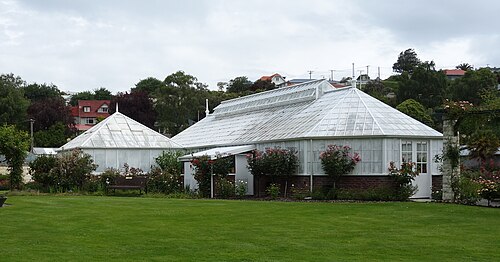
Proposed in 1906 by David Tannock, superintendent of the Dunedin Botanic Garden, this winter garden is described by Heritage New Zealand as the first of its kind in Australasia. Planned by the firm McKenzie & Moncur Ltd and ultimately gifted to the city by Robert Glendining, it opened on 3 October 1908 with three rooms, including a central house 9.15 m high. Extended until it numbered nine sections, restored in 1989-1992 and refurbished in 2018-2019, it shelters tropical, subtropical and desert plants and has been a Category 2 entry on the New Zealand Heritage List since 1986.
Affiliate links — booking through Verrière helps fund our research, at no extra cost to you.
History
The Dunedin Botanic Garden, New Zealand's oldest, was established in 1863 by the Otago Provincial Government; after floods devastated it in February 1868, it moved in 1869 to its present site at the northern end of the Town Belt. In 1906 its superintendent, David Tannock, proposed building a winter garden there, the first in Australasia according to Heritage New Zealand.
Plans were drawn up under his direction by McKenzie & Moncur Ltd. In March 1907 the City Council voted £318 for a first section, and the contract went to Henderson & Barclay. In July it was announced that Robert Glendining would pay for the construction; he brought in the architect Wales, Tannock, his own gardener and his own contractors, G. Simpson & Co. The finished building cost £3,700 and was opened by the Mayor on 3 October 1908. Hundreds of people visited every day, helped by Dunedin's new tram system.
The complex then grew in stages: an orchid house in 1912, a new boiler in 1915, two donated glasshouses in 1918, a fernery and aquarium taken over from the New Zealand & South Seas Exhibition in 1926, a glasshouse brought from Chingford in 1937, rebuilt orchid houses in 1941 and a new fernery in 1962. Badly deteriorated after the 1970s, the winter garden was restored from 1989 with the approval of city architect Robert Tongue; work finished in November 1991 and the official reopening took place on 29 February 1992. A further NZ$591,000 refurbishment followed, dated 2018 in the register's summary and 2019 in its construction timeline. The building has been a Category 2 historic place on the New Zealand Heritage List since 25 September 1986.
Architecture and engineering
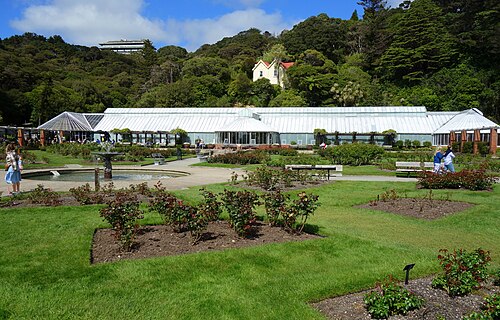
When it opened, the winter garden consisted of three rooms in a row. To the west, a span-roofed wing measuring 15.25 by 6.4 m was given over to flowering plants. In the centre rose a much taller square house, 15.25 by 12.2 m and 9.15 m high, designed for large tropical specimens. To the east, a second span-roofed wing held fruiting subtropical plants. The building is a heated Edwardian glasshouse, and a new boiler was already installed in 1915.
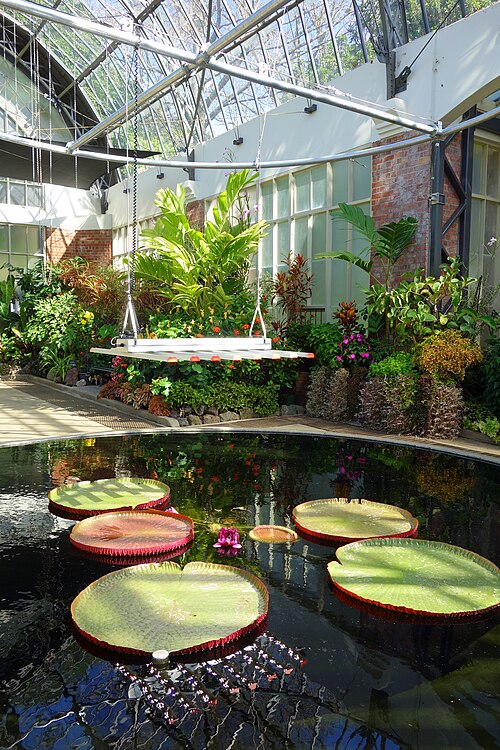
Later additions extended the plan. The orchid house of 1912, roughly 18 by 7 m, was divided into tropical and cool sections, and the two glasshouses of 1918 measured 9.15 by 6.1 m and 18.3 by 6.1 m. The complex eventually comprised nine sections: two greenhouses, a palm house, a tropical house, a water lily house, two orchid houses, a fernery and a succulent house. Several later additions were removed over the decades, and the 1989-1992 restoration returned the building approximately to its original design. The 2018-2019 works replaced glass, repaired window frames, doors and metal structures, and upgraded the mechanical controls of the ventilation louvres.
Plant collections
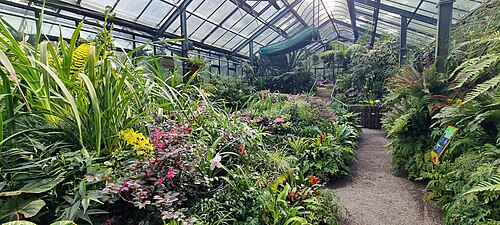
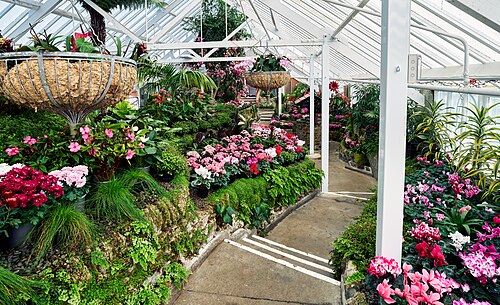
The original planting followed the layout of the three rooms: flowering plants to the west, tall tropical plants beneath the central house and fruiting subtropical species to the east. The first plants were propagated on site, gathered from other gardens or donated by members of the public. As specialised houses were added, the range widened to palms, water lilies, tropical and cool-growing orchids, ferns and succulents.
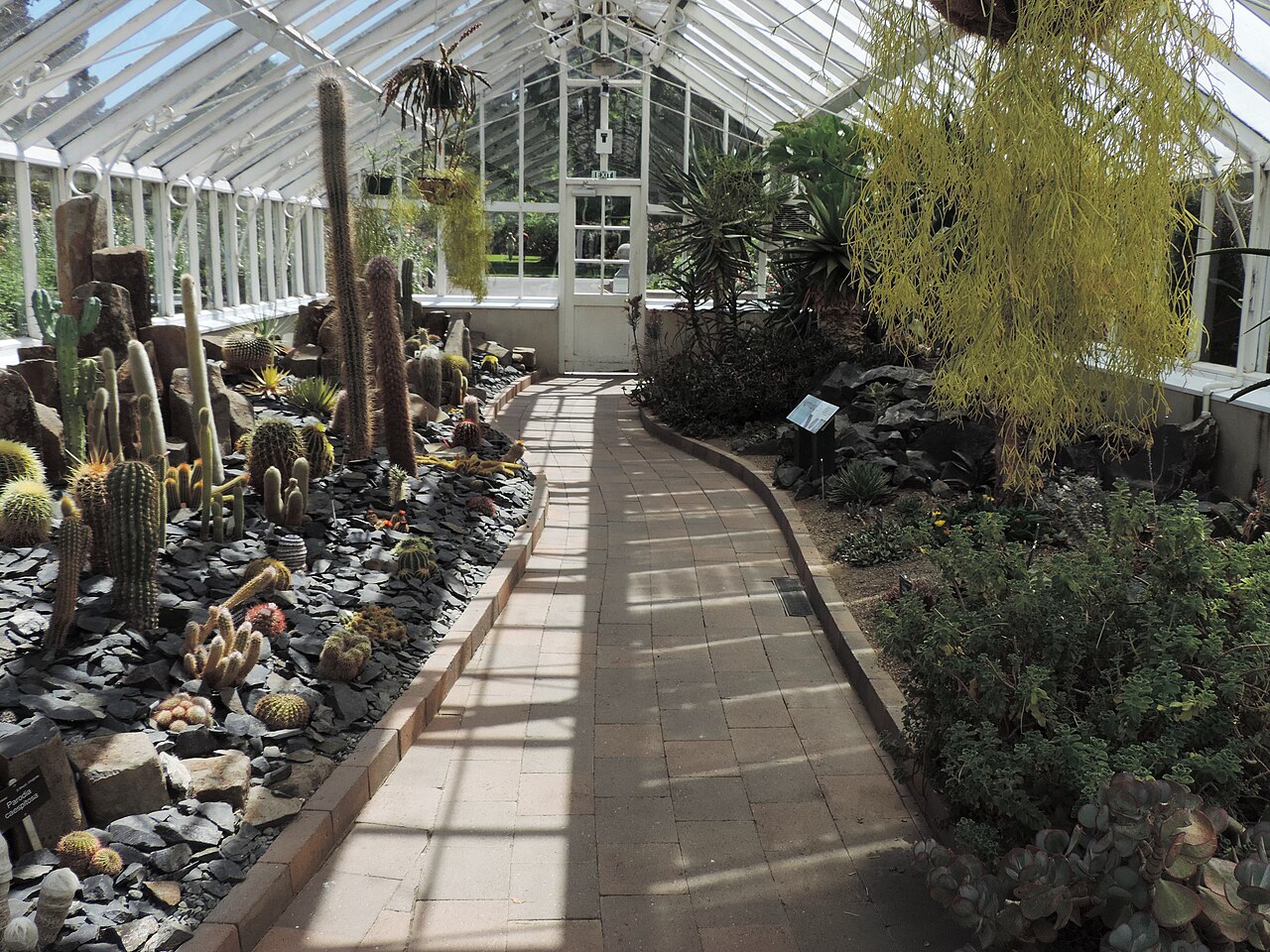
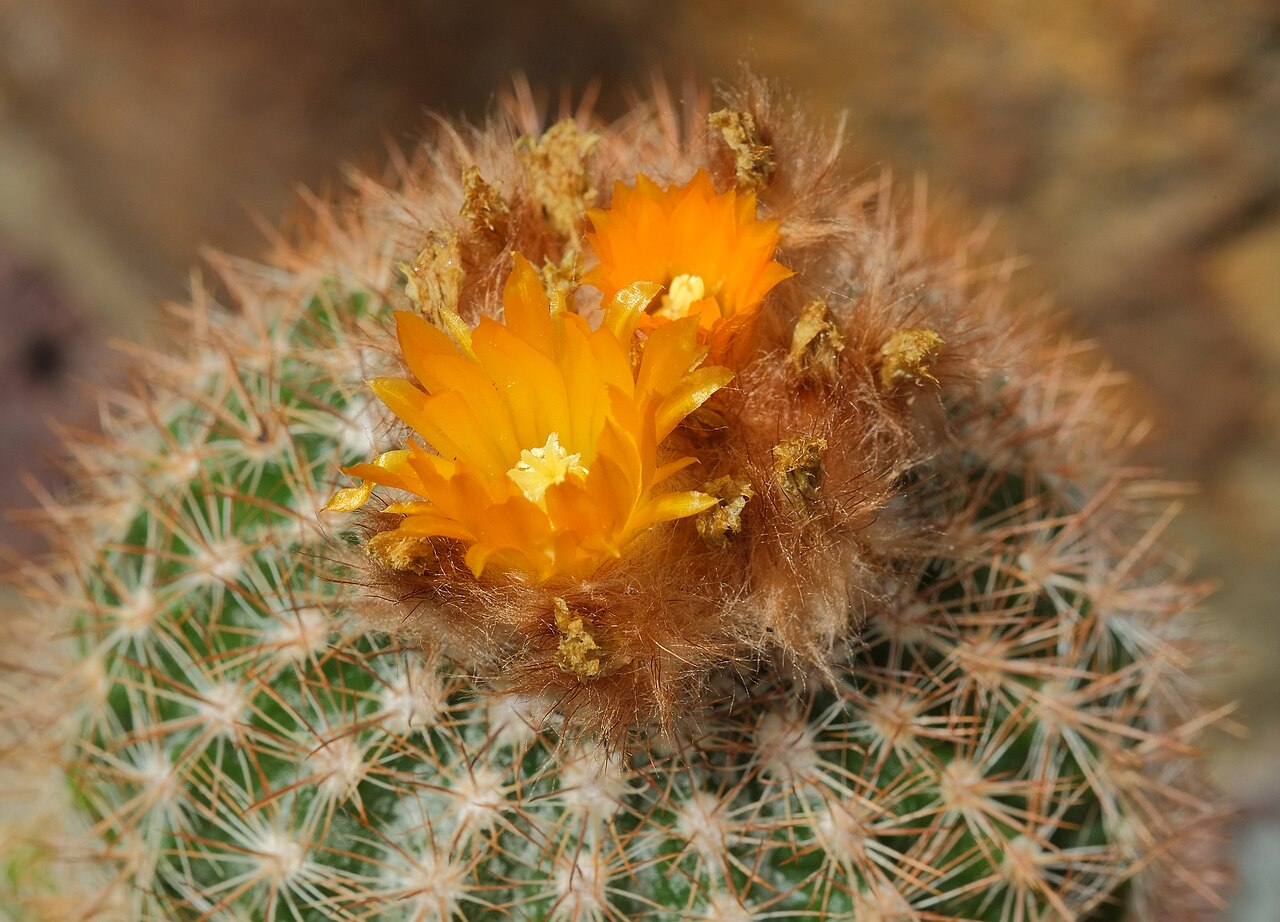
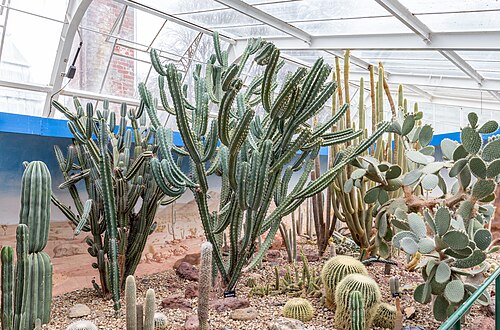
Today the glasshouse displays tropical, subtropical and desert plants side by side. Its most famous specimen is a titan arum (Amorphophallus titanum) acquired in 2008. Its first flowering, in 2018, drew around 10,000 people, with a queue that stretched out to the street, and it bloomed again as early as January 2021, an unusually short interval. Each flowering lasts only 36 to 48 hours, during which the inflorescence warms up and gives off a smell of rotting flesh that attracts its pollinators.
Visiting
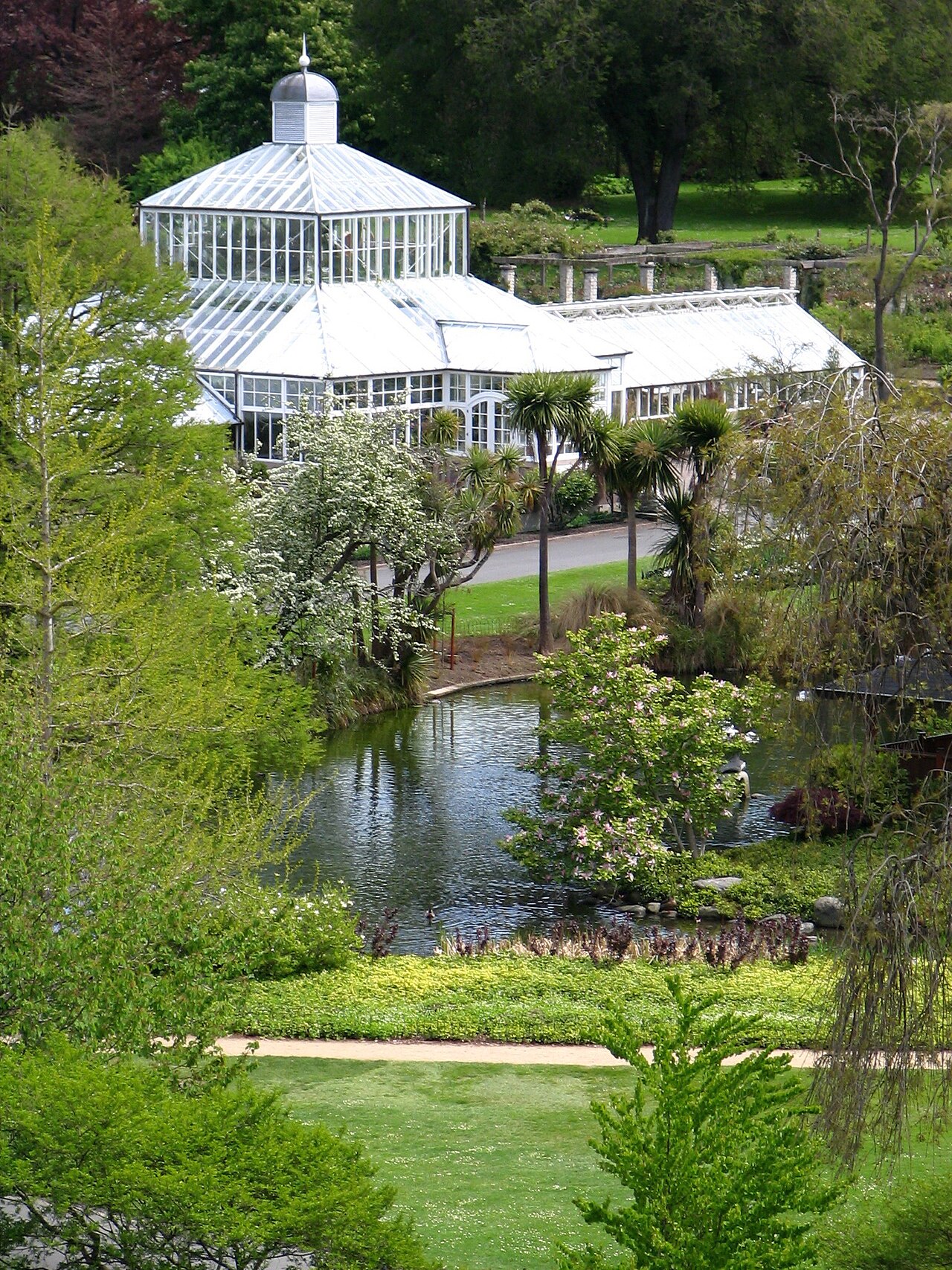
The winter garden stands on the flat ground of the lower garden, the lowest part of the Dunedin Botanic Garden, at the northern end of central Dunedin and close to the University of Otago. The 28-hectare garden was ranked a Garden of International Significance in 2010, and Heritage New Zealand notes that its six-star rating from the New Zealand Gardens Trust was renewed in 2021.
Around the glasshouse lie the rose garden, the herb garden, the duck pond, the children's playground, the 1914 sound shell, itself a listed historic place, and the Japanese garden that marks the sister-city link with Otaru. On a cool day the heated houses make a sheltered stop before the climb to the upper garden, with its geographic plant collection, small aviary, native plant collection and extensive rhododendron dell.
45.86° S, 170.52° E
Greenhouses nearby
More greenhouses — New Zealand
Do you have a good photo of this greenhouse? Suggest it for this page →
Sources (6)
Affiliate links — booking through Verrière helps fund our research, at no extra cost to you.