Glasshouses, University of Bristol Botanic Garden
Stoke Bishop, Bristol (England)

Entry updated on October 5, 2026
- Year
- 2005–2006
- Architect
- Land Use Consultants (garden design)
- Style
- Modern Venlo-type glasshouse divided into climatic zones
- Dimensions
- 640 m² (604 m² according to a paper on the project)
- Status
- Open to the public (cool zone currently closed to visitors)
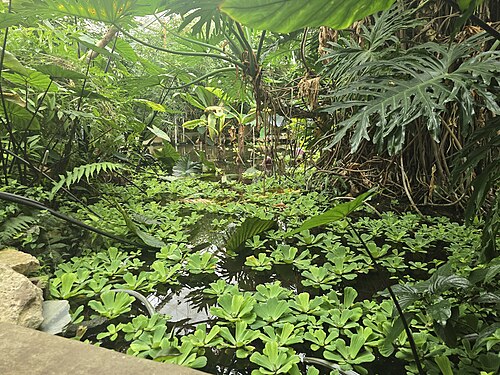
Founded in 1882, the University of Bristol Botanic Garden moved in 2005, after two earlier relocations, to The Holmes estate in Stoke Bishop. Designed by Land Use Consultants, it opened to the public in March 2006. Its 640 m² Dutch Venlo-type glasshouse is divided into climatic zones: a subtropical mountain forest with orchids, bromeliads and cycads, a warm temperate zone with succulents, a cool zone and a tropical zone, officially opened in 2007, where a raised pool holds the giant Amazon water lily.
Affiliate links — booking through Verrière helps fund our research, at no extra cost to you.
History
1 min
The garden began in 1882, when University College, Bristol gave its botany lecturer Adolf Leipner £15 to lay out a patch of waste ground beside its new buildings at the top of University Road, near Royal Fort House in Clifton. It later moved to a site by Tyndall Avenue, known as the Hiatt Baker Garden, until Senate House was built there in 1959. The collections then went to Bracken Hill in Leigh Woods, an 1886 house that had belonged to the benefactor Melville Wills, where they stayed for forty-six years.
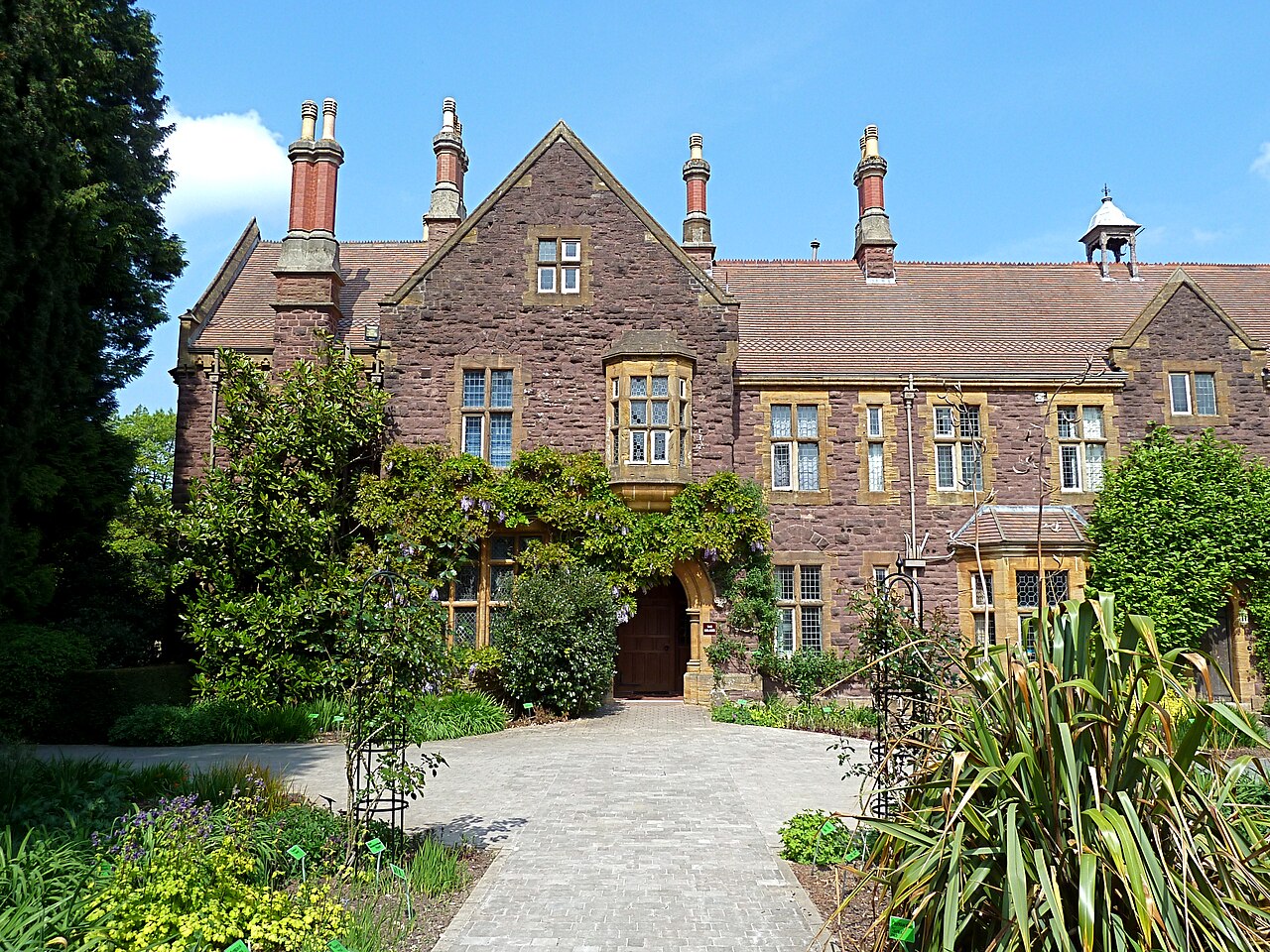
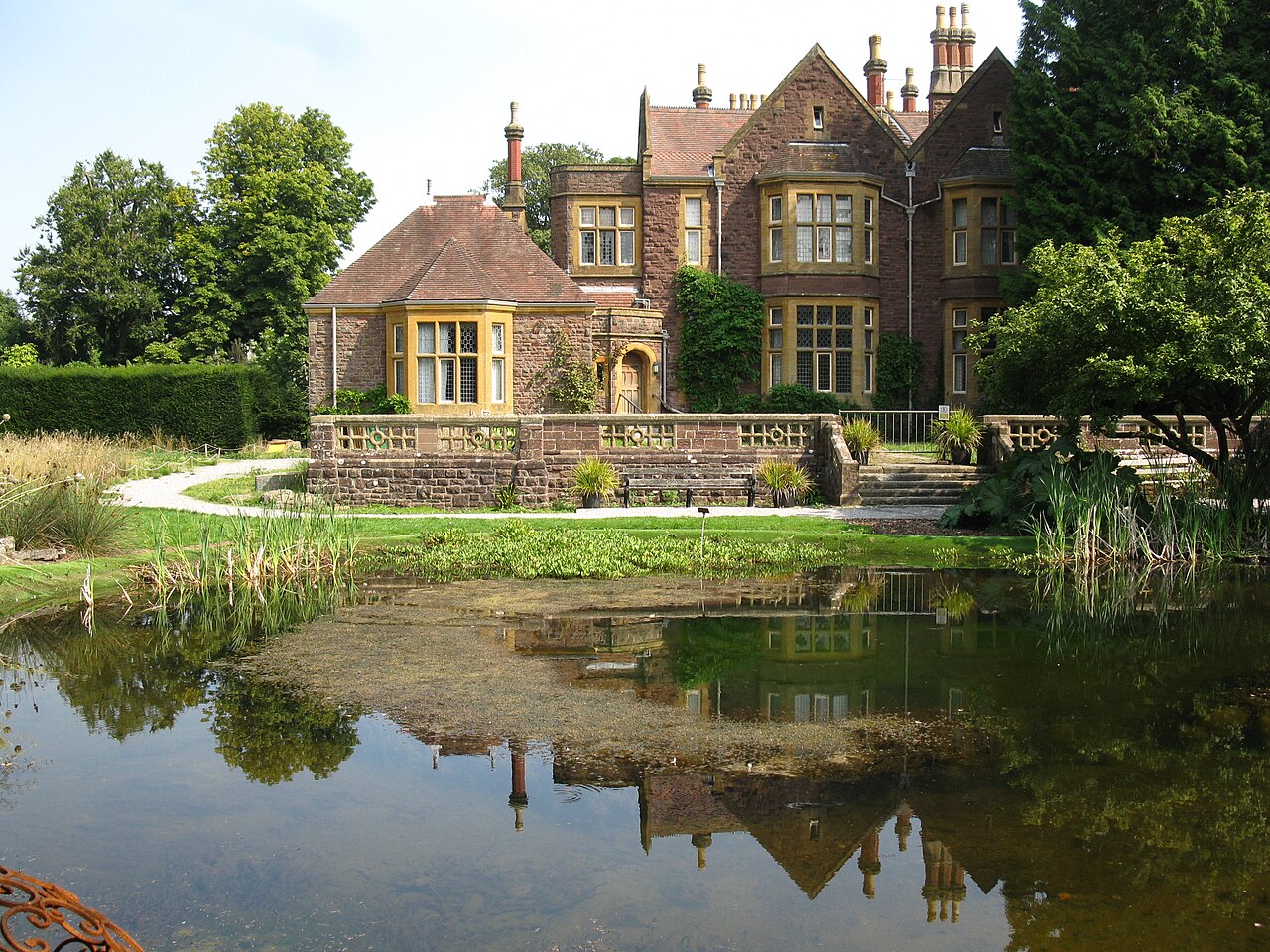
In 2002 a review of the university's estate settled on The Holmes at Stoke Bishop as the new home. This Arts and Crafts house, built in 1879, had served in 1944 as a base for senior US Army generals planning the Normandy landings. The design for the new garden, drawn up by Land Use Consultants with Peter Crane as adviser, was approved in July 2004. The glasshouse collections were moved in September and October 2005 and the garden opened to the public in March 2006; the tropical zone of the glasshouse was officially opened on 28 July 2007. The garden describes itself as the first university botanic garden created in the United Kingdom for nearly forty years.
Architecture and engineering
1 min
The glasshouse is a working modern structure rather than a historic monument. According to a paper on the creation of the new garden, it is a Venlo-type complex, the Dutch multi-ridged design used for commercial growing, built for £303,000. The garden gives its area as 640 m², while the paper gives 604 m²; the paper also mentions five temperature zones, whereas the official website and Wikipedia describe four.
Those four zones follow one another under the same glass: a warm, humid subtropical zone conceived as a mountain forest; a warm temperate zone; a cool, bright zone, currently closed to the public; and a hot, humid tropical zone arranged around a raised pool for aquatic plants. The glasshouse sits within a garden laid out by Land Use Consultants, a practice known for its work at the Eden Project and Heligan, along a meandering trail described as organic that links the outdoor collections.
Plant collections
1 min
The tropical zone houses the giant Amazon water lily and carnivorous plants. Wikipedia and the garden's blog name Victoria cruziana, which thrives in the pool through the summer, whereas in 2007 the university presented Victoria amazonica, whose leaves can reach 3 metres across and whose flowers open at dusk and last only two nights. The official website also links this zone with what it calls the most comprehensive collection of Chinese sacred lotus in the UK.
The subtropical zone brings together sweet-scented plants, orchids, bromeliads and ancient cycads; the warm temperate zone, stem and leaf succulents and the Venus fly trap; the cool zone, bulbs, Australian heathland species and more carnivorous plants. Across the whole site the garden grows some 4,500 species, including the largest collection of traditional Chinese medicinal herbs in the UK.
Visiting
1 min
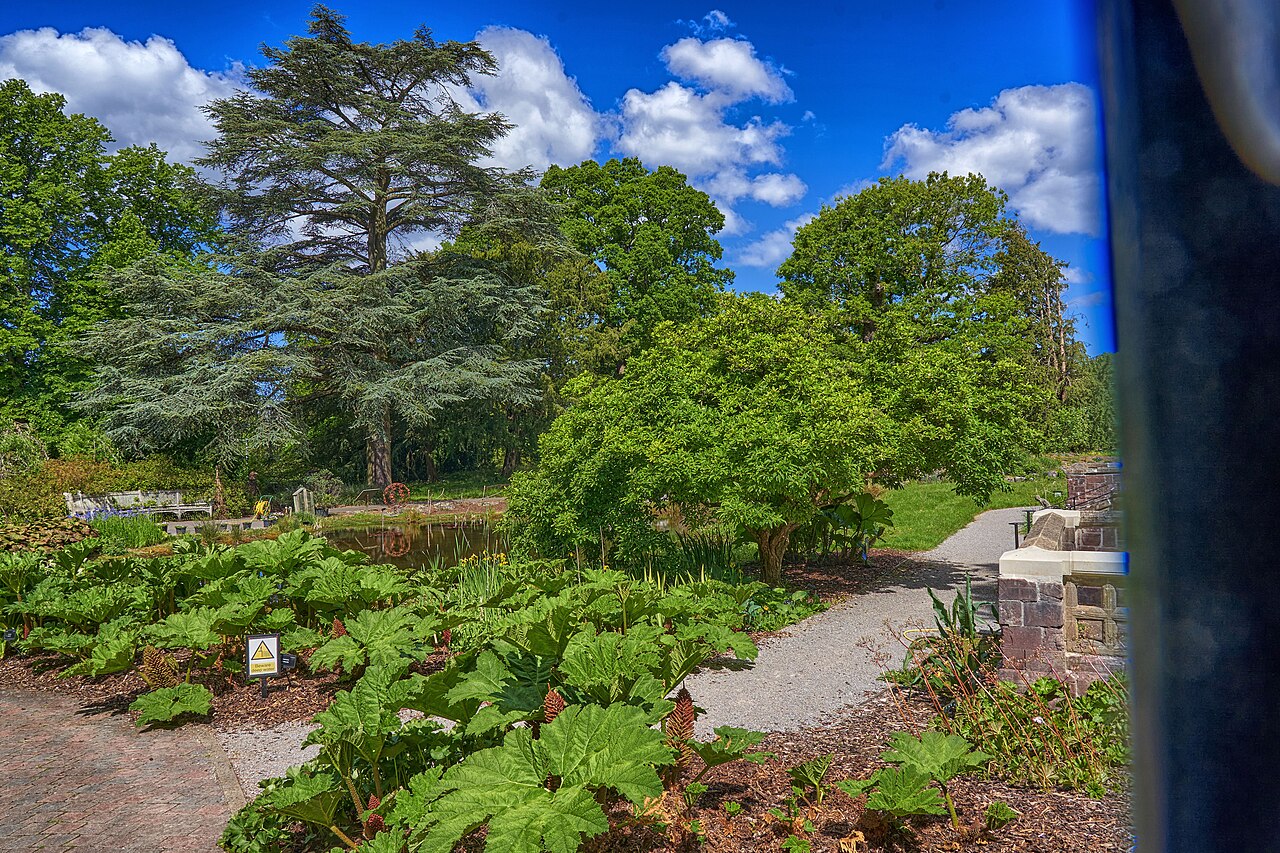
The garden is on Stoke Park Road in Stoke Bishop, north-west Bristol; the glasshouse stands south of the house, near the gardeners' building. Allow an hour and a half to two hours for the glasshouse and the outdoor collections. Summer is the most striking season, when the giant water lily flowers in the tropical pool, though something is in bloom under glass all year. The visit is easily extended to the evolution dell, the Chinese and European herb gardens, the Mediterranean collection and the miniature habitats of West Country flora.
51.48° N, 2.63° W
Greenhouses nearby
More greenhouses — United Kingdom
Do you have a good photo of this greenhouse? Suggest it for this page →