The Living Rainforest
Hampstead Norreys, near Newbury (Berkshire)

Entry updated on October 5, 2026
- Year
- 1993
- Style
- Three adjoining glasshouses of a former orchid nursery, planted as a tropical rainforest
- Dimensions
- ≈20,000 sq ft of glass (≈1,860 m²)
- Status
- Open to the public (educational centre run by a charity)
In Berkshire, three adjoining glasshouses named Amazonica, Lowlands and Small Islands recreate the layers of a tropical rainforest. The site was formerly Wyld Court Orchids, a nursery known for its natural orchid species; from 1991 the businessman Keith Bromley and the horticulturist Barry Findon turned it into a visitor centre that opened in April 1993. Run since 2000 by an educational charity, the Trust for Sustainable Living, it holds more than 850 species of plants and animals and welcomes large numbers of school groups every year.
Affiliate links — booking through Verrière helps fund our research, at no extra cost to you.
History
1 min
Before it became a rainforest, the Hampstead Norreys site was home to Wyld Court Orchids, a nursery the present institution describes as one of Europe's leading orchid growers in its day. It was known for rare natural orchid species, especially cymbidiums and lycastes, and won considerable recognition, including Grand Champion Hybrid and Best in Show for a home-raised seedling at the British Orchid Council Congress Show.
In 1991 Keith Bromley, a former chairman of the shoe retailer Russell & Bromley, and the horticulturist Barry Findon created the privately owned Wyld Court Rainforest in these glasshouses. Bromley said the idea came to him while sailing in Venezuela's Orinoco delta in the 1980s. The centre opened to the public in April 1993, and in 1996 its founders donated it to the World Land Trust.
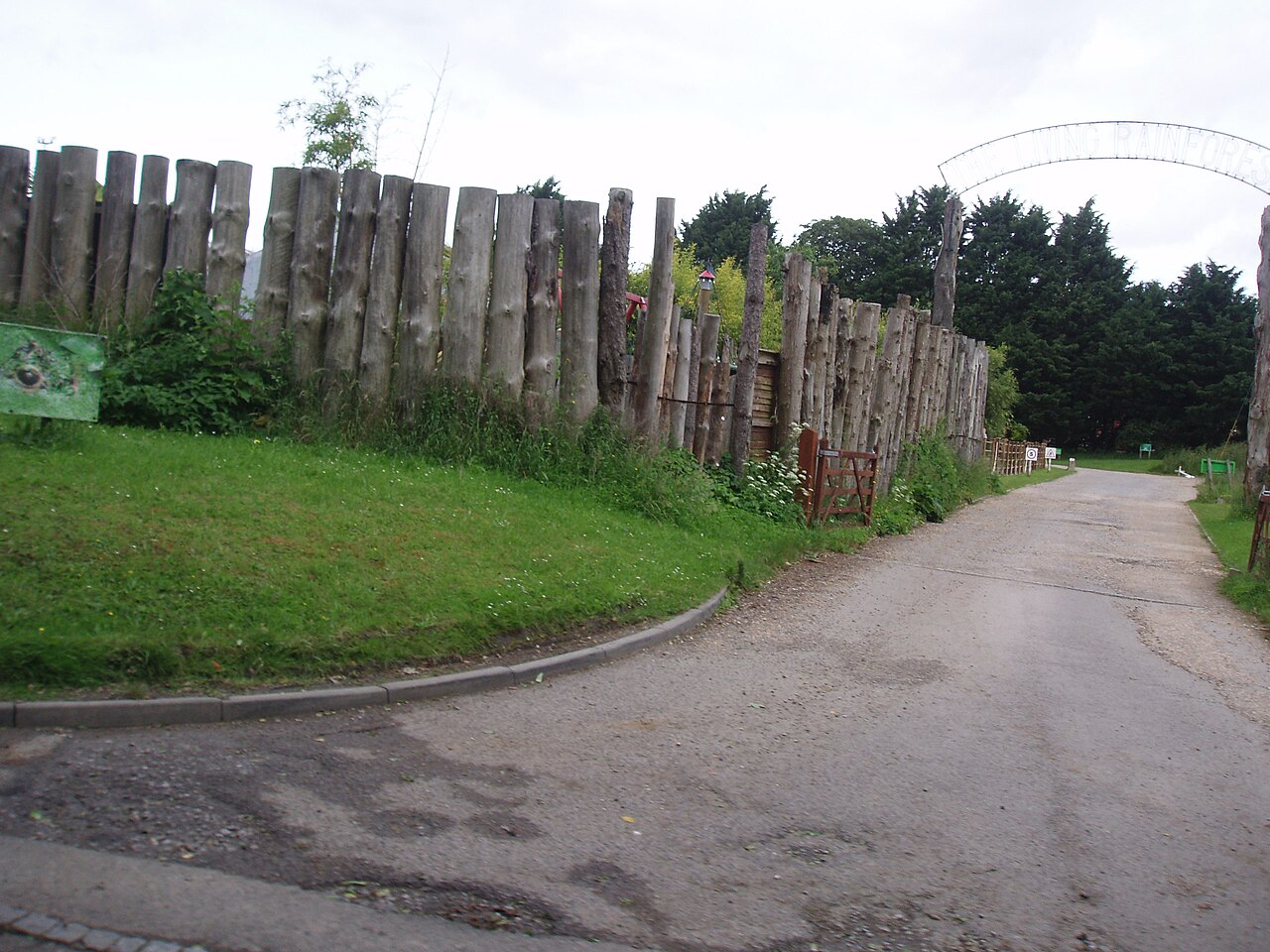
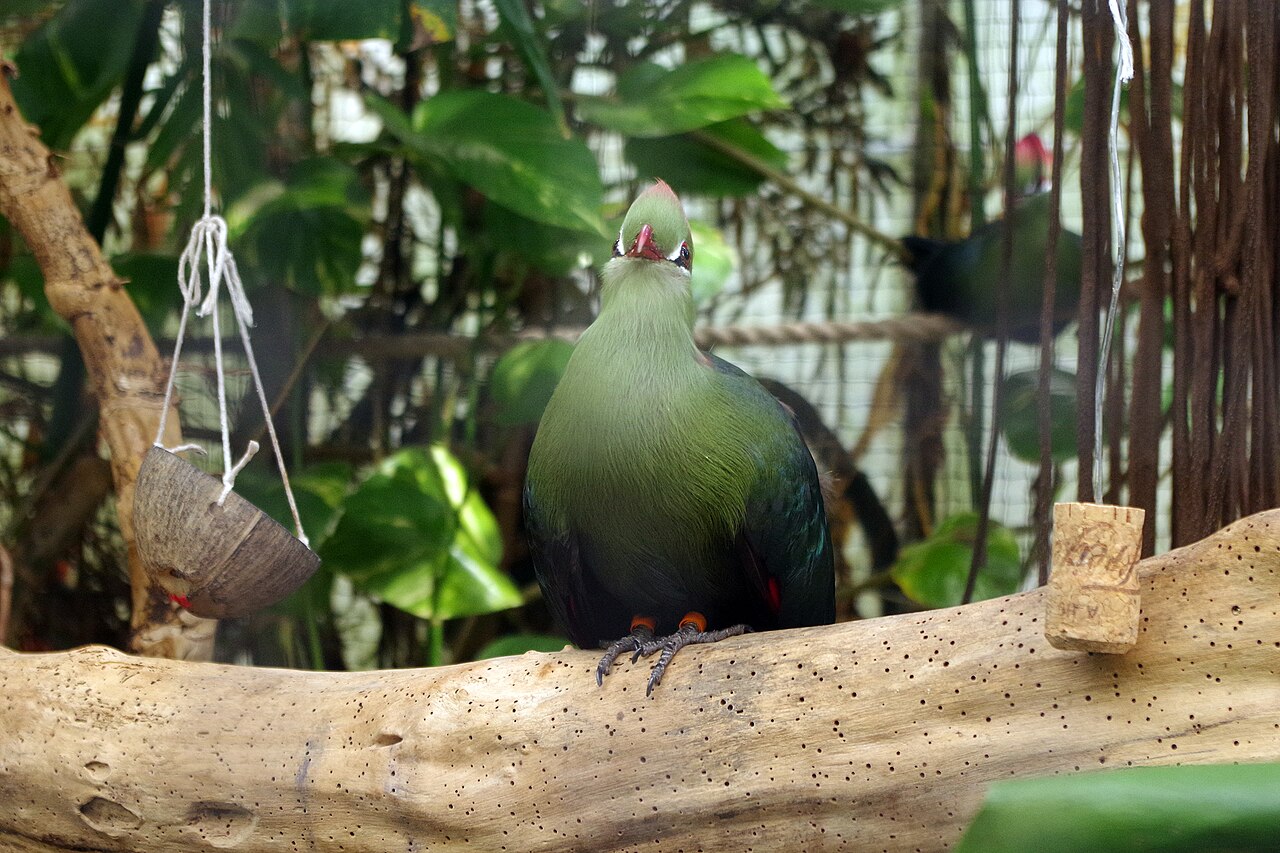
On 30 June 2000 the operating company passed from the World Land Trust to a new body, The Living Rainforest, run from July 2000 by Karl Hansen as an independent educational charity linked to the Trust for Sustainable Living. The glasshouses have been reworked many times since: a turaco aviary in 2010, an armadillo enclosure in 2014, a new Small Islands exhibit in 2016, bromeliads and a littoral zone in 2018, then an orchid cloud forest and a dwarf caiman pool in 2020. A new building designed on sustainable principles, the Human Impact Building, was added in 2006.
Architecture and engineering
1 min
The attraction consists of three adjoining glasshouses inherited from the nursery: Amazonica, Lowlands and Small Islands. The regional tourist board puts the area under glass at about 20,000 square feet, close to 1,860 m², divided between two rainforest climate zones kept at tropical temperatures. In Amazonica and Lowlands the planting follows the layering of the forest, from canopy to understorey and forest floor, and Amazonica is arranged around a main pond; Small Islands represents the edge of an island rainforest, with mangroves and plants of the upper shore.
Beside the glasshouses, the Human Impact Building, opened in 2006, carries the site's message about sustainable living into its own fabric: it was designed with sustainable materials of low embodied energy, natural ventilation, passive solar gain and a small photovoltaic array. The site also has a café, a shop, a rainforest-themed picnic area and an outdoor adventure playground.
Plant collections
1 min
The centre reports more than 850 species of plants and animals (Wikipedia gives over 700). Tropical families are broadly represented, from bananas to bromeliads, calatheas, figs, gingers, hoyas and orchids, while the aroids and the seasonal Philippine jade vine are the highlights. Plants of note include Anthurium crystallinum, A. magnificum, A. veitchii, breadfruit, cocoa, giant taro, the giant fern Angiopteris evecta, screw pine, traveller's palm and the silk floss tree. The cloud forest added in 2020 brings together about 100 orchid species from Central and South America.
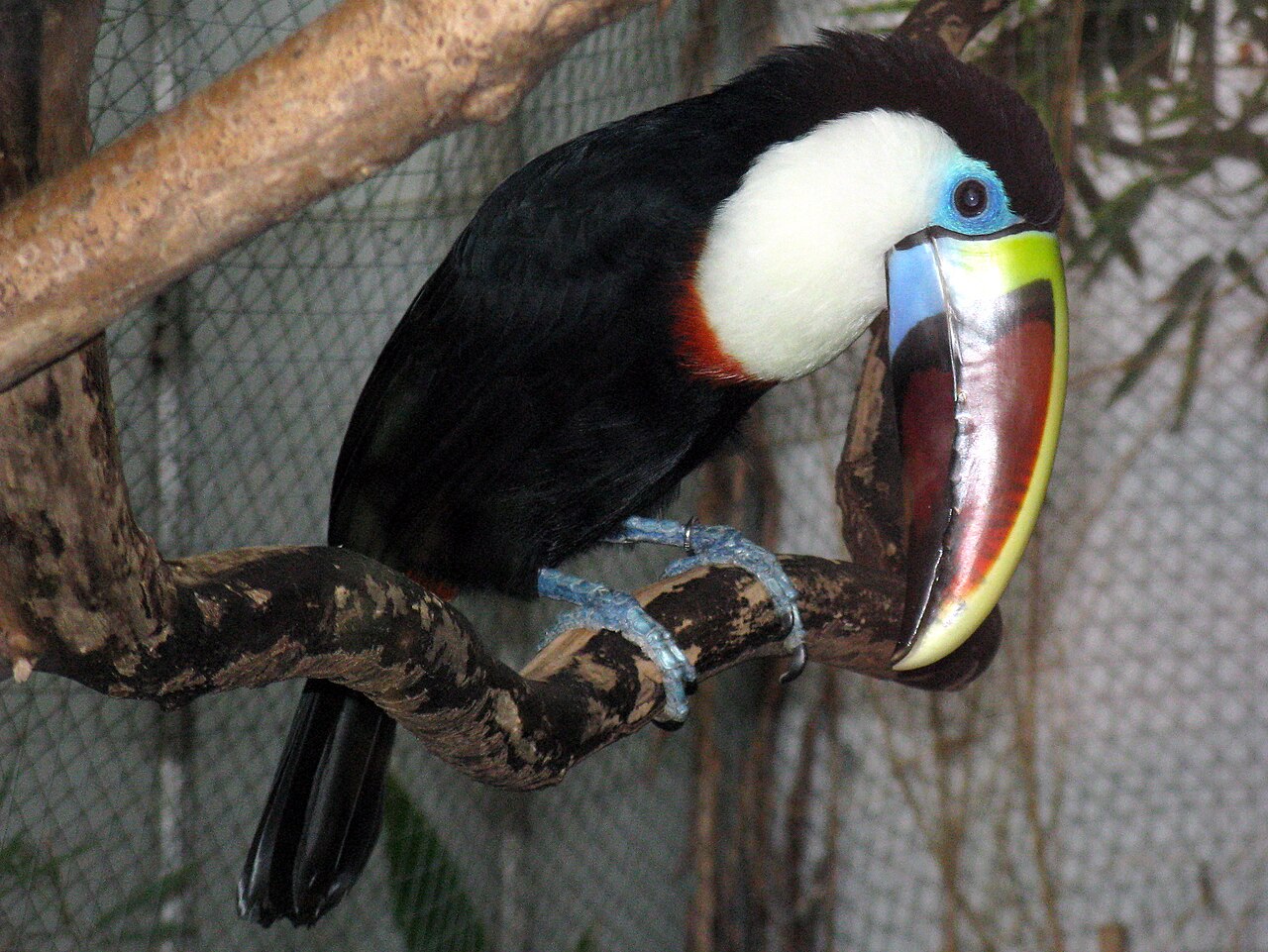
The animals include a Linne's two-toed sloth, Goeldi's monkeys, pygmy marmosets, dwarf caimans, emerald tree boas, a carpet python, a channel-billed toucan, Fischer's turacos, a green iguana, a six-banded armadillo, blue poison dart frogs and ocellate river stingrays.
Visiting
1 min
The centre stands in the village of Hampstead Norreys, near Newbury in Berkshire. The regional tourist board suggests allowing up to half a day for the three glasshouses, the Human Impact Building and the outdoor areas, and the whole site is wheelchair accessible. The café serves drinks and light meals, and the centre also offers guided group tours and occasional evening events. Exhibits change often, and themed trails run during school holidays, such as an autumn trail on poisons and potions. The glasshouses of Oxford Botanic Garden, also described in this atlas, are about 30 km to the north.
51.48° N, 1.22° W
Greenhouses nearby
More greenhouses — United Kingdom
Do you have a good photo of this greenhouse? Suggest it for this page →