Torre Abbey Palm House and Arid House
Torquay, Devon

Sources checked October 2026
- Year
- 1969 (Palm House)
- Style
- Modern aluminium-framed palm house, with a neighbouring arid house
- Status
- Open to the public with the Torre Abbey gardens
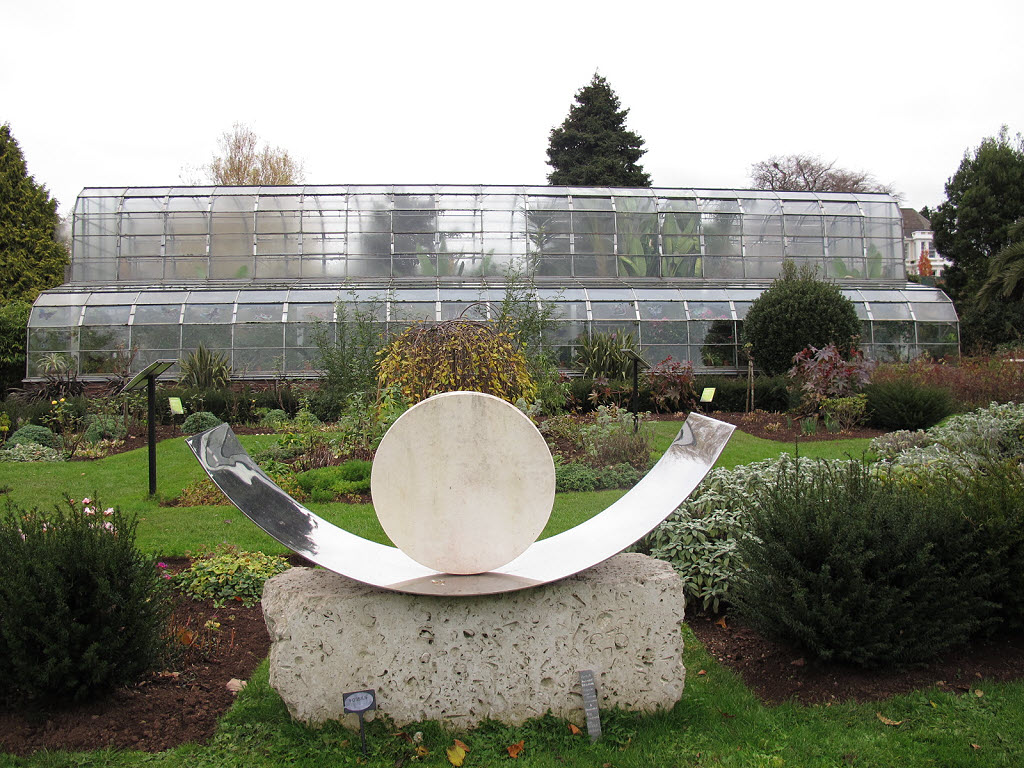
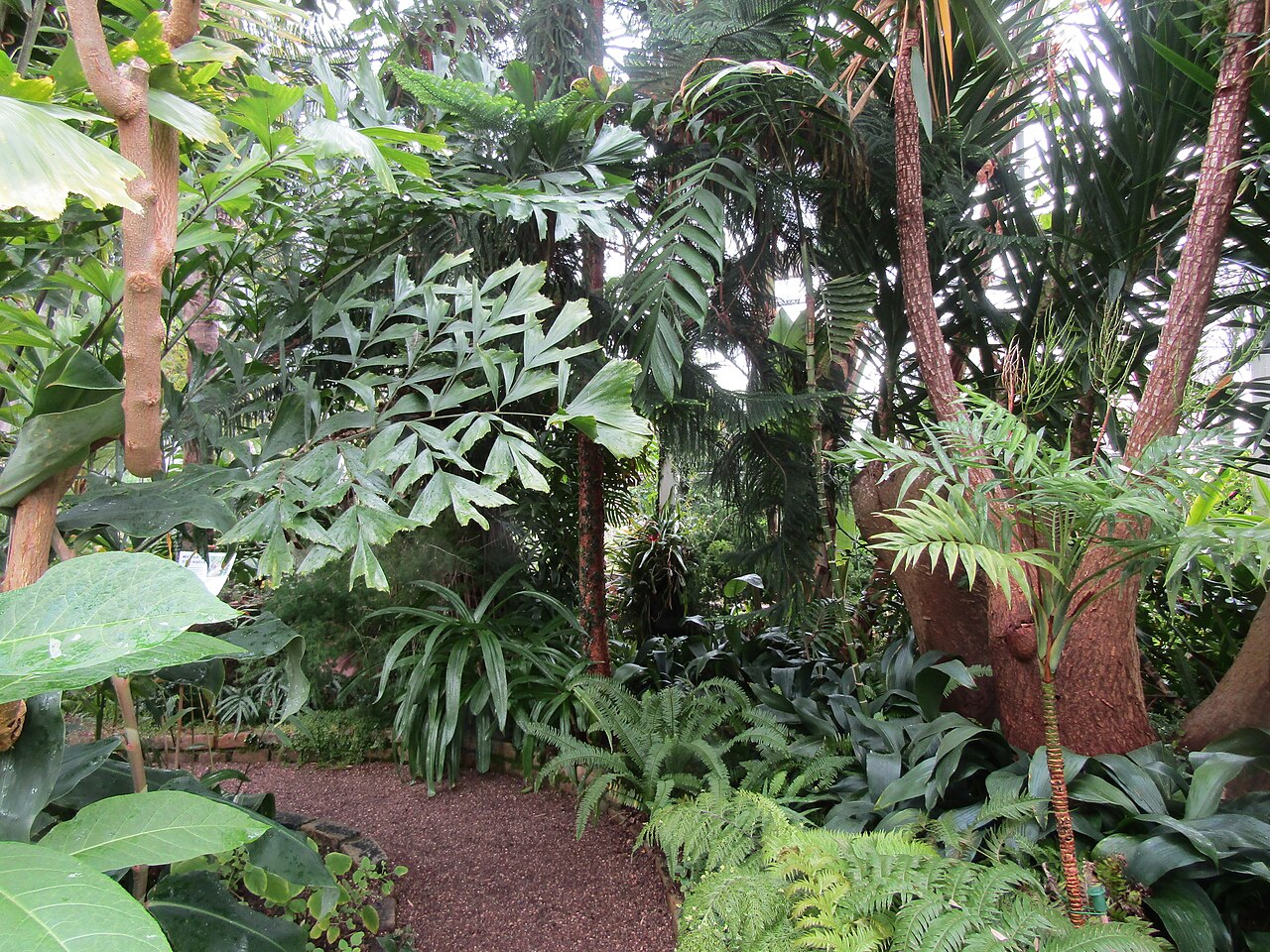
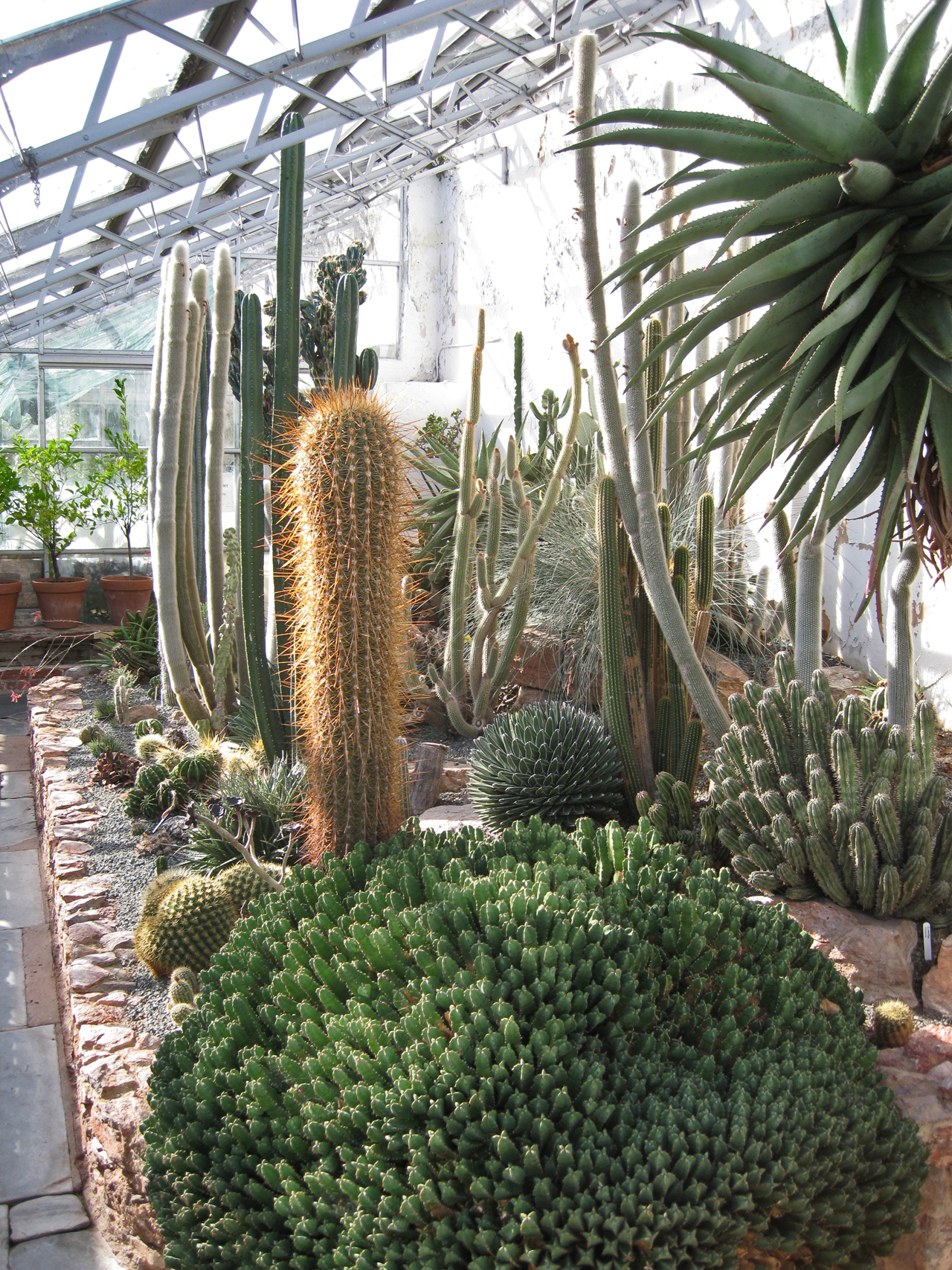
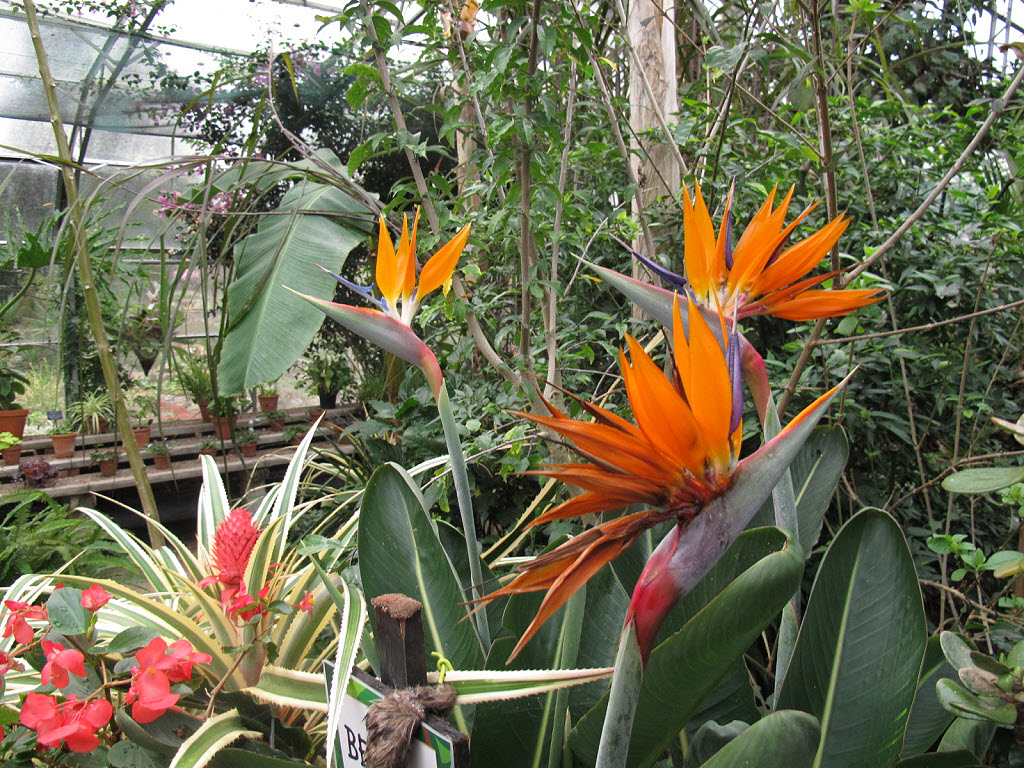
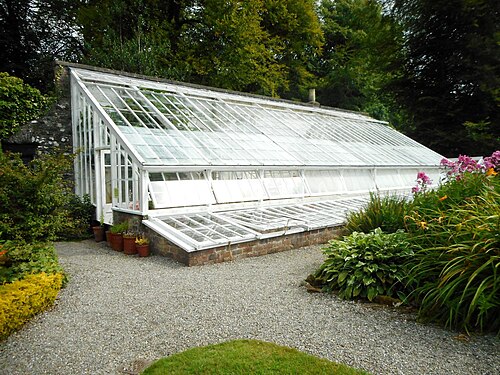
In the gardens of Torre Abbey, a Premonstratensian abbey at Torquay founded in 1196, two neighbouring glasshouses hold plant collections. The abbey's website dates the Palm House to 1969; it shelters tropical and subtropical plants, among them rare and endangered palms donated by Kew Gardens, along with bananas, pineapples and a giant bird of paradise. The Arid House next to it is devoted to cacti and succulents.
Affiliate links — booking through Verrière helps fund our research, at no extra cost to you.
History
Torre Abbey was founded in 1196 by Premonstratensian canons from Welbeck, on land given by William Brewer, lord of the manor of Torre. After the Dissolution of the Monasteries in 1539 the site passed to private owners; the Cary family held it from 1662 to 1930, when Commander Henry Cary sold the house and grounds to Torquay Borough Council. Torbay Council now owns and manages it, and a £6.5 million restoration, funded among others by the Heritage Lottery Fund and English Heritage, reopened the abbey in July 2008.
The glasshouses belong to the municipal era. The official website dates the Palm House to 1969. Photographers' captions on Geograph credit the council with the present aluminium structure. A gardening blog post of November 2009 describes the "1960s" palm house as recently restored with Heritage Lottery Fund money. Another page on the same website, aimed at visitors, refers to a "Victorian palm house"; the glasshouses page nevertheless says 1969.
Architecture and engineering
The present Palm House is an aluminium-framed building put up in 1969 for Torquay council, according to the photographers' captions already mentioned. The official website files both buildings under the garden's "Glass Houses" heading and devotes them to two distinct environments: a tropical and subtropical climate in the Palm House, an arid one in the Arid House.
According to OpenStreetMap mapping, the Palm House stands north-west of the abbey's main building, roughly seventy-five metres from it, and the Arid House, a separate building, lies about thirty metres further north. For visitors who cannot use the usual route, staff will open a side gate on request, giving access to the gardens and to the glasshouse.
Plant collections
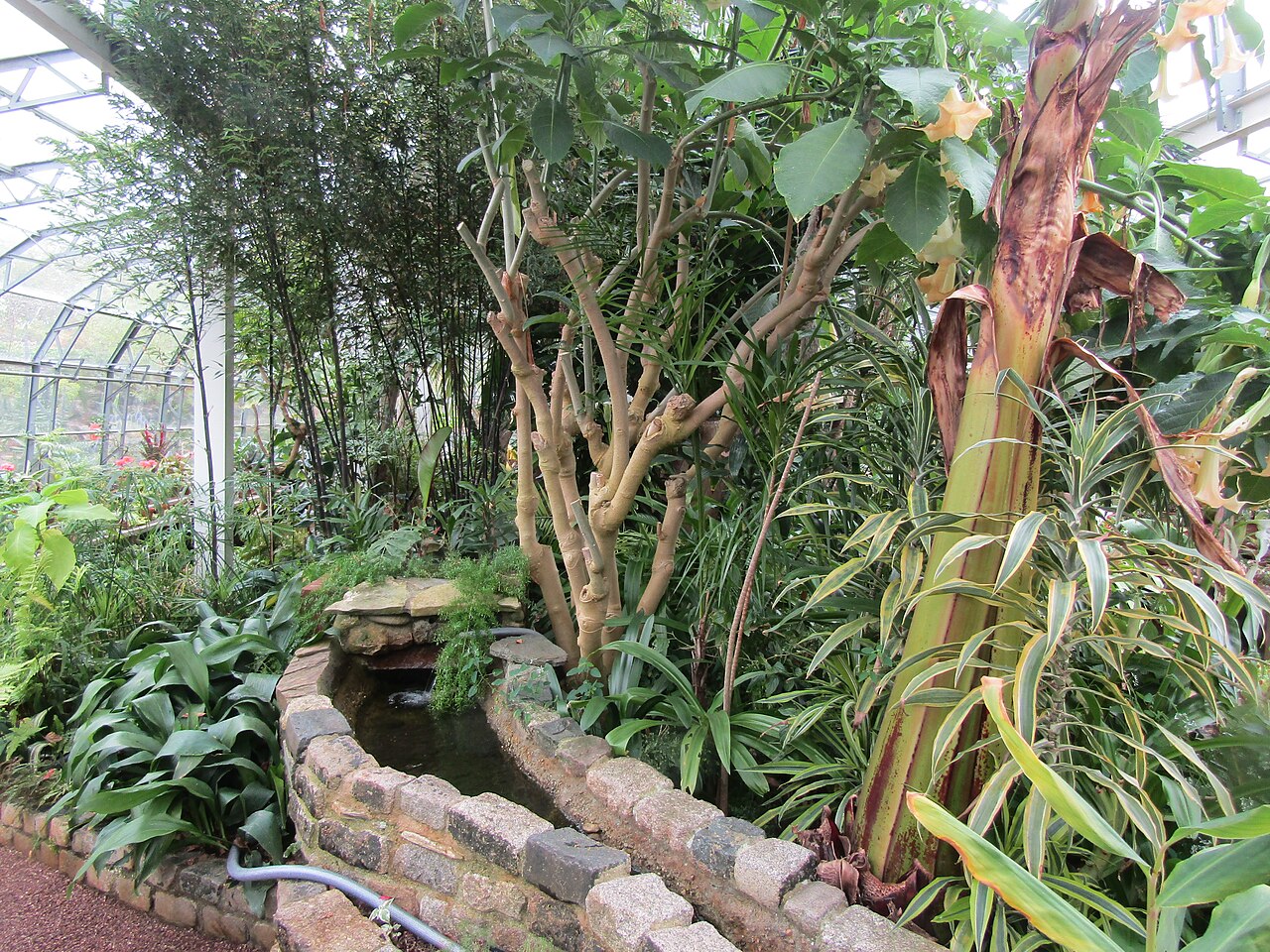
According to the abbey's website, the Palm House holds a large collection of tropical and subtropical plants, including rare and endangered palms donated by Kew Gardens. Bananas and pineapples jostle for space with tropical flowers such as plumeria and passionflower; the site singles out a giant bird of paradise and a monstrous Swiss cheese plant as specimen plants. Photographs taken in 2019 and uploaded to Wikimedia Commons also show a brugmansia in flower.
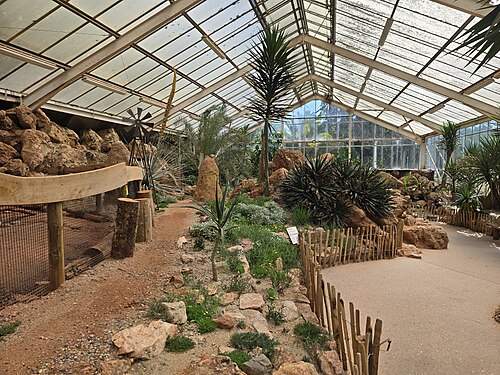
The Arid House displays cacti and succulents, which the site describes as the true survival experts of the plant world; their flowers are short-lived but very colourful and fragrant, and the variety of shapes, spines and hairs is part of the appeal. A 2009 blog post remarks that few labels help with identification. Outside, the garden is known for its herbaceous perennials, roses and dahlias, and the mild climate of the English Riviera suits rare shrubs and trees.
Visiting
The two glasshouses occupy a corner of the abbey garden, whose official description also lists a medieval garden, the ruins, a walled garden and a "Potent Plants" trail inspired by Agatha Christie; the head gardener and other experts give regular talks and tours. A visit to the glasshouses therefore combines with the garden, the historic house and the café on the days the abbey is open. The neighbouring park, Abbey Park and Meadows, runs from Torre Abbey down to Torquay's seafront and includes an Italian-style garden with a pond. Dogs other than assistance dogs are not allowed in the house or the gardens.
50.46° N, 3.54° W
Greenhouses nearby
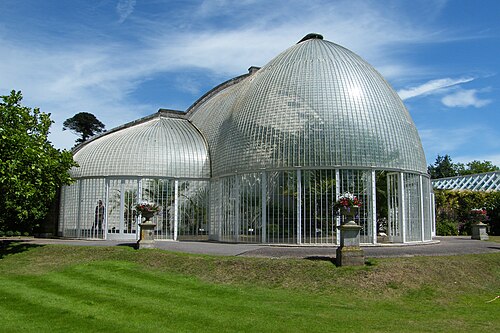
More greenhouses — United Kingdom
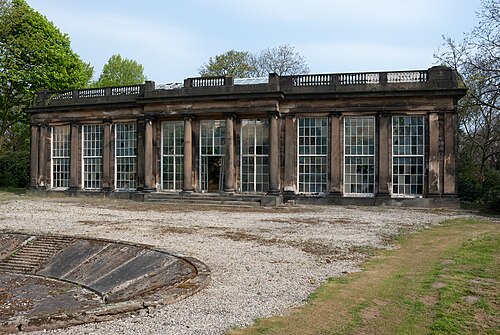
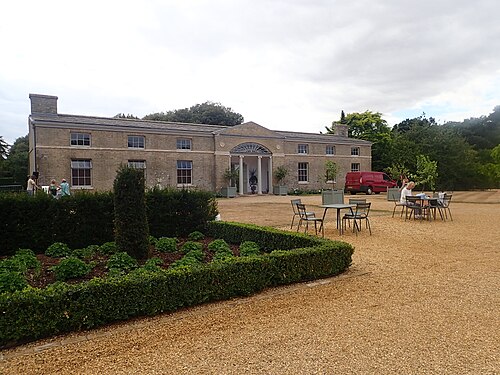
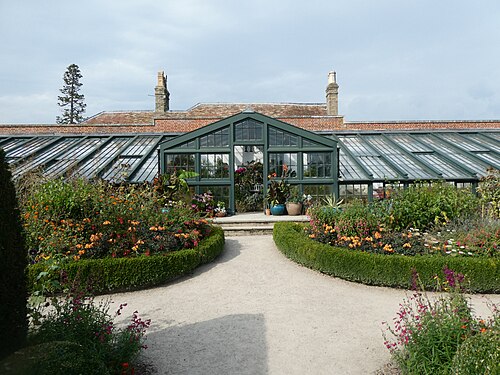
Do you have a good photo of this greenhouse? Suggest it for this page →
Affiliate links — booking through Verrière helps fund our research, at no extra cost to you.