Glasshouse Range, Cambridge University Botanic Garden
Cambridge, Cambridgeshire
Entry updated on October 3, 2026
- Year
- 1888–1891 · rebuilt in teak 1932–1934
- Architect
- Not documented
- Style
- Range of timber (teak) glasshouses served by a long corridor
- Dimensions
- Corridor over 90 yards (≈82 m) long
- Status
- Open to the public
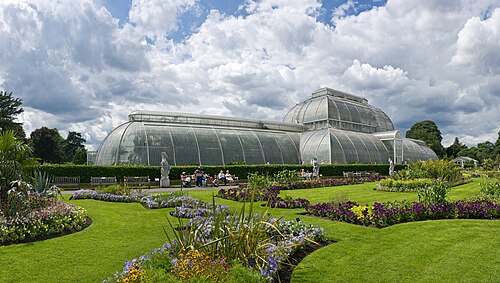
The first glasshouses at Cambridge University Botanic Garden date from 1855. They were rebuilt in 1888–91 in white-painted pine to a plan considered innovative at the time: a corridor more than 90 yards (about 82 m) long serving a series of houses ranged along its south side. Attacked by rot, the structure was rebuilt in Burmese teak in the early 1930s on the same plan. Restored several times, most recently in 2020, the range now displays tropical, arid, island and mountain floras.
Affiliate links — booking through Verrière helps fund our research, at no extra cost to you.
History
1 min
Cambridge University Botanic Garden built its first glasshouses in 1855; according to Parks & Gardens, this original range opened together with the garden. Between 1888 and 1891 it was replaced by a structure in white-painted pine whose plan was then regarded as innovative: a corridor more than 90 yards (about 82 m) long serving a series of houses ranged along its south side.
In 1931 fungal rot attacked the structure. Several sections were rebuilt in Burmese teak, in 1932–33 according to Parks & Gardens and in 1934 according to the garden, keeping the 1888 plan. In 1989 the teak of the Tropics House, by then unsafe and too costly to restore, gave way to a steel structure. The restoration of the Temperate House in 2005–06, by contrast, reused 95 per cent of the original seventy-year-old teak. The timber sections of the range were refurbished again in 2020, more than thirty years after the previous campaign.
In 2004 a titan arum flowered in these glasshouses for the first time; the flowering lasted two days and was broadcast live by webcam to more than half a million viewers around the world. In spring 2026, a few weeks of work in the corridor closed several houses in turn.
Architecture and engineering
1 min
The 1888 plan arranges the range along a corridor more than 90 yards (about 82 m) long, onto which the houses ranged along its south side open. This arrangement, considered innovative at the time, was kept when the range was rebuilt in the 1930s, and Parks & Gardens notes that it has been fully restored to its 1930s condition.
The materials changed with each campaign: white-painted pine at first, Burmese teak from the 1930s to replace rotten sections, and steel for the Tropics House rebuilt in 1989. The internal corridor also carries the services: in April 2026 the steel covers of its service ducts were lifted and repaired and its paving replaced, closing first the eastern and then the western houses for a few weeks.
Plant collections
1 min
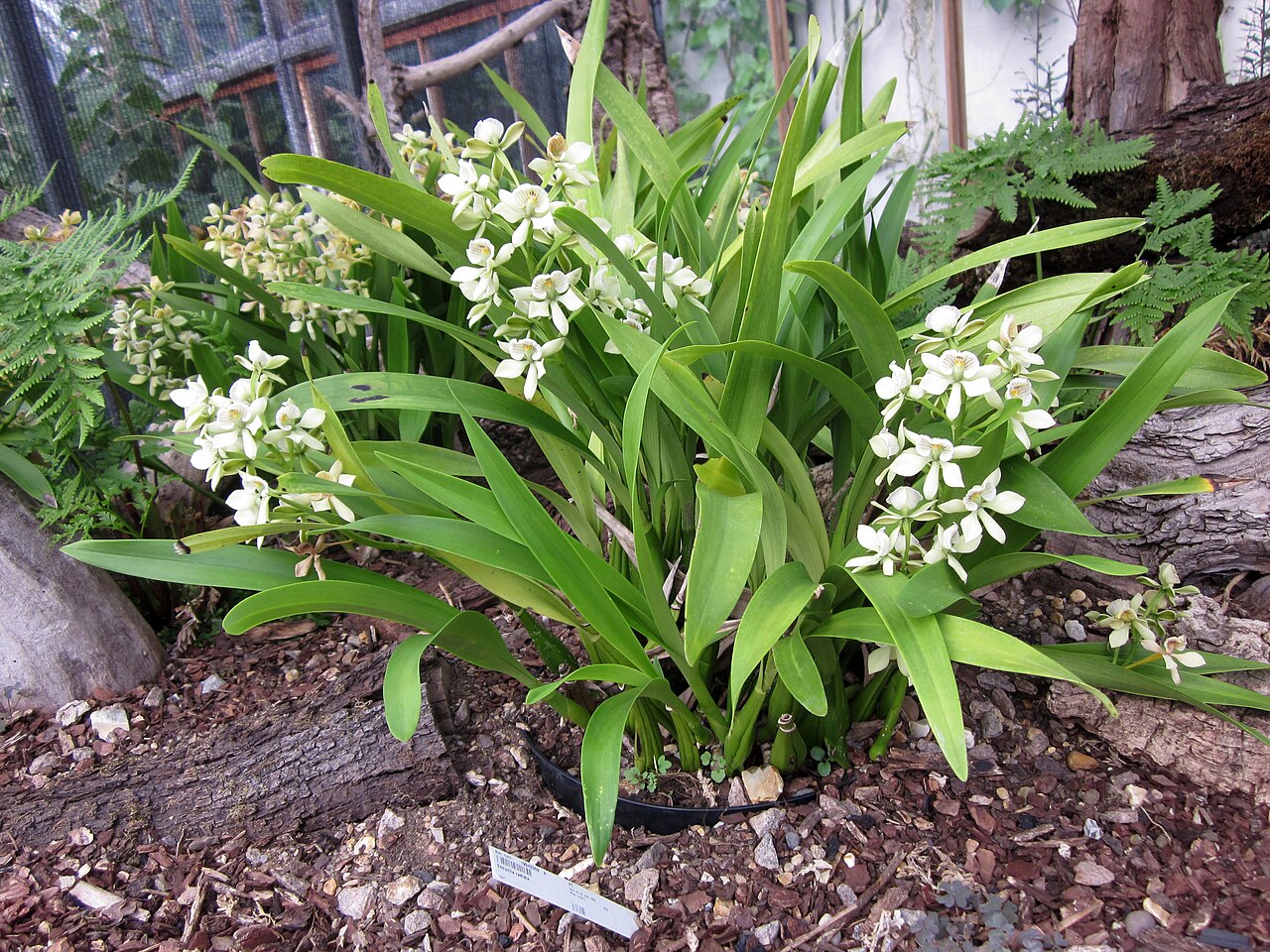
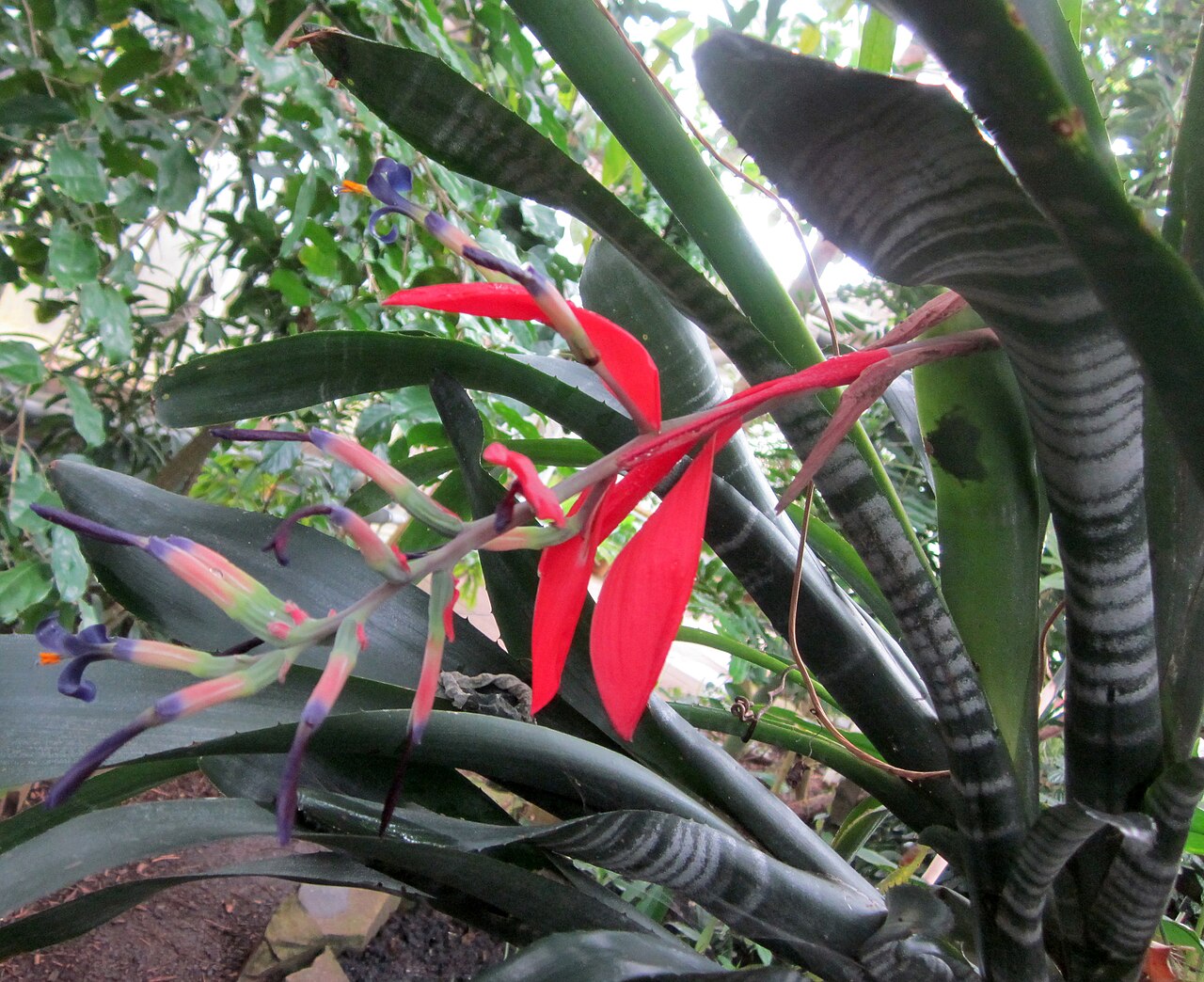
The houses are arranged by habitat: Arid Lands, Tropical Wetlands, the Tropics House, Continents Apart, Oceanic Islands, the Mountains House and the Temperate House. Parks & Gardens, describing an earlier arrangement (Alpine, Succulent, Carnivorous Plants, Belize and Cactus houses), lists the jade vine, rubber (Hevea brasiliensis), mahogany, kapok, the vanilla orchid, cycads, Ficus benjamina, quinine-yielding shrubs and tropical crops: tea, coffee, sugar cane, banana, rice, cotton and pawpaw.
The titan arum (Amorphophallus titanum) flowered here for the first time in 2004.
Visiting
1 min
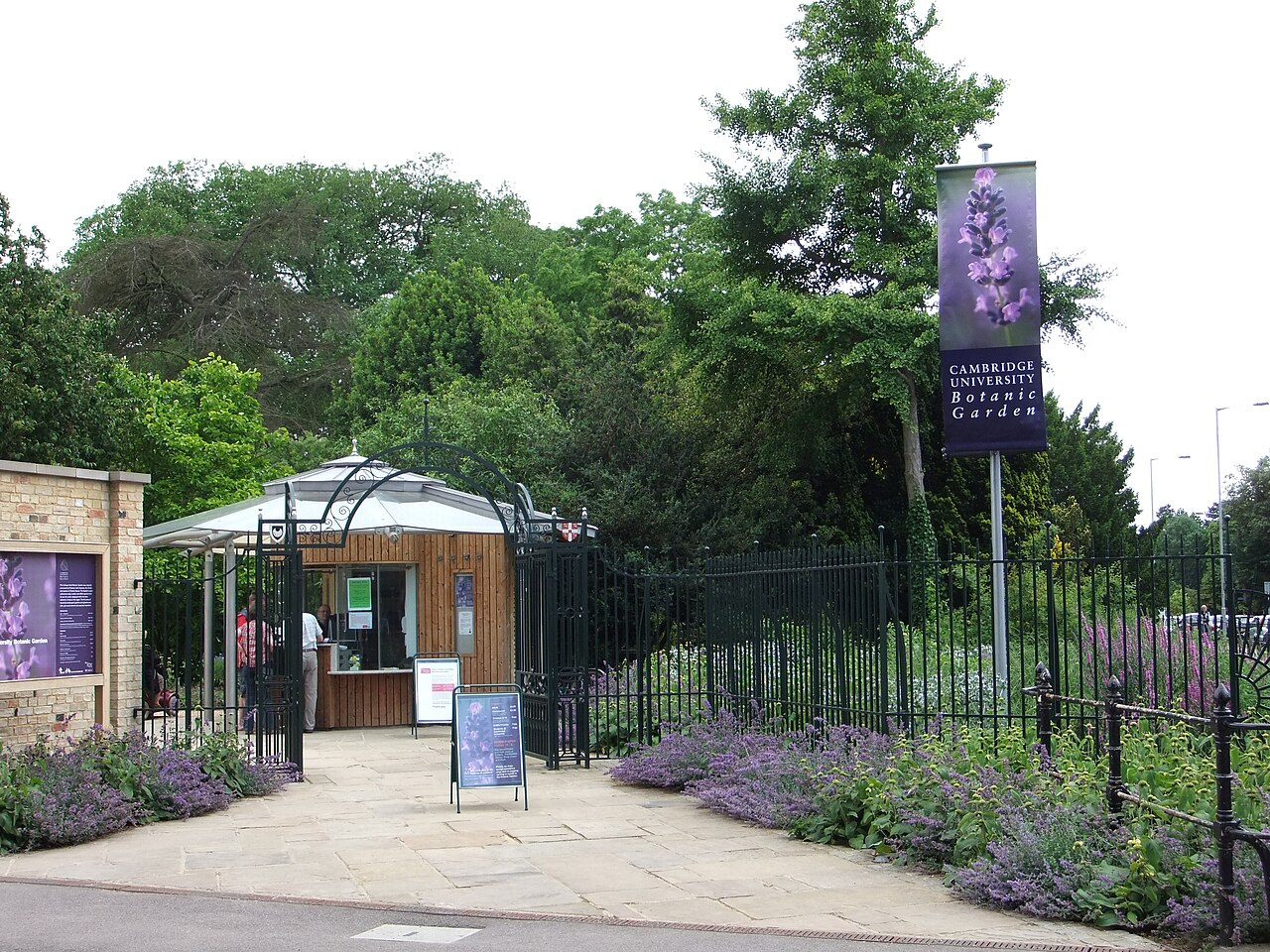
The Glasshouse Range stands in Cambridge University Botanic Garden, south of the city's historic centre; the garden belongs to the University. Allow an hour for the corridor and its houses, and more for the outdoor garden. The glasshouses offer temperate shelter in winter, while the outdoor beds are best seen from spring to autumn. Maintenance work can occasionally close individual houses, as in April 2026, and the garden announces such closures on its website.
52.20° N, 0.13° E
Greenhouses nearby
More greenhouses — United Kingdom
Do you have a good photo of this greenhouse? Suggest it for this page →