Papiliorama (tropical domes at Kerzers)
Kerzers, Canton of Fribourg
Entry updated on October 3, 2026
- Year
- 2003
- Style
- Contemporary tropical domes
- Dimensions
- Main dome: 40 m across, 14 m high, 1,500 m²
- Status
- Open to the public
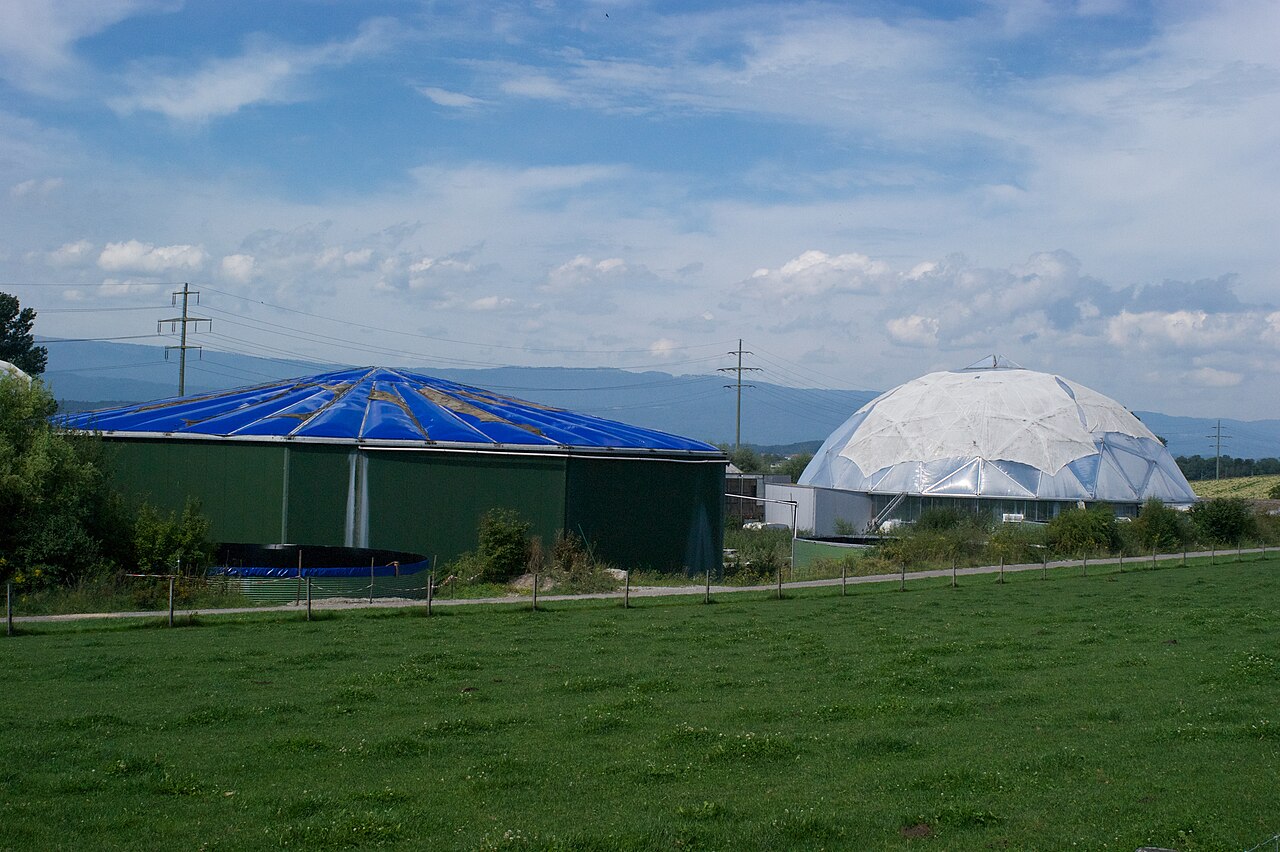
Founded at Marin (Neuchâtel) in 1988 by the Dutch biologist Maarten Bijleveld van Lexmond and his wife Catheline, the Papiliorama was destroyed by fire on 1 January 1995 and rebuilt within the year thanks to a broad wave of solidarity. Short of space, it moved in April 2003 to Kerzers, onto 4.9 hectares of land provided free of charge by the municipality. Its main dome, 40 metres across, holds more than a thousand tropical butterflies; it is joined by the Nocturama, devoted to the nocturnal fauna of the Americas, and by the Jungle Trek.
Affiliate links — booking through Verrière helps fund our research, at no extra cost to you.
History
1 min
The Dutch biologist Maarten Bijleveld van Lexmond and his wife Catheline opened the Papiliorama on 5 May 1988 at Marin, in the canton of Neuchâtel, next to a Migros shopping centre. On New Year's night, 1 January 1995, a major fire destroyed the facilities completely; carried by a national wave of solidarity, the tropical garden was rebuilt within the year.
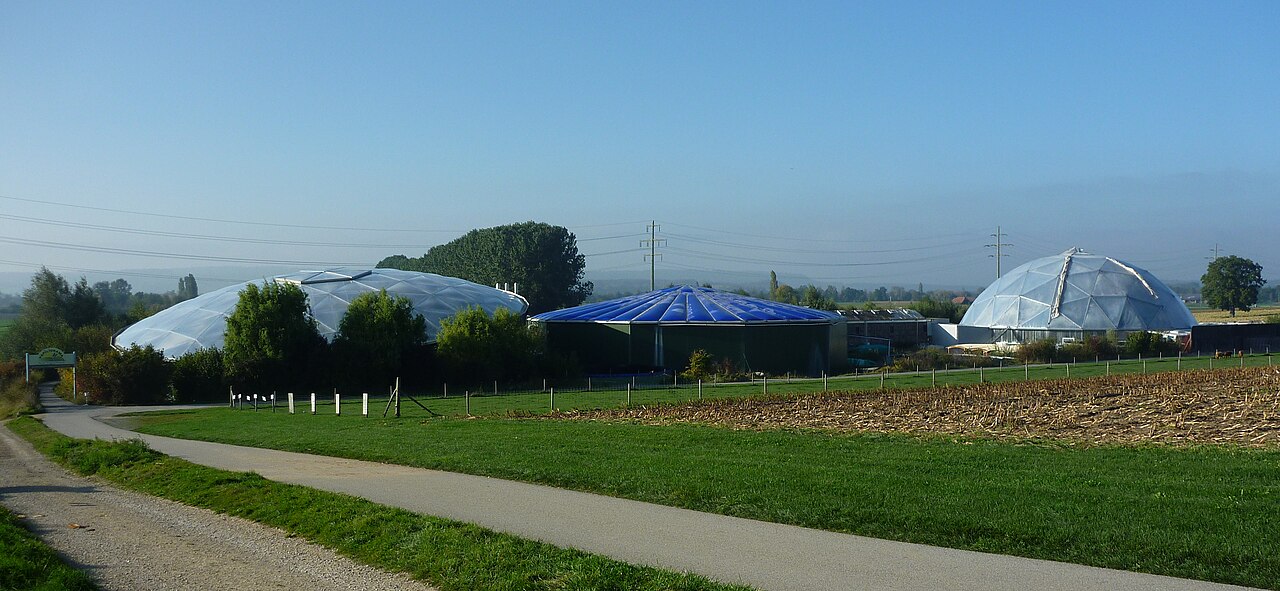
Unable to grow further at Marin, the Papiliorama moved to Kerzers in the canton of Fribourg, where the municipality made 4.9 hectares available free of charge for 66 years. The project, costing 9 million francs in total, then provided for four domed buildings. The Papiliorama dome opened on 15 April 2003 under the direction of Caspar Bijleveld, the founders' son, and the Nocturama followed the same year. The Jungle Trek, the third tropical dome, is dated 2007 by Wikipedia and 2008 by the Papiliorama's own website; a garden of native butterflies was laid out in 2004. Until 2010 the institution was called 'Papiliorama – Swiss Tropical Gardens'.
Organised as a foundation, the Papiliorama is linked to a sister foundation, ITCF, which protects more than 23,500 hectares of tropical nature in Belize. Some twenty years after the Kerzers opening, part of its roof had to be modernised.
Architecture and engineering
1 min
The Kerzers site brings together several large domes. The biggest, the Papiliorama dome, is 40 metres in diameter and up to 14 metres high and covers 1,500 m² according to Wikipedia, which gives the same area for the Nocturama and the Jungle Trek; a release from the manufacturer Velux speaks instead of a 1,200 m² tropical garden. At the 2003 opening four domed buildings were planned, the fourth intended for temporary exhibitions.
Some twenty years after opening, the roof, which had begun to leak and was no longer thermally efficient, was renovated: three five-metre light bands with thermally broken multi-chamber insulating profiles replaced the old rooflights above the cafeteria, the ticket desk and an exhibition room. The work was carried out section by section during summer opening, with minimal disruption, and the fresh-air supply is now controlled by a building management system. Around the domes, the outdoor areas cover about two hectares.
Plant collections
1 min
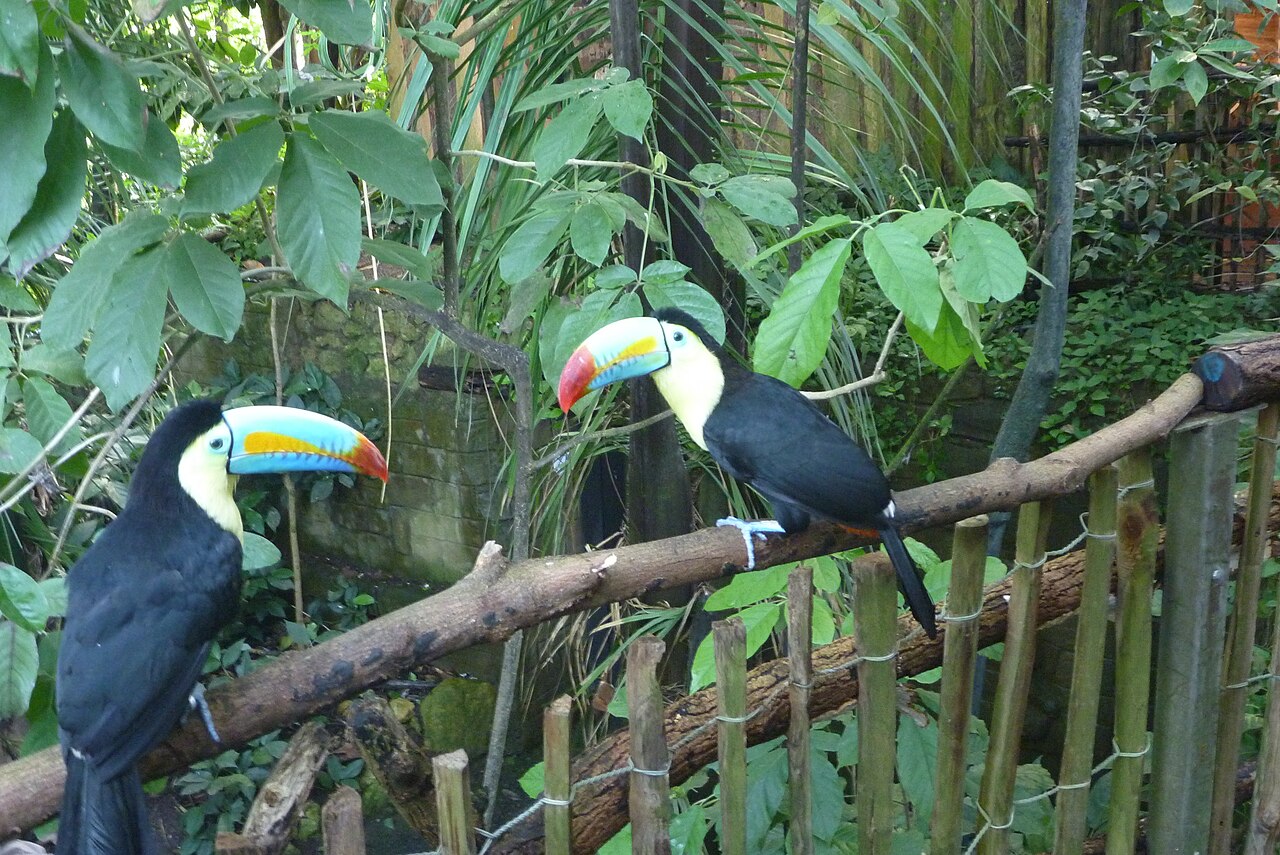
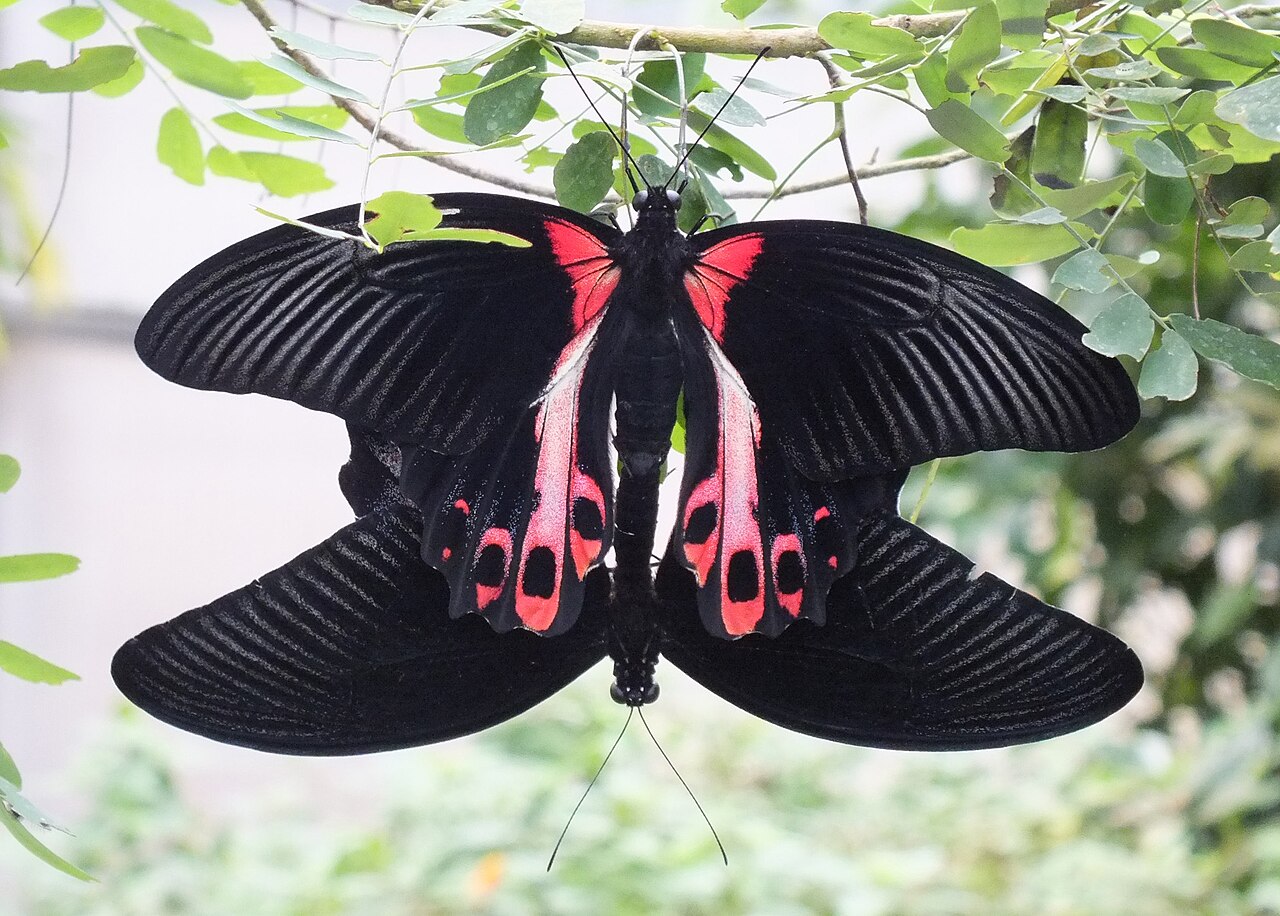
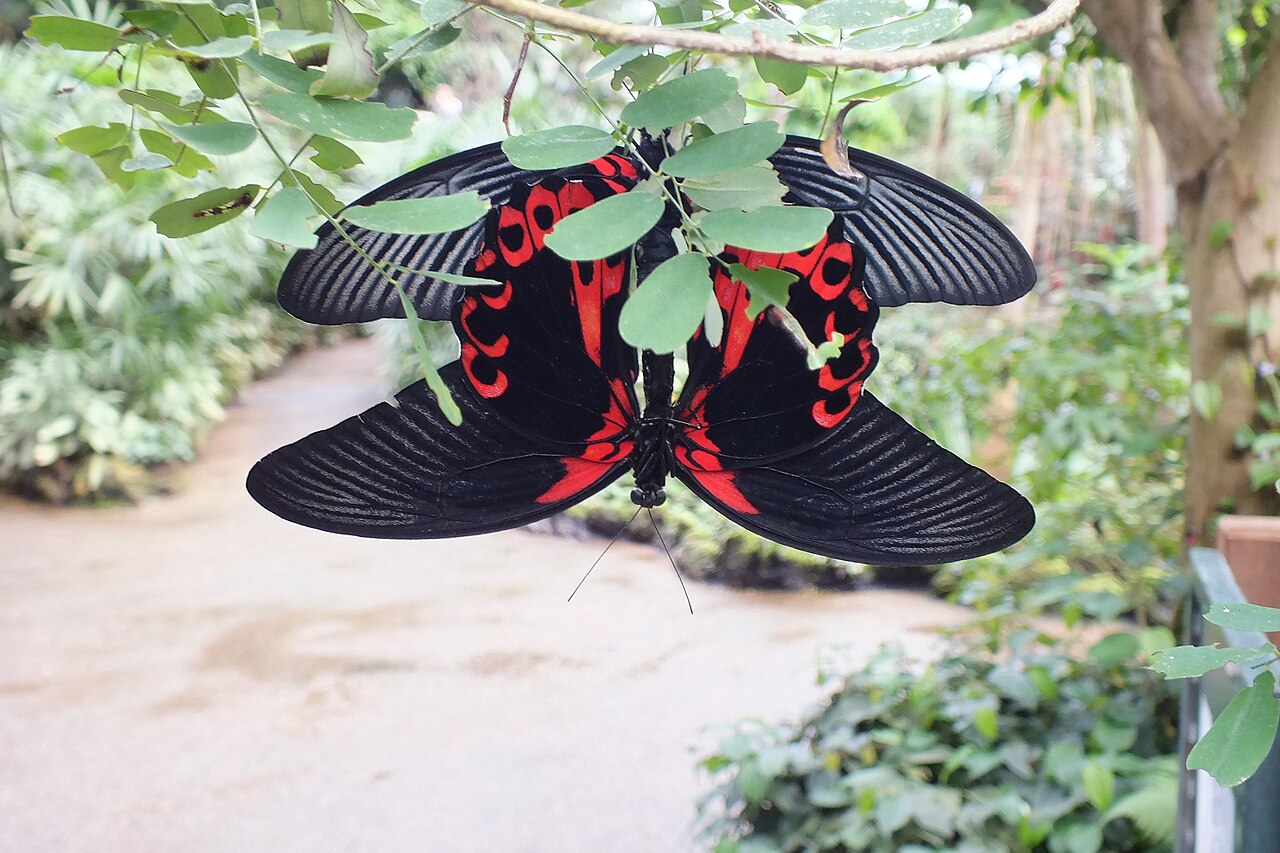
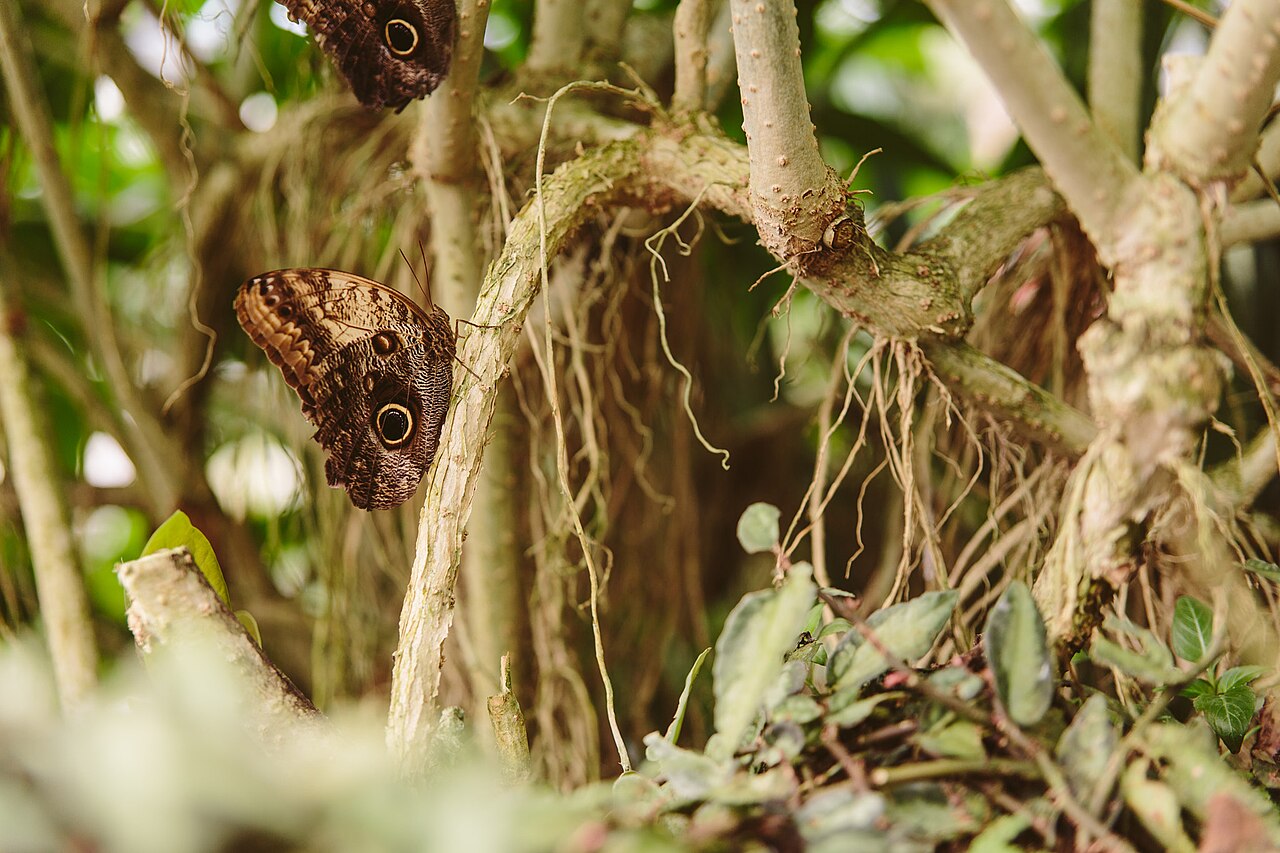
The main dome is home to more than a thousand free-flying tropical butterflies among countless tropical plants: around fifty butterfly species at the 2003 opening, more than sixty today according to Wikipedia. The domes also house birds such as the red-crested turaco and the Nicobar pigeon, fish such as the giant gourami and the ocellate river stingray, as well as sloths, bats, armadillos and night monkeys; the Nocturama is devoted to the nocturnal tropical fauna of the Americas. Altogether some hundred animal species and about a thousand individuals are on show.
Outdoors, a garden of native butterflies of about 500 m², a children's zoo and a playground complement the domes. A member of the World Association of Zoos and Aquariums (WAZA) and the European Association of Zoos and Aquaria (EAZA), the Papiliorama supports the conservation of tropical forest in Belize through ITCF.
Visiting
1 min
The Papiliorama lies at Kerzers, on the main road towards Lyss, in the heart of the Three Lakes region, and has its own stop on the Kerzers–Lyss railway line. A visit runs through the butterfly dome, the Nocturama and the Jungle Trek, then the outdoor areas of about two hectares with the native butterfly garden, the children's zoo and the playground. At the time of the move, its managers expected 200,000 to 250,000 visitors a year. Run by Caspar Bijleveld, the founders' son, the Papiliorama belongs to Zooschweiz, the association of Swiss scientific zoos.
46.99° N, 7.20° E
Greenhouses nearby
More greenhouses — Switzerland
Do you have a good photo of this greenhouse? Suggest it for this page →