Glasshouses of the Linz Botanical Garden (Botanischer Garten der Stadt Linz)
Linz, Upper Austria
Entry updated on October 5, 2026
- Year
- 1976–2008
- Style
- Modern glasshouses (1976–2008), now being replaced
- Dimensions
- 1,200 m² of usable space (1,800 m² planned after rebuilding)
- Status
- Glasshouses closed since September 2026 for rebuilding, reopening planned for 2028; outdoor garden open
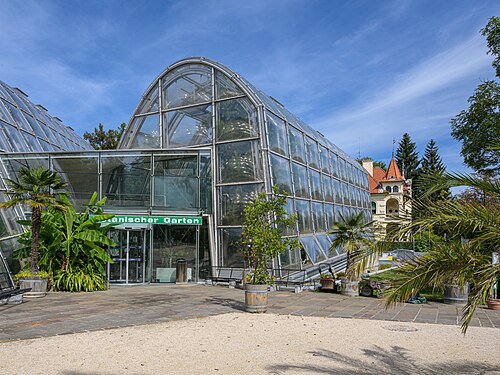
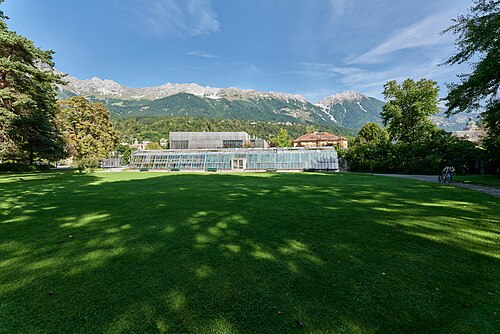
Linz's municipal botanical garden, opened in 1952 on the Gugl hill, has five glasshouses: an entrance house, a tropical house rebuilt in 1976-1977, succulent and orchid houses renewed in 1987-1988 and a cold house opened in 2008. They hold a cactus collection recognised by the IOS in 1963 and an orchid collection that has become the garden's emblem. Closed since September 2026, the glasshouses are due to be demolished from March 2027 and replaced by new ones designed by Architekten Kneidinger, scheduled to open in 2028.
Affiliate links — booking through Verrière helps fund our research, at no extra cost to you.
History
1 min
Linz had several botanical gardens before the present one. From 1853 to 1871 the Jesuits kept one at the Aloisianum, their college on the Freinberg. Around 1900 the natural history society (Verein für Naturkunde) laid out a garden on Dinghoferstraße; the city took it over in 1926 as a public institution but had to give it up as early as 1937, when the land was sold to the doctors' association.
After the war, a 1.8-hectare site on the Gugl, along Roseggerstraße, was set aside in 1950, and the new garden was opened in 1952 by Mayor Ernst Koref. Extended in 1961 and again in 1965, it reached its present 4.2 hectares in 1966 with the creation of the rose garden. In 1963 the IOS, the international organisation devoted to succulent plants, made Linz the fourth holder in Europe of a conservation and type-plant collection of cacti.
The glasshouses were renewed in stages: a new tropical house in 1976-1977, with the heating switched to natural gas; renewal of the succulent and orchid houses in 1987-1988, with a new display house serving as a link; external shading for the tropical house in 1993; and a new cold house opened on 25 September 2008. In 2025 plans for new glasshouses were drawn up. Closed to the public in early September 2026, the glasshouses are due to be demolished from March 2027, and the new buildings are scheduled to open in 2028.
Architecture and engineering
1 min
The complex comprises five glasshouses: an entrance house, the tropical house, the succulent house, the orchid house and the cold house. The rebuilding of the tropical house in 1976-1977 went together with a switch to natural-gas heating; external shading was added in 1993. When the succulent and orchid houses were renewed in 1987-1988, a new display house was built to serve as a link. The cold house, rebuilt in 2008, is used to overwinter container plants and hosts temporary exhibitions. Before the works, the glasshouses offered 1,200 m² of usable space.
The replacement scheme, entrusted to Architekten Kneidinger ZT GmbH, provides for a new entrance building linked to the café, with reception, cloakrooms and a shop, followed by modern glasshouses with up-to-date climate control, including a multi-storey house, as well as propagation areas. Usable space is to rise from 1,200 to 1,800 m². During construction, two temporary polythene houses, one of them in the garden, are to take in the collections from March 2027.
Plant collections
1 min
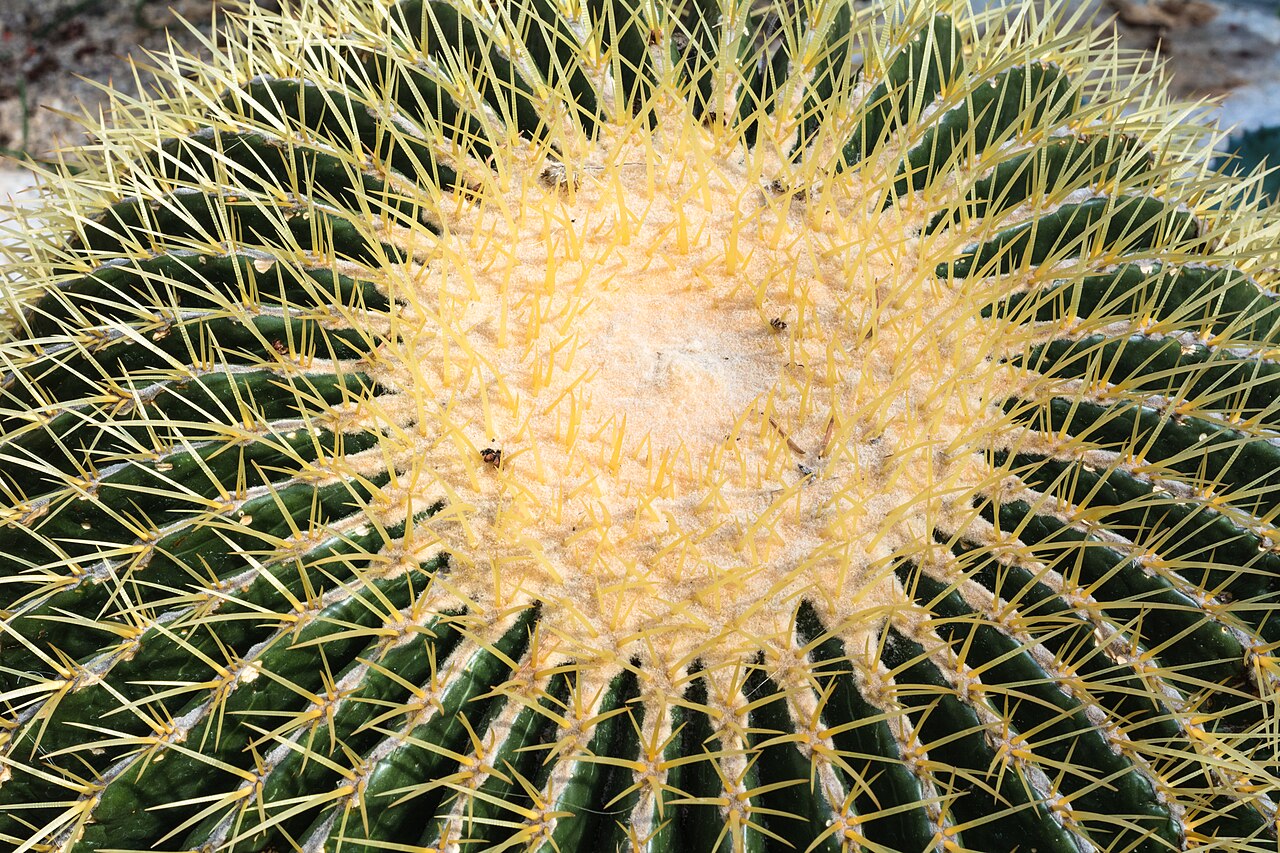
The glasshouses hold two outstanding collections. The succulent house keeps a cactus conservation collection of international importance, recognised by the IOS in 1963; for the works, some 17,000 cacti are to be gathered in a polythene tunnel of their own. The orchid collection, shown in its own house, is the garden's emblem; during the works part of the orchids is being looked after in the glasshouses of the municipal nursery.
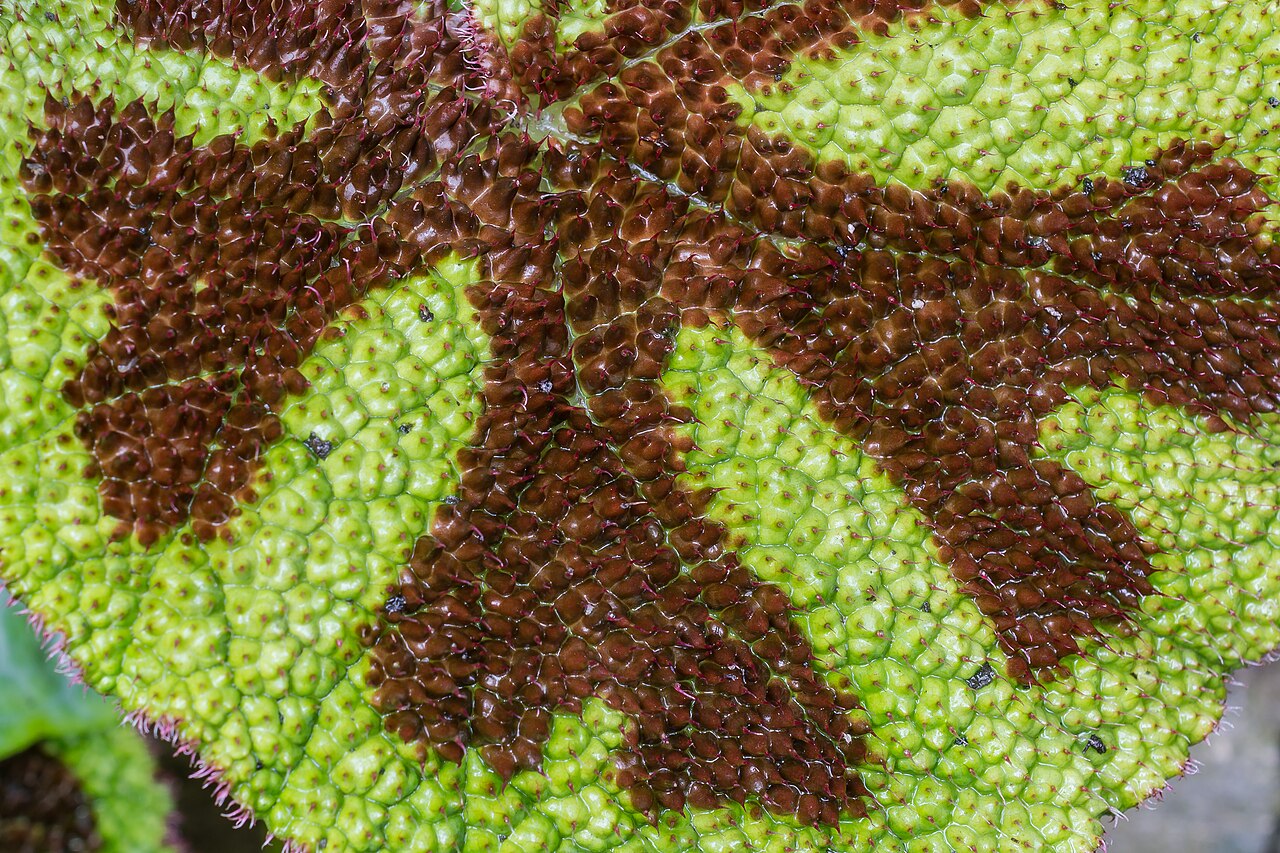
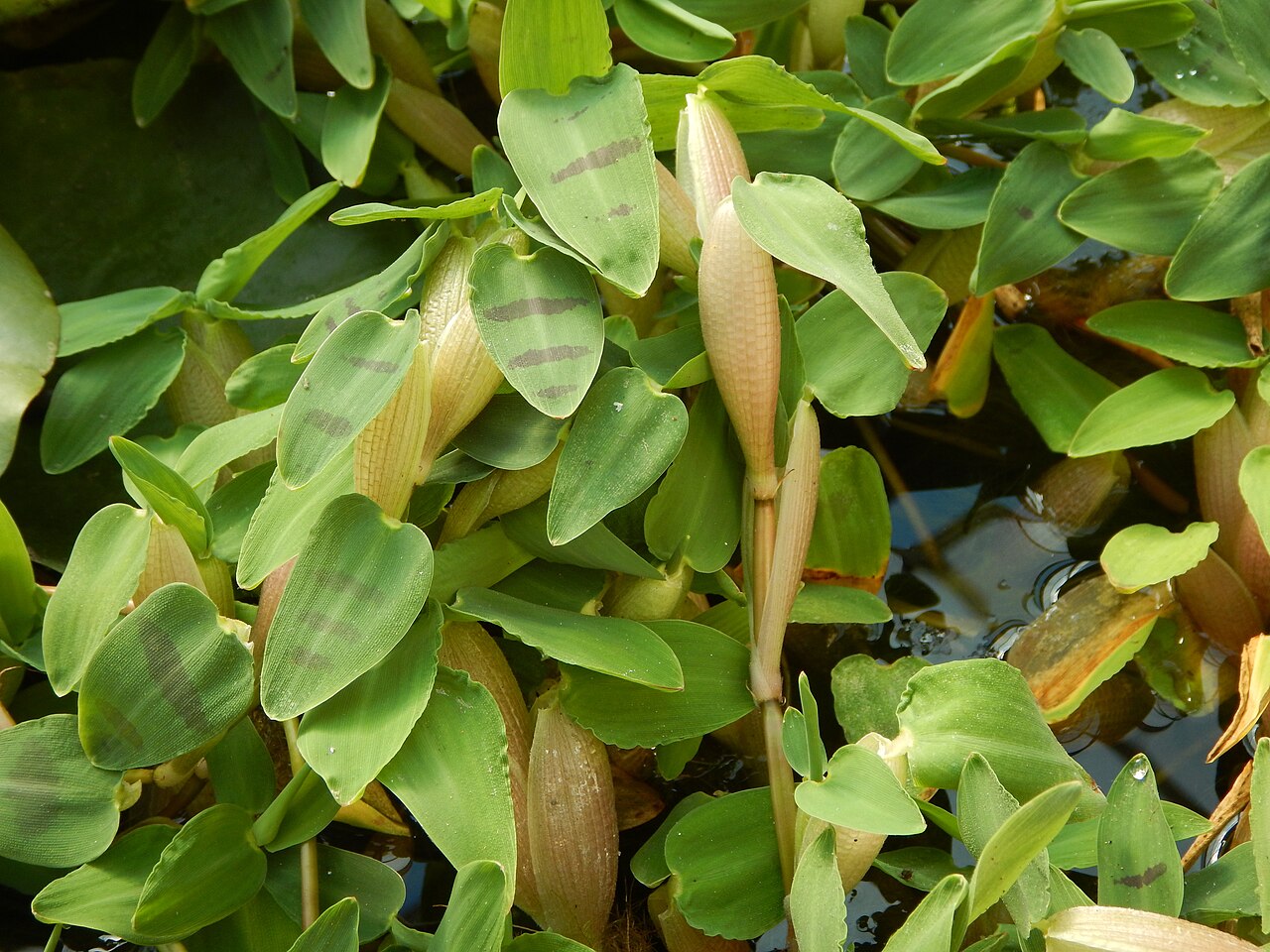
The tropical house brings together useful and ornamental plants of the tropics, including giant water lilies with leaves up to 1.8 m in size. The entrance house shows carnivorous plants, cool-house orchids and tropical water lilies, while the cold house shelters container plants in winter and changing exhibitions. Across the whole garden, more than 10,000 plant species are grown.
Visiting
1 min
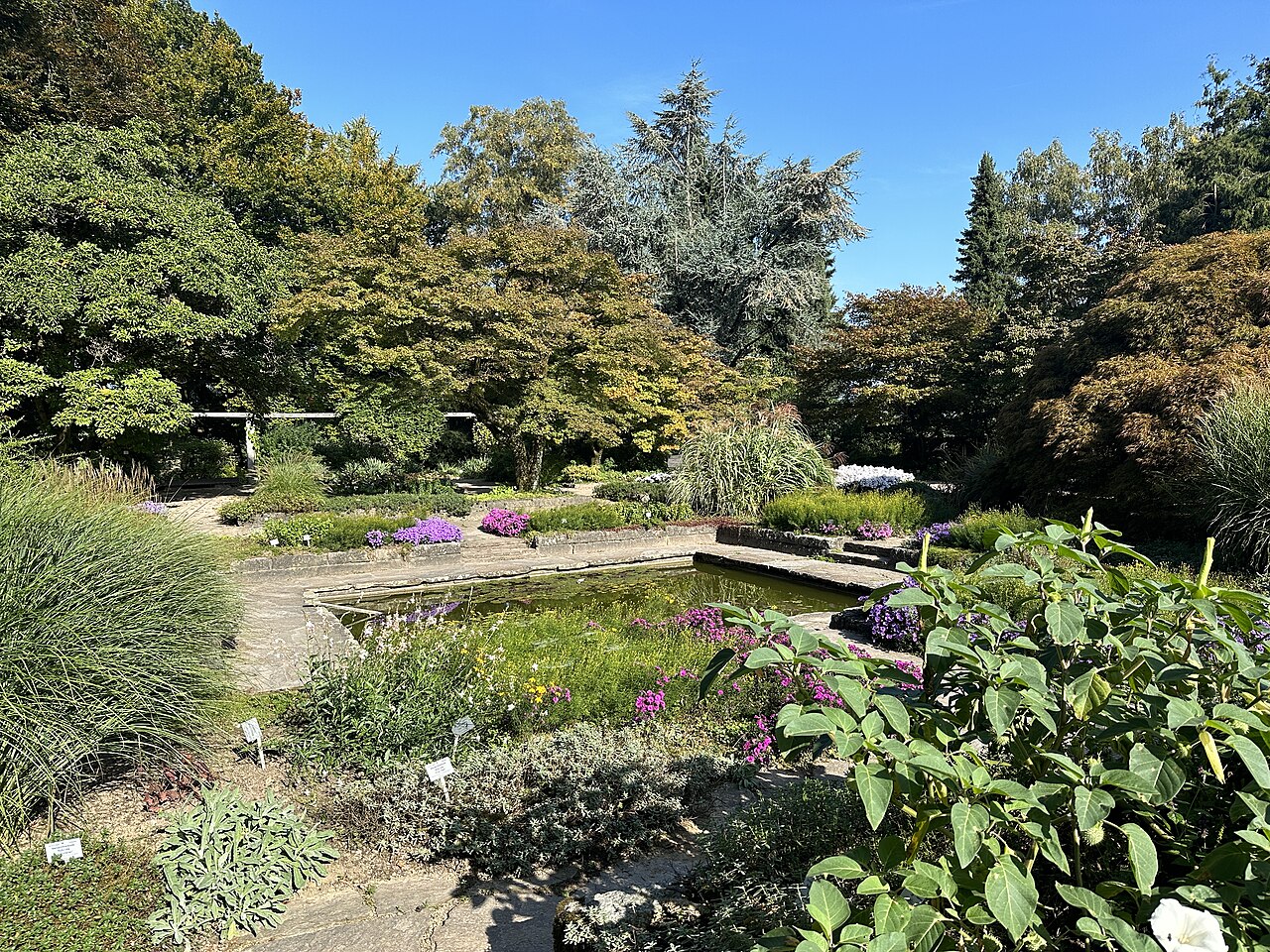
The botanical garden lies on the Gugl, in the Römerberg-Margarethen district, between Roseggerstraße and Kapuzinerstraße, and is served by bus route 27. The glasshouses have been closed since September 2026 and are scheduled to reopen in 2028, but the outdoor garden remains open during the works.
Its 4.2 hectares are divided into 31 areas, including a 3,000 m² alpine garden with some 600 mountain species, a rose garden and a Japanese slope; the 14-hectare arboretum lies separately on the south-western slope of the Freinberg. Concerts, readings, exhibitions and, from Advent to late January, a display of Christmas cribs punctuate the year.
48.30° N, 14.28° E
Greenhouses nearby
More greenhouses — Austria
Do you have a good photo of this greenhouse? Suggest it for this page →