Glasshouses, Chelsea Physic Garden
Chelsea, London (Kensington and Chelsea)

Entry updated on October 5, 2026
- Year
- 1902
- Architect
- Foster & Pearson (glasshouse builders)
- Style
- Early twentieth-century teak glasshouse range set against walled-garden walls
- Dimensions
- Seven glasshouses
- Status
- Open to the public (restored, reopened in September 2023)
Founded in 1673 by the Society of Apothecaries beside the Thames, Chelsea Physic Garden keeps a group of seven glasshouses, including a range of Burmese teak installed in 1902 by the glasshouse makers Foster & Pearson. Hit during the Blitz in 1941 and worn by a century of constant use, they were restored between 2021 and 2023 and reopened in September 2023, in time for the garden's 350th anniversary. They hold about 1,200 plants, from the Tropical Corridor to pelargoniums, Atlantic island plants and the Cool Fernery.
Affiliate links — booking through Verrière helps fund our research, at no extra cost to you.
History
1 min
In 1673 the Worshipful Society of Apothecaries established a garden beside the Thames for growing medicinal plants. Hans Sloane trained there as an apprentice in the 1680s, and in 1722, having bought the Manor of Chelsea, he leased the garden to the Society for £5 a year. Growing under glass has a long history here, and the garden is thought to have had the first heated glasshouse in England. Accounts differ on the dates: the garden refers to a first stove-heated glasshouse around 1680-1681 and to a heated house built in 1723 for tropical fruit such as pineapples, while another account presents the 1723 house as the first. An orangery and glasshouses were built in 1732.
In 1902 a new range of Burmese teak glasshouses by the makers Foster & Pearson was installed to house a collection gathered from around the world. It took a direct hit during the Blitz in 1941; according to the garden, the structure survived but the glass had to be replaced.
After a century of constant use, panes were leaking and timber was rotting. In 2019 the garden began a major capital project, funded by the National Lottery Heritage Fund and by individuals, trusts and foundations, with £3.2 million raised in all. Work ran from 2021 to 2023; the Cool Fernery was the first house to reopen, and the whole range returned to visitors in September 2023, the year of the garden's 350th anniversary.
Architecture and engineering
1 min
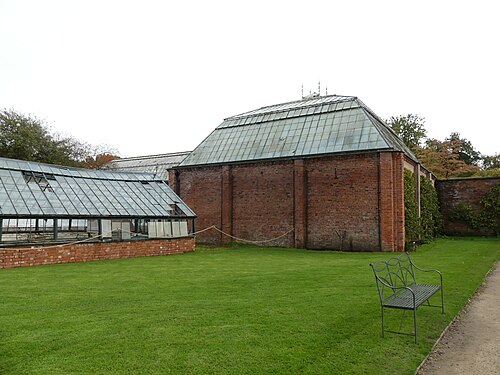
The glasshouses lean against the brick walls of the walled garden. The 1902 range is built of Burmese teak, a timber now protected, so the restorers could not use it again; instead they spliced British sweet chestnut, almost invisibly, into the damaged parts of the frames, keeping as much original material as possible.
There are seven glasshouses in all. The narrow Tropical Corridor runs along the south-facing brick wall and is kept above 15 °C all year; the restoration added a misting system that makes it noticeably more humid. The Cool Fernery, dated to the nineteenth century, lines the west wall. They are joined by a Pelargonium House, an Atlantic Islands glasshouse and the Propagation House, brought out from behind the scenes so that visitors can follow the whole life cycle of a plant. The works also improved the paths for easier access and added interpretation explaining what each space is for.
Plant collections
1 min
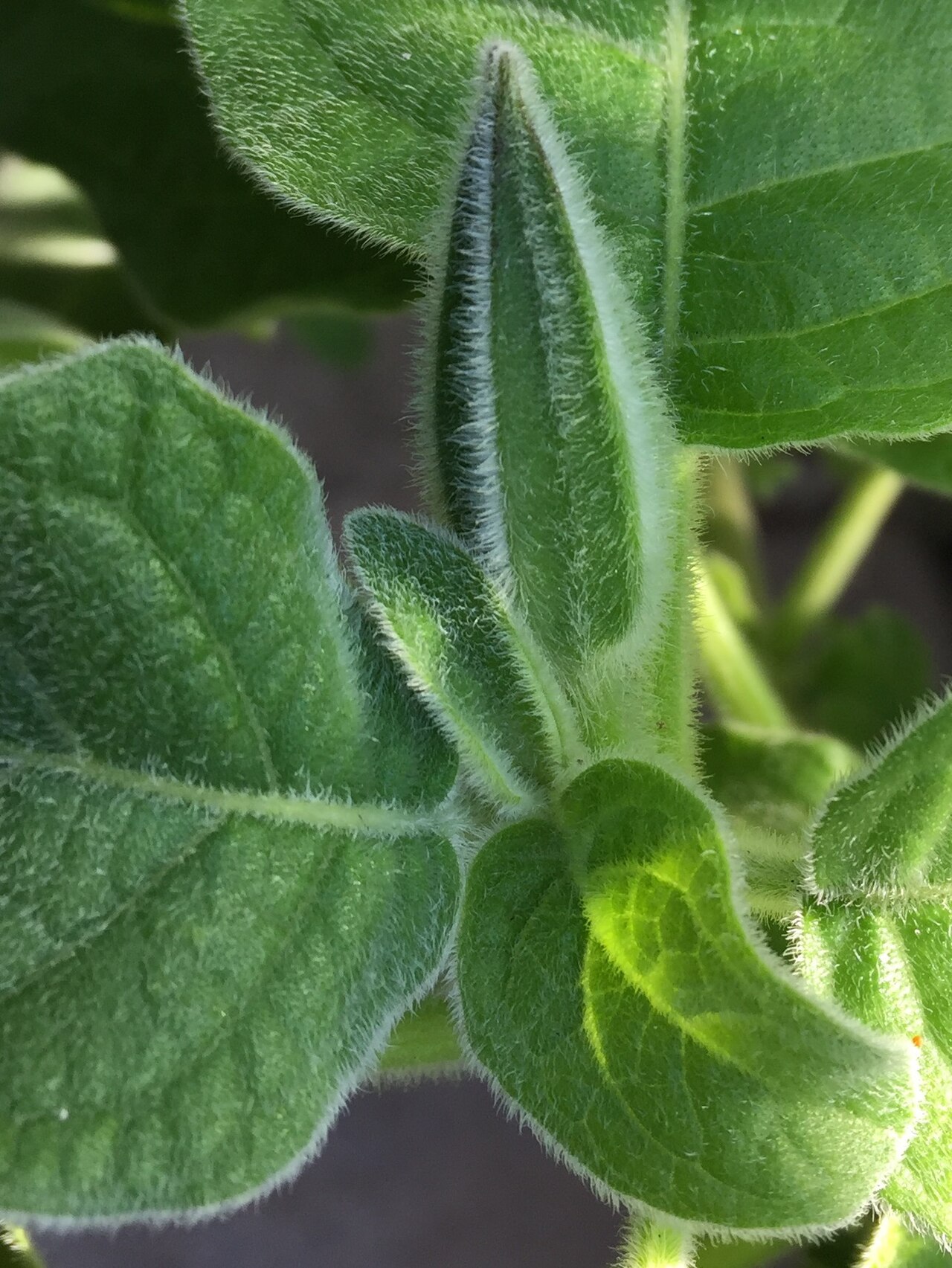
The glasshouses hold about 1,200 plants, most of them in individual pots, arranged according to the uses people have found for them, above all as sources of medicine. The Tropical Corridor brings together food, medicinal and useful plants from equatorial regions: coffee, cocoa, mango, bananas and orchids, among them the vanilla orchid, the only orchid with an edible fruit.
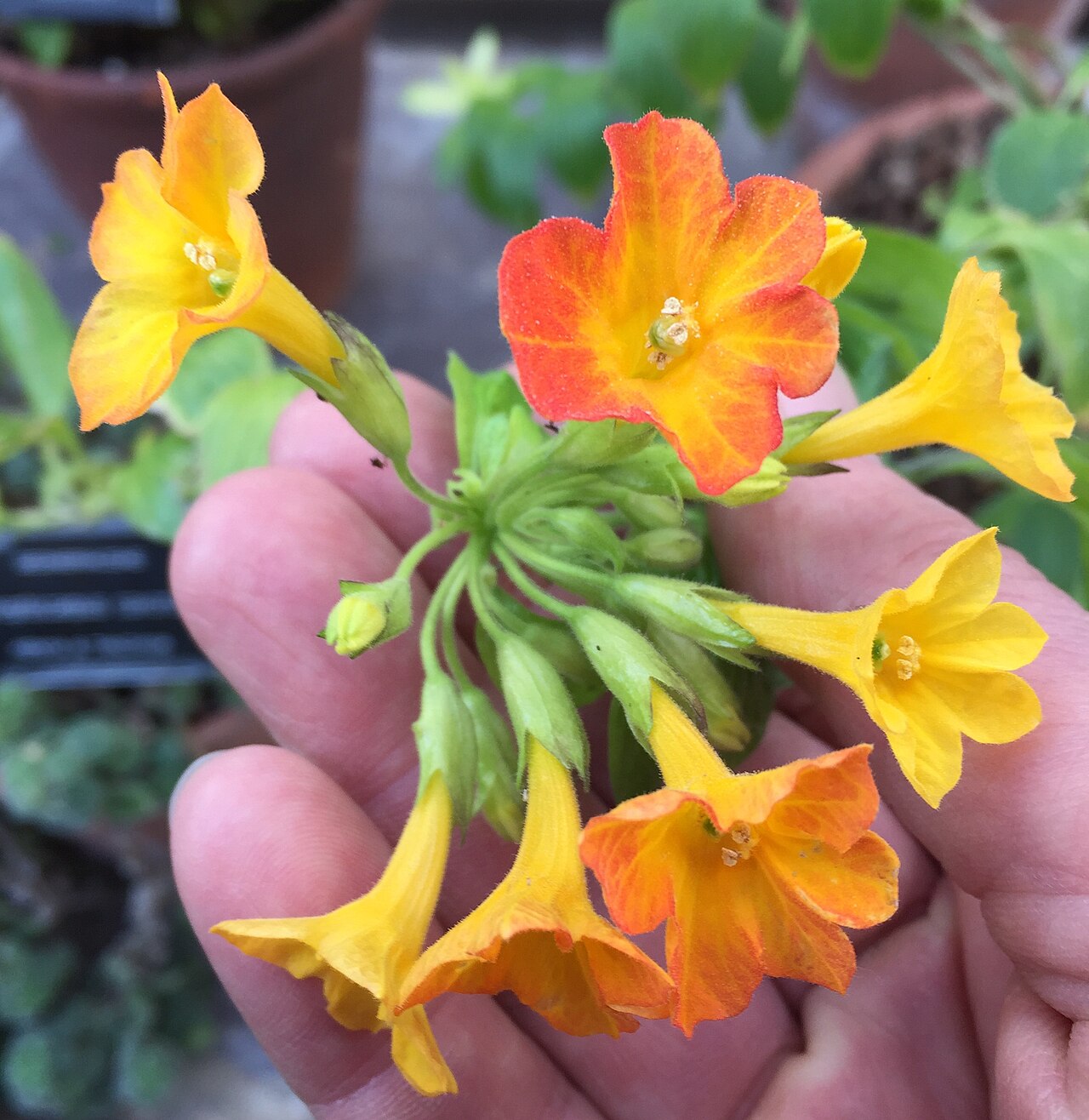
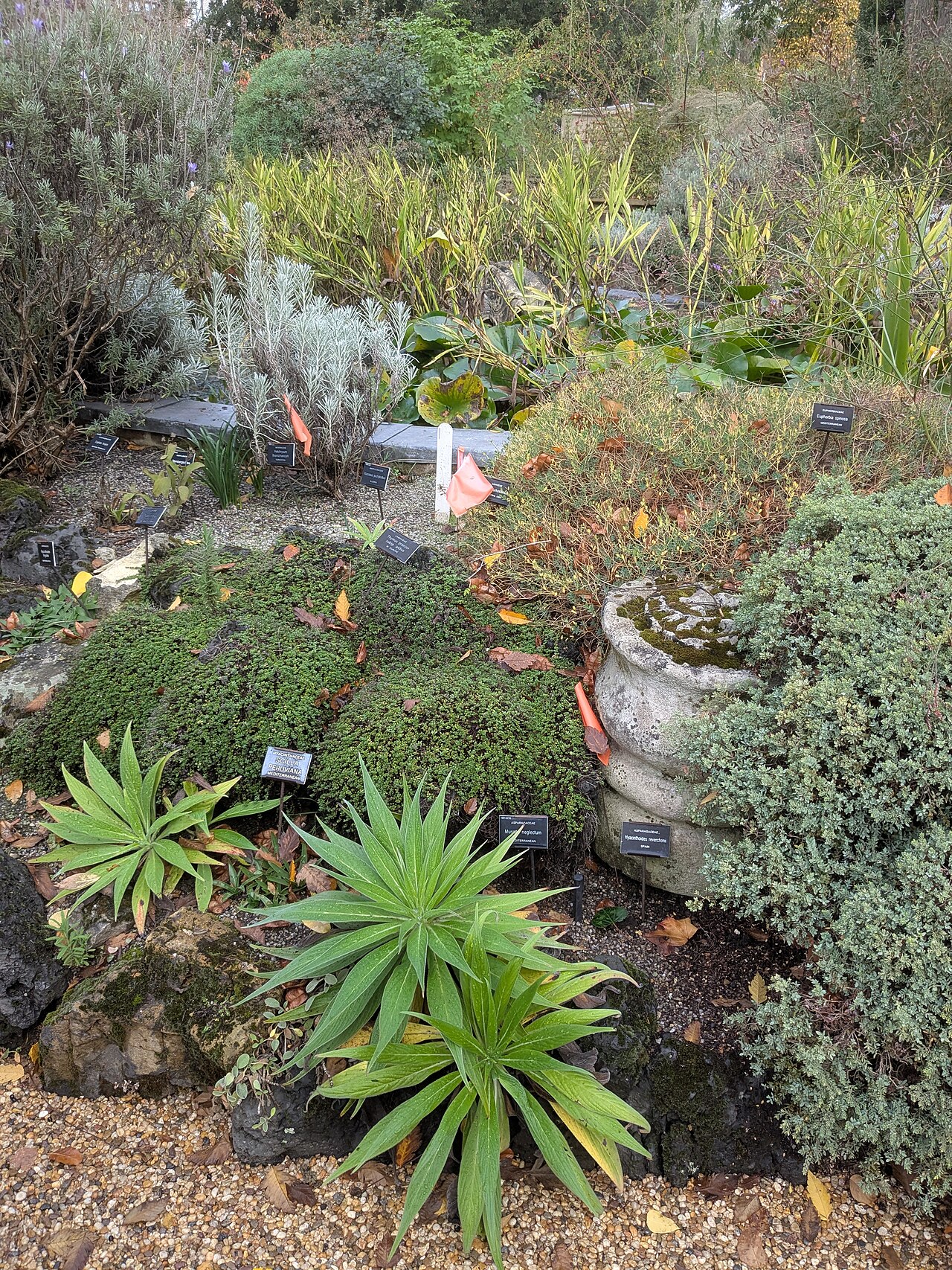
The Pelargonium House shows species from South Africa, Australia and Turkey, following on from head gardener Philip Miller, who already recorded some 50 species of Geraniaceae in 1724. The Atlantic Islands house displays rare plants from the Canaries, Madeira and the Azores, and the Cool Fernery includes aquatic species such as floating fern. A zone marked with warning notices gathers poisonous plants.
Visiting
1 min
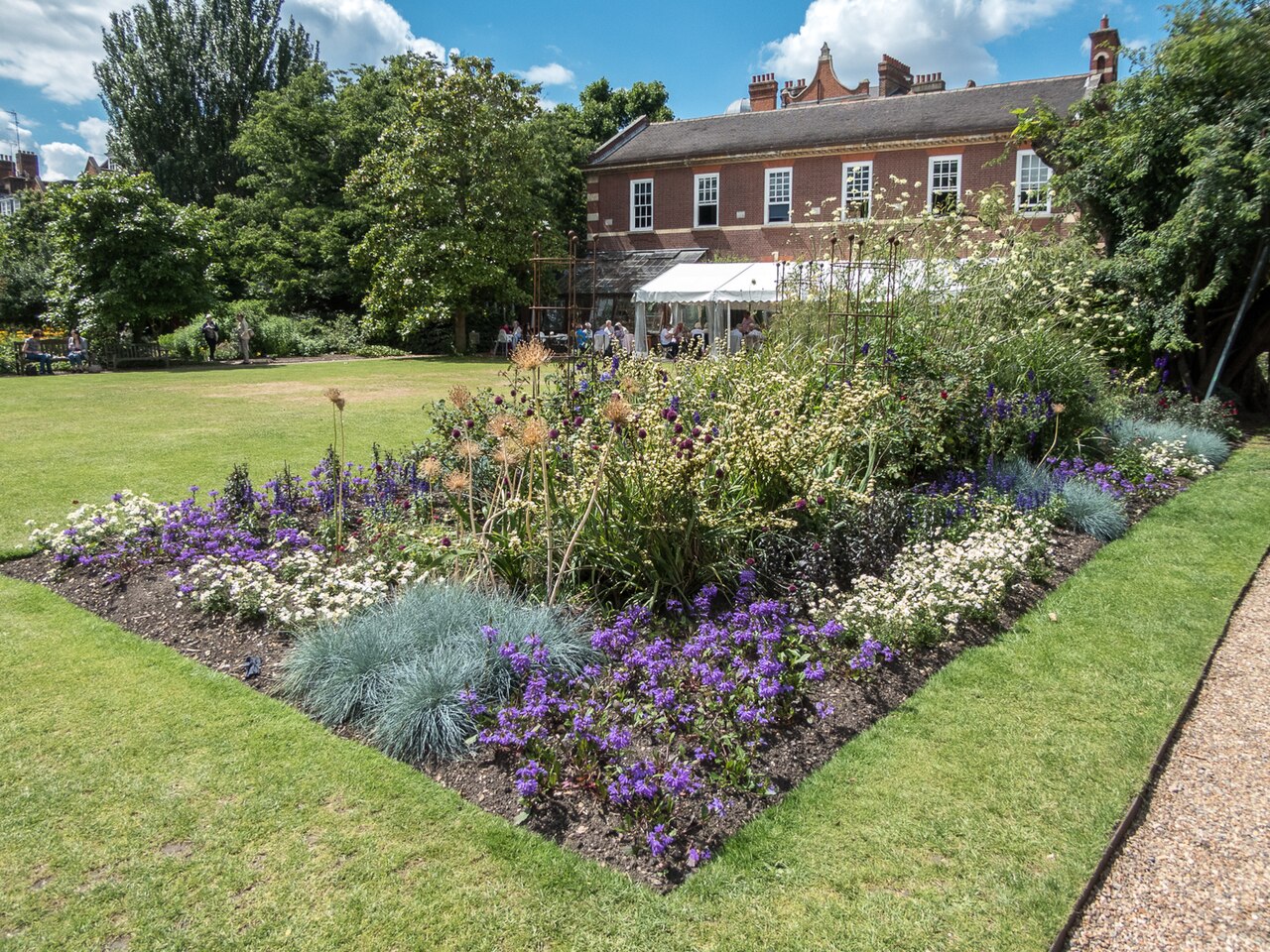
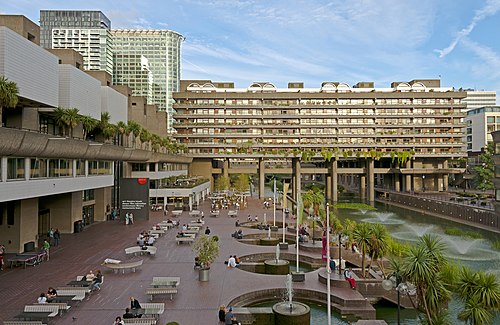
The four-acre walled garden on the Chelsea Embankment hides behind high walls, with only a small door and a sign to mark it. The glasshouses are ranged against its walls, with seating along the way and a café in the garden. The garden, home to more than 4,500 plant species, deserves time beyond the glass. It sometimes opens free of charge on special days, notably during the Chelsea History Festival. In London the visit pairs well with other glasshouses in this atlas: the Barbican Conservatory, the conservatory at Chiswick House or those at Kew.
51.48° N, 0.16° W
Greenhouses nearby

More greenhouses — United Kingdom
Do you have a good photo of this greenhouse? Suggest it for this page →
Sources (7)
- chelseaphysicgarden.co.uk/about/history/
- chelseaphysicgarden.co.uk/about/glasshouse-restoration-project/
- ianvisits.co.uk/articles/free-entry-to-the-chelsea-physic-garden-to-see-the-restored-glass
- programme.openhouse.org.uk/listings/13113
- gardensillustrated.com/features/chelsea-physic-garden-350
- thepaintboxgarden.com/touring-the-chelsea-physic-garden/
- openstreetmap.org/way/204991281