Princess of Wales Conservatory, Kew Gardens
Kew, London (Richmond upon Thames)
Entry updated on October 3, 2026
- Year
- 1987
- Architect
- Gordon Wilson
- Style
- Low modernist glasshouse with a glass roof reaching down to the ground
- Dimensions
- 4,499 m²; ten climate zones
- Status
- Open to the public
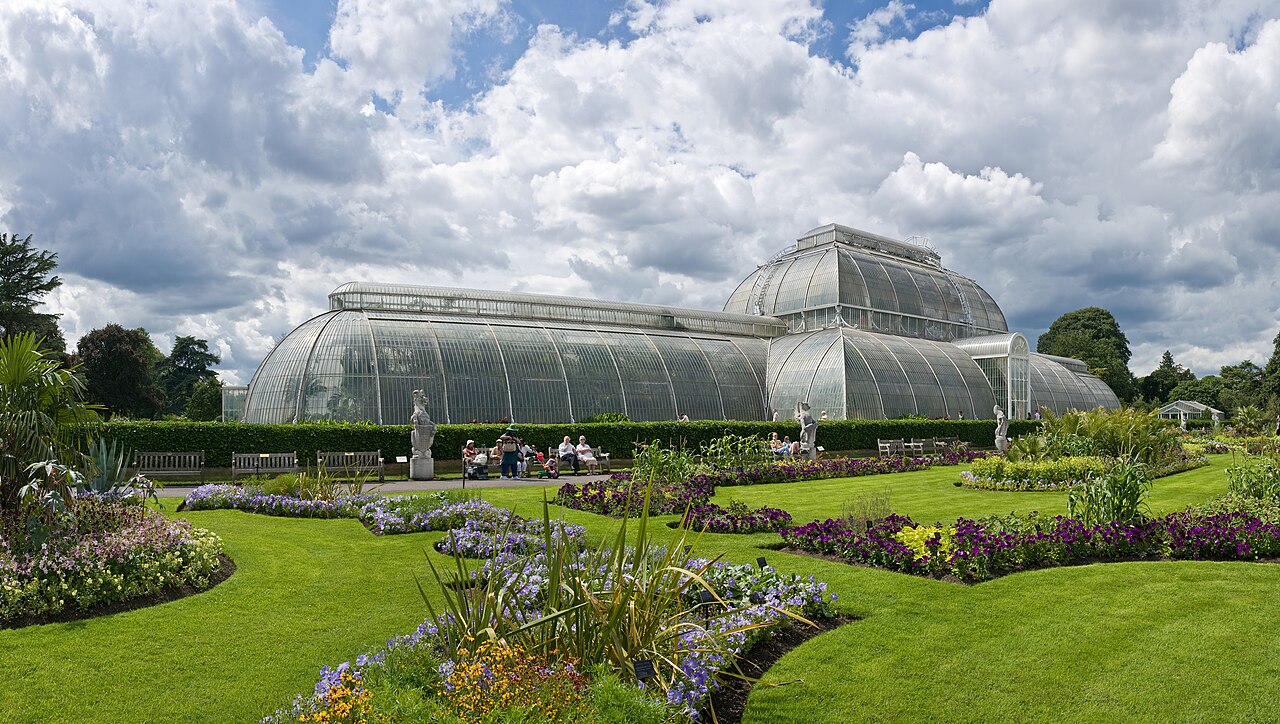
Opened in 1987 by Diana, Princess of Wales, in commemoration of her predecessor Augusta's associations with Kew, this conservatory designed by Gordon Wilson replaced twenty-six smaller buildings. Its 4,499 m² are divided into ten computer-controlled climate zones, with the warmest at the centre to save energy, under a glass roof that comes right down to the ground. Winner of a Europa Nostra award in 1989, it holds orchids, bromeliads, cacti, lithops, carnivorous plants, the titan arum and the giant waterlily Victoria boliviana.
Affiliate links — booking through Verrière helps fund our research, at no extra cost to you.
History
1 min
In the 1980s the Royal Botanic Gardens, Kew replaced twenty-six smaller buildings with a single large conservatory. The commission went to the architect Gordon Wilson, whose design was driven above all by the aim of minimising the energy needed to run it. During construction a time capsule was buried on the site, containing seeds of basic crops and endangered plant species together with key publications on conservation.
The conservatory was opened in 1987 by Diana, Princess of Wales. Its name commemorates the associations with Kew of Augusta, who had held the same title before her. Two years later, in 1989, the building received a Europa Nostra award for conservation.
Architecture and engineering
1 min
The modernist building covers 4,499 m². Its glass roof comes right down to the ground in order to capture as much solar gain as possible. The plan follows the same logic of economy: the cooler zones are placed around the outside, while the tropical zones sit at the heart of the building, where heat is best retained.
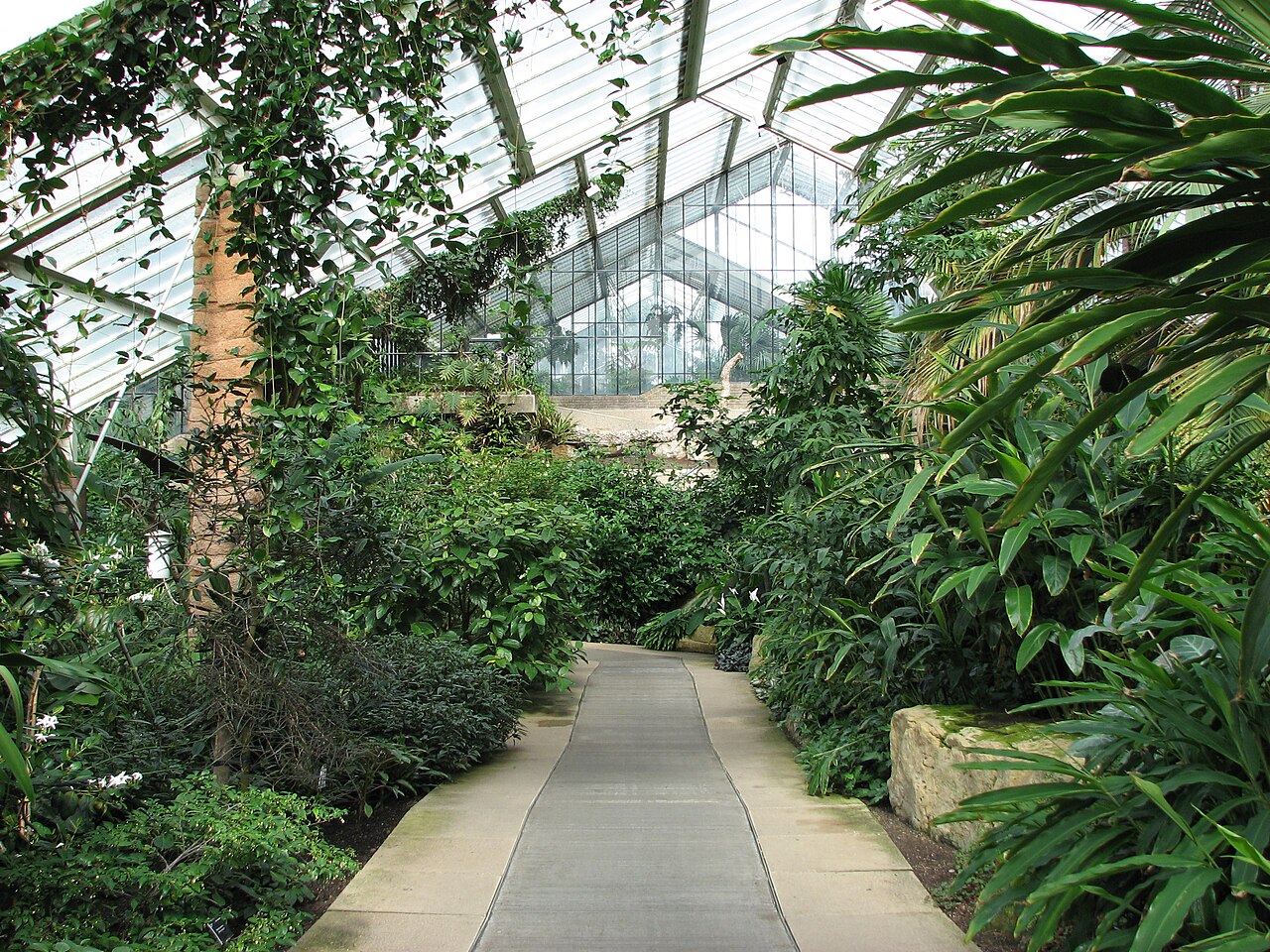
Inside, the conservatory is divided into ten micro-climatic zones, ranging from cool desert to tropical mountain and rainforest. A computer constantly adjusts the heating, ventilation and humidity of each one. The route forms a glassy labyrinth that leads from one ecosystem to the next, from the dry tropics through to the hot and humid zones.
Plant collections
1 min
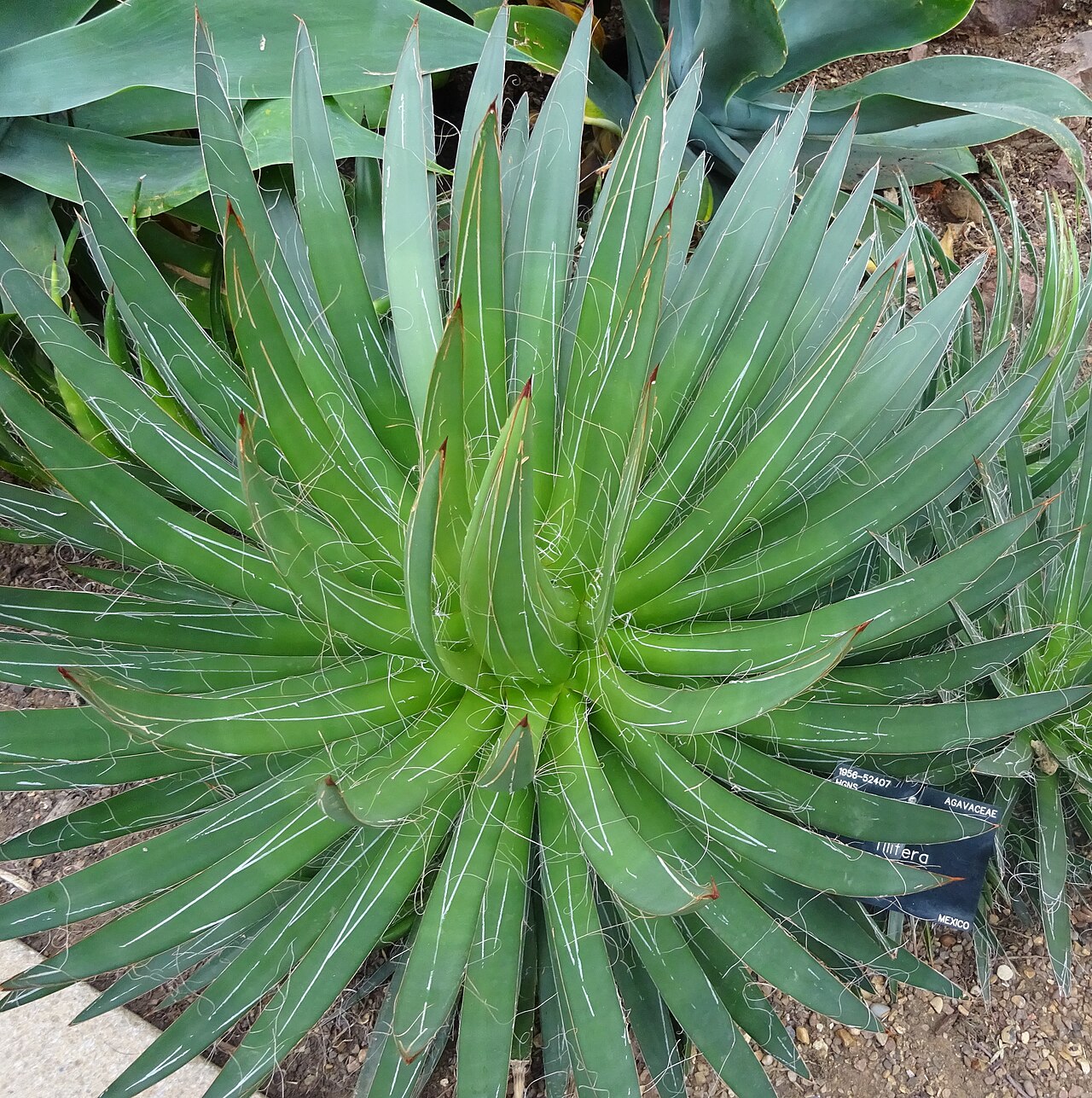
Each zone gathers plants suited to its climate. The dry tropics display cacti and succulents, including lithops. A whole zone is devoted to carnivorous plants such as the Venus flytrap (Dionaea muscipula) and the pitcher plants (Nepenthes), which trap insects in their jug-shaped leaves. Orchids and bromeliads thrive in the warm, humid zones, and the giant waterlily Victoria boliviana floats in the wet tropical zone.
The titan arum (Amorphophallus titanum) from western Sumatra is among the conservatory's most famous specimens. Nicknamed the corpse flower, it gives off a smell of rotting flesh when in bloom, drawing pollinating insects from great distances.
Visiting
1 min
The conservatory stands in the Royal Botanic Gardens, Kew, in south-west London, a few hundred metres from the Palm House. Allow at least an hour to walk through its ten zones. Enclosed and heated, it makes a good refuge on a rainy day or in winter, when its tropical zones stand in striking contrast to the garden outside. A visit combines easily with Kew's other great glasshouses, the Palm House, the Temperate House and the Waterlily House. Across the Thames, the Great Conservatory at Syon Park adds an early nineteenth-century counterpoint.
51.48° N, 0.29° W
Greenhouses nearby
More greenhouses — United Kingdom
Do you have a good photo of this greenhouse? Suggest it for this page →