Lyman Plant House & Conservatory
Northampton, Massachusetts

Sources checked September 2026
- Year
- 1894–1895
- Architect
- Lord & Burnham
- Style
- Victorian glasshouse with curved glazing (Palm House)
- Status
- Open to the public
The first Lyman Plant House building at Smith College dates from 1894, followed in 1895 by a Lord & Burnham extension including the landmark Palm House. The complex was enlarged again in 1902, 1952 and 1981. It now holds collections of tropical plants (palms, cacao, rubber trees, bananas), desert plants, ferns and ancient cycads, orchids and bromeliads, and carnivorous plants. The college's botanic garden stages an annual chrysanthemum show in these houses.
Affiliate links — booking through Verrière helps fund our research, at no extra cost to you.
History
The Smith College glasshouses grew out of the plan of Smith's president, Clark Seelye, to turn the whole Northampton campus into an arboretum and botanic garden. In 1892 the landscape firm F. L. Olmsted & Company began planning the grounds. By 1894 a small greenhouse and potting shed were already serving as a nursery for campus plantings, and two of today's houses, the Succulent House and the Show House, date from that first phase.
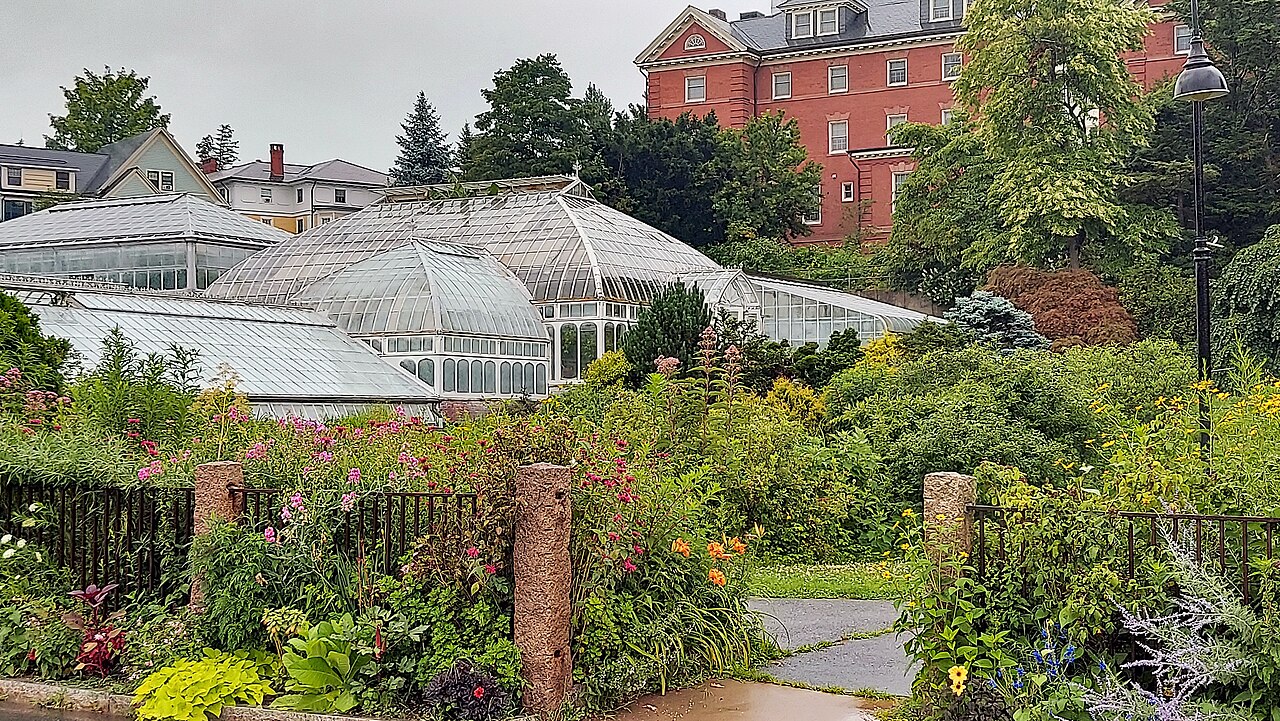
In 1895 Lord & Burnham built a range of Victorian-style glasshouses that still stand, and their completion marked the formal inauguration of the Botanic Garden of Smith College. The first director, William Francis Ganong, enlarged the plant house while also creating the Systematics Garden and the Rock Garden and expanding the arboretum. Horticulture classes were first taught at Lyman in 1900 and are still offered there.
The complex was extended in stages: the Physiology House and a cold storage house in 1902, the two genetics houses of the Blakeslee Range in 1952, and a Cool Temperate House in 1981, when the camellia corridor was also remodelled. For roughly a century the garden held an autumn chrysanthemum show, originally built around hybrids raised by students; the last one took place in 2024, as the garden moved toward new kinds of exhibits.
Architecture and engineering
Lyman Plant House combines the conservatory with exhibition space, classrooms and offices. The conservatory covers about 12,000 square feet (just over 1,100 m²) and is made up of twelve houses: ten are open to visitors, while the last two, the warm and cool genetics houses of the Blakeslee Range, are used for propagation and for nursing plants back to health.
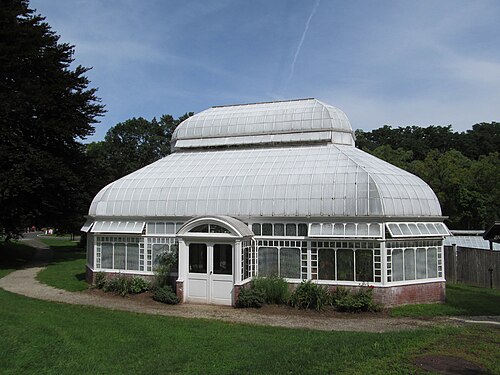
The Lord & Burnham houses are marked by curved glass roofs and arching panels, seen at their best in the Palm House at the heart of the range. Each house keeps its own climate: dry for the succulents, humid tropical for the ferns and for the Stove House, which is laid out around a central pool, subtropical in the Warm Temperate House, and cool montane in the Cool Temperate House added in 1981. The Church Gallery hosts changing exhibitions on botanical themes.
Plant collections
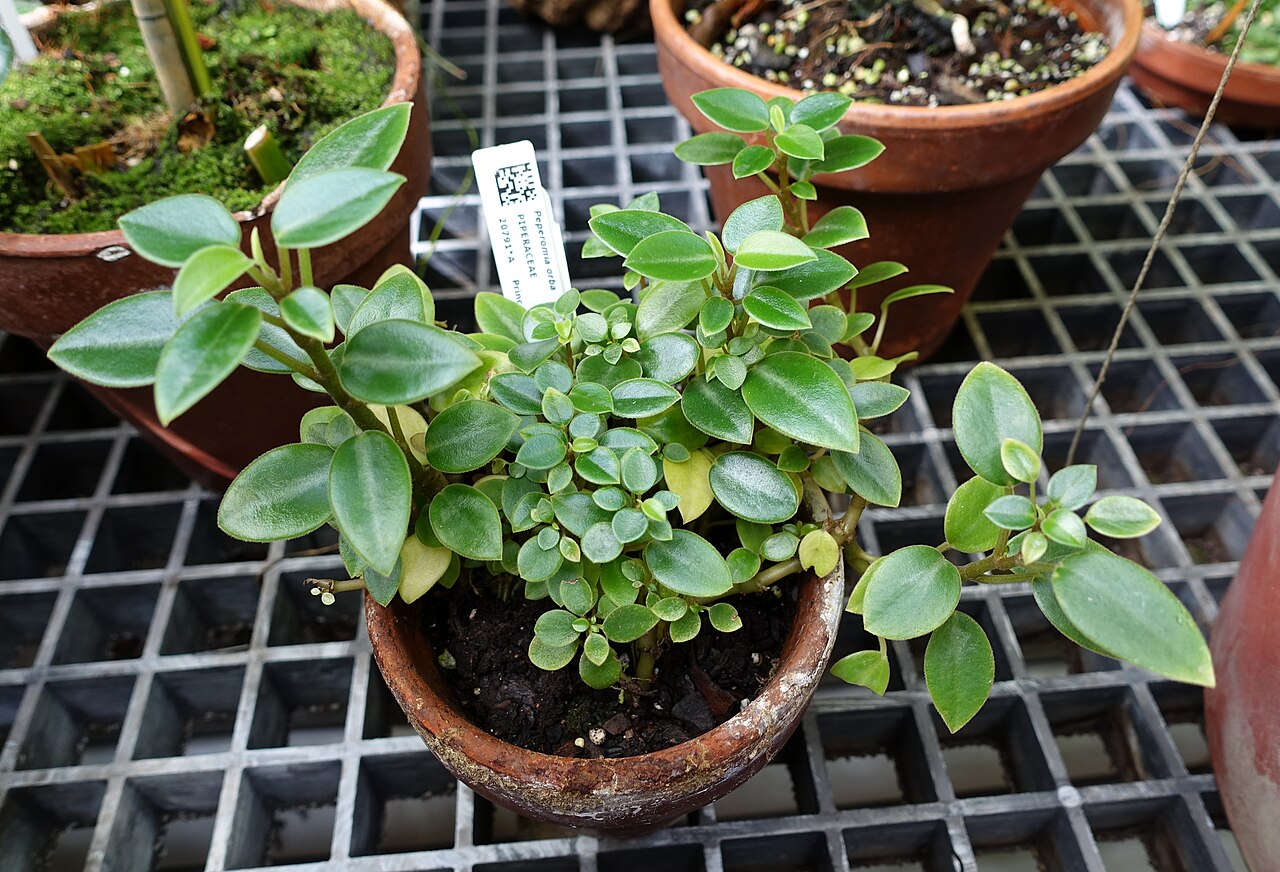
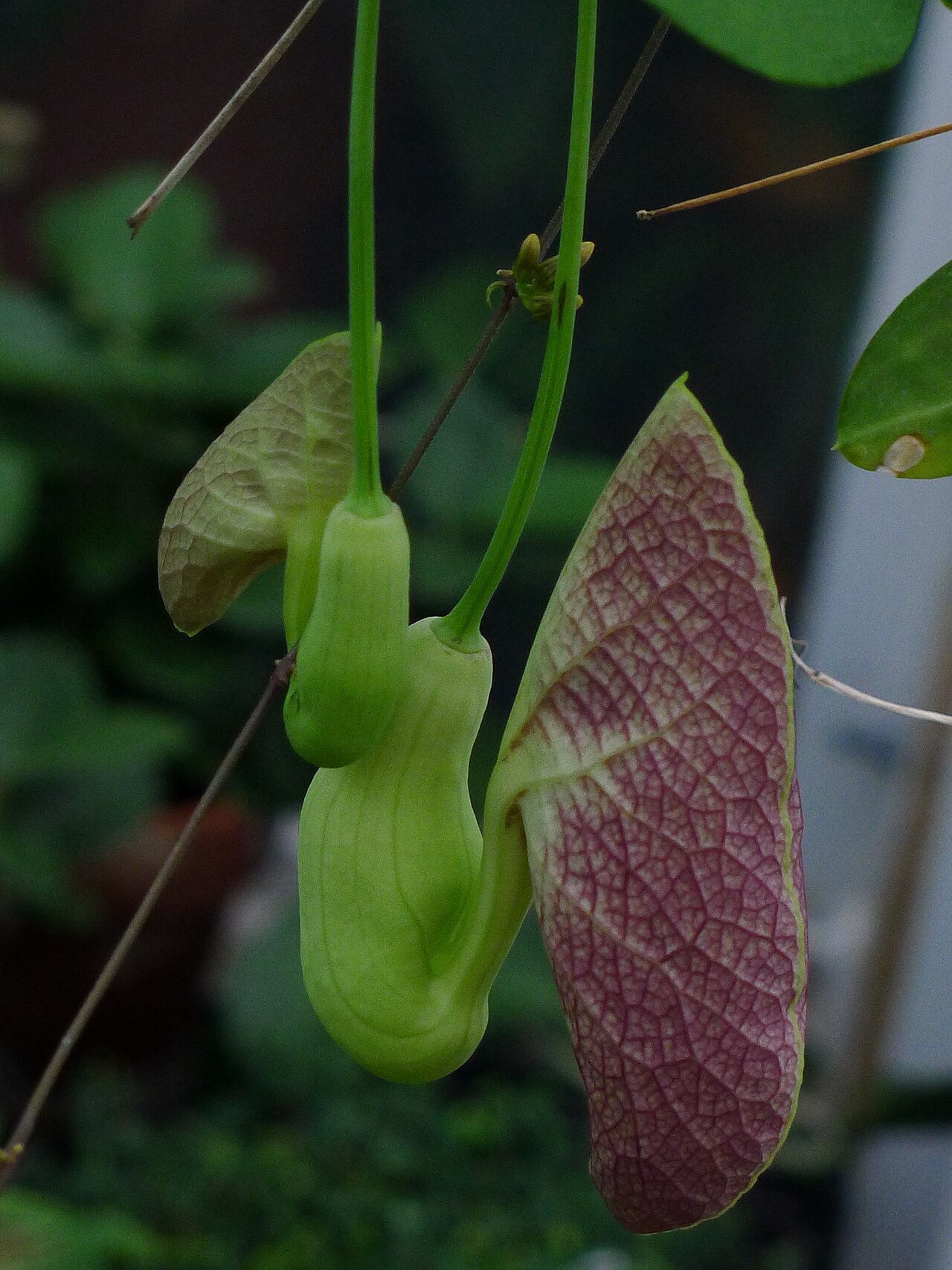
The conservatory holds about 3,000 tender plants out of some 8,100 in the garden as a whole. The Palm House gathers tropical palms, trees, shrubs, climbers and epiphytes, including economic plants such as cacao, rubber, quinine and banana. The Fern House contains ferns, cycads and early gymnosperms, and the Stove House orchids, bromeliads and aquatic plants.
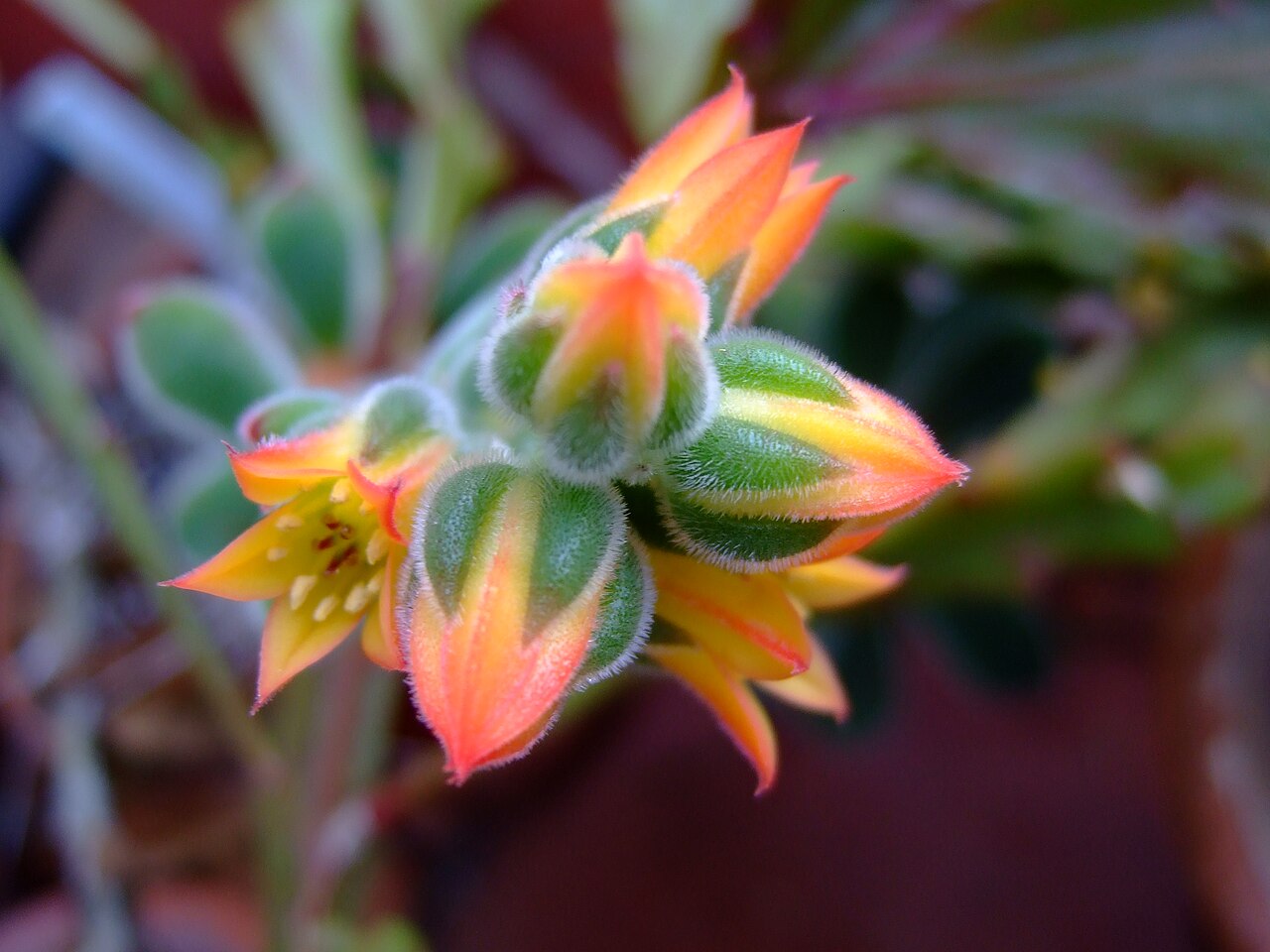
Cacti, euphorbias and other xerophytes fill the Succulent House, while the Show House is given over to aromatic plants such as salvias, mints and scented geraniums with culinary or medicinal uses. Begonias, citrus, Venus flytraps and pitcher plants grow in the Warm Temperate House; the Cool Temperate House brings together trees and shrubs from Asia, Latin America, Africa, Australia and New Zealand, and the camellia corridor pairs camellias with citrus and rhododendrons.
Visiting
Lyman Plant House stands on the Smith College campus in Northampton, within a 127-acre arboretum and six acres of cultivated gardens, and admission is free year-round thanks to the Friends of the Botanic Garden. The highlight of the calendar is the Spring Bulb Show, which traditionally opens on the first Saturday in March in the Physiology House, with crocuses, hyacinths, narcissi, irises, lilies, tulips and tender South African bulbs. A visit extends naturally into the Systematics Garden, the Rock Garden and the campus arboretum.
42.32° N, 72.64° W
Greenhouses nearby
Architecture nearby
More greenhouses — United States
Do you have a good photo of this greenhouse? Suggest it for this page →
Affiliate links — booking through Verrière helps fund our research, at no extra cost to you.