Tropical Agronomy Greenhouses, Parc du Grand-Blottereau
Nantes, Pays de la Loire
Entry updated on October 5, 2026
- Year
- 1902
- Style
- Early 20th-century growing houses, renovated and extended in 2002
- Dimensions
- 3 ha horticultural site with 2,840 m² of glasshouses in all
- Status
- Open to the public on guided tours; adjacent tropical vegetable garden freely accessible
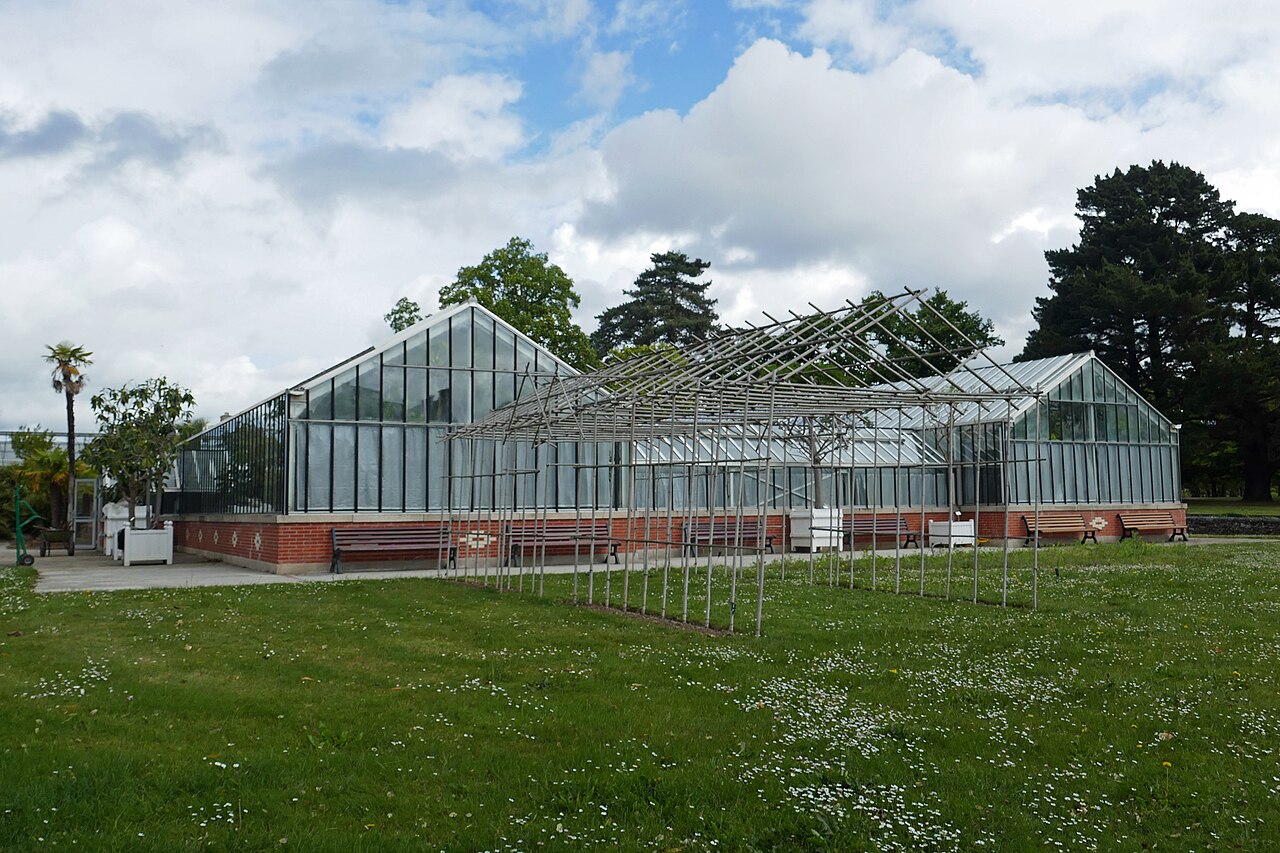
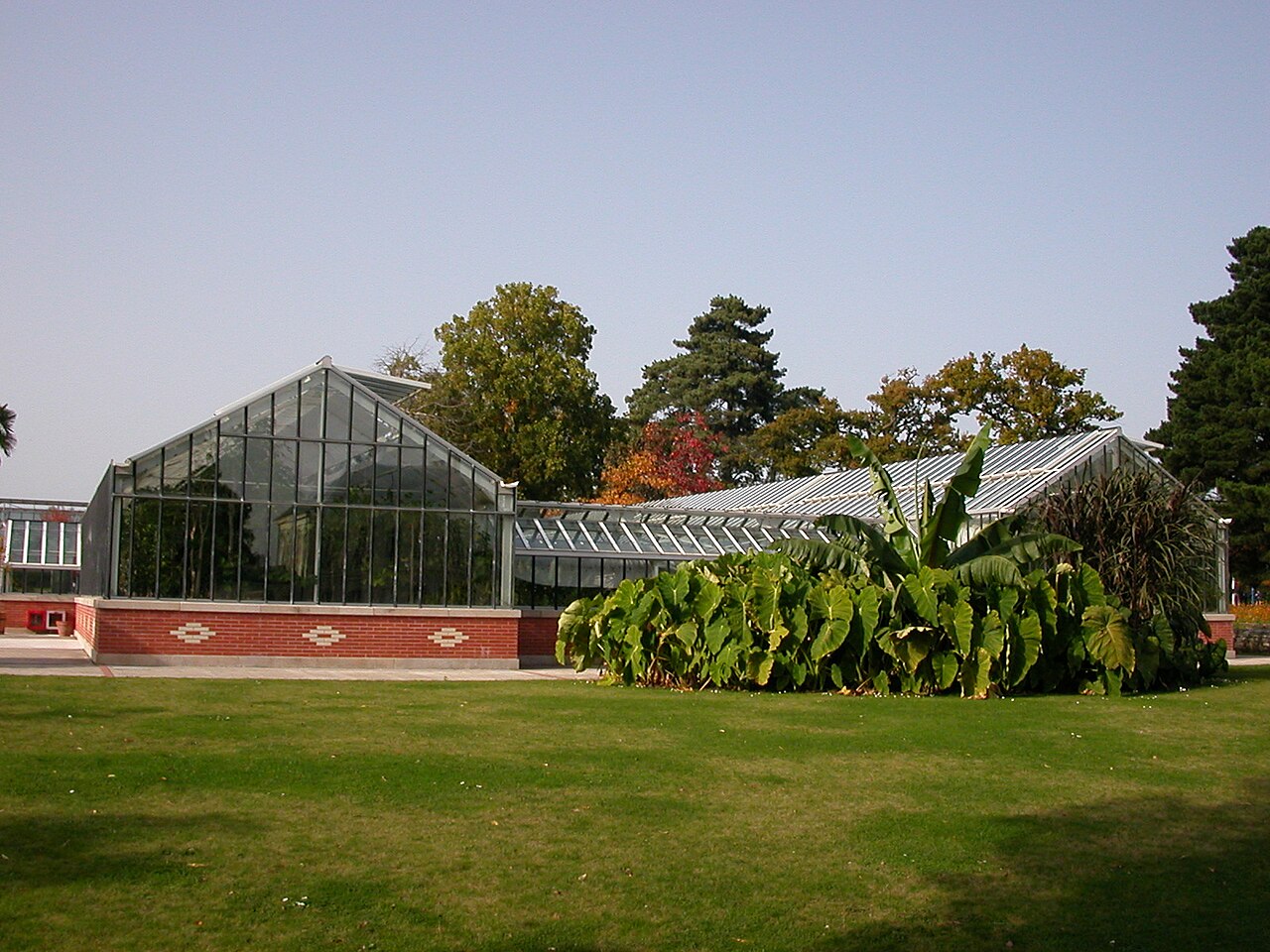
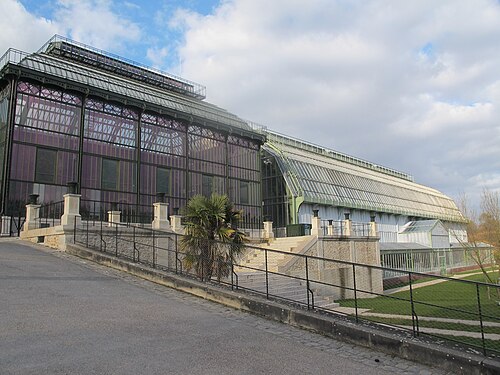
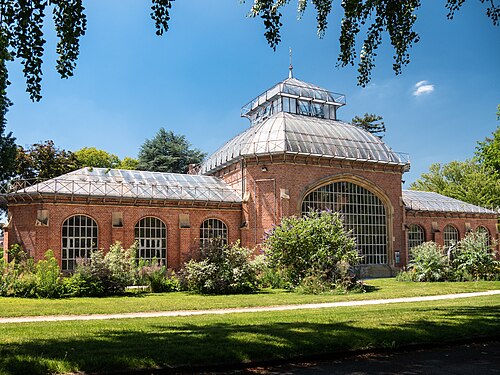
Built in 1902 in the Parc du Grand-Blottereau, in eastern Nantes, for the colonial agronomy chair of the city's École supérieure de commerce, these greenhouses were meant to prepare future expatriates and to support colonial trade. Taken over by the city in 1970, then renovated and extended in 2002, they keep a collection of so-called utilitarian tropical plants, some over a hundred years old: cacao, vanilla, pepper, cinnamon, cotton, pineapple and papaya. They are shown on guided tours, next to a tropical vegetable garden and an orangery of the same period.
Affiliate links — booking through Verrière helps fund our research, at no extra cost to you.
History
1 min
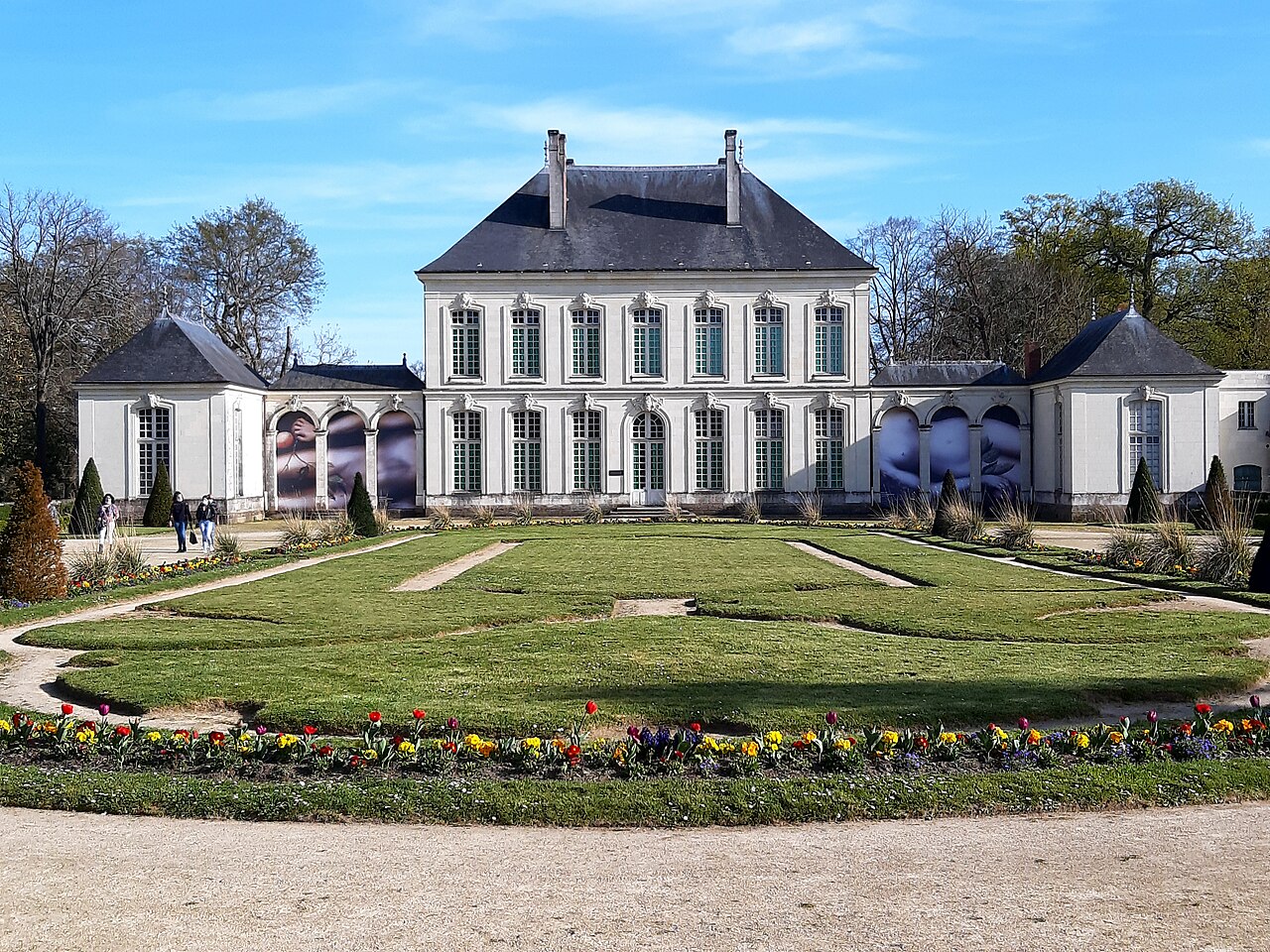
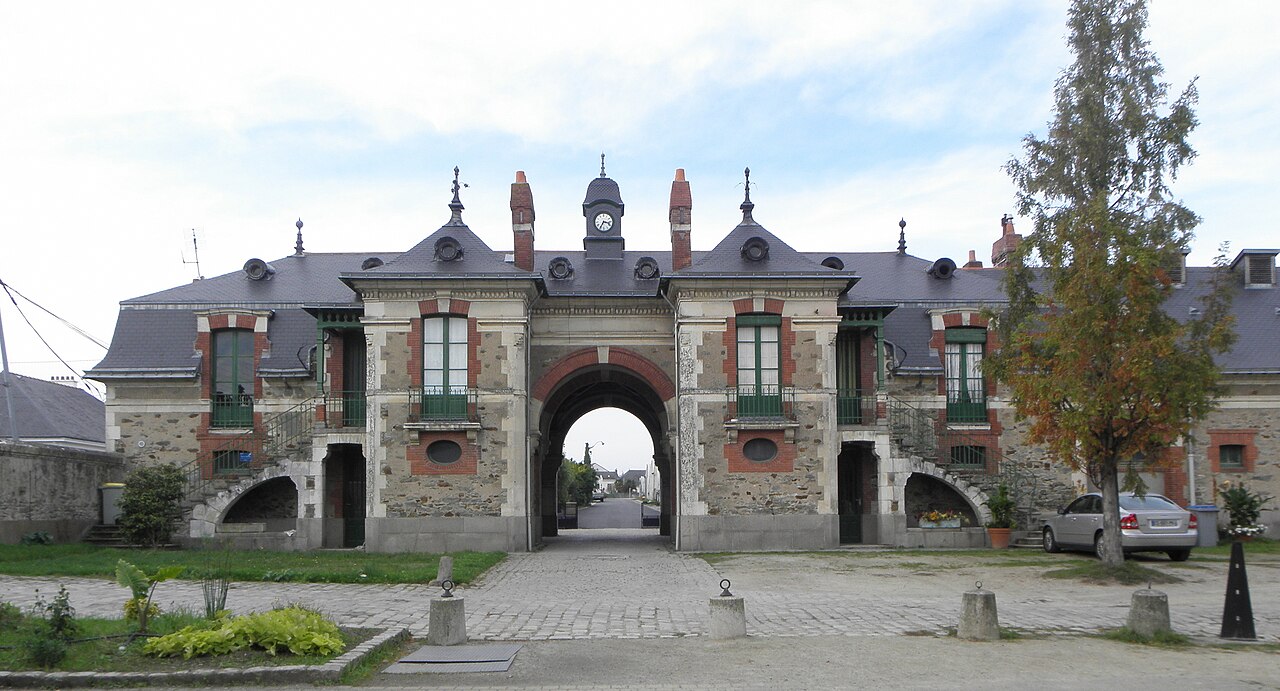
The Grand-Blottereau is a former seigneurial estate recorded as early as 1360. Between 1742 and 1747 Gabriel Michel, a director of the French East India Company, built a folly there, a country retreat listed as a historic monument on 4 October 1966. In the late nineteenth century the estate belonged to Thomas Dobrée, from an influential family of shipowners, who left it to his friend Hippolyte Durand-Gasselin on condition that it become a green space open to all and a place for growing and conserving exotic plants.
From 1902 the colonial agronomy chair of the École supérieure de commerce de Nantes moved onto the site. Under the school's director, M. Meunier, tropical greenhouses, a tropical garden and a dairy were built. The aim was to prepare future expatriates and to foster the commercial development of the colonies. When Durand-Gasselin died in 1905, the estate passed to the city of Nantes, on condition that it house a colonial school with a tropical botanical garden and a colonial museum.
The agronomy chair disappeared in 1970 and the colonial greenhouses became municipal. Renovated and extended in 2002, they keep a plant heritage part of which has lived through the whole twentieth century, while the park, now the largest in Nantes, has opened to the public.
Architecture and engineering
1 min
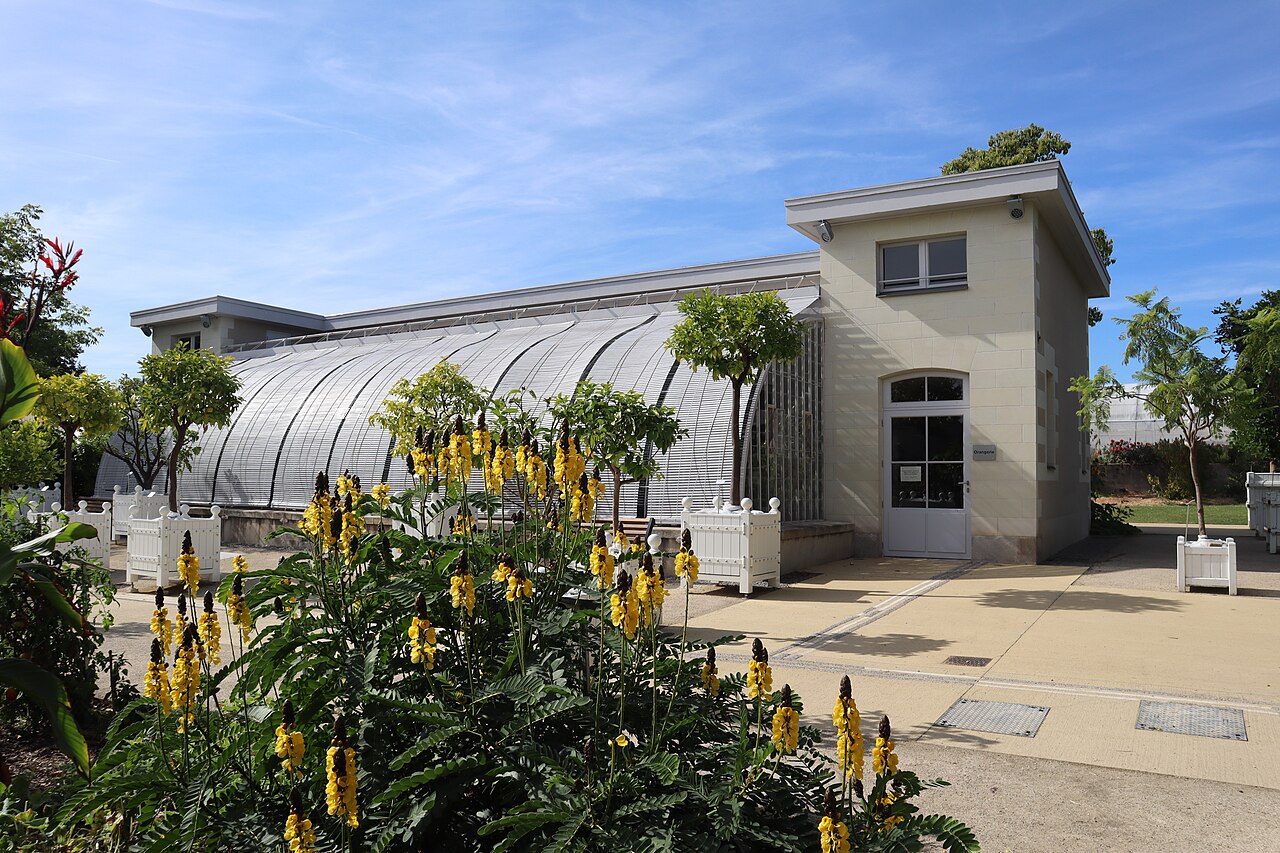
None of the sources consulted names the architect of the 1902 greenhouses or describes their original structure in detail. They form part of a horticultural complex that Wikipedia places on 3 hectares in the north-western part of the park: 2,840 m² of greenhouses, 1,488 m² of polytunnels, 156 m² of unheated tunnels, 650 m² of low glass frames and 1,488 m² of cold frames. The tropical houses were renovated and extended in 2002.
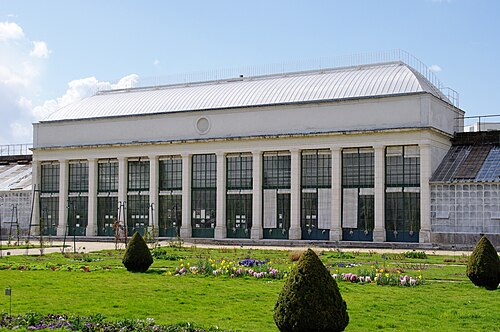
An orangery of the same period completes the set. Kept at a minimum of 10 °C from October to April, it shelters citrus trees and plants in tubs; an adjoining glasshouse protects frost-tender bedding plants until they go out in May. The greenhouses stand close to the château, the eighteenth-century folly, and tours meet in front of the glasshouse on the château side. Next door, an open-air tropical vegetable plot serves as a trial field.
Plant collections
1 min
The greenhouses gather exotic plants of economic value, some of them more than a hundred years old. Fibre plants grow alongside fruit trees and spices: cotton and kapok, pineapple, carambola, papaya, cacao and citrus, vanilla, cinnamon, pepper, clove and ginger. There are also scented plants such as tiare, frangipani and ylang-ylang, medicinal ones such as tamarind and aloe vera, and, according to a 2016 visit report, coffee, tea, bananas and sugar cane.
The adjoining tropical vegetable garden, planted from mid-May, shows crops rarely seen in local gardens: more than fifteen varieties of chilli, chayote, quinoa, rice, soya, sorghum, peanuts, sweet potatoes, beans and cereals.
Visiting
1 min
The tropical agronomy greenhouses can be seen on guided tours lasting about an hour, held on set days several times a month for groups of up to fifteen people; the route is wheelchair accessible. The neighbouring tropical vegetable garden is open for visitors to wander freely.
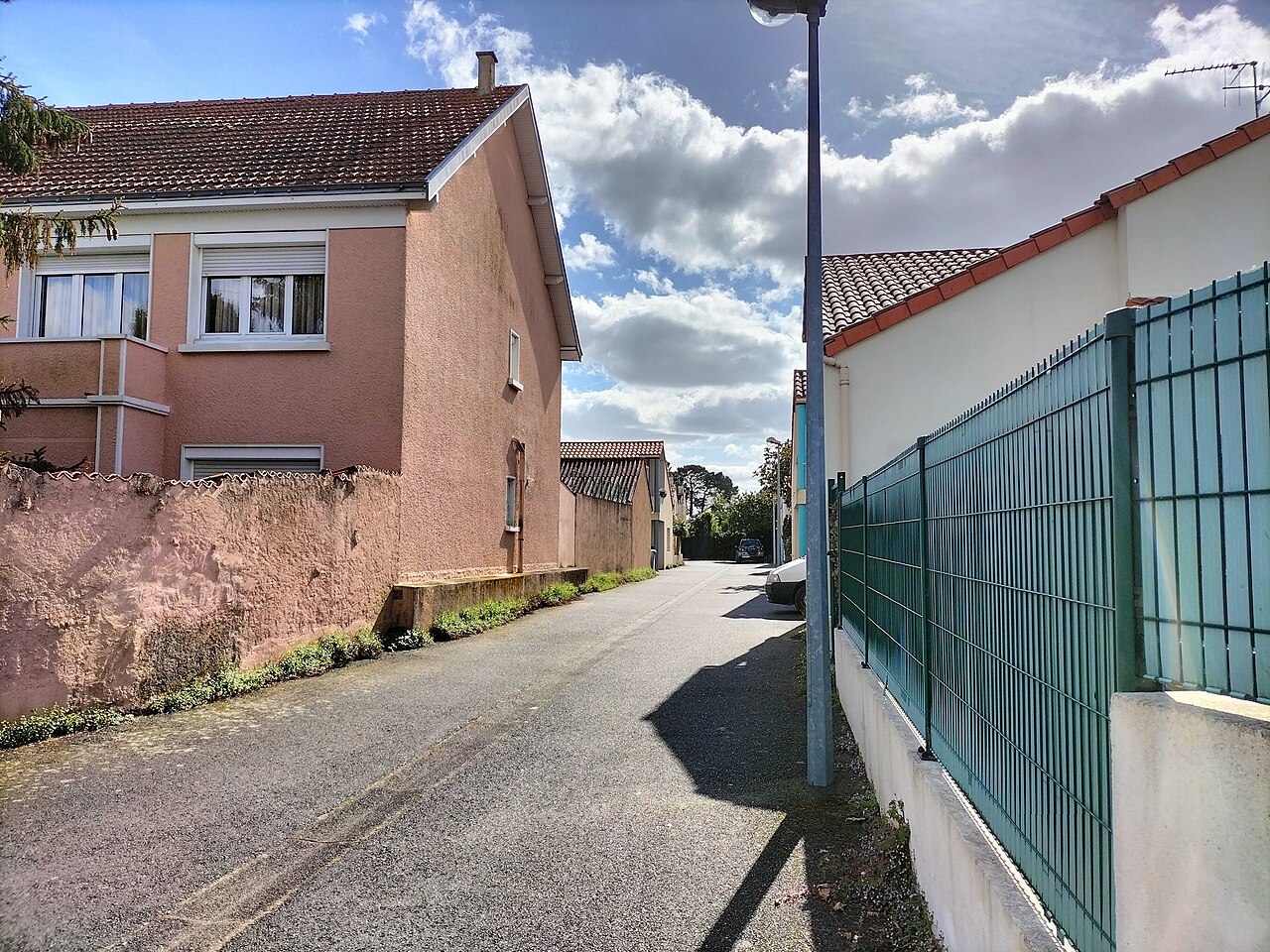
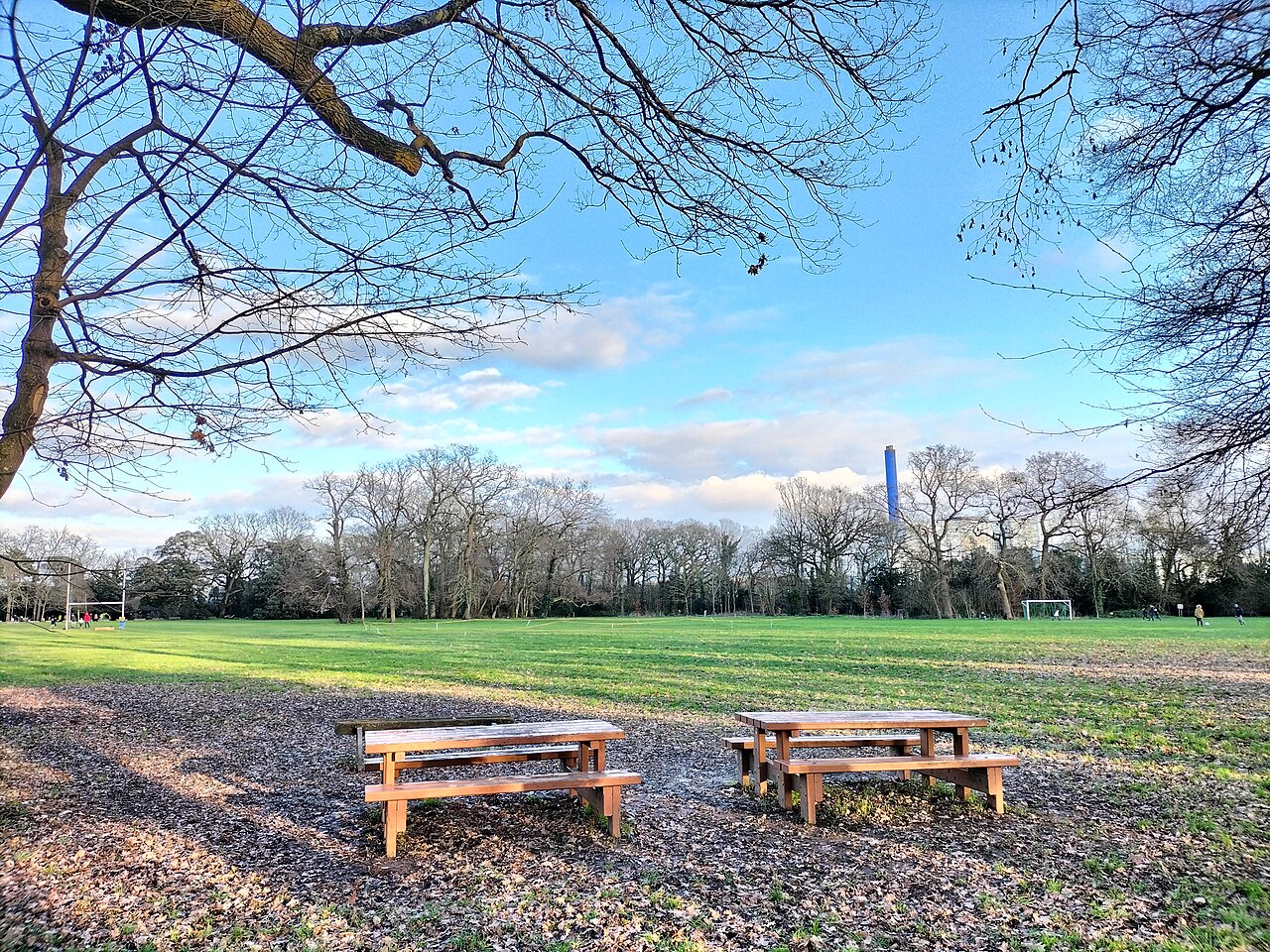
The Grand-Blottereau, the largest park in Nantes, lies in the east of the city, in the Doulon district. A visit can be rounded off with a walk around the eighteenth-century château and then with the historic greenhouses of the Jardin des plantes in the city centre, which the metropolitan authority presents together with these. The vegetable garden is best seen in the warmer months, the greenhouses in any season.
47.23° N, 1.51° W
Greenhouses nearby
More greenhouses — France
Do you have a good photo of this greenhouse? Suggest it for this page →
Sources (6)
- metropole.nantes.fr/que-faire-a-nantes/visite-des-serres-historiques-de-nantes
- fr.wikipedia.org/wiki/Parc_du_Grand-Blottereau
- lyceehorticole-nantes.fr/lycee/histoire-du-parc-du-grand-blottereau.html
- potagers-de-france.fr/les-jardins/pays-de-la-loire/loire-atlantique/parc-du-grand-blottere
- traezhhatevenn.blogspot.com/2016/09/les-serres-tropicales-du-grand.html
- openstreetmap.org/node/5574309290