Orangery and Greenhouses of Villa Pisani
Stra, Veneto
Entry updated on October 5, 2026
- Year
- Hot house before 1845 · warm house 1846
- Style
- 19th-century orangery and glasshouses (glass, timber and masonry)
- Status
- Open to the public (park of the Villa Pisani National Museum), restored
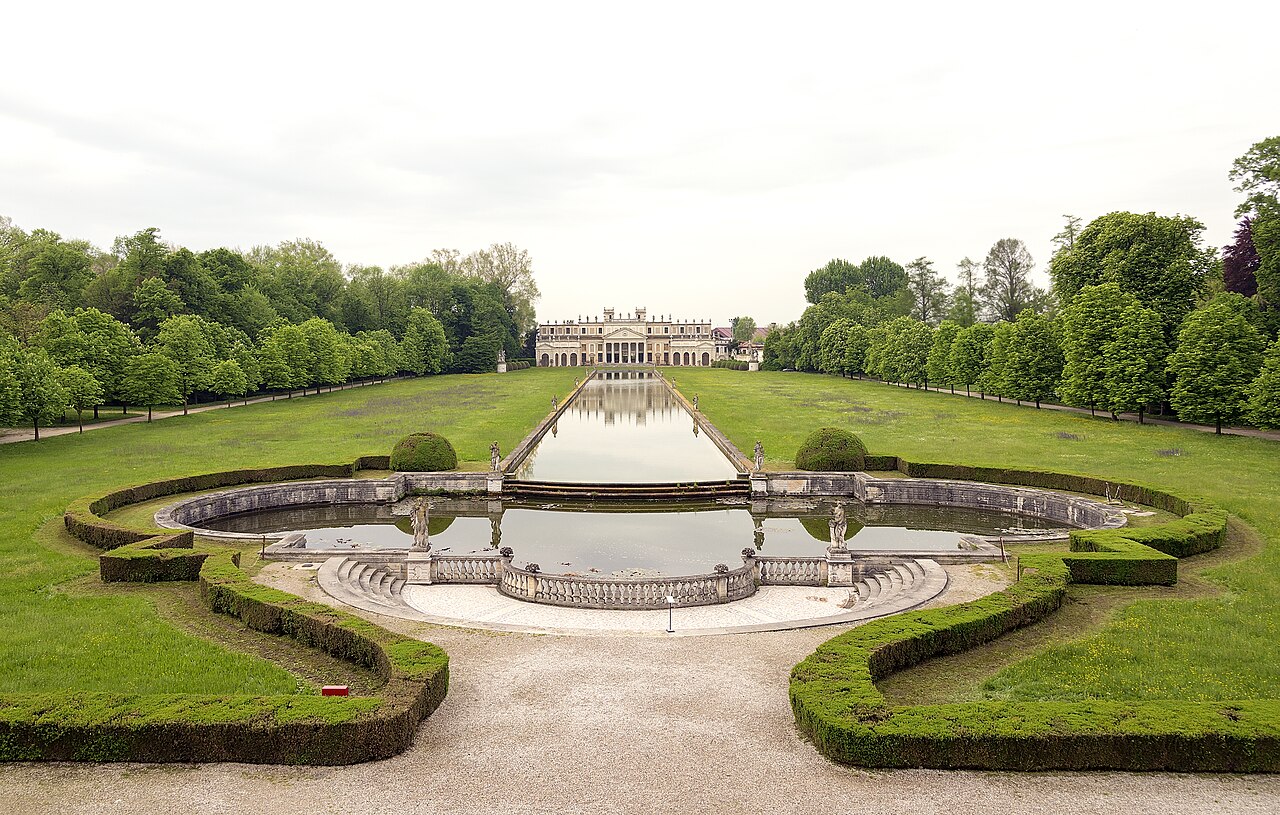
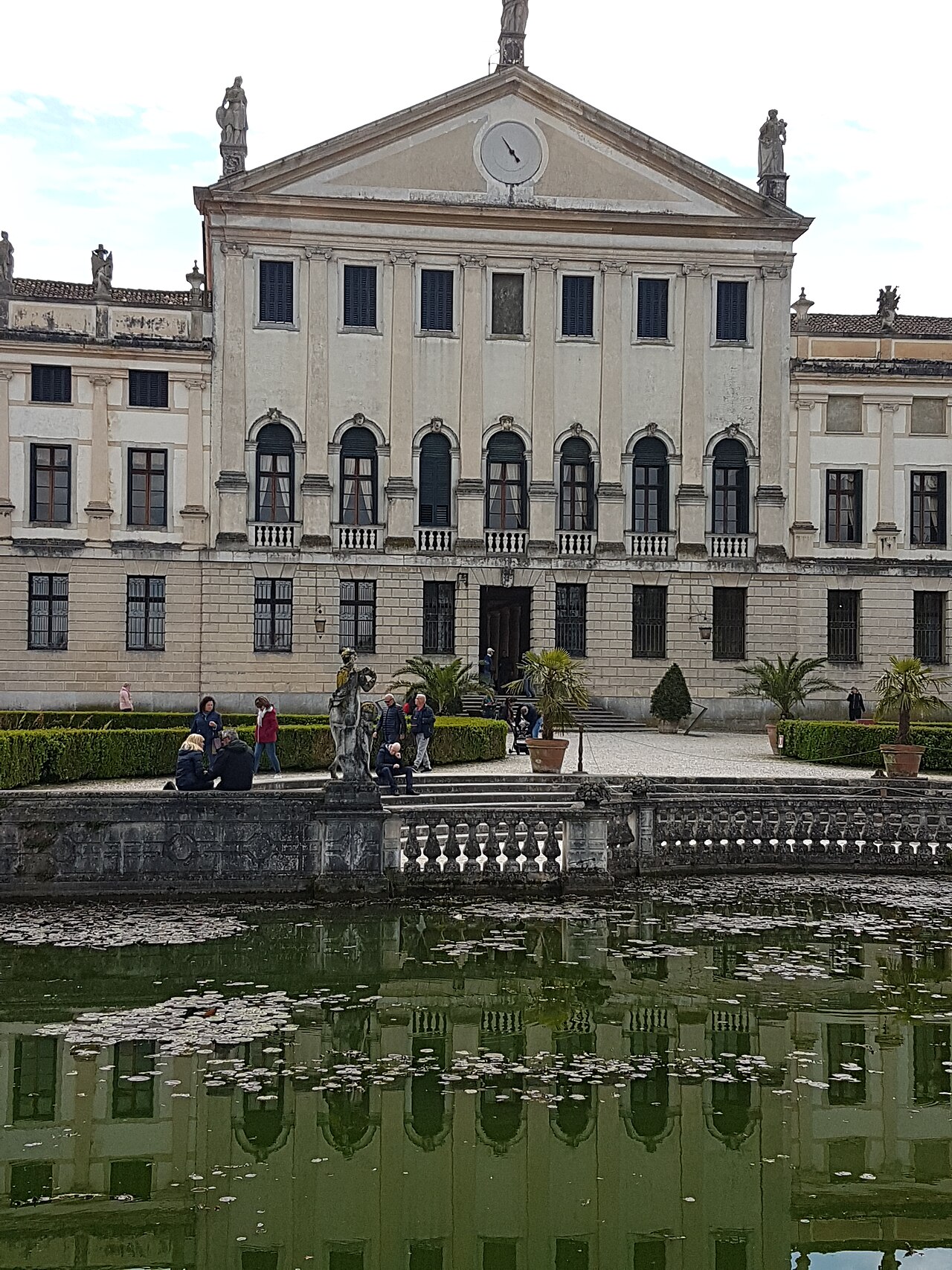
In the park of Villa Pisani, the great villa on the Riviera del Brenta begun in 1721, the French administration replaced the ornamental kitchen gardens with an orangery, and the Austrian period added tropical greenhouses. The park held 76 citrus varieties in 1845 and more than a thousand potted citrus trees in 1851. The hot house with its sloping glass wall (built before 1845), the warm house (1846), the propagation house and the Gran Conserva, described as one of the largest citrus houses still working in northern Italy, have been restored and returned to visitors.
Affiliate links — booking through Verrière helps fund our research, at no extra cost to you.
History
1 min
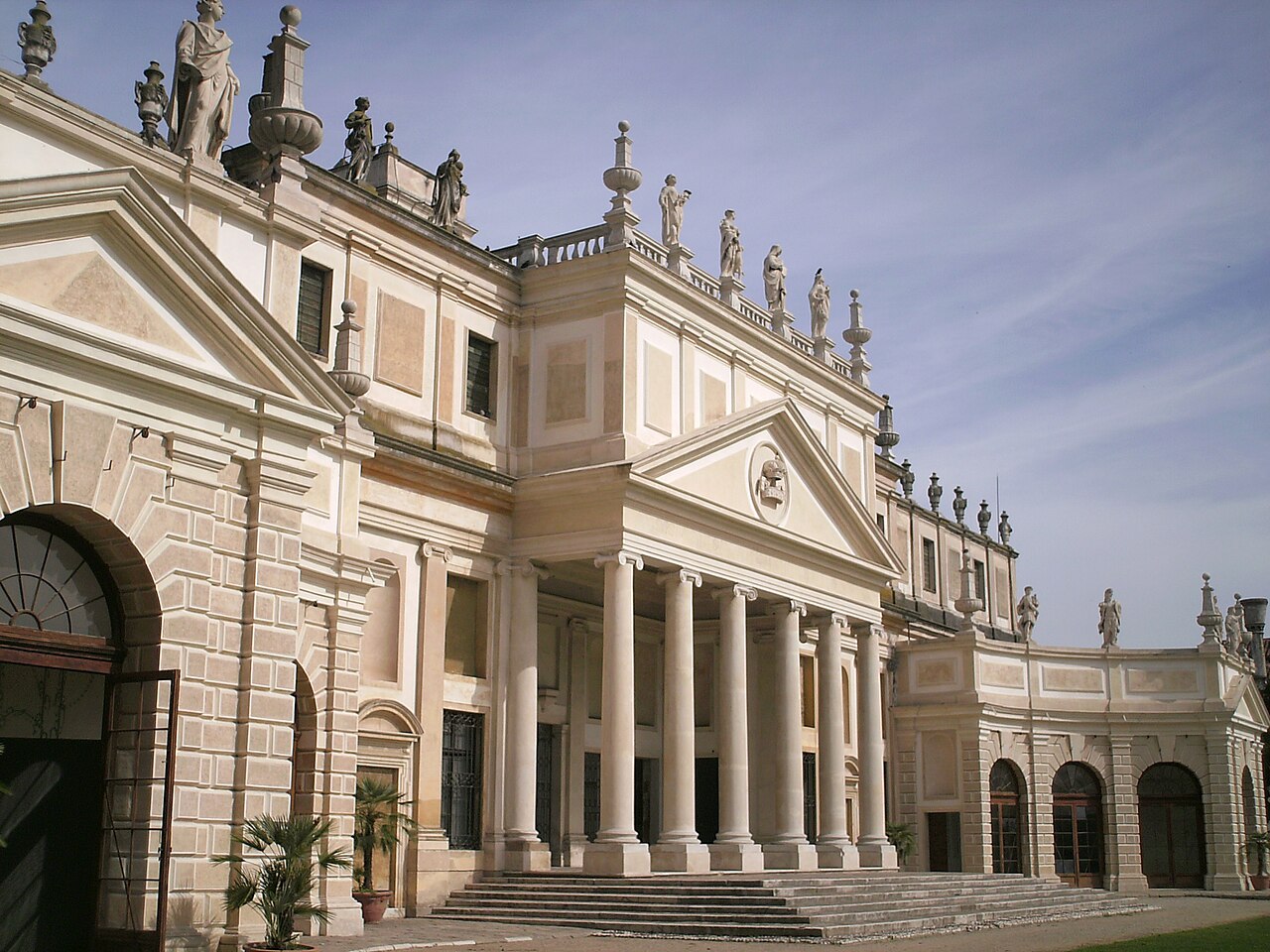
Villa Pisani was built from 1721 for the Venetian Pisani family of Santo Stefano, to designs by Girolamo Frigimelica, who was succeeded after his death in 1732 by Francesco Maria Preti; work ended in 1756. The original plan included fruit growing in the park. In July 1807 Napoleon bought the villa for Eugène de Beauharnais, and the French administration turned the ornamental kitchen gardens into an orangery, greatly expanding citrus cultivation.
The estate passed to the Habsburgs in 1814 as a royal villa, and its Austrian nineteenth century brought close attention to botany, in pots and in the ground, including the construction of tropical greenhouses. The hot house, with its sloping glass wall, existed before 1845; the warm house was built in 1846 in place of the original architectural backdrop. In 1845 the park counted 76 citrus varieties; in 1851 it had eleven movable greenhouses, eleven tiered display stands, 1,031 potted citrus trees and 170 plants in the ground. Varieties grown at Stra were planted in the orangeries of Schönbrunn and the Hofburg in Vienna and in those of Tsar Alexander in St Petersburg, and the citrus trade contributed substantially to the upkeep of the whole park.
The villa became State property in 1868 and a museum in 1884. Its orangery declined severely after the Second World War, until a major conservation restoration returned this part of the park to visitors.
Architecture and engineering
1 min
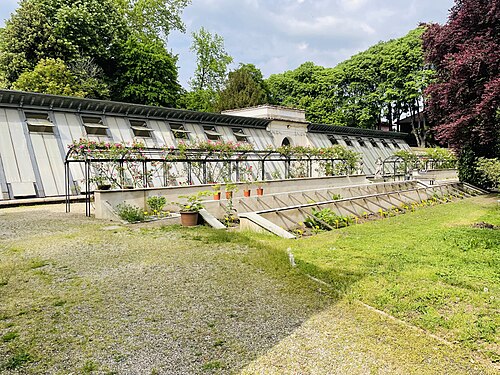
The complex stands beside the stables, in one of the parts of the park of greatest botanical interest, reached by one of the six vistas that radiate from the central exedra-belvedere. The warm house, the hot house and the propagation house stand in a row, from west to east, along the northern edge of the orangery garden, each with its own function.
The hot or tropical house, built before 1845, is distinguished by its sloping glass wall; it was heated through the floor, and in summer its panes were covered with mats for shade. The warm house, built of timber and masonry in 1846, took the place of the original architectural backdrop. The propagation house, or mother house, was used to raise potted plants. The Gran Conserva, where the citrus trees spend the winter among many nineteenth-century terracotta pots, is described as one of the largest citrus houses still in use in northern Italy. The area also includes a camellia house.
Plant collections
1 min
Potted citrus remains the heart of the collection: the Italian parks and gardens association APGI counts around 140 pots, covering more than forty varieties and cultivars. In the cold season they are sheltered in the Gran Conserva, which also keeps many nineteenth-century terracotta pots. Among the notable plants are old chinotto trees (Citrus myrtifolia) near the camellia house.
These figures can be set against the estate's heyday: 76 citrus varieties in 1845 and more than a thousand pots in 1851, at a time when varieties raised at Stra were sent to the imperial orangeries of Vienna. The glasshouses also shelter tropical plants and camellias, continuing the interest in botany that marked the Austrian period.
Visiting
1 min
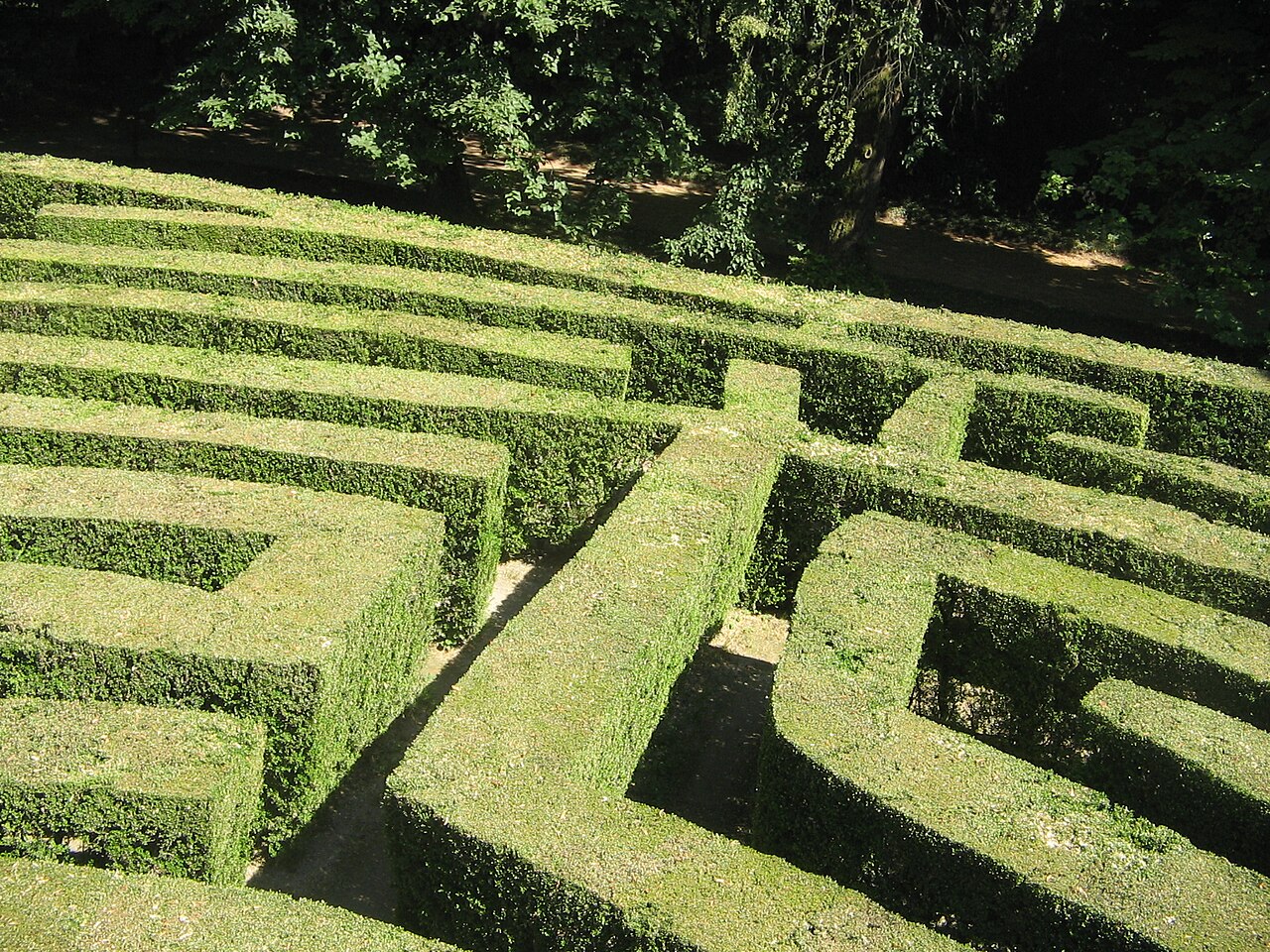
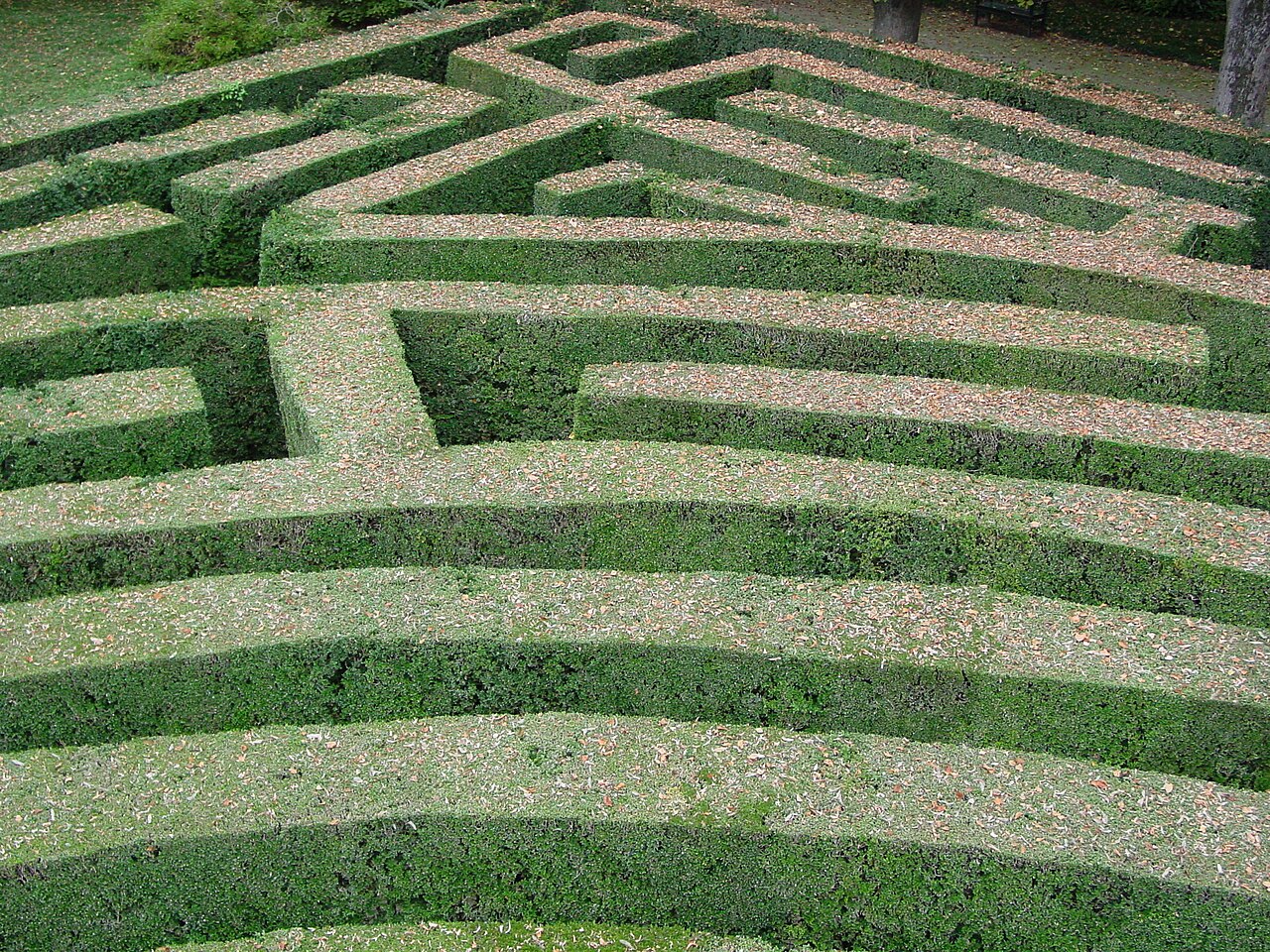
The orangery and its glasshouses lie in the park of the Villa Pisani National Museum, beside the stables, at the end of one of the vistas leading from the central exedra. Half a day allows time for the villa and its park, which also holds the labyrinth and the Coffee House. In the warm months the citrus trees stand in rows outside in the orangery garden, while in winter the Gran Conserva fills with pots. The visit combines well with the other villas of the Riviera del Brenta, several of which stand within Stra itself.
45.41° N, 12.01° E
Greenhouses nearby
More greenhouses — Italy
Do you have a good photo of this greenhouse? Suggest it for this page →