Glasshouses of the Jena Botanical Garden (Botanischer Garten Jena)
Jena, Thuringia

Entry updated on October 5, 2026
- Year
- 1969-1983
- Architect
- Unknown
- Style
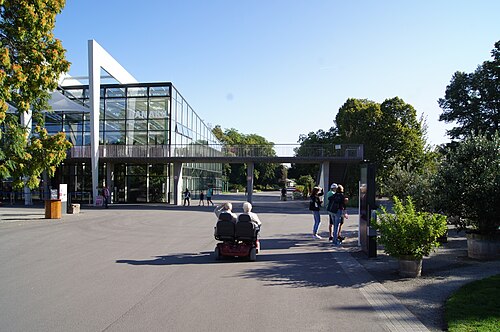
- Modern glasshouses grouped around a courtyard
- Status
- Open to the public
The botanical garden of Friedrich Schiller University Jena, founded in 1586 as a physic garden, is the second oldest in Germany after Leipzig's. Covering 4.5 hectares on Fürstengraben, it holds some 12,000 plants. Its display glasshouses come from two building campaigns: the Victoria house, completed in 1969, and the remaining houses, built between 1980 and 1983 around a courtyard with a heated pool. Five houses follow one another: succulents, a cool house, a tropical house, an evolution house and the Victoria house.
Affiliate links — booking through Verrière helps fund our research, at no extra cost to you.
History
1 min
The garden began in 1586 as a small physic garden near the university's founding site, making it the second botanical garden in Germany after Leipzig (1580). A first heated greenhouse, added in 1674, allowed tropical plants to be grown. In 1776 Duke Carl August gave Goethe oversight of the scientific institutions; when August Johann Georg Karl Batsch became the first director of the scientific garden in 1794, Goethe had a water main, several greenhouses and an inspector's house built. For decades he studied botany and wrote poems in the garden.
The glasshouses were rebuilt again and again: a new house in 1820 with sections for palms and New Holland plants, a low tropical house around 1844-1845, coal heating in 1855, another house in 1898 and a complete rebuilding in the 1930s. After the Second World War came a cactus house (1949), a new Victoria house replacing the old one in 1969 and, from 1980 to 1983, the present group of display houses. Between 1992 and 1997 the run-down nursery houses gave way to modern buildings. Botanists such as Matthias Jacob Schleiden, Nathanael Pringsheim and Eduard Strasburger led the institute.

Architecture and engineering
1 min
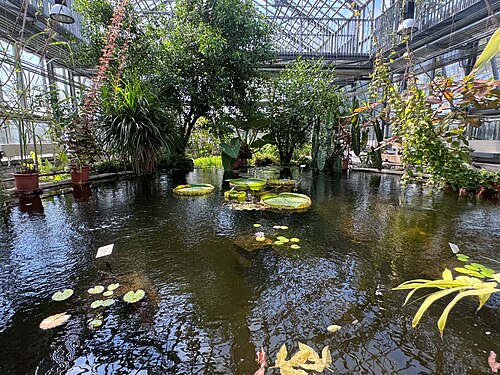
The present display glasshouses come from two building campaigns. The Victoria house, completed in 1969, is the oldest; the others, finished between 1980 and 1983, are grouped around an inner courtyard with a heated water basin. Together they form five houses with distinct climates: a succulent house, a cool house for the transition between tropics and subtropics, a tropical house, an evolution house and a tropical aquatic house.
According to German Wikipedia, the 1930s rebuilding had already set the height of the houses at 3 metres for the nursery houses and 6 metres for the display houses. The tropical house, which also holds the palms, is today the tallest and largest of the display houses. None of the sources consulted gives a floor area or names the architects of the current complex.
Plant collections
1 min
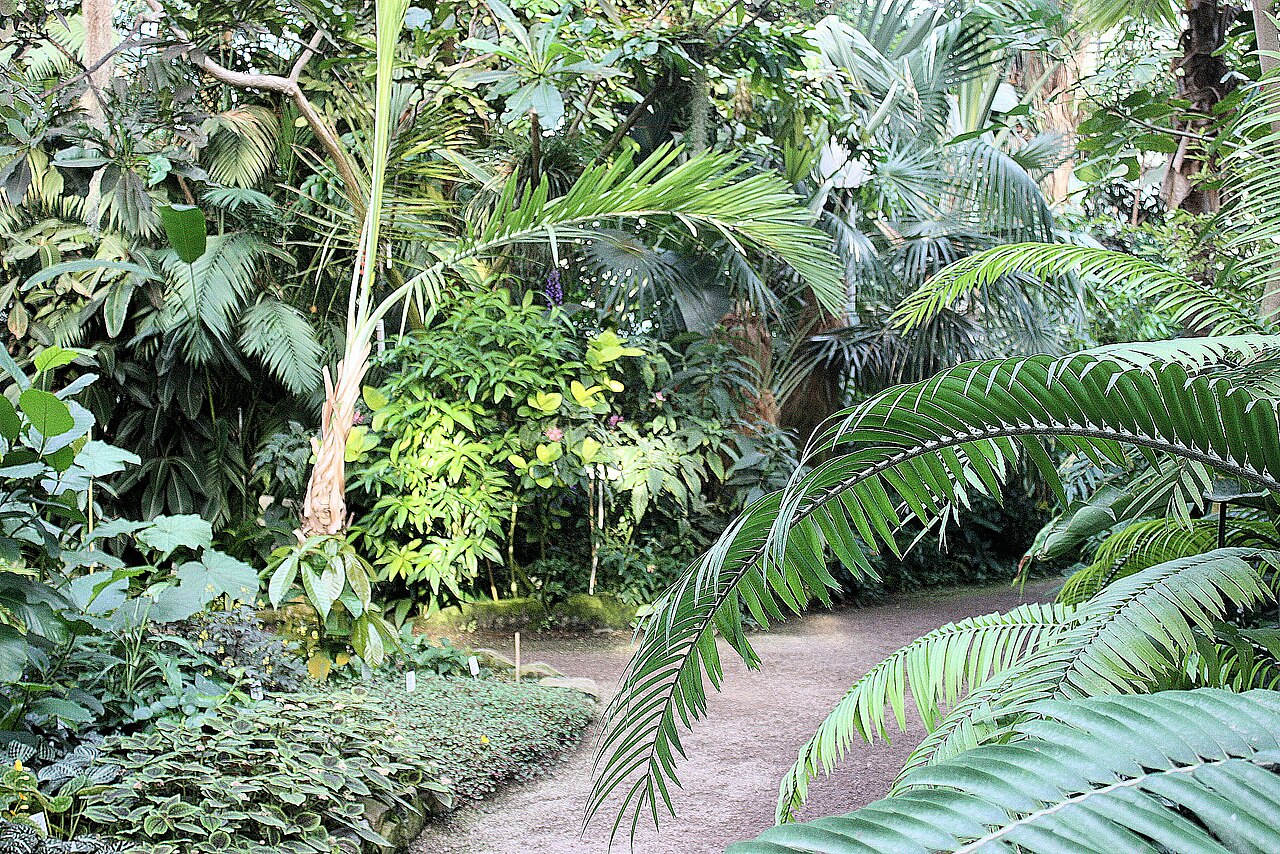
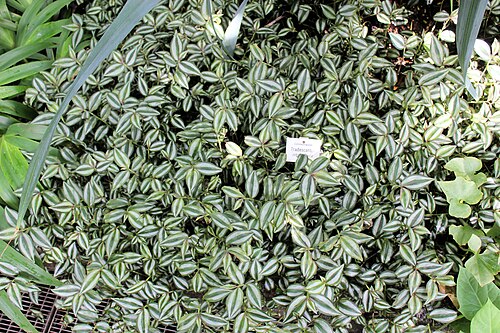
The succulent house is devoted to drought-adapted plants, mostly cacti from North and South America, along with succulents from Australia, Madagascar and the great dry regions of Africa. The cool house presents the flora of the zone between tropics and subtropics and contains a display case of carnivorous plants. The tropical house shows plants of the Old and New World tropics, together with well-known and lesser-known useful plants.
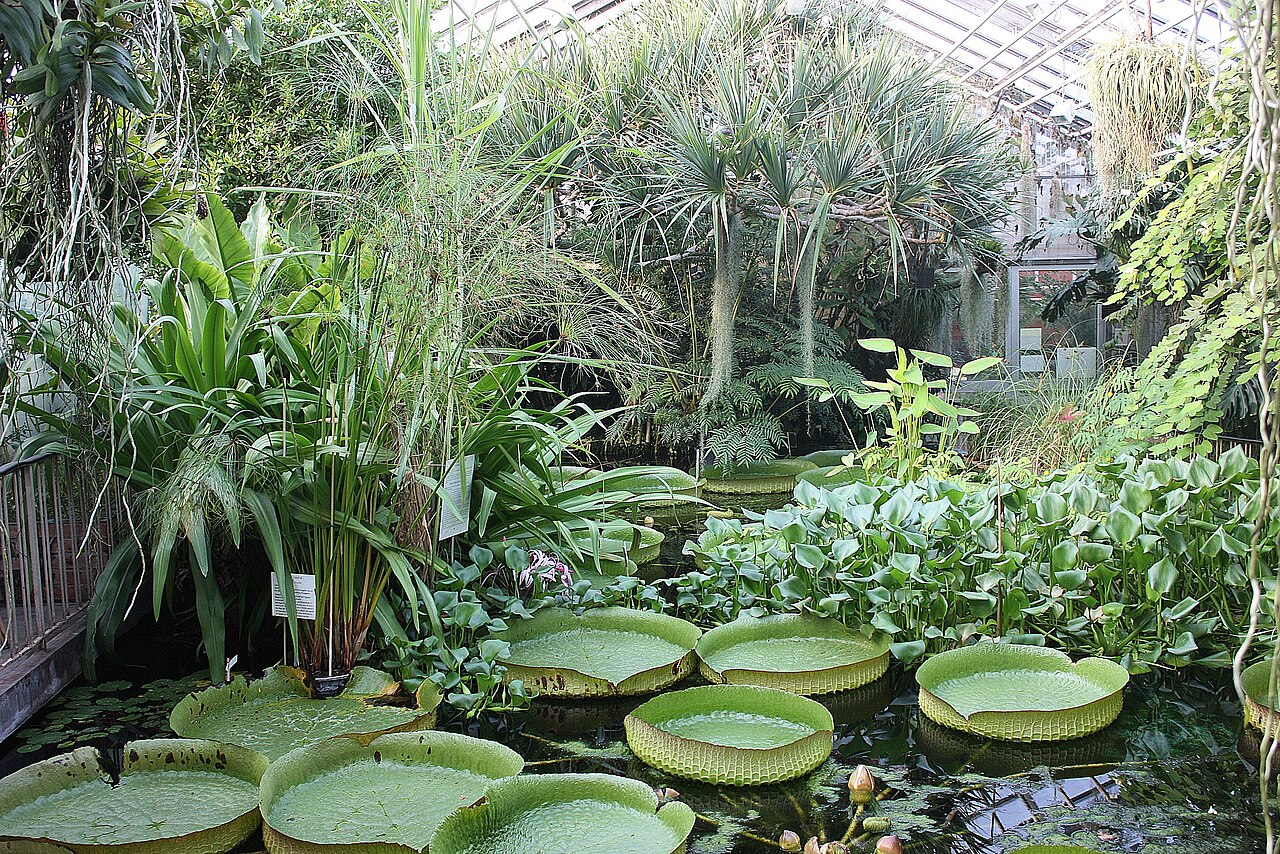
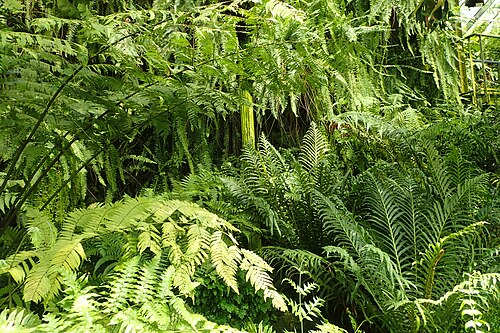
The evolution house gathers ancient plant forms such as cycads and tree ferns. The tropical aquatic house is built around the giant water lily Victoria cruziana, native to the large, slow rivers of South America, surrounded by mangroves and epiphytes. The garden as a whole holds about 12,000 plants.

Visiting
1 min
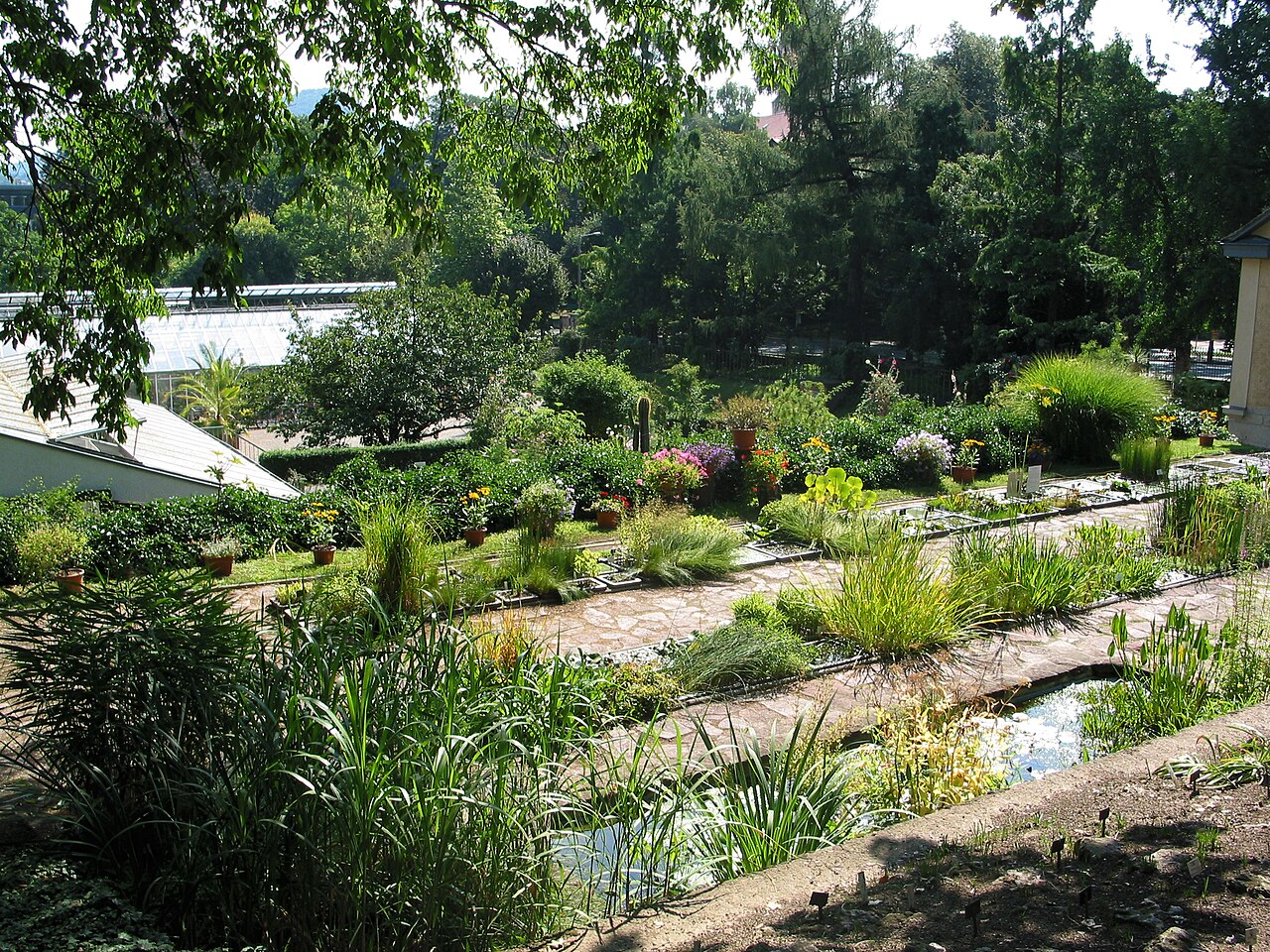
The garden, run by Friedrich Schiller University, lies at Fürstengraben 26. The glasshouses are best combined with the outdoor areas: an arboretum of about 900 species of trees and shrubs, an alpine garden of about 2,500 species laid out in 1953, medicinal plants, rhododendrons, roses and dahlias. One to two hours is enough for the whole. The warmer months allow both glasshouses and garden to be enjoyed, and the Victoria house is at its best when the water lily's great leaves are fully spread.
50.93° N, 11.59° E
Greenhouses nearby
More greenhouses — Germany
Do you have a good photo of this greenhouse? Suggest it for this page →