Glasshouses of the Old Botanical Garden, Göttingen (Alter Botanischer Garten)
Göttingen, Lower Saxony
Entry updated on October 3, 2026
- Year
- 1857
- Style
- Former Victorian-style orangery (1857), now a fern house, and display glasshouses
- Dimensions
- Eight glasshouses open to the public
- Status
- Open to the public
Founded in 1736 by Albrecht von Haller as the medicinal garden of the newly established university, the Old Botanical Garden of Göttingen had a glasshouse recorded as early as 1738. By 1806 it had a tropical house, an orangery and a cycad house, followed by an aroid house in 1830 and a new Victorian-style orangery in 1857, converted from 1910 into a fern house. Eight glasshouses are now open to the public: ferns, cycads, aroids, cacti and succulents, rainforest, tropical water plants, bromeliads, orchids and carnivorous plants.
Affiliate links — booking through Verrière helps fund our research, at no extra cost to you.
History
1 min
The garden was created in 1736 by the scholar Albrecht von Haller (1708-1777), immediately after the founding of the University of Göttingen, as a medicinal plant garden (hortus medicus). A glasshouse is already recorded there in 1738. The facilities then grew: by 1806 the garden had a tropical house, an orangery and a cycad house, and an aroid house was added in 1830.
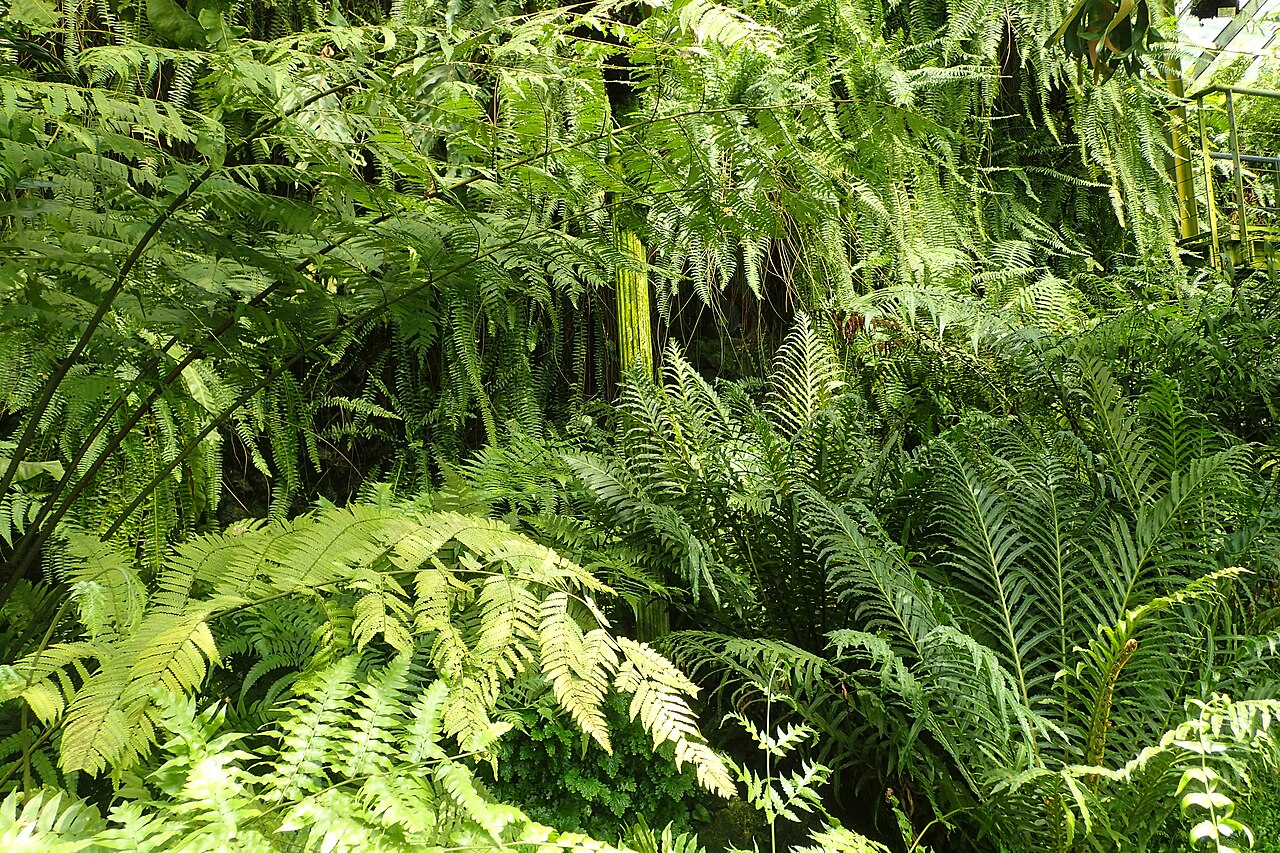
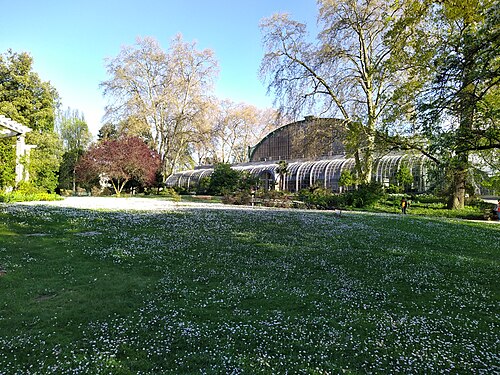
In 1857 a new overwintering house in the Victorian style, the orangery, was built. From 1910 Professor Albert Peter (1853-1937) and the head gardener Carl Bonstedt (1866-1953) converted it into a fern house, so that the biological distinctiveness of this plant group would stand out in a particular way. To this end they assembled a substantial fern collection, raised from spores obtained from around the world. The building is now presented as the historic fern house, and its collection, still living and growing, serves both research and teaching.
Architecture and engineering
1 min
The glasshouses belong to the Old Botanical Garden, located north-east of Göttingen's medieval centre on a site of 4.5 to 5 hectares depending on the source. Eight glasshouses are open to the public: the historic fern house, the orangery, the cold house, the rainforest house, the cycad house, the aroid house, the succulent house and the cactus house.
The most remarkable building is the fern house. Erected in 1857 as an overwintering house, it is in the Victorian style and bears witness to the art of glasshouse building in the age of voyages of discovery and great plant-collecting expeditions. Its conversion from 1910 adapted it to a single group of plants, the ferns, whose display was meant to bring out their biological peculiarities. It now stands alongside houses each devoted to a plant group or a habitat, from the rainforest to plants of arid regions.
Plant collections
1 min
The eight glasshouses display bromeliads, orchids, carnivorous plants, plants of the tropical rainforest, tropical water plants, cycads, aroids, cacti and other succulents, and ferns. Across the garden as a whole, the collections number some 17,500 accessions representing about 14,000 species according to English Wikipedia, or more than 12,000 species according to German Wikipedia.
The fern collection, raised from spores obtained from around the world, is a living collection that is still being enlarged and serves both teaching and research: it is studied with classical morphological methods and with molecular genetics, and has given rise to numerous scientific publications.
Visiting
1 min
The Old Botanical Garden lies in the heart of Göttingen, north-east of the historic centre, and receives about 100,000 visitors a year. Its glasshouses lead from the historic fern house to the cactus and succulent houses by way of the rainforest, the cycads and the aroids, offering a broad overview of the plant world under glass.
The garden, born with the university and still part of it, fits easily into a walk through the old university town. The University of Göttingen also maintains a New Botanical Garden, which complements these historic collections.
51.54° N, 9.94° E
Greenhouses nearby
More greenhouses — Germany
Do you have a good photo of this greenhouse? Suggest it for this page →