Festetics Palace Palm House (Pálmaház)
Keszthely, Zala County
Entry updated on October 3, 2026
- Year
- 1880
- Architect
- H. Cels (ironwork from the Eiffel workshops, Paris)
- Style
- Three-part iron glasshouse (central pavilion and two wings)
- Status
- Open to the public; restored in the 2010s, bird park since 2016
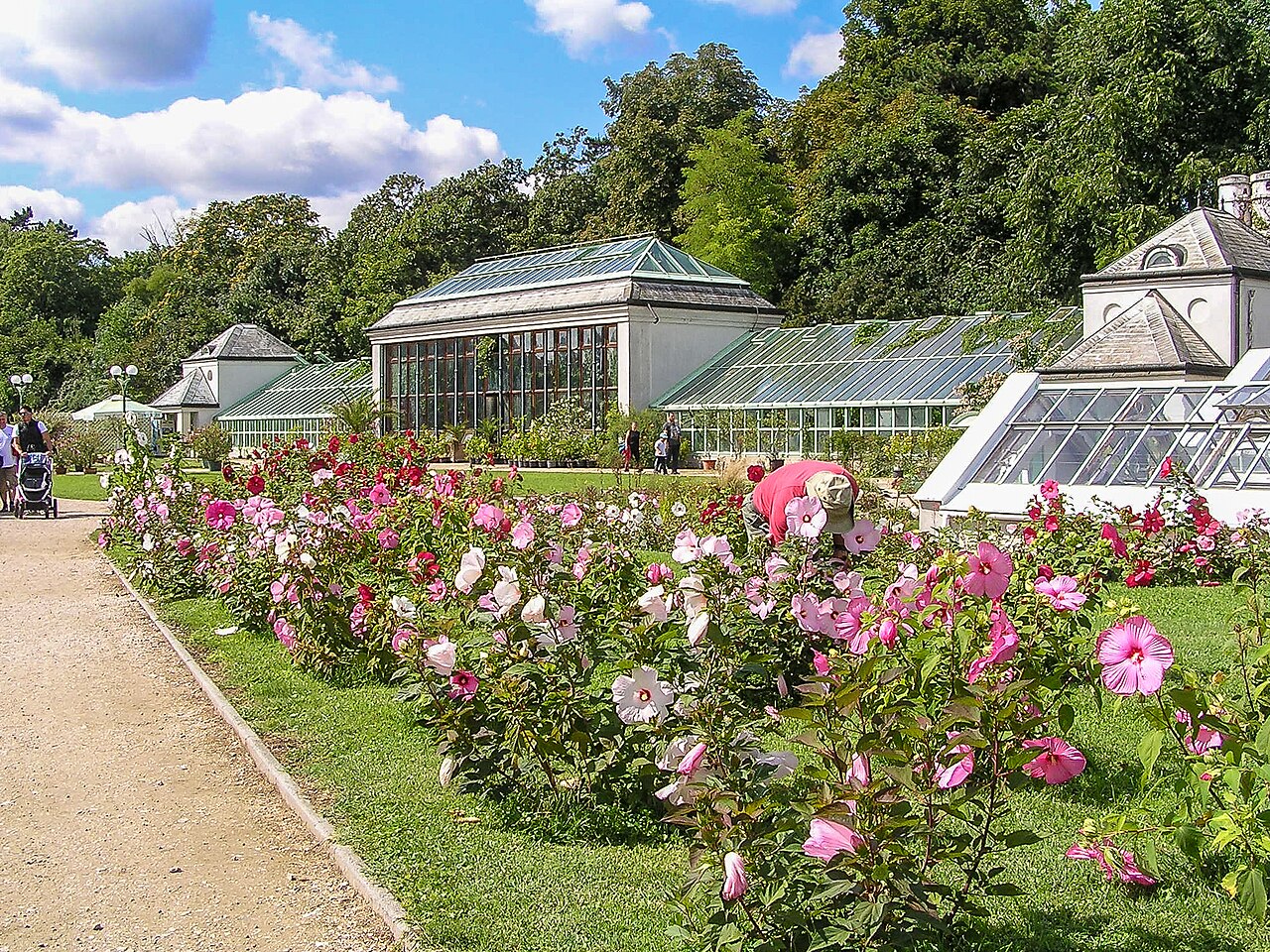
Commissioned in 1880 by Count Tasziló Festetics II and designed by the Frenchman H. Cels, the palm house of the Festetics Palace in Keszthely, in the Lake Balaton region, has an iron frame made in Gustave Eiffel's workshops in Paris. It once sheltered the palace's large palms and tub plants. Restored in the 2010s with its original twisted columns, it now displays tropical and subtropical plants, cacti, crop plants and exotic birds, and since 2016 it has been extended by a waterfowl park.
Affiliate links — booking through Verrière helps fund our research, at no extra cost to you.
History
1 min
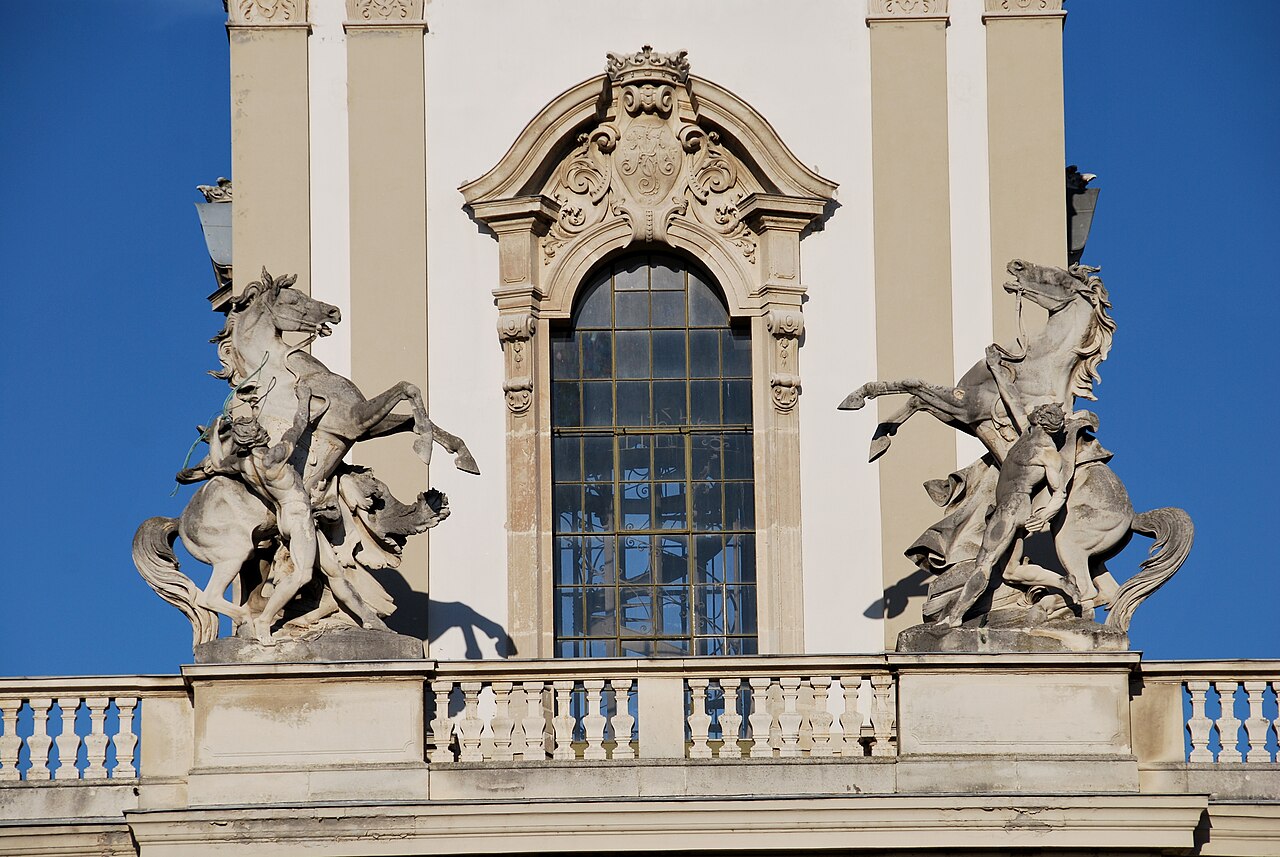
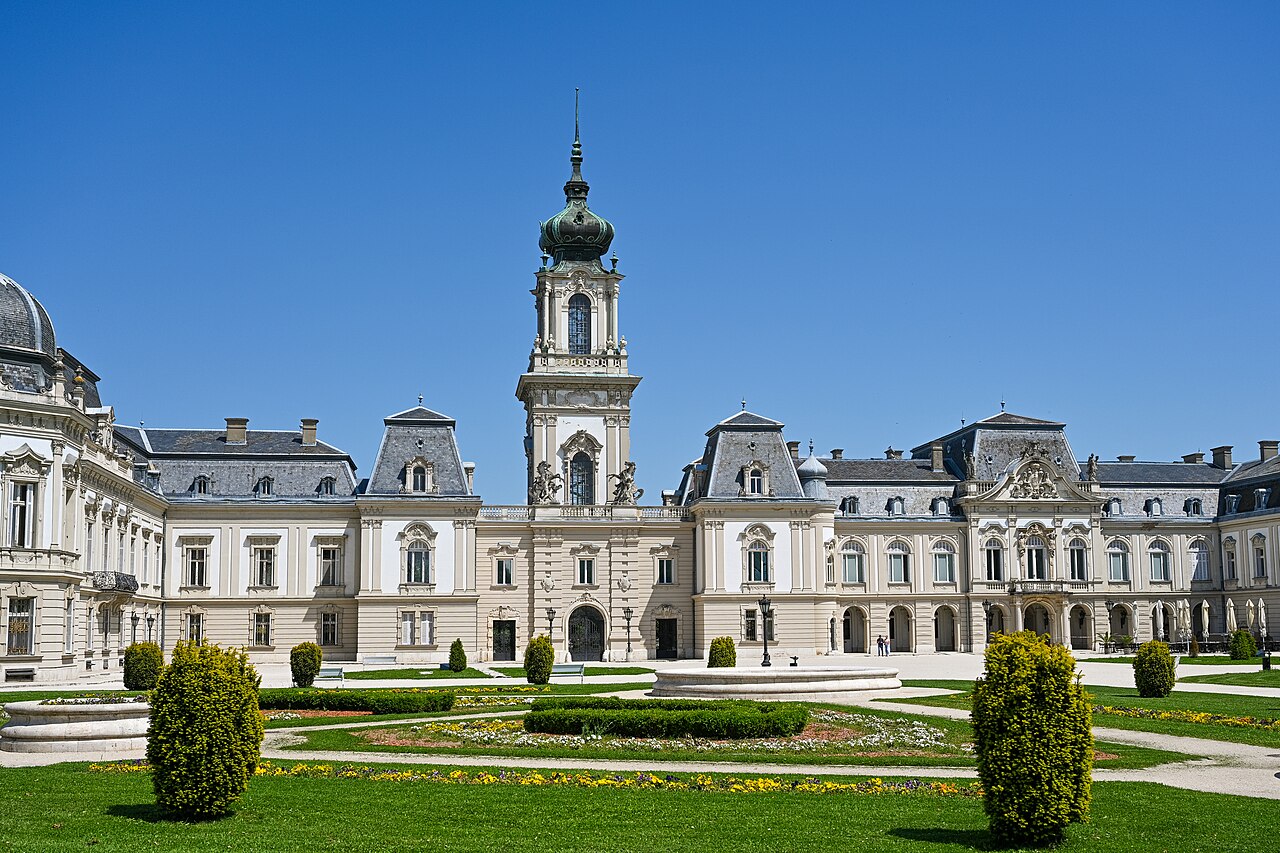
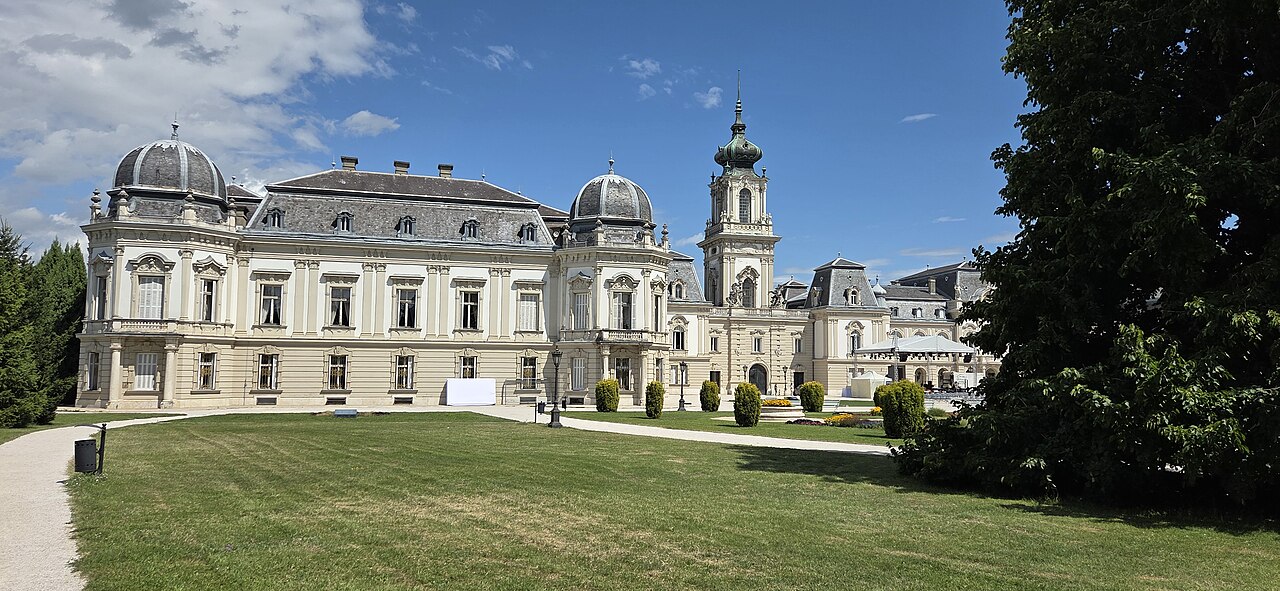
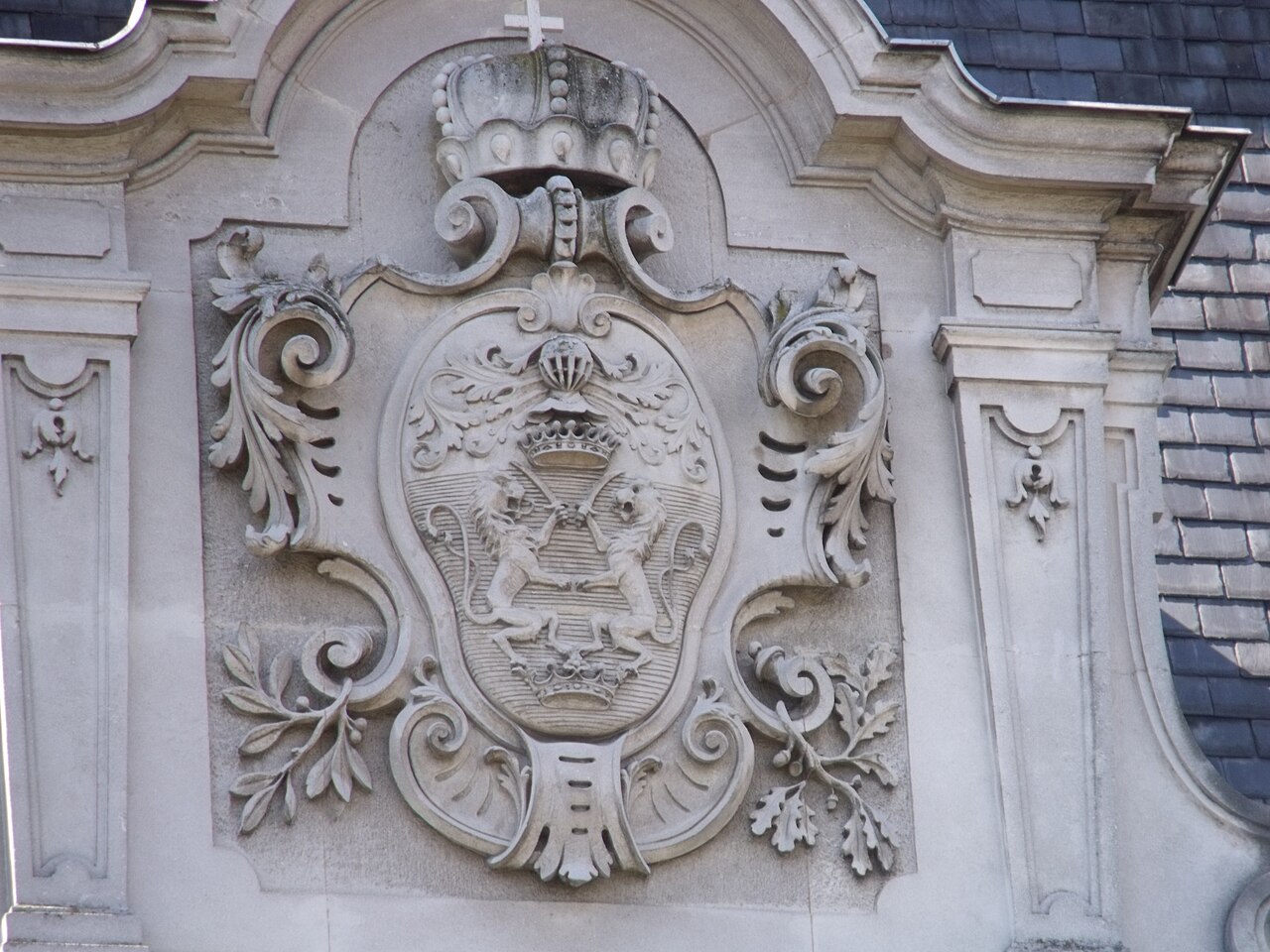
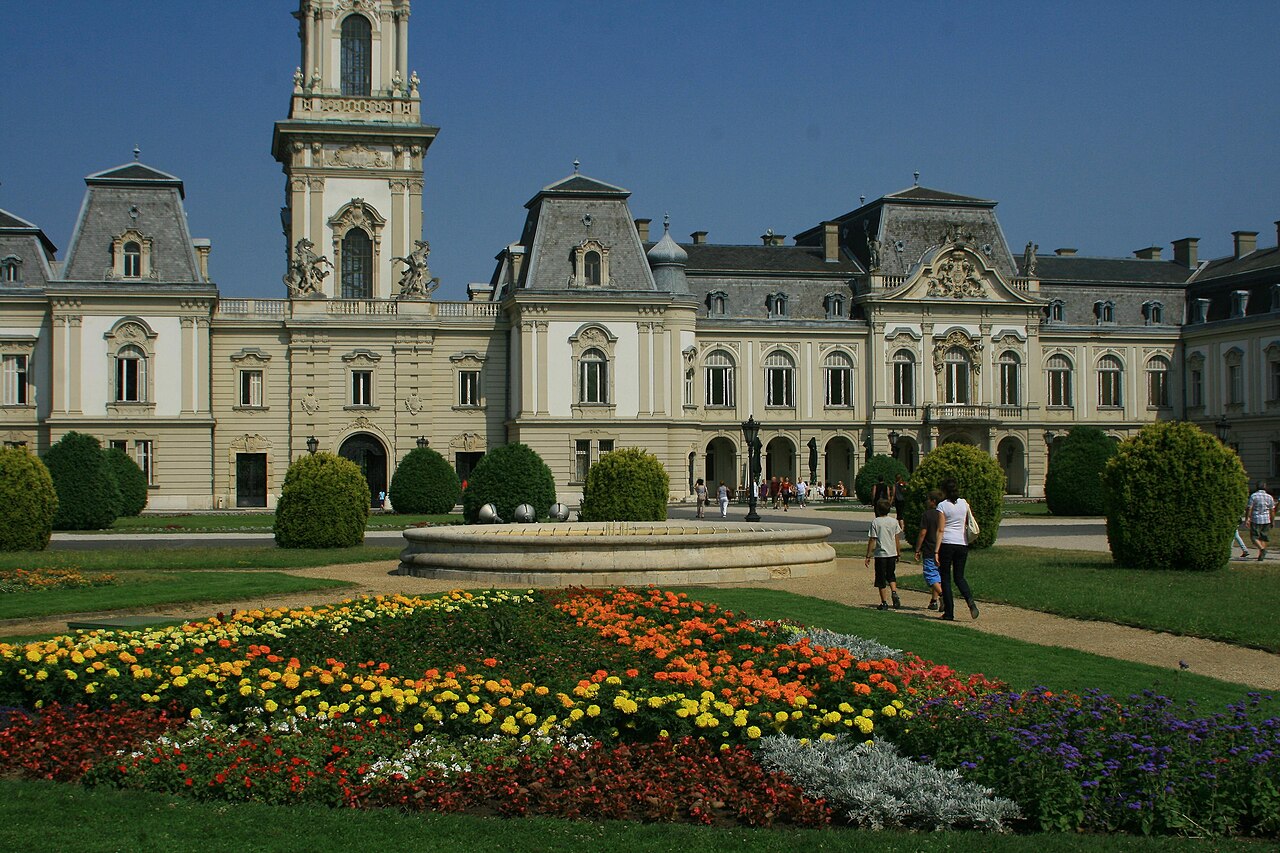
Keszthely Palace is the seat of the Festetics family. Kristóf Festetics bought the estate from János Pethő in 1739 and began a Baroque residence in 1745. György Festetics (1755–1819), the most notable member of the family, founded the Helikon Library there in 1799–1801 and from 1817 organised the Helikon festivals. In 1883–1887 the palace was enlarged in a neo-Baroque style, with a tower, to designs by Victor Rumpelmayer.
The palm house came shortly before those works. Count Tasziló Festetics II had it built in 1880 to plans by the Frenchman H. Cels, and the parts of its iron structure were made in Paris in Gustave Eiffel's workshops. It was meant to house the palace's large palms and tub plants; its wings served as a 'sanatorium' where weakened plants from the state rooms recovered before going back on display.
Restored during the 2010s, the palm house has welcomed visitors since 2012 according to regional tourism sites, while Wikipedia dates the handover of the renovated palm house to 29 April 2015, as part of a two-billion-forint programme that also covered the Amazon House, devoted to aristocratic travel. A bird park opened next to it in 2016.
Architecture and engineering
1 min
The palm house is made up of three parts: a central body and two side wings. Its iron frame, produced by the Eiffel workshops, has stood the test of time: during the restoration the original twisted columns and the main load-bearing members were kept unaltered. A broad glazed roof creates the microclimate that allows the plants to grow all year round.
The complex also includes a cactus house for succulents, an aquarium and a pond with birds. The bird park opened in 2016 extends the glasshouse into the open air. Everything sits within the palace park, which covers 42 hectares and keeps an oak four centuries old.
Plant collections
1 min
The palm house holds tropical and subtropical plants: palms, bananas and orchids, along with a collection of cacti and other succulents in their own house. A 2019 article noted an agave aged 35 to 37 years, a plant that flowers only after thirty to forty years, hundreds of hibiscus, frangipani and crop plants such as citrus, figs, coffee, cacao and ginger. Outside, a 'Tündérkert' (fairy garden) brings together fruit trees of Hungarian varieties.
Animals are part of the visit: black swans, Hottentot teal, billed as the world's smallest waterfowl, peacocks, partridges and quail, as well as aquarium fish. The bird park keeps nearly forty species of waterfowl, plus peacocks and pheasants; some birds roam freely and can be fed by hand.
Visiting
1 min
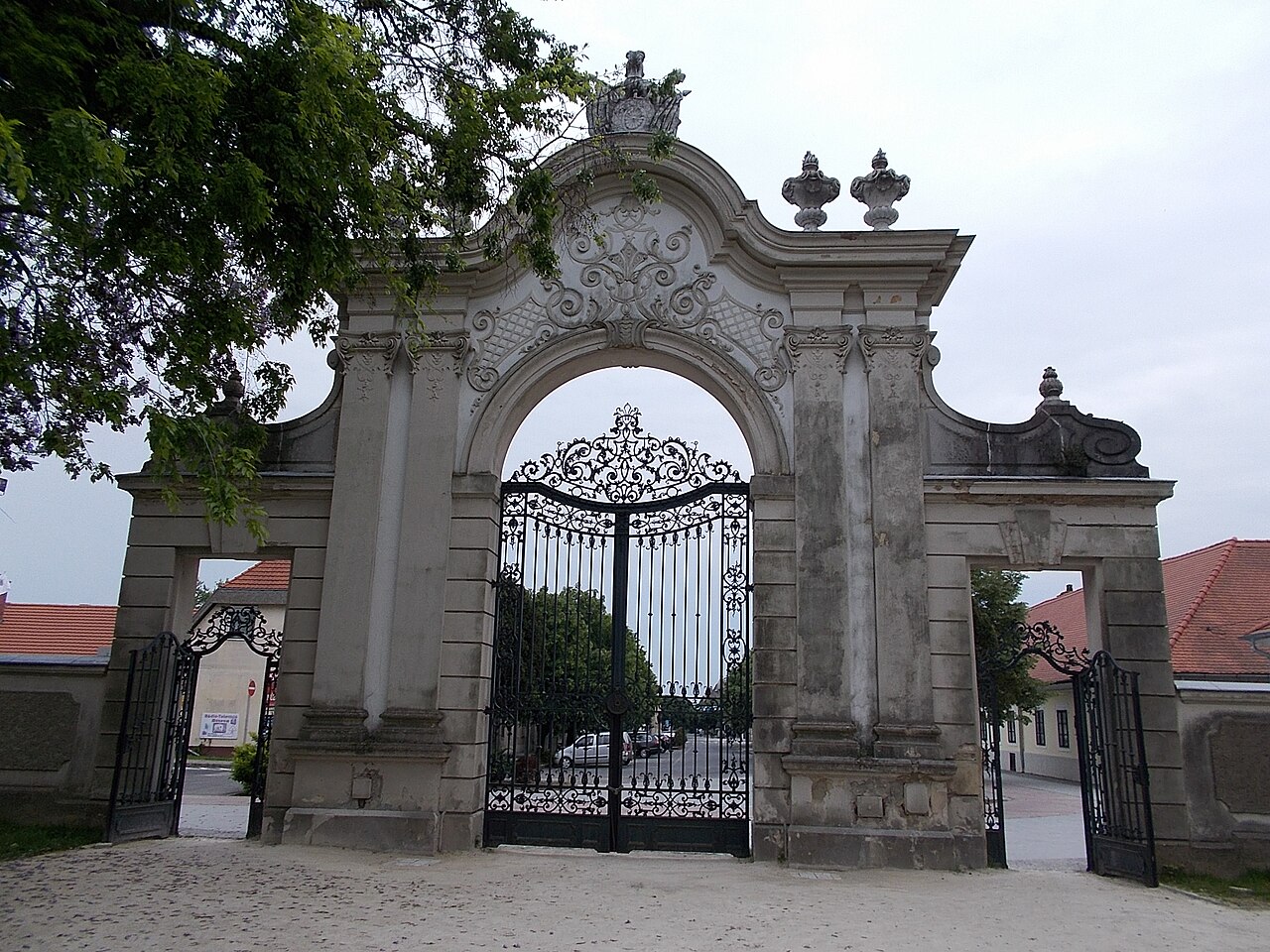
The palm house and bird park lie in the grounds of the Festetics Palace, on the Georgikon street side, in the Helikonliget area. They can be visited on their own or together with the palace: allow an hour for the palm house and birds, half a day with the palace museum and its Helikon Library. The palm house is worth seeing in any season, whereas the bird park is best enjoyed in fine weather. The Amazon House, with its exhibition on aristocratic travel, rounds off a visit to the estate.
46.77° N, 17.24° E
Greenhouses nearby
More greenhouses — Hungary
All greenhouses — Hungary →
Do you have a good photo of this greenhouse? Suggest it for this page →