Palmiarnia Poznańska
Poznań

Sources checked September 2026
- Year
- 1910–1911 · rebuilt 1992
- Style
- Complex of glazed pavilions, rebuilt using the so-called “obudowy” (enveloping) method
- Dimensions
- 4,600 m² across ten exhibition pavilions, the largest and oldest botanical greenhouse in Poland
- Status
- Closed since 1 September 2026 for a complete rebuild (first phase due end of 2028)
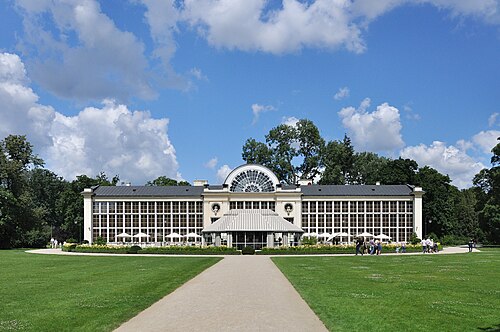
Opened in 1910-1911 in Poznań's Wilson Park, the Palmiarnia is the oldest and largest winter garden of its kind in Poland. Damaged repeatedly during World War II, with up to 60% of its glazing destroyed, it was first expanded in 1928-1929 before closing in 1978 due to disrepair. Its reconstruction, carried out from 1982 to 1992 using the technique of enveloping the existing structures to preserve the plants still in place, resulted in the current complex of ten pavilions covering 4,600 m², with a Victoria regia pool that has been a signature feature since 1922.
History
The Palm House grew out of the public garden laid out in 1903 in what is now Wilson Park. Its first building, erected in 1910–11 for the East German Exhibition, opened on 1 April 1911: 534 m² divided between a central section for palms and two wings for cacti and tropical plants. In 1922 came a Victoria pool, a section for useful plants and Poland's first aquarium department.
For the General National Exhibition of 1929, the Poznań architect Stefan Cybichowski designed a second Palm House, built by the German firm Höntsch & Co and opened on 15 May 1929: seven pavilions totalling 1,694 m². The war hit it hard — slight damage in September 1939, the loss of large glazed walls to a British bomber in May 1941, and street fighting in 1945 that smashed up to 60 per cent of the glass and wiped out almost the entire collection. It reopened in April 1946 with plants taken from confiscated estates, and a new aquarium raised the area to 2,528 m² in 1961.
Closed in 1978 because of its poor condition, it was rebuilt from 1982 to 1992 and reopened in its present form on 1 October 1992; an education pavilion and café were added in 2003. Since 1 September 2026 the Palm House has again been closed, for a complete overhaul costing around 163 million złoty, with a first phase due for completion at the end of 2028.
Architecture and engineering
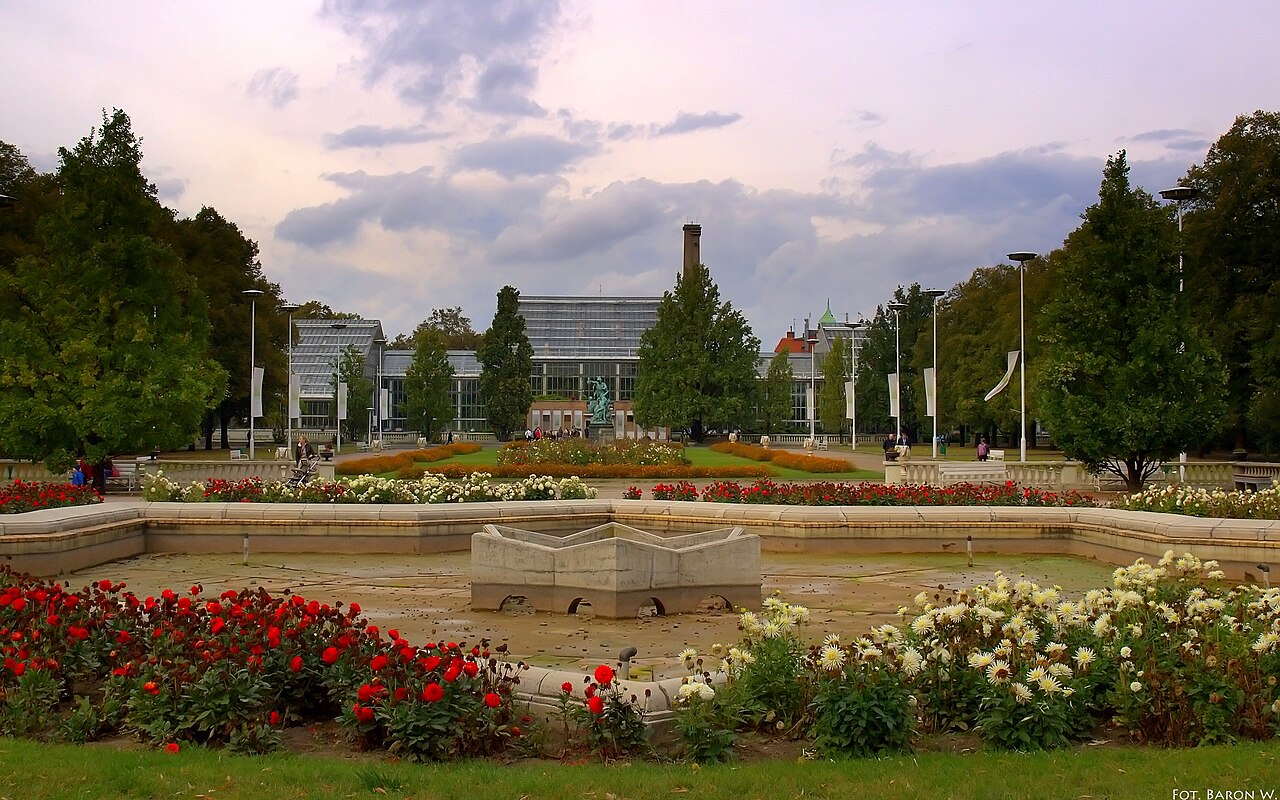
The 1982–92 rebuild used the 'envelope' (obudowa) method: the new structure was raised around the old glasshouses, so the plants could stay where they were throughout the works. The result is a chain of ten glazed pavilions of different heights, each devoted to a climate zone, stretching right across Wilson Park from Matejki Street to Park Street. The complex offers 4,600 m² of display space and 46,000 m³ of volume, making it, by the institution's account, the largest winter garden of its kind in Poland.
The project launched in 2026, designed by Sweco Polska following a tender (the Poznań branch of the SARP architects' association had argued for an open competition), will replace the pavilions' glazing, upgrade the heating and the automated ventilation and shading, and add elevated walkways, an observation terrace, a small amphitheatre and an enlarged aquarium. The built footprint is set to grow from about 5,500 to 6,200 m².
Plant collections
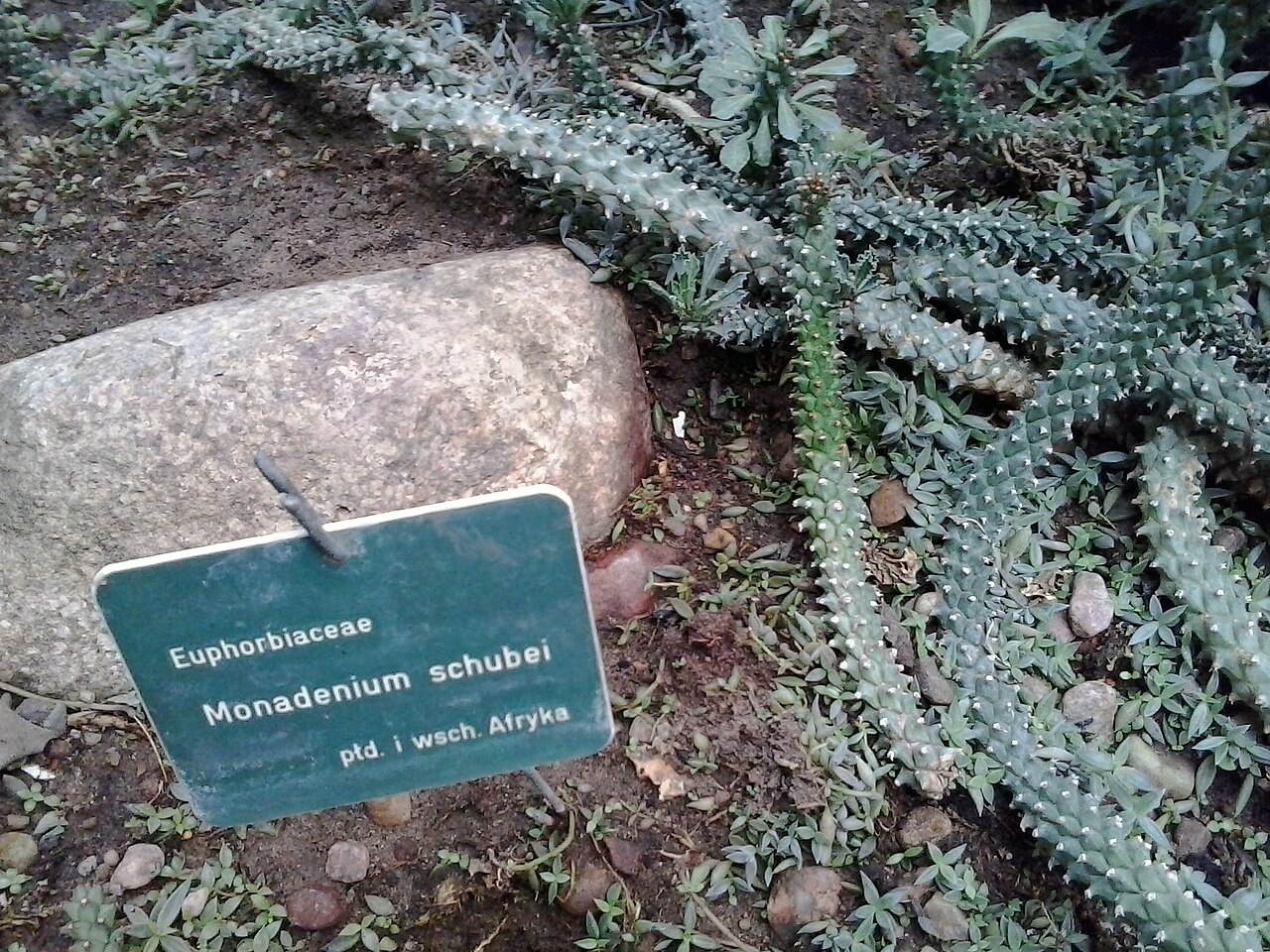
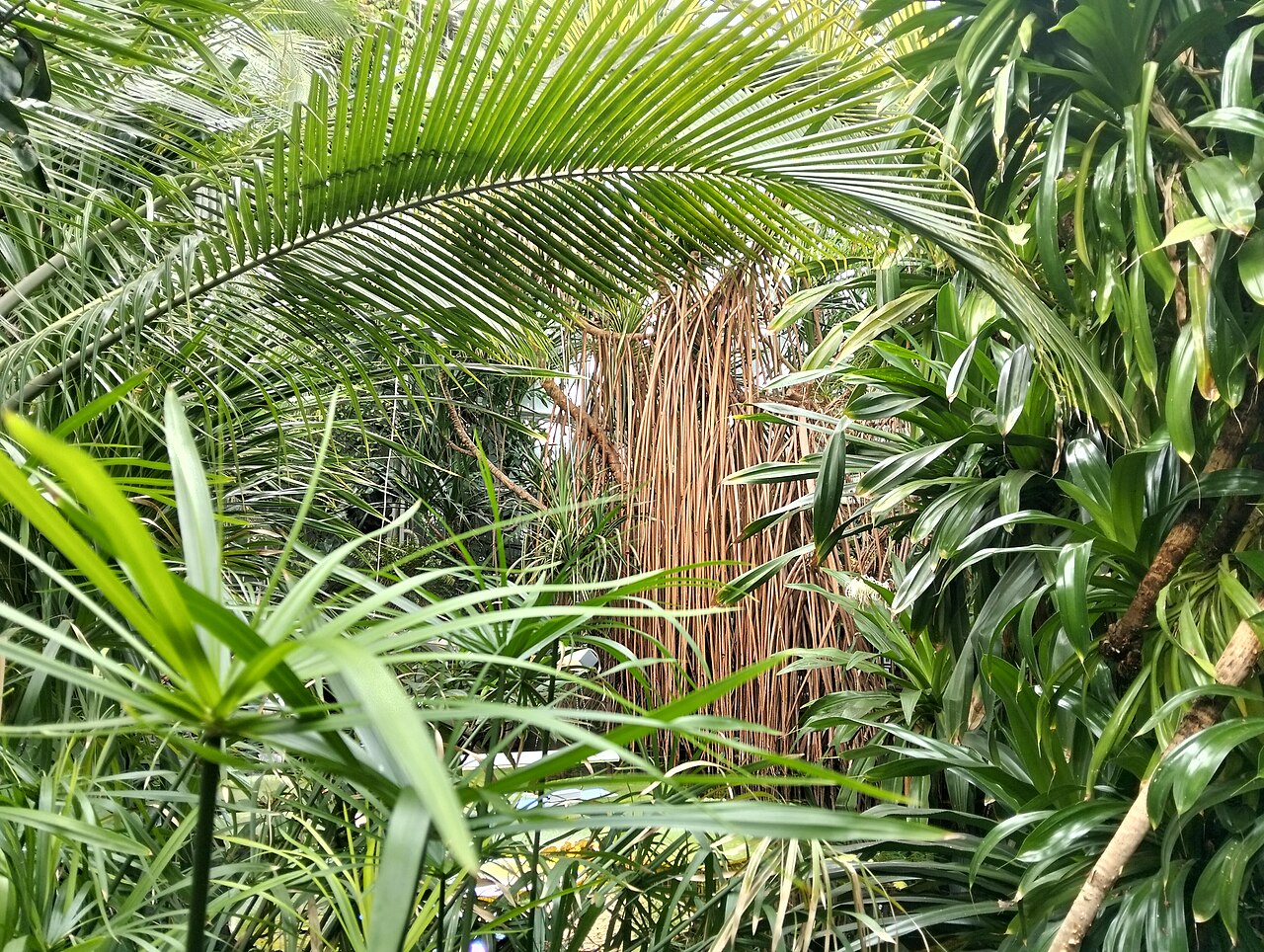
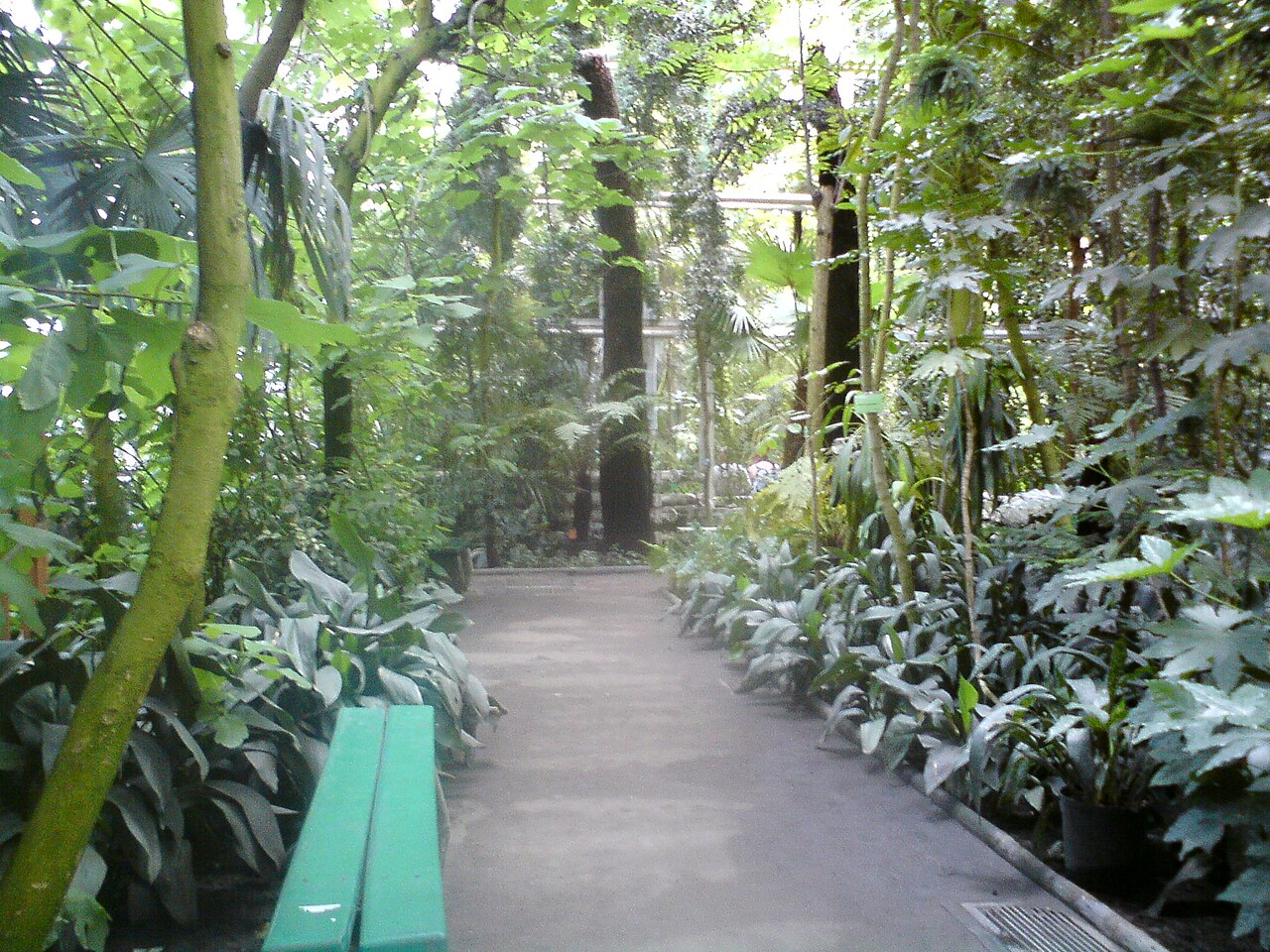
Before its closure the Palm House displayed around 1,100 species of exotic plants — more than 17,000 specimens according to a local guide — along with some 170 species of fish. The pavilions formed a climatic sequence: subtropical vegetation, Mediterranean plants, American succulents (prickly pears, agaves, yuccas), tropical forest and its understorey, aquatic plants, and xerophytes and savanna.
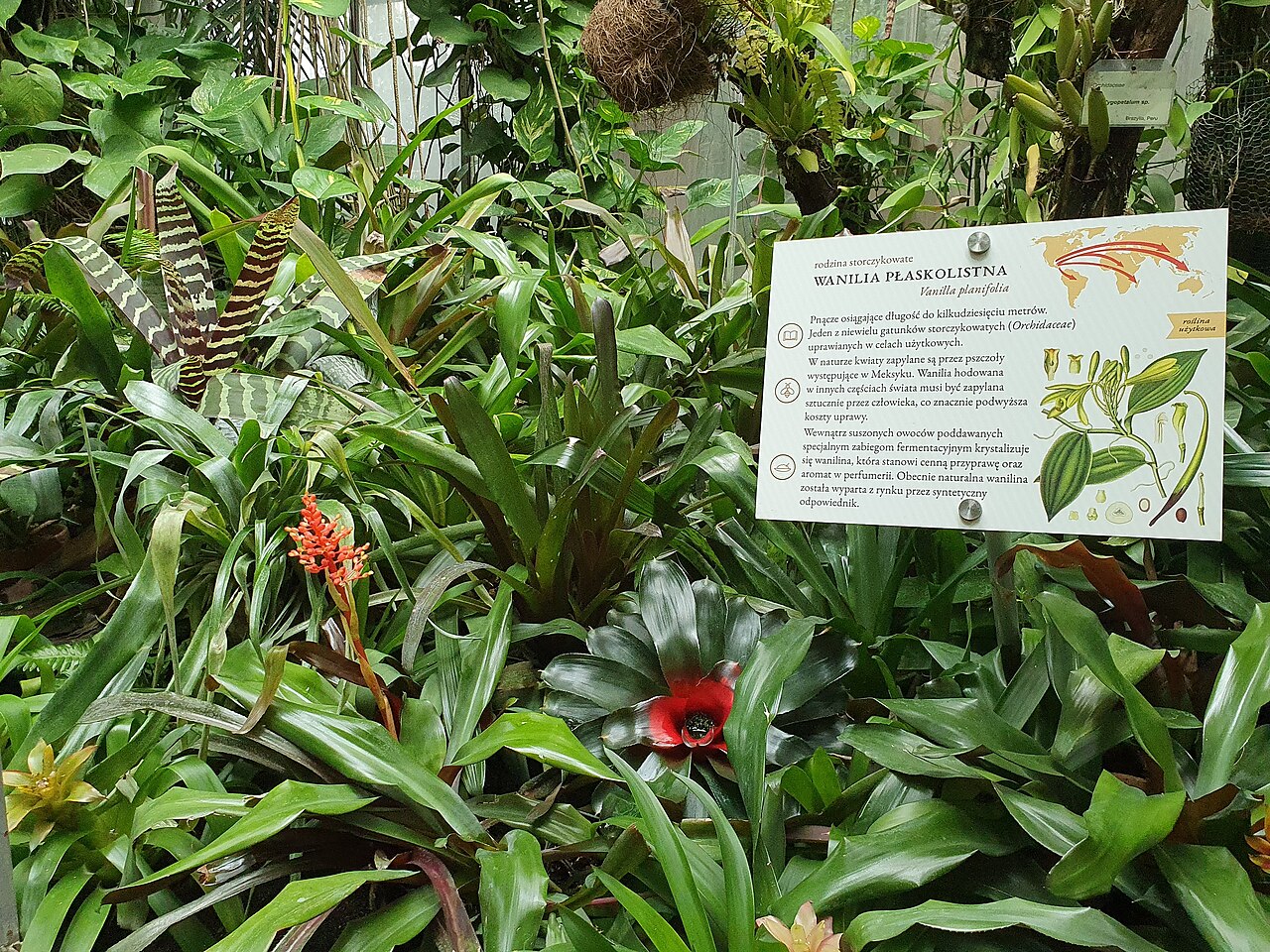
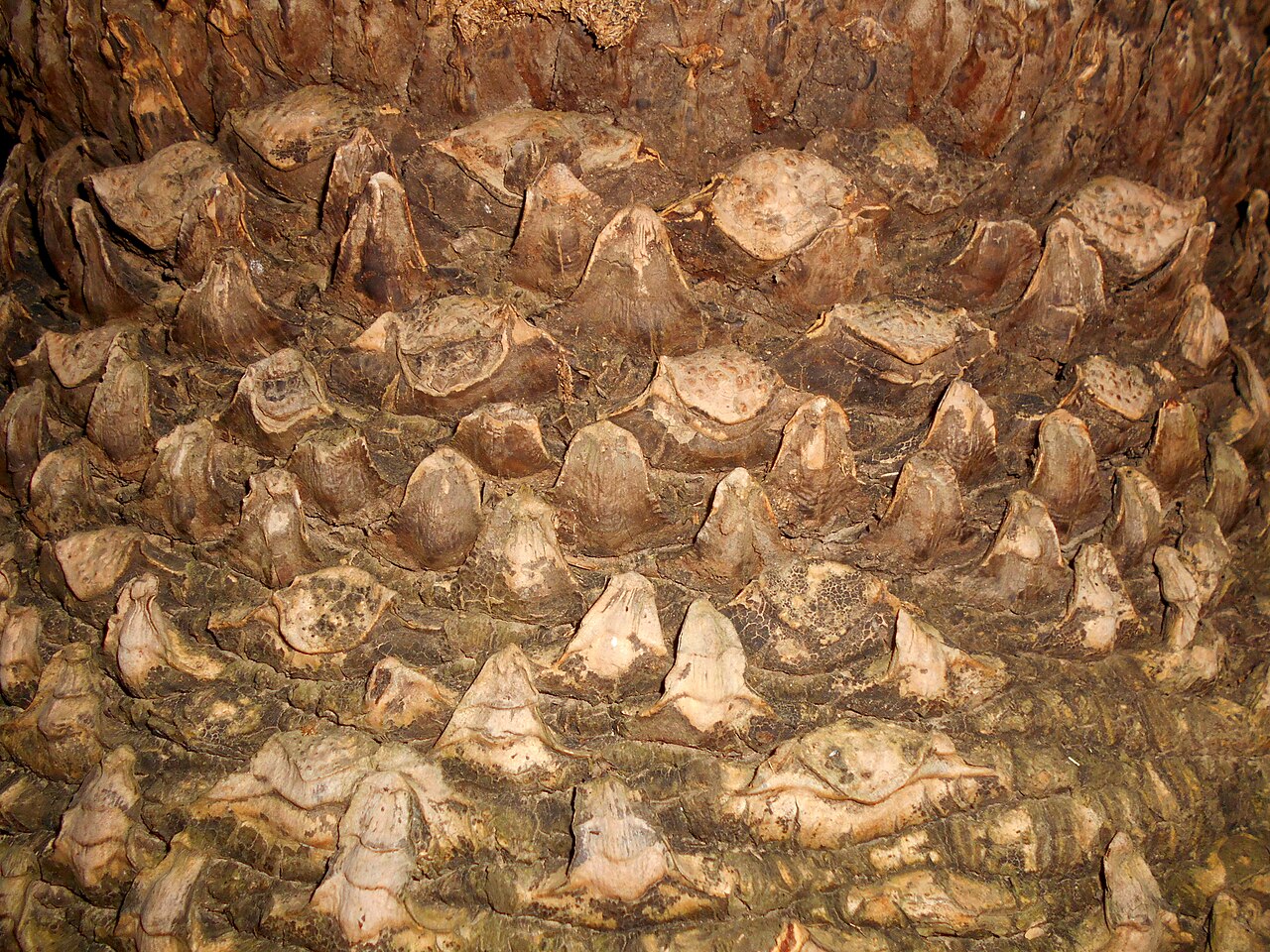
The aquatic pavilion's pool holds the Victoria water lily, whose two-metre leaves can bear the weight of a child, surrounded by papyrus and sugar cane; a coconut palm was raised there from a nut. The tropical understorey shows vanilla, mimosa, cotton and coffee, while the dry-habitat pavilion houses baobab, eucalyptus and bottle palm. The aquarium, due to be completely rebuilt with larger tanks for big South American river fish, rounded off the visit.
Visiting
The Palm House stands in Wilson Park, in the Łazarz district, with its entrance on Matejki Street. Closed since September 2026 for a multi-year rebuild, it is expected to reopen gradually, pavilion by pavilion, as work progresses, so it is worth checking the current situation before making the trip.
Wilson Park itself, an early twentieth-century public garden, remains open and makes for a pleasant walk. In normal times the route leads through the ten pavilions to the aquarium, itself being rebuilt as part of the project.
52.40° N, 16.90° E
Greenhouses nearby
Architecture nearby
More greenhouses — Poland
Do you have a good photo of this greenhouse? Suggest it for this page →
Sources (7)
- palmiarnia.poznan.pl/o-palmiarni/historia/
- palmiarnia.poznan.pl/
- kultura.poznan.pl/mim/kultura/news/historia,c,8/dzieje-palmiarni,161579.html
- codziennypoznan.pl/artykul/2026-08-17/palmiarnia-poznanska-czeka-na-najwieksza-zmiane-od-d
- architekturaibiznes.pl/en/palm%20house-poznan-rebuild-without-competition,41363.html
- przewodnikpoznanski.pl/palmiarnia-poznanska-najstarsza-i-najwieksza/
- openstreetmap.org/way/35270118