Tropical World (Arnold and Marjorie Ziff Tropical World)
Leeds, West Yorkshire
Entry updated on October 5, 2026
- Year
- 1911 · present building 1939
- Style
- Linked glasshouses with controlled climates
- Status
- Open to the public (licensed zoo, BIAZA member)
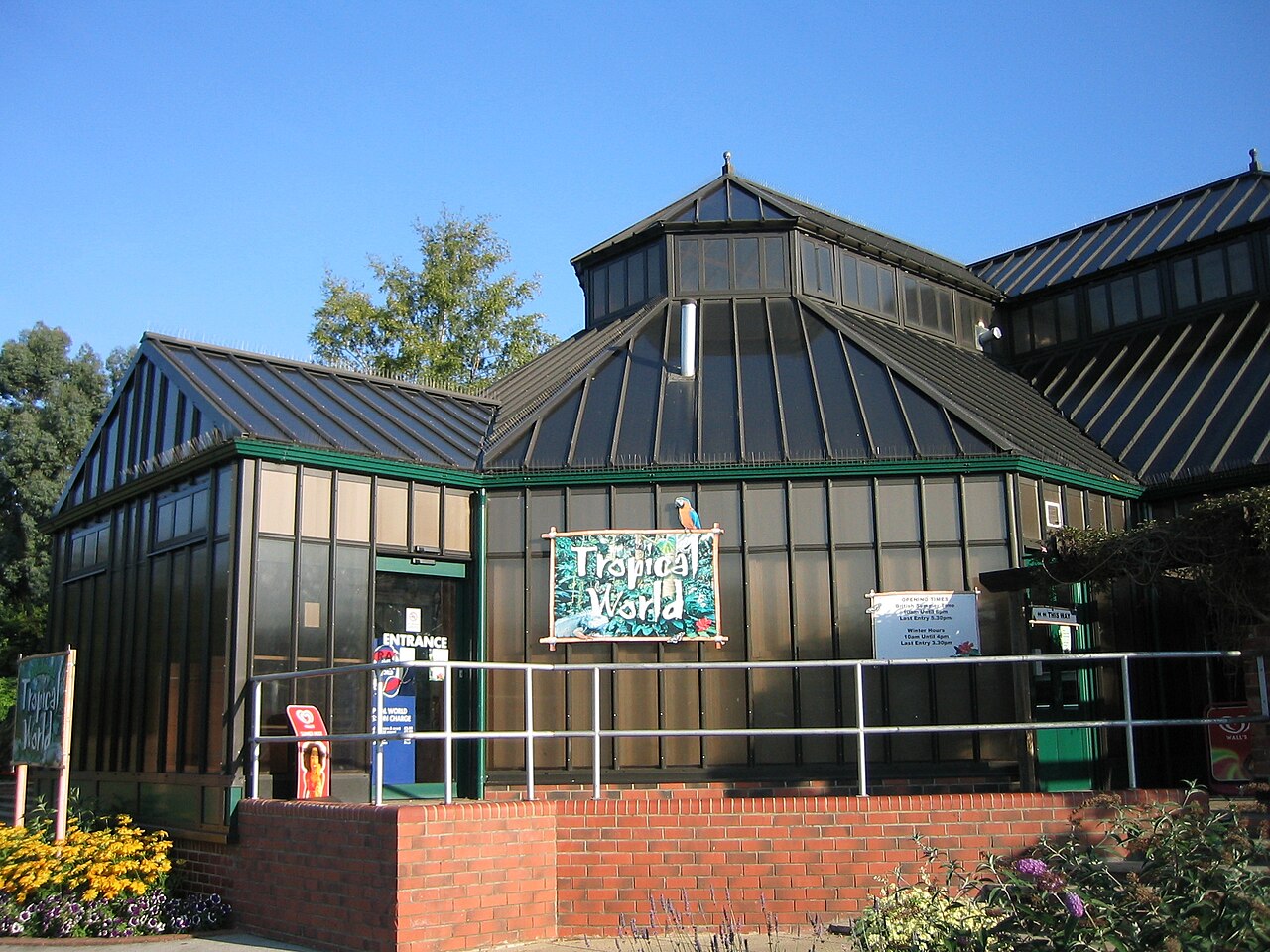
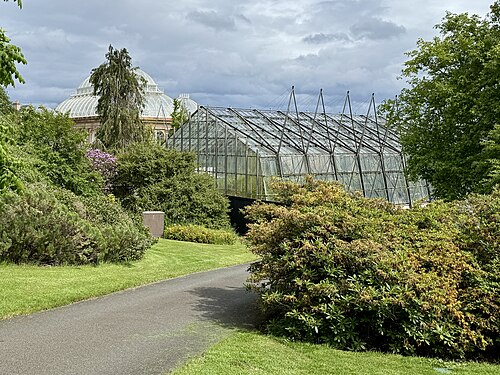
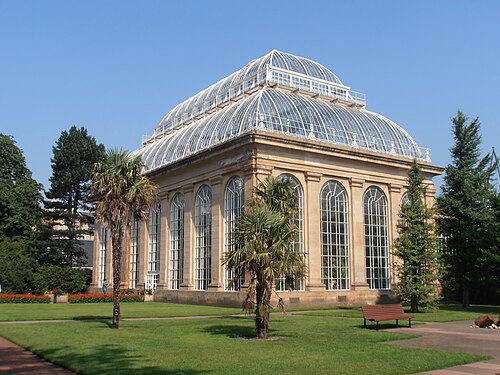
In the Canal Gardens of Roundhay Park, Leeds, a first conservatory named Coronation House went up in 1911, the year George V was crowned. The present building dates from 1939; modernised in 1983 and extended with a tropical butterfly house in 1988, it forms a chain of temperature-controlled glasshouses evoking rainforest, mangrove and desert. Renamed the Arnold and Marjorie Ziff Tropical World in 2008 and reopened in 2015 after a two-year refurbishment, it holds the largest collection of tropical plants in the country after Kew, along with animals ranging from butterflies to meerkats.
Affiliate links — booking through Verrière helps fund our research, at no extra cost to you.
History
1 min
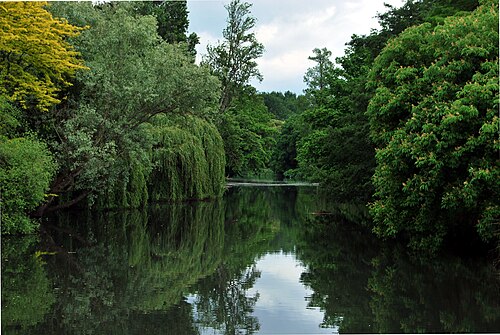
Roundhay Park owes its landscape to Thomas Nicholson, who bought the estate in 1803 and spent ten costly years flooding former quarries and coal workings to create the Upper Lake and Waterloo Lake. A walled kitchen garden was built around 1816 for the Mansion House, and the canal that gave the Canal Gardens their name dates from 1833. Championed by John Barran, the purchase of the estate by the town of Leeds went through in 1871 for £139,000, and Prince Arthur opened the park in 1872 before a crowd of 100,000.
In 1911, the year of George V's coronation, a conservatory named Coronation House was built in the Canal Gardens. The present building replaced it in 1939, and its main block has kept the name. Modernised in 1983, it reopened as Tropical World, and a programme of expansion led in 1988 to the opening of a tropical butterfly house.
In July 2008 the attraction became the Arnold and Marjorie Ziff Tropical World, in honour of Arnold Ziff and his wife, who had supported it financially. A two-year, £1.5 million refurbishment was completed in 2015, adding among other things an Aztec-themed aquarium. Run by Leeds City Council, Tropical World is now a licensed zoo and a member of the British and Irish Association of Zoos and Aquariums (BIAZA); it received 300,000 visitors in 2019.
Architecture and engineering
1 min
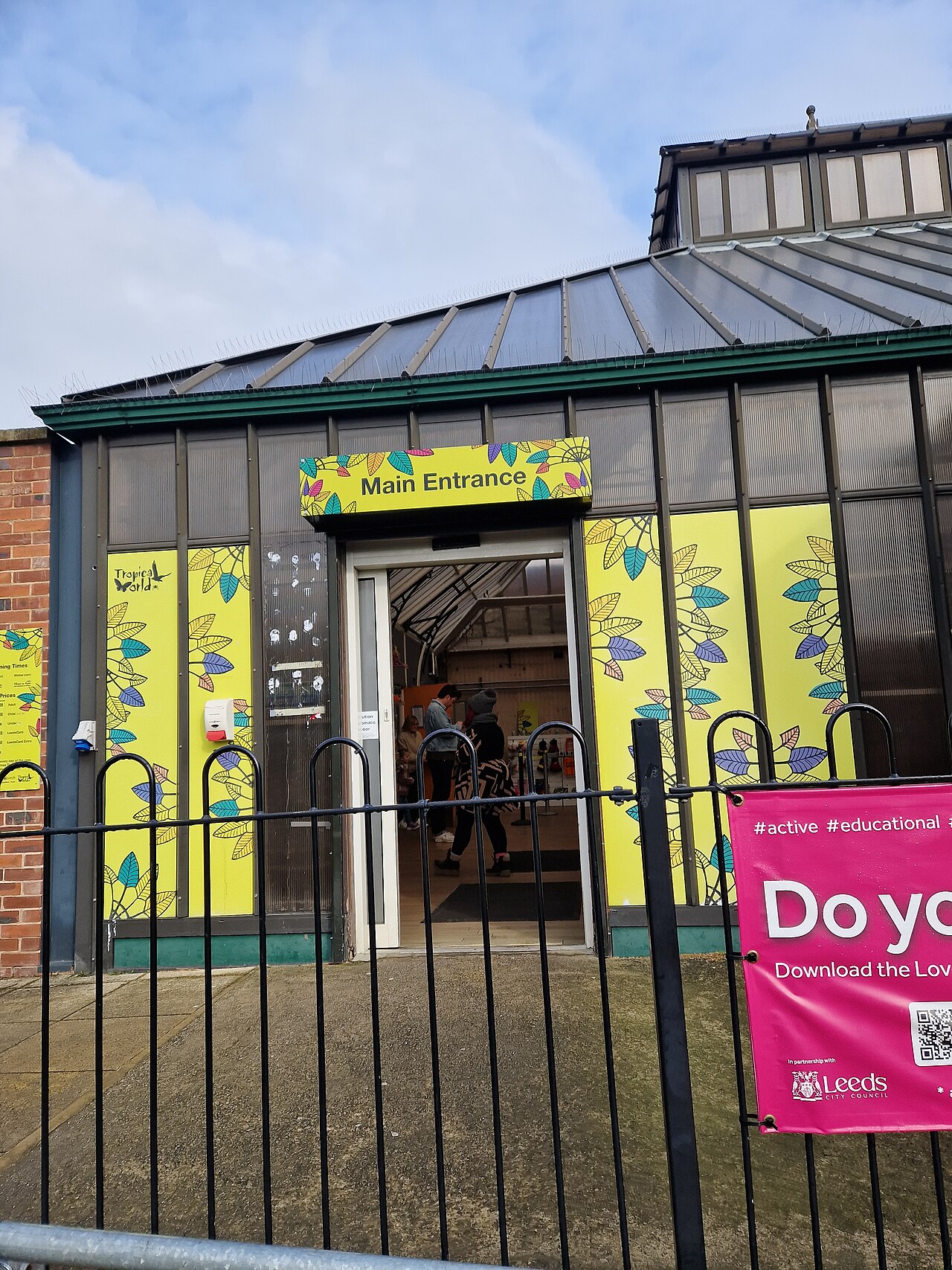
Tropical World is a chain of interconnected glasshouses, each keeping the climate of a different habitat: tropical rainforest, mangrove or desert. The main block, still called Coronation House, is the 1939 building that replaced the 1911 conservatory; it was modernised in 1983 and joined in 1988 by a butterfly house.
The present route runs through seven spaces: the Butterfly House, laid out as a swamp, the Aquarium, the Waterfall House, Creature Corner, the Rainforest Canopy, the Desert House and Creature Cavern, given over to nocturnal animals. In the rainforest section, the forest floor is overlooked by an upper level where reptiles are displayed.
The refurbishment completed in 2015, carried out over two years at a cost of £1.5 million, renewed part of these spaces and created the Aztec-themed aquarium. The glasshouses stand in the Canal Gardens, which combine the 1833 canal and the former walled kitchen garden of the Mansion, across the road that separates them from the rest of Roundhay Park.
Plant collections
1 min
According to Leeds City Council, Tropical World holds the largest collection of tropical plants in the United Kingdom outside London, in other words the largest after Kew's. Rainforest and mangrove vegetation, and the cacti of the Desert House, form the setting for a wide range of animals, which is why the site is a licensed zoo.
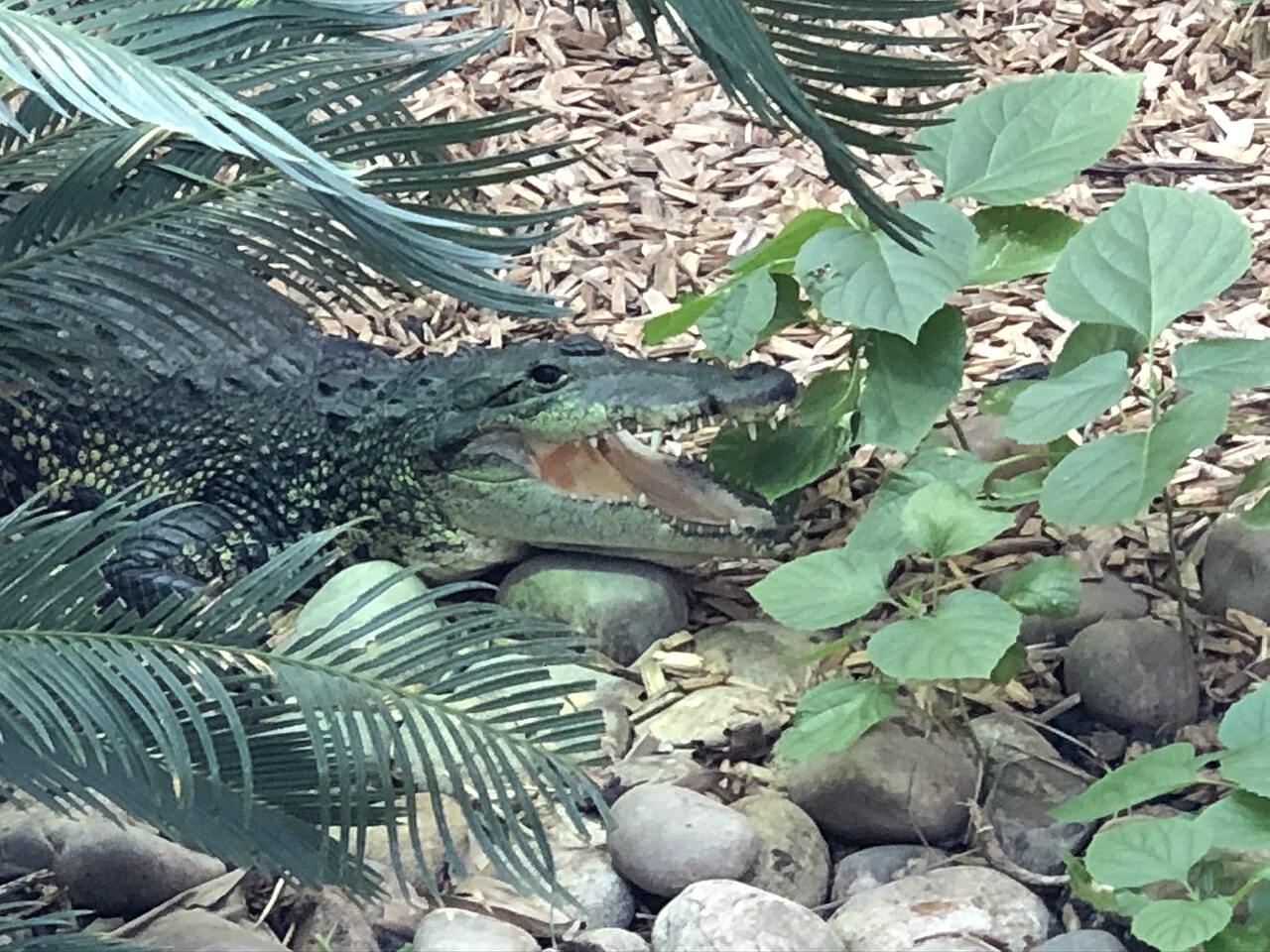
In the Butterfly House, tropical species fly freely over a swamp home to terrapins, koi carp and Morelet's crocodiles; the owl butterflies there reach 20 cm across. The Aquarium shows poison dart frogs, axolotls, clownfish, stingrays, seahorses, red-bellied piranhas and an octopus. The rainforest floor has leafcutter ants and ground-dwelling birds, the canopy free-flying birds, parrots among them, and cotton-top tamarins. Meerkats and tortoises live in the Desert House, while the nocturnal house shelters bats, including Egyptian fruit bats, armadillos, Malagasy giant rats, pygmy slow lorises, mouse lemurs and potoroos.
Visiting
1 min
Tropical World opens onto the Canal Gardens, on the edge of Roundhay Park, an estate of more than 700 acres (2.8 km²) that Leeds has owned since 1871. The route leads through the seven spaces of the glasshouses in turn, from butterflies to nocturnal animals, and a café overlooks the Canal Gardens.
The visit carries on outdoors: the 1833 canal, the rose collections in the former walled kitchen garden, the Monet Garden planted in 1999 after Giverny, the Alhambra Garden and the Friends Garden. A sculpture trail of eight beech trees carved by local artist Shane Green leads to restored wildflower meadows. Across the road lies the main park, with the lakes created by Thomas Nicholson, the Upper Lake and Waterloo Lake.
53.84° N, 1.50° W
Greenhouses nearby
More greenhouses — United Kingdom
Do you have a good photo of this greenhouse? Suggest it for this page →