Tadao Ando
安藤忠雄
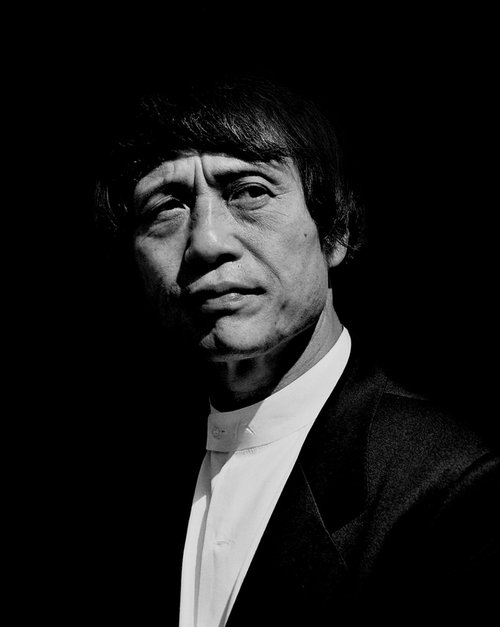
Tadao Ando was born in Osaka on 13 September 1941. He holds no architecture degree and had no master: after a brief spell as a boxer he taught himself, visiting the temples, shrines and tea houses of Kyoto and Nara, reading, and then travelling through Europe and the United States in the 1960s to see the buildings for himself, sketchbook in hand. A book on Le Corbusier bought from a secondhand bookshop left such a mark that he traced its drawings until the pages turned black; he set out in 1965 to meet the architect, only to reach Paris a month after his death. He founded his office in Osaka in 1969 and made his name with the Row House in Sumiyoshi (1976), a small concrete house that won the Architectural Institute of Japan's prize in 1979.
Reinforced concrete is his material and light his subject. His thick walls close a space in on itself, "a zone for oneself within society", as he puts it, and it is inside that enclosure that light and wind are let in, through a slit or a measured opening: in the Church of the Light (Ibaraki, 1989), a cross of light appears through slits cut in the wall. For Bill Lacy, executive director of the Pritzker jury, a key part of his philosophy is the creation of boundaries within which introspective domains take shape, where people can relate to light and shadow, wind and water, away from the surrounding urban chaos. This "smooth-as-silk" concrete is both structure and surface, never plastered over; its quality depends on tight, varnished wooden formwork, whose bolts leave the regular small holes that have become his signature. Ando seeks to restore to the house the unity with nature, light and wind, that the modernisation of Japanese housing had lost.
Water and landscape matter as much to him as concrete. At the Water Temple on Awaji (1991), visitors descend a staircase that cuts through a lotus pond about 40 metres across to reach the hall beneath it; the Church on the Water at Tomamu (1988) faces an artificial lake, and Times in Kyoto runs along the Takase River just above the water. He sometimes places his buildings underground, as at the Forest of Tombs Museum in Kumamoto, with its stairs and buried spaces.
The Pritzker Prize was presented to him in 1995 at the Grand Trianon in Versailles (he is the third Japanese laureate); the Praemium Imperiale followed in 1996, the RIBA Royal Gold Medal in 1997, the Kyoto Prize and the AIA Gold Medal in 2002, the UIA Gold Medal in 2005 and the Order of Culture in 2010. After the 1995 Great Hanshin-Awaji Earthquake, he chaired a ten-year committee devoted to reconstruction. Since 2002, the island of Naoshima (Kagawa) has been his most sustained site: the Chichū Art Museum, founded in 2004, mostly buried so as not to spoil the landscape of the Seto Inland Sea, with works by Claude Monet, James Turrell and Walter De Maria installed permanently; the ANDO MUSEUM, a concrete core slipped into a wooden house about a hundred years old in the Honmura district; and, in spring 2025, the new Naoshima museum, the tenth facility of the Benesse Art Site Naoshima to bear his signature, on three levels, two of them underground. In Osaka he designed and gave to the city the Nakanoshima Children's Book Forest (Kodomo Hon no Mori), opened in July 2020, and then designed the Infectious Disease Centre of the University of Osaka on its Suita campus, ten storeys completed at the end of February 2025 around a "Spaceship Earth" concept. The Centre Pompidou devoted a major exhibition to him in 2018.
Outside Japan he has built in Europe and the United States. In Germany: the Vitra Seminar House (1993), near the Swiss border, on the grounds of Frank Gehry's furniture museum, and the Langen Foundation in Neuss (2004), on the former Hombroich rocket station that Karl-Heinrich Müller had invited him to see; it has two parallel cubes sunk nearly six metres into the ground. In Italy: the Benetton communication research centre in Treviso (2000), then, in Venice and for François Pinault's collection, the Palazzo Grassi (opening exhibition in April 2006) and the Punta della Dogana (2009). In France: the UNESCO Meditation Space in Paris (1995) and the Bourse de Commerce, converted into a museum of the Pinault Collection and inaugurated in 2021 with the exhibition "Ouverture". In Spain: the Japanese Pavilion at the Seville Expo (1992), built almost entirely of wood. In the United States: the Pulitzer Foundation for the Arts in St. Louis (2001), the Modern Art Museum of Fort Worth (2002) and the Clark Center at the Clark Art Institute in Williamstown (2014).
Map of the works 329
- Featured work (own page)
- Other work (in the list)
- Work no longer standing
Works in the list: building position when known, otherwise the city; private homes without an address, at a point published by a public source, at neighbourhood or at city level.
Featured works
152 Elizabeth Street Condominiums
Kitano Alley (北野アレイ)
Rose Garden (ローズガーデン)
Kōshienguchi Labyrinth Building (ヌーベル甲子園口)
Kitano Ivy Court, now Grand Suite Kitano (北野アイビーコート)
Rin's Gallery (リンズギャラリー)
House in Ikoma (南林邸)
Nakayama Residence (中山邸)
Riran's Gate (リランズゲート)
Tea House in Oyodo, Tent Tea House (大淀の茶室(テントの茶室))
Harima Heliport (播磨ヘリポート)
Ando Gallery, Art Institute of Chicago
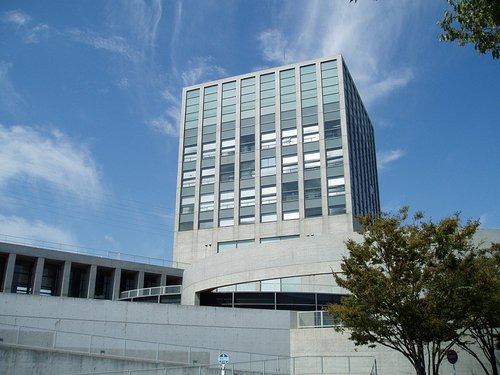
College of Nursing Art and Science, University of Hyogo, Akashi Campus
Church in Tarumi (垂水の教会)
House in Nipponbashi (日本橋の家)
Kanazu Elementary School, Kahoku (かほく市立金津小学校)
Harima Kōgen Higashi Primary School (播磨高原東小学校)
Nomi House, Townhouse in Hirano (平野区の町屋―能見邸)
Setouchi Retreat Aonagi (formerly Elleair Square Matsuyama)
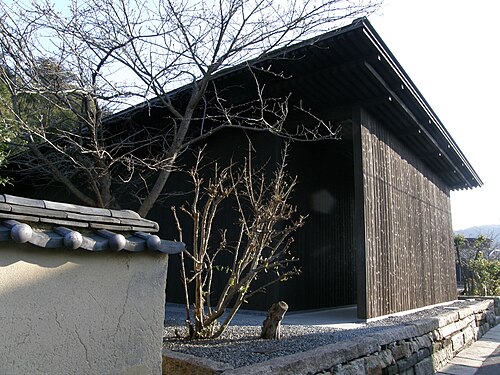
Minamidera (南寺)
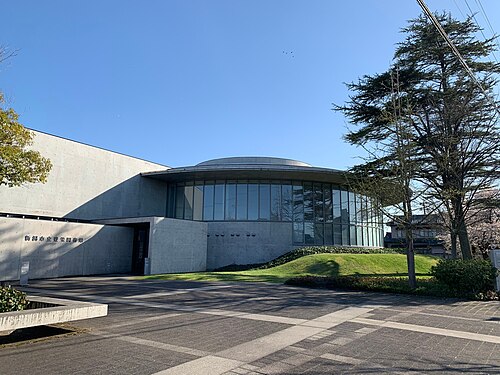
Toyosaka Municipal Library (新潟市立豊栄図書館)
Aomori Contemporary Art Centre (国際芸術センター青森, ACAC)
Kinjō Junior High School, Kaga (加賀市立錦城中学校)
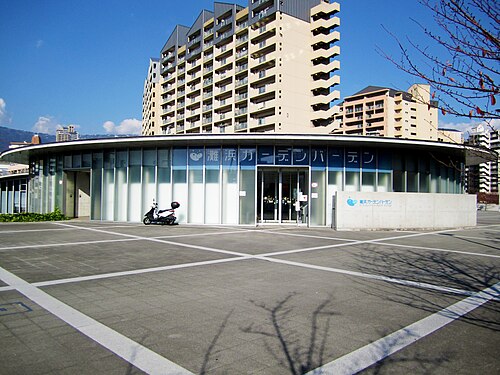
Nadahama Garden Baden (灘浜ガーデンバーデン)
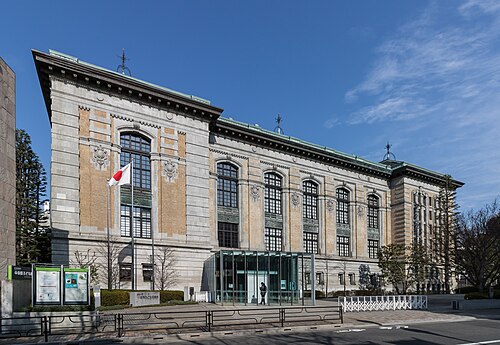
International Library of Children's Literature (国際子ども図書館)
Osaka Memorial Park (大阪メモリアルパーク)
Ichinohe South Elementary School (一戸町立一戸南小学校)
Noma Kindergarten (野間自由幼稚園)
Rock Field factory in Kawasaki (ロック・フィールド 玉川ファクトリー)
Tokyo Art Museum
Housing and retail building in Sengawa (仙川アベニュー・アネックスⅡ)
Apartment building in Sengawa (シティハウス仙川)
Set for Wozzeck (Saito Kinen Festival Matsumoto)
Kashimo Community Centre (加子母村ふれあいコミュニティセンター)
Iced Time Tunnel (The Snow Show, Rovaniemi)
4×4 House II (4m×4mの家II)
Rock Field Kobe Head Office and Factory (ロック・フィールド 神戸ヘッドオフィス/神戸ファクトリー)
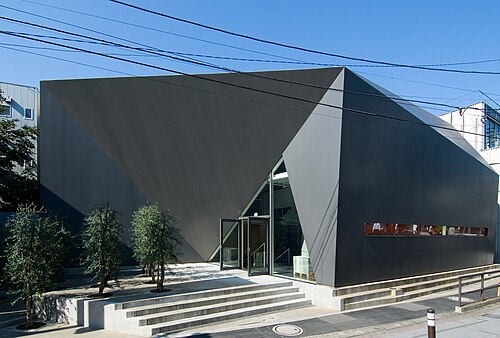
hhstyle.com/casa Store (hhstyle.com/casa)
Koshino House Guest House (小篠邸ゲストハウス)
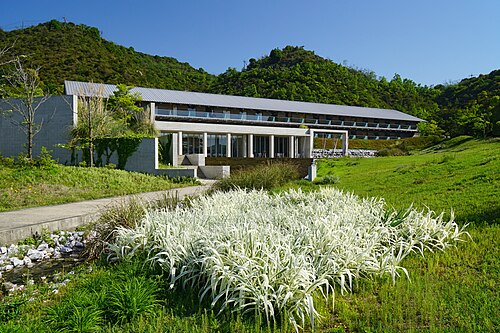
Benesse House Park and Beach (ベネッセハウス パーク/ビーチ)
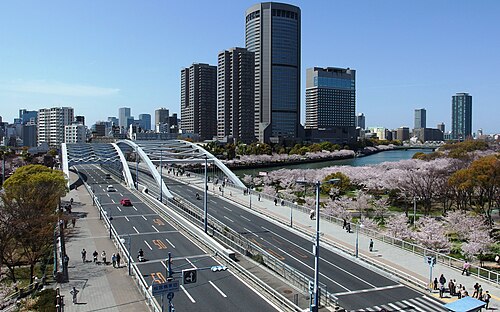
Shin-Sakuranomiya Bridge
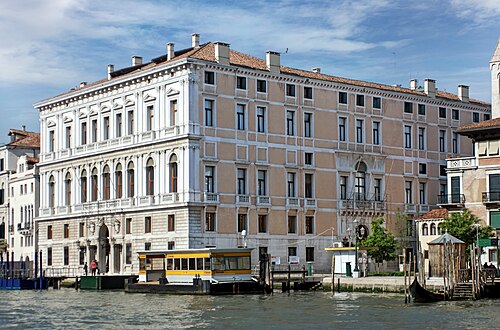
Palazzo Grassi
Yonago East Hospital (米子東病院)
Sengawa Theater, Chofu (調布市せんがわ劇場)
Commercial building in Sengawa (仙川デルタ・スタジオ)
Taigaku-in temple, Hadano (太岳院)
Nagao Municipal Elementary School (神戸市立長尾小学校)
Hanwha Human Resource Development Center (한화인재경영원)
Yumin Art Nouveau Museum (유민 아르누보 뮤지엄), formerly Genius Loci
House in Mirissa
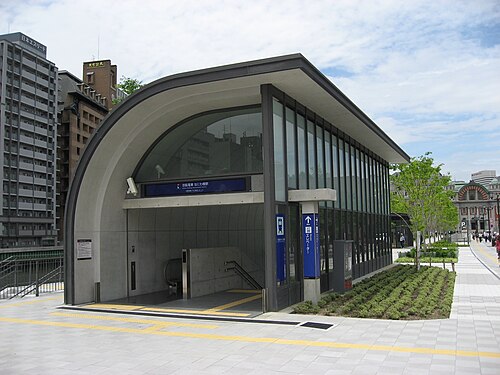
Naniwabashi Station (entrances)
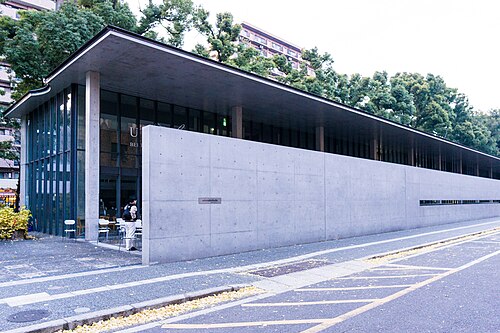
Fukutake Hall, University of Tokyo (情報学環・福武ホール)
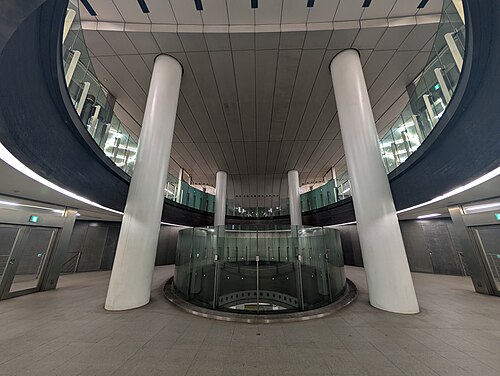
Shibuya Station (Fukutoshin and Toyoko lines)
Duchesne Hall, Sacred Heart School, Tokyo (デュシェーンホール)
TOPGUN, International Pacific University (環太平洋大学)
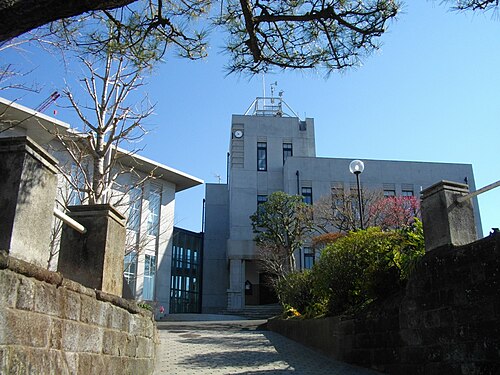
Yokohama Local Meteorological Observatory (横浜地方気象台)
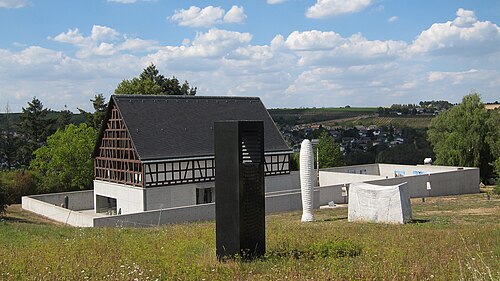
Stone Sculpture Museum
Novartis Laboratories, Fabrikstrasse 28 (WSJ-352)
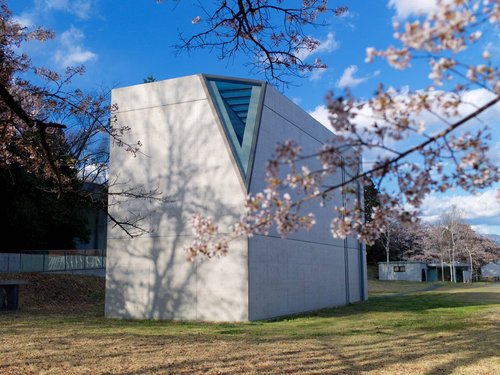
Museum of the Light (光の美術館)
Church of the Light Parsonage (光の教会 牧師館)
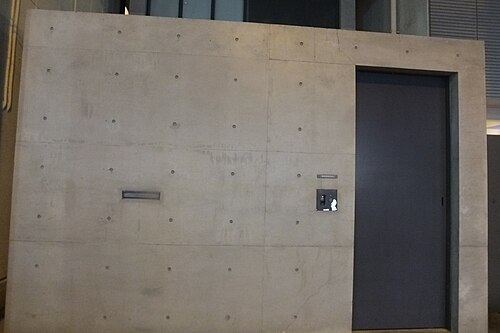
House in Utsubo Park (靱公園の住宅)
Atema Forest Hall and Waterside Hall (あてま森と水辺の教室 森のホール 水辺のホール)
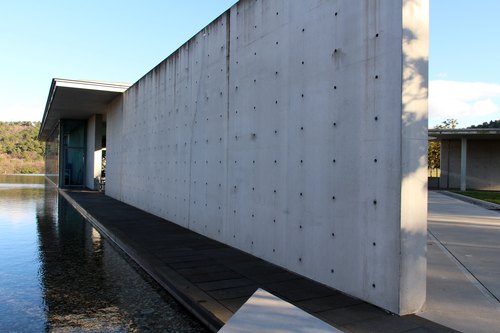
Château La Coste (Art Centre, Chapel, Four Cubes to Contemplate Our Environment)
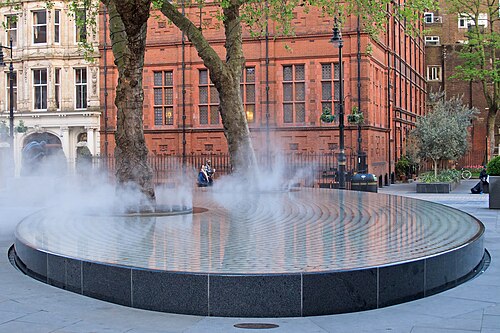
Silence, Carlos Place water feature
Casa Monterrey
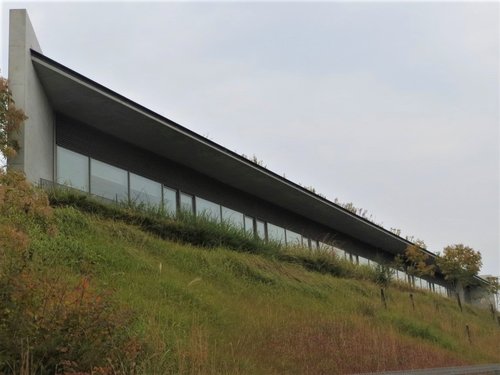
Oiki Ladies Clinic 2 (老木レディスクリニック2)
House in Takamatsu (高松の住宅)
House in Ashiya (芦屋の住宅)
PHILOSOPHIA, International Pacific University (環太平洋大学)
Okayama Shinkin Bank Uchisange Square (おかやま信用金庫 内山下スクエア)
Wall of Hope (希望の壁)
The Great Tree of the City, green façade of the Osaka Marubiru (都市の大樹)
Umekita Plaza (うめきた広場)
Teatrino of Palazzo Grassi
Duvetica Showroom
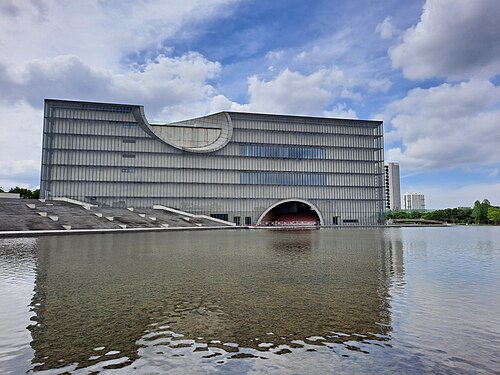
Shanghai Poly Grand Theatre
Church in Hiroo (広尾の教会)
Liangzhu Culture and Art Center
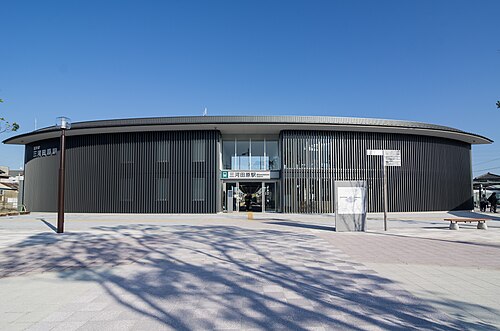
Mikawa-Tahara Station (Atsumi Line)
Towada Education Plaza (十和田市教育プラザ)
Church of the Heart
Miyako Irahara School (みやこ伊良原学園)
Kitakaro Sapporo Honkan (北菓楼札幌本館)
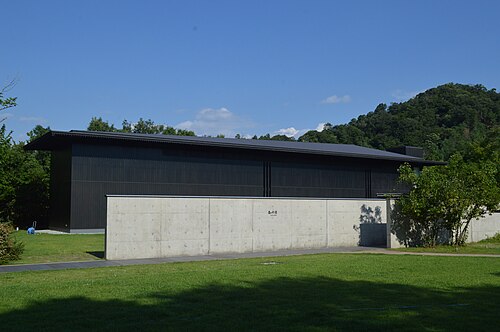
House in the Forest, Mitsumasa Anno Museum (森の中の家 安野光雅館)
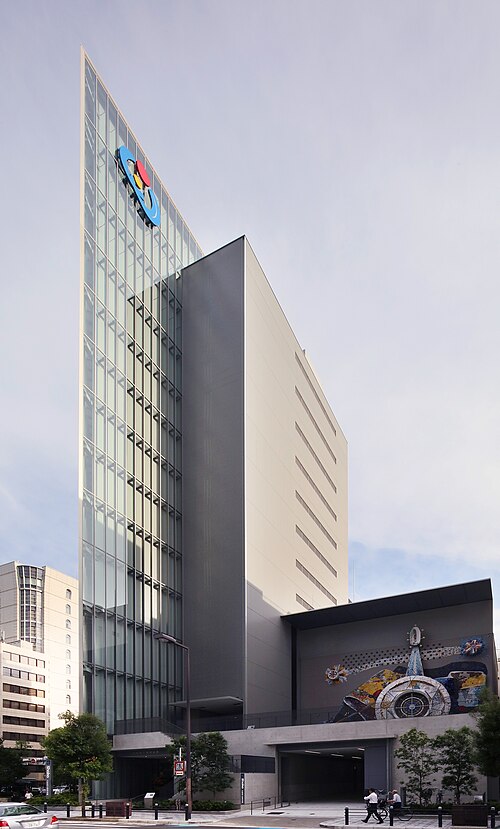
Osaka Shoko Shinkin Bank Head Office (大阪商工信用金庫 本店ビル)
Tōno Children's Book Forest (こども本の森 遠野)
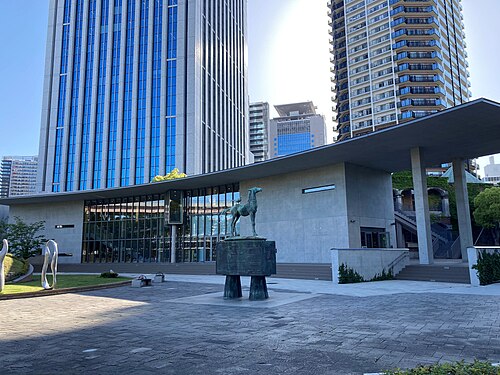
Kobe Children's Book Forest (こども本の森 神戸)
Marufukuro (丸福樓)
Kumamoto Children's Book Forest (こども本の森 熊本)
Matsuyama Children's Book Forest (こども本の森 松山)
The University of Osaka and The Nippon Foundation Center for Infectious Diseases (大阪大学・日本財団 感染症センター)
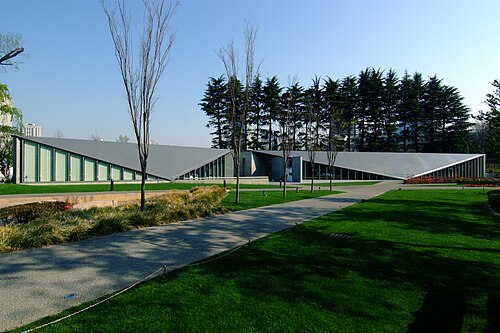
21_21 DESIGN SIGHT
4×4 House (4m×4mの家)
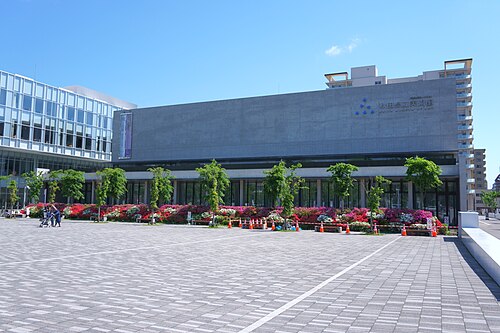
Akita Museum of Art
ANDO MUSEUM
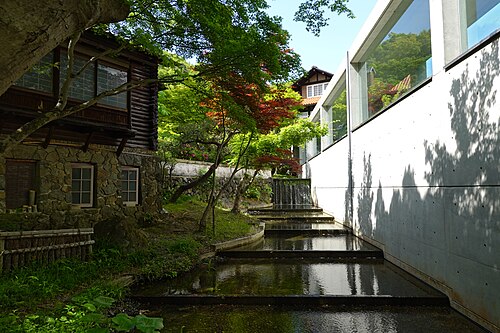
Asahi Group Oyamazaki Villa Museum of Art
Asahi Shimbun Okayama Bureau (朝日新聞社岡山総局)
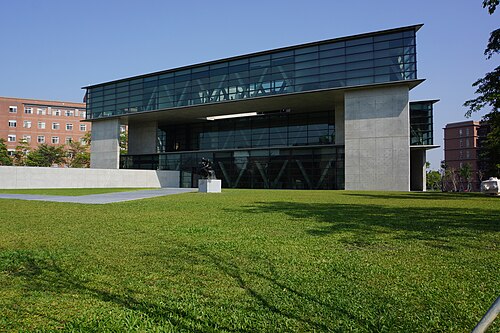
Asia University Museum of Modern Art (亞洲大學附屬現代美術館)
Atelier in Oyodo II (大淀のアトリエII)
Atelier in Oyodo I (大淀のアトリエ I)
Aurora Museum (震旦博物馆)
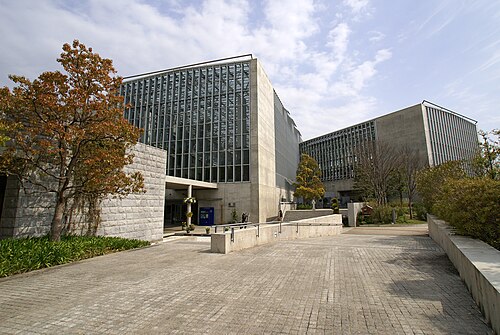
Awaji Green Kan (あわじグリーン館)
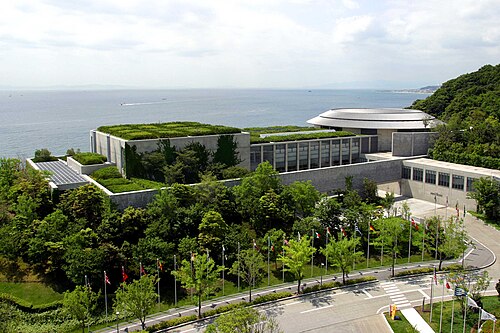
Awaji Yumebutai International Conference Center (兵庫県立淡路夢舞台国際会議場)
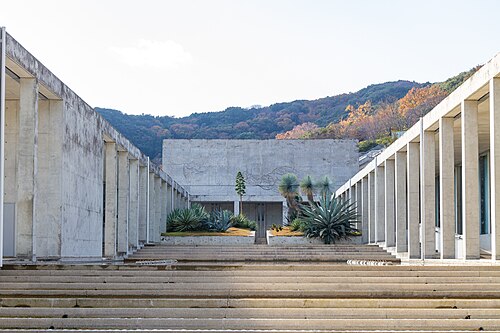
Awaji Yumebutai (淡路夢舞台)
Ayabe Industrial Park Exchange Plaza (綾部工業団地・交流プラザ)
Bansho House (番匠邸)
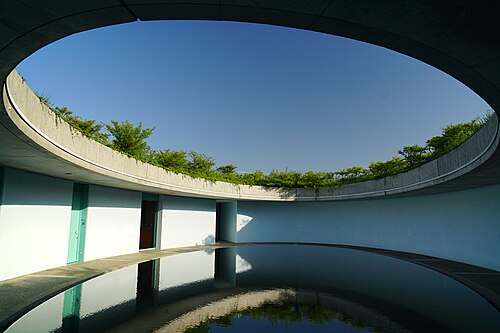
Benesse House Museum
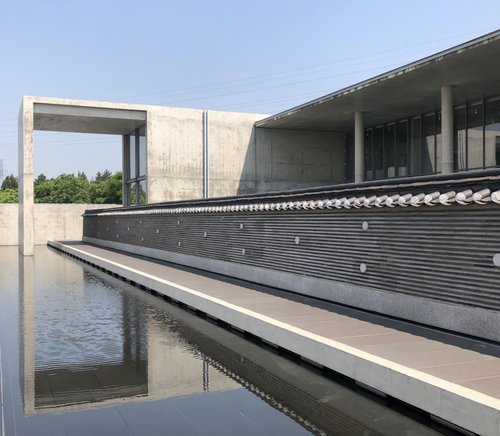
Bonte Museum (본태박물관)
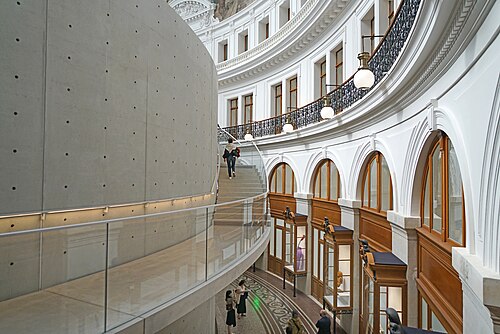
Bourse de Commerce – Pinault Collection
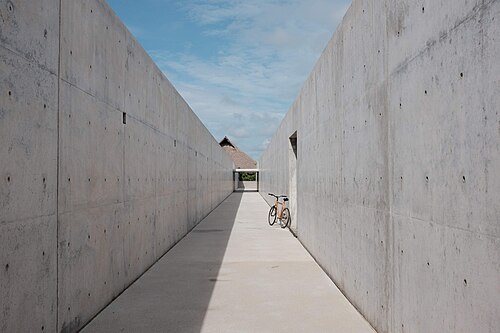
Casa Wabi
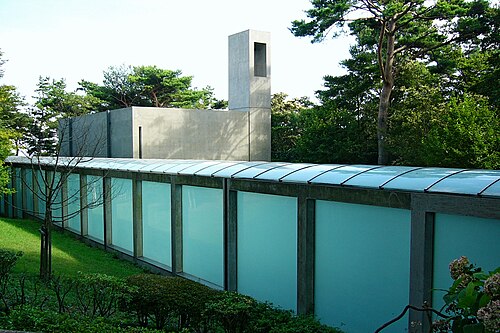
Chapel on Mount Rokkō (風の教会)
Chaska Chayamachi (チャスカ茶屋町)
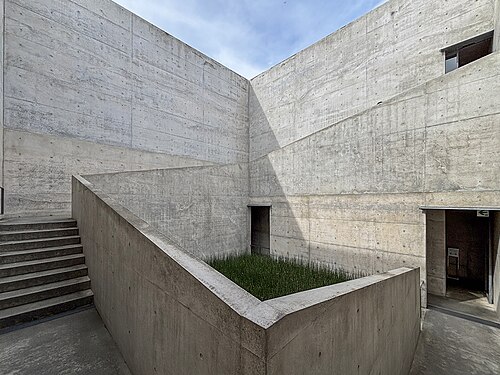
Chichu Art Museum
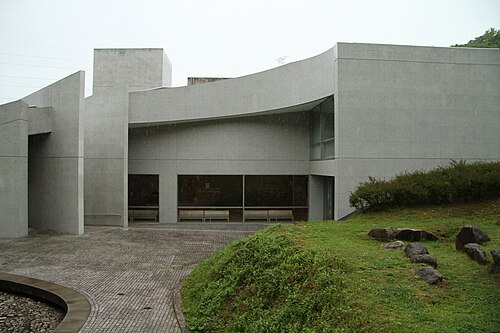
Osaka Prefectural Chikatsu Asuka Museum (大阪府立近つ飛鳥博物館)
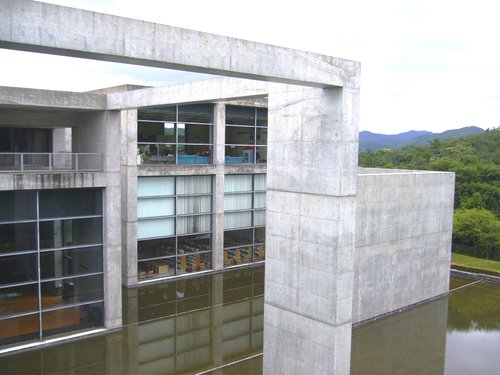
Hyōgo Prefectural Children's House (兵庫県立こどもの館)
Church of the Light Sunday School hall (光の教会 日曜学校)
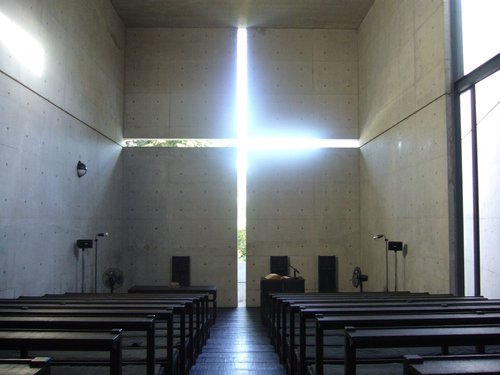
Church of the Light
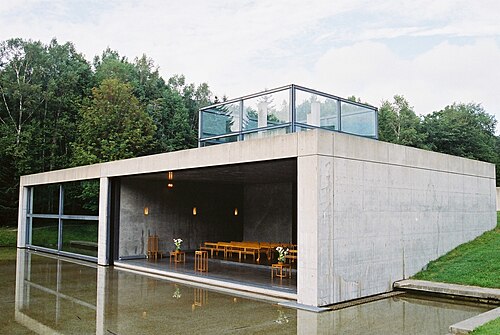
Church on the Water
La Collezione (ラ・コレッツィオーネ)
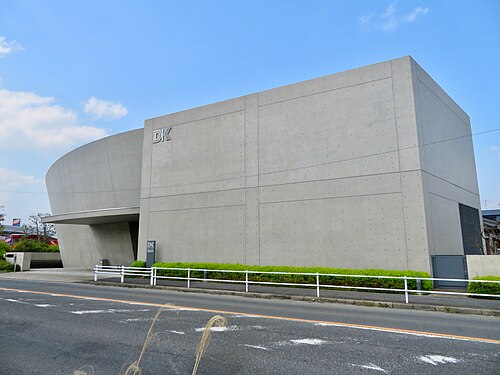
Daikoku Denki Headquarters Building, Sakashita (ダイコク電機 本部ビル)
Red Hat Hiroki Oda Museum (赤い帽子 織田廣喜ミュージアム)
Eychaner/Lee House
Fabrica
Festival (フェスティバル)
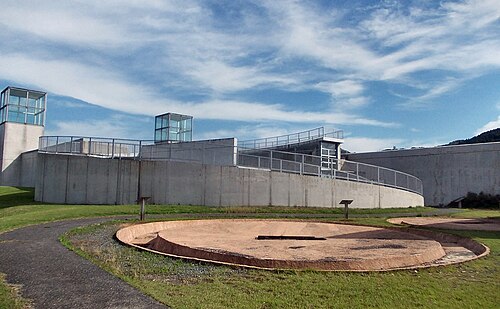
Kumamoto Prefectural Ancient Burial Mound Museum (熊本県立装飾古墳館)
Fukuoka Camera Museum (ミュゼふくおかカメラ館)
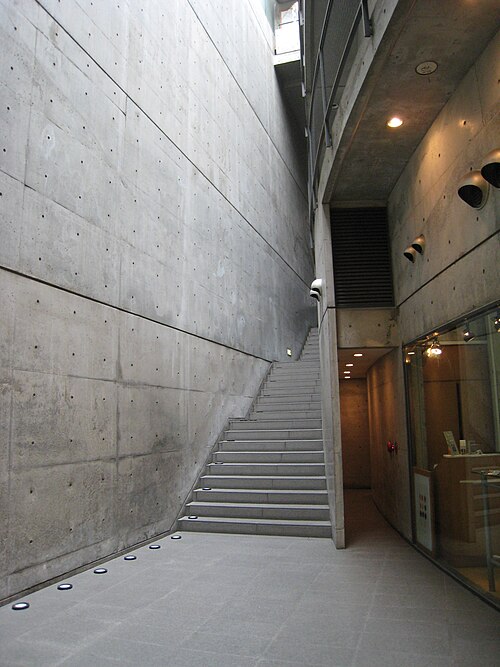
Galleria [akka] (ガレリア・アッカ)
Gallery Chiisaime (ギャラリー小さい芽)
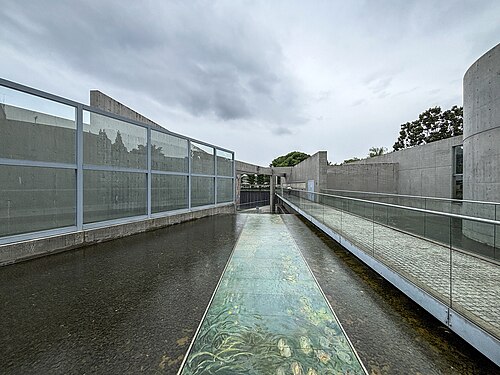
Garden of Fine Arts, Kyoto (京都府立陶板名画の庭)
Garden of Fine Arts, Expo '90 Osaka (名画の庭)
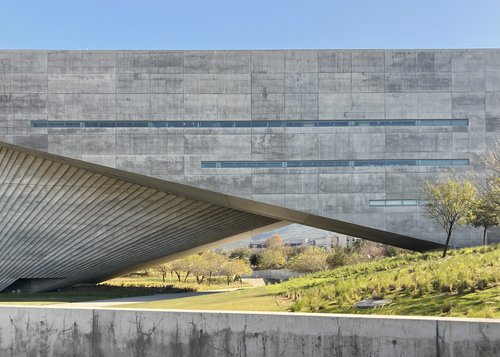
Gate of Creation (Roberto Garza Sada Center)
Ishihara House, the Glass Block House (ガラスブロックの家 石原邸)
Glass Block Wall, Horiuchi House (ガラスブロックウォール 堀内邸)
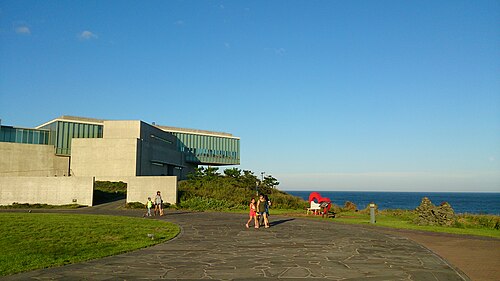
Glass House (글라스 하우스)
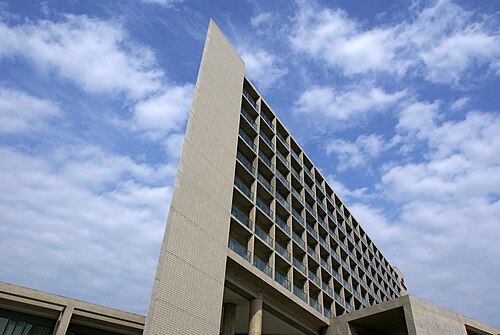
Grand Nikko Awaji (グランドニッコー淡路)
Guest House for Hattori House (服部邸ゲストルーム)
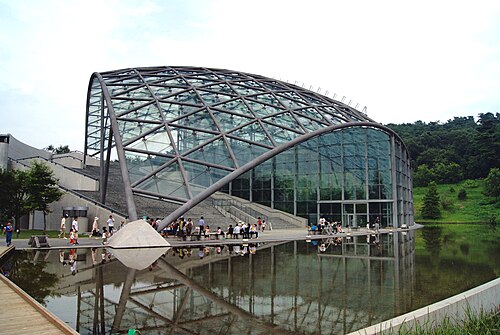
Gunma Insect World Insect Observation Hall (県立ぐんま昆虫の森 昆虫観察館)
Museum SAN (뮤지엄 산)
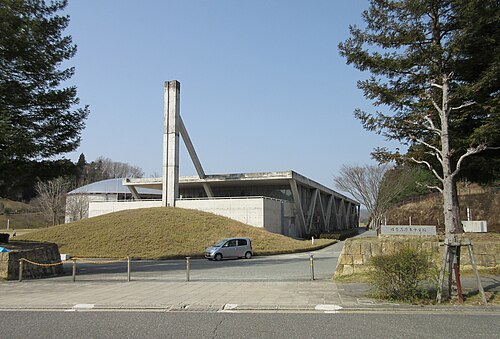
Harima Kōgen Higashi Junior High School (播磨高原東中学校)
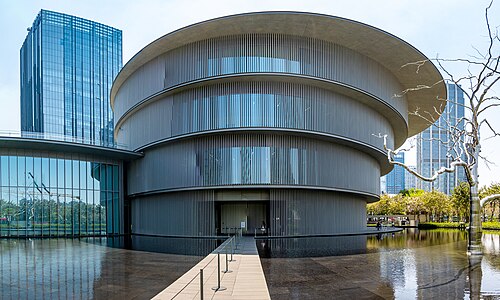
He Art Museum
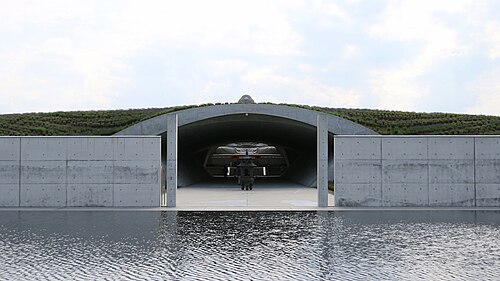
Hill of the Buddha (頭大仏殿, Atama Daibutsuden)
Hirabayashi House (貫入 平林邸)
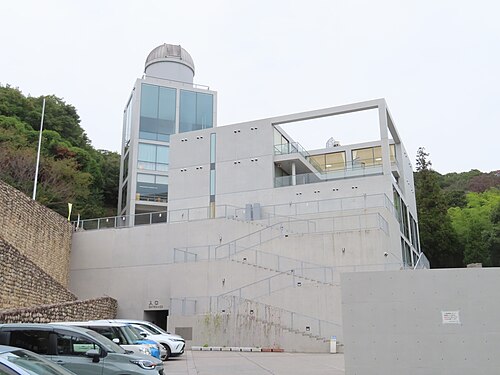
Hoshinoko Yakata (星の子館)
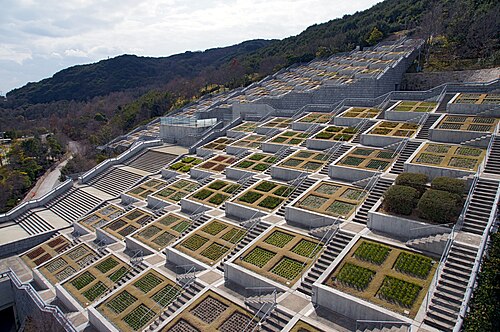
Hyakudan-en (Hundred-Step Garden)
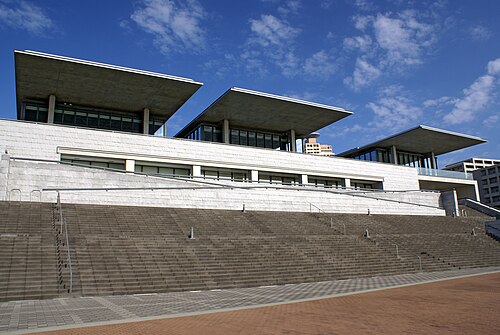
Hyōgo Prefectural Museum of Art and Kobe Waterfront Plaza (兵庫県立美術館, 神戸市水際広場)
Inamori Hall, Kagoshima University (鹿児島大学 稲盛会館)
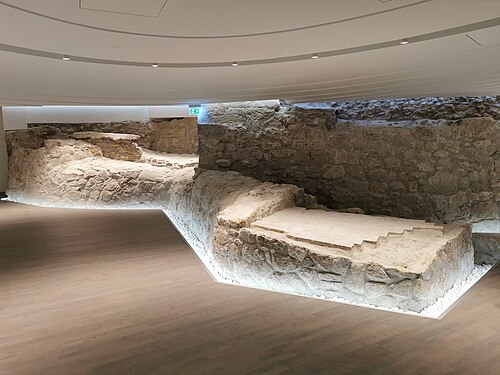
Lónyay-Hatvany Villa (Ybl-villa), ceiling and interior design
Invisible House (見えない家)
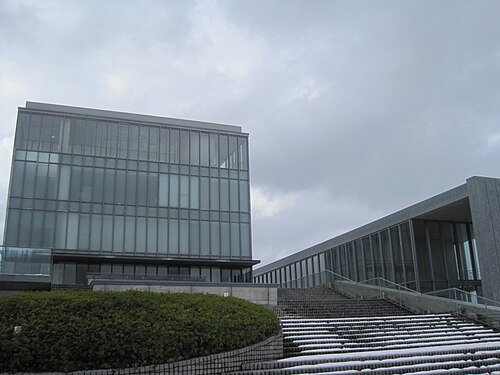
Ishikawa Nishida Kitarō Museum of Philosophy
Ito House, Setagaya (伊東邸)
Iwasa House (岩佐邸)
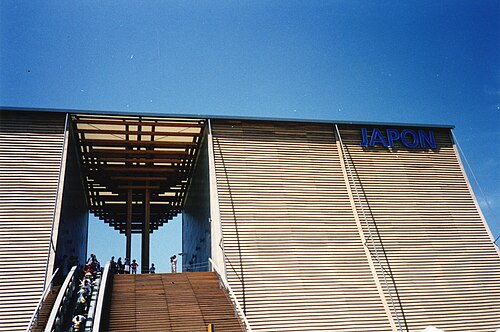
Japan Pavilion, Seville Expo 1992
Jaeneung Culture Center (JCC)
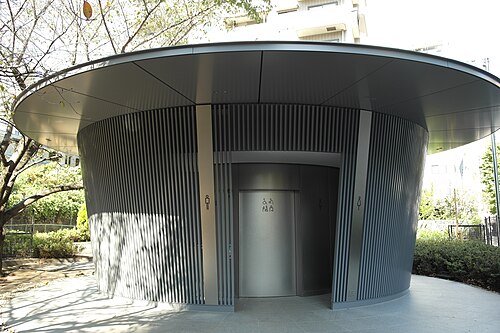
Jingū-dōri Park Toilet (The Tokyo Toilet)
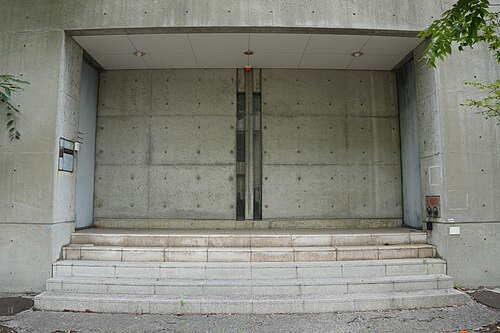
Jun Port Island Building (ジュン・ポートアイランドビル)
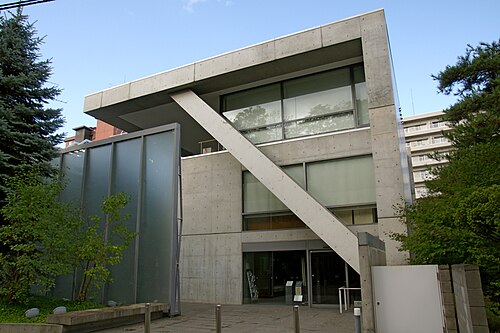
Watanabe Junichi Museum of Literature
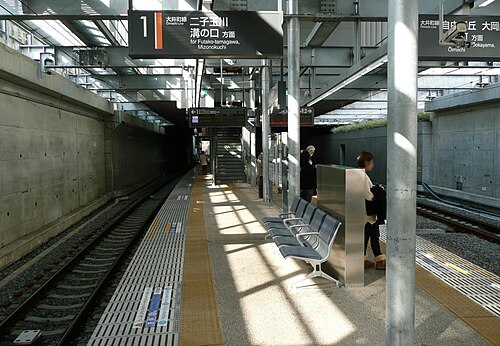
Kaminoge Station (Tokyu Oimachi Line)
Kidosaki House (城戸崎邸)
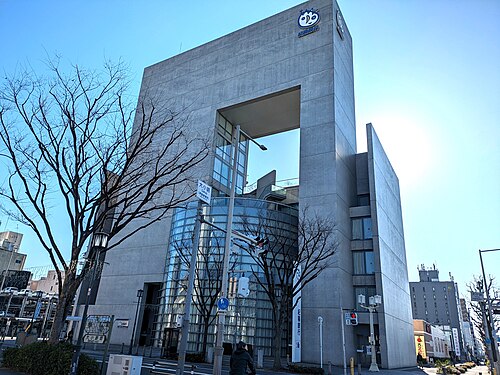
Kiyo Bank, Sakai Building (紀陽銀行堺支店)
Koshino House Addition (小篠邸増築)
Koshino House (小篠邸)
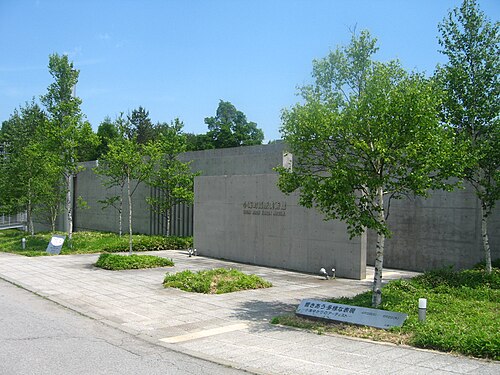
Koumi Kōgen Museum of Art
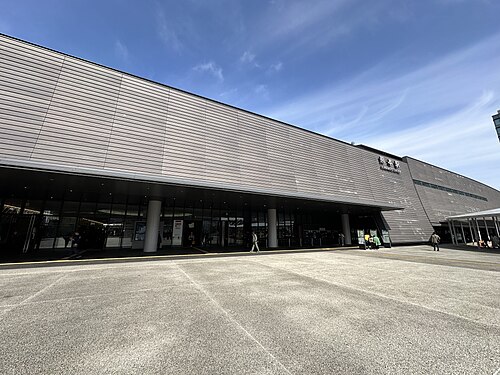
Kumamoto Station
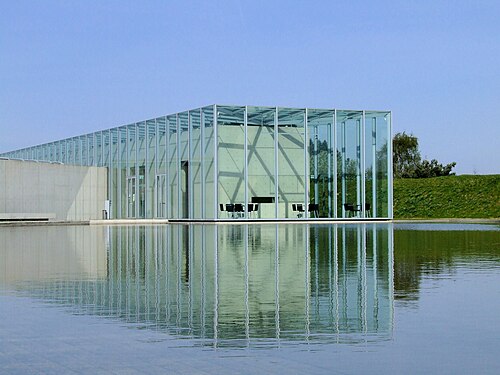
Langen Foundation
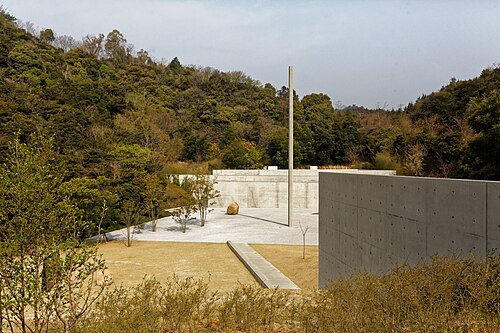
Lee Ufan Museum
LG Arts Center Seoul (LG아트센터 서울)
Main Pavilion for the Tennoji Fair (天王寺博覧会テーマ館)
Matsumura House (松村邸)
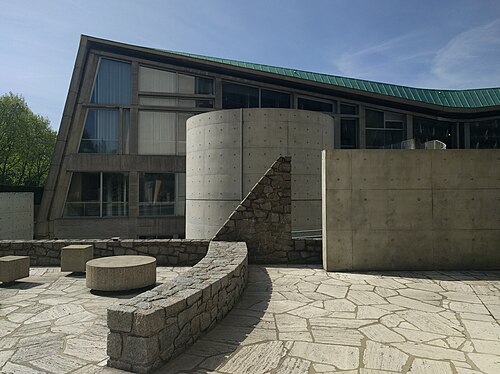
Meditation Space, UNESCO
Melrose Headquarters (メルローズ本社ビル)
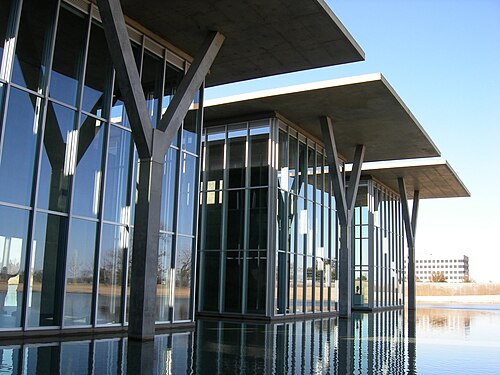
Modern Art Museum of Fort Worth (“The Modern”)
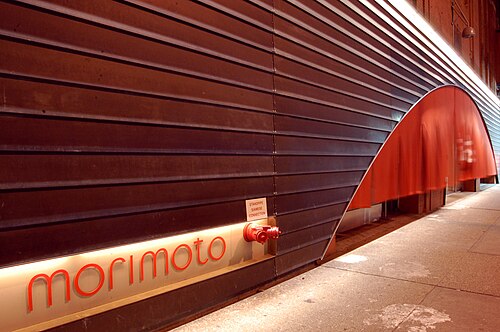
Morimoto restaurant, Chelsea Market
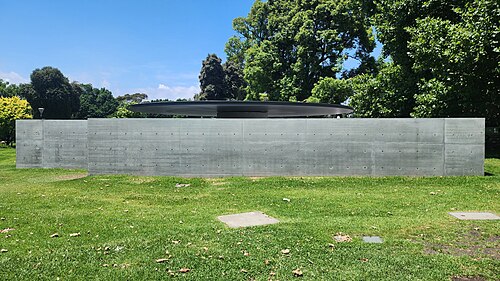
MPavilion 10
Museum of Gojō Culture and its Annex
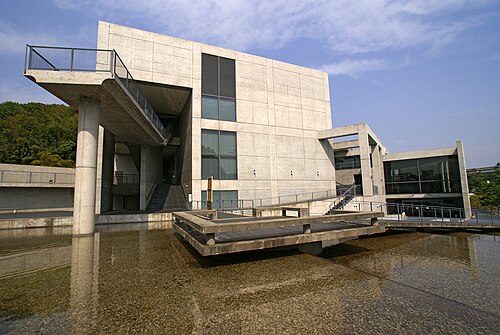
Himeji City Museum of Literature (姫路文学館)
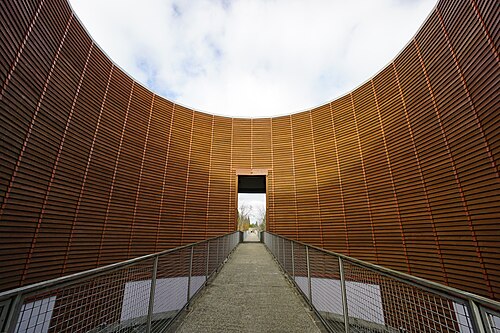
Museum of Wood Culture (Kinodendo, 木の殿堂)
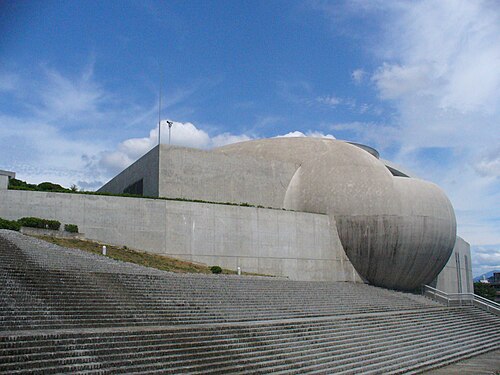
Nagaragawa Convention Center (長良川国際会議場)
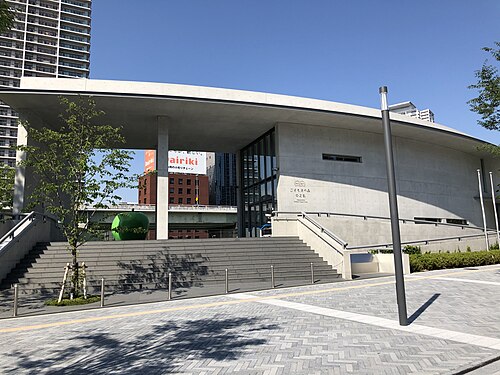
Nakanoshima Children's Book Forest (こども本の森 中之島)
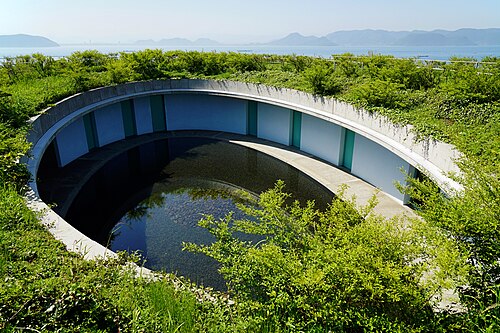
Benesse House Oval (ベネッセハウス オーバル)
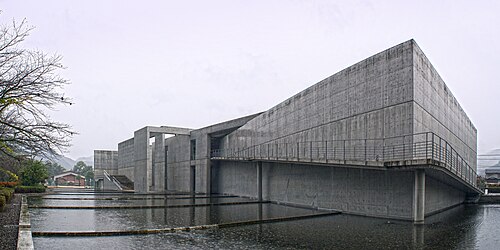
Nariwa Museum
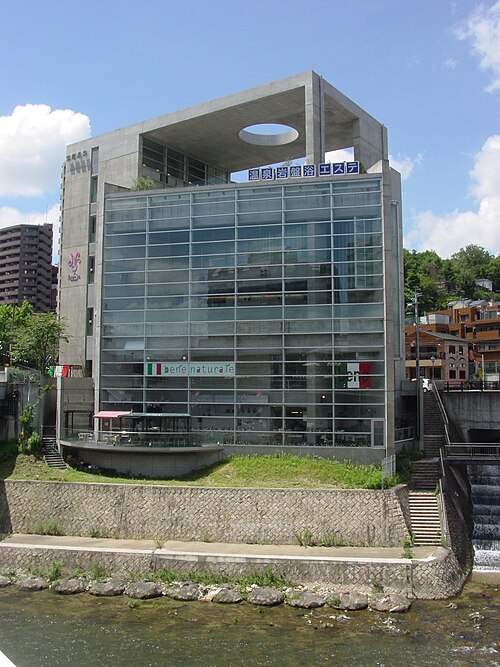
Nature Spa Takarazuka (ナチュールスパ宝塚)
House and riding facility on a ranch near Santa Fe
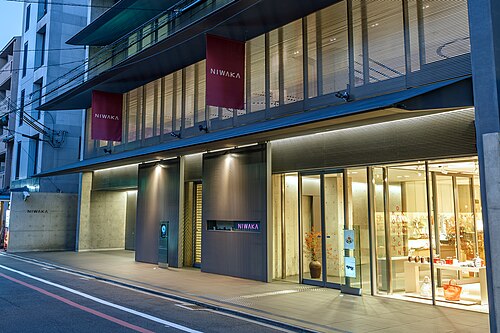
NIWAKA Building (俄ビル)
The Hillside Kobe, formerly Old/New Rokko (ゲストハウスOLD/NEW六甲)
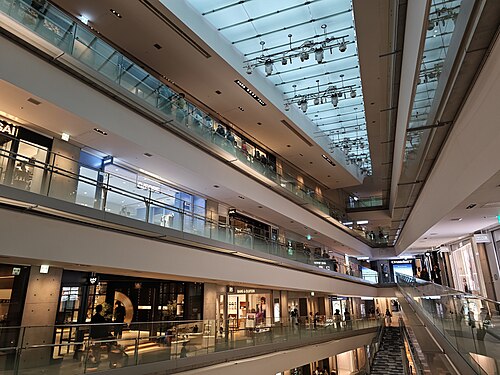
Omotesando Hills
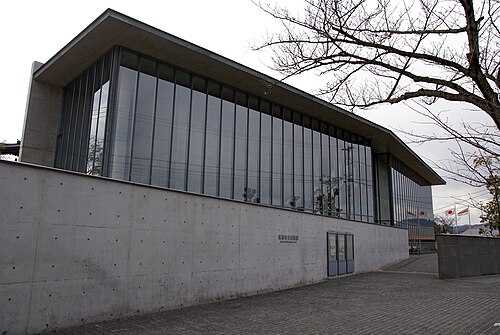
Onomichi City Museum of Art
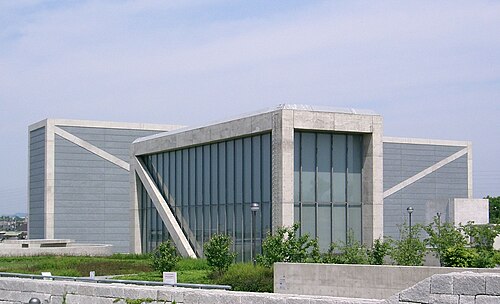
Osaka Prefectural Sayamaike Museum
Otemae Art Center (大手前アートセンター)
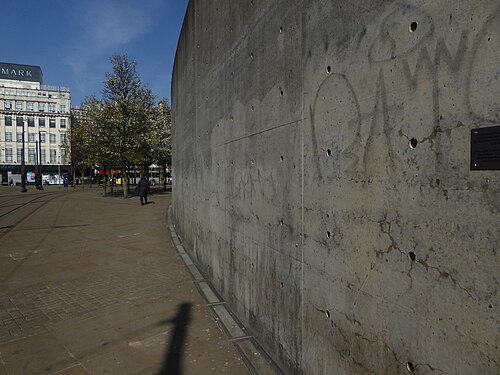
Piccadilly Gardens Pavilion
Picture Book Museum "Mado no soto no sono mata mukō"
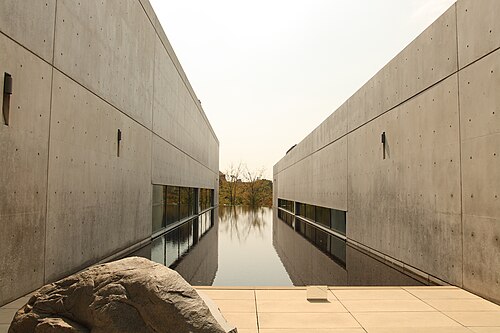
Pulitzer Arts Foundation
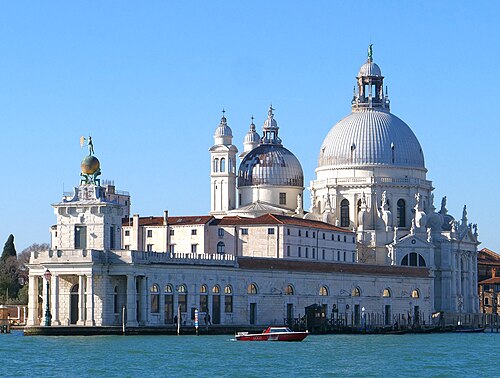
Punta della Dogana
Raika Headquarters (ライカ本社ビル)
Kobe Kaisei Hospital (神戸海星病院)
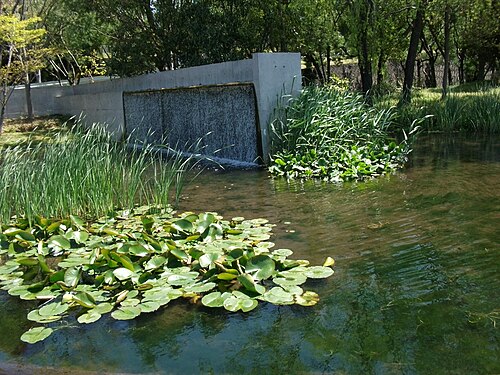
Rock Field Shizuoka Factory (ロック・フィールド 静岡ファクトリー)
Rokko Housing III (六甲の集合住宅III)
Rokko Housing I (六甲の集合住宅I)
Rokko Housing II (六甲の集合住宅II)
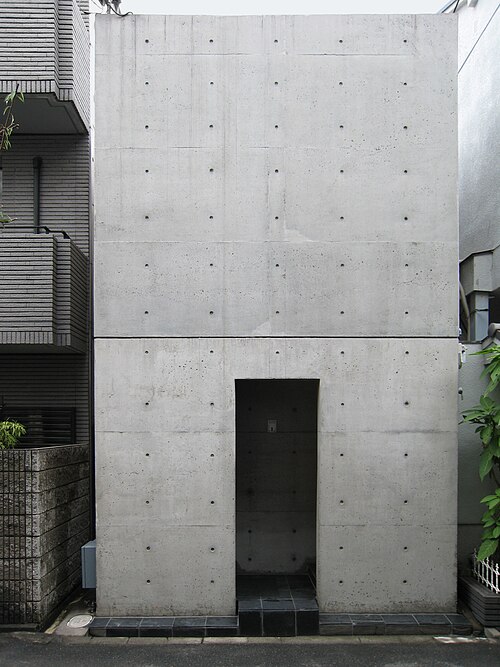
Azuma House, Row House in Sumiyoshi (住吉の長屋)
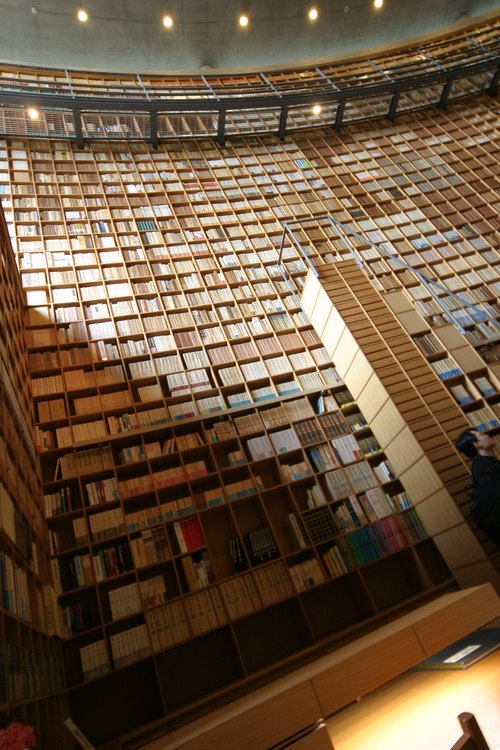
Shiba Ryōtarō Memorial Museum
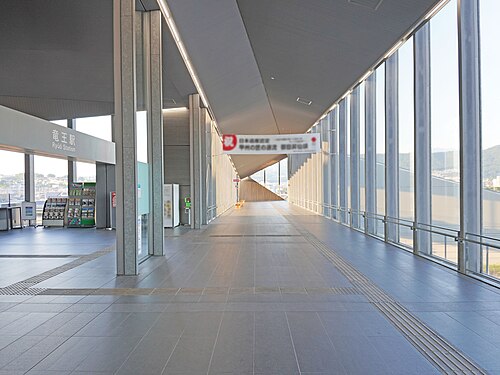
Ryūō Station (竜王駅)
SEAS Building (シーズビル)
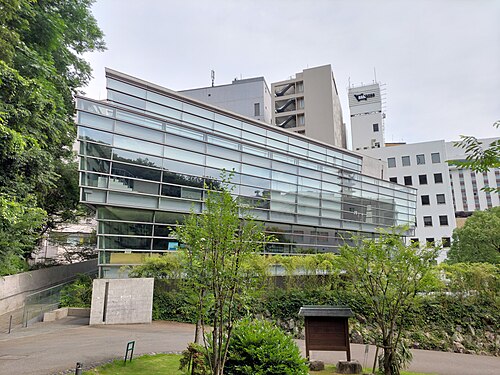
Saka no Ue no Kumo Museum
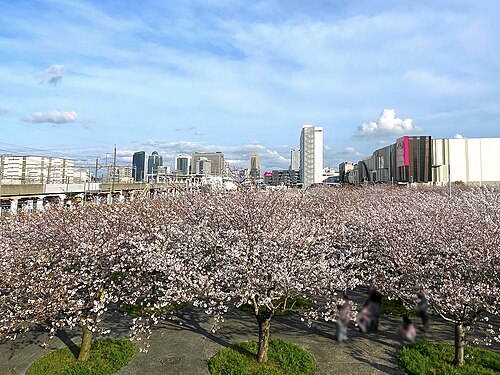
Sakura Hiroba (さくら広場), the cherry-tree plazas
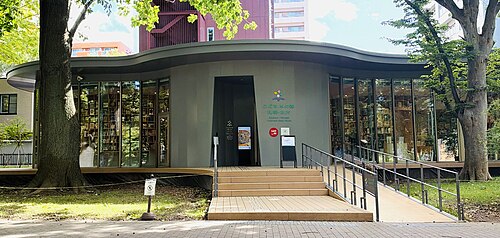
Children's Book Forest Sapporo – Hokkaido University (こども本の森 札幌・北大)
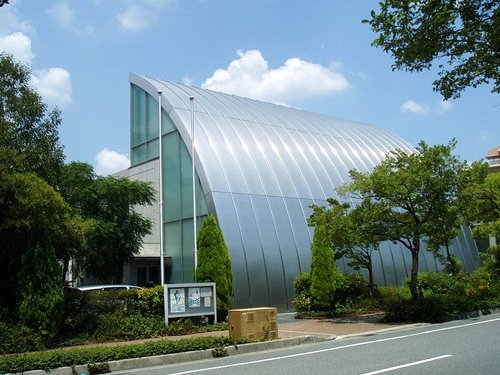
Nishinomiya Shell Museum (西宮市貝類館)
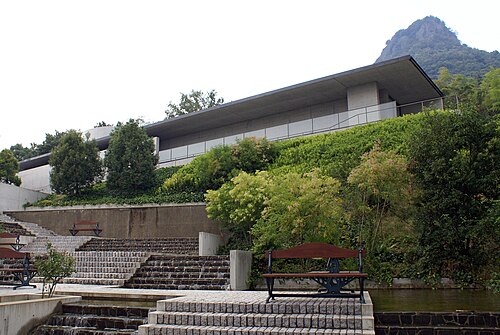
Shikoku Mura Gallery (四国村ギャラリー)
Siddhartha Children and Women Hospital
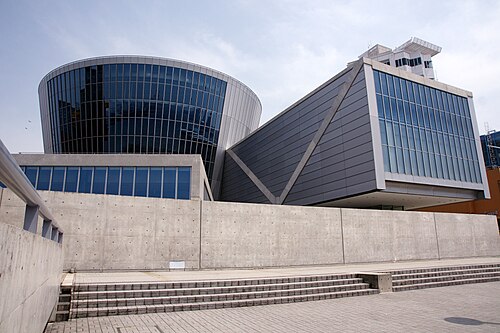
Suntory Museum (Osaka Culturarium at Tempozan)
Taiyo Cement Headquarters Building (太陽セメント本社ビル)
Tea House for Soseikan-Yamaguchi House (双生観の茶室)
Armani/Teatro (アルマーニ・テアトロ)
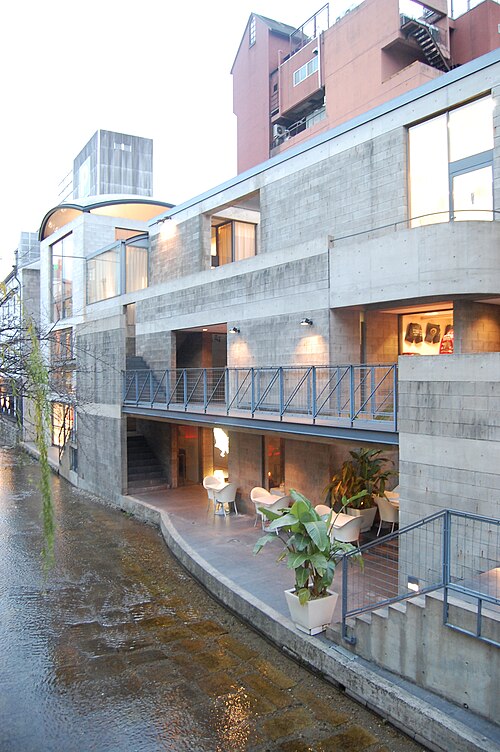
TIME'S
Tomishima House (富島邸)
TOTO Seminar House (now TOTO Seawind Awaji, TOTOシーウィンド淡路)
Valley Gallery
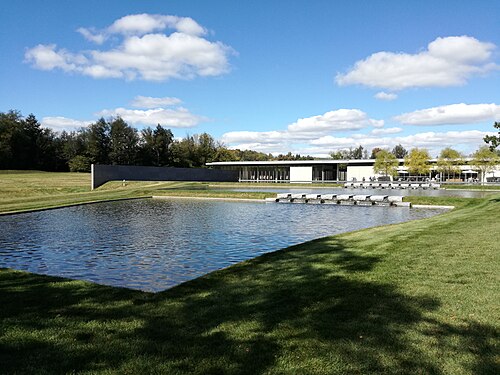
Clark Art Institute: Clark Center and Lunder Center at Stone Hill
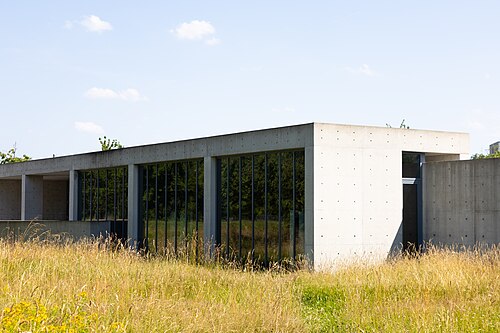
Vitra Conference Pavilion
Wall House, Matsumoto House (領壁の家 松本邸)
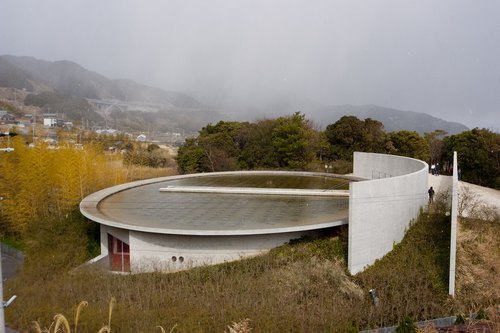
Water Temple (本福寺水御堂)
Wrightwood 659
Yokogurayama Natural Forest Museum
All works 329 works
Private homes are not open to visitors; they are placed without an address, at a point published by a public source, at neighbourhood or at city level.
Japan 277
- Takahashi House 高橋邸Ashiya · 1973Private home, not open to visitors
- Tomishima House (富島邸) 富島邸Osaka · 1973Demolished
- Hiraoka House 平岡邸Takarazuka · 1974Private home, not open to visitors
- Shibata House 芝田邸Ashiya · 1974Private home, not open to visitors
- Tatsumi House 立見邸Osaka · 1974Demolished
- Uchida House 内田邸Kyoto · 1974Private home, not open to visitors
- Uno House 宇野邸Kyoto · 1974Private home, not open to visitors
- Matsumura House (松村邸) 松村邸Kobe · 1975Private home, not open to visitors
- Soseikan-Yamaguchi House 双生観Takarazuka · 1975Private home, not open to visitors
- Azuma House, Row House in Sumiyoshi (住吉の長屋) 住吉の長屋Osaka · 1976Private home, not open to visitors
- Bansho House (番匠邸) 番匠邸Miyoshi · 1976Private home, not open to visitors
- Hirabayashi House (貫入 平林邸) 貫入 平林邸Suita · 1976Private home, not open to visitors
- Tezukayama Tower Plaza 帝塚山タワープラザOsaka · 1976Private home, not open to visitors
- Kitano Alley (北野アレイ) 北野アレイKobe · 1977Open to visitors
- Rose Garden (ローズガーデン) ローズガーデンKobe · 1977Open to visitors
- Tezukayama House-Manabe House 帝塚山の家 真鍋邸Osaka · 1977Private home, not open to visitors
- Wall House, Matsumoto House (領壁の家 松本邸) 領壁の家 松本邸Ashiya · 1977Demolished
- Ishihara House, the Glass Block House (ガラスブロックの家 石原邸) ガラスブロックの家 石原邸Osaka · 1978Private home, not open to visitors
- Kōtō Arei (Kōtō Alley) 甲東アレイNishinomiya · 1978Seen from outside
- Okusu House 大楠邸Tokyo · 1978Private home, not open to visitors
- Sanī Gāden (Sunny Garden) サニーガーデンNishinomiya · 1978Seen from outside
- Glass Block Wall, Horiuchi House (ガラスブロックウォール 堀内邸) ガラスブロックウォール 堀内邸Osaka · 1979Demolished
- Katayama Building 片山ハウスNishinomiya · 1979Demolished
- Kōshienguchi Labyrinth Building (ヌーベル甲子園口) ヌーベル甲子園口Nishinomiya · 1979Open to visitors
- Matsutani House 松谷邸Kyoto · 1979Private home, not open to visitors
- Onishi House 大西邸Osaka · 1979Private home, not open to visitors
- Ueda House 上田邸Soja · 1979Private home, not open to visitors
- Fuku House 福邸Wakayama · 1980Private home, not open to visitors
- Kitano Ivy Court, now Grand Suite Kitano (北野アイビーコート) 北野アイビーコートKobe · 1980Private home, not open to visitors
- Matsumoto House 松本邸Wakayama · 1980Private home, not open to visitors
- Step STEPTakamatsu · 1980Demolished
- Atelier in Oyodo I (大淀のアトリエ I) 大淀のアトリエIOsaka · 1981Demolished
- Bansho House Addition 番匠邸増築Miyoshi · 1981Private home, not open to visitors
- Fasshon Raibu Shiatā (Fashion Live Theater) ファッションライブシアターKobe · 1981Demolished
- Kojima Housing (Sato House) 児島の共同住宅Kurashiki · 1981Private home, not open to visitors
- Koshino House (小篠邸) 小篠 邸Ashiya · 1981Open to visitors
- Rin's Gallery (リンズギャラリー) リンズギャラリーKobe · 1981Seen from outside
- Akabane House 赤羽邸Tokyo · 1982Private home, not open to visitors
- Ishii House 石井邸Hamamatsu · 1982Private home, not open to visitors
- Kujo Townhouse (Izutsu House) 九条の町屋Osaka · 1982Private home, not open to visitors
- Sanpureisu, Kagawa Sōgo Ginkō Minamishinmachi Shiten (Sun Place, Kagawa Mutual Bank Minamishinmachi Branch) サンプレイス(香川相互銀行南新町支店)Takamatsu · 1982Seen from outside
- Tea House for Soseikan-Yamaguchi House (双生観の茶室) 双生観の茶室Takarazuka · 1982Private home, not open to visitors
- Bigi Atelier ビギ・アトリエTokyo · 1983Private home, not open to visitors
- Kaneko House 金子邸Tokyo · 1983Private home, not open to visitors
- Moteki House 茂木邸Kobe · 1983Private home, not open to visitors
- Rokko Housing I (六甲の集合住宅I) 六甲の集合住宅IKobe · 1983Private home, not open to visitors
- Umemiya House 梅宮邸Kobe · 1983Private home, not open to visitors
- Festival (フェスティバル) フェスティバルNaha · 1984Open to visitors
- Hata House 畑邸Nishinomiya · 1984Private home, not open to visitors
- House in Ikoma (南林邸) 南林邸Ikoma · 1984Private home, not open to visitors
- Iwasa House (岩佐邸) 岩佐邸Ashiya · 1984Private home, not open to visitors
- Koshino House Addition (小篠邸増築) 小篠邸増築Ashiya · 1984Open to visitors
- Melrose Headquarters (メルローズ本社ビル) MELROSETokyo · 1984Seen from outside
- Ota House 太田邸Takahashi · 1984Private home, not open to visitors
- Shinsaibashi Tokyu Building 心斎橋TOOsaka · 1984Seen from outside
- TIME'SKyoto · 1984Open to visitors
- Uejo House 植条邸Suita · 1984Demolished
- Aobadai no Atorie (Atelier in Aobadai) 青葉台のアトリエTokyo · 1985Demolished
- Aoyama TO 青山TOTokyo · 1985Seen from outside
- Atelier Yoshie Inaba アトリエ・ヨシエ・イナバTokyo · 1985Demolished
- Guest House for Hattori House (服部邸ゲストルーム) 服部邸ゲストルームOsaka · 1985Private home, not open to visitors
- Jun Port Island Building (ジュン・ポートアイランドビル) ジュン・ポートアイランドビルKobe · 1985Seen from outside
- Mon-petit-chou モン・プティ・シュKyoto · 1985Demolished
- Nakayama Residence (中山邸) 中山邸Nara · 1985Private home, not open to visitors
- Yoshimoto-tei (Yoshimoto House) 吉本邸Osaka · 1985Private home, not open to visitors
- Ōyodo no Chashitsu – Beniya no Chashitsu (Oyodo Tea House – Plywood Tea House) 大淀の茶室(ベニヤの茶室)Osaka · 1985Demolished
- BIGI 3rdOsaka · 1986Seen from outside
- Chapel on Mount Rokkō (風の教会) 風の教会 (六甲の教会)Kobe · 1986Visits suspended
- Fukuhara Clinic 福原病院Tokyo · 1986Seen from outside
- Kidosaki House (城戸崎邸) 城戸崎邸Tokyo · 1986Private home, not open to visitors
- Kitano TO 北野TOKobe · 1986Seen from outside
- OXY Kitano OXY北野Kobe · 1986Seen from outside
- Residence 沖辺邸Osaka · 1986Private home, not open to visitors
- Residence 孫邸Osaka · 1986Private home, not open to visitors
- Riran's Gate (リランズゲート) リランズゲートKobe · 1986Seen from outside
- Saikudani no Ie (House in Saikudani) 細工谷の家Osaka · 1986Private home, not open to visitors
- Sasaki House 佐々木邸Tokyo · 1986Demolished
- TK Biru (TK Building) TKビルTokyo · 1986Seen from outside
- TS Building TSビルOsaka · 1986Seen from outside
- Taiyo Cement Headquarters Building (太陽セメント本社ビル) 太陽セメント本社ビルOsaka · 1986Seen from outside
- The Hillside Kobe, formerly Old/New Rokko (ゲストハウスOLD/NEW六甲) ゲストハウスOLD/NEW六甲Kobe · 1986By request
- Ōyodo no Chashitsu – Burokku no Chashitsu (Oyodo Tea House – Block Tea House) 大淀の茶室(ブロックの茶室)Osaka · 1986Demolished
- J ROOMNagoya · 1987Demolished
- Jingūmae no Atorie (Atelier in Jingūmae) 神宮前のアトリエTokyo · 1987Private home, not open to visitors
- Karaza Theater 唐座Tokyo · 1987Demolished
- Main Pavilion for the Tennoji Fair (天王寺博覧会テーマ館) 天王寺博覧会 テーマ館Osaka · 1987Demolished
- OXY Unagidani OXY鰻谷Osaka · 1987Demolished
- Tanaka Sansō – Yamanakako no Atorie (Tanaka Villa – Atelier at Lake Yamanaka) 田中山荘(山中湖のアトリエ)Yamanakako · 1987Private home, not open to visitors
- Ueda House Addition 上田邸増築Soja · 1987Private home, not open to visitors
- B-Lock Kaguraoka B-Lock 神楽岡Kyoto · 1988Seen from outside
- Church on the Water 水の教会Shimukappu · 1988Open to visitors
- Galleria [akka] (ガレリア・アッカ) ガレリア・アッカOsaka · 1988Seen from outside
- I Hausu (I House) IハウスAshiya · 1988Private home, not open to visitors
- Ogura-tei (Ogura House) 小倉邸Nagoya · 1988Private home, not open to visitors
- Tea House in Oyodo, Tent Tea House (大淀の茶室(テントの茶室)) 大淀の茶室(テントの茶室)Osaka · 1988Demolished
- Yoshida-tei (Yoshida House) 吉田邸Tondabayashi · 1988Private home, not open to visitors
- Church of the Light 光の教会Ibaraki · 1989Visits suspended
- Hyōgo Prefectural Children's House (兵庫県立こどもの館) 兵庫県立こどもの館Himeji · 1989Open to visitors
- La Collezione (ラ・コレッツィオーネ) コレッツィオーネTokyo · 1989Seen from outside
- Morozoff P&P Studio モロゾフ P&P スタジオKobe · 1989Seen from outside
- Natsukawa Memorial Hall 近江高等学校 夏川記念会館Hikone · 1989Seen from outside
- Raika Headquarters (ライカ本社ビル) ライカ 本社ビルOsaka · 1989Demolished
- Residence 城尾邸Tokyo · 1989Private home, not open to visitors
- Yao Clinic, Neyagawa 矢尾クリニックNeyagawa · 1989Seen from outside
- B-Lock Kitayama B-Lock北山Kyoto · 1990Seen from outside
- Garden of Fine Arts, Expo '90 Osaka (名画の庭) 国際花と緑の博覧会 「名画の庭」Osaka · 1990Demolished
- Harima Heliport (播磨ヘリポート) 播磨ヘリポートKamigori · 1990Not open to the public
- Ito House, Setagaya (伊東邸) 伊東邸Tokyo · 1990Private home, not open to visitors
- Jūmonji Bishin Kasetsu Gekijō (Bishin Jumonji Temporary Theater) 十文字美信仮設劇場Tokyo · 1990Demolished
- Matsutani House Addition 松谷邸増築Kyoto · 1990Private home, not open to visitors
- Atelier in Oyodo II (大淀のアトリエII) 大淀のアトリエIIOsaka · 1991Not open to the public
- Himeji City Museum of Literature (姫路文学館) 姫路文学館Himeji · 1991Open to visitors
- Minolta Seminar House ミノルタセミナーハウスKobe · 1991Seen from outside
- Residence 石河邸Takatsuki · 1991Private home, not open to visitors
- Rock Field Shizuoka Factory (ロック・フィールド 静岡ファクトリー) ロック・フィールド 静岡ファクトリーIwata · 1991By request
- SEAS Building (シーズビル) シーズビルOsaka · 1991Seen from outside
- Sayoh Housing 佐用ハウジングSayo · 1991Private home, not open to visitors
- Water Temple (本福寺水御堂) 本福寺水御堂Awaji · 1991Open to visitors
- Benesse House Museum ベネッセハウス ミュージアムNaoshima · 1992Open to visitors
- Hoshinoko Yakata (星の子館) 姫路市立 星の子館Himeji · 1992Open to visitors
- Kumamoto Prefectural Ancient Burial Mound Museum (熊本県立装飾古墳館) 熊本県立装飾古墳館Yamaga · 1992Open to visitors
- Miyashita-tei (Miyashita House) 宮下邸Kobe · 1992Private home, not open to visitors
- Otemae Art Center (大手前アートセンター) 大手前女子大学 アートセンターNishinomiya · 1992Open to visitors
- Church in Tarumi (垂水の教会) 垂水の教会 西須磨福音ルーテル教会Kobe · 1993Open to visitors
- College of Nursing Art and Science, University of Hyogo, Akashi Campus 兵庫県立大学 看護学部・看護研究科Akashi · 1993Seen from outside
- Gallery Noda ギャラリー野田Kobe · 1993Open to visitors
- Residence 李邸Funabashi · 1993Private home, not open to visitors
- Rokko Housing II (六甲の集合住宅II) 六甲の集合住宅IIKobe · 1993Private home, not open to visitors
- YKK Seminar House YKKセミナーハウスNarashino · 1993Seen from outside
- Garden of Fine Arts, Kyoto (京都府立陶板名画の庭) 京都府立陶板名画の庭Kyoto · 1994Open to visitors
- House in Nipponbashi (日本橋の家) 日本橋の家 - 金森邸Osaka · 1994By request
- Inamori Hall, Kagoshima University (鹿児島大学 稲盛会館) 鹿児島大学 稲盛会館Kagoshima · 1994Seen from outside
- Kiyo Bank, Sakai Building (紀陽銀行堺支店) 紀陽銀行 堺支店Sakai · 1994Seen from outside
- Maxray Headquarters Building マックスレイ本社ビルOsaka · 1994Seen from outside
- Museum of Wood Culture (Kinodendo, 木の殿堂) 兵庫県立木の殿堂Kami · 1994Open to visitors
- Nariwa Museum 成羽町美術館Takahashi · 1994Open to visitors
- Osaka Prefectural Chikatsu Asuka Museum (大阪府立近つ飛鳥博物館) 大阪府立近つ飛鳥博物館Kanan · 1994Open to visitors
- Suntory Museum (Osaka Culturarium at Tempozan) サントリーミュージアム 天保山Osaka · 1994Open to visitors
- Asahi Group Oyamazaki Villa Museum of Art アサヒビール 大山崎山荘美術館Oyamazaki · 1995Open to visitors
- Atelier in Oyodo Annex 大淀のアトリエ・アネックスOsaka · 1995Private home, not open to visitors
- Benesse House Oval (ベネッセハウス オーバル) ベネッセハウス オーバルNaoshima · 1995By request
- Harima Kōgen Higashi Primary School (播磨高原東小学校) 播磨高原東小学校Tatsuno · 1995Seen from outside
- Kanazu Elementary School, Kahoku (かほく市立金津小学校) かほく市立金津小学校Kahoku · 1995Seen from outside
- Museum of Gojō Culture and its Annex 市立五條文化博物館Gojo · 1995Open to visitors
- Nagaragawa Convention Center (長良川国際会議場) 長良川国際会議場Gifu · 1995By request
- Ayabe Industrial Park Exchange Plaza (綾部工業団地・交流プラザ) 綾部工業団地・交流プラザAyabe · 1996Seen from outside
- Gallery Chiisaime (ギャラリー小さい芽) ギャラリー小さい芽(澤田邸)Nishinomiya · 1996Open to visitors
- Nomi House, Townhouse in Hirano (平野区の町屋―能見邸) 平野区の町屋Osaka · 1996Private home, not open to visitors
- Shanghai Pusan Ferry Terminal 大阪港国際フェリーターミナルOsaka · 1996Open to visitors
- Shirai-tei (Shirai House) 白井邸Yawata · 1996Private home, not open to visitors
- Aoki no Shūgō Jūtaku (Aoki Housing) 青木の集合住宅Kobe · 1997Private home, not open to visitors
- Harima Kōgen Higashi Junior High School (播磨高原東中学校) 播磨高原東中学校Tatsuno · 1997Seen from outside
- Koumi Kōgen Museum of Art 小海町高原美術館Koumi · 1997Open to visitors
- TOTO Seminar House (now TOTO Seawind Awaji, TOTOシーウィンド淡路) TOTOセミナーハウスAwaji · 1997By request
- Yagi-tei (Yagi House) 八木邸Nishinomiya · 1997Private home, not open to visitors
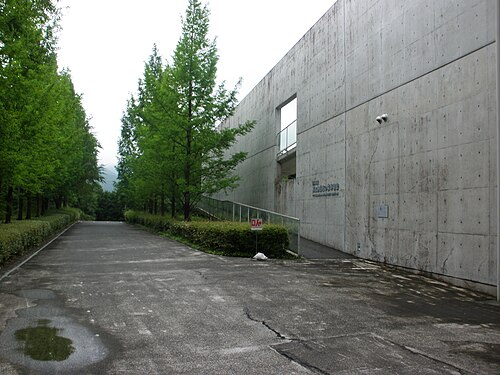
- Yokogurayama Natural Forest Museum 越知町立横倉山自然の森博物館Ochi · 1997Open to visitors
- Daikoku Denki Headquarters Building, Sakashita (ダイコク電機 本部ビル) ダイコク電機 本部ビルKasugai · 1998Seen from outside
- Red Hat Hiroki Oda Museum (赤い帽子 織田廣喜ミュージアム) 赤い帽子 織田廣喜ミュージアムHino · 1998Seen from outside
- Setouchi Retreat Aonagi (formerly Elleair Square Matsuyama) エリエールスクエア松山 エリエール美術館Matsuyama · 1998By request
- Watanabe Junichi Museum of Literature 渡辺淳一記念館Sapporo · 1998Open to visitors
- Asahi Shimbun Okayama Bureau (朝日新聞社岡山総局) 朝日新聞岡山支局Okayama · 1999Open to visitors
- Awaji Yumebutai International Conference Center (兵庫県立淡路夢舞台国際会議場) 兵庫県立淡路夢舞台国際会議場Awaji · 1999Seen from outside
- Church of the Light Sunday School hall (光の教会 日曜学校) 光の教会 日曜学校Ibaraki · 1999Visits suspended
- Minamidera (南寺) 南寺(直島・ 家プロジェクト )Naoshima · 1999Open to visitors
- Nishinomiya Shell Museum (西宮市貝類館) 西宮市貝類館Nishinomiya · 1999Open to visitors
- Rokko Housing III (六甲の集合住宅III) 六甲の集合住宅IIIKobe · 1999Private home, not open to visitors
- Awaji Green Kan (あわじグリーン館) あわじグリーン館Awaji · 2000Open to visitors
- Awaji Yumebutai (淡路夢舞台) 淡路夢舞台Awaji · 2000Open to visitors
- Fukuoka Camera Museum (ミュゼふくおかカメラ館) ミュゼふくおかカメラ館Takaoka · 2000Open to visitors
- Grand Nikko Awaji (グランドニッコー淡路) グランドニッコー淡路Awaji · 2000By request
- Hyakudan-en (Hundred-Step Garden) 百段苑Awaji · 2000Open to visitors
- Komyo-ji Temple 南岳山光明寺Saijo · 2000Open to visitors
- Toyosaka Municipal Library (新潟市立豊栄図書館) 新潟市立豊栄図書館Niigata · 2000Open to visitors
- Aomori Contemporary Art Centre (国際芸術センター青森, ACAC) 国際芸術センター青森Aomori · 2001Open to visitors
- Foresuto Puraza Omotesandō (Forest Plaza Omotesando) フォレストプラザ表参道Tokyo · 2001Seen from outside
- Hyōgo Prefectural Museum of Art and Kobe Waterfront Plaza (兵庫県立美術館, 神戸市水際広場) 兵庫県立美術館 +神戸市水際広場Kobe · 2001Open to visitors
- Nature Spa Takarazuka (ナチュールスパ宝塚) クリスタルスパリゾート宝塚温泉Takarazuka · 2001Visits suspended
- Osaka Prefectural Sayamaike Museum 大阪府立狭山池博物館Osakasayama · 2001Open to visitors
- Shiba Ryōtarō Memorial Museum 司馬遼太郎記念館Higashiosaka · 2001Open to visitors
- Asahi Bīru Kanagawa Kōjō Gesuto Hausu (Asahi Beer Kanagawa Plant Guest House) アサヒビール神奈川工場ゲストハウスMinamiashigara · 2002Seen from outside
- Audi Japan Honsha Biru (Audi Japan Headquarters Building) アウディ ・ジャパン本社ビルTokyo · 2002Seen from outside
- International Library of Children's Literature (国際子ども図書館) 国際子ども図書館Tokyo · 2002Open to visitors
- Ishikawa Nishida Kitarō Museum of Philosophy 石川県 西田幾多郎 記念哲学館Kahoku · 2002Open to visitors
- Kinjō Junior High School, Kaga (加賀市立錦城中学校) 加賀市立錦城中学校Kaga · 2002Seen from outside
- Kokyu Ofisu Biru (Kokyu Office Building) コキュ・オフィスビルTokyo · 2002Seen from outside
- Nadahama Garden Baden (灘浜ガーデンバーデン) 灘浜ガーデンバーデンKobe · 2002Open to visitors
- Shikoku Mura Gallery (四国村ギャラリー) 四国村ギャラリーTakamatsu · 2002Open to visitors
- 4×4 House (4m×4mの家) 4m×4mの家Kobe · 2003Private home, not open to visitors
- CUE NISHIAZABU CUE NISHIAZABU(西麻布の集合住宅)Tokyo · 2003Private home, not open to visitors
- Noma Kindergarten (野間自由幼稚園) 野間自由幼稚園Ito · 2003Not open to the public
- Onomichi City Museum of Art 尾道市立美術館Onomichi · 2003Open to visitors
- Osaka Memorial Park (大阪メモリアルパーク) 大阪メモリアルパークDaito · 2003By request
- Rock Field factory in Kawasaki (ロック・フィールド 玉川ファクトリー) ロック・フィールド 玉川ファクトリーKawasaki · 2003Not open to the public
- Apartment building in Sengawa (シティハウス仙川) シティハウス仙川Chofu · 2004Private home, not open to visitors
- Chichu Art Museum 地中美術館Naoshima · 2004Open to visitors
- Gunma Insect World Insect Observation Hall (県立ぐんま昆虫の森 昆虫観察館) 県立 ぐんま昆虫の森 昆虫観察館Kiryu · 2004Open to visitors
- Housing and retail building in Sengawa (仙川アベニュー・アネックスⅡ) 仙川アベニュー アネックスIIChofu · 2004Seen from outside
- Ichinohe South Elementary School (一戸町立一戸南小学校) 一戸町立一戸南小学校Ichinohe · 2004Seen from outside
- Kashimo Community Centre (加子母村ふれあいコミュニティセンター) 加子母村ふれあいコミュニティセンターNakatsugawa · 2004Open to visitors
- Rock Field Kobe Head Office and Factory (ロック・フィールド 神戸ヘッドオフィス/神戸ファクトリー) ロック・フィールド 神戸ヘッドオフィス/神戸ファクトリーKobe · 2004Not open to the public
- Set for Wozzeck (Saito Kinen Festival Matsumoto) サイトウ・キネン・フェスティバル松本 オペラ『 ヴォツェック 』舞台構成Matsumoto · 2004Demolished
- Tokyo Art Museum 東京アートミュージアムChofu · 2004Open to visitors
- 4×4 House II (4m×4mの家II) 4m×4mの家IIKobe · 2005Demolished
- Picture Book Museum "Mado no soto no sono mata mukō" 絵本美術館 まどのそとのそのまたむこうIwaki · 2005By request
- Takatsuki no Jūtaku (House in Takatsuki) 高槻の住宅Takatsuki · 2005Private home, not open to visitors
- hhstyle.com/casa Store (hhstyle.com/casa) hhstyle.com/casaTokyo · 2005Open to visitors
- Benesse House Park and Beach (ベネッセハウス パーク/ビーチ) ベネッセハウス ビーチ/パークNaoshima · 2006By request
- Koshino House Guest House (小篠邸ゲストハウス) 小篠邸ゲストハウス(KHギャラリー)Ashiya · 2006Open to visitors
- Omotesando Hills 表参道ヒルズTokyo · 2006Open to visitors
- Saka no Ue no Kumo Museum 坂の上の雲ミュージアムMatsuyama · 2006Open to visitors
- Sakura Hiroba (さくら広場), the cherry-tree plazas さくら広場(門真)Kadoma · 2006Open to visitors
- Sakura Hiroba, Makuhari (Sakura Plaza, Makuhari) さくら広場(幕張)Chiba · 2006Open to visitors
- Shin-Sakuranomiya Bridge 新桜宮橋Osaka · 2006Open to visitors
- Takahashi Biru (Takahashi Building) 高橋ビルTokyo · 2006Seen from outside
- Work 游庵Tokyo · 2006Seen from outside
- 21_21 DESIGN SIGHT 21 21 DESIGN SIGHTTokyo · 2007Open to visitors
- Commercial building in Sengawa (仙川デルタ・スタジオ) 仙川デルタスタジオChofu · 2007Seen from outside
- Fukai-tei (Fukai House) 深井邸Osaka · 2007Private home, not open to visitors
- Nagao Municipal Elementary School (神戸市立長尾小学校) 長尾小学校Kobe · 2007Not open to the public
- Sakai no Jūtaku (House in Sakai) 堺の住宅Sakai · 2007Private home, not open to visitors
- Taigaku-in temple, Hadano (太岳院) 曹洞宗太岳院Hadano · 2007Open to visitors
- Yonago East Hospital (米子東病院) 米子東病院Yonago · 2007Seen from outside
- Duchesne Hall, Sacred Heart School, Tokyo (デュシェーンホール) 聖心女子学院 創立100周年記念ホールTokyo · 2008Not open to the public
- Fukutake Hall, University of Tokyo (情報学環・福武ホール) 東京大学 大学院 情報学環 福武ホールTokyo · 2008By request
- Naniwabashi Station (entrances) 京阪電鉄 中之島線 なにわ橋駅Osaka · 2008Open to visitors
- Ryūō Station (竜王駅) 竜王駅 +南北駅前広場Kai · 2008Open to visitors
- Sakura Hiroba, Toyonaka (Sakura Plaza, Toyonaka) さくら広場(豊中)Toyonaka · 2008Open to visitors
- Sengawa Theater, Chofu (調布市せんがわ劇場) 調布市 音楽・芝居小屋Chofu · 2008Open to visitors
- Shibuya Station (Fukutoshin and Toyoko lines) 東京地下鉄 副都心線 ・ 東京急行電鉄 東横線 渋谷駅Tokyo · 2008Open to visitors
- Kobe Kaisei Hospital (神戸海星病院)Kobe · 2009Seen from outside
- NIWAKA Building (俄ビル) 俄ビルKyoto · 2009Open to visitors
- TOPGUN, International Pacific University (環太平洋大学) 環太平洋大学 TOPGUNOkayama · 2009Seen from outside
- Yokohama Local Meteorological Observatory (横浜地方気象台) 横浜地方気象台Yokohama · 2009Open to visitors
- Atema Forest Hall and Waterside Hall (あてま森と水辺の教室 森のホール 水辺のホール) あてま森と水辺の教室 森のホール 水辺のホールTokamachi · 2010Open to visitors
- Capella Niseko Resort and ResidencesNiseko · 2010Seen from outside
- Chaska Chayamachi (チャスカ茶屋町) チャスカ茶屋町Osaka · 2010Open to visitors
- Church of the Light Parsonage (光の教会 牧師館) 光の教会 牧師館Ibaraki · 2010Private home, not open to visitors
- House in Shiga 滋賀の住宅Otsu · 2010Private home, not open to visitors
- House in Utsubo Park (靱公園の住宅) 靱公園の住宅Osaka · 2010Private home, not open to visitors
- Lee Ufan Museum 李禹煥美術館Naoshima · 2010Open to visitors
- Nagoya no Jūtaku (House in Nagoya) 名古屋の住宅Nagoya · 2010Private home, not open to visitors
- Kaminoge Station (Tokyu Oimachi Line) 東急大井町線 上野毛駅Tokyo · 2011Open to visitors
- Museum of the Light (光の美術館) 光の美術館 CLAVE GALERIEHokuto · 2011Open to visitors
- Akita Museum of Art 秋田県立美術館Akita · 2012Open to visitors
- House in Takamatsu (高松の住宅) 高松の住宅Takamatsu · 2012Private home, not open to visitors
- Kamigata Rakugo Kyōkai Kaikan (Kamigata Rakugo Association Hall) 上方落語協会 会館Osaka · 2012Seen from outside
- Oiki Ladies Clinic 2 (老木レディスクリニック2) 老木レディースクリニックIzumi · 2012Not open to the public
- Sengawa no Shūgō Jūtaku II (Sengawa Housing II) 仙川の集合住宅IIChofu · 2012Private home, not open to visitors
- ANDO MUSEUM Ando MuseumNaoshima · 2013Open to visitors
- House in Ashiya (芦屋の住宅) 芦屋の住宅Ashiya · 2013Private home, not open to visitors
- Mikawa-Tahara Station (Atsumi Line) 三河田原駅Tahara · 2013Open to visitors
- Okayama Shinkin Bank Uchisange Square (おかやま信用金庫 内山下スクエア) おかやま信用金庫 内山下スクエアOkayama · 2013Open to visitors
- PHILOSOPHIA, International Pacific University (環太平洋大学) 環太平洋大学 PHILOSOPHIAOkayama · 2013Seen from outside
- Residence 佐渡 邸Ashiya · 2013Private home, not open to visitors
- The Great Tree of the City, green façade of the Osaka Marubiru (都市の大樹) 都市の大樹Osaka · 2013Demolished
- Umekita Plaza (うめきた広場) うめきた広場Osaka · 2013Open to visitors
- Wall of Hope (希望の壁) 希望の壁Osaka · 2013Seen from outside
- Church in Hiroo (広尾の教会) 広尾の教会Tokyo · 2014Open to visitors
- Hill of the Buddha (頭大仏殿, Atama Daibutsuden) 真駒内滝野霊園 頭大仏Sapporo · 2015Open to visitors
- International Library of Children's Literature, Arch Building 国際子ども図書館 アーチ棟Tokyo · 2015Open to visitors
- Towada Education Plaza (十和田市教育プラザ) 十和田市教育プラザTowada · 2015Open to visitors
- Kitakaro Sapporo Honkan (北菓楼札幌本館) 北菓楼札幌本館Sapporo · 2016Open to visitors
- Miyako Irahara School (みやこ伊良原学園) みやこ町立伊良原小学校・中学校Miyako · 2016Seen from outside
- Motoazabu no Jūtaku (House in Motoazabu) 元麻布の住宅Tokyo · 2016Private home, not open to visitors
- House in the Forest, Mitsumasa Anno Museum (森の中の家 安野光雅館) 森の中の家 安野光雅 館Kyotango · 2017Open to visitors
- Osaka Shoko Shinkin Bank Head Office (大阪商工信用金庫 本店ビル) 大阪商工信用金庫 新本店ビルOsaka · 2017Seen from outside
- Kumamoto Station JR九州 熊本駅 新駅舎Kumamoto · 2019Open to visitors
- Jingū-dōri Park Toilet (The Tokyo Toilet) 神宮通公園トイレTokyo · 2020Open to visitors
- Nakanoshima Children's Book Forest (こども本の森 中之島) こども本の森 中之島Osaka · 2020Open to visitors
- Tōno Children's Book Forest (こども本の森 遠野) こども本の森 遠野Tono · 2021Open to visitors
- Kobe Children's Book Forest (こども本の森 神戸) こども本の森 神戸Kobe · 2022Open to visitors
- Marufukuro (丸福樓) 丸福樓Kyoto · 2022By request
- Valley GalleryNaoshima · 2022Open to visitors
- Kumamoto Children's Book Forest (こども本の森 熊本) こども本の森 熊本Kumamoto · 2024Open to visitors
- Matsuyama Children's Book Forest (こども本の森 松山) こども本の森 松山Matsuyama · 2025Open to visitors
- The University of Osaka and The Nippon Foundation Center for Infectious Diseases (大阪大学・日本財団 感染症センター) 大阪大学・日本財団 感染症センターSuita · 2025Seen from outside
- Children's Book Forest Sapporo – Hokkaido University (こども本の森 札幌・北大) こども本の森 札幌・北大Sapporo · 2026Open to visitors
United States 12
- Ando Gallery, Art Institute of Chicago シカゴ美術館 屏風ギャラリーChicago · 1992Open to visitors
- Eychaner/Lee House シカゴの住宅Chicago · 1997Private home, not open to visitors
- Pulitzer Arts Foundation ピューリッツァー美術館St. Louis · 2001Open to visitors
- Modern Art Museum of Fort Worth (“The Modern”) フォートワース現代美術館Fort Worth · 2002Open to visitors
- House and riding facility on a ranch near Santa Fe 砂漠の家 乗馬施設Santa Fe · 2003Private home, not open to visitors
- Morimoto restaurant, Chelsea Market MORIMOTONew York · 2006Not open to the public
- Lunder Center at Stone Hill (Clark Art Institute) クラーク美術館 ランダー・センターWilliamstown · 2008
- Malibu House III マリブの住宅IIIMalibu · 2012Private home, not open to visitors
- Clark Art Institute: Clark Center and Lunder Center at Stone Hill クラーク美術館 クラーク・センターWilliamstown · 2014Open to visitors
- Malibu House I マリブの住宅IMalibu · 2015Private home, not open to visitors
- 152 Elizabeth Street CondominiumsNew York · 2018Seen from outside
- Wrightwood 659Chicago · 2018Open to visitors
South Korea 8
- Glass House (글라스 하우스)Seogwipo · 2008Open to visitors
- Hanwha Human Resource Development Center (한화인재경영원) ハンファHRDセンターGapyeong · 2008Not open to the public
- Yumin Art Nouveau Museum (유민 아르누보 뮤지엄), formerly Genius Loci 済州島 石の門 風の門Jeju · 2008Open to visitors
- Bonte Museum (본태박물관) ボンテ・ミュージアムJeju · 2012Open to visitors
- Museum SAN (뮤지엄 산) ミュージアムSANWonju · 2013Open to visitors
- Church of the Heart 森の教会Yeoju · 2015Not open to the public
- Jaeneung Culture Center (JCC) JCCクリエイティブセンター、JCCアートセンターSeoul · 2015Open to visitors
- LG Arts Center Seoul (LG아트센터 서울)Seoul · 2022Open to visitors
Italy 7
- Fabrica FABRICA(ベネトン・アートスクール)Treviso · 2000By request
- Armani/Teatro (アルマーニ・テアトロ) アルマーニ・テアトロMilan · 2001Seen from outside
- Invisible House (見えない家) 見えない家Treviso · 2004Private home, not open to visitors
- Palazzo Grassi パラッツォ・グラッシ ( 英語版 ) 再生計画Venice · 2006Open to visitors
- Punta della Dogana プンタ・デラ・ドガーナ ( 英語版 )Venice · 2009Open to visitors
- Teatrino of Palazzo Grassi テアトリーノVenice · 2013Open to visitors
- Duvetica Showroom デュベティカ ミラノMilan · 2014Seen from outside
China 5
- Aurora Museum (震旦博物馆) 震旦美術館Shanghai · 2013Open to visitors
- Shanghai Poly Grand Theatre 上海保利大劇場Shanghai · 2014Open to visitors
- Liangzhu Culture and Art Center 良渚村文化芸術センターHangzhou · 2016Open to visitors
- Pearl Art MuseumShanghai · 2017
- He Art Museum 和美术馆Foshan · 2020Open to visitors
France 3
- Meditation Space, UNESCO ユネスコ 瞑想空間Paris · 1995By request
- Château La Coste (Art Centre, Chapel, Four Cubes to Contemplate Our Environment) シャトー・ラ・コスト(アート・センター、チャペル、4グラス・キューブス・パヴィリオン)Le Puy-Sainte-Réparade · 2011Open to visitors
- Bourse de Commerce – Pinault Collection Bourse de CommerceParis · 2021Open to visitors
Germany 3
- Vitra Conference Pavilion ヴィトラ セミナーハウスWeil am Rhein · 1993Open to visitors
- Langen Foundation ホンブロイッヒ・ランゲン美術館Neuss · 2004Open to visitors
- Stone Sculpture Museum ストーン・スカルプチュア・ミュージアムBad Kreuznach · 2010Open to visitors
Mexico 3
- Casa Monterrey モンテレイの住宅Monterrey · 2011Private home, not open to visitors
- Gate of Creation (Roberto Garza Sada Center)Monterrey · 2013Open to visitors
- Casa Wabi ボスコ・スタジオ&ハウスPuerto Escondido · 2014Open to visitors
United Kingdom 2
- Piccadilly Gardens Pavilion マンチェスター市ピカデリー公園Manchester · 2002Open to visitors
- Silence, Carlos Place water feature カルロス・プレイス "サイレンス"London · 2011Open to visitors
Australia 1
- MPavilion 10Melbourne · 2023Open to visitors
Finland 1
- Iced Time Tunnel (The Snow Show, Rovaniemi) ICED TIME TUNNEL The Snow Show 2004Rovaniemi · 2004Demolished
Hungary 1
- Lónyay-Hatvany Villa (Ybl-villa), ceiling and interior designBudapest · 2021Open to visitors
Nepal 1
- Siddhartha Children and Women Hospital ネパール子ども病院Butwal · 1998Seen from outside
Philippines 1
- Montenrupa Shakai Fukki Sentā (Muntinlupa Rehabilitation Center) モンテンルパ社会復帰センターMuntinlupa · 1997Seen from outside
Spain 1
- Japan Pavilion, Seville Expo 1992 セビリア万国博覧会 日本政府館Seville · 1992Demolished
Sri Lanka 1
- House in Mirissa スリランカの住宅Mirissa · 2008Private home, not open to visitors
Switzerland 1
- Novartis Laboratories, Fabrikstrasse 28 (WSJ-352) ノバルティス研究施設棟 WSJ-352Basel · 2010Seen from outside
Taiwan 1
- Asia University Museum of Modern Art (亞洲大學附屬現代美術館) 亜洲大学 亜洲現代美術館Taichung · 2013Open to visitors
Sources (16)
- pritzkerprize.com/laureates/1995
- kyotoprize.org/en/laureates/tadao_ando/
- praemiumimperiale.org/laureate/ando
- architecture.com/awards-and-competitions-landing-page/awards/royal-gold-medal
- benesse-artsite.jp/art/chichu.html
- benesse-artsite.jp/art/ando-museum.html
- benesse-artsite.jp/art/nnmoa.html
- benesse-artsite.jp/contact/press/20250530_pressrelease.pdf
- langenfoundation.de/en/about/history
- langenfoundation.de/en/about/architecture
- pinaultcollection.com/palazzograssi/en/punta-della-dogana
- pinaultcollection.com/palazzograssi/en/palazzo-grassi
- pinaultcollection.com/www.pinaultcollection.com/p/media/doc/2021-04-30-dp-ouverture-en-bd.
- clarkart.edu/getmedia/9946ca09-3b6d-44f3-9edb-a358190fd3fb/2014.pdf
- osaka-u.ac.jp/ja/guide/public-relations/press_release/files/20250310_01.pdf
- kodomohonnomori.osaka/about/